
The 30th Zhejiang Lighting Industry Supply Chain Supporting Conference and the 2nd Session of the 7th Council were successfully held in 2026.
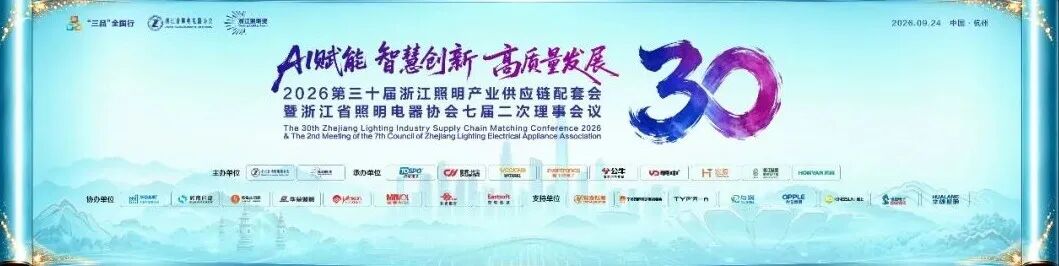
AI empowers industrial transformation, with smart and digital solutions becoming the core direction for high-quality development in the lighting industry. To seize new opportunities and promote technological innovation and coordinated supply-chain development, on September 24, 2026, the “30th Zhejiang Lighting Industry Supply Chain Conference and the Second Session of the 7th Board of Directors,” hosted by the Zhejiang Provincial Lighting Electrical Appliances Association, was grandly held in Hangzhou. Leaders from the Consumer Goods and Traditional Industries Division of the Zhejiang Provincial Department of Economy and Information Technology, the China Lighting Electrical Appliances Association, the Hangzhou Urban Appearance and Landscape Development Center, and other organizations attended the event. Nearly 300 representatives—including the president, vice presidents, supervisor, secretary-general, executive directors, directors, member companies, upstream and downstream supply-chain enterprises, as well as guests from various industry associations—gathered in Lin’an to celebrate this significant occasion.
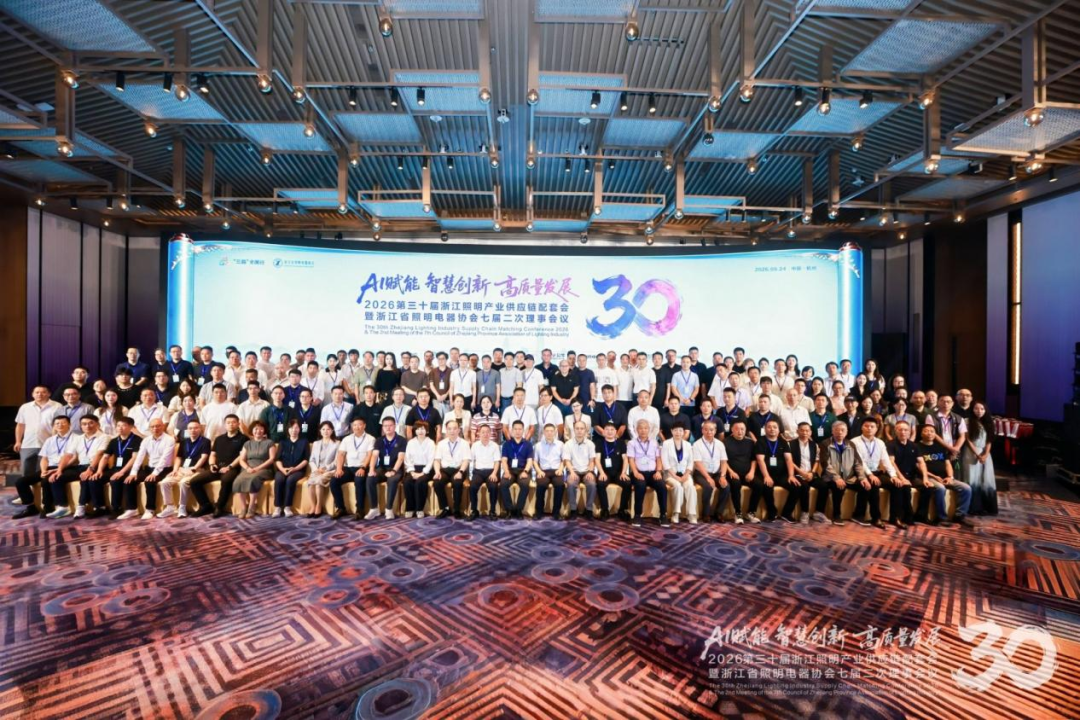
This conference was themed “AI Empowerment, Smart Innovation, High-Quality Development”, focusing on cross-industry integration and resource alignment to drive quality upgrades and steady growth in Zhejiang’s lighting sector.
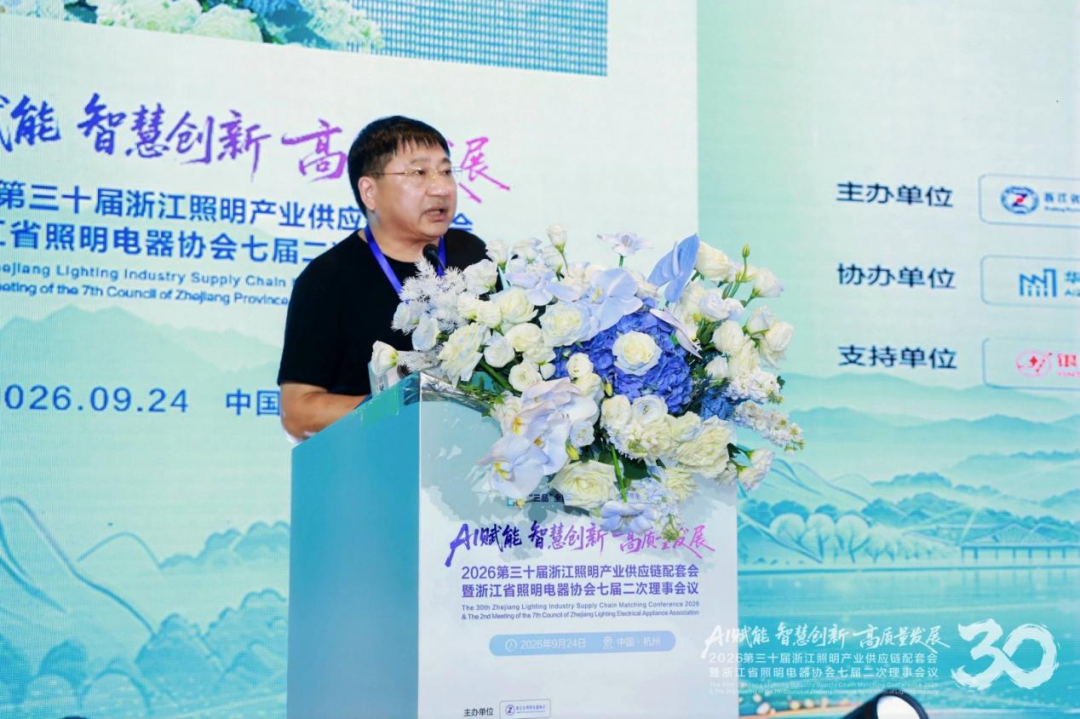
Speech by Shen Wei, President of the Zhejiang Provincial Lighting Electrical Appliances Association
President Shen first extended his warmest welcome and sincerest gratitude to all leaders, experts, entrepreneurs, partners, and media representatives attending the conference.
He noted that the theme of this year’s conference—“AI Empowerment, Smart Innovation, High-Quality Development”—marks a continuation and upgrade of the 30-year history of the Zhejiang Lighting Industry Supply Chain Conference. Today, AI and digitalization are rapidly permeating the entire lighting supply chain, bringing both opportunities and challenges. The conference focused on analyzing industry trends, addressing CCC certification regulations, facilitating supply-and-demand matching, sharing insights from leading companies, and showcasing products. It delved deeply into practical pathways for implementing AI-driven digitalization and intelligent technologies in the lighting field, promoting resource sharing and complementary strengths across the supply chain to support industry upgrading. Although Zhejiang’s lighting sector has established a complete industrial ecosystem, it faces pressures from technological iteration and market adjustments, making innovation-driven and digital empowerment essential. This conference provided a platform for government bodies, experts, and enterprises to exchange ideas, build consensus, uncover new growth drivers, and jointly pursue high-quality development.
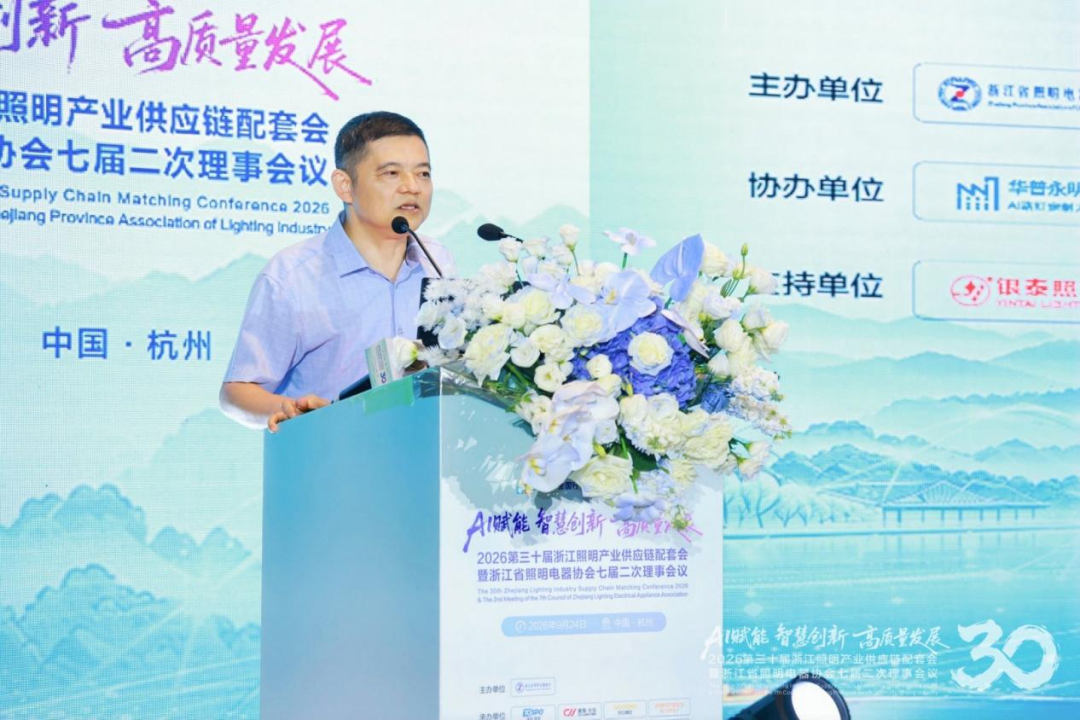
Speech by Zhou Jinbang, Deputy Director of the Consumer Goods and Traditional Industries Division of the Zhejiang Provincial Department of Economy and Information Technology
Deputy Director Zhou pointed out that despite weak macro demand and pressure on industry profits, Zhejiang’s lighting sector has demonstrated remarkable resilience through supply-chain collaboration and diversified overseas strategies, achieving counter-trend export growth. He emphasized that the industry still grapples with rising raw-material costs and cutthroat price competition, urging firms to firmly resist disorderly rivalry. Looking ahead, he outlined four key priorities: leveraging the supply-chain conference to strengthen chains and stabilize orders; concentrating on LED technology to capture leadership in smart, automotive, and healthy lighting segments; raising standards for energy efficiency and green compliance to mitigate risks; and capitalizing on the “Two New” policies and urban renewal initiatives to expand domestic sales. He expressed hope that the association would serve as a bridge between government and enterprises, helping Zhejiang’s lighting industry transition from product exports to system-based solutions and steadily move up the value chain.
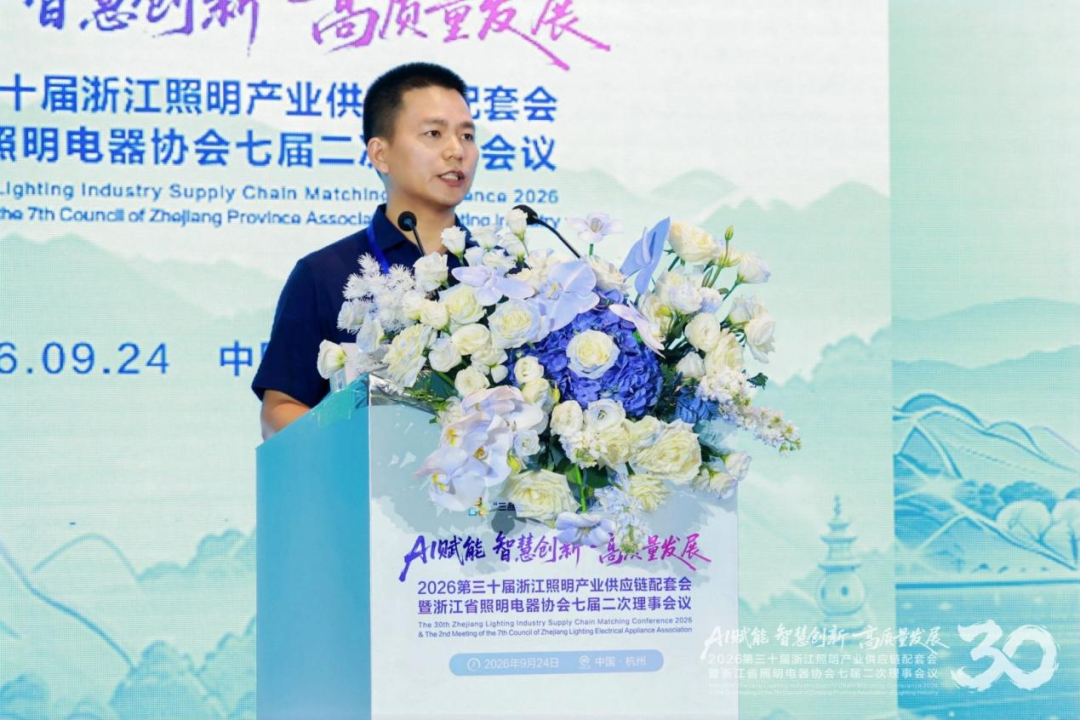
Speech by Deng Maolin, Deputy Secretary-General of the China Lighting Electrical Appliances Association
Deputy Secretary-General Deng commended the resilience and competitiveness of Zhejiang’s lighting industry in the first half of the year, while highlighting persistent issues such as revenue growth without profit expansion, mid-to-low-end market saturation, and potential quality concerns. He also mentioned the new requirement for full-process compliance under the CCC certification regime. Looking ahead to the “15th Five-Year Plan,” he urged companies to strictly adhere to regulatory standards, seize opportunities presented by AI, green, and health-oriented technologies, and capitalize on the incremental lighting market driven by urban renewal and improved housing construction, shifting their business mindset accordingly. The China Lighting Electrical Appliances Association will continue to collaborate closely with the Zhejiang Association and enterprises, building comprehensive service platforms covering innovation, standards, markets, and talent, jointly advancing China’s lighting industry toward high-quality development, and extending best wishes for the success of the conference and festive greetings.
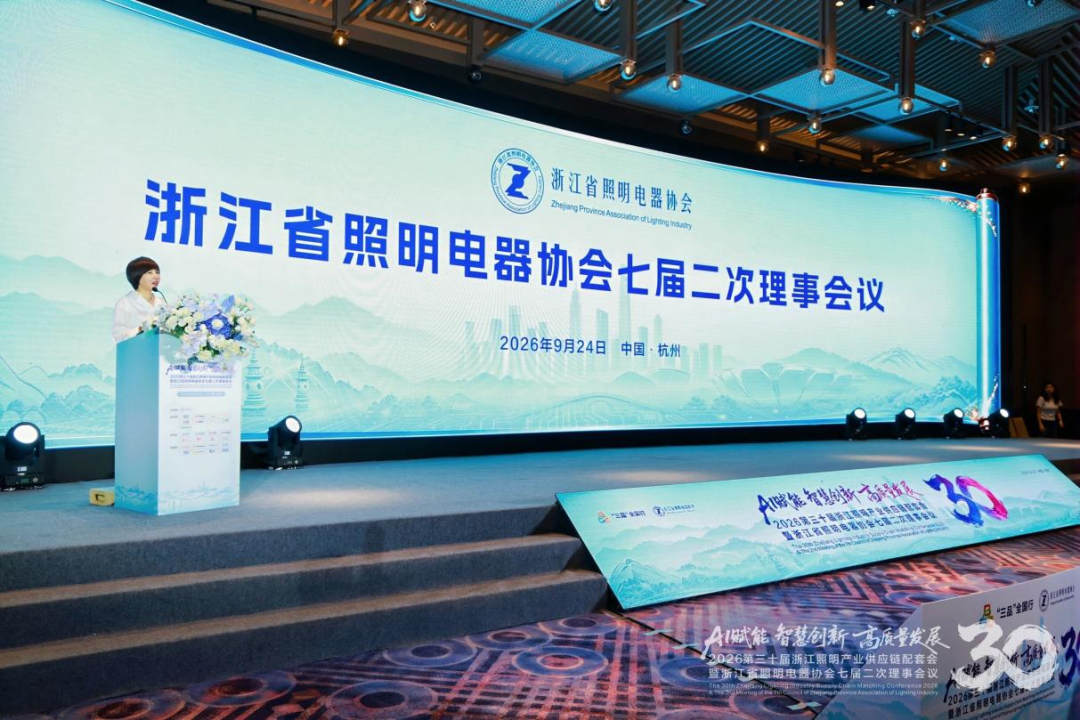
The morning session was chaired by Chapter Yuan, Vice President and Secretary-General of the 7th Board of Directors. Following the opening remarks, the agenda shifted to the Second Session of the 7th Board of Directors of the Zhejiang Provincial Lighting Electrical Appliances Association.
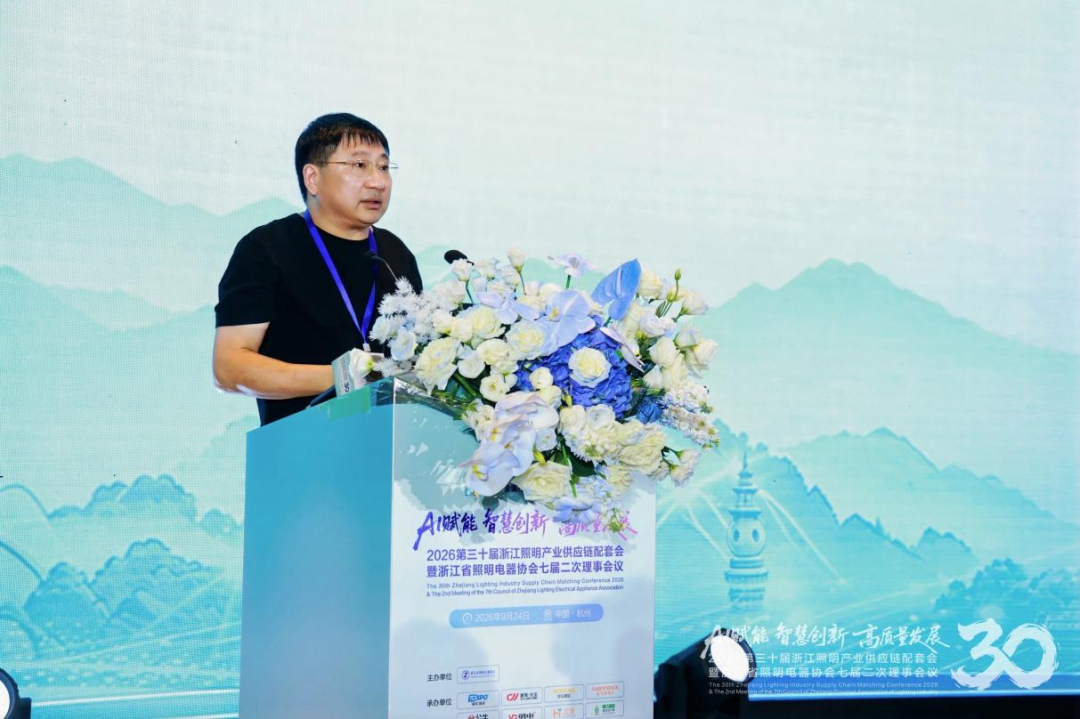
President Shen Wei presented the “First-Half 2026 Work Report”
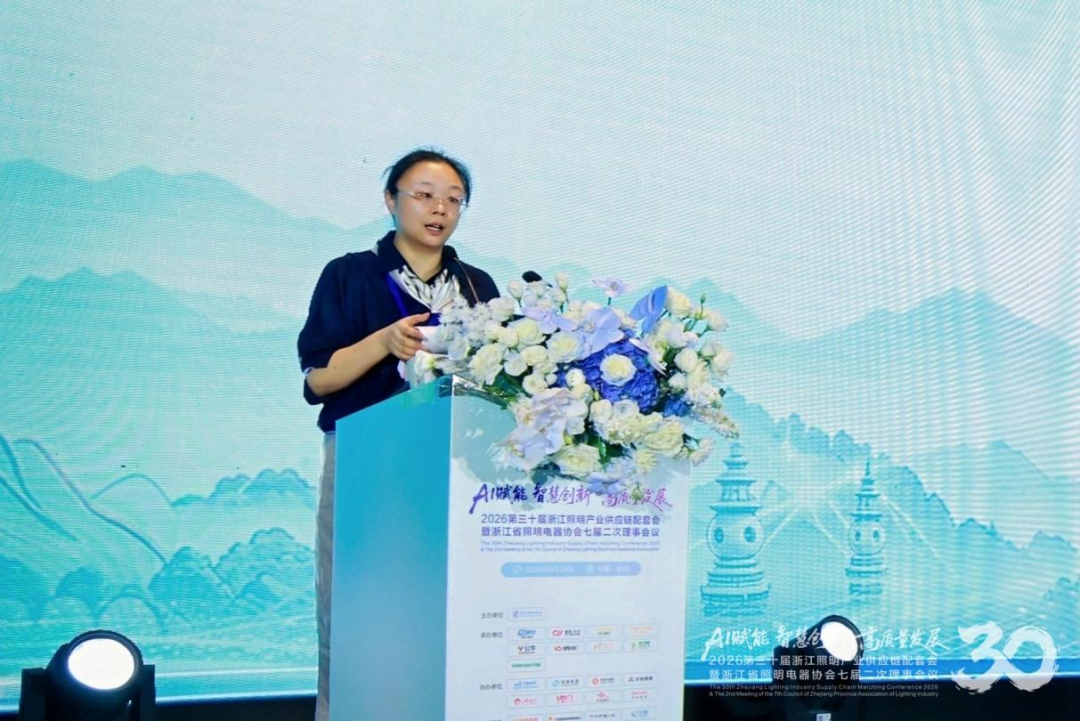
Executive Deputy Secretary-General Xu Ying delivered the “First-Half 2026 Financial Report”
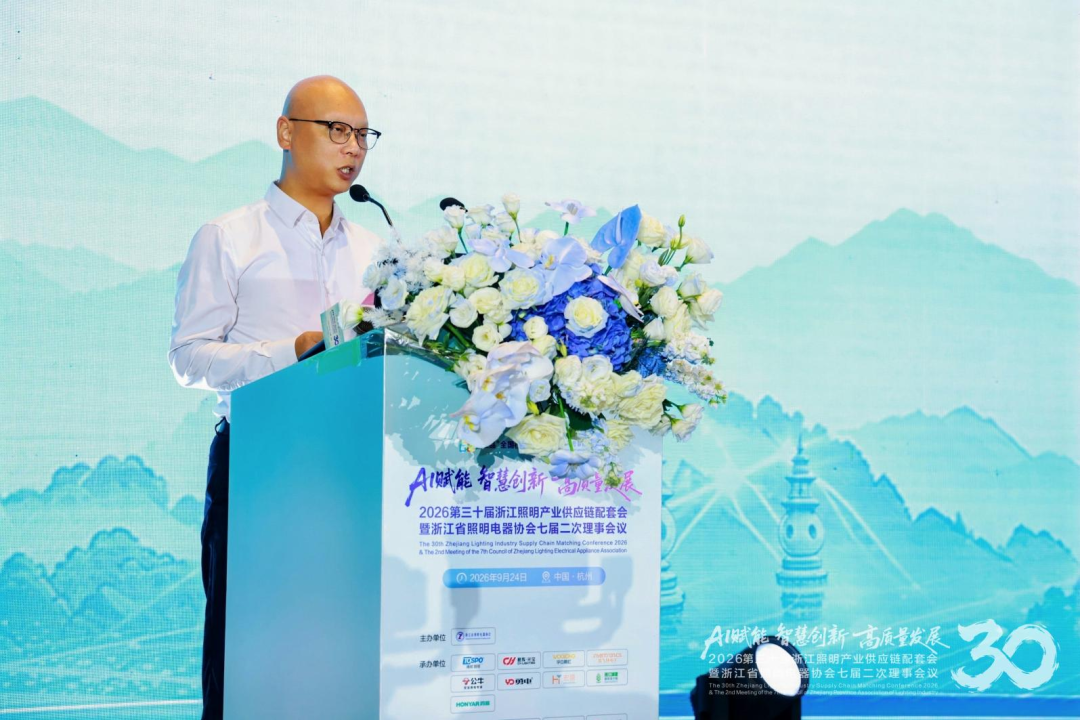
Supervisor Fu Chuangye presented the “First-Half 2026 Supervisory Board Report”
The reports were unanimously approved by a show-of-hands vote.
Keynote Speeches
This conference invited representatives from government research institutes, industry experts, academics, and corporate leaders to share their findings and practical experiences, collectively exploring future trends in the lighting sector. Topics covered included industry trends, AI-driven design and manufacturing, overseas market exploration, LED driver/power supply innovations, cultural and tourism night tours, media architecture, smart streetlights, certification compliance, power-line communication, and category innovation.
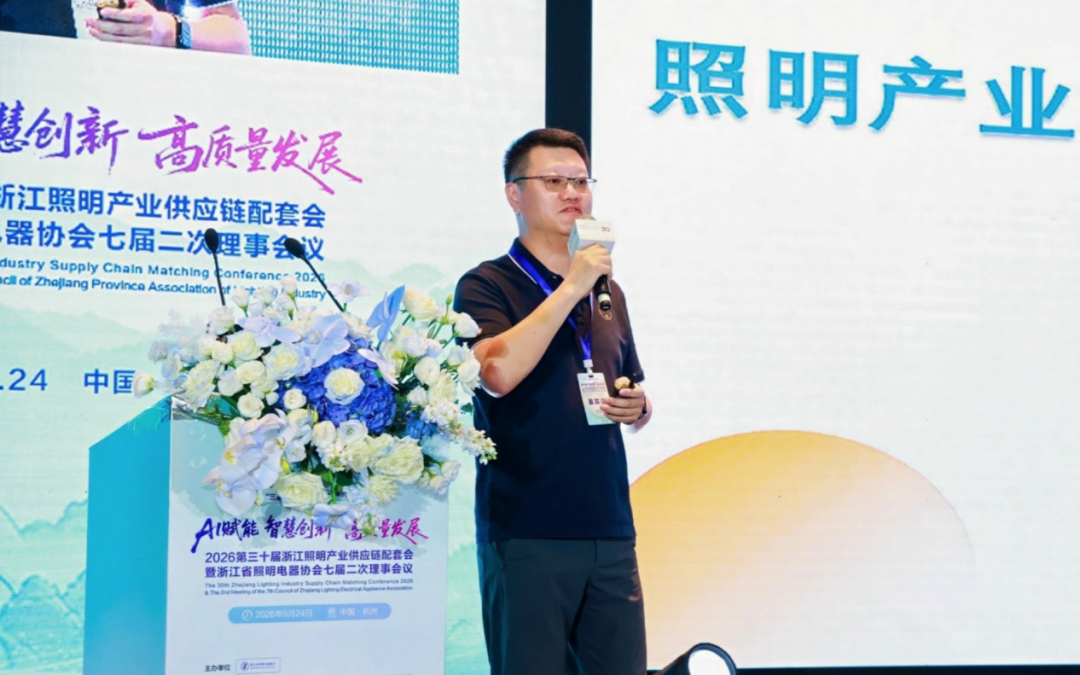
Wen Qidong, Executive Vice President and Chief Researcher at Guangya Lighting Research Institute
In his speech titled “Industry Challenges and Opportunities Revealed in the Half-Year Reports of Listed Companies Along the Lighting Supply Chain,” Wen Qidong stated that China’s LED lighting industry leads globally in scale, supply-chain capabilities, and delivery capacity—but at the cost of declining unit prices, squeezed profit margins, and escalating trade tensions. The 2026 half-year report showed that the industry is experiencing “increased production without increased revenue, and increased revenue without increased profit”: 60% of companies reported slight revenue growth, yet over half saw profit declines, with Net profit plunging 34.4% YoY and one-third posting losses. Profits are increasingly concentrated in upstream chip sectors, while the lighting engineering segment remains particularly challenging. He warned that the industry faces triple challenges—supply constraints, shrinking demand, and insufficient expectations—compounded by the “East rises, West falls” trend in exports and tariff barriers. Wen Qidong advised companies to stabilize their foundations, optimize production capacity, deepen engagement in niche markets such as education, road infrastructure, and automotive applications, and achieve value reconfiguration through business diversification, restructuring, and innovative R&D. He emphasized, “There is no sunset industry; the most promising path lies in competing effectively within your chosen sector.”
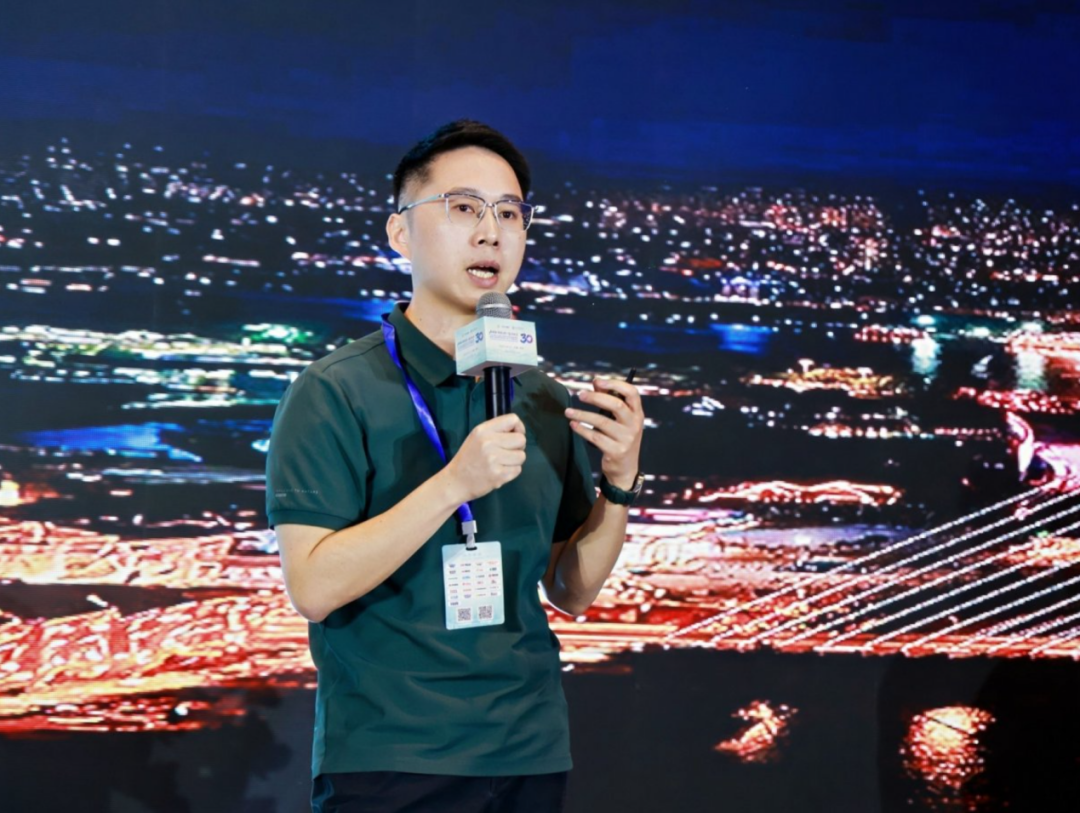
Cheng Tian, Vice President of the Intelligent Lighting Research Institute at Hangzhou Yongdian Lighting Co., Ltd.
Cheng Tian explained that AI has now been integrated into every stage of the lighting business, seamlessly linking creative design, scene understanding, content production, operational strategies, and digital manufacturing into a unified workflow. Yongdian uses AI as its central hub, combining three major technological breakthroughs—waterproof secondary LED encapsulation, city-level cloud platforms with intelligent interactive controls, and 3D-printed consumables and equipment—to form an innovative closed-loop system. Leveraging the world’s first outdoor 3D-printed consumable MMLA and self-developed printing devices, Yongdian has built industrial-scale capabilities. Drawing on examples such as Shanghai’s Light Festival, Vietnam’s Saigon International Financial Center, and Bauhinia Park, Cheng Tian highlighted how AI workflows solidify professional design expertise into repeatable processes, enabling “AI to handle fast tasks while humans focus on doing things right,” thereby driving high-quality urban lighting upgrades.
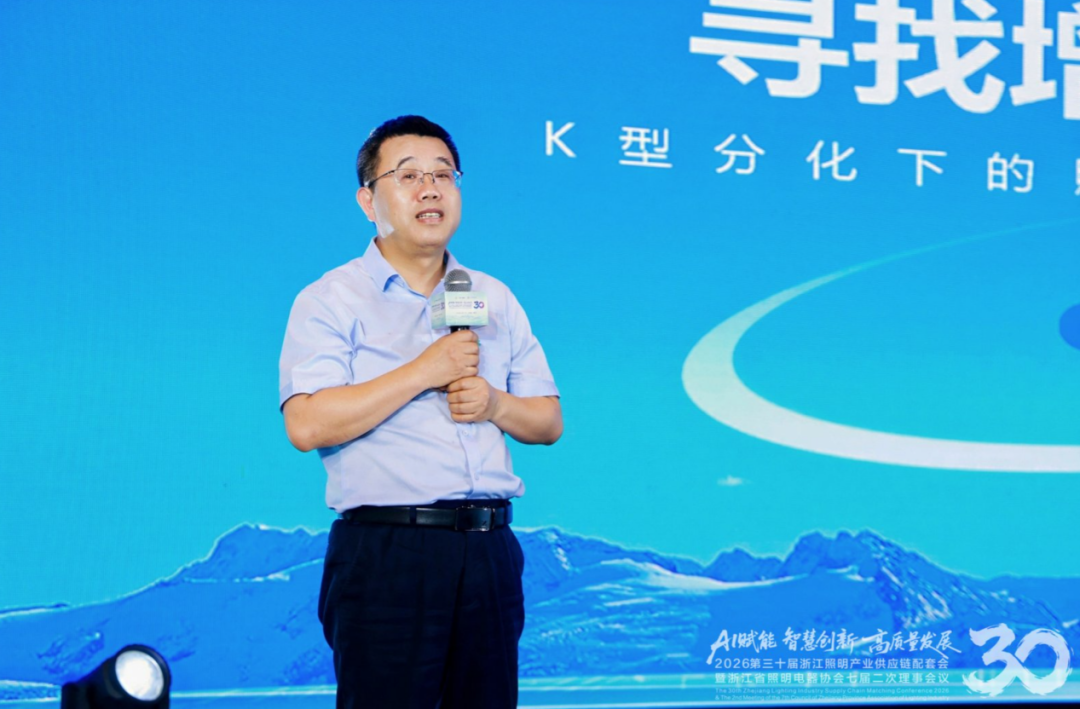
Wang Micheng, President of Hangzhou Hongyan Electrical Appliance Co., Ltd.
Wang Micheng noted that China’s economy has entered a K-shaped growth phase, with the lighting industry undergoing triple differentiation—new markets, new industries, and new models—where growth is no longer evenly distributed but shifts toward novel scenarios, smart IoT applications, and service-oriented marketing. Citing the new 3C regulations, he emphasized, “Standards set the floor, while AI sets the ceiling,” calling on the industry to abandon low-price competition and return to premium pricing. Wang Micheng identified six categories of incremental opportunities—existing-home renovations, smart healthcare, commercial energy-saving projects, hotel revitalization, new-energy facilities, and overseas markets—and used Hongyan’s practices as examples to illustrate how integrating smart panels into pre-installation markets, supporting healthcare loops with HomeCare OS, and transitioning from wholesale-retail to service-oriented marketing via Anjia platforms can help consolidate standards at the lower end while embracing AI to unlock growth potential, thus contributing to high-quality development of the lighting industry.
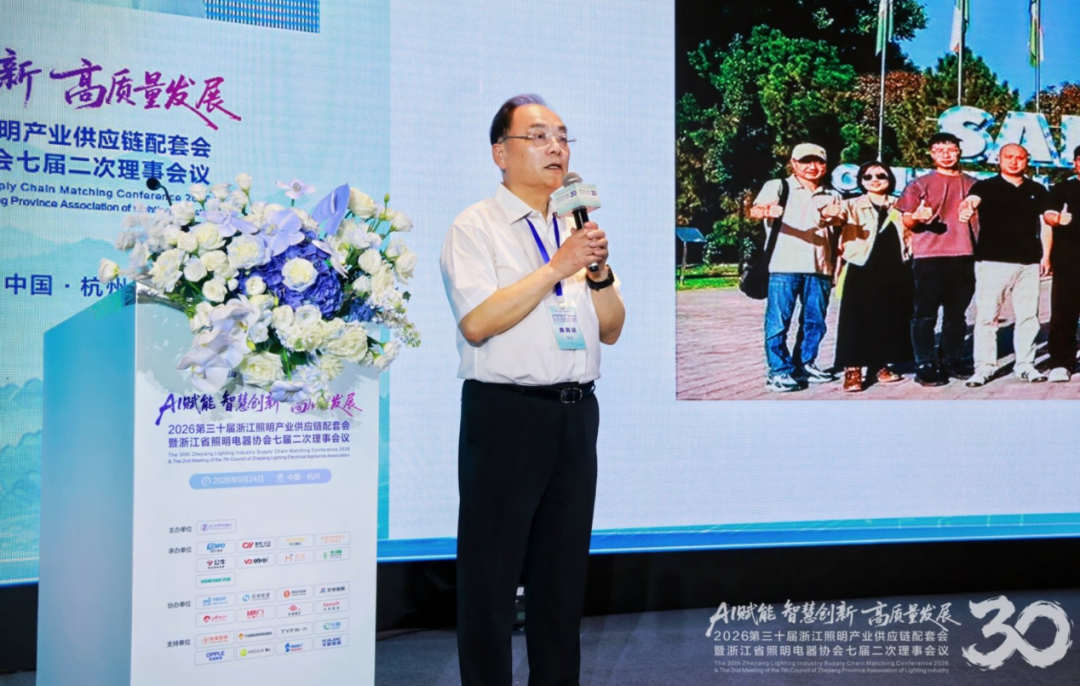
Ling Yingming, Party Secretary and Honorary President of the Zhejiang Provincial Lighting Electrical Appliances Association
In his speech titled “Report on Lighting Market Exploration in Central Asian Countries,” Ling Yingming pointed out that Central Asia, situated at the heart of the Eurasian continent, serves as a pivotal transit hub connecting Europe and Asia and a key corridor along the Belt and Road Initiative. It is emerging as an important strategic node for globalized lighting enterprises. Over ten days, he visited Uzbekistan and Kazakhstan, noting that lighting demand in both countries continues to rise alongside urbanization and consumption upgrades: Uzbekistan requires separate GOST-UZ certification, while Kazakhstan, as part of the Eurasian Economic Union, needs EAC certification, with a preference for smart cities and photovoltaic lighting. Chinese products account for roughly 70–75% of local imports, yet many are white-label offerings. He recommended that companies seize differentiated opportunities and shift from “exporting products” to “establishing brand roots” in these markets.
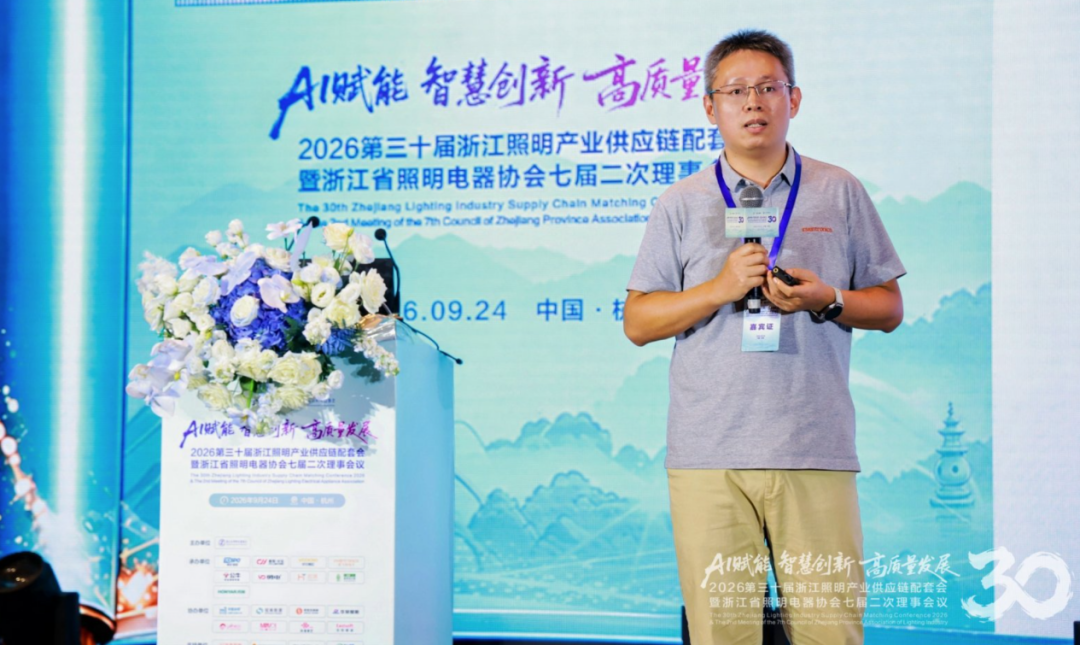
Ma Ludan, Senior Product Application Manager at Inventronics (Hangzhou) Co., Ltd.
Ma Ludan emphasized that under the dual-carbon goals, efficient lighting is a critical infrastructure component for green buildings and industrial energy conservation. Using examples such as the Bird’s Nest lighting project—which reduced power consumption by 32%, Tianjin’s 100,000+ streetlights saving 4.33 million kWh annually, and Ningdong Aluminum’s workshop cutting energy use by 45%—Ma Ludan illustrated the industry’s genuine need for low-carbon sustainability, high luminous efficacy, and lightweight, compact luminaire designs. Based on these insights, Inventronics launched a diverse range of LED driver solutions, including non-isolated BRICK, circular industrial lamps DS R P65, sports lighting NFS, horticultural lighting NFL, and MPPT solar-powered options, delivering up to 97%+ luminous efficacy, deep dimming capabilities, high lightning protection ratings, and streamlined SKUs to maximize value. Backed by four global manufacturing bases, four R&D centers, and a presence in over a hundred countries, Inventronics positions itself as a global lighting partner close to customers, unlocking greater possibilities for light.
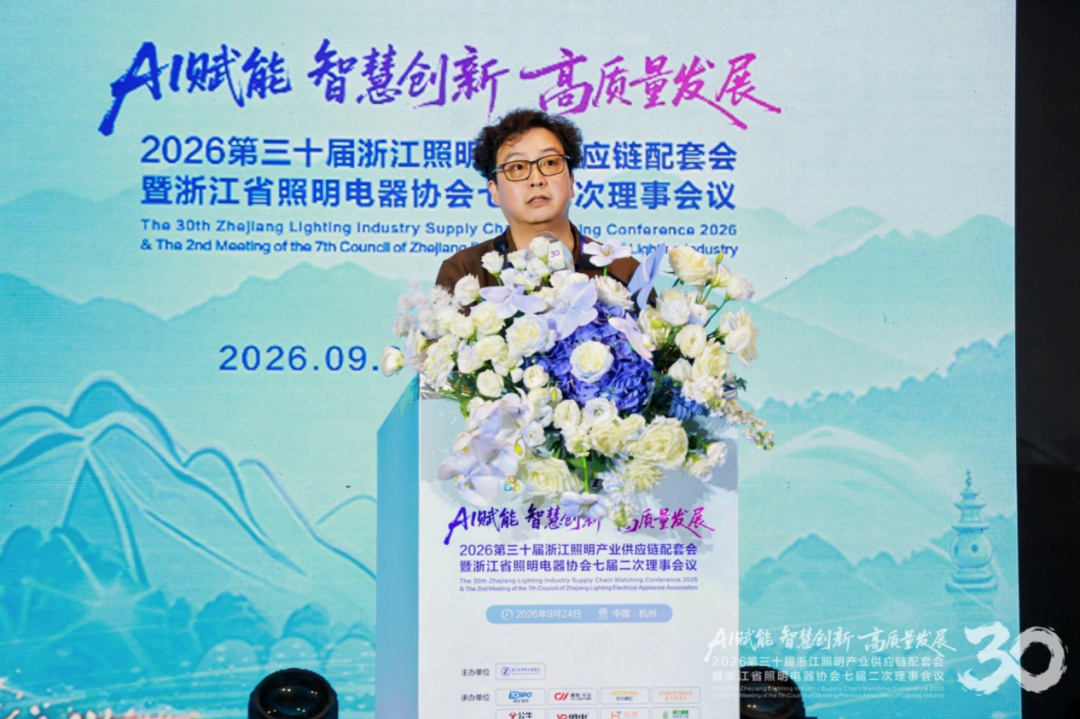
Zhang Jie, Dean of the Lighting Design Institute at the Zhejiang Provincial Mechanical and Electrical Design Research Institute
Zhang Jie explored ways to enhance nighttime landscape updates along urban waterways, discussing how to plan and design nocturnal river tours that make urban waterways “go viral” at night, turning them into top choices for nighttime city excursions.
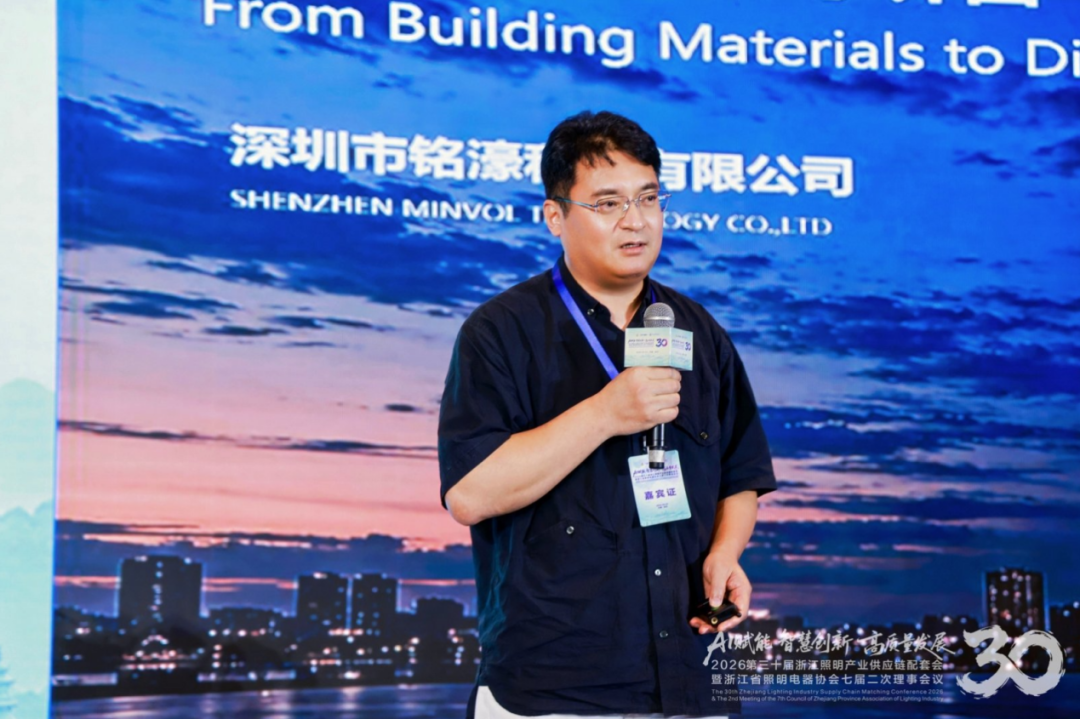
Li Weihua, Chairman of Shenzhen Minghao Technology Co., Ltd.
Li Weihua showcased Minghao’s six major product lines—pixel lights, transparent screens, video glass, digital signage, digital urban furniture, and AI-LIM management services—using examples such as the Yongkang Glazed Pagoda, Zhoushan Red Ribbon Station, Xiamen Twin Towers, Jinan West Railway Station, and projects in Germany, the UAE, Japan, and beyond. By constructing “product scenarioization + scenario ecology + ecological operation” solutions, he promoted upgrading building materials into digital interfaces, enabling urban spaces to glow, express themselves, and operate autonomously.
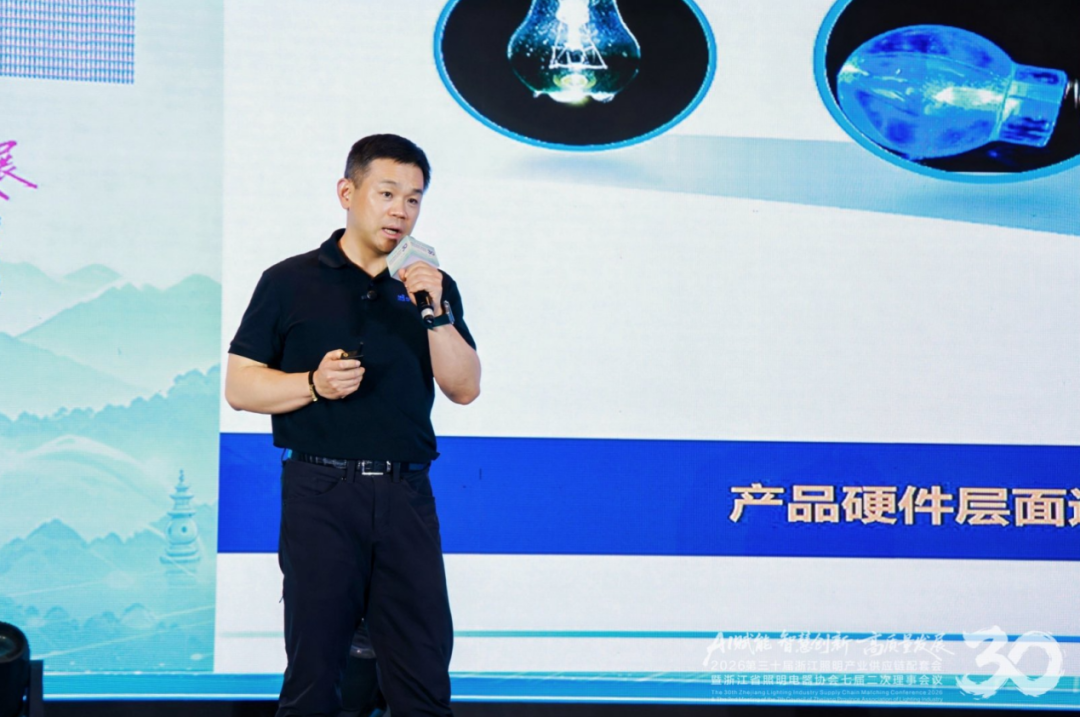
Chen Kai, Chairman and Senior Engineer at Hangzhou Huapu Yongming Optoelectronics Co., Ltd.
Chen Kai noted that urban lighting has entered the era of the artificial intelligence revolution. As traditional streetlights approach their optimization limits, AI leverages computing power and algorithms to further amplify energy savings, cost reductions, and early-warning benefits. Huapu Yongming pioneered the HPAI architecture, turning each streetlight into a data-collection and implementation terminal, and created an AI agent named “Brother Yongming,” who acts as each lamp’s “digital administrator,” handling energy conservation, maintenance fee reduction, and safety resilience—all three critical tasks—thus transforming urban lighting from one-time deliveries into continuous “lighting-as-a-service” operations, maximizing lifecycle value and supporting high-quality urban lighting development.
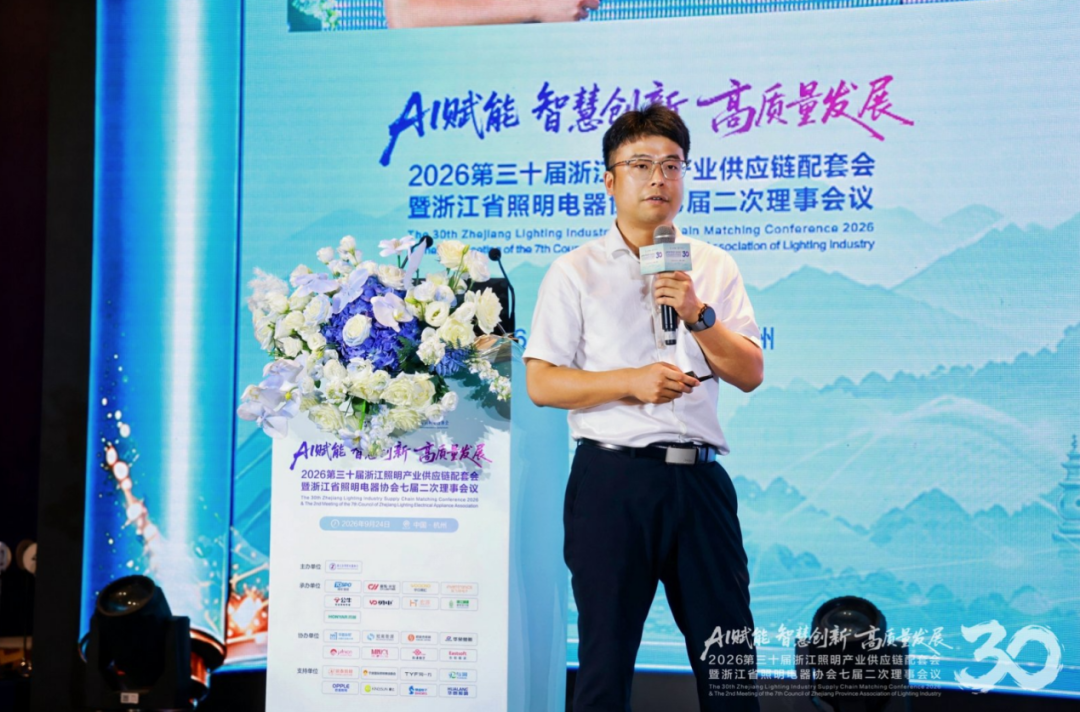
Jiang Xiang, Minister at Jiaxing Weikai Testing Technology Co., Ltd.
Jiang Xiang took Guangdong’s lighting electrical appliances industry as his research subject, elaborating on the upgraded supervision of CCC certification for lighting products. His report primarily addressed three main sections: background and core objectives of regulatory upgrades, specific measures to strengthen the certification process, and detailed requirements for enterprise compliance strategies.
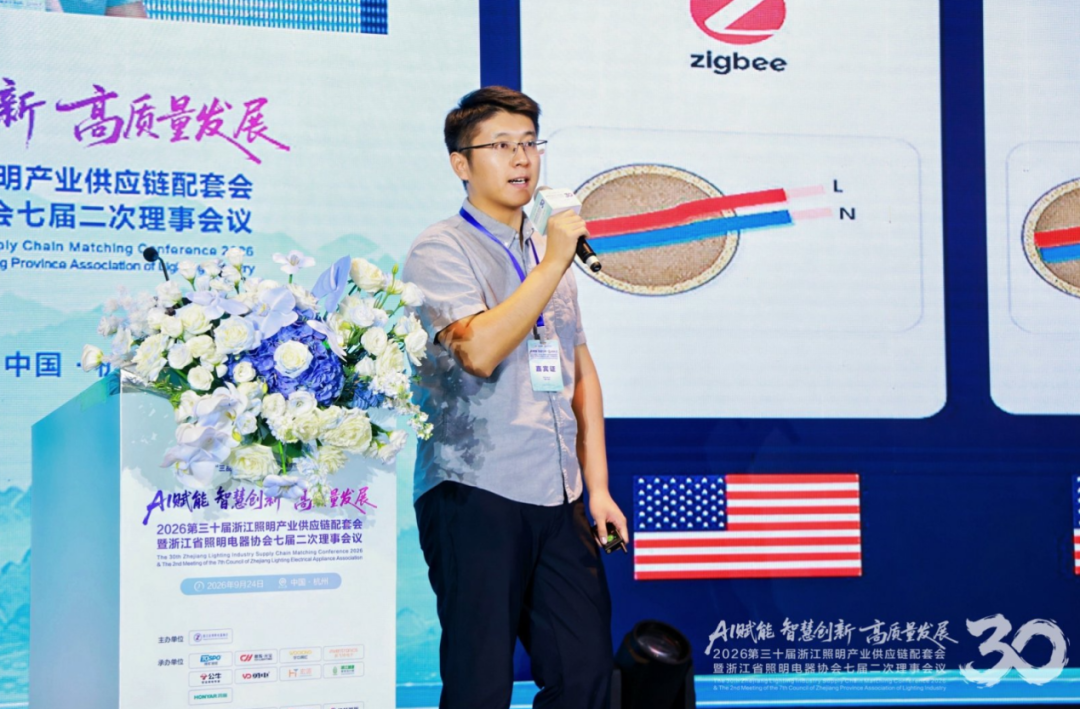
Yan Ruishun, Product Manager at Qingdao Dongsoft Carrier Intelligent Electronics Co., Ltd.
Dongsoft Carrier’s AI-plus-engineering-intelligent-lighting integrated solution incorporates AI visual sensors, AI smart debugging tools, and an AI-powered intelligent lighting control platform, fully leveraging the significant advantages of HPLC intelligent lighting schemes—such as wire-free installation, high reliability, and easy maintenance—while reducing construction costs, improving energy efficiency, and lowering operational expenses, making it widely adaptable to complex settings like industrial sites, tunnels, airports, offices, and campuses.
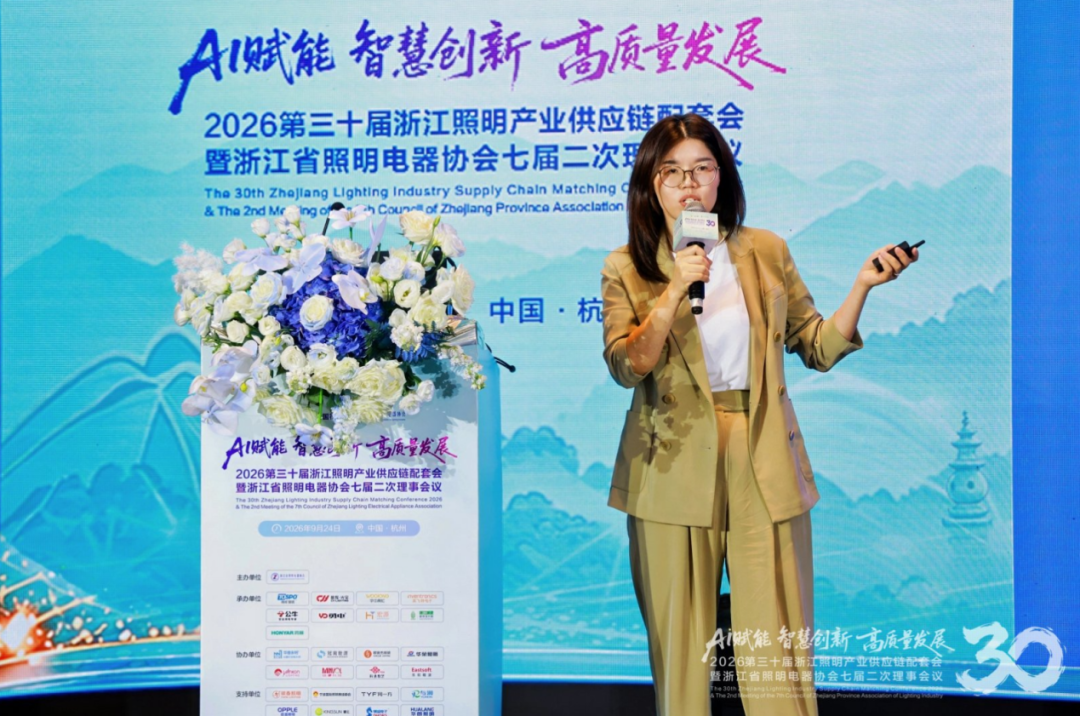
Yang Yayuan, General Manager of Nanjing Rococo Cultural Development Co., Ltd.
Yang Yayuan emphasized that introducing new product categories represents the most effective growth strategy for enterprises in today’s era—“first comes the category, then the hit product, and finally the brand.” She proposed a “three-in-one” methodology, unifying category (solution to user pain points), product (medium for value exchange), and brand (carrier of mental memory) into a single entity, using product-brand dual-wheel drive to help enterprises become category champions, and systematically releasing a “Seven-Step Method for Category Innovation” along with a four-drive pyramid model. Through category innovation, she aims to help enterprises achieve counter-trend growth.
Conference Hosts
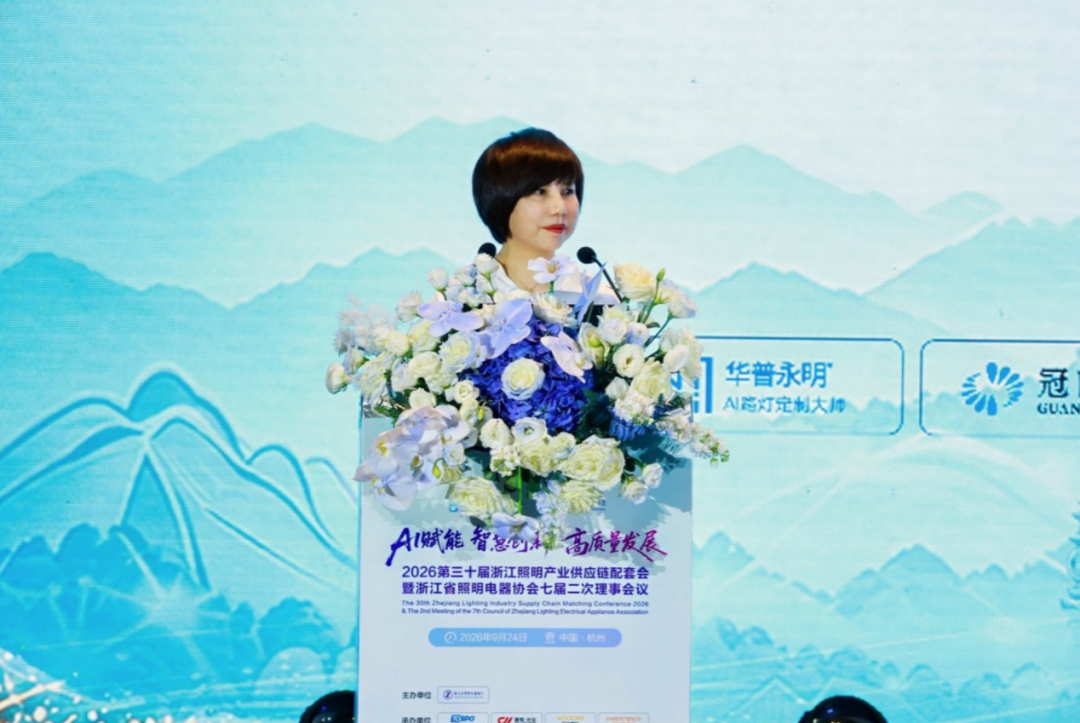
Chapter Yuan, Vice President and Secretary-General of the Zhejiang Provincial Lighting Electrical Appliances Association
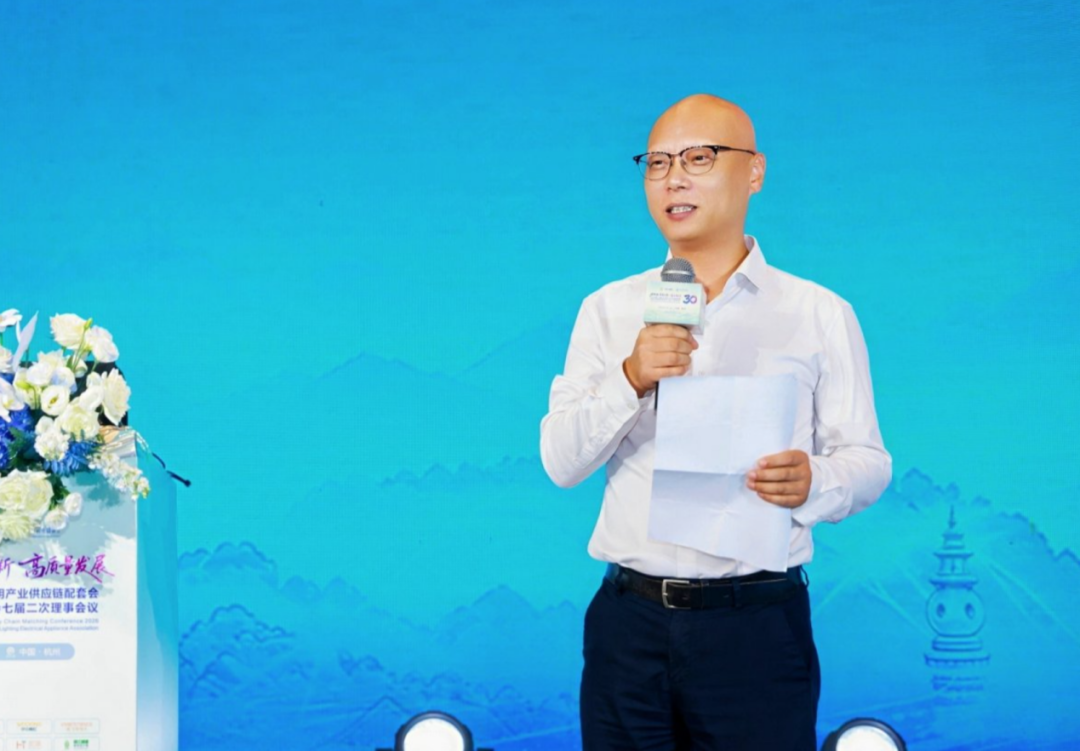
Fu Chuangye, Supervisor of the Zhejiang Provincial Lighting Electrical Appliances Association
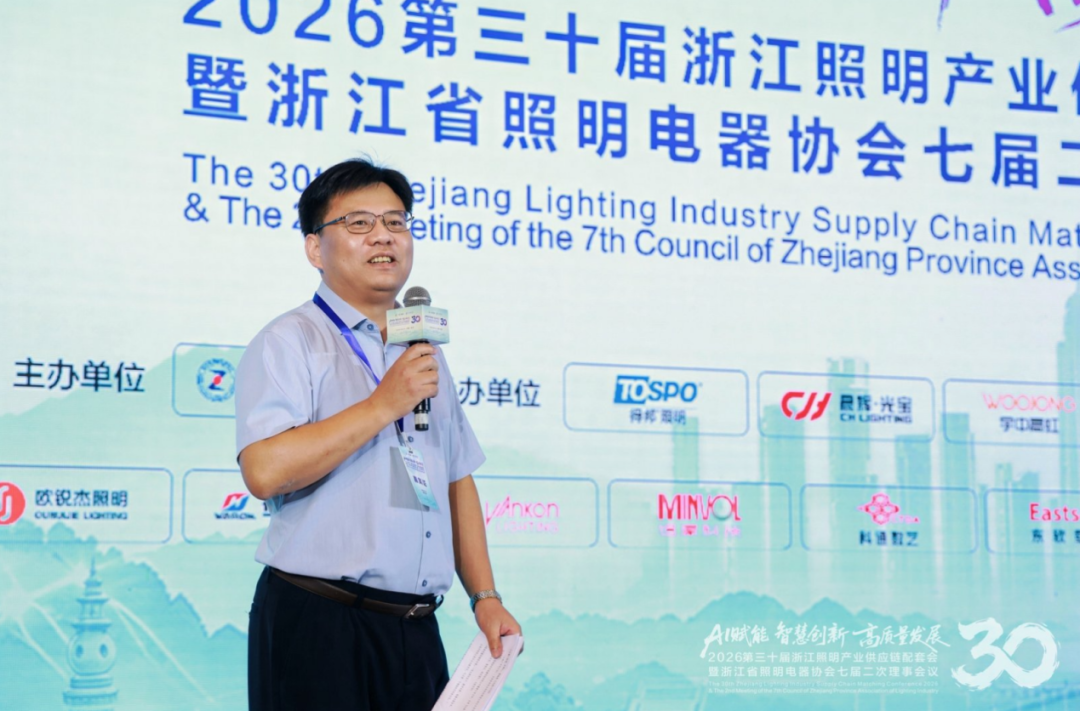
Li Bingjun, Vice President of the Zhejiang Provincial Lighting Electrical Appliances Association
Tasting and Networking
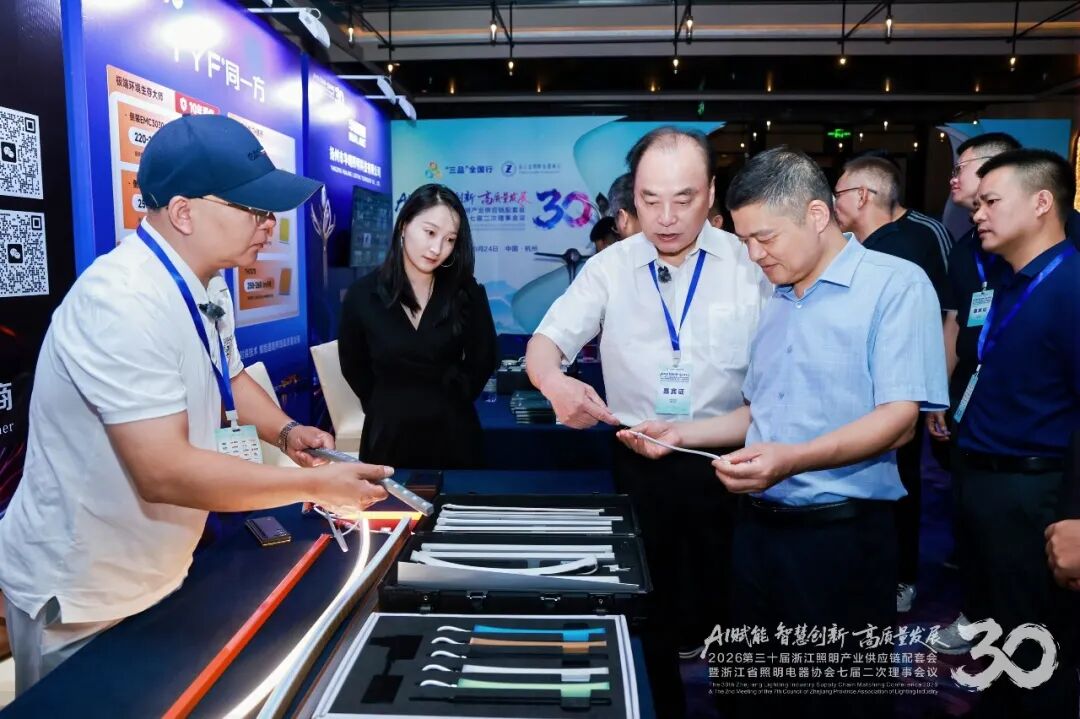
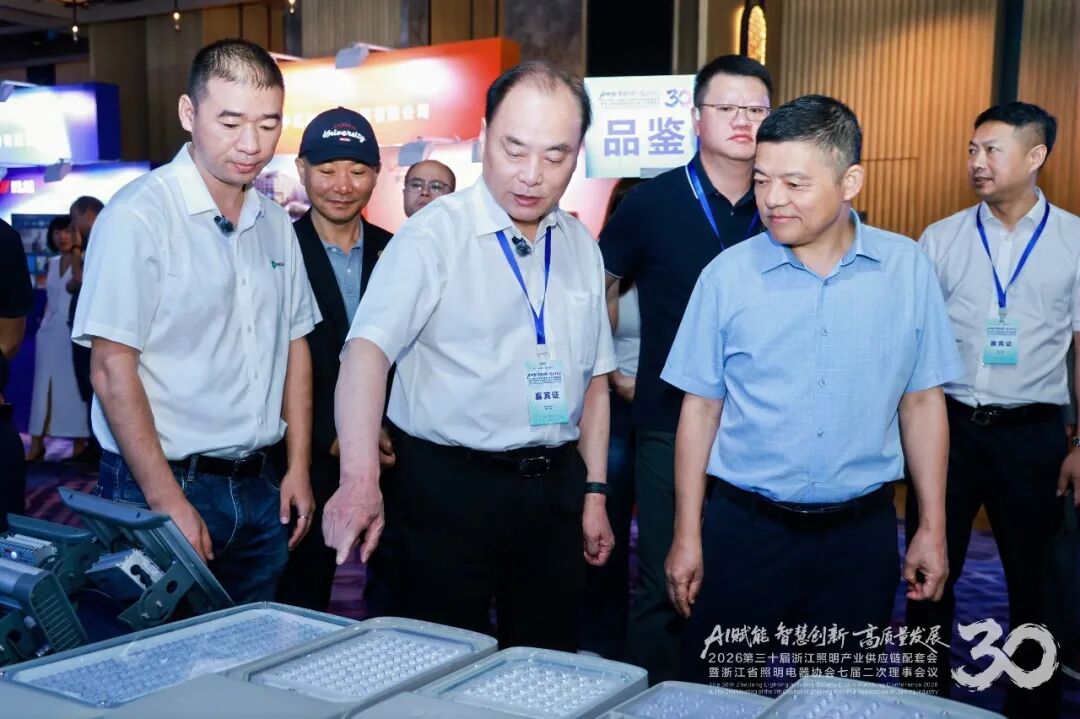
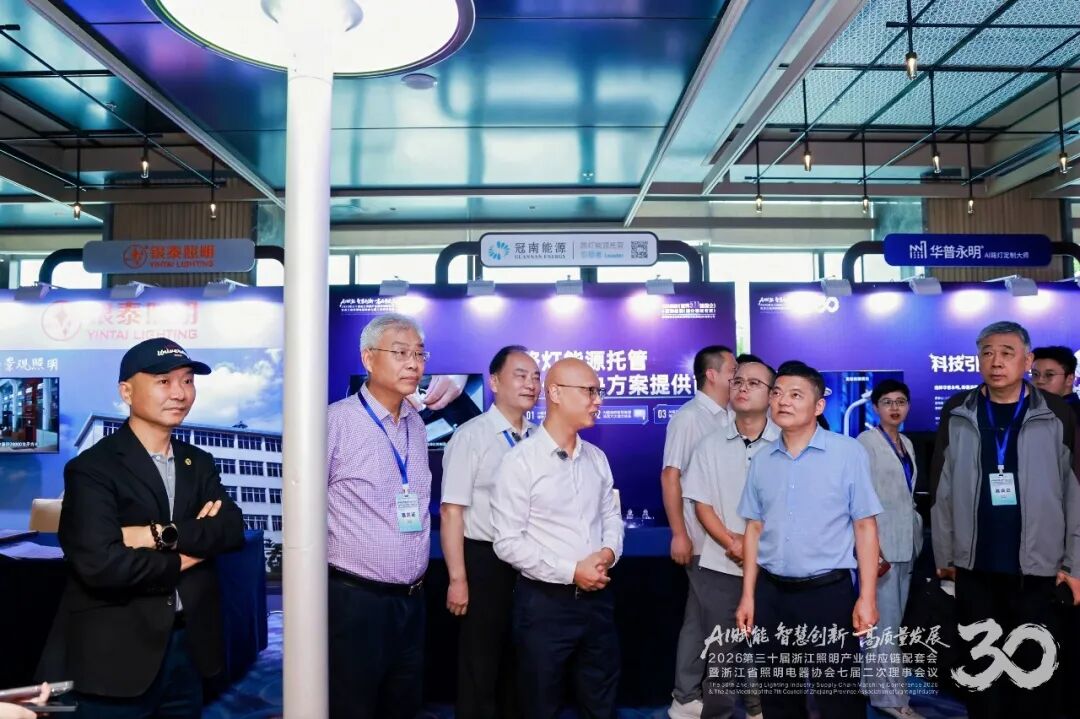
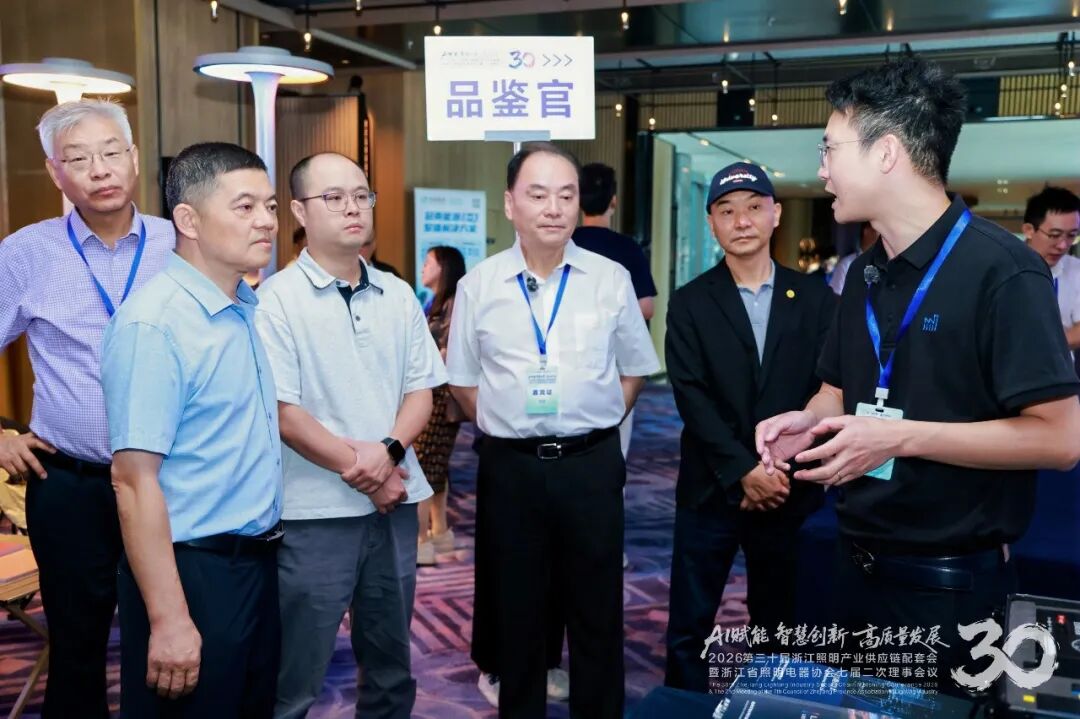
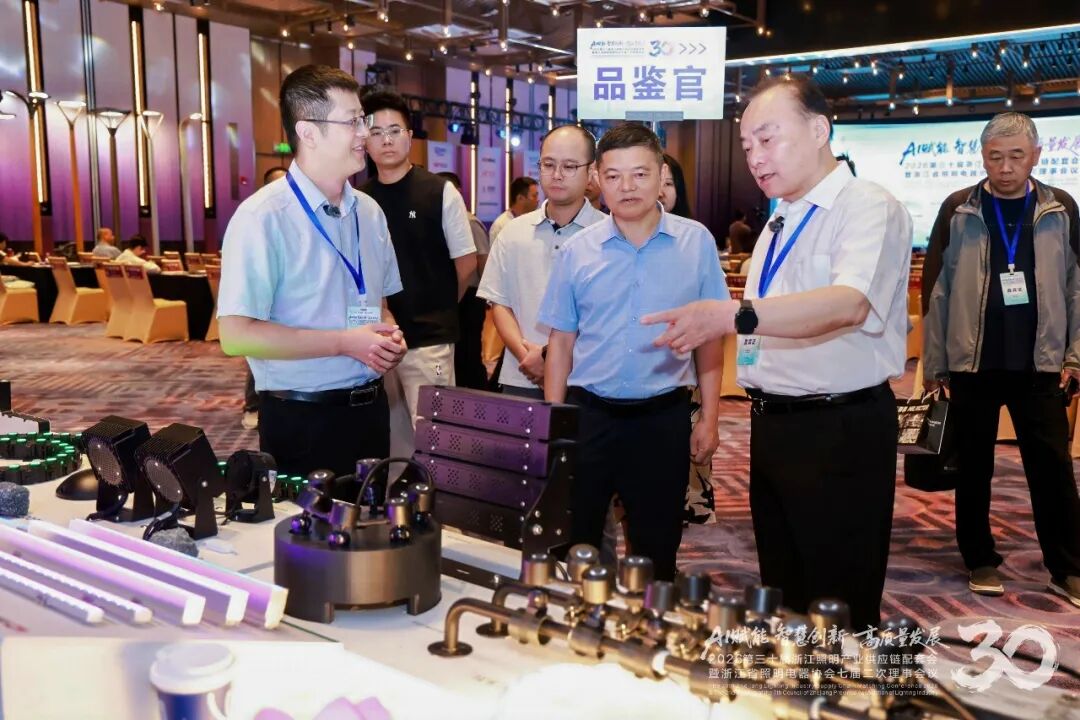
At the conference’s networking venue, leaders from government departments and provincial/municipal associations, along with industry expert consultants, sampled the products on display. Ling Yingming, Party Secretary and Honorary President of the Zhejiang Provincial Lighting Electrical Appliances Association, accompanied attendees, guests, and industry experts on visits to company booths, engaging in in-depth exchanges with entrepreneurs and enterprise representatives, and offering guidance.
Several lighting-related companies showcased their latest products at the conference hall booths, and participants took advantage of exhibition viewing and tea-break time to conduct deeper connections and exchanges. Upstream and downstream enterprises interacted frequently, significantly enhancing both the depth and breadth of the lighting supply chain’s “supportive” role. This conference saw active participation from upstream and downstream supply-chain enterprises, yielding positive results and earning unanimous praise from attendees.
Macro Source Night
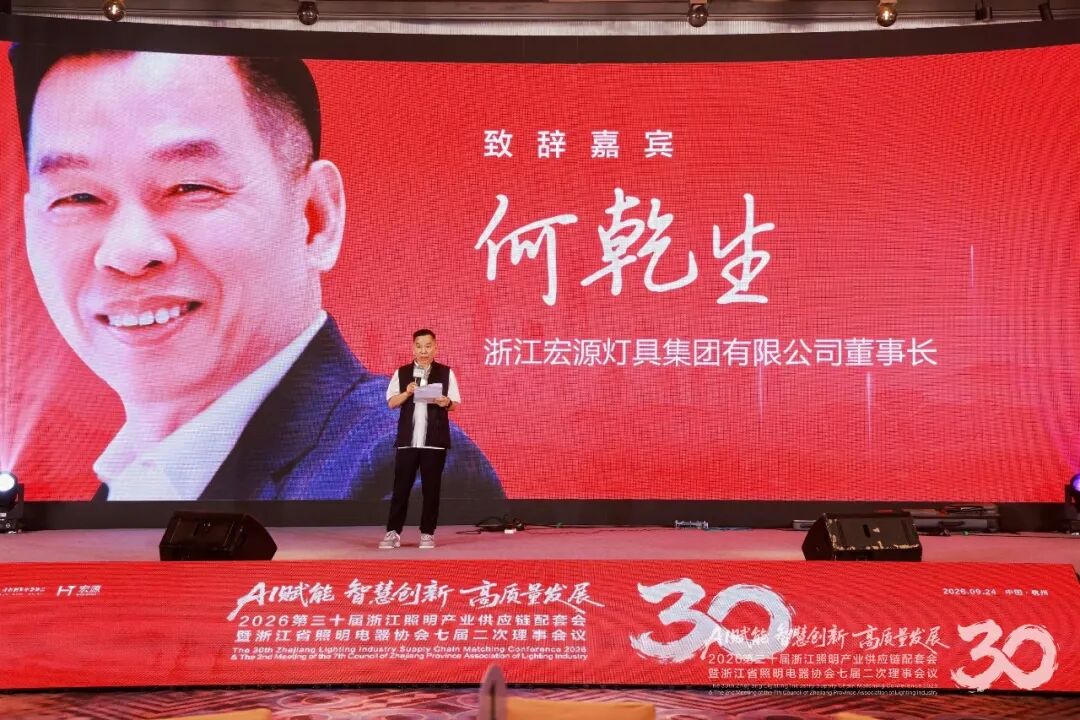
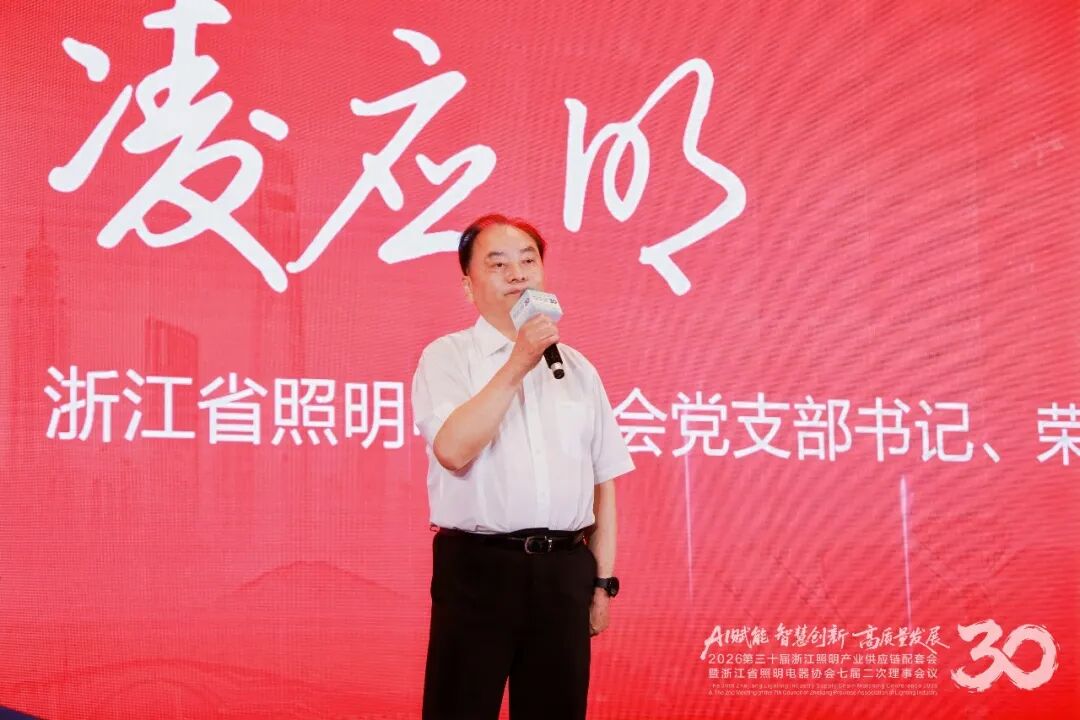
The final segment of the conference featured a “Macro Source Night” thank-you banquet, where He Qiansheng, Chairman of Zhejiang Macro Source Lighting Group Co., Ltd., and Ling Yingming, Party Secretary and Honorary President of the Zhejiang Provincial Lighting Electrical Appliances Association, each delivered speeches expressing their earnest hopes for the future high-quality development of Zhejiang’s lighting industry.
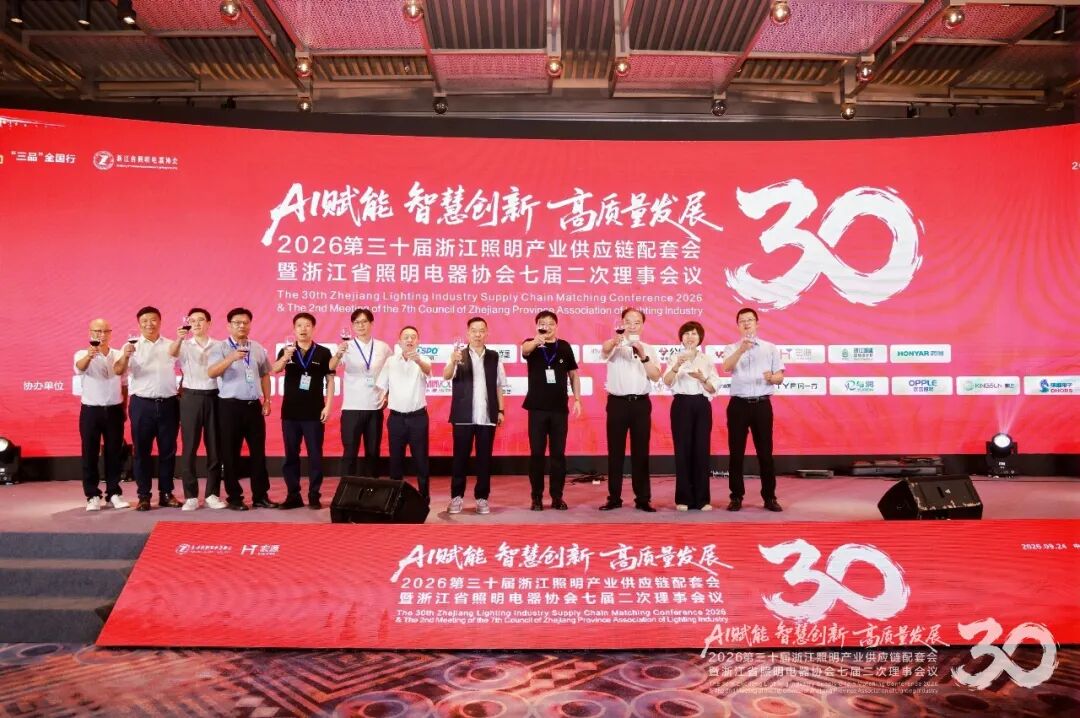
AI empowerment and smart innovation have become the core engines driving high-quality development in the lighting industry. The successful conclusion of this conference fully demonstrated the association’s role as a bridge, gathering cutting-edge perspectives and practical implementations, and smoothing communication channels among policy, technology, market, and industry stakeholders. Moving forward, the Zhejiang Provincial Lighting Electrical Appliances Association will remain committed to serving the industry, continuing to integrate AI and digital technologies deeply into the lighting sector, helping Zhejiang’s lighting industry consolidate its advantages, break through existing challenges, forge a new pattern of collaborative development, and achieve even higher-quality progress.
China Light
The official website of the China Association of Lighting Industry and a full-media platform for the lighting sector. We provide authoritative and timely lighting information while striving to be a growth partner for businesses. From brand promotion and channel expansion to consulting, talent training and participation in standards development, we provide comprehensive professional services to help businesses improve quality and efficiency and jointly advance the high-quality development of the lighting industry.
Business Contacts
仇纯 (Ms.): 158 6155 3579
顾君 (Mr.): 137 7157 5253