
A New Path to Cost Reduction and Efficiency Enhancement: Wu Weidi Decodes the Intelligent Lighting Retrofit for Industrial Factories
On August 27, the Zhejiang Light‑Inspiring Online Salon, hosted by the Zhejiang Lighting Appliance Association and organized by China Light Network’s “Ming Classroom,” was successfully held. Wu Weidi, Head of Products at Bangqi Intelligent and an expert in smart lighting solutions, delivered a presentation titled “Smart Lighting for Industrial Factories | The ‘Subtraction’ Logic of Factory Illumination.” His talk focused on the policy background, solution value, scenario configurations, and real‑world implementation cases of smart lighting in industrial facilities, exploring how to reduce factory electricity costs while boosting production efficiency.
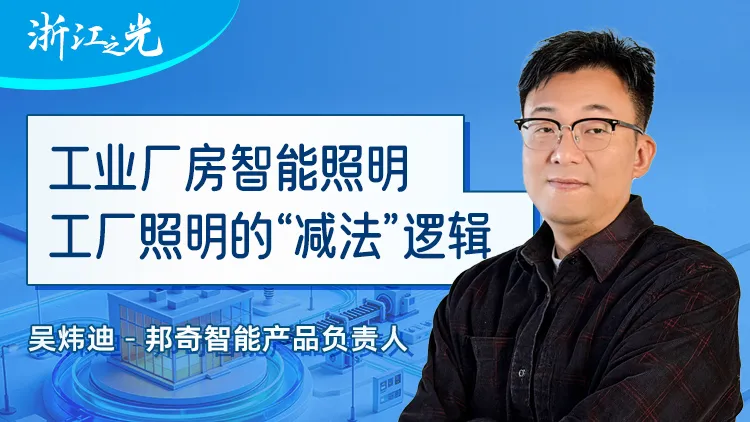
Guest Profile: Wu Weidi boasts 16 years of frontline industry experience and has participated in over 1,000 domestic and international smart lighting projects. Founded in 1995, Bangqi Intelligent is a co‑author of the “Technical Specifications for Smart Lighting Control Systems” and has undertaken numerous national landmark projects, including those for the Olympic Games and Asian Games.
Notably, Bangqi has deep expertise in the hospitality sector, maintaining strategic partnerships with nearly all major international and domestic hotel chains and consistently being a preferred supplier. To date, Bangqi has secured more than 10,000 formal tender contracts.
The salon’s key takeaways have been carefully compiled—don’t miss out!
Policy Guidance and Industry Trends
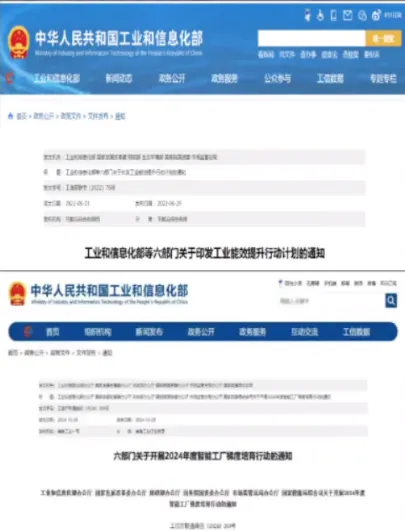
Turning back to the topic of smart lighting for industrial factories, Teacher Wu Weidi pointed out that at the national level, both the Industrial Energy Efficiency Improvement Initiative and the 2024 Implementation Plan for Phased Development of Smart Factories (jointly issued by the Ministry of Industry and Information Technology and the Ministry of Finance) have been rolled out. Against the backdrop of the “dual carbon” goals, industrial plants—major energy consumers—are receiving close attention from policymakers.
According to incomplete statistics, there are approximately 15,000 large factory complexes across China. Today, rudimentary small workshops and temporary structures are becoming increasingly rare; whether driven by government policies or rising industry standards, standardized, large‑scale factory parks have become the norm. Before reaching peak carbon emissions, smart factory upgrades still qualify for various national subsidies, including energy‑saving incentives, special funds for intelligent manufacturing, and green‑factory certification grants. For example, in Zhejiang, a one‑time reward of RMB 200,000 is available for obtaining green‑factory certification.
Teacher Wu emphasized that a “dark‑factory” does not mean turning off all lights and working in darkness. Instead, it refers to modern factories where human activity zones are steadily shrinking, leveraging sensors and intelligent algorithms to achieve on‑demand illumination: light is provided only where needed, while areas without human presence remain unlit. Today’s factories rely heavily on mechanization and automation, with humans gradually shifting roles to managing, configuring, transporting, and maintaining machinery.
Multi‑Dimensional Value Realized: Smart Lighting Reduces Costs and Boosts Efficiency
From a solution‑value perspective, Teacher Wu Weidi conducted an in‑depth analysis across several dimensions.
First is green energy saving. Luminaires have a finite lifespan; high‑power LED lamps commonly used in industrial settings typically last between 30,000 and 50,000 hours. However, if left continuously illuminated around the clock without proper management, their effective service life is significantly shortened, leading to premature degradation of luminous efficacy and failure to meet required illumination standards. By employing smart controls to minimize unnecessary lighting time, not only can lamp lifespans be extended but also replacement frequency and labor‑intensive maintenance costs can be drastically reduced.
Second is improved maintenance efficiency. Smart lighting systems can monitor the operational status of luminaires and circuits in real time, eliminating the need for manual inspections and on‑site maintenance. In a 1,000‑mu factory, just two to three maintenance personnel can oversee the entire lighting system.
Third is enhanced production efficiency. In traditional factories, switching lights on and off often depends on manual intervention by supervisors, and even a momentary oversight can result in hours of wasted illumination. Smart systems automate these tasks according to pre‑set schedules, effectively preventing such inefficiencies. Meanwhile, through intelligent dimming and constant‑illuminance control, workspaces maintain comfortable lighting levels of 300–500 lux, avoiding excessive brightness that causes visual fatigue and ensuring worker comfort and safety while improving productivity.
Case Study: Taking a 10,000‑square‑meter factory with a ceiling height of 6.4 meters as an example, roughly 1,000 lamps rated at 25W or higher are typically required, evenly distributed throughout the space. Based on electricity rates of about RMB 0.8 per kWh in the Jiangsu–Zhejiang–Shanghai region, refined strategies such as zone‑based control, natural‑light utilization, time‑of‑day scheduling, and automatic activation upon human presence can save approximately 120,000 kWh monthly. When combined with comprehensive energy‑saving optimizations in warehouses, cafeterias, administrative offices, and meeting rooms, actual case studies show annual electricity cost savings of around RMB 184,000 for enterprises.
Considering the cost of system upgrades, full investment recovery can typically be achieved within one to one and a half years, after which the resulting savings translate directly into tangible profits for the factory.
Additionally, Teacher Wu highlighted the delayed returns associated with smart lighting. Shorter lamp lifespans, reduced replacement frequency, lower maintenance labor requirements, improved lighting environments—all contributing to enhanced efficiency—plus government subsidies and policy benefits from green certifications, collectively constitute the comprehensive value of smart lighting.
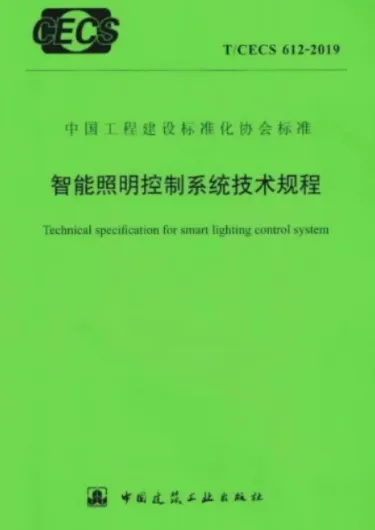
It should be noted that Bangqi Intelligent’s product solutions are firmly grounded in established standards. In 2019, the state released the “Technical Specifications for Smart Lighting Control Systems,” and Bangqi was invited to serve as one of the participating drafting units, deeply engaging in formulating technical guidelines for smart lighting systems. This means every industrial‑factory smart lighting solution offered by Bangqi is built upon a nationally compliant technical framework, ensuring regulatory compliance while providing robust support for subsequent acceptance testing, certification, and policy submissions.
Comprehensive Scenario Configurations Tailored to Diverse Factory Needs
At the application level, Teacher Wu Weidi outlined the core components of an industrial‑factory smart lighting system.
The complete system comprises the actuator section, the sensor section, and the software server section:
◇Actuators include switch modules, dimming modules, dry‑contact I/O devices, and timer control units, responsible for “how to control.”
◇Sensors encompass illuminance sensors, human‑presence detectors, and occupancy sensors, tasked with “perceiving needs.”
◇Server software includes cloud‑based servers, handling computational power and collecting operational data. Client‑side PC software manages system monitoring, strategy adjustments, and other settings. Interface software facilitates integration with other smart systems within the factory.
Through coordinated interactions among sensors, actuators, and system software, a complete smart lighting solution for industrial factories takes shape.
The system also supports multiple linkage modes.
◇Integration with the Manufacturing Execution System (MES) enables dynamic dimming based on work orders and automated adjustment of lighting strategies, eliminating the need for frequent manual reconfigurations; energy‑consumption data can further optimize production scheduling.
◇Linkage with the Air Conditioning System allows differentiated energy management between production and non‑production areas while maintaining employee comfort.
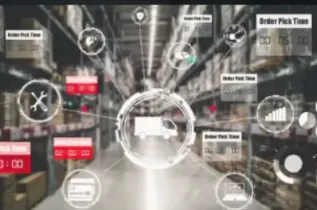
◇Integration with the Warehouse Management System (WMS) ensures fully automated operation: lighting activates only when equipment requires repair or personnel enter specific zones, truly realizing the concept of a “dark factory.” AGV robots follow fixed routes to deliver materials and collect finished goods, while the lighting system precisely distinguishes between human activity and robot movement, illuminating only areas where human workers are present.
For different zones within a factory complex, Teacher Wu provided tailored recommendations:
◇Production Workshops can implement partitioned, line‑specific, single‑lamp control, complemented by overhead sensors and simulated movement paths to ensure lights turn on when people arrive and off when they leave.
◇Warehousing and Logistics Areas primarily rely on motion‑activated lighting—lights switch on when people enter and off when they exit.
◇Corridors and Passages may adopt half‑on/half‑off or constant‑illuminance control.
◇Office Areas can incorporate circadian‑rhythm lighting, automatically adjusting color temperature and brightness according to the time of day.
◇Cafeterias can configure distinct scene modes for breakfast, lunch, dinner, and late‑night snacks.
Regarding specific hardware configurations, Teacher Wu introduced several core modules:
1. Switch Modules—the most common actuating devices, each relay capable of handling up to 50A of current, supporting manual control for opening and closing various factory circuits.
2. Energy‑Metering Modules—collect active and reactive power consumption data, enabling precise identification of faulty luminaires through abnormal power readings. For instance, if a circuit is supposed to power ten 40W lamps totaling 400W but measures only 380W, this indicates substandard luminaire performance, allowing issues to be pinpointed without manual inspection.
3. DALI Modules—equipped with signal feedback, reporting lamp health status; via the D4i protocol, they also track driver operating hours and remaining lifespan, facilitating timely bulk replacements rather than individual swaps.
4. Sensor Probes—including tri‑functional (light + motion), dual‑functional (radar + millimeter wave) occupancy sensors, flexibly configurable to suit diverse control needs.
In addition, Bangqi has specially designed customizable panels for factories, featuring detachable buttons and engraving options to facilitate flexible functional modifications during production line adjustments. These panels feature a durable black‑gray finish resistant to dirt and wear.
On the software side, Teacher Wu introduced Bangqi’s third‑generation proprietary lighting management software, whose core capabilities include:
1. Intelligent Strategy Setting—no longer limited to simple timed on/off schedules; users can set multiple additional conditions, such as automatically selecting lighting modes based on weekdays, cloudy weather, or other environmental factors, with any desired control strategies pre‑configured in the software.
2. Equipment Status Visualization—real‑time monitoring of overall system performance, down to each circuit and individual lamp; data such as first power‑on time, online duration, number of switches, current brightness, and monthly operating hours can all be tracked and traced.
3. Alerts and Traceability—when a circuit shows abnormal power consumption, early warnings flag potential lamp failures, while retrospective analysis of overload start times helps identify root causes (line issues, distribution box problems, or voltage stability concerns).
4. Remote Debugging—supporting cross‑regional operations, enabling companies with factories in multiple locations (such as BYD or Foxconn) to centrally manage lighting systems across sites, with data uploaded to the cloud serving as valuable corporate assets.
Bangqi also maintains its own R&D team and holds software copyrights, keeping pace with domestic localization trends. It has completed adaptation to the Kylin operating system and supports Linux and Windows environments, meeting deployment needs of enterprises worldwide.
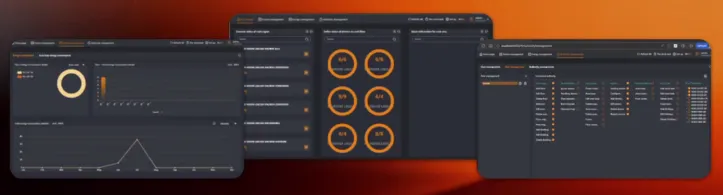
Bangqi’s Third‑Generation Lighting Monitoring Software
Benchmark Projects Validate Practical Effectiveness
During the case‑study session, Teacher Wu Weidi presented two representative projects.
Case One: Danfoss Group’s Haiyan Second Campus
As a Global Fortune 500 company, Danfoss has long excelled in refrigeration and heating technologies. This project adopted full DALI control, with over 17,000 luminaires, all supporting individual lamp dimming and free zone configuration. Using suspended illuminance sensors and infrared controllers, operators could enjoy a graphical interface—swipe to select a zone, and the corresponding lights illuminate, with flexible combinations of switch and brightness scenes. During regular operations, the workshop ran fully automatically via motion and infrared sensors, with all lights automatically turning off when no one was present. This initiative also helped Danfoss secure favorable local government policies related to decarbonization and green solutions.
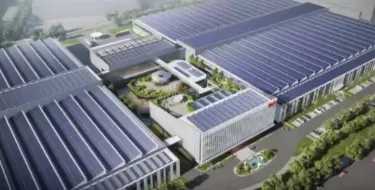
Danfoss Group’s Haiyan Second Campus
Bangqi’s Intelligent Control Zones: Production Workshop | Administrative Office Building | Employee Cafeteria & Restaurant | Energy Center | Staff Dormitory
Control Method: DALI Control
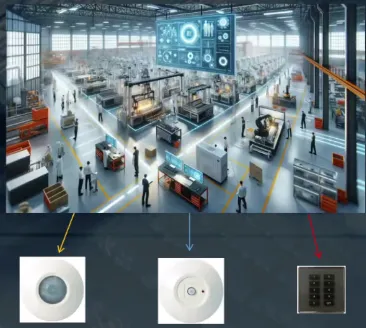
Production Workshop Area
Case Two: Cixi “Dark Factory” Renovation Project
This factory originally operated on a two‑shift, 24‑hour schedule with automated production lines, using lamps in two specifications: 48W and 150W. The renovation aimed to achieve single‑lamp control, centralized management, and the principle of “lights on when people arrive, lights off when machines operate.” The project involved reorganizing lamp circuits, installing occupancy sensors at key locations, delineating workstation zones, and simulating human movement patterns via software—lights turned on when people passed by sensors, off when machines did. The transformation proceeded line by line, completing all 17 production lines within about a month. The project garnered attention and interviews from both the Cixi local government and China Central Television. Following the upgrade, the factory maintained 24‑hour operations, with robots handling material delivery and collection, leaving only maintenance and repair staff on site. As a result, production capacity increased by 1.6 times compared to before.
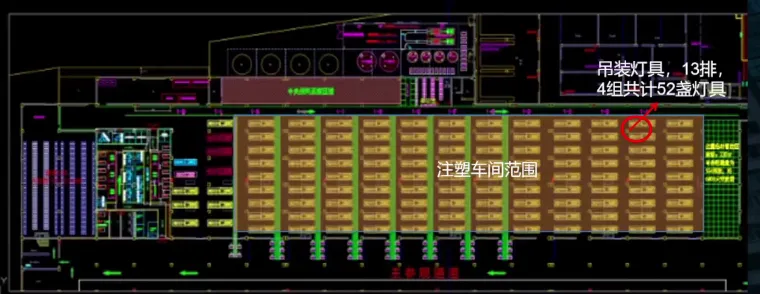
Renovation Area: Injection Molding Workshop
Interactive Q&A Session
During the interactive Q&A segment, Teacher Wu Weidi addressed audience questions in detail:
Q1: Are AGV robots widely used in dark factories for energy conservation?
A: Absolutely—Cixi’s dark factory serves as a prime example, attracting visits and coverage from both local authorities and CCTV. After the renovation, the factory operates 24/7 with robots handling material transport, leaving no ordinary workers in the workshop except for equipment maintenance and operations staff. Production capacity has increased by 1.6 times compared to before, truly achieving quality improvement and efficiency gains.
Q2: What are the core competitive advantages of Bangqi’s smart lighting software?
A: Three key strengths stand out:
1. Graphical User Interface—making complex industrial software as intuitive as consumer apps, allowing users to set commands simply by dragging and tapping.
2. Data Retention, Traceability, and Reporting Capabilities—crucial for factory leaders and shareholders, offering clear visibility into annual electricity cost savings and the operational status of each circuit.
3. High Software Compatibility—as a domestically developed enterprise, Bangqi has adapted its software to the Kylin OS and supports Linux and Windows environments, meeting deployment requirements of diverse enterprises and systems worldwide.
Q3: Beyond Zhejiang, which regions offer energy‑saving renovation subsidies? Can system reports be used for policy applications?
A: System metering functions integrated with electricity meters generate data that can serve as supplementary evidence for green‑factory certification, energy‑saving initiatives, and other accolades. Policy intensity varies across regions—currently, Hefei offers the strongest subsidies due to its need to build computing centers, followed by Zhejiang, while Guangdong and Wuhan are also advancing similar programs.
He cited Shanghai’s Zhangjiang Park’s Pudong Software Park renovation project, where foreign enterprises explicitly requested policy exemptions upon moving in, underscoring how the policy dividends brought by smart renovations have become a critical factor in corporate site selection and park development.
Conclusion
This salon provided a systematic yet pragmatic overview of the policy context, solution value, core configurations, zoning scenarios, and real‑world examples of smart lighting for industrial factories. From policy subsidies to energy‑saving cost reductions, from product solutions to practical case studies, Teacher Wu Weidi leveraged solid industry experience and concrete data calculations to demonstrate the immense value of smart lighting in the industrial sector.
Note: This article is compiled from the recording of Teacher Wu Weidi’s August 27, 2026, presentation titled “Smart Lighting for Industrial Factories | The ‘Subtraction’ Logic of Factory Illumination” at Ming Classroom, edited and published by Ming Classroom.
China Light
The official website of the China Association of Lighting Industry and a full-media platform for the lighting sector. We provide authoritative and timely lighting information while striving to be a growth partner for businesses. From brand promotion and channel expansion to consulting, talent training and participation in standards development, we provide comprehensive professional services to help businesses improve quality and efficiency and jointly advance the high-quality development of the lighting industry.
Business Contacts
仇纯 (Ms.): 158 6155 3579
顾君 (Mr.): 137 7157 5253