
Light and Shadow Meet Traditional Painting | Lighting Education Takes Center Stage at the Fu Baoshi Memorial Hall, Empowering the Public Through Cross-Disciplinary Arts Education
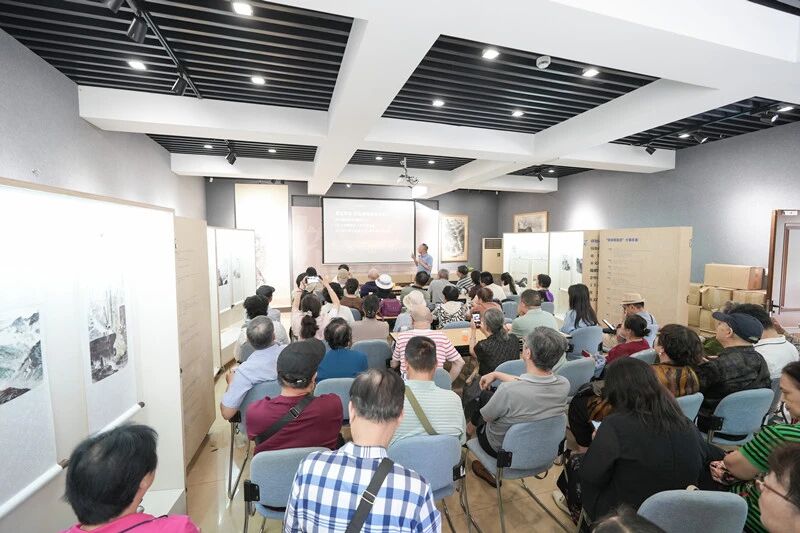
To promote the cross‑disciplinary integration of lighting science and traditional Chinese painting and calligraphy, to popularize the concept of healthy lighting, and to support inclusive aesthetic education, a public‑education event titled “Light and Shadow Meet Brush and Ink — ‘New Jinling School’ Cross‑Disciplinary Art Exchange” was jointly hosted by the Jiangsu Provincial Lighting Society, the Fu Baoshi Memorial Hall of the Jiangsu Provincial Academy of Chinese Painting, the Public Education Department of the Jiangsu Provincial Art Museum, and the Jiangsu Provincial Senior Calligraphy and Painting Research Association, with collaborative support from numerous art groups. The event took place on September 5 at the Fu Baoshi Memorial Hall of the Jiangsu Provincial Academy of Chinese Painting. Anchored by the Jiangsu Provincial Art Museum’s public‑education brand “Walking Toward Beauty, Nourishing Hearts Through Art,” and integrated with the New Jinling School’s “Art Box” educational exhibition, the event fostered a dynamic dialogue between lighting science and traditional Chinese painting.
The event was co‑planned by Qian Zongming, Secretary General of the Jiangsu Provincial Lighting Society; Liu Xizheng, Deputy Director of the Health Lighting Committee and Chairman of Jianzheng Lighting; Huang Ge, Director of the Fu Baoshi Memorial Hall of the Jiangsu Provincial Academy of Chinese Painting; and Gao Mu, Director of the Public Education Department of the Jiangsu Provincial Art Museum. Centered around the theme of “light and shadow,” the program seamlessly connected lighting technology, artistic creation, and health‑related science, bringing together experts from both industry and the arts for thematic presentations and exchanges. Huang Ge, Director of the Fu Baoshi Memorial Hall, served as the event’s moderator throughout.
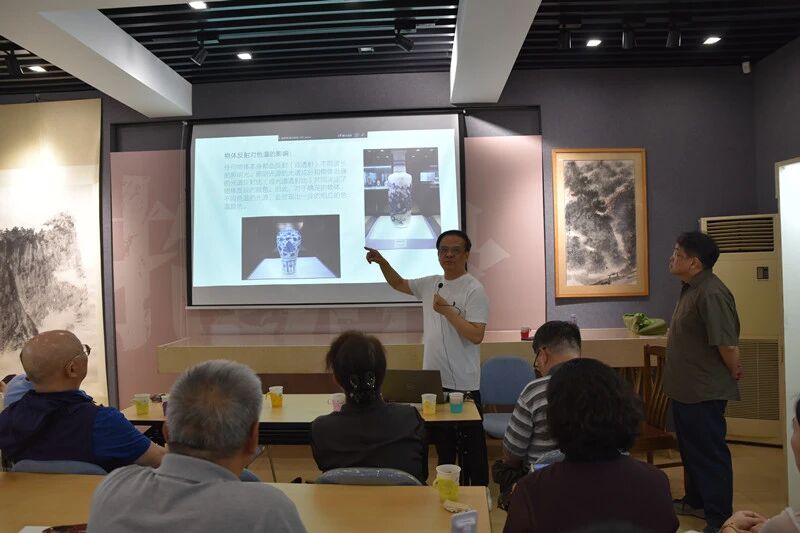
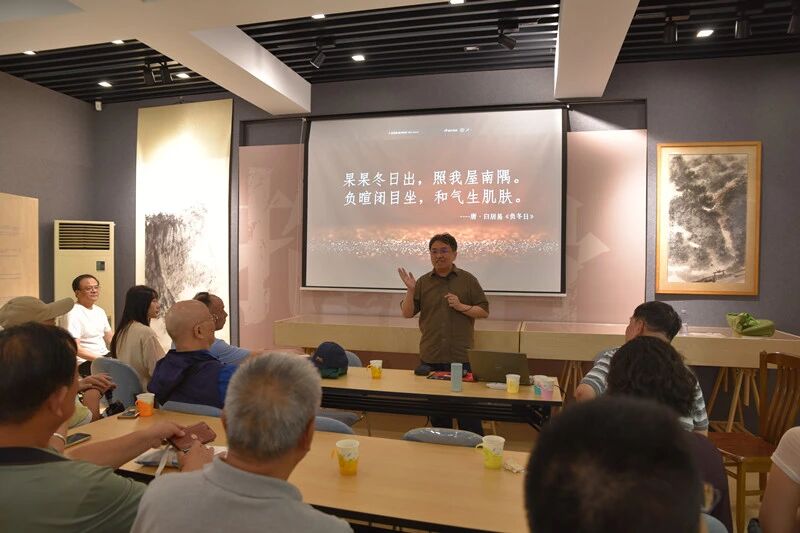
In his lecture “Practical Aesthetics of Calligraphy and Painting,” Qian Zongming, Secretary General of the Jiangsu Provincial Lighting Society, focused on the aesthetics of light and shadow in exhibitions, unpacking the professional logic and visual codes behind the presentation of fine works. He emphasized that exhibition lighting is not merely an illumination tool—it is a core element for enhancing the artistic mood of brush and ink, activating the spirit of the artwork, and shaping the spatial atmosphere. Drawing on his hands‑on experience improving exhibition lighting at the Fu Baoshi Memorial Hall, he offered detailed yet engaging insights into aspects such as the design of exhibition lighting styles, the interplay of light and dark, the balance between movement and stillness, the principles of warm and cool tones, as well as the quality of light and lighting safety.
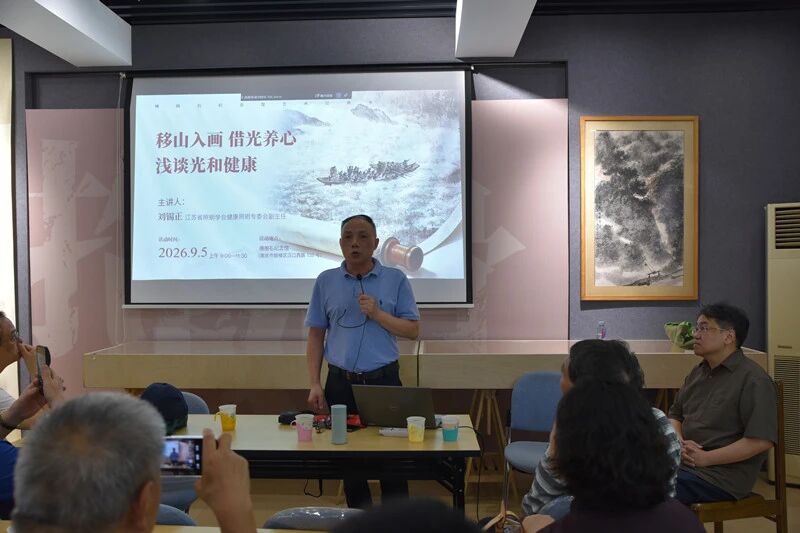
In his lecture “Moving Mountains into Paintings, Nurturing the Heart with Light,” Liu Xizheng, Deputy Director of the Health Lighting Committee of the Jiangsu Provincial Lighting Society and Chairman of Jianzheng Lighting, adopted a lighting‑focused perspective, drawing on real‑world scenarios of appreciating and studying calligraphy and painting to share the aesthetic and therapeutic benefits of light. He noted that light serves not only visual appreciation but also profoundly influences physical well‑being, emotions, and temperament. He advised artists and calligraphy enthusiasts to minimize exposure to harsh or dazzling light during practice, viewing exhibitions, and daily life, thereby avoiding potential light‑related risks and embracing scientifically informed lighting practices to safeguard their physical and mental health.
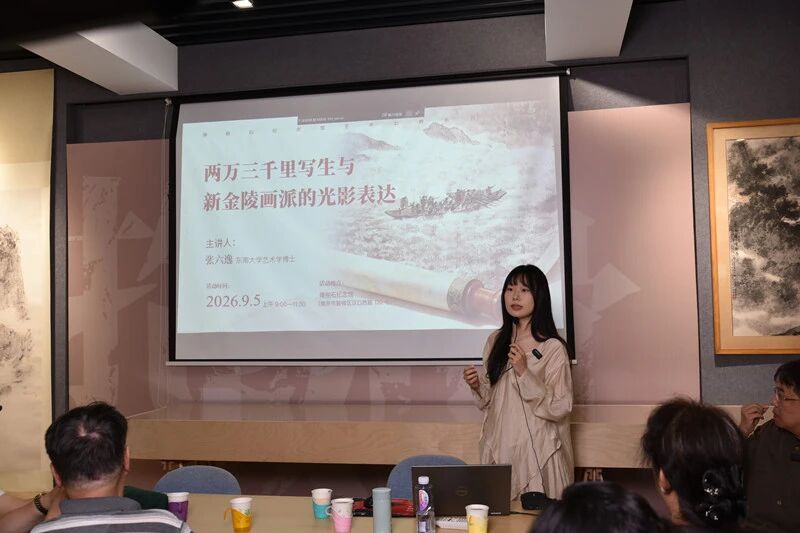
Dr. Zhang Liuyi of Southeast University shared insights into the expression of light and shadow in traditional Chinese painting, retracing the New Jinling School’s storied history of sketching across twenty‑three thousand li. He provided an in‑depth analysis of Fu Baoshi’s signature “Baoshi Crackle” technique, dissected the unique Eastern aesthetic of light and shadow found in classic works such as “Night Rain over Bashan,” and guided the audience in experiencing the distinctive light‑and‑shadow aesthetics inherent in traditional Chinese painting.
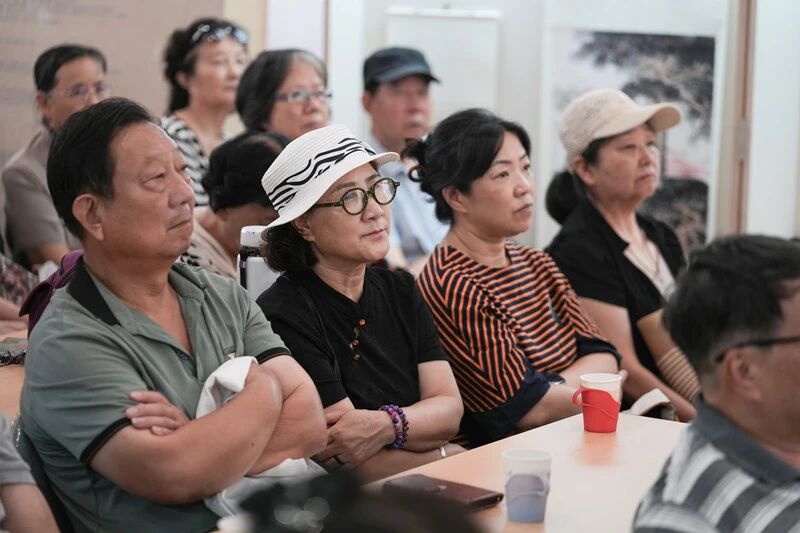
The event enjoyed a vibrant atmosphere and a strong sense of learning, with art enthusiasts attentively listening to the presentations, actively participating in discussions, and deeply reflecting on what they heard—gaining valuable insights along the way. Ms. Wang, a local resident, remarked that the event’s cross‑disciplinary approach and vivid interpretations had shattered her previous one‑dimensional understanding of appreciating paintings, expressing hope for more series of specialized aesthetic‑education initiatives in the future. Veteran calligraphy and painting enthusiast Ms. Dai added, “In the past, I could only distinguish the light and dark layers in a painting. Today, I’ve truly come to appreciate the subtle nuances of light and shadow hidden within the brushwork, and I’ve also learned professional knowledge about exhibition lighting. This will be immensely inspiring for my future creative endeavors and for how I view and evaluate artworks.”
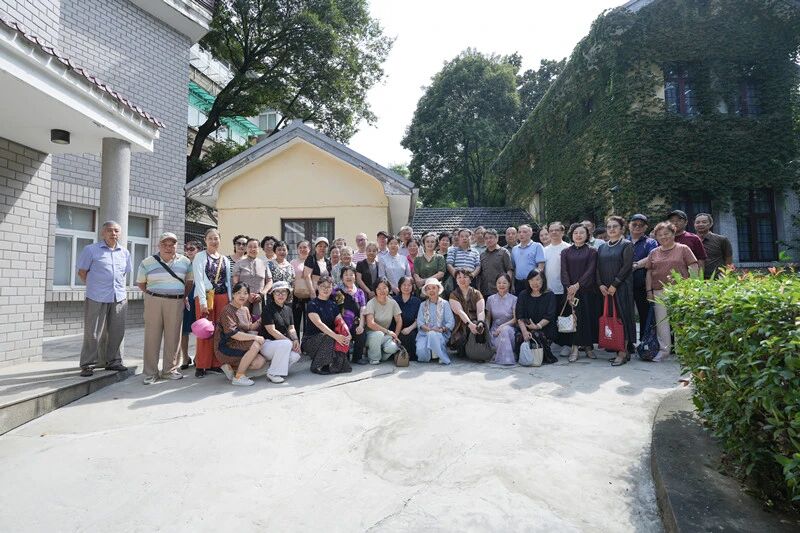
Public education is a long‑term public‑service endeavor—and one that requires continuous innovation. The Jiangsu Provincial Lighting Society will continue to leverage its platform advantages to actively promote cross‑disciplinary empowerment through lighting technology. Moving forward, the Society plans to collaborate with cultural and museum institutions and art associations to explore innovative models of public education that integrate “lighting science + traditional culture,” complementing them with a multi‑faceted approach to aesthetic education—including fixed exhibitions, mobile outreach programs, and on‑site educational experiences. These efforts will target the general public, with particular attention paid to educating and raising awareness among senior citizens, disseminating scientific knowledge about proper lighting, and preserving and passing down the region’s rich traditions of calligraphy and painting, thus harnessing technological advances to drive high‑quality development of Jiangsu’s cultural and aesthetic education sector.
To promote the cross‑disciplinary integration of lighting science and traditional Chinese painting and calligraphy, to popularize the concept of healthy lighting, and to support inclusive aesthetic education, the “Light and Shadow Meet Brush and Ink — ‘New Jinling School’ Cross‑Disciplinary Art Exchange” public‑education event was jointly hosted by the Jiangsu Provincial Lighting Society, the Fu Baoshi Memorial Hall of the Jiangsu Provincial Academy of Chinese Painting, the Public Education Department of the Jiangsu Provincial Art Museum, and the Jiangsu Provincial Senior Calligraphy and Painting Research Association, with collaborative support from numerous art groups. The event took place on September 5 at the Fu Baoshi Memorial Hall of the Jiangsu Provincial Academy of Chinese Painting. Drawing on the Jiangsu Provincial Art Museum’s “Walking Toward Beauty, Nurturing Hearts Through Art” public‑education brand and integrating it with the New Jinling School’s “Art Box” educational exhibition, the event fostered a dynamic dialogue between lighting science and traditional Chinese painting.
The event was co‑planned by Qian Zongming, Secretary General of the Jiangsu Provincial Lighting Society; Liu Xizheng, Deputy Director of the Health Lighting Committee and Chairman of Jianzheng Lighting; Huang Ge, Director of the Fu Baoshi Memorial Hall of the Jiangsu Provincial Academy of Chinese Painting; and Gao Mu, Director of the Public Education Department of the Jiangsu Provincial Art Museum. Centered around the theme of “light and shadow,” the program seamlessly connected lighting technology, artistic creation, and health‑related science, bringing together experts from both industry and the arts for thematic presentations and exchanges. Huang Ge, Director of the Fu Baoshi Memorial Hall, served as the event’s moderator throughout.
In his lecture, “Practical Aesthetics of Calligraphy and Painting,” Qian Zongming, Secretary General of the Jiangsu Provincial Lighting Society, focused on the aesthetics of light and shadow in exhibitions, unpacking the professional logic and visual codes behind the presentation of fine works. He emphasized that exhibition lighting is not merely an illumination tool—it is a core element that enhances the artistic mood of brush and ink, brings out the spirit of each piece, and shapes the overall spatial atmosphere. Drawing on his hands‑on experience improving exhibition lighting at the Fu Baoshi Memorial Hall, he offered detailed yet engaging insights into aspects such as the design of exhibition lighting styles, the interplay of light and dark, the balance between movement and stillness, the principles of warm and cool tones, as well as considerations regarding light quality and lighting safety.
In his lecture, “Moving Mountains into Paintings, Nurturing the Heart with Light,” Liu Xizheng, Deputy Director of the Health Lighting Committee of the Jiangsu Provincial Lighting Society and Chairman of Jianzheng Lighting, adopted a lighting‑focused perspective, drawing on real‑world scenarios of viewing and studying calligraphy and painting to share the aesthetic and therapeutic benefits of light. He noted that light does more than serve visual appreciation—it profoundly influences our physical well‑being, emotions, and temperament. He advised artists and calligraphy enthusiasts to minimize exposure to harsh or dazzling light during practice, exhibitions, and daily life, thereby avoiding potential light‑related risks and embracing scientifically informed lighting practices to safeguard their physical and mental health.
Dr. Zhang Liuyi from Southeast University shared insights on the expression of light and shadow in traditional Chinese painting, retracing the New Jinling School’s storied history of sketching across twenty‑three thousand li. He provided an in‑depth analysis of Fu Baoshi’s signature “Baoshi texture” technique, dissected the unique Eastern aesthetic of light and shadow found in classic works such as “Night Rain over Mount Ba,” and guided the audience in experiencing the distinctive light‑and‑shadow aesthetics inherent in traditional Chinese painting.
The event enjoyed a vibrant atmosphere and a strong sense of learning, with art enthusiasts attentively listening to presentations, actively participating in discussions, and deeply reflecting on what they heard—gaining valuable insights along the way. Ms. Wang, a local resident, remarked that the event’s innovative cross‑disciplinary approach and vivid interpretations had shattered her previous one‑dimensional understanding of appreciating paintings, expressing hope for more series of specialized aesthetic‑education initiatives in the future. Veteran calligraphy and painting enthusiast Ms. Dai added, “In the past, I could only distinguish between light and dark areas in a painting. Today, I’ve truly come to appreciate the subtle nuances of light and shadow hidden within the brushwork, and I’ve also learned professional techniques for managing lighting in exhibitions—knowledge that will greatly inspire my future creative endeavors and enhance my ability to enjoy and evaluate artworks.”
Public education is a long‑term public‑service endeavor—and one that requires continuous innovation. The Jiangsu Provincial Lighting Society will continue to leverage its platform advantages to actively promote cross‑disciplinary empowerment through lighting technology. Moving forward, the Society plans to collaborate with cultural and museum institutions and art associations to explore innovative models of public education that integrate “lighting science + traditional culture,” complementing them with a multi‑faceted approach to aesthetic education—including fixed exhibitions, mobile outreach programs, and on‑site educational experiences. Targeting the general public, with particular attention to senior citizens, the Society aims to disseminate knowledge about scientific lighting practices, preserve and pass on the region’s rich calligraphy and painting traditions, and harness technological advances to drive high‑quality development in Jiangsu’s cultural and aesthetic education sector.
<......
China Light
The official website of the China Association of Lighting Industry and a full-media platform for the lighting sector. We provide authoritative and timely lighting information while striving to be a growth partner for businesses. From brand promotion and channel expansion to consulting, talent training and participation in standards development, we provide comprehensive professional services to help businesses improve quality and efficiency and jointly advance the high-quality development of the lighting industry.
Business Contacts
仇纯 (Ms.): 158 6155 3579
顾君 (Mr.): 137 7157 5253