
Has the “Little Blue Light” for intelligent driving been halted? Automotive lighting is set to adopt a national standard.
Recently, the “little blue light” used in intelligent driving systems has drawn widespread attention and debate within the automotive and lighting industries, as well as online, due to concerns that it may soon be banned for failing to comply with the current mandatory national standard, “Installation Regulations for External Lighting and Light-Signaling Devices on Motor Vehicles and Trailers” (GB 4785-2019).
According to CCTV News, reporters learned from the China Automotive Technology Research Institute that some vehicles equipped with driver-assistance systems have recently added “little blue lights” to indicate to other road users that they are operating in assisted‑driving mode. However, these lights are currently being misused, posing potential safety risks.
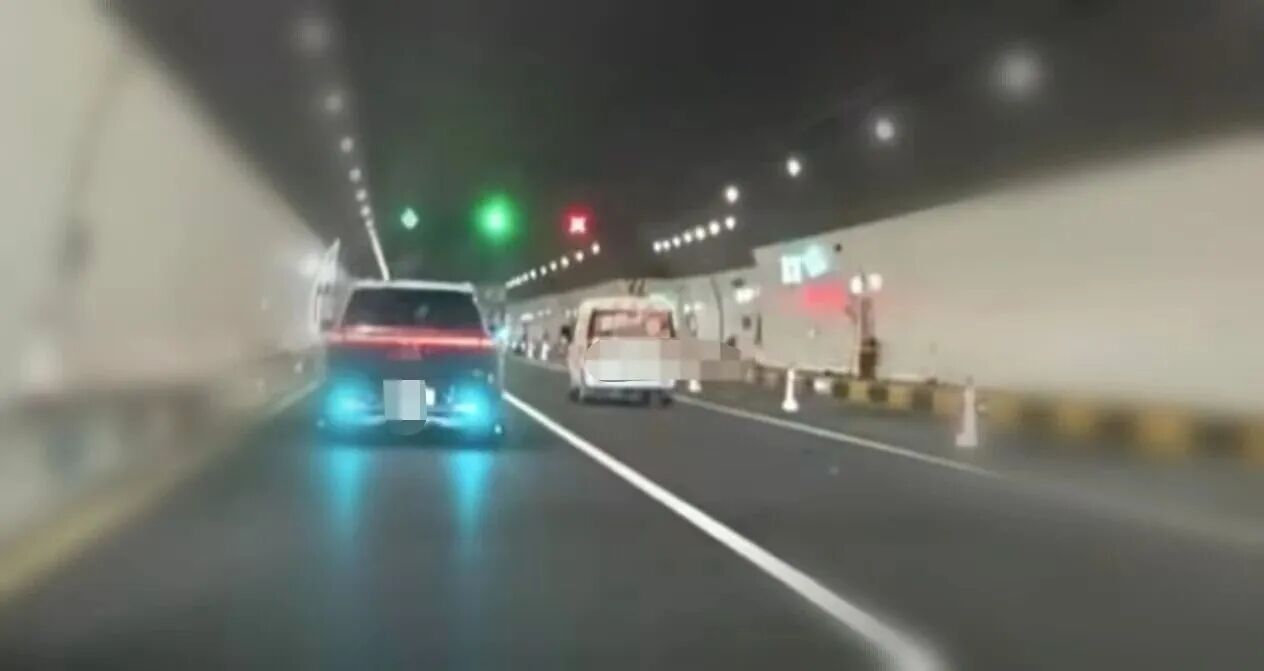
Experts point out that “little blue lights,” especially when activated at night, can cause glare and visual discomfort for other road users, impairing their ability to assess road conditions. Moreover, such vehicles may become targets for aggressive lane‑changing or tailgating by other drivers, thereby increasing traffic safety risks.
In China, although GB 4785-2019, “Installation Regulations for External Lighting and Light-Signaling Devices on Motor Vehicles and Trailers,” does not yet explicitly address the use of “little blue lights,” the standard generally prohibits the installation of external lighting and light-signaling devices not defined within its scope. Internationally, the Working Party on Lighting and Light-Signalling (GRE) and the Working Group on Automated and Connected Vehicles (GRVA), under the United Nations World Forum for Harmonization of Vehicle Regulations (UN/WP.29), are conducting studies on “little blue lights.” However, debates persist regarding their actual safety benefits versus potential risks.
Under the guidance of the competent authorities, the National Technical Committee for Automotive Standardization is currently revising and updating GB 4785, “Installation Requirements for External Lighting and Light-Signaling Devices on Motor Vehicles and Trailers” (Project No. 20262535-Q-339). At the same time, efforts are underway to strengthen the review process for the approval of “aggressive” product innovations and to improve testing and validation procedures, further regulating the installation and use of vehicle lighting systems and enhancing overall vehicle safety performance.
The original intention behind the “little blue light” in intelligent driving systems was to enable vehicle‑to‑infrastructure information exchange. However, unregulated, non‑standard installations by automakers have led to risks such as glare and misleading other drivers. The new regulations aim to curb disorderly modifications while advancing the refinement of national standards, balancing smart innovation with public road safety and establishing clear compliance boundaries for intelligent vehicle lighting.
Source: CCTV News, online reports, and other materials, compiled