
The Second China Lighting and Electrical Appliances Industry Standards and Quality Conference was held in Lanzhou.
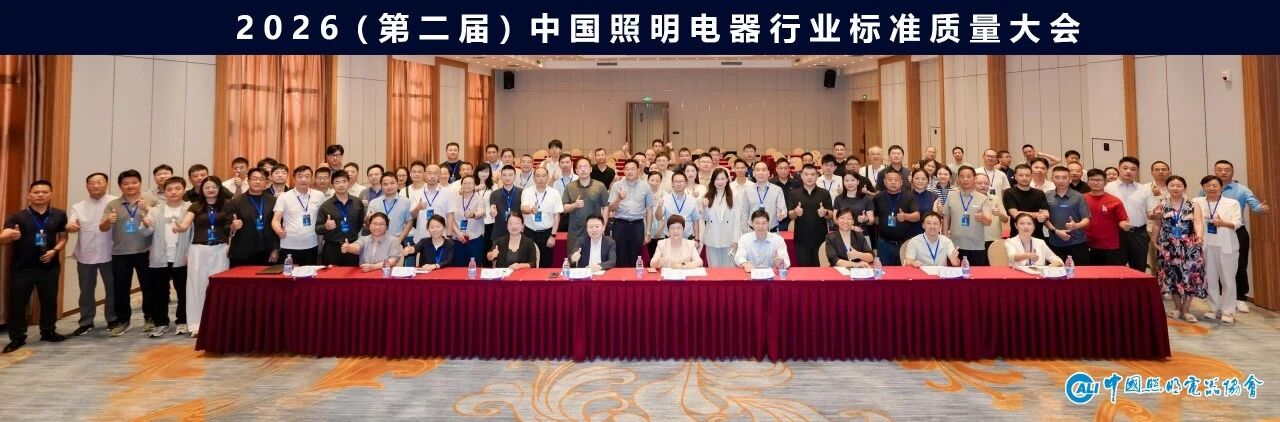
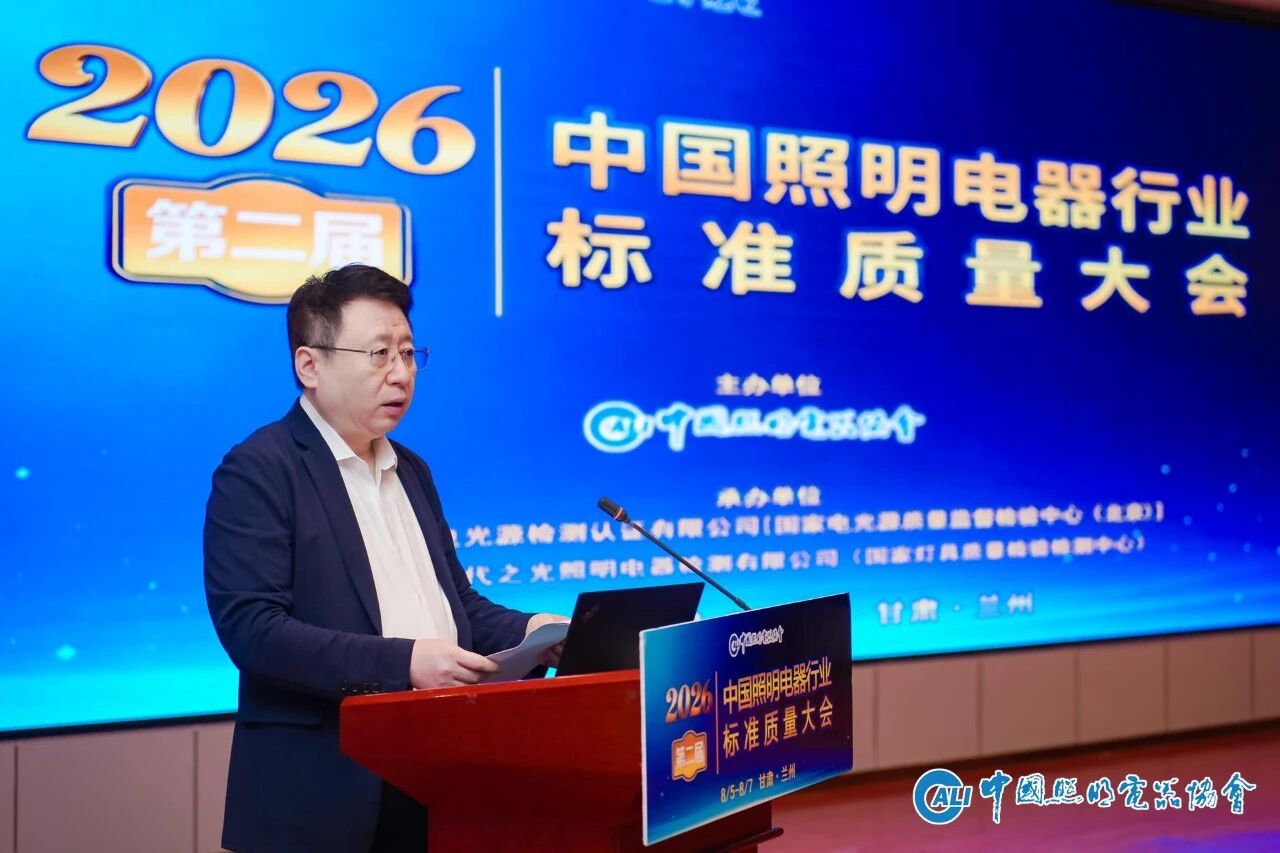
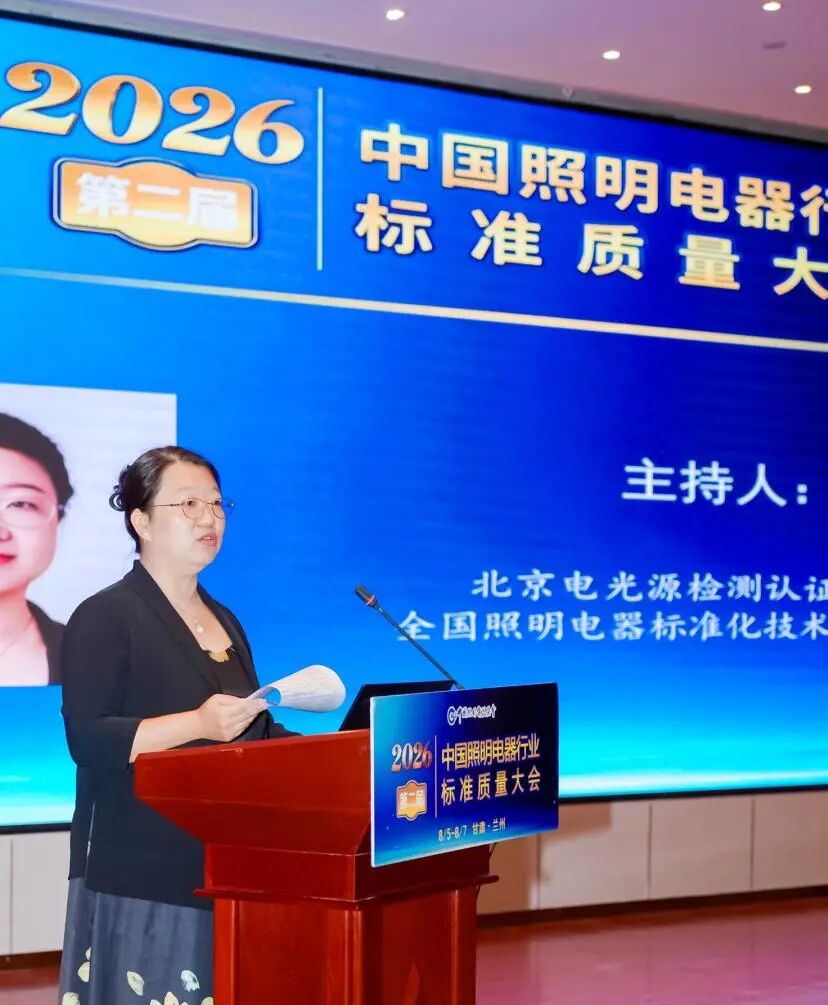
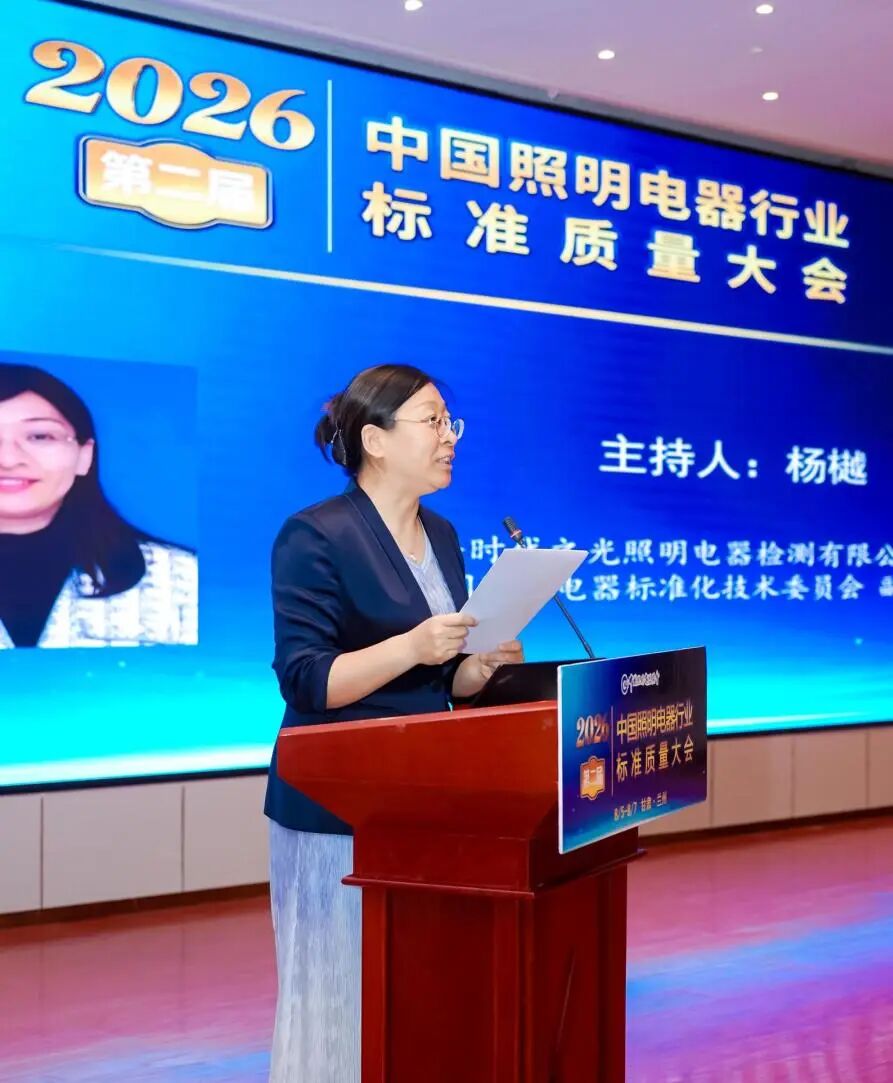
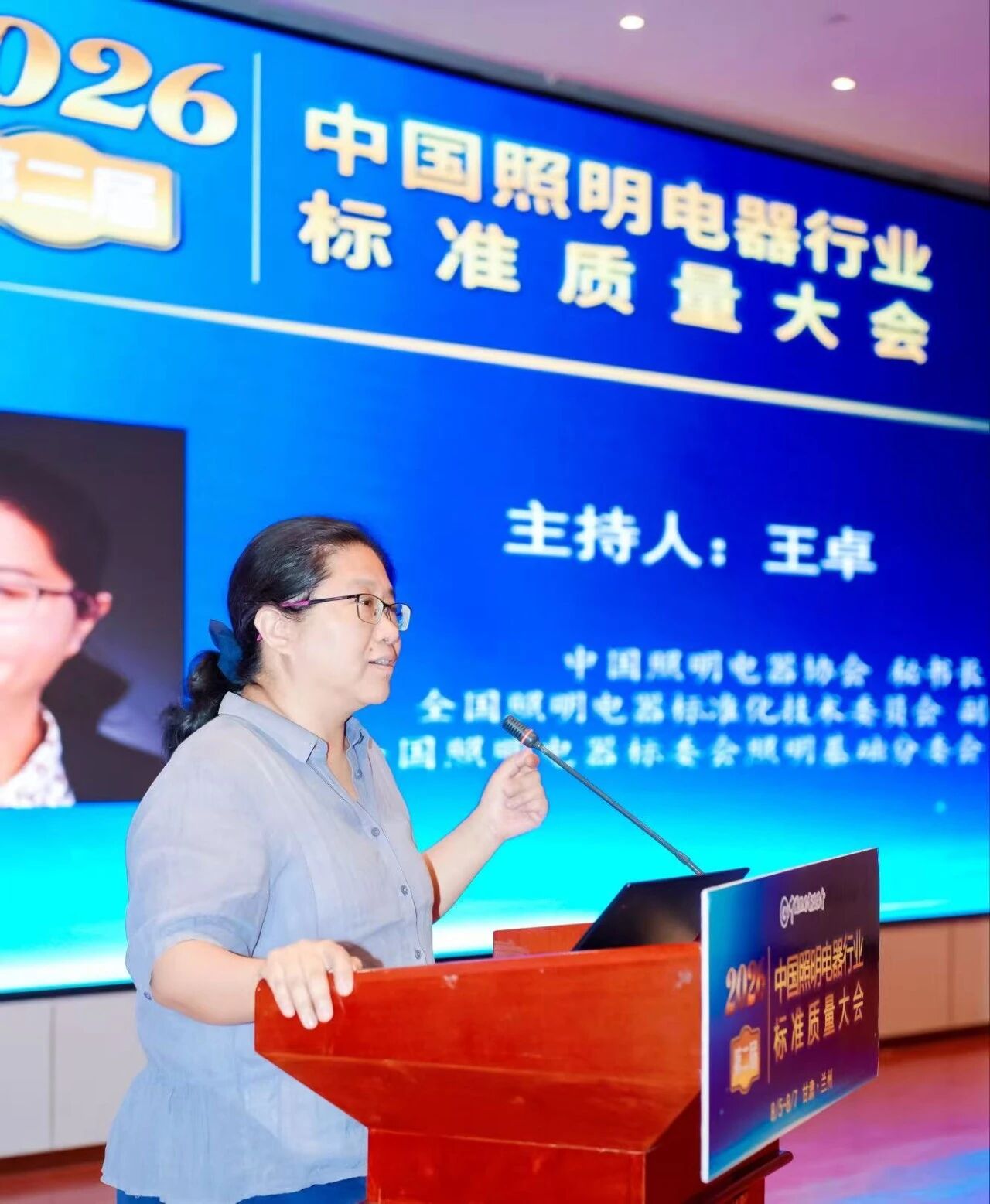
On August 6, the “Second China Lighting Industry Standards and Quality Conference,” hosted by the China Illuminating Engineering Society, was held in Lanzhou, Gansu Province. He Ye, Vice President of the China National Light Industry Council, Chairman of the China Illuminating Engineering Society, and Chairperson of the National Technical Committee for Lighting Equipment Standardization (SAC/TC224), attended the conference and delivered a keynote address. Wang Xuhua, Vice Chairman of the China Illuminating Engineering Society and Deputy Chairperson of SAC/TC224, presided over the opening session. Liu Qian, Manager of Beijing Electric Light Source Testing and Certification Co., Ltd. and Deputy Chairperson of SAC/TC224; Yang Yue, General Manager of Shanghai Shidai Zhiguang Lighting Equipment Testing Co., Ltd. and Deputy Chairperson of SAC/TC224; and Wang Zhuo, Secretary-General of the China Illuminating Engineering Society and Deputy Secretary-General of SAC/TC224, each chaired separate report sessions during the event. Attendees included Yao Mengming, Vice Chairman of the China Illuminating Engineering Society, along with representatives from standardization and quality management departments of vice-chairman units such as Foshan Lighting, NVC Lighting, Opple Lighting, Leyard Technology, Lite-On, Debang Lighting, Sunshine Lighting, Sanxiong Aurora, Hongyan Electrical Appliances, Shanghai Yaming, and Mulinsen; leaders from key industry enterprises; testing and certification bodies; representatives from industrial cluster associations in Gaoyou, Zhongshan, Jiangmen, and other regions; as well as media outlets including Consumer Daily and China Quality Daily.
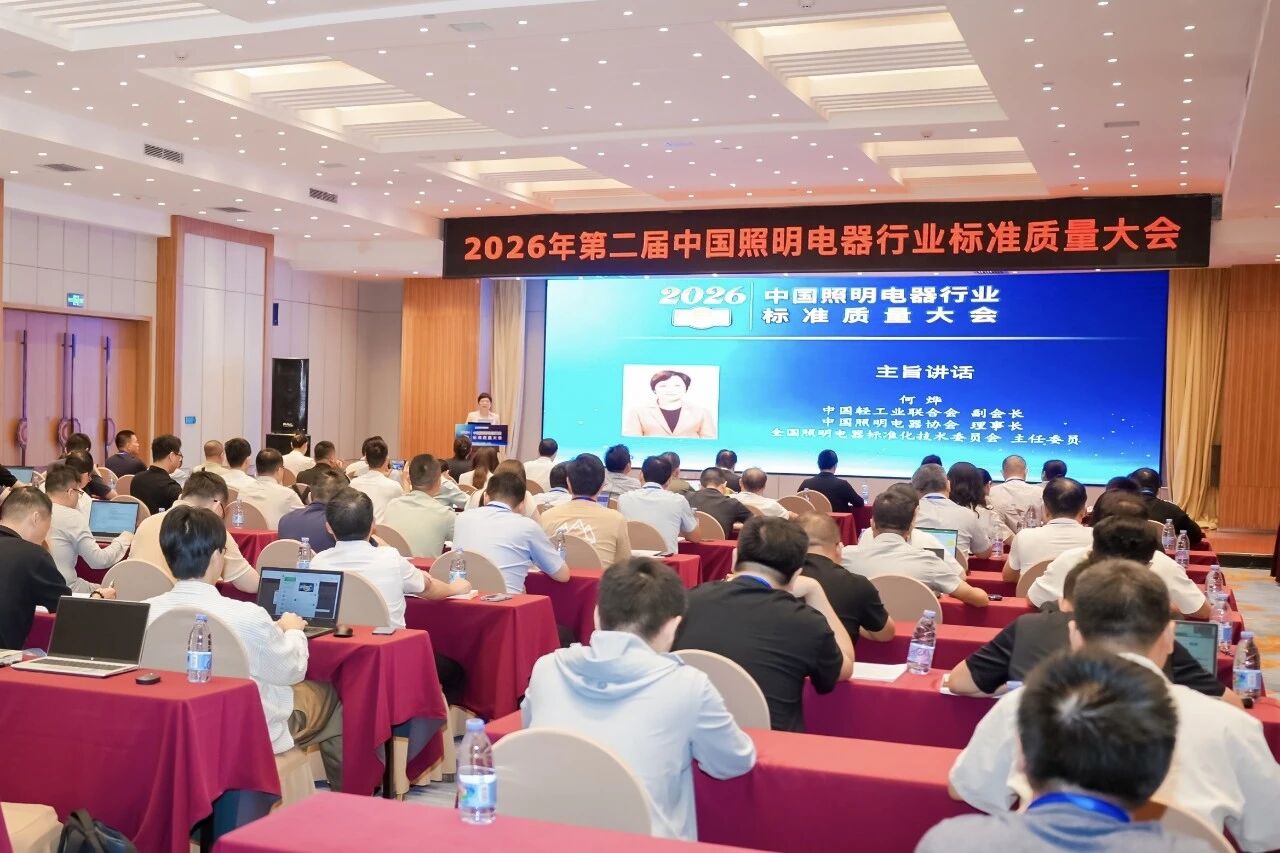
This conference received guidance and support from relevant authorities, including the State Administration for Market Regulation and the Ministry of Industry and Information Technology. In their remarks, speakers emphasized that the CPC Central Committee attaches great importance to standardization efforts, viewing standards as a crucial tool for enhancing product quality, driving industrial development, and curbing unhealthy competition. They called for continued strengthening of top-level design for standard-setting, accelerating the development of urgently needed standards, and leveraging standards to promote technological progress, improve product quality, and advance industrial growth. The state is also continuously refining its regulatory framework for key products, reinforcing the role of oversight and random inspections, and combating substandard practices in the field of quality and safety. Participants expressed hope that the entire industry will further strengthen top-down standardization planning and refine its industry-wide standards system; focus on addressing industry-specific needs by expediting the formulation and revision of critical standards; and bolster standardization capacity to comprehensively elevate both work quality and professional expertise. They urged lighting companies to firmly embrace a quality-first philosophy, enhance their scientific management capabilities, actively respond to public and user concerns, cultivate a responsible corporate image, and uphold their social responsibilities.
Chairwoman He Ye delivered a keynote speech titled “Unleashing the Momentum of Standards and Quality to Usher in a New Chapter for Industry Development during the 15th Five-Year Plan.” She noted that this year marks the beginning of the 15th Five-Year Plan, with national strategies prioritizing high-quality development and improvements in people’s livelihoods. She underscored that robust standardization and quality initiatives are essential for guiding the lighting industry toward high-quality transformation and upgrading over the next five years. She pointed out that, aligned with the broader national agenda of expanding domestic demand, strengthening standards, combating cutthroat competition, and fostering innovation, the industry should center its efforts on building strong standards and quality systems to drive comprehensive, high-quality growth. At the national level, policy coordination and top-down planning ensure that standards and quality permeate all aspects of development, serving as pivotal tools for boosting domestic demand, regulating competition, and nurturing new forms of productive forces. At the industry level, standards and quality help propel industrial upgrades, while associations and standardization committees collaborate to establish working platforms, continually improving dual-track standard supply mechanisms and reinforcing joint governance of quality. At the enterprise level, standards and quality provide competitive advantages, enabling many lighting firms to translate original technologies into widely adopted industry norms, thereby using innovative standards to strengthen overall supply-chain competitiveness. She outlined three key priorities for the next phase of standardization and quality work in the lighting sector: First, strictly adhere to mandatory standards to solidify the foundation of industry development. All companies must rigorously comply with mandatory national standards in the lighting sector, ensuring product safety, energy efficiency, and environmental compliance. This includes stringent adherence to RoHS regulations, energy-efficiency requirements, and flicker-safety thresholds, alongside regular self-assessments and quality-control upgrades. Companies should stay attuned to the pace of standard revisions set by national standardization bodies, using rigid standards to safeguard the industry’s safe and sustainable development. Second, maintain a fair competitive environment and break free from cutthroat price-based competition. Industry players should proactively abandon low-cost, homogenous, and destructive competitive practices, embracing instead a development philosophy centered on “high quality commands higher prices.” Leveraging industry-wide quality inspections, risk alerts, recall notices, and self-regulatory covenants, companies can better regulate production, operations, and market bidding activities. By emphasizing quality differentials, performance upgrades, and scenario optimization, they can foster healthy competition, transitioning the industry from “price-driven competition” to “quality- and brand-focused competition.” Third, stimulate market innovation and drive consumption upgrades. The industry should capitalize on the flexible innovation advantages offered by group standards and enterprise-specific standards, constructing a multi-tiered standards system characterized by “national standards as the baseline, group standards raising the bar, and enterprise standards setting benchmarks.” Leading companies are encouraged to actively participate in developing cutting-edge standards across emerging fields such as smart lighting, health-oriented light spectra, energy-storage streetlights, carbon-footprint accounting, recycling of used luminaires, and cross-industry lighting integration. Enterprises should also be supported in formulating internal standards stricter than national ones, using these elevated benchmarks to spur continuous product, technology, and service iterations, ultimately cultivating new sources of productivity within the industry.
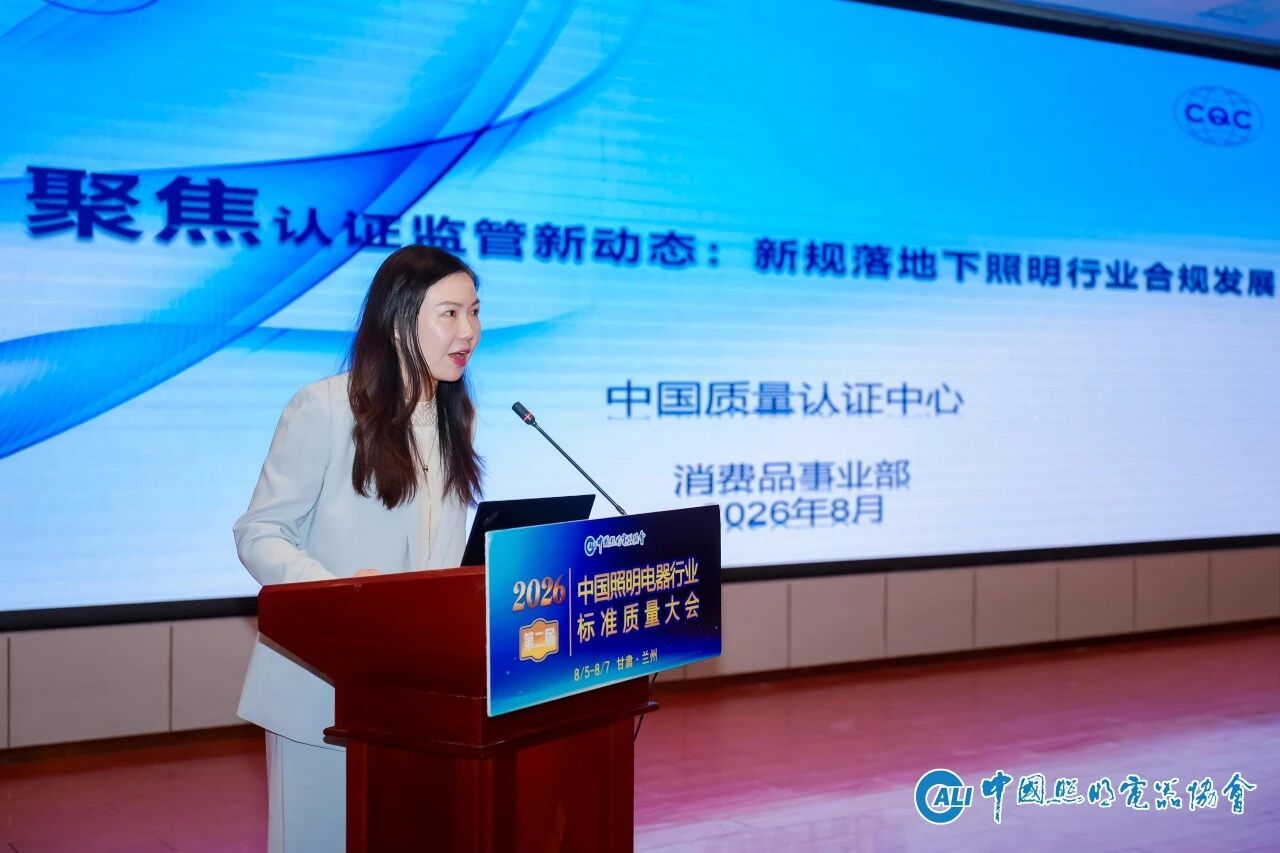
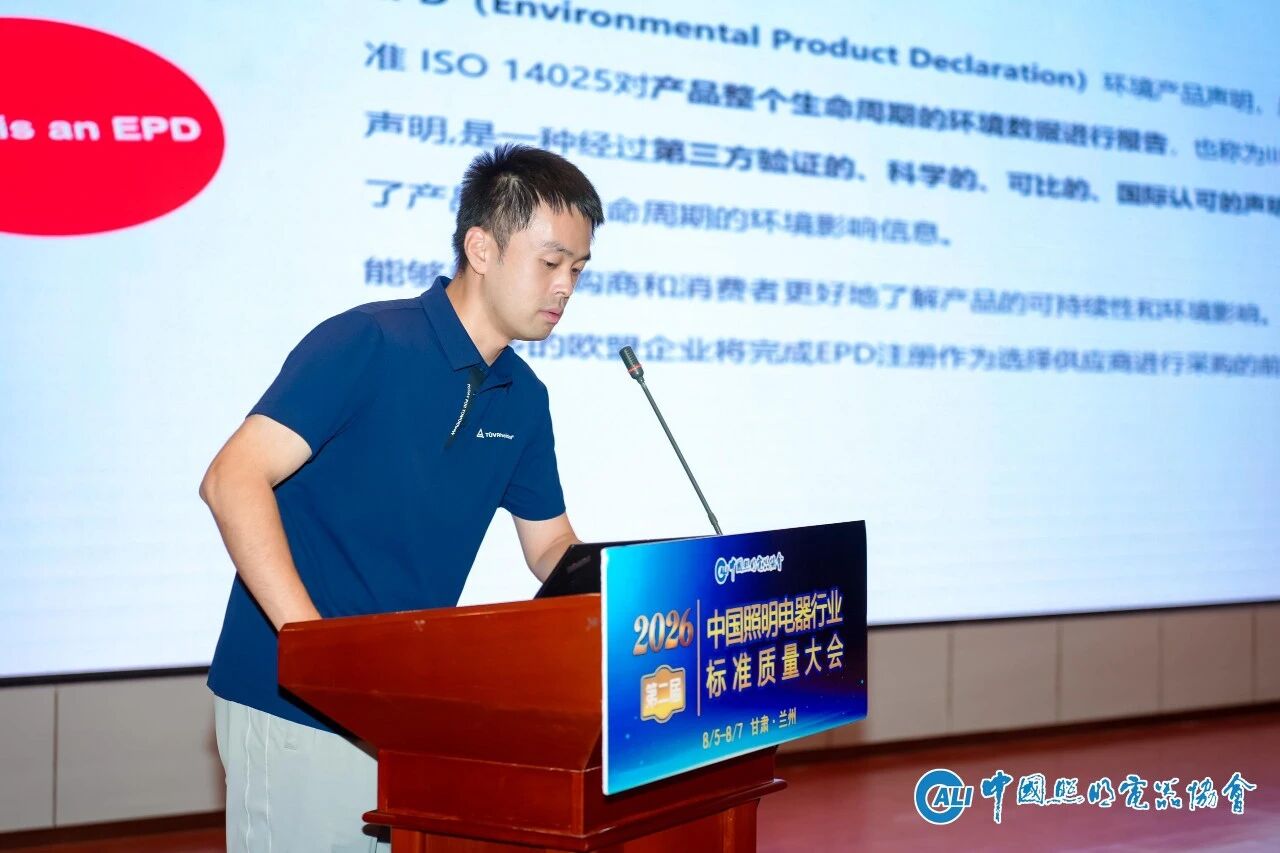
Experts from the China Academy of Information and Communications Technology provided interpretations on AI standardization and high-quality development, as well as the latest EU RoHS policies and procedures for conformity assessment. Representatives from institutions such as the China Quality Certification Center, Beijing Electric Light Source Testing and Certification Co., Ltd., Shanghai Shidai Zhiguang Lighting Equipment Testing Co., Ltd., Rhein Technology (Shanghai) Co., Ltd., and JD.com shared insights on EU environmental regulations and overseas market expansion, new rules governing quality certification oversight, e-commerce platform quality control practices, and developments in light-health standards and cross-industry lighting standardization. Meanwhile, Hangzhou Yuanfang Optoelectronics Co., Ltd., Xuyu Optoelectronics (Shenzhen) Co., Ltd., Zhongjia Institute (Beijing) Testing and Certification Co., Ltd., and Jiangxi Jinhuang Light Technology Group Co., Ltd. discussed cutting-edge technologies and applications, including LED flicker measurement techniques, sun-like light technologies and related standard advancements, smart-home interconnectivity standards, and research on silicon-based yellow-light technology for human-centric illumination.
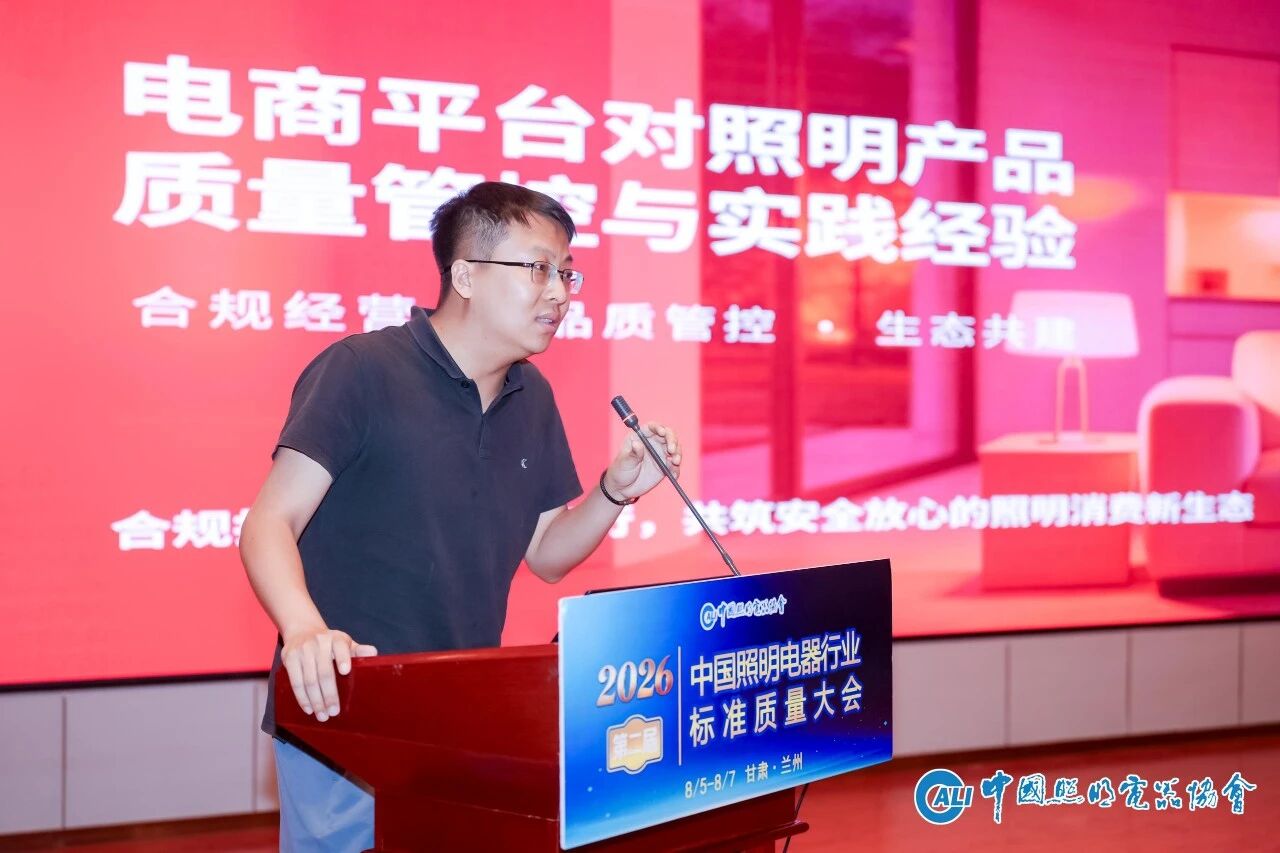
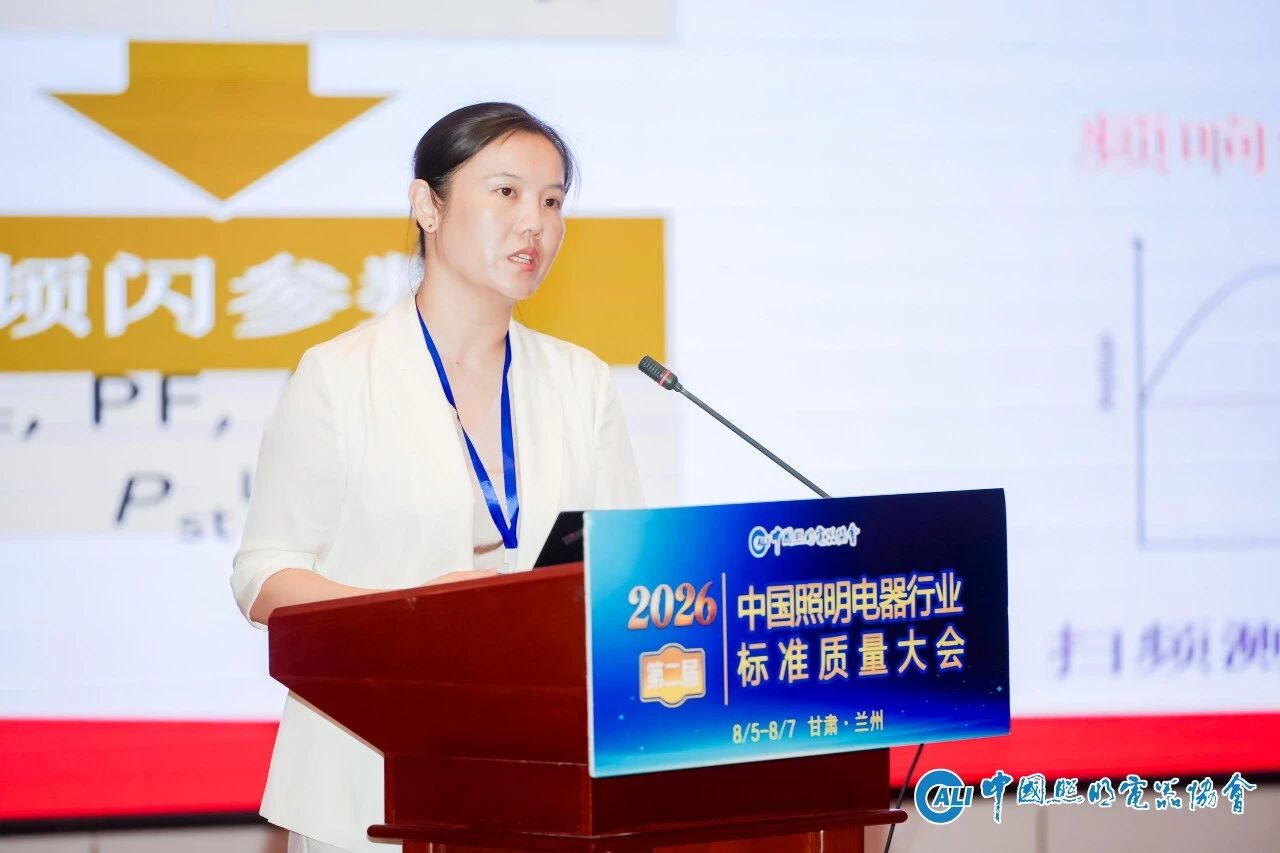
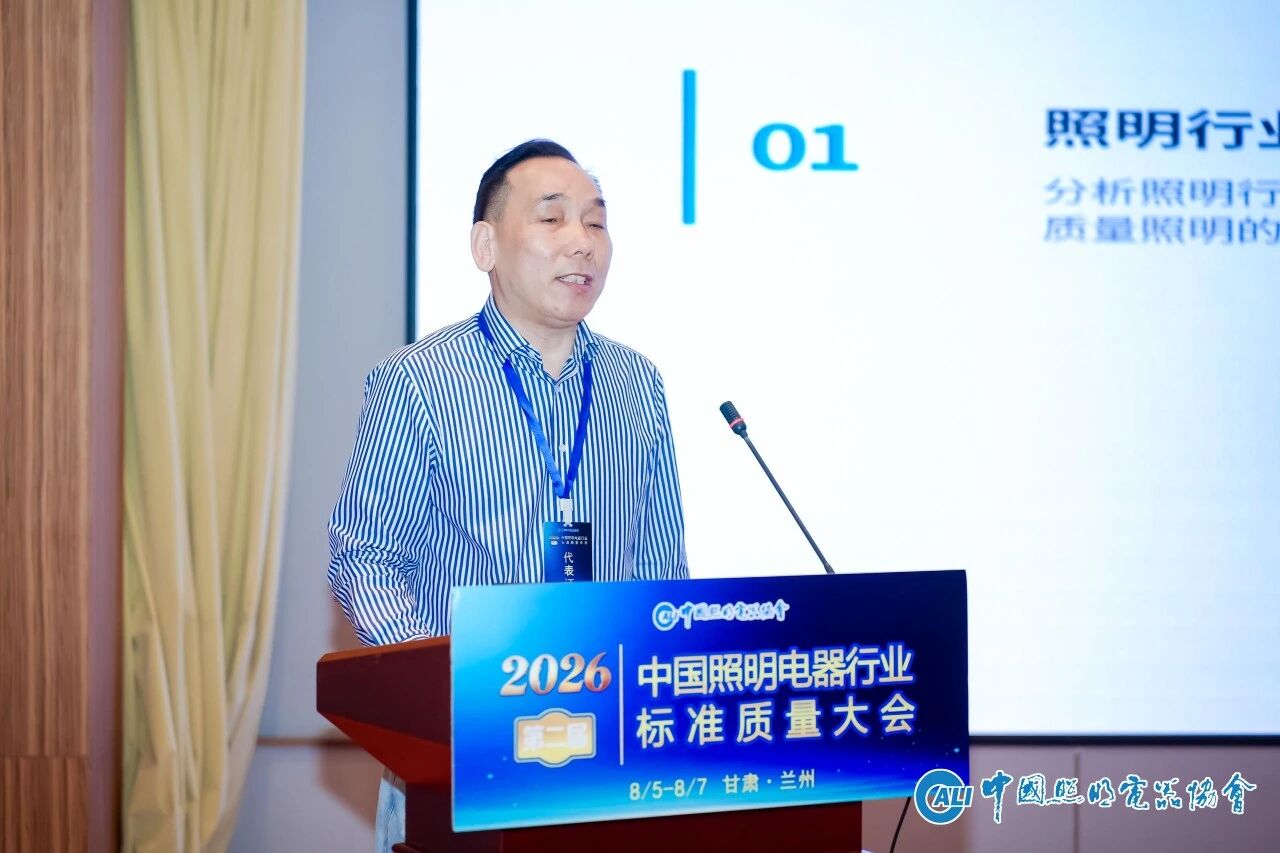
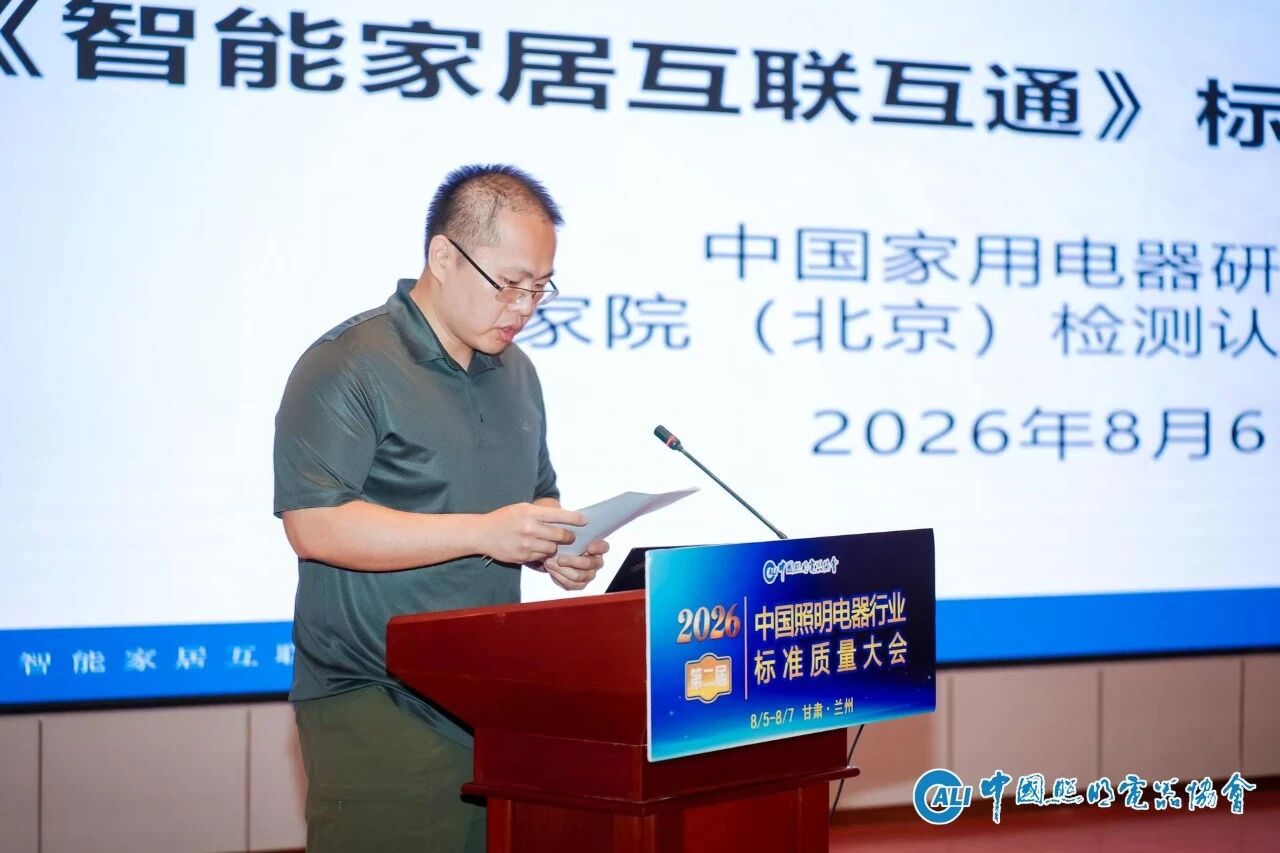
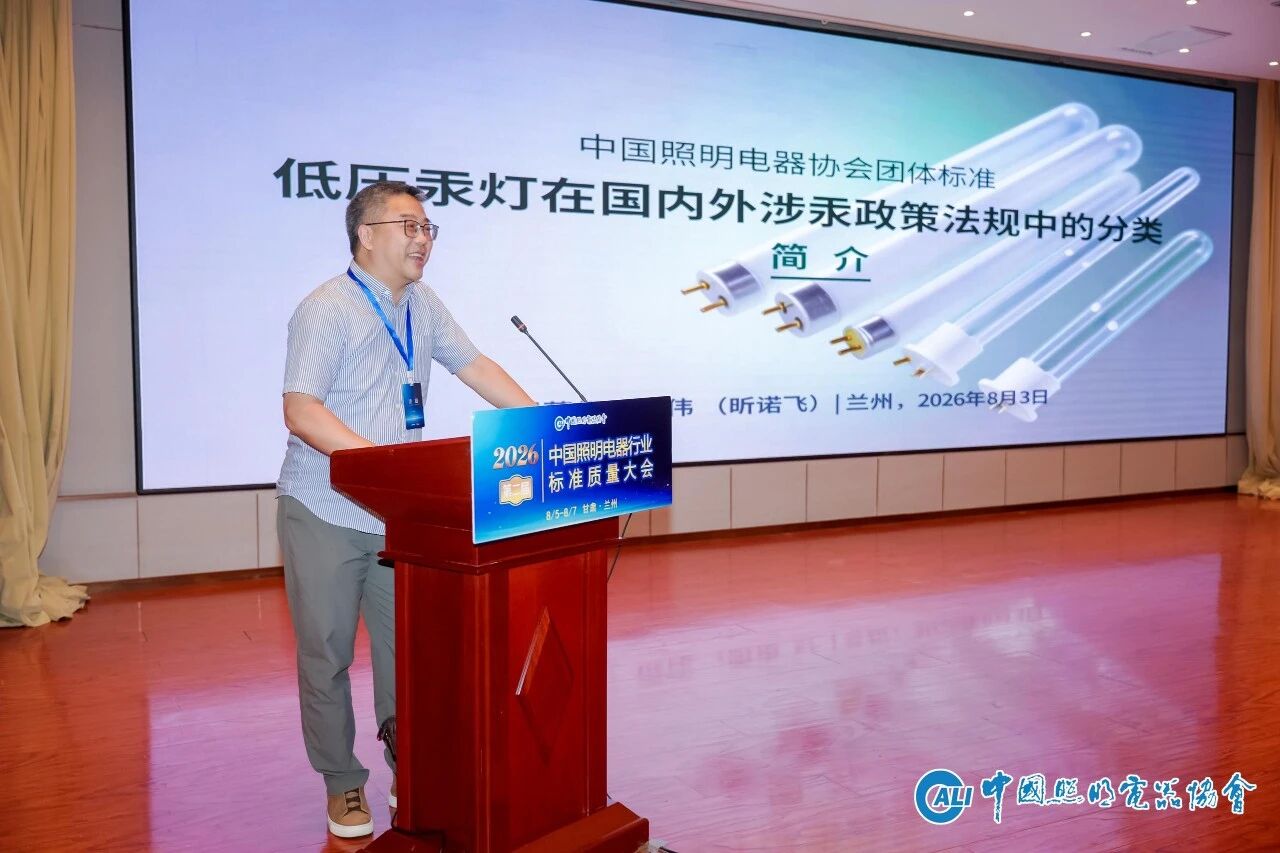
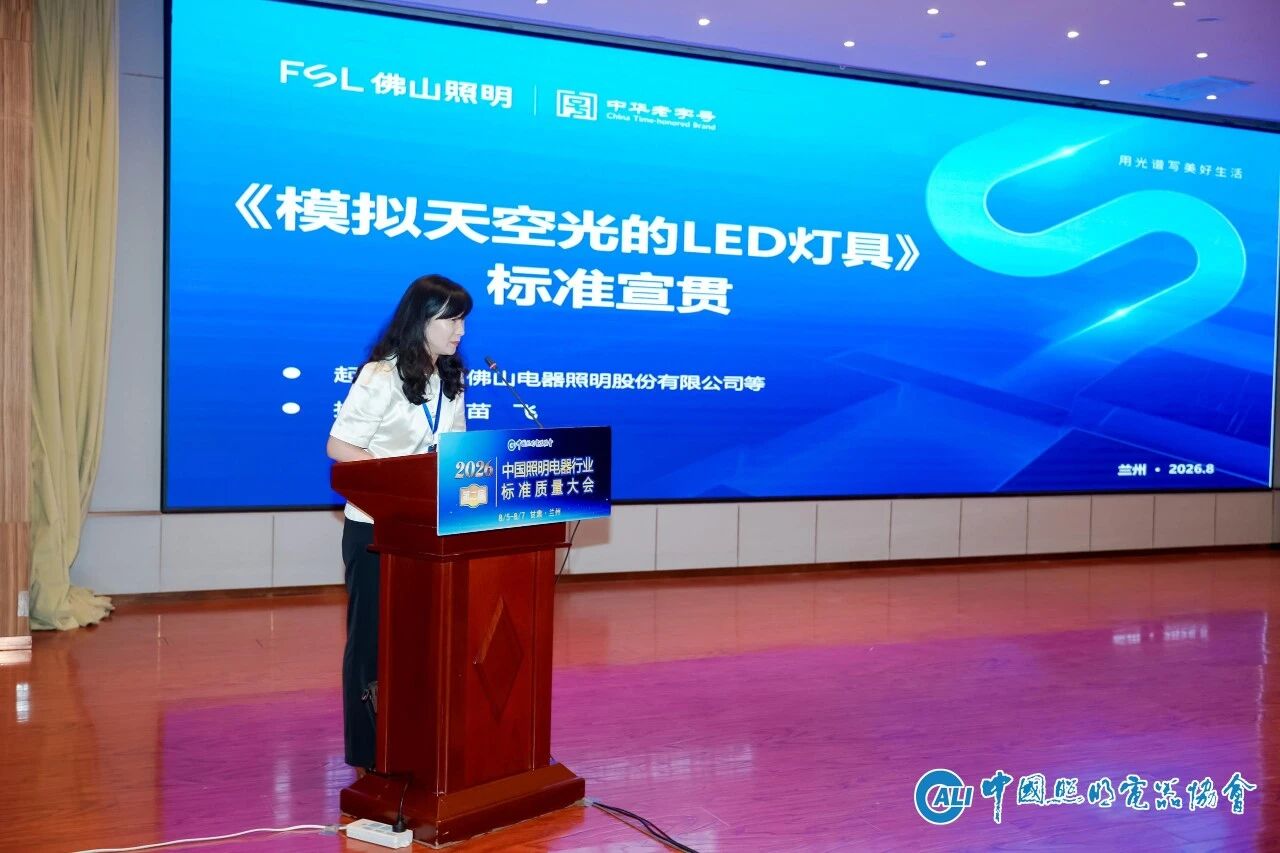
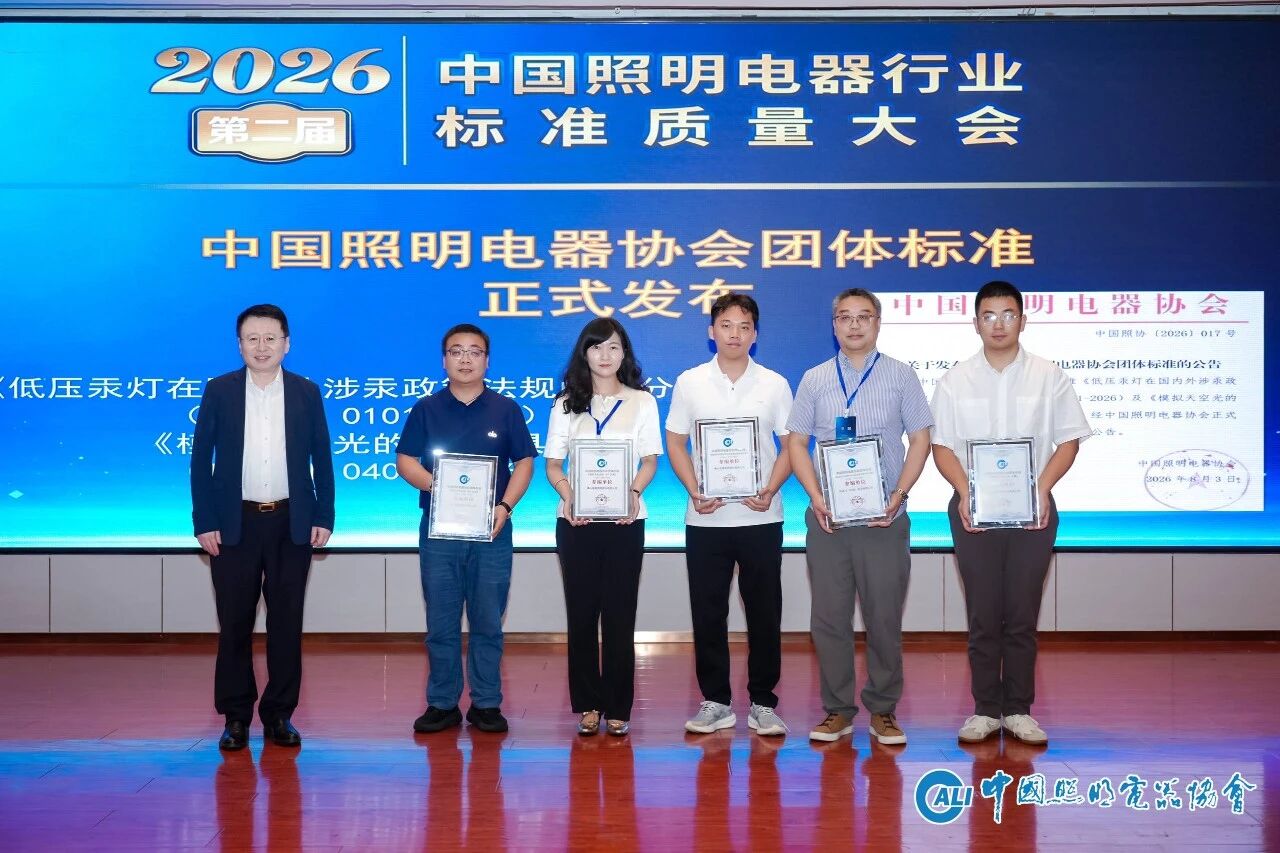
The China Illuminating Engineering Society’s Group Standards Working Committee also interpreted two newly released group standards—“Classification of Low-Voltage Mercury Lamps under Domestic and International Mercury Policies and Regulations” (T/CALI 0101-2026) and “LED Luminaires Simulating Sky Light” (T/CALI 0403-2026)—and presented commemorative plaques to selected participating organizations.
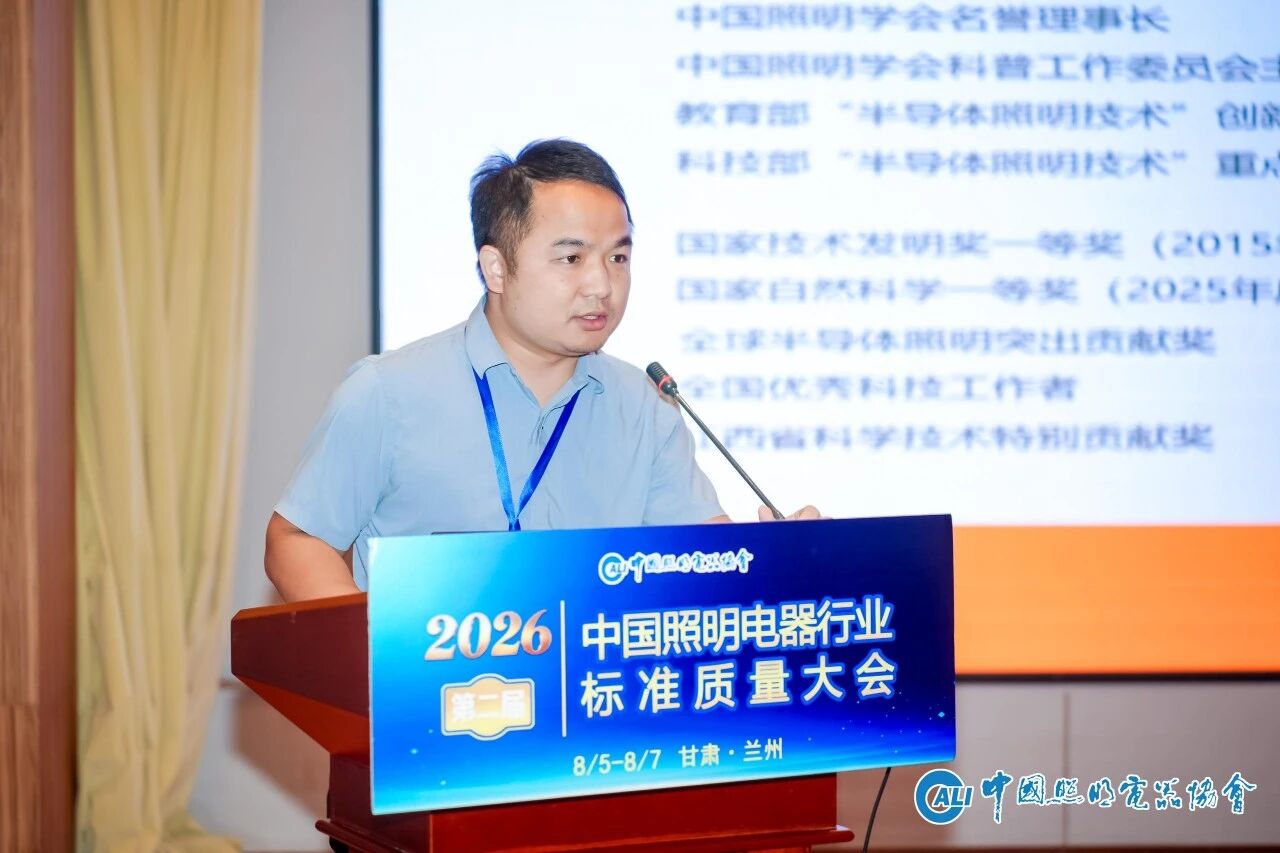
In his closing remarks, Vice Chairman Wang Xuhua emphasized that the conference focused on core topics such as interpreting standards policies, analyzing quality supervision, updating industry standards, and ensuring international market compliance. With rich and practical content, the event successfully facilitated experience sharing and consensus-building. Following the conference, the China Illuminating Engineering Society plans to continue gathering enterprise feedback, advancing practical initiatives like maturity assessments of quality systems, effectively addressing industry pain points, and fully leveraging the organization’s service functions to help companies strengthen their quality foundations.
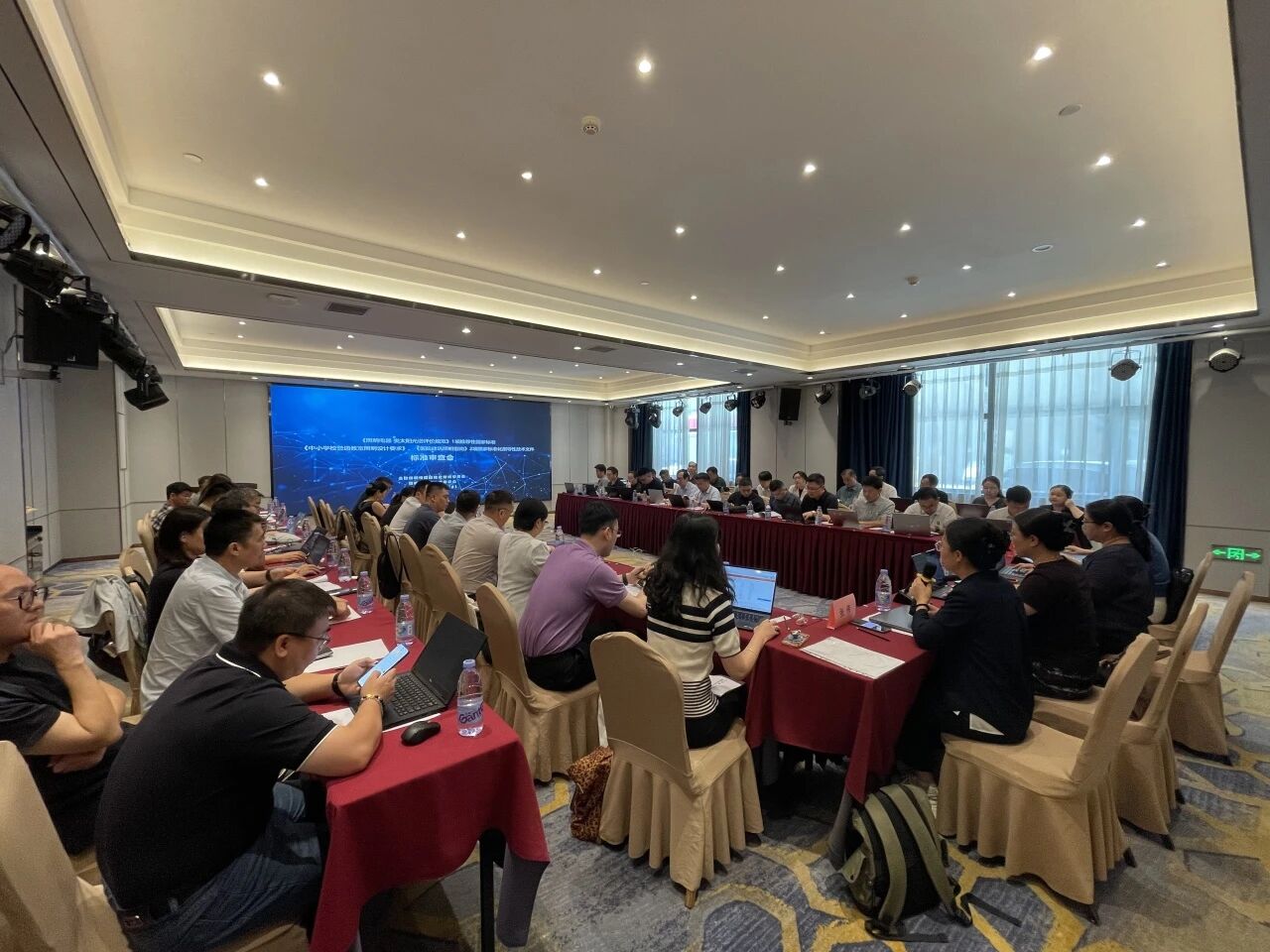
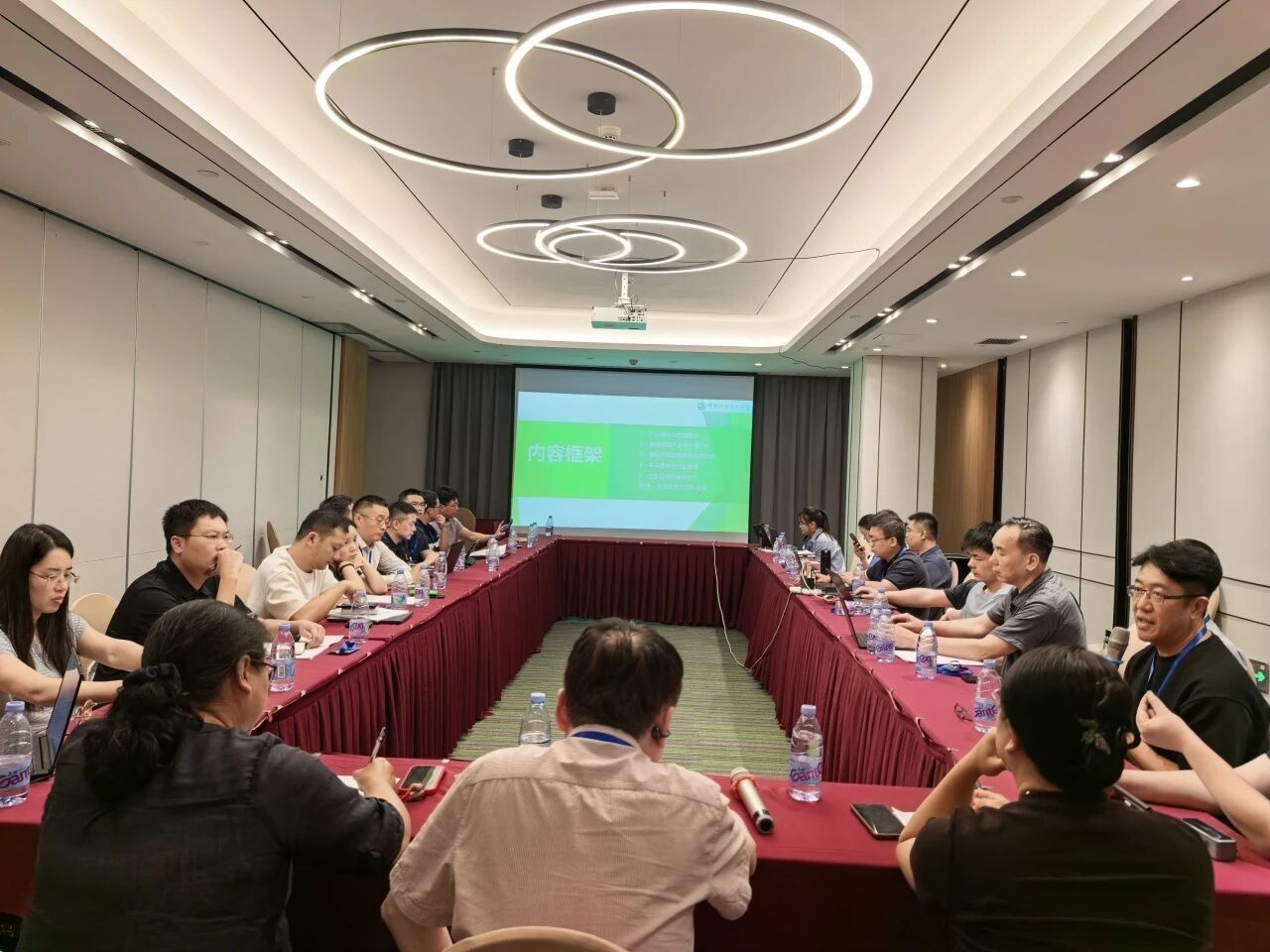
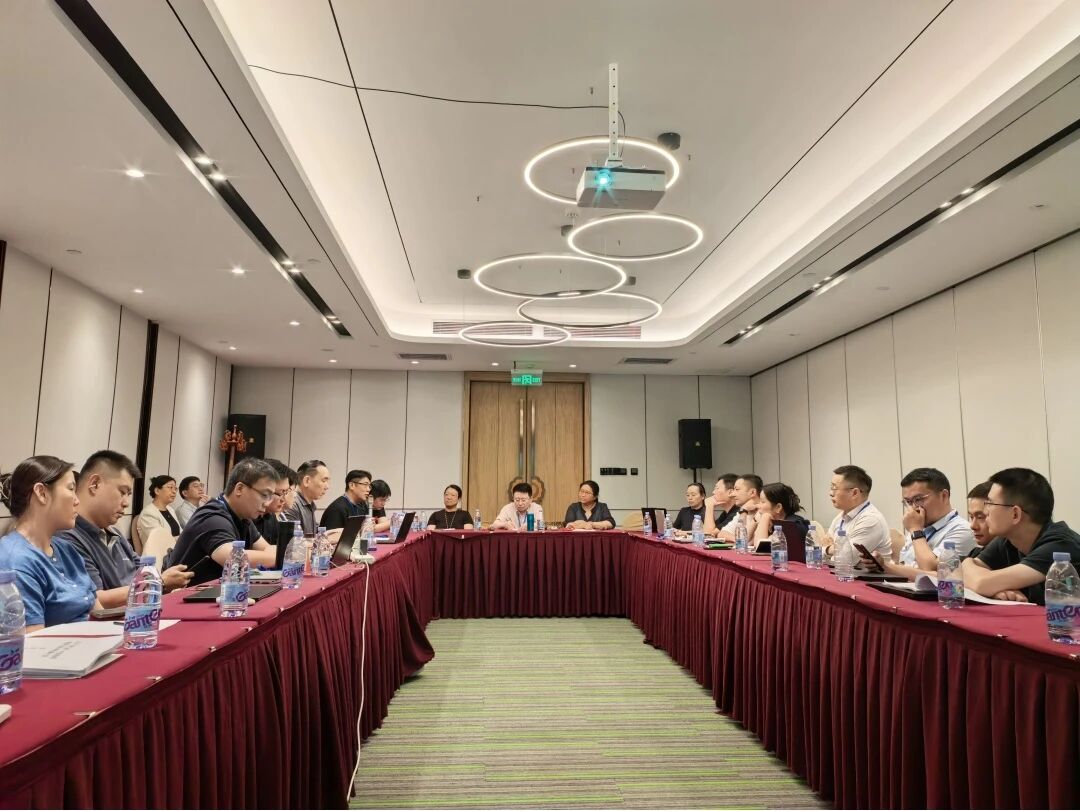
Concurrently, the Lighting Fixture Sub-Technical Committee (SAC/TC224/SC2) and the Basic Lighting Sub-Technical Committee (SAC/TC224/SC4) of the National Technical Committee for Lighting Equipment Standardization held discussions, seminars, and reviews focusing on key product standards. The China Illuminating Engineering Society also organized an exchange meeting to discuss the preparation of the “White Paper on the Development of China’s Health-Oriented Lighting Industry.”
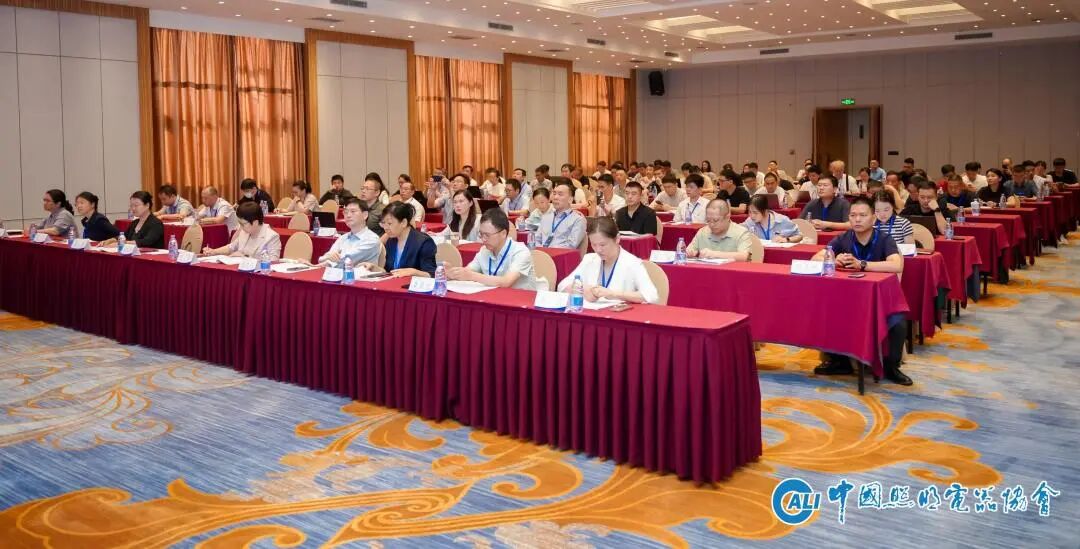
As the season of “Beginning of Autumn” approached, the Second China Lighting Industry Standards and Quality Conference concluded successfully. Moving forward, the entire industry will remain grounded in standards and quality, steadily advancing innovation and compliance to jointly promote the steady and healthy upgrading of China’s lighting equipment sector.
Source: China Illuminating Engineering Society
China Light
The official website of the China Association of Lighting Industry and a full-media platform for the lighting sector. We provide authoritative and timely lighting information while striving to be a growth partner for businesses. From brand promotion and channel expansion to consulting, talent training and participation in standards development, we provide comprehensive professional services to help businesses improve quality and efficiency and jointly advance the high-quality development of the lighting industry.
Business Contacts
仇纯 (Ms.): 158 6155 3579
顾君 (Mr.): 137 7157 5253