
Shuffling accelerates! Another bankruptcy Acquisition in European Horticultural lighting!
As the capital boom fades, the reshuffling of the horticultural lighting sector continues.
1
Following the bankruptcy declaration of Dutch horticultural lighting company Hortilux Schréder B.V. in September 2026, its brand name, intellectual property, and goodwill were recently acquired from the bankruptcy estate by Prohort Lighting Solutions, the parent company of Gavita International.
This acquisition preserves Hortilux’s industry heritage. The Hortilux brand will merge operations with Prohort’s Agrolux brand, creating a powerful alliance between two established Dutch horticultural lighting names.
The two companies’ strengths are highly complementary:
Hortilux boasts deep roots in technological innovation and service, high recognition among growers, and extensive channel and market resources beyond Agrolux’s traditional core markets;
Agrolux, meanwhile, offers a mature portfolio of horticultural lighting products, robust engineering capabilities, and a newly independent organizational structure, consistently focused on enhancing grower productivity and ensuring product reliability.
This acquisition will help Gavita International expand into new markets and distribution channels. Over the coming weeks, Gavita International will assess the integrated full product portfolio and market coverage to determine how best to serve global grower customers going forward.
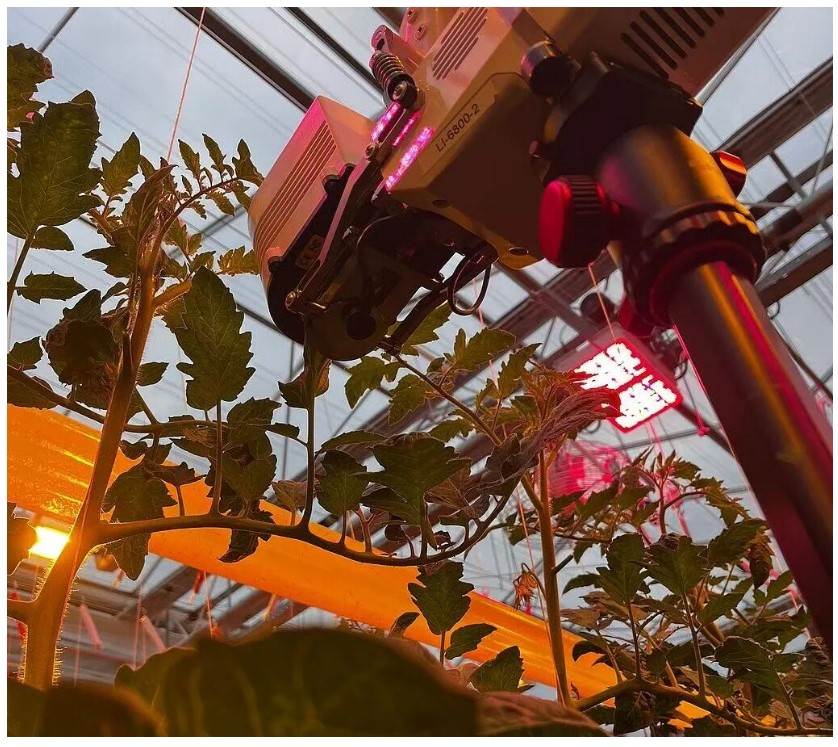
Image source: Hortilux
The acquiring party will not assume Hortilux Schréder’s pre-bankruptcy debts or contractual obligations, including existing commercial contracts and warranty claims; all such matters remain subject to the original company’s bankruptcy liquidation process. This asset acquisition was completed via an agreement signed with the court-appointed bankruptcy administrator, with financial details of the transaction undisclosed.
Hortilux Schréder is a veteran player in the Dutch greenhouse cultivation and vertical farming lighting sectors. In 1999, it pioneered year-round supplemental lighting for greenhouse vegetables, gaining prominence early on with its high-pressure sodium lamp solutions paired with a self-developed smart light-control system. Its customer base centered on commercial greenhouses and vertical farms in Northwest Europe, earning strong word-of-mouth among growers.
In September 2026, Hortilux Schréder simultaneously declared bankruptcy along with several affiliated companies under its parent firm Dool Industries.
Analysts attribute this to the downturn in the European horticultural lighting cycle: volatile energy costs forced greenhouse growers to sharply cut capital expenditures, while pressure from domestic competitors and cost-effective Asian products intensified. These factors magnified Hortilux Schréder’s disadvantages—high customization costs, long payment cycles, and a regional customer concentration. Additionally, despite early adoption of LED technology and smart control systems, its small scale and limited production capacity prevented it from pursuing standardized mass production. Coupled with overall group liquidity strain and insufficient independent reserves, the company ultimately faced a broken cash flow.
2
Separately, recent reports indicate that U.S. vertical farming company FarmBox Foods has filed for Chapter 7 bankruptcy, entering liquidation proceedings. The voluntary bankruptcy petition was submitted to the U.S. Bankruptcy Court for the District of Colorado on October 19, 2026.
The filing classifies the case as “assetless bankruptcy,” indicating no assets are currently expected to be available for distribution to unsecured creditors. According to preliminary filings, the company has 36 creditors.
Founded in 2017, FarmBox Foods developed controlled-environment growing systems housed in shipping containers. Its product lineup includes hydroponic systems for leafy greens and other crops, as well as specialized containers for gourmet mushroom production and hydroponic feed.
Moreover, since the beginning of this year, numerous vertical farming and horticultural lighting companies have ceased operations or filed for bankruptcy, such as U.S. firm 80 Acres Farms and Sweden’s Heliospectra AB. Some enterprises have survived through acquisitions—for example, U.S. company AeroFarms was recently acquired by family investment firm Palm Ventures.
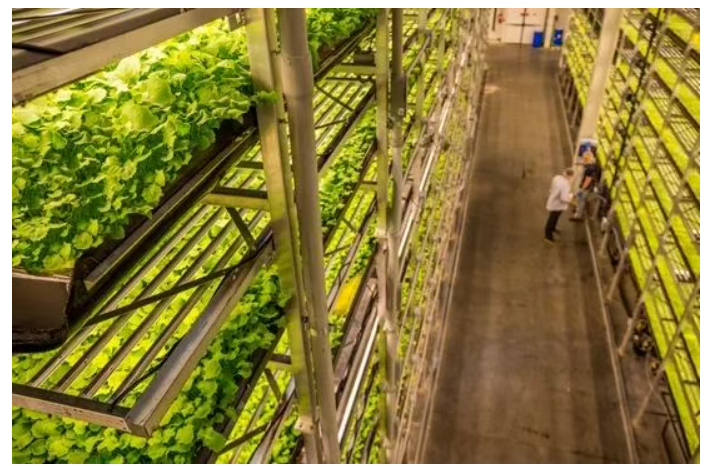
Image source: AeroFarms
Wave after wave of business closures, liquidations, changes in ownership, and discounted brand sales reflects the profound reshuffling underway in the global horticultural lighting sector during 2025–2026. The industry has long since moved past the previous years’ boom driven by capital influxes and rampant project proliferation. Downstream grower investments are becoming more rational, with manufacturers emphasizing engineering complexity, long payment terms, and lacking economies of scale bearing the brunt of pressure. The competitive dynamics of the sector are shifting—from vying on technology and concepts to a long-term contest centered on cash flow, profitability, and stable delivery capabilities.
Source: Agricultural Lighting Network
China Light
The official website of the China Association of Lighting Industry and a full-media platform for the lighting sector. We provide authoritative and timely lighting information while striving to be a growth partner for businesses. From brand promotion and channel expansion to consulting, talent training and participation in standards development, we provide comprehensive professional services to help businesses improve quality and efficiency and jointly advance the high-quality development of the lighting industry.
Business Contacts
仇纯 (Ms.): 158 6155 3579
顾君 (Mr.): 137 7157 5253