
In the next round of competition for outdoor LEDs, how can we achieve both high luminous efficacy and low blue light?
Hello everyone, this is Lao Hong Discusses Lighting.
Today, we’re talking about a topic quietly reshaping the industry: the next wave of competition in outdoor LED lighting is finding its balance between high luminous efficacy and low blue light.
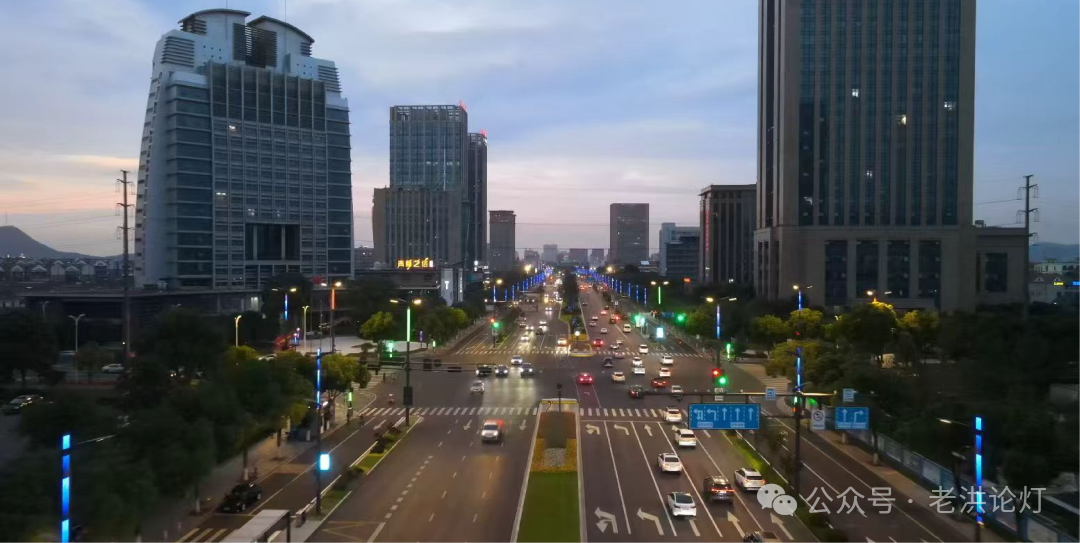
Let’s start with the background. Over the past decade and a half, outdoor lighting has been on a relentless march toward one goal: brightness. High‑color‑temperature, high‑blue‑light “cool white” LEDs have illuminated urban skylines, boosting efficiency—but at a cost. Blue light suppresses melatonin production, disrupting human sleep rhythms; for nocturnal wildlife, it can be downright devastating. Cities across the UK are phasing out 4000K cool white lights, Brazil has revised its NBR 5101 standard to include ecological light pollution assessments, and both the EU and the U.S. are tightening restrictions on high‑color‑temperature sources in ecologically sensitive areas. In 2025, the CIE will issue a special position statement explicitly addressing the health and ecological risks of high‑blue‑light nighttime illumination.
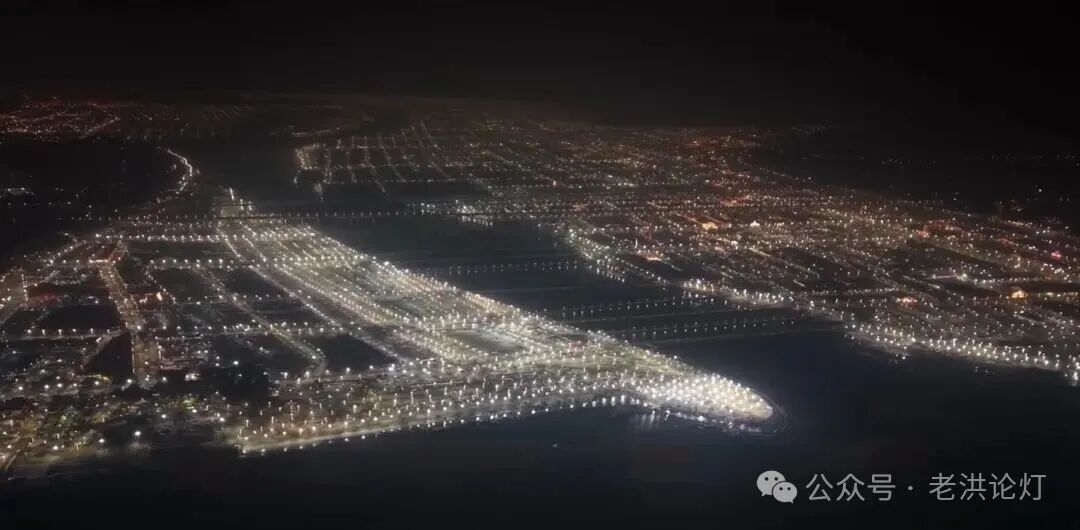
To be honest, low blue light has evolved from an indoor eye‑care marketing concept into a global compliance benchmark for outdoor lighting. If you don’t adapt, the market will leave you behind.
Yet the industry has long faced a dilemma: lower color temperature and reduced blue light often come at the expense of luminous efficacy. Many so‑called “warm white” products simply drop the color temperature to 2700K, but the harmful peak of blue light remains—essentially offering only psychological reassurance. True low blue light requires evaluating the critical metric of “blue light ratio.”
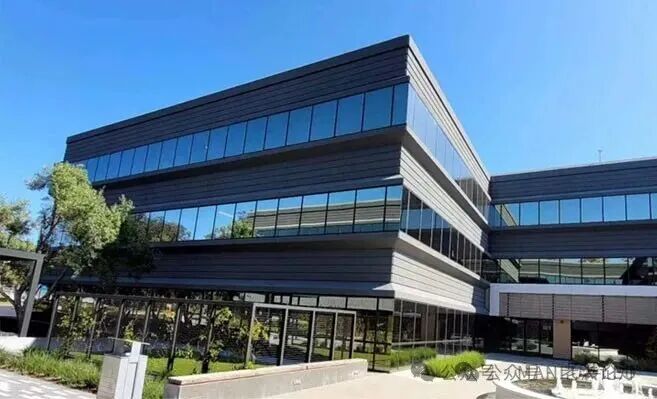
This is where Manlux, hailing from Silicon Valley, offers a fresh approach. Their Eco‑Amber series achieves a blue light ratio below 1% at an ultra‑warm 1800K color temperature, while maintaining luminous efficacies of 165–175 lumens per watt. What does this mean? It represents a truly eco‑friendly light source that combines low blue light with high efficiency. Moreover, their 5050PLUS package is compatible with standard industry solutions, delivering 2W‑level efficacy comparable to 1W‑class products, reducing LED count by 30% and cutting costs by roughly 25%. Lao Hong believes this breakthrough demonstrates that low‑blue‑light outdoor lighting now possesses the technological foundation for large‑scale industrialization.
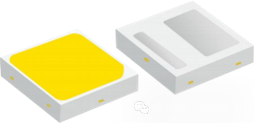
Even more importantly, Eco‑Amber covers the full spectrum from 1800K to 2700K, spanning color temperatures and Ra values from 70 to 90. For luminaire manufacturers, a single series of LED chips can serve municipal roads, sea turtle sanctuaries, cultural‑tourism night‑walks, and campus pathways—eliminating the need to develop separate molds for each application. A 2200K version provides precise light distribution for nature reserves, safeguarding nocturnal species, while a 2700K warm light option delivers over 215 lumens per watt for cultural pedestrian zones. This is true win‑win versatility.
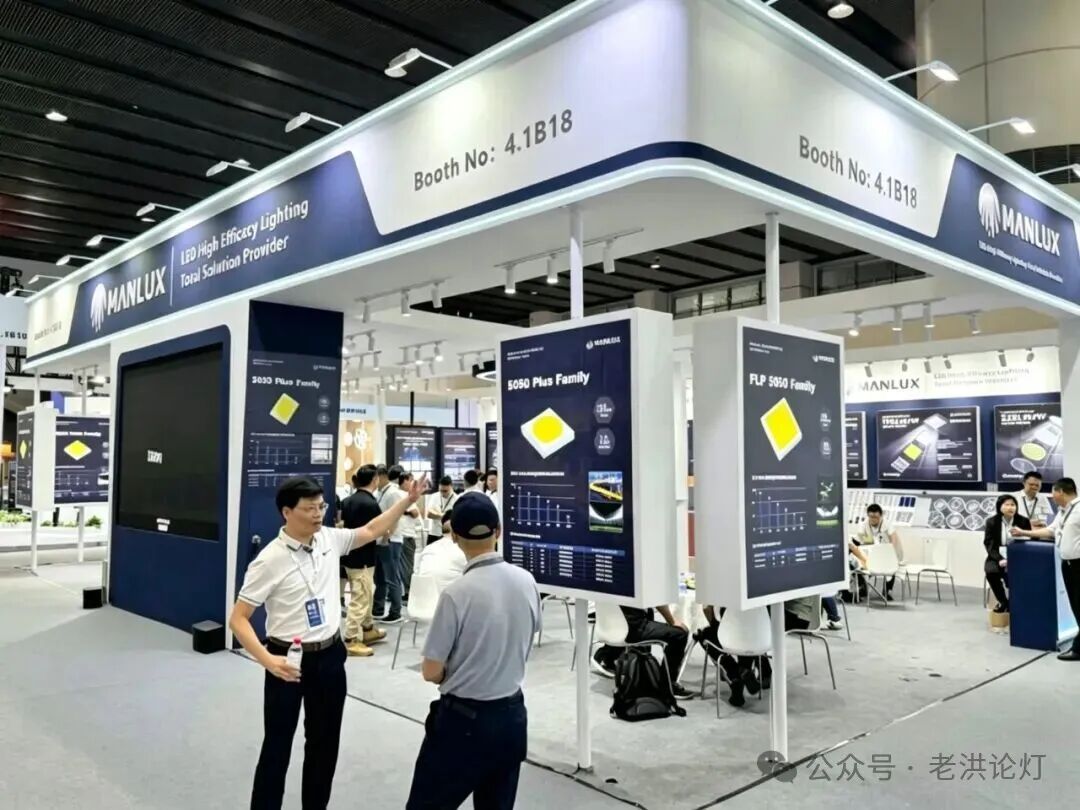
Now let’s talk about high efficacy. Manlux positions itself as a “High Efficacy Leader.” In 2026, they will launch two new products: the XPH3030‑245B, featuring a standard 3030 package with over 246 lumens per watt under 1W drive; and the 5050PLUS‑260G, which tests at 276 lumens per watt under 1W drive and still delivers 266 lumens per watt under 2W drive—performance up 10% compared to peers. At the Frankfurt Lighting Fair, their showcased LED achieved a record‑breaking 274 lumens per watt, sparking intense industry debate.
Dr. Wen Jianhua, founder of Manlux, puts it well: “The higher the efficacy, the greater the challenge. Chips, packaging, heat dissipation, and LED size—all present bottlenecks.” Manlux’s solution lies in a patented light‑extraction technology currently under patent application in China and the U.S., which recovers light otherwise lost during multi‑chip arrangements and, through systematic synergy, unlocks even higher efficiencies.
Lao Hong is particularly struck by Manlux’s transformation—from a mere LED supplier to a comprehensive lighting solutions provider. Dr. Wen states clearly: “We don’t just supply LEDs—we integrate PCBA and optical design to deliver end‑to‑end solutions.” This aligns perfectly with the China Lighting Electrical Appliances Association’s push to shift from product sales toward holistic solutions and long‑term maintenance services. At this year’s Light Asia show, lighting companies embraced scenario‑based presentations, moving decisively toward scenario‑driven thinking.
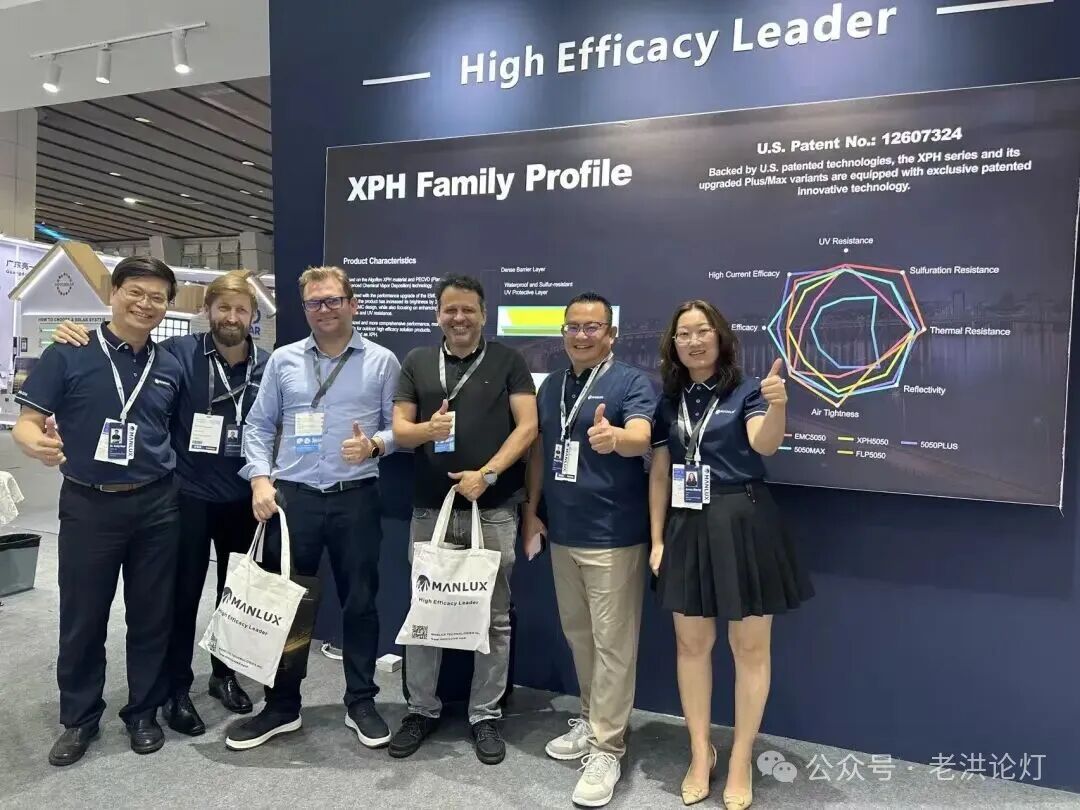
The global lighting market has shifted from single‑metric evaluation to people‑centric, holistic value assessment. Dr. Wen Jianhua sums it up: “High efficacy is the foundation; healthy lighting differentiates us; smart lighting drives growth. The convergence of these three pillars points the way forward.” Manlux’s vision—to offer “the Lux for Man, the Light for Human”—precisely echoes this direction, harnessing advanced lighting technologies to illuminate humanity’s potential.
Finally, Lao Hong would like to emphasize: light should not only shine—it must also be friendly to people and respectful of the environment. As the industry transitions from chasing sheer luminous efficacy toward healthier, ecologically conscious lighting, Manlux has chosen a path that’s tougher but far more rewarding. This is a route worth serious consideration and implementation across the entire sector.
What are your thoughts on this topic? Share your insights in the comments!
Follow Lao Hong Discusses Lighting to light up your future.
About the Author, Hong Bing:
Hong Bing currently serves as Editor-in-Chief of China Light Net and Agricultural Lighting Net—the official websites of the China Lighting Electrical Appliances Association—while also holding executive roles at Ming Classroom, serving as Deputy Director of the Talent Training Committee of the China Lighting Electrical Appliances Association, Secretary-General of the Agricultural Lighting Professional Committee, Secretary-General of the Lighting Alumni Association of Fudan University, and a board member of the Ecological Environment Alumni Association of CEIBS. He graduated from Fudan University’s Department of Light Sources and Lighting Engineering in 1991 and earned an MBA from CEIBS in 2003. Throughout his career, he has worked in R&D, product planning, and marketing at institutions including the China Building Materials Academy, Panasonic, GE, and OSRAM. In 2008, he received Siemens’ Global Top Plus Award and Siemens China’s Excellence in Performance Award, and in 2009 founded China Light Net.
China Light
The official website of the China Association of Lighting Industry and a full-media platform for the lighting sector. We provide authoritative and timely lighting information while striving to be a growth partner for businesses. From brand promotion and channel expansion to consulting, talent training and participation in standards development, we provide comprehensive professional services to help businesses improve quality and efficiency and jointly advance the high-quality development of the lighting industry.
Business Contacts
仇纯 (Ms.): 158 6155 3579
顾君 (Mr.): 137 7157 5253