
125 Years of Light and the Nobel Prize
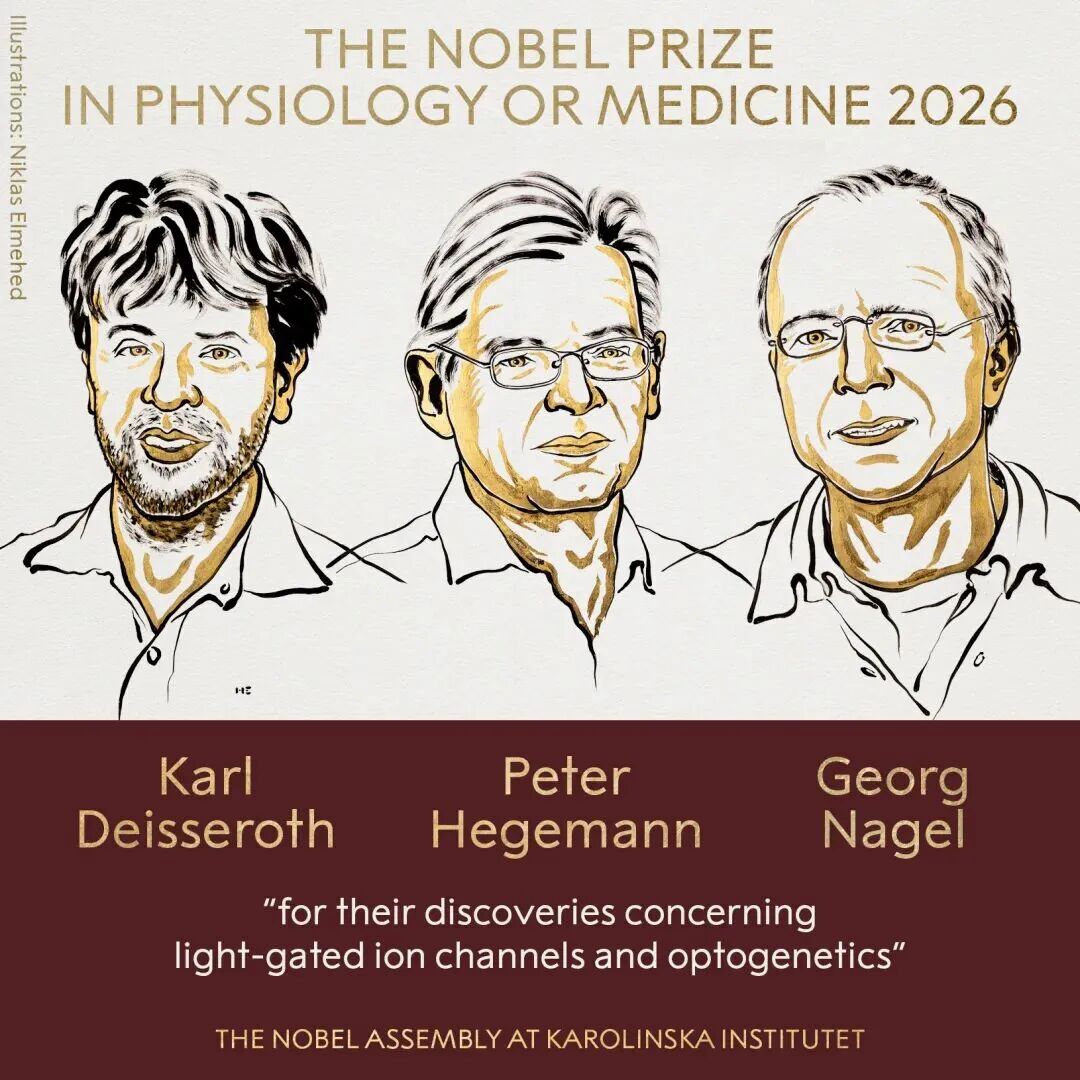
On October 5, 2026, local time, the Karolinska Institute announced that the 2026 Nobel Prize in Physiology or Medicine would be awarded to three scientists—Carl Diezeros, Peter Hegeman, and Georg Nagel—for their groundbreaking discoveries related to light‑controlled ion channels and optogenetics.
Looking back over the past 125 years, light and the Nobel Prizes have together traced a magnificent journey of humanity’s exploration into nature and life. From Röntgen’s discovery of X-rays in 1901, to Einstein’s explanation of the photoelectric effect in 1921, and then to Shuji Nakamura’s invention of the high‑brightness blue LED in 2014, light has bridged fundamental scientific discoveries with industrial applications in physics. Subsequently, research on light expanded further into the life sciences: in 2017, Jeffrey Hall and others were honored for uncovering the molecular mechanisms underlying circadian rhythms, revealing how light serves as a timing signal to regulate biological rhythms; and this year’s Nobel Prize recognizes advances in optogenetics, affirming light’s ability to enter the microscopic world of living systems and become a precise tool for manipulating cellular and neural activity, thereby laying an even stronger scientific foundation for the relationship between light and health.
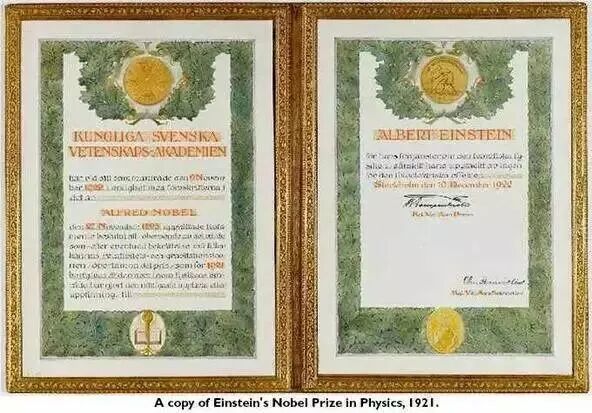
Einstein

Röntgen

Shuji Nakamura

Jeffrey Hall
Mammalian brains contain countless interconnected neurons. Traditional electrical stimulation not only causes significant physical damage but also easily introduces signal contamination, making it difficult to precisely establish causal relationships between specific neurons and complex behaviors. To address this challenge, optogenetic technology emerged. Its development was the result of collaborative efforts by many scientists: in 1971, Erstehert discovered a light‑sensitive ion pump in halobacteria capable of pumping protons upon exposure to light; subsequently, Hegeman and Nagel collaborated on studying light‑sensitive proteins in green algae, identifying the ultrafast channelrhodopsins ChR1 and ChR2, and successfully introducing their genes into human cells in 2003, achieving the first-ever light‑controlled manipulation of cellular activity; in 2005, Diezeros built on this work by expressing light‑sensitive proteins in mammalian neurons, officially bringing this technology into neuroscience research.
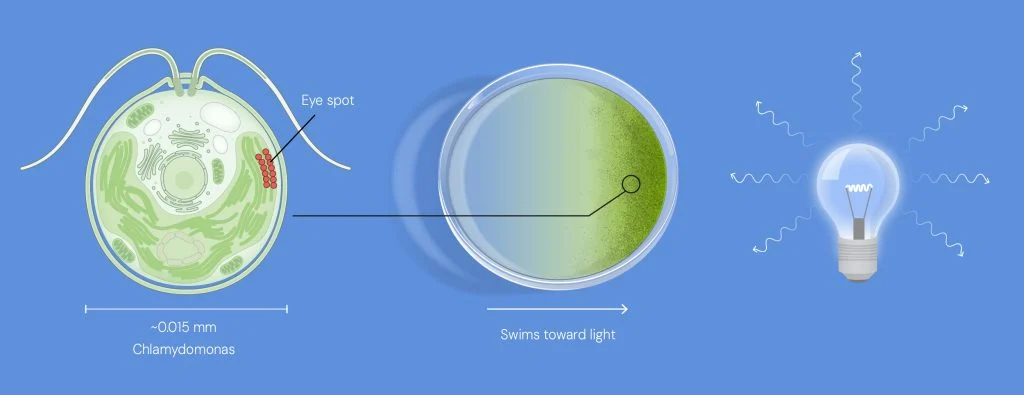
Chlamydomonas uses its “eyespot” to detect light. When the light is strong enough, it swims toward the source. © The Nobel Committee for Physiology or Medicine.
In simple terms, this technology allows scientists to use light of specific wavelengths to control particular types of neurons. By first installing a light‑sensitive protein in a mouse’s social neurons (or solitary neurons) through genetic engineering, and then shining light on them, the targeted neurons can be specifically activated. Observing the mouse’s behavior afterward makes it clear whether those social neurons—or solitary neurons—are responsible for determining whether the mouse prefers social interaction or solitude. Diezeros named this application of the technology in neuroscience “Optogenetics.”
The advantages of this technique are quite evident: first, scientists can ensure that only a specific type of neuron is activated, thus avoiding signal contamination; second, they can activate a particular class of neurons without disrupting normal mammalian behavior, enabling them to study the causal relationship between neuronal activity and animal behavior; third, improved optogenetic methods can also precisely inhibit certain neurons, further enhancing the flexibility of behavioral experiments.
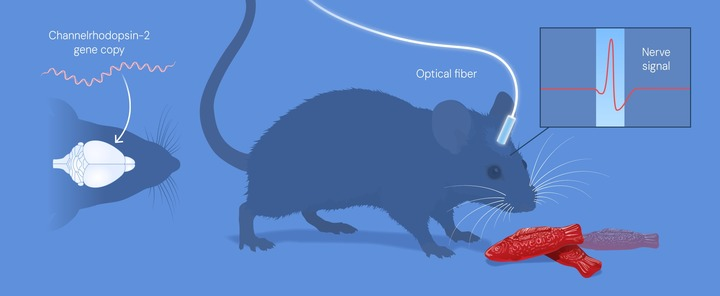
Researchers introduce specific genes into the brains of live mice, then implant a thin optical fiber into the brain. When light passes through the fiber and stimulates nerve cells, it triggers a neural signal, causing the mouse’s whiskers to twitch. © The Nobel Committee for Physiology or Medicine.
Breakthroughs in optogenetics and related photobiological research are driving profound transformations across multiple disciplines and practical applications. In clinical medicine, optogenetics has already taken substantial steps forward. By injecting specialized light‑sensitive protein carriers into the eye and pairing them with custom‑made pulsed‑light glasses, researchers have helped blind patients regain partial abilities to perceive, locate, and touch objects, opening up entirely new avenues for treating retinal diseases, neurodegenerative disorders, epilepsy, and depression. In the intersection of neuroscience and artificial intelligence, the human brain—as a highly evolved superintelligence—boasts exceptional energy efficiency, autonomous learning capabilities, and seamless integration with the body. Optogenetics provides millisecond‑level micro‑control tools for decoding the brain’s intricate neural networks, offering AI researchers valuable insights into neural mechanisms and advancing the evolution of general artificial intelligence.
Discussions about light and health are shifting from the color temperature, power, and spectrum of light sources to focusing on actual exposure models at the human end, including wavelength distribution, target irradiance, temporal pulse sequences, and spatial exposure levels. This shift is prompting the industry to more rigorously delineate the boundaries between physical lighting, circadian rhythm regulation, and medical‑grade phototherapy, driving the design of healthier light environments based on clear mechanisms and verifiable data.
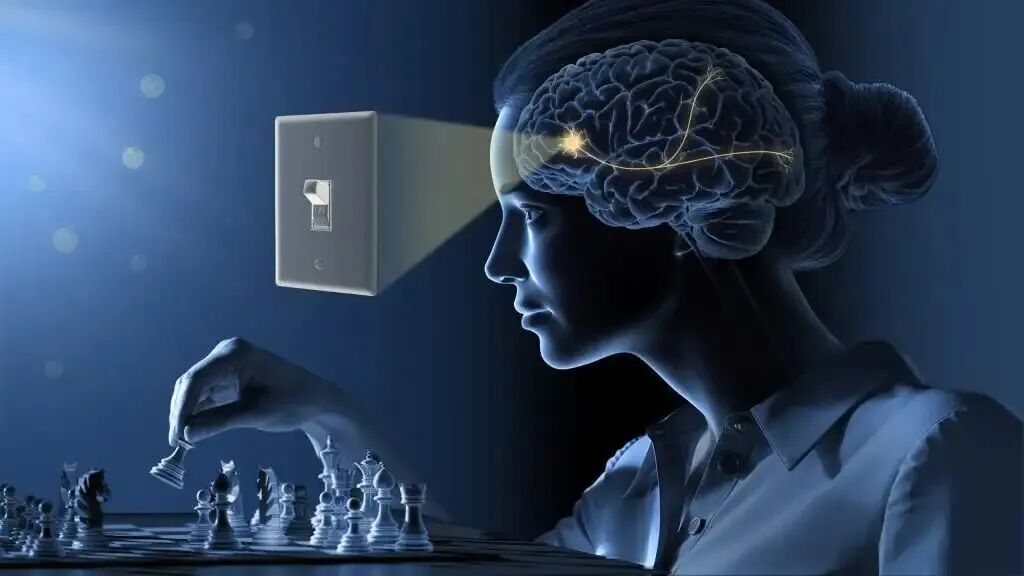
Scientists have long dreamed of equipping neurons with switches. © The Nobel Committee for Physiology or Medicine.
From early days of physical lighting to later advances in life science research, the Nobel Prizes have documented humanity’s ever‑deepening understanding of light. The advent of the blue LED in 2014 propelled the global semiconductor lighting industry, while the unveiling of circadian rhythm mechanisms in 2017 led the sector to begin paying closer attention to light’s impact on human physiological rhythms. These scientific achievements have gradually reshaped the direction of lighting technology applications.
In recent years, numerous universities and enterprises—including Tongji University, Fudan University, Shanghai University of Applied Technology, Xuyu Optoelectronics, and Dalian Lumina—have conducted research and exploration around light‑health technologies. Some of these findings have received provincial and ministerial-level scientific achievement evaluations under the auspices of the China Lighting Appliance Association. Based on these results, several innovative products have been included in the Ministry of Industry and Information Technology’s “Innovative Upgraded Consumer Goods Catalog” and “Elderly‑Friendly Products Catalog.” Since last year, leading companies such as NVC Lighting, Sanxiong Aurora, and Opple Lighting have leveraged their respective technological strengths and niche application scenarios to successively release position statements, new products, cutting‑edge technologies, and case studies showcasing novel application contexts, actively expanding market opportunities. Meanwhile, the association continues to deepen its synthesis and directional guidance on light‑health issues through the compilation and revision of the “China Lighting Technology Development Guide” and the “White Paper on the Development of China’s Healthy Lighting Industry.” Driven by ongoing technological innovation, the lighting industry is steadily cultivating and developing new productive forces, empowering industrial upgrading with solid research outcomes, and unlocking fresh value for the sector through the advancement of light and health, injecting strong momentum into its high‑quality growth.
Source: Compiled by the China Lighting Appliance Association from Xinhua News Agency, Sanlian Life Weekly, and other sources.
China Light
The official website of the China Association of Lighting Industry and a full-media platform for the lighting sector. We provide authoritative and timely lighting information while striving to be a growth partner for businesses. From brand promotion and channel expansion to consulting, talent training and participation in standards development, we provide comprehensive professional services to help businesses improve quality and efficiency and jointly advance the high-quality development of the lighting industry.
Business Contacts
仇纯 (Ms.): 158 6155 3579
顾君 (Mr.): 137 7157 5253