
The Yangtze River Delta Lighting Industry’s Australia–New Zealand Study Tour Results Sharing Session Was Successfully Held in Anhui Province.
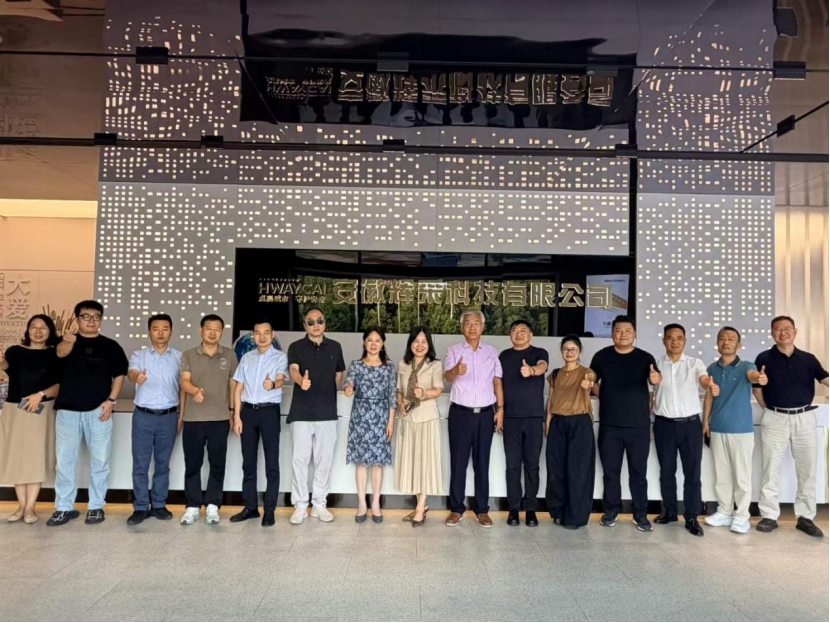
On September 14, 2026, the Yangtze River Delta Lighting Industry International Exchange Delegation—led by the Jiangsu Provincial Lighting Electrical Appliances Association—successfully held its “Sydney Festival of Lights and Music & Australia–New Zealand Lighting Technology Study Tour Results Sharing Session” at the Anhui Huicai Technology Group Industrial Park. Yu Yanqiu, Secretary of the Association’s Party Branch, and Shen Ru, Chairman of the Board, joined heads of lighting industry social organizations, corporate representatives, and experts from design institutes across the Yangtze River Delta region to share cutting-edge international insights and innovative application cases, discussing together the innovative development of the lighting industry.
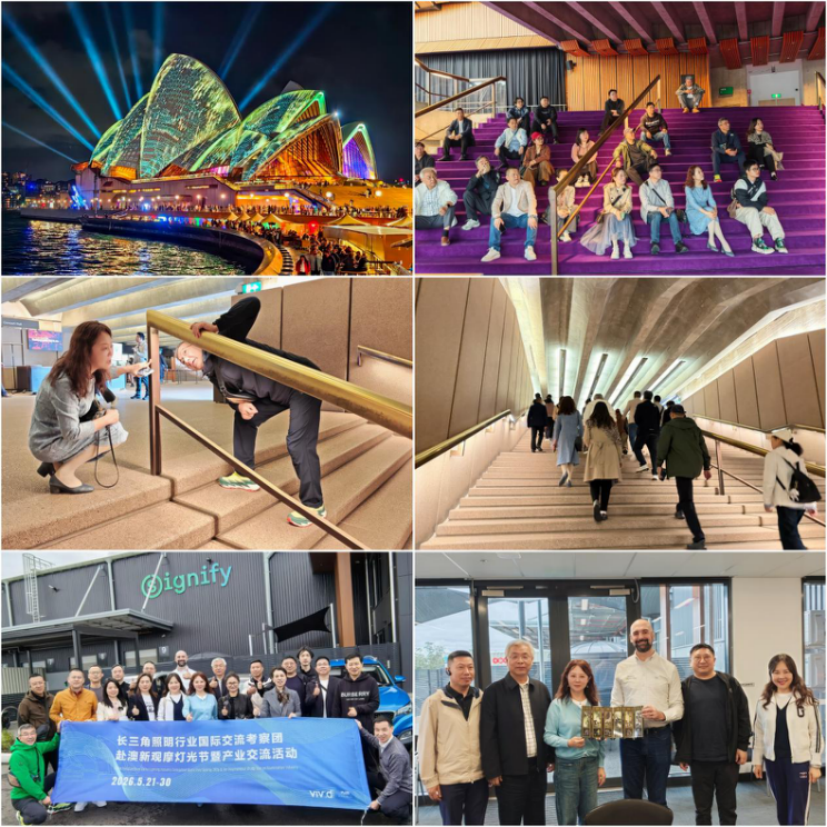
From May 21 to May 30 this year, an international exchange delegation spearheaded by the Jiangsu Provincial Lighting Electrical Appliances Association, in collaboration with the Zhejiang Provincial Lighting Electrical Appliances Association, the Jiangxi Provincial Lighting Electrical Appliances Association, the Anhui Provincial Lighting Society, and lighting designers from Shanghai, embarked on a 10-day specialized study tour to Australia and New Zealand. The delegation attended the opening ceremony and themed light shows of the Sydney Festival of Lights and Music, conducted on-site inspections of landmark projects such as the OCO lighting solution at Sydney Central Station, the smart lighting system on the roof of Sydney Fish Market, the lighting design for Christchurch’s Cardboard Cathedral in New Zealand, and the architectural illumination of Auckland’s Sky Tower. They also paid a detailed visit to Philips Dynalite’s intelligent lighting control factory, engaging in multi‑dimensional technical discussions and experience exchanges with local industry bodies and enterprises. The itinerary was packed yet highly productive, yielding substantial results.
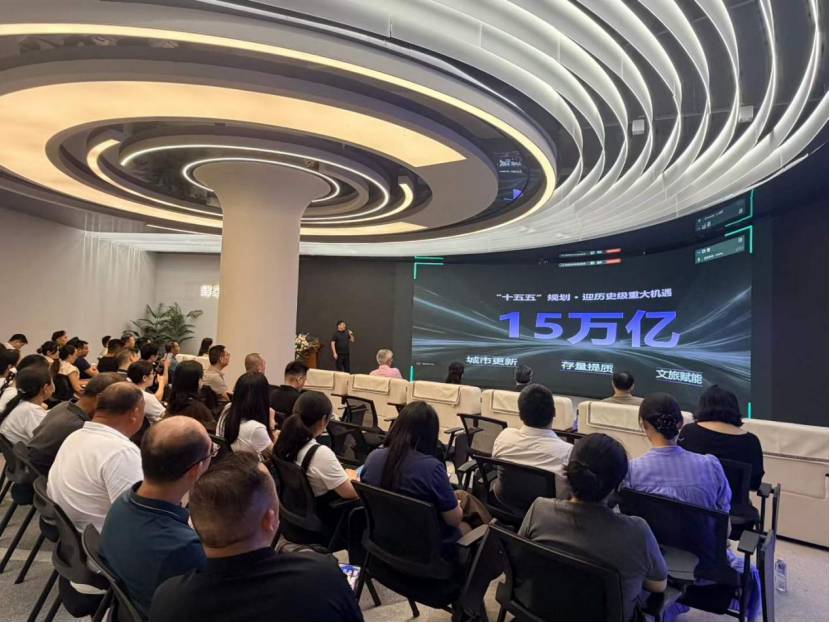
Shen Wei, Chairman of the Zhejiang Provincial Lighting Electrical Appliances Association and Deputy Director of Zhejiang Urban Construction Planning & Design Institute Co., Ltd., used the vibrant Sydney Festival of Lights and Music as an example to explore how nighttime cultural events can revitalize existing urban spaces and drive urban renewal. He pointed out that the festival is coordinated by government agencies, leveraging limited annual funding to generate significant increases in tourist spending, thus forming an efficient operational loop of “free public experiences attracting visitors, followed by monetization through surrounding consumption.” The event encompasses three major components—light art, musical performances, and creative forums—transforming iconic landmarks like the Sydney Opera House and Harbour Bridge into immersive light‑and‑shadow canvases. Through global calls for creative ideas, implementation of cutting-edge technologies, and collaboration with diverse partners, the festival has produced a series of highly recognizable signature works. Shen Wei emphasized that the festival’s success lies not only in its visual impact but also in systematic organizational management, seamless integration of brand sponsorships and public resources, and a full‑cycle operational mechanism—from idea solicitation to technological execution—offering a valuable model for sustainably activating existing urban nighttime spaces.
During the discussion session, participants engaged in in-depth deliberations on topics such as “How to adapt international best practices to local contexts,” “The role of the lighting industry in urban renewal,” and “Deep integration of smart lighting with cultural tourism and nighttime activities.” All agreed that the successful experience of the Sydney Festival of Lights and Music demonstrates that the lighting industry should extend beyond mere luminaires and engineering projects, expanding upstream into creative planning and downstream into operational management to enhance end-to-end service capabilities. Some delegates suggested that domestic lighting companies strengthen cross-sector collaboration, partnering with cultural tourism, architecture, digital technology, and other stakeholders to co‑create nighttime economic initiatives with strong cultural identity. Others, drawing on Huicai Technology’s practical experience in urban safety and smart lighting, discussed the potential applications of intelligent sensing, data fusion, and AI analytics in cultural‑tourism lighting. The atmosphere was lively, with participants freely sharing their insights and connecting with potential cooperation partners.
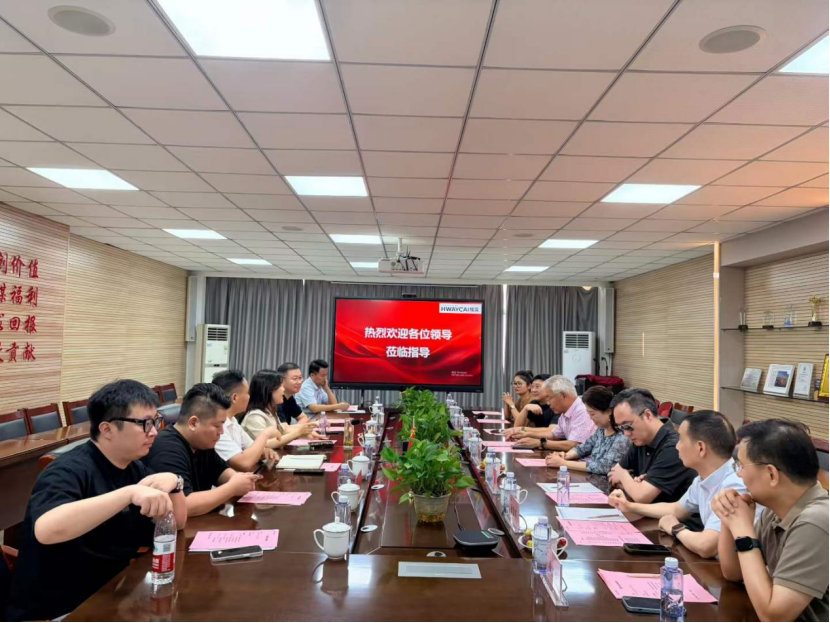
In her address, Shen Ru, Chairwoman of the Jiangsu Provincial Lighting Electrical Appliances Association, highlighted that this Australia–New Zealand study tour represents an important step for the Yangtze River Delta lighting industry toward aligning with global cutting-edge lighting design philosophies, intelligent control technologies, and cultural‑tourism lighting applications. She noted that the success of the Sydney Festival of Lights and Music stems not only from advanced technology but also from deep exploration of the city’s cultural fabric and expressive use of light. She urged careful review of the festival’s pioneering practices, translating international lessons into concrete strategies to drive innovation and development within Jiangsu and the broader Yangtze River Delta lighting sector. She stressed that the Association will continue to serve as a bridge, establishing more platforms for international exchange to support enterprise technology upgrades, product iterations, and overseas market expansion.
Yu Yanqiu, Secretary of the Jiangsu Provincial Lighting Electrical Appliances Association’s Party Branch, underscored three key takeaways from the Australia–New Zealand trip: first, lighting design must be rooted in local culture, skillfully using light and shadow to tell compelling stories about China and its cities; second, ecological considerations should guide every stage of a lighting project, ensuring harmony between artificial light environments and natural ecosystems; third, integrated project operations are essential, creating closed loops from design and construction to ongoing management to enhance sustainability and overall benefits. Secretary Yu called on colleagues across the Yangtze River Delta to learn from one another, collaborate, and jointly pursue industrial advancement, harnessing an international perspective to fuel innovation and upgrading in the sector.
Participants unanimously agreed that this sharing session not only systematically summarized the outcomes of the Australia–New Zealand study tour but also marked a new starting point for building consensus and deepening cooperation within the Yangtze River Delta lighting industry. They pledged to seize this opportunity to further strengthen regional coordination and resource sharing, collectively advancing the lighting sector toward higher‑quality development in areas such as cultural expression, ecological sustainability, and integrated operations.
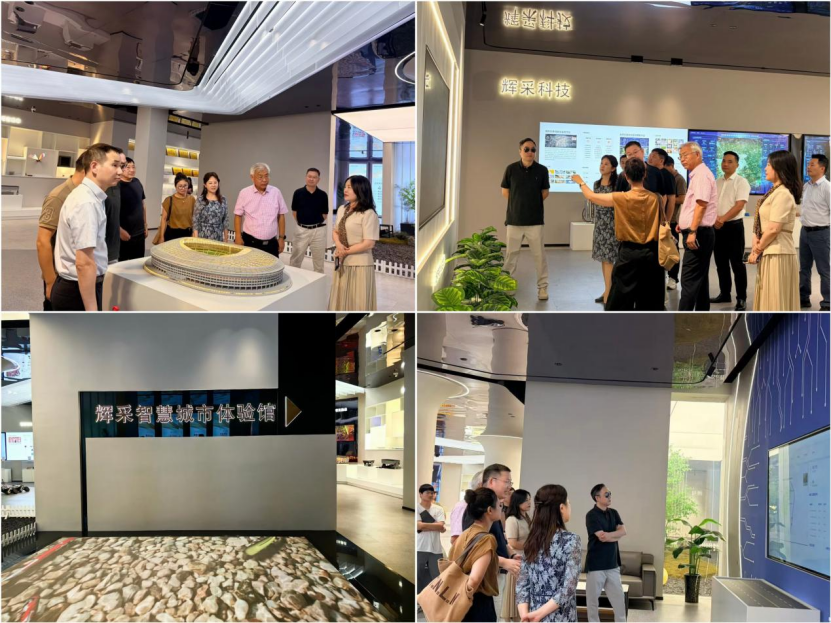
Before the event, guests, accompanied by Dai Xiuzhen, Vice Chairwoman of Huicai, toured the company’s exhibition hall, gaining a comprehensive understanding of its self‑developed smart lighting solutions through interactive displays, dynamic demonstrations, and an extensive product lineup. Of particular note was the smart streetlight, which integrates eight functional modules—including communication base stations and environmental monitoring—and features an intelligent lighting management platform powered by IoT technology, enabling interconnected operation across all devices. This system has already demonstrated outstanding performance in national flagship projects such as Beijing’s “Bird’s Nest” during the Winter Olympics and the new Workers’ Stadium. In the urban safety exhibit, attendees learned in detail about a comprehensive urban safety monitoring system based on IoT sensors and AI algorithms. Deployed via smart sensor terminals, the system establishes a three‑dimensional monitoring network covering critical urban infrastructure such as bridges, tunnels, and underground utility corridors, providing timely and accurate risk alerts. Participants expressed strong appreciation for Huicai Technology’s scenario‑based service capabilities and its strategic industrial layout.
Finally, we extend our heartfelt gratitude to Vice Chairwoman Dai Xiuzhen and her team for their meticulous and thoughtful logistical support throughout the event.
Article sourced from the official WeChat account of the Jiangsu Provincial Lighting Electrical Appliances Association.
China Light
The official website of the China Association of Lighting Industry and a full-media platform for the lighting sector. We provide authoritative and timely lighting information while striving to be a growth partner for businesses. From brand promotion and channel expansion to consulting, talent training and participation in standards development, we provide comprehensive professional services to help businesses improve quality and efficiency and jointly advance the high-quality development of the lighting industry.
Business Contacts
仇纯 (Ms.): 158 6155 3579
顾君 (Mr.): 137 7157 5253