
From “Surviving Adversity” to “Breaking the Mold and Reborn” | A Lighting Designer’s Decade-Long Dedication and Breakthrough
On the evening of June 26, 2025, China Light Network · Ming Classroom’s “Era Hong Liu” channel hosted a special industry sharing session—Song Lei, founder of Sandi Optoelectronics Technology, brought his 15-year industry journey under the title “Beyond Light: The Endeavors of a Small Design Institute Amid Challenges,” injecting a much-needed boost into the lighting industry with his most authentic experiences and reflections.
1 In Adversity, First Have “Unshakable Confidence”
“Over the past two years, conversations at industry gatherings have shifted from ‘What projects did I complete?’ to ‘How much did we lose this year?’ and ‘Which client delayed payment again?’…” Song Lei’s opening remarks struck a chord with many professionals in the lighting sector.
As a “veteran” with 15 years in the field, he candidly admitted: “The industry’s ‘winter’ is no accident; we need to reflect—during the previous ‘bonus period,’ did we truly cultivate core competencies?”
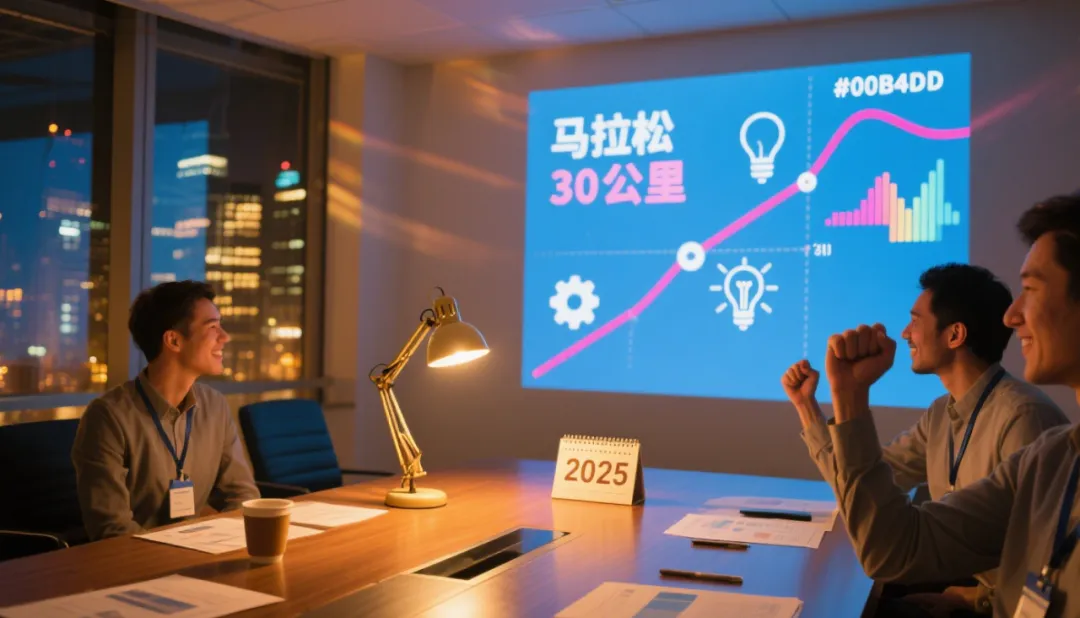
He used the “30-kilometer marathon theory” as an analogy: the first 30 kilometers rely on physical strength and supplies, but the real test comes after 30 km—when the era’s dividends fade, what matters is the team’s resilience, confidence in the industry, and unwavering persistence. “
Our team has been together for 15 years since our founding in 2005, with core members staying alongside us throughout—not thanks to ‘innovation’ or ‘resources,’ but through sheer ‘endurance’—only by enduring can we wait for spring.”
2 Path to Breaking the Impasse: A Mindset Shift from “Design” to “Operations”
Facing dramatic changes in the industry environment (such as the prevalence of general contracting models and shrinking design fees), Song Lei’s team chose an “unconventional” path: stepping outside traditional design thinking and redefining services through commercial operational logic.
Urban Light Displays: Making Lighting “Profitable”
From the Qingdao Fushan Bay light show to the Heineken 150th anniversary light display on Shanghai’s Bund, the Sandi team no longer settles for merely “designing lights,” but explores the “commercial operation of lighting.”
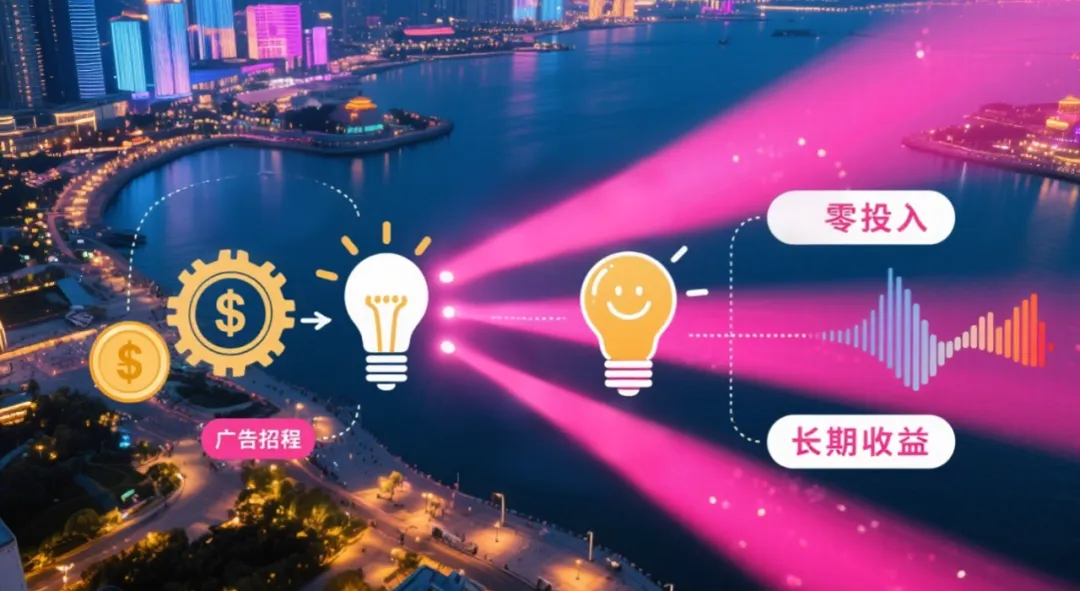
For example, in a media architecture facade project designed for a state-owned enterprise in Shandong, by introducing advertising sponsorships, they achieved a closed loop of “zero investment from the client, project implementation, and long-term revenue”;
The lighting design for Qingdao Jiaozhou Airport is also exploring sustainable operations through a “advertising + public welfare” model.
“Lighting is not just the city’s ‘face’; it can also become its ‘substance’—helping clients save money and make profits is the new rule of survival.”
Installation Art: A “Value-Added Factor” Through Cross-Disciplinary Collaboration
From Xi’an’s “Tower of Love” (a 130-meter-high light art installation) to the Jinan International New Media Art Exhibition piece “Melting Consciousness,” the Sandi team integrates industrial design, digital media, and sculpture into lighting, creating “profitable art.”
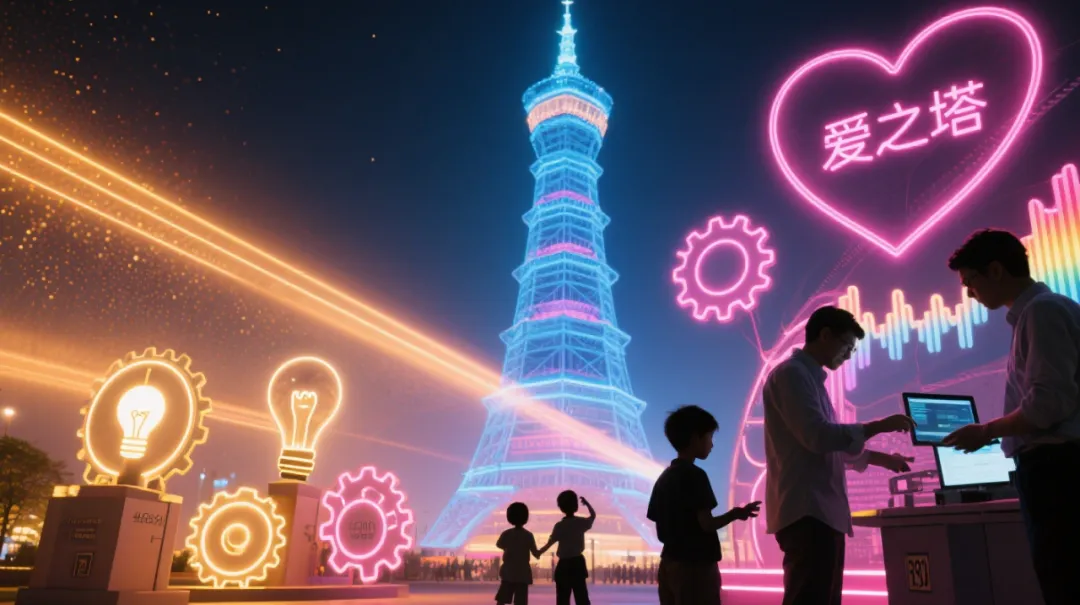
“High-end works serve as brand endorsements, while down-to-earth cultural tourism installations are the real profit drivers—a kid-friendly interactive light installation can bring nearly one million yuan in revenue to the company.”
Song Lei joked that cross-disciplinary collaboration is precisely their secret weapon for breaking through the impasse.
Medical Lighting: A “New Blue Ocean” in Niche Segments
As home decoration and hotel lighting markets have become fiercely competitive red oceans, Sandi turned its attention to “overlooked medical lighting.”
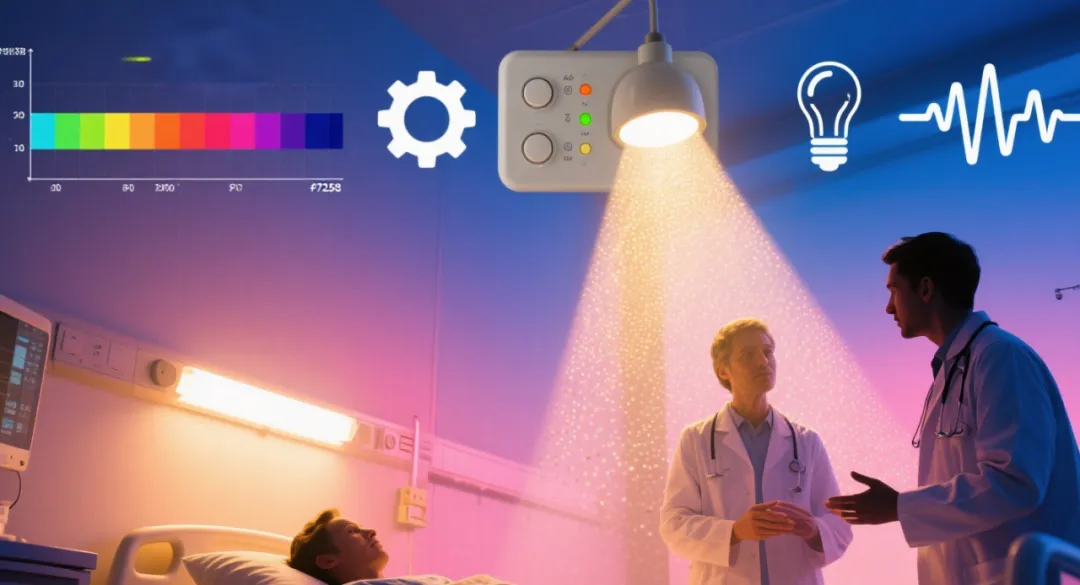
“Lighting in hospitals isn’t about whether it’s bright enough, but whether it affects diagnostic efficiency or aids patient recovery.”
Song Lei shared that the team, in collaboration with university research groups (such as Dr. Yao Qi of Fudan University’s spectrum research), has developed “customized light formulas” for scenarios like hospital wards and operating rooms, already implemented in over ten hospital projects (including Jinan Central Hospital and Qingdao Yinghai Hospital). “There’s ample market space in medical lighting for us to深耕 for another decade.”
3 AI Is Not a “Replacement,” But an “Accelerator”
Facing anxieties that “AI will replace designers,” Song Lei offered a different perspective: “AI is a tool; used well, it can supercharge your work, but misused, it can lead you astray.”
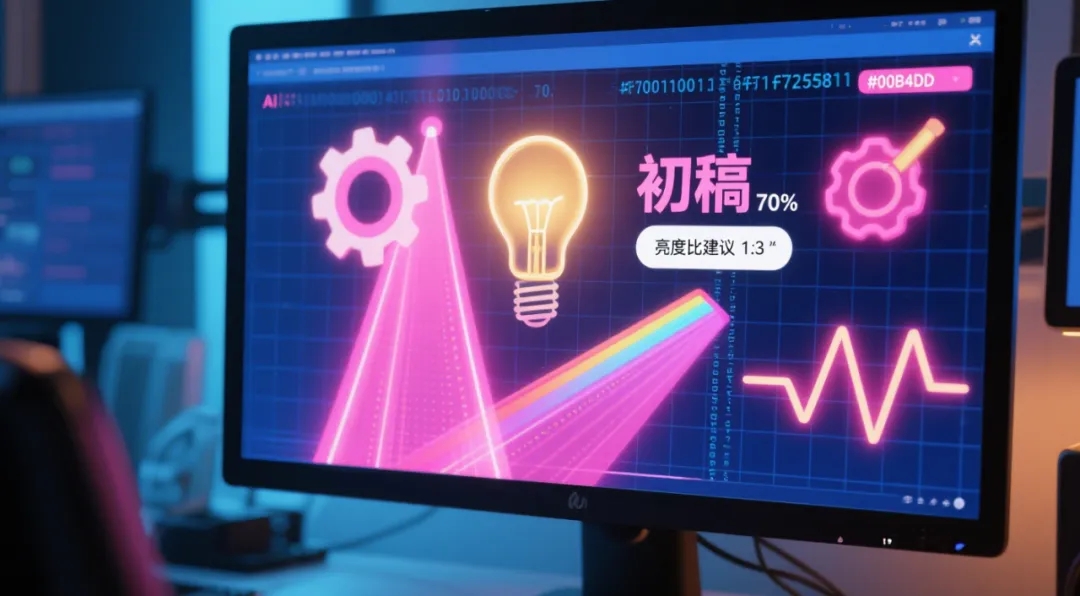
At Sandi, 70% of design proposals now have AI-generated drafts (such as renderings and basic construction drawings), leaving designers to focus solely on “reviewing plans and fine-tuning details”; more importantly, AI has become a “thought accelerator”—through precise questioning, it can rapidly synthesize industry experience, narrowing the gap between newcomers and seasoned designers. “But there’s one thing AI can never replace: warm communication with clients—when they say ‘not bad,’ do they mean satisfaction or further revisions? What needs lie behind ‘let me think about it again’? Only humans can truly understand these nuances.”
4 Industry “Magic Tool” Recommendation: A Luminance Meter App on Your Phone
At the end of the sharing session, Song Lei specially recommended a practical industry tool—the imaging luminance meter app developed by Dr. Yao Qi’s team. “Traditional luminance meters often cost hundreds of thousands, making them unaffordable for design firms. But this app runs on your phone; after taking a photo, it analyzes luminance ratios, providing clients with a scientific explanation of why something looks good.”
Song Lei confessed that he recommends it not only because it’s practical, but also because “universities are doing research no one else wants to undertake—we should support them.”
He gave an example: after completing architectural lighting, simply take a photo with your phone, and the app can quickly present luminance data, telling the client “this lighting effect meets the night scene aesthetic standards described by Professor Qi Honghai”; similarly, after finishing interior design, photos can analyze whether ambient brightness is appropriate. “With a cost of just one or two hundred yuan, it solves major problems—Dr. Yao’s team has put a lot of effort into this software; it is a truly public-spirited tool designed with the industry in mind.”
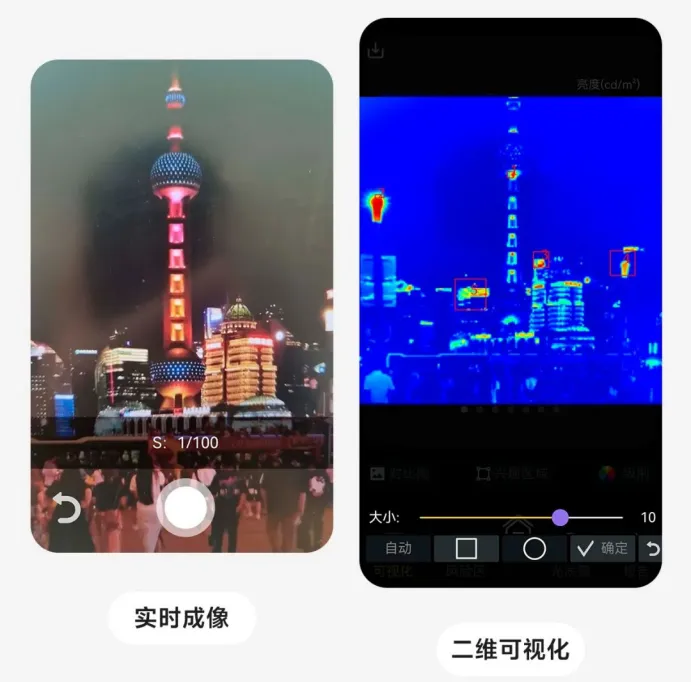
One-Tap Precise Light Measurement, Instant Understanding of Light Environments
Simply take a photo with your phone’s camera to generate a pseudocolor luminance map, automatically calculating luminance values, uniformity, and other metrics at selected points.
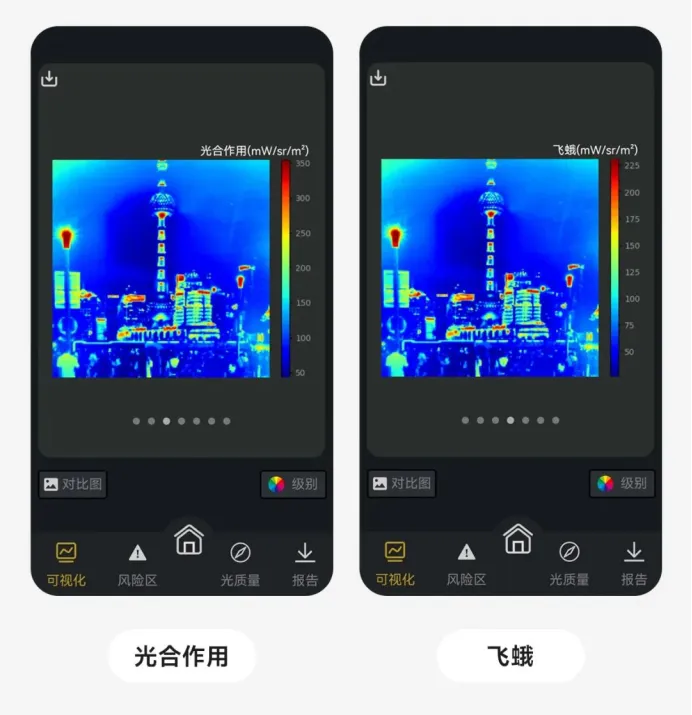
Core Advantages:
· Portability: Your phone serves as the device, eliminating the need to carry professional instruments;
· Precision: After calibration, accuracy reaches 80%-95%, meeting daily design needs;
· Multifunctionality: Supports dynamic screen displays, light health assessments, and generates visual reports.
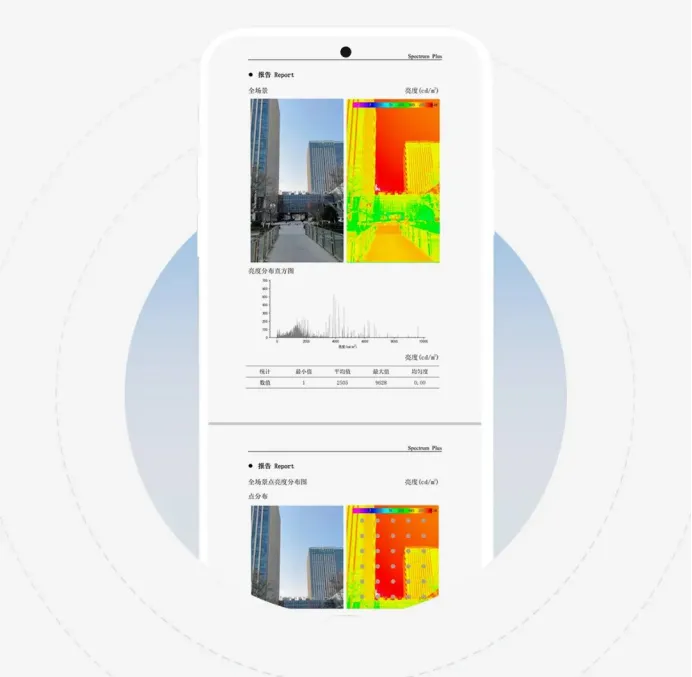
One-Click Generation of Analysis Reports
In Closing
Adversity Acts as a Sieve, Filtering Out Those Who Give Up
“Is the industry tough? Yes. But what’s truly difficult are those who give up—clients don’t want ‘expensive designs’; they want ‘solutions.’ The market doesn’t demand ‘big and comprehensive’; it seeks ‘specialized and refined.’” Song Lei summed up with the straightforwardness typical of Shandong people.
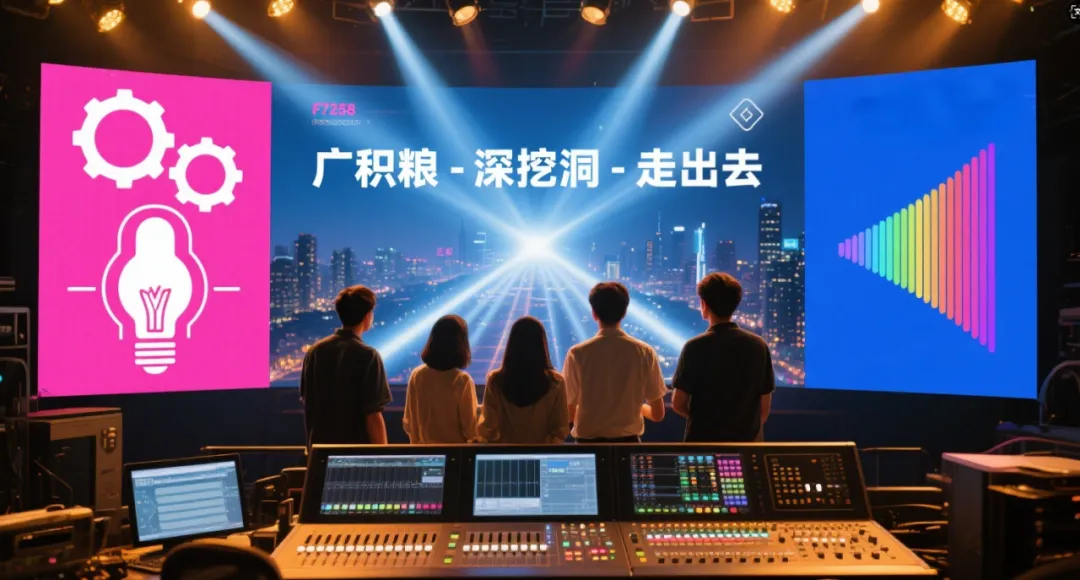
From “stockpiling grain (securing existing projects), digging deep holes (cultivating medical lighting), and going global (exploring a Beijing branch and designing overseas projects)” to “using AI to boost efficiency and operations to break the deadlock,” Sandi’s 15-year journey stands as a vivid example of “finding vitality amidst adversity.”
As Song Lei said: “The future of the industry belongs to those who ‘don’t think about changing careers, but only want to do things well.’”
(This article is compiled from the live broadcast content of China Light Network · Ming Classroom’s “Era Hong Liu” channel on June 26. For more industry insights, please follow the Ming Classroom WeChat official account to review the recording.)
China Light
The official website of the China Association of Lighting Industry and a full-media platform for the lighting sector. We provide authoritative and timely lighting information while striving to be a growth partner for businesses. From brand promotion and channel expansion to consulting, talent training and participation in standards development, we provide comprehensive professional services to help businesses improve quality and efficiency and jointly advance the high-quality development of the lighting industry.
Business Contacts
仇纯 (Ms.): 158 6155 3579
顾君 (Mr.): 137 7157 5253