
Looking at the Future Core Development Trends of Plant Lighting Through GreenTech
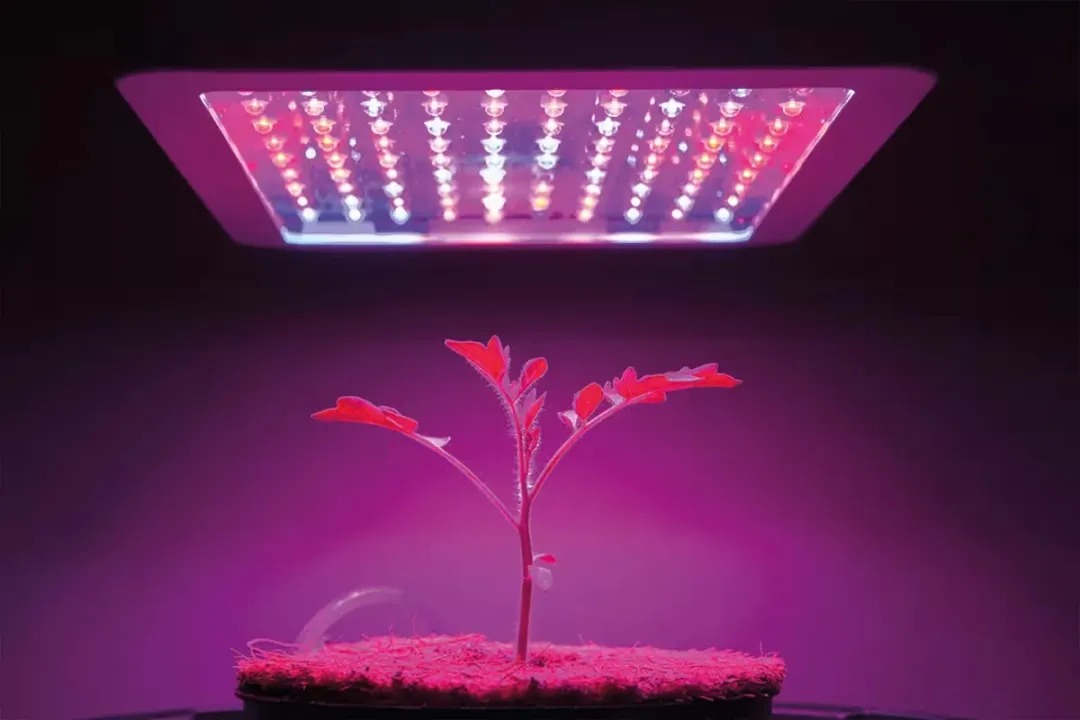
The 2026 GreenTech Amsterdam trade show once again highlighted the vibrant dynamism of the global plant lighting industry. During the event, discussions centered on energy-efficiency optimization strategies, innovative approaches to plant care, and the deep integration of lighting, sensing, and automation technologies.
At this highly valuable platform for exchange, ams OSRAM engaged in in-depth dialogues with customers, partners, and research institutions, exploring current challenges and future directions in specialized plant cultivation.
01
Energy Efficiency Optimization
Remains a Core Industry Issue
The relentless rise in energy costs is profoundly reshaping the fundamental needs of greenhouse operators. Market demand for high‑output, low‑consumption lighting solutions continues to grow stronger.
This year’s GreenTech clearly demonstrated that energy efficiency remains the key driver of innovation across the sector.
02
Lighting and Sensing Technologies
Accelerating Deep Integration
Beyond breakthroughs in individual LED performance, the industry’s focus is rapidly shifting toward integrated system solutions.
For example, in closed-loop control systems, sensors can directly measure light conditions within the plant microenvironment. Based on this data, the lighting system can automatically and dynamically adjust light intensity and spectral composition, consistently providing plants with optimal illumination and fostering a stable growing environment.
The seamless convergence of sensing and lighting technologies opens up entirely new possibilities for precision cultivation.
03
UV-C Technology
Increasingly Recognized for Its Value
Today, conventional UV‑C solutions are widely employed for plant disease prevention; meanwhile, businesses, research institutes, and universities continue to deepen their studies into the mechanisms underlying different UV wavelengths.
Compared with traditional approaches, LED technology offers significant advantages, including being environmentally friendly and mercury‑free, as well as enabling precise, on-demand tuning of specific wavelengths.
04
From Smart Greenhouses
to Professional Sports Stadiums
The scope of modern plant lighting applications is expanding dramatically, now extending into the realm of professional sports.
Coinciding with the opening of the World Cup, this year’s exhibition placed particular emphasis on the challenges of turf maintenance in top‑tier stadiums. Lighting concepts originally developed to stimulate plant growth in greenhouses can also help match‑intensity playing fields recover quickly between matches.
Red and blue light promote turf growth, while UV‑C technology holds promise for controlling turf diseases and fungal infections—opening up entirely new application scenarios for these technologies designed specifically for plant cultivation.
05
Sustainable Solutions
Empowering the Future of Agriculture
The show also showcased a range of innovative ideas aimed at reducing chemical pesticide use—for instance, using visual recognition systems to precisely identify weeds and combining them with laser technology for targeted removal.
These advances vividly illustrate how cutting‑edge lighting, sensing, and laser technologies work together to boost agricultural productivity and resource efficiency.
06
GreenTech: A Bridge Connecting Industry and Innovation
Beyond showcasing cutting‑edge technologies, GreenTech’s greater value lies in its role as a vital bridge for industry dialogue. In-depth exchanges with customers, partners, and research institutions reaffirm that sustained innovation, R&D investment, and robust intellectual property protection are the cornerstones of healthy growth in the plant lighting sector.
For ams OSRAM, GreenTech has always been a central platform for understanding market needs, driving technological advancement, and collaborating with partners to build a sustainable agricultural ecosystem for the future.
Source: ams OSRAM
China Light
The official website of the China Association of Lighting Industry and a full-media platform for the lighting sector. We provide authoritative and timely lighting information while striving to be a growth partner for businesses. From brand promotion and channel expansion to consulting, talent training and participation in standards development, we provide comprehensive professional services to help businesses improve quality and efficiency and jointly advance the high-quality development of the lighting industry.
Business Contacts
仇纯 (Ms.): 158 6155 3579
顾君 (Mr.): 137 7157 5253