
From compliance to GEO’s new infrastructure initiatives, how can lighting companies seize the opportunities of going global in the AI era?
On August 21, the private board meeting titled “Lighting Companies’ Overseas Expansion Strategies and GEO New Infrastructure in the AI Era” was successfully held in Shanghai. Co-hosted by China Light All-Media, Ledou Information, EY (China) Business Consulting Co., Ltd., and the Ningbo Lighting Exhibition, the event brought together lighting industry entrepreneurs and leading experts in overseas expansion services. Centered around two core themes—compliance and brand infrastructure—and set against the backdrop of AI reshaping global business rules, the session explored practical pathways for lighting companies to achieve steady international growth. The event was moderated by Hong Bing, Editor-in-Chief of China Light All-Media and Executive Dean of Ming Classroom.
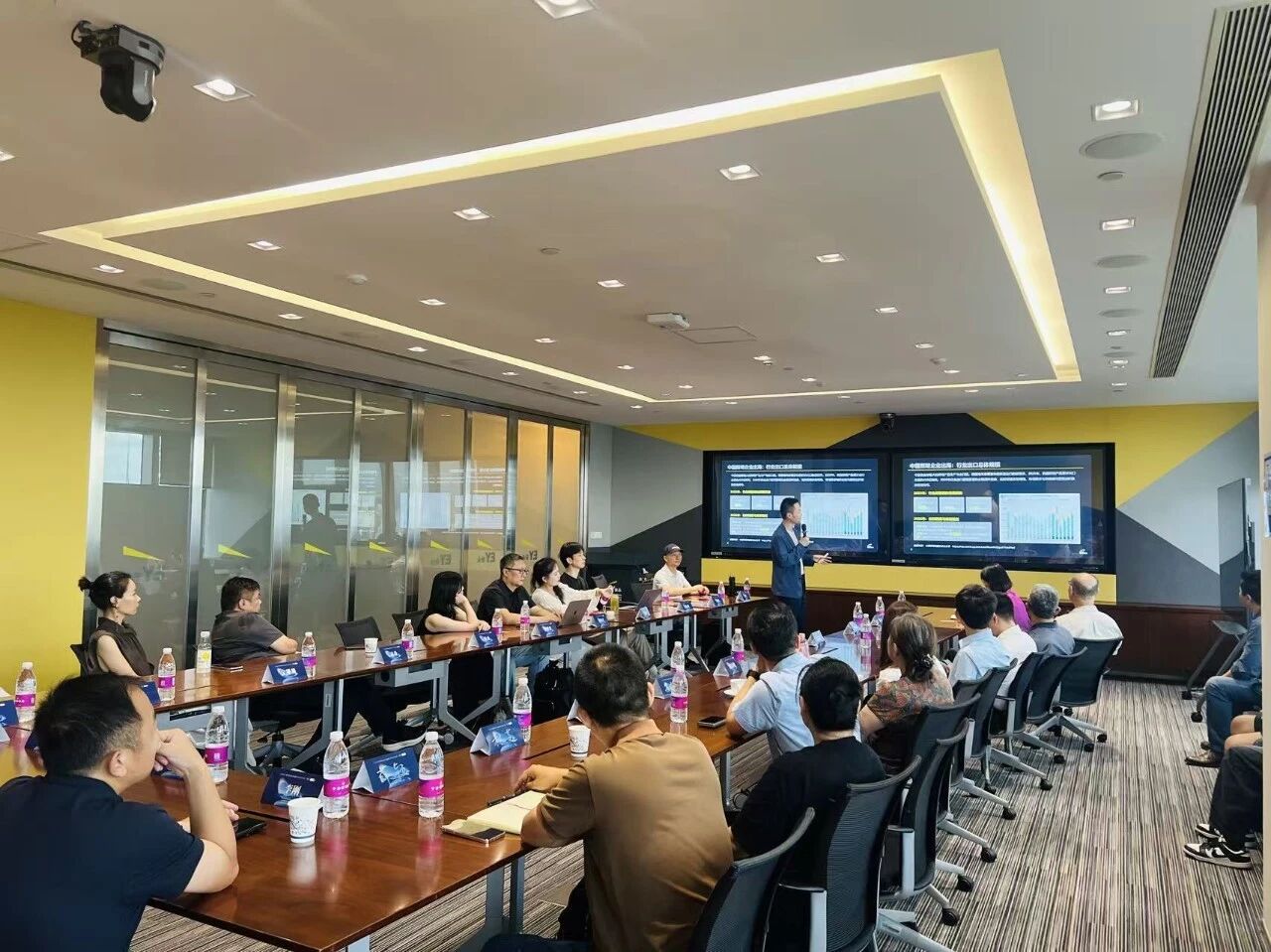
Zhang Cong, Partner at EY (China) Business Consulting Co., Ltd., and Jing Wenyao, Director of Tax Compliance and Advisory Services at EY, delivered a keynote address entitled “Stability Leads to Long-Term Success: Rethinking Compliance for Chinese Enterprises Expanding Abroad in the New Landscape.” Mr. Zhang pointed out that China is the world’s largest producer and exporter of lighting products. He noted that Chinese lighting companies’ globalization strategies have evolved from simple product exports to more comprehensive “infrastructure‑driven” approaches, with traditional, unstructured expansion models no longer sufficient to meet complex challenges. By implementing forward‑looking tax planning and strategic equity structuring, companies can significantly reduce compliance costs and tax burdens while establishing robust risk‑mitigation mechanisms, laying a solid foundation for deepening their presence overseas and managing capital operations effectively.
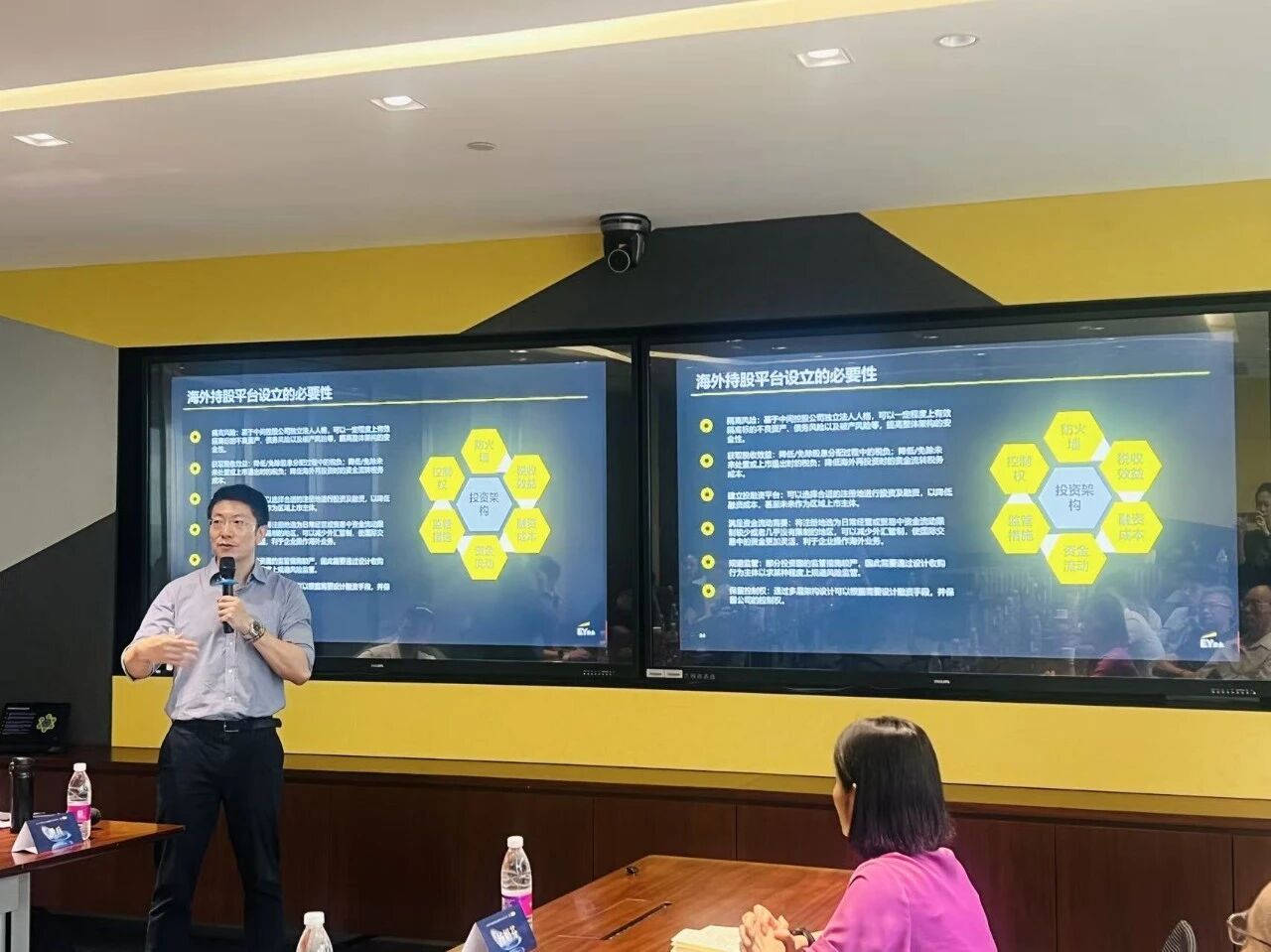
Mr. Jing Wenyao provided an in-depth analysis of the “Regulations on Outbound Investment” and several key amendments. As the first administrative regulation systematically governing overseas investment, the new rules bring individual residents under regulatory oversight, establish an integrated compliance framework covering cross‑border flows of goods, technology, services, data, and personnel, and introduce a security review mechanism for outbound investments—extending even to asset exit and disposal stages. He urged lighting companies to shift from passive compliance adaptation to proactive risk management, emphasizing the importance of conducting pre‑investment feasibility assessments, performing compliance audits on existing overseas projects, and setting up end‑to‑end lifecycle risk‑control systems.
In discussing overseas investment structures, he highlighted that designing an offshore holding structure should balance three core principles—security, flexibility, and efficiency—while accounting for tax implications throughout the entire cycle, from market entry and day‑to‑day operations to eventual market exit. He also compared the advantages and disadvantages of major holding platforms such as the Cayman Islands, BVI, Hong Kong, Singapore, and the Netherlands, and offered insights into local investment environments, tax incentives, and potential risks related to taxation, policies, and labor laws in key target markets like the United States, Mexico, Saudi Arabia, Vietnam, and Malaysia, providing valuable guidance for selecting optimal locations for overseas investments.
Following this, Du Ligang, founder of Beansmile (Ledou Information), presented on “Brand Infrastructure for Global Expansion in the AI Era.” Mr. Du began by emphasizing that as overseas customers increasingly rely on AI tools like ChatGPT, DouBao, and Perplexity to search for, compare, and evaluate suppliers, corporate websites must cater simultaneously to both human buyers and AI agents. This means traditional SEO optimization alone is no longer adequate; companies need to adopt GEO (Generative Engine Optimization). At its core, GEO aims to make corporate websites “readable, citable, and recommendable” to AI systems, supported by a comprehensive infrastructure—starting with SSL certificates as the most fundamental trust signal.
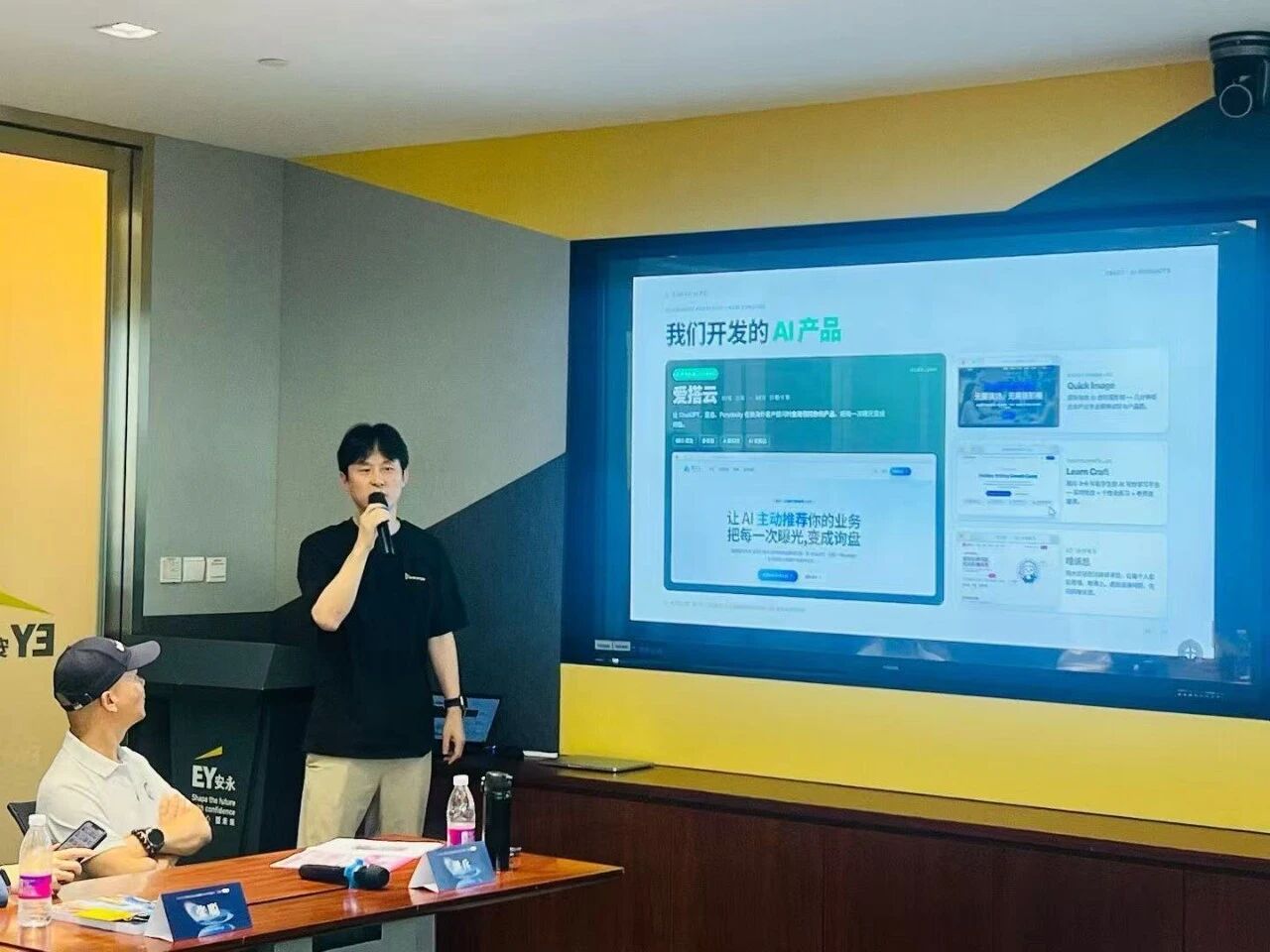
In his presentation, he introduced Aida Cloud (aida.yun), an AI‑powered website‑building solution specifically designed to help B2B companies expanding internationally create websites optimized for AI‑driven searches. Compared with conventional website builders, Aida Cloud can be launched in just four weeks, supports one‑click switching among more than 20 languages, and leverages a specialized terminology database tailored to the lighting industry for precise technical accuracy. Once optimized, companies can use an AI‑search visibility dashboard to track crawling activity across platforms like OpenAI, Google, and Microsoft Bing, confirming that their websites have entered a phase where they are discoverable, indexable, and evaluable by AI systems. The ultimate goal of GEO infrastructure is to enable large overseas language models to recognize and trust authentic company information when searching for lighting supply chains or product solutions, thereby converting AI‑generated exposure into genuine inquiries.
Beyond building a corporate brand, overseas‑expanding companies should also prioritize cultivating their founders’ personal brands. When researching suppliers, overseas buyers often look into the background of company founders; a strong personal brand can help build commercial trust and increase collaboration opportunities. Currently, pioneering clients such as “Lao Hong Talks Lamps” have completed their rebranding efforts, resulting in a significant boost in AI‑driven exposure and parallel growth in inquiry rates and conversion rates.
During the interactive Q&A session, entrepreneurs present engaged in lively discussions with the speakers, addressing real‑world issues such as compliance in overseas operations, constructing effective overseas structures, and implementing AI‑driven brand infrastructure. Drawing on their own experiences, participants shared pain points, while the panelists offered targeted advice and recommendations.
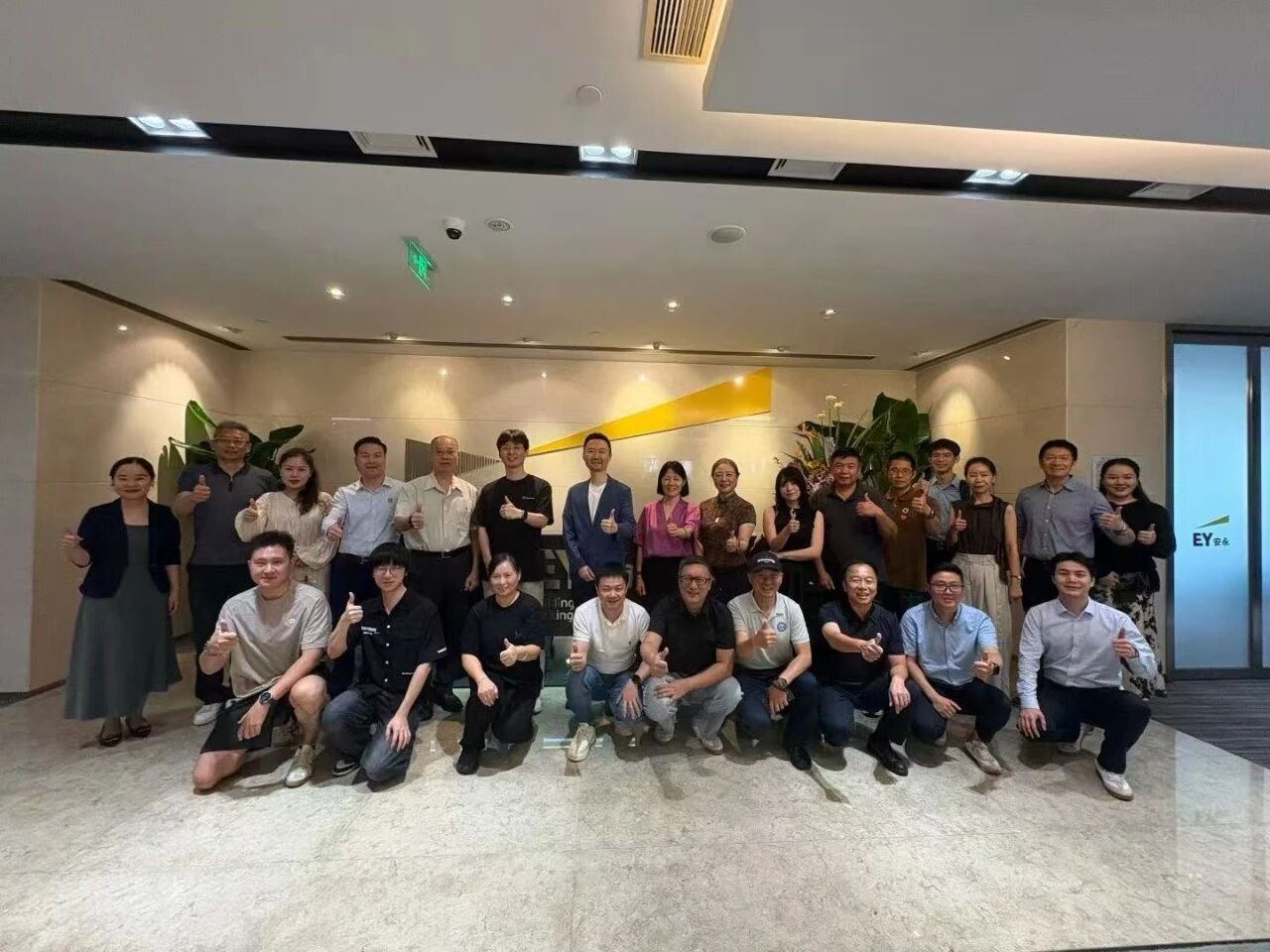
At the conclusion of the event, moderator Hong Bing summarized the key takeaways: compliance is the lifeline for companies expanding abroad, while AI‑driven digital brand infrastructure represents a powerful new engine for growth—both are indispensable. True globalization does not mean avoiding risks but rather building resilience to navigate turbulence and economic cycles. For Chinese lighting companies, the next stage lies in seamlessly integrating “product export” with “infrastructure‑driven” and “brand‑focused” overseas expansion. The organizers plan to continue hosting similar forums, connecting industry players and professional service platforms to support Chinese lighting enterprises in achieving sustainable, long‑term success and opening up global markets.