
“GLGA Leading” Cheng Yu unveils the right path for Healthy lighting, illuminating a new track for industry upgrading
On February 3 at 14:00, the “Light Journey Resource Gathering Series – Salon Edition,” hosted by China Light Network & Ming Classroom and supported by the Ningbo Lighting Exhibition, was successfully held. For this salon, Ming Classroom specially collaborated with the Global Light for Good Alliance (GLGA), inviting Mr. Cheng Yu, Secretary-General of GLGA, to deliver an in-depth presentation on “Leading the Proper Development of Healthy Lighting.” Mr. Hong Bing, Editor-in-Chief of China Light Network, moderated the event. Together, they aimed to empower high-quality development in the lighting Industry, with numerous industry peers participating in this online exchange via the Ming Classroom platform.
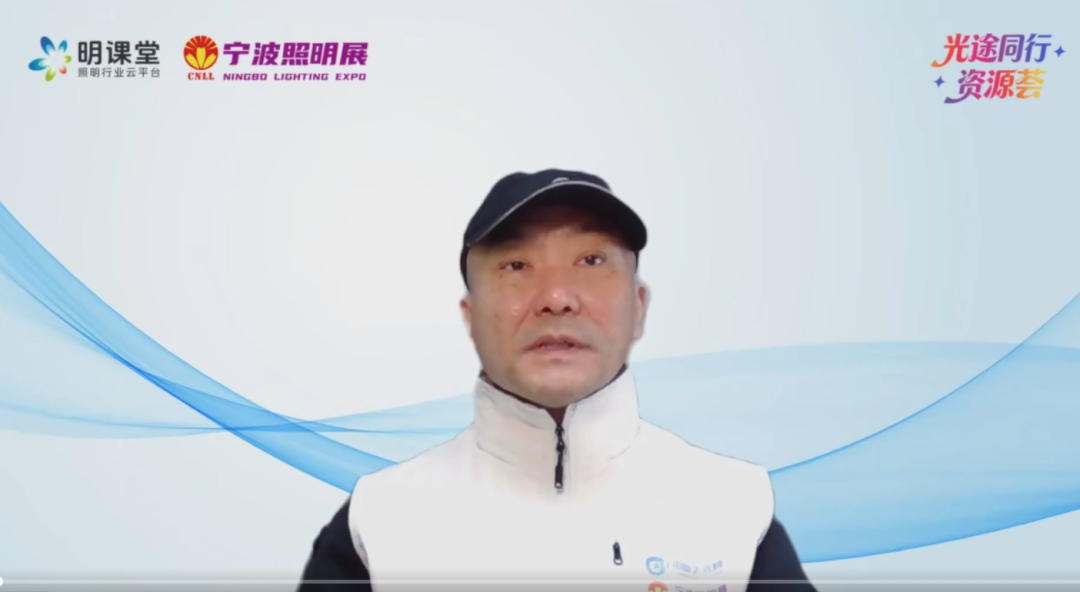
Host: Hong Bing
Background: Healthy Lighting Becomes a Key Direction for Industry Upgrading
On January 27, 2026, the Global Light for Good Alliance (GLGA) was officially established. The philosophy “Good light first, then healthy light” resonated throughout the entire industry, with over 100 supply chain partners jointly advancing healthy lighting toward measurability, verifiability, and practical implementation. At this critical juncture where the industry is upgrading from “brightness” to “quality” and further to “health,” questions such as how to refine and implement standards, how companies can identify their development paths, and how to realize the core value of healthy lighting have become focal points of industry-wide concern. This salon was organized precisely against this industry backdrop to address developmental uncertainties and clarify the way forward.
Guest Speaker Presentation
Decoding the Logic Behind Healthy Lighting Development Across Multiple Dimensions
Speaker Mr. Cheng Yu entered the lighting industry in 1997, holding positions at renowned companies including Osram Lighting and Odeburg Lighting. He has deep expertise in maximizing natural light utilization, intelligent lighting control, and healthy lighting. In addition to earning WELL AP and WELL Light Consultant credentials, he participated in drafting the “Healthy Lighting Application Standard,” co-founded the Global Light for Good Alliance (GLGA) in 2026, and serves as its full-time Secretary-General.
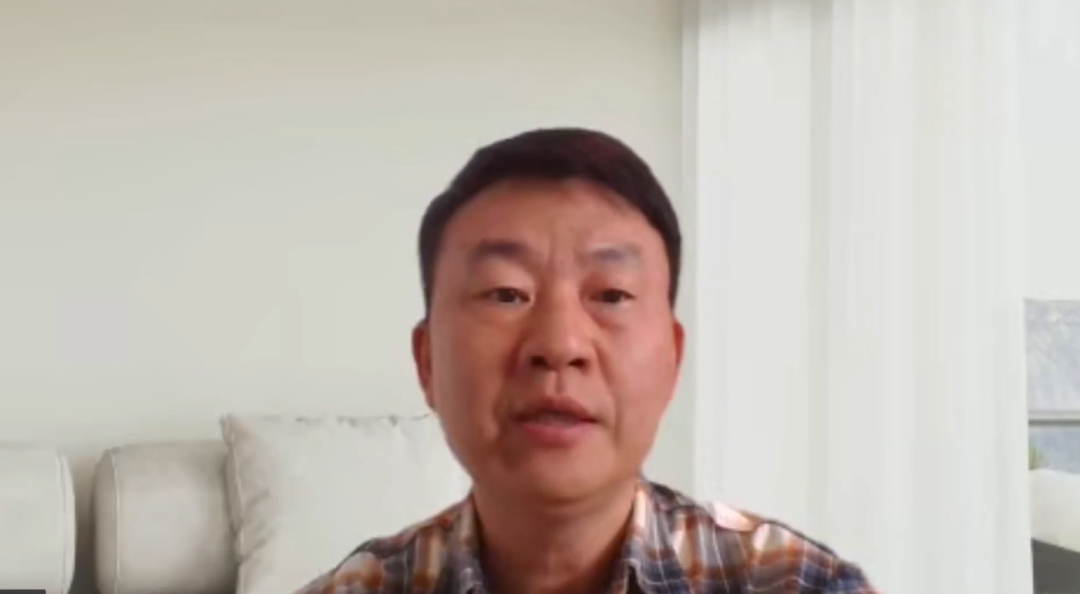
Speaker: Cheng Yu
During his presentation, Mr. Cheng systematically outlined the evolution of healthy lighting across five key dimensions:
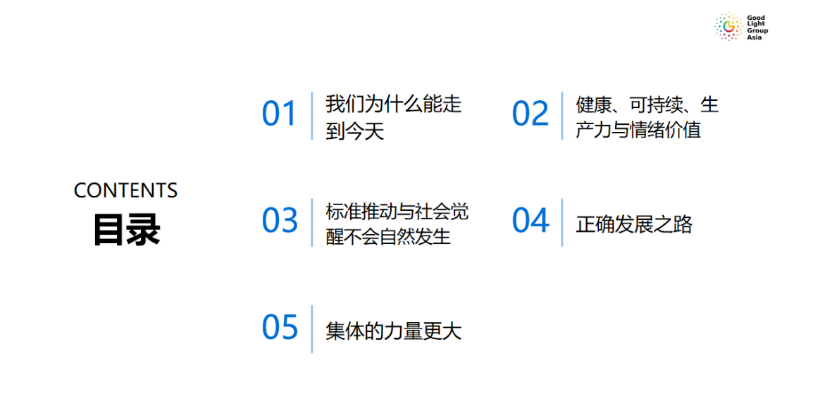
◇Industry Foundation:
The LED lighting industry has achieved large-scale, reliable delivery and become the absolute mainstream. However, the sector faces bottlenecks and urgently needs to transition toward healthy lighting. Establishing underlying models and standards is crucial for this leap.
◇The Multifaceted Value of Light:
At the heart of healthy lighting lies attention to light’s comprehensive impact on human health, sustainable development, productivity, and mood. It requires quantifying light’s effects on Circadian rhythm and sleep into engineering terms, establishing standards and methodologies.
◇The Necessity of Standard-Driven Progress:
Implementing healthy lighting standards involves multiple stages, including verification, translation, and education, facing challenges such as reproducibility and cross-sector collaboration. Joint efforts with international standards organizations are needed to promote globally unified standards.
◇The Right Development Path:
Developing healthy lighting requires a multidimensional, collaborative approach following the sequence “theory guidance – product integration – design solidification – demonstration validation – training and promotion,” encompassing research projects, product development, and scenario design.
◇The Power of Industry Collaboration:
The advancement of healthy lighting depends on collective participation across the entire industry. GLGA leverages its membership system to pool resources, build bridges, and drive collaborative innovation within the supply chain, helping to achieve the goal of “awakening good light.”
Interactive Q&A
Focusing on Practical Pain Points to Address Industry Concerns
Following the presentation, Mr. Cheng provided detailed answers to core questions raised by the audience, directly addressing key challenges faced by companies during practical implementation:
1. GLGA Membership Tiers and Fees
GLGA membership is divided into six tiers, from L1 to L6, with fees corresponding to a company’s annual output value. The lowest fee is 1,000 yuan (for individuals and design/research institutions), while corporate membership ranges from 2,000 to 80,000 yuan. This tiered structure aligns with European GLG principles and is determined after conversion to euros. Companies can freely choose their appropriate tier based on annual output value without mandatory requirements, reflecting equality between corporate social responsibility and participation capacity.
2. Corporate Implementation Pathways for the “Human + Space + Time + Activity” System Model
Companies should shift from traditional product R&D logic—“technology implementation”—to a “demand-driven” approach. First focus on the core needs of people and spaces, analyzing behavioral requirements for light environments in different settings, then match corresponding products and scenario solutions. For example, in home settings, prioritize developing indirect lighting products that mimic natural light distribution. Additionally, early in product development, clearly define control methods, considering integration with shading systems and using sensors to enable adaptive scene adjustments.
3. The Value and Pathway for Corporate Participation in Refining Healthy Lighting Standards
Participating in standard formulation can provide companies with a first-mover advantage. Based on existing theoretical foundations, companies can conduct targeted product trials and launch demonstration projects, verifying technical feasibility through on-site data collection, and subsequently translating practical outcomes into standard content. GLGA will rely on domestic and international scientific teams to offer theoretical support, helping companies participate in standard refinement under scientific guidance while seizing market opportunities.
4. Breakthrough Points for SMEs Entering the Healthy Lighting Arena
SMEs can leverage their flexibility and lower costs to break through first in niche scenarios or specific technological segments. For example, develop circadian lighting products tailored to the unique sunlight conditions of Northwest China, or provide low-negative-stimulation lighting solutions for Southern night markets and food stalls. GLGA can build bridges, connecting SMEs with cutting-edge scientists for theoretical guidance, helping them achieve market breakthroughs with reasonable investment.
5. Methods for Converting Abstract Values of Healthy Lighting into Consumer Perception
The conversion process must proceed in stages. In the short term, credibility built through WELL Certification can establish awareness. WELL Certification programs have received government incentives and recognition from Fortune 500 companies; participating in WELL Certification projects allows leveraging brand endorsements to expand public influence of healthy lighting. In the long term, evidence-based practices in settings such as nursing homes and educational institutions are needed to monitor actual effects like improved sleep quality and mood regulation, using data disclosure and demonstration projects to let consumers personally experience the value of healthy lighting.
6. Follow-Up Measures for GLGA’s Multi-Scenario Implementation and Industry Collaboration
GLGA’s core mission is to advance the achievement of global standards for healthy lighting, expected to take 3–5 years. Subsequently, it will organize the entire supply chain to conduct research projects, achieving efficient integration across light sources, luminaires, control systems, and other links; collaborate with manufacturers and design firms to co-create scenario-based design solutions; and implement demonstration projects in medical research facilities such as hospitals to test product metrics and spatial compatibility, ultimately forming measurable, verifiable, and standardized practical outcomes.
Conclusion
Building Industry Consensus to Jointly Promote Healthy Lighting Development
This salon, through systematic presentations and in-depth interaction, clarified the core definition of “good light” and the systematic delivery logic of healthy lighting, providing the industry with insights that combine theoretical depth with practical applicability.
Mr. Cheng’s presentation was grounded in current industry realities yet forward-looking regarding future trends, emphasizing the importance of standards-led progress, demand orientation, and industry collaboration.
In the future, as GLGA initiatives are implemented and industry consensus solidifies, healthy lighting will gradually achieve large-scale deployment, injecting new momentum into improving human health and quality of life.
END
Note: This article is compiled from the recording of Teacher Cheng Yu’s thematic presentation “Leading the Proper Development of Healthy Lighting” at Ming Classroom on February 3, 2026, and was organized and published by Ming Classroom.
China Light
The official website of the China Association of Lighting Industry and a full-media platform for the lighting sector. We provide authoritative and timely lighting information while striving to be a growth partner for businesses. From brand promotion and channel expansion to consulting, talent training and participation in standards development, we provide comprehensive professional services to help businesses improve quality and efficiency and jointly advance the high-quality development of the lighting industry.
Business Contacts
仇纯 (Ms.): 158 6155 3579
顾君 (Mr.): 137 7157 5253