
Exclusive Interview with Inventronics CEO Huang Meilan: Anchoring in Scenarios to Build Value Coordinates in the New Lighting Cycle
Editor's Note:
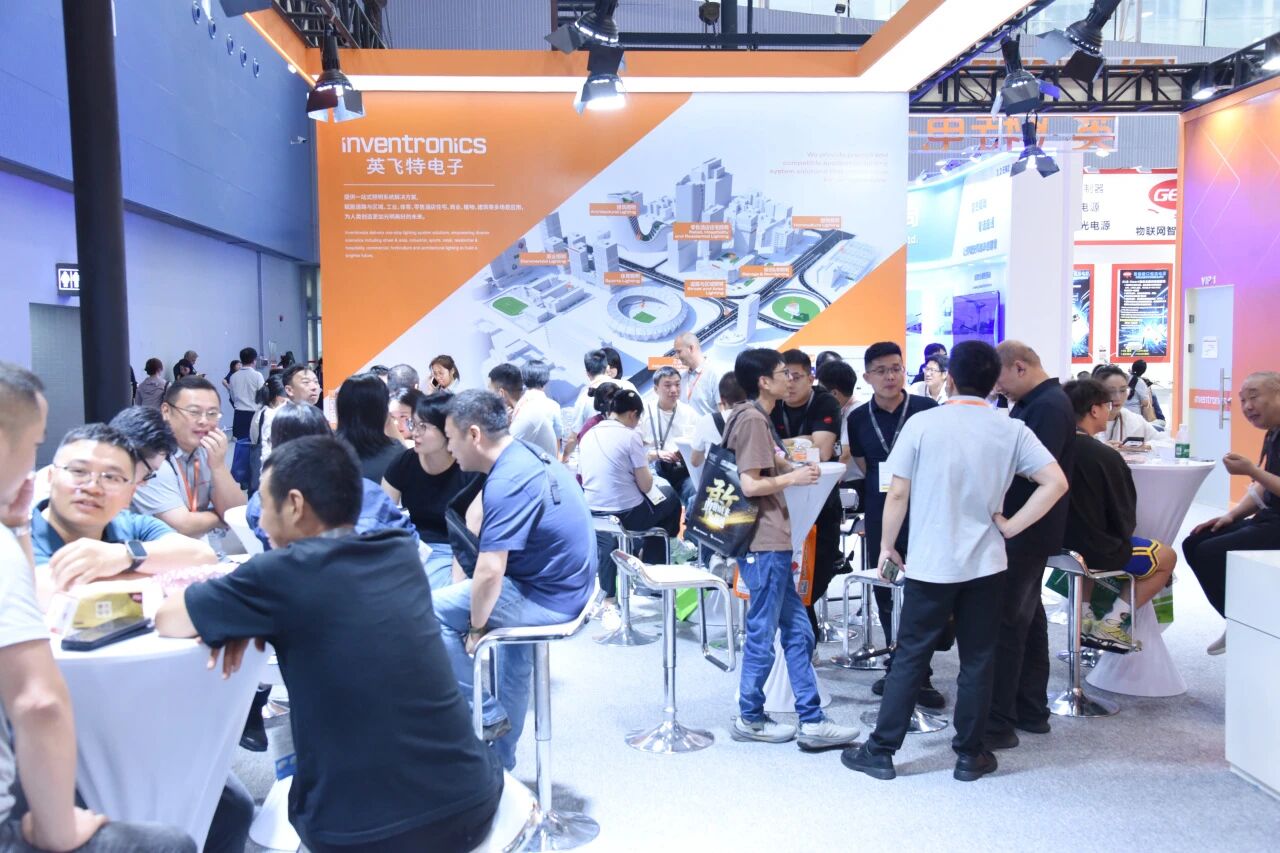
At the 2026 GILE (Guangzhou International Lighting Exhibition), Inventronics carried out an immersive booth innovation centered on "Eight Major Lighting Application Scenarios", attracting widespread industry attention. This seemingly simple curatorial change actually declares the strategic ambition of this global power supply giant to leap from a "single-component manufacturer" to a "lighting system solution provider".
During the exhibition, we conducted an exclusive interview with Ms. Huang Meilan, CEO of Inventronics. She provided an in-depth analysis of why Inventronics chose scenario-based displays, how it achieved capability completion through the acquisition of OSRAM DS-E business, how to find growth paths amidst geopolitical changes and the AI wave, and why it consistently adheres to a long-term strategy centered on "customer-centricity," elaborating on the transformation logic and future development blueprint of the new Inventronics.
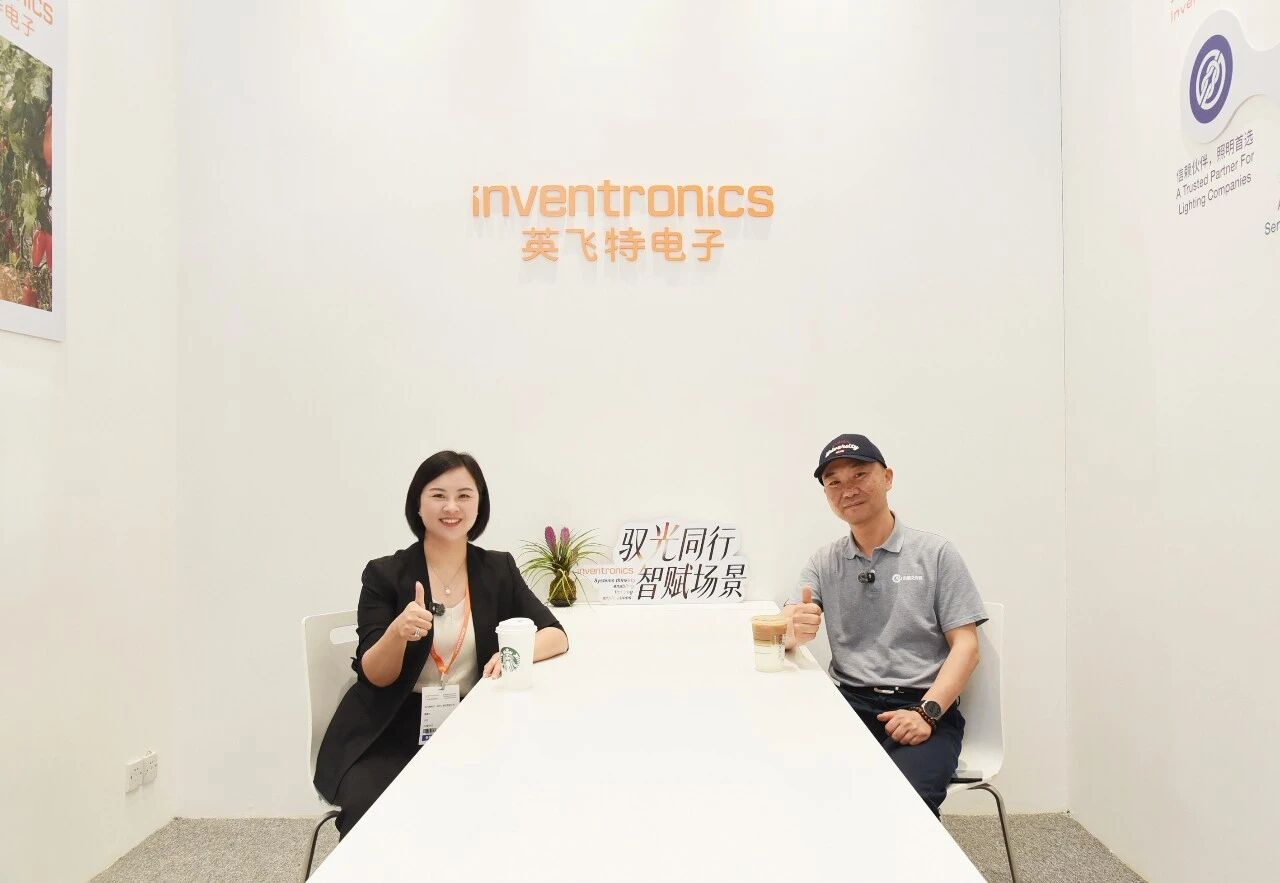
The following is a transcript of the dialogue:
Q
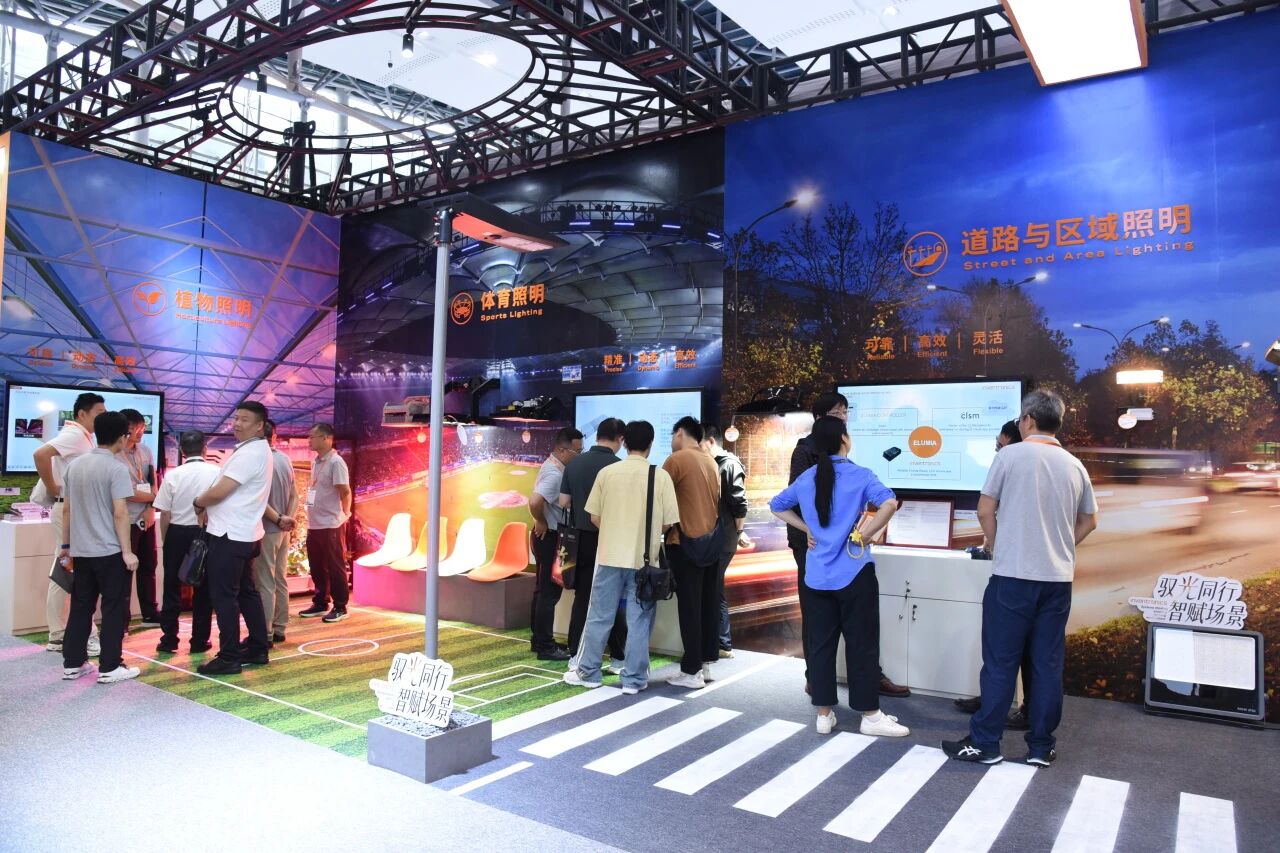
Lao Hong: At this year's GILE, Inventronics showcased an immersive exhibition divided into "Eight Major Lighting Application Scenarios." Mr. Huang, why did you choose this presentation method?
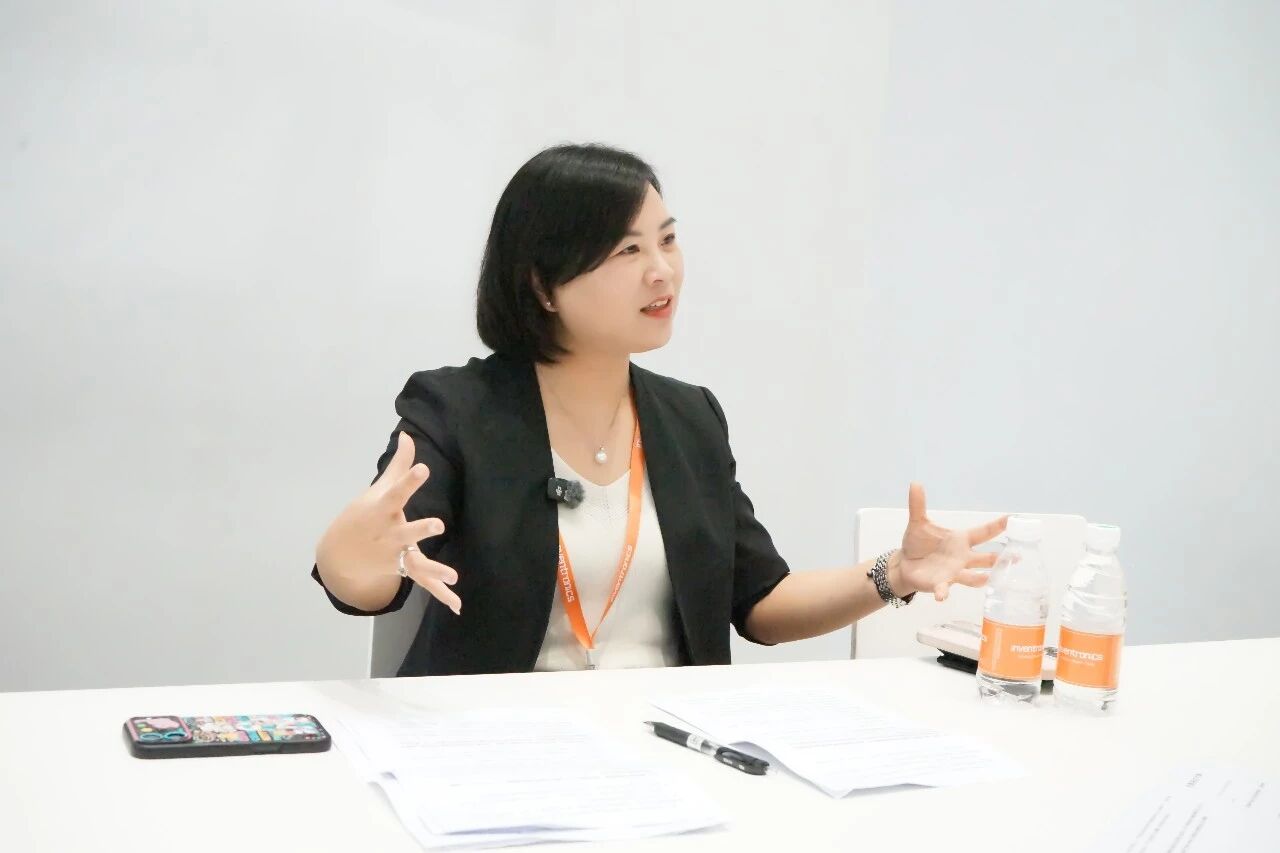
Ms. Huang Meilan:Thank you for your question. You can feel immediately that our presentation method this year is completely different from the past. This was not a sudden whim; we have already begun experimenting with scenario-centric presentations at exhibitions in Frankfurt and many other places around the world.
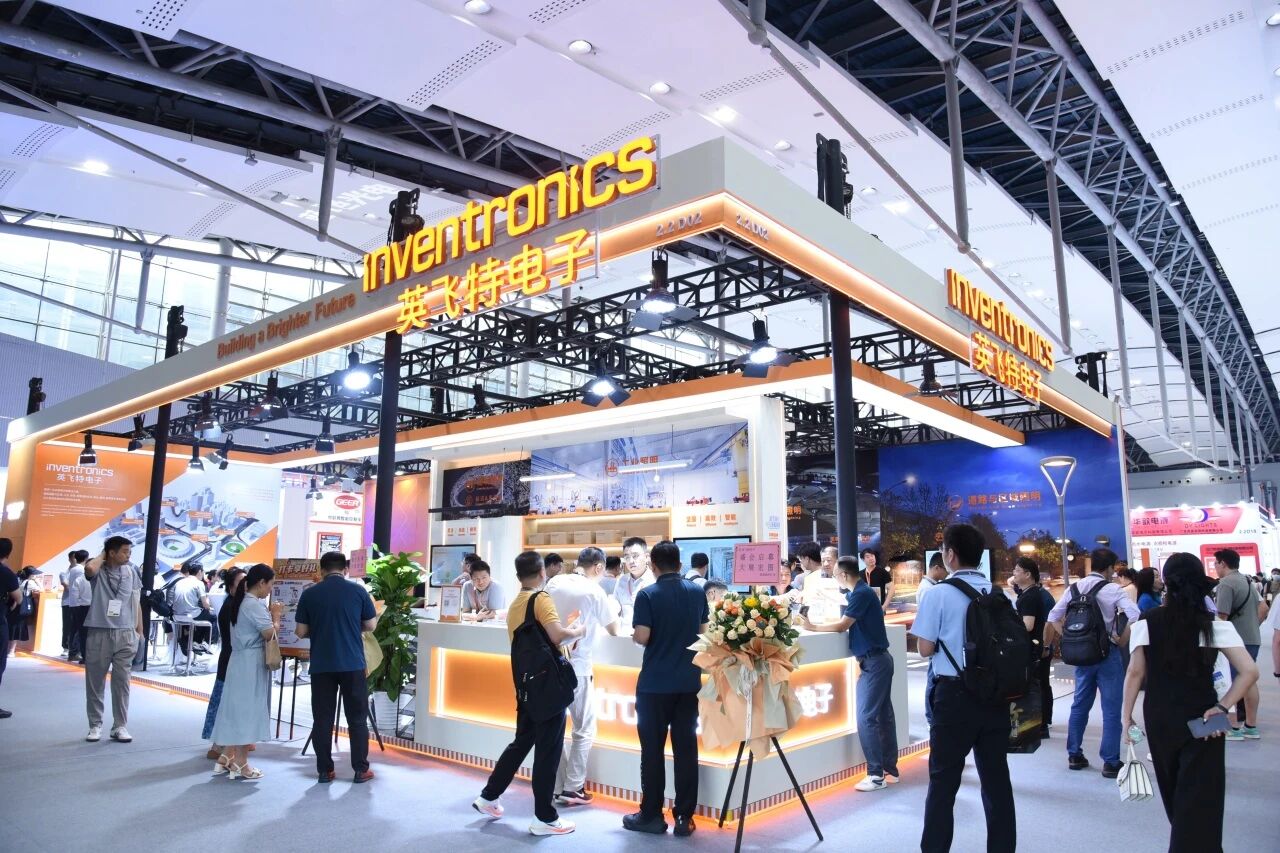
The core of this transformation stems from Inventronics' business philosophy of "being customer-centric and creating value for customers". As the LED Industry enters a mature stage, the core needs of customers are undergoing fundamental changes. The value of lighting is no longer limited to product parameters, performance, or single technical indicators, but is increasingly reflected in specific application scenarios. Customers are now more concerned about: Can the Solution you provide solve system compatibility issues? Can it reduce installation complexity? Can it improve the intelligence level and operation and maintenance efficiency of the project? Can it make the project more efficient?
Therefore, the scenario-based display at this exhibition is by no means a mere formal innovation; rather, it is the strategic implementation of Inventronics aligning with industry trends and meeting customer needs, serving as a direct reflection of the company's overall business direction and transformation philosophy. We are transitioning from simply providing components such as power supplies, modules, and controllers to offering in-depth scenario-based Solutions. We hope that through deep cultivation in vertical scenarios, we can help customers achieve more efficient, intelligent, and convenient implementation at the system level, precisely solving practical problems for customers and creating core value.
Q
Lao Hong: Among these scenario displays, what do you think best reflects Inventronics' systematic capabilities and innovative breakthroughs?
Ms. Huang Meilan:I believe it is mainly reflected in three aspects.
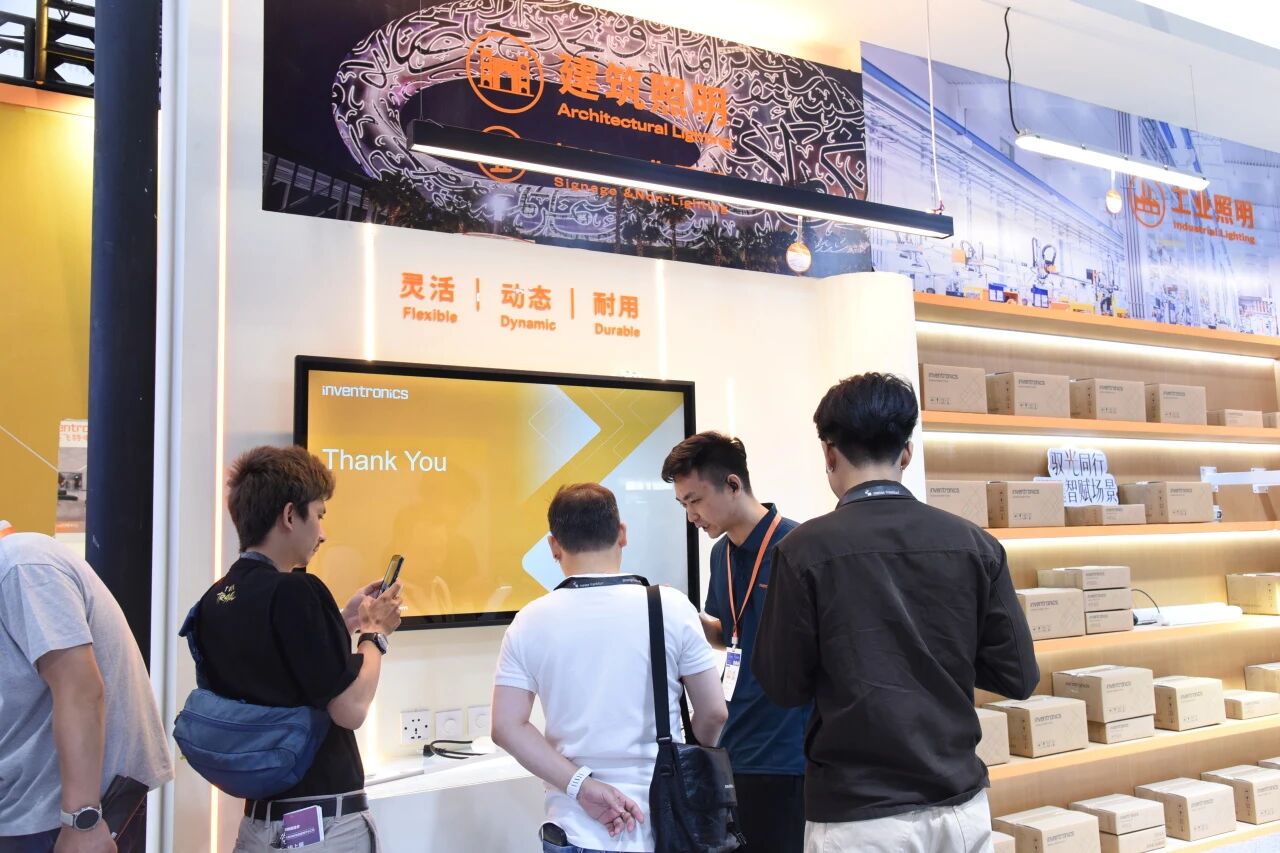
First is the enhancement of system integration capabilities.There are compatibility challenges between the three layers: power supply, module, and control. Inventronics completes compatibility testing and validation for its full product portfolio in advance, so that customers face significantly reduced uncertainty and variables during selection, matching, and debugging.
Second is the breakthrough in digitalization and intelligent control capabilities. With the development of IoT and AI, the lighting industry is transforming towards digitalization and intelligence. We focus on more precise Dimming methods, more flexible control capabilities, more convenient configuration, and deep integration at the connectivity level, achieving deep interconnectivity between lighting systems and building spaces, human-centric scenarios, and energy management systems.
Third is the deep cultivation of application scenarios. Different application scenarios have different requirements for light, control logic, reliability, installation and maintenance, and even lifecycle costs. Behind our eight major application scenarios are eight different expert teams. They gain deep insights into customer needs and provide Solutions, which is an end-to-end deep cultivation process. Many customers cannot precisely identify their potential pain points but can clarify basic needs. Our core advantage lies in translating these customer needs and expectations into Solutions that can be implemented in specific scenarios and solve practical problems.
These three aspects constitute our main directions in system capabilities and innovative breakthroughs. Infitronic has a vast customer and user base, which enables us to provide more precise guidance in innovation and breakthroughs, always remain market-demand oriented, and find the right focal points.
Q
Lao Hong: From your perspective, what important development trends will the lighting industry present in the future? How does Infitronic adapt to these industry changes?
Ms. Huang Meilan: I believe that over the past decade or so, the LED lighting industry has developed very rapidly. The penetration rate of LED is already relatively high. In the short term, we are facing various pressures from both internal and external sources, such as geopolitical, economic, and cyclical industry pressures, and the industry is in a phase of adjustment and recovery.
But from a medium- to long-term perspective, I believe the lighting industry will continue to exist, but it is unlikely to achieve the high-speed growth of dozens of percent or even over one hundred percent annually as in the past; the industry will enter a period of stable development. If I were to summarize with three keywords, I would lean towards smart, healthy, and green.
From the perspective of smart technology, with the development of IoT and AI, the connectivity capabilities in the lighting field, whether in application scenarios or interconnectivity, have been enhanced. The potential space for intelligence is becoming larger and larger. In the past, remote switching or Dimming was our starting point for intelligence. Today, it achieves deeper links and integration with IoT, AI, building management systems, energy management systems, etc. This requires us to have connectivity capabilities and actively integrate into these systems to provide more services such as adaptive scenarios.
From the perspective of health, people's requirements for healthy Light quality will become higher and higher, no longer limited to visual comfort, but also pursuing emotional experience and spatial quality, and this value demand will continue to upgrade.
And from the perspective of green, ESG is a global topic, not advocated by any single country. How to achieve higher efficiency, more Energy saving, be more Environmentally friendly, and realize material recycling and circular use, etc., I believe all belong to the green category, and green low-carbon will become one of the core competencies of enterprises.
At the same time, more niche markets are developing within scenarios , and specialization will continue to increase. Market competition has shifted comprehensively from selling individual products to competing on the capability to provide scenario-based solutions. This year's exhibition clearly shows that customer inquiries have shifted from product specifications and prices to a greater focus on the sense of scenario, evaluating value within the context of the scenario. Different stages of the industry cycle bring different demands for value propositions. As a company, we always anchor ourselves to our customers' value needs.
Furthermore, industry concentration is continuously increasing. Industry consolidation mainly occurs in two modes: one is scale expansion through mergers and acquisitions, and the other is resource integration relying on the industrial ecosystem. M&A integration involves long cycles, high risks, and prolonged periods for deep fusion. Therefore, in the future, we will focus more on ecosystem collaborative development , leveraging our platform capabilities to build an open and cooperative industrial ecosystem, deeply linking with various intelligent control and system service providers. We do not need to do everything ourselves; instead, we aim to become the best interface in the ecosystem chain, forming complementary and win-win ecological cooperation with upstream and downstream partners.
Q
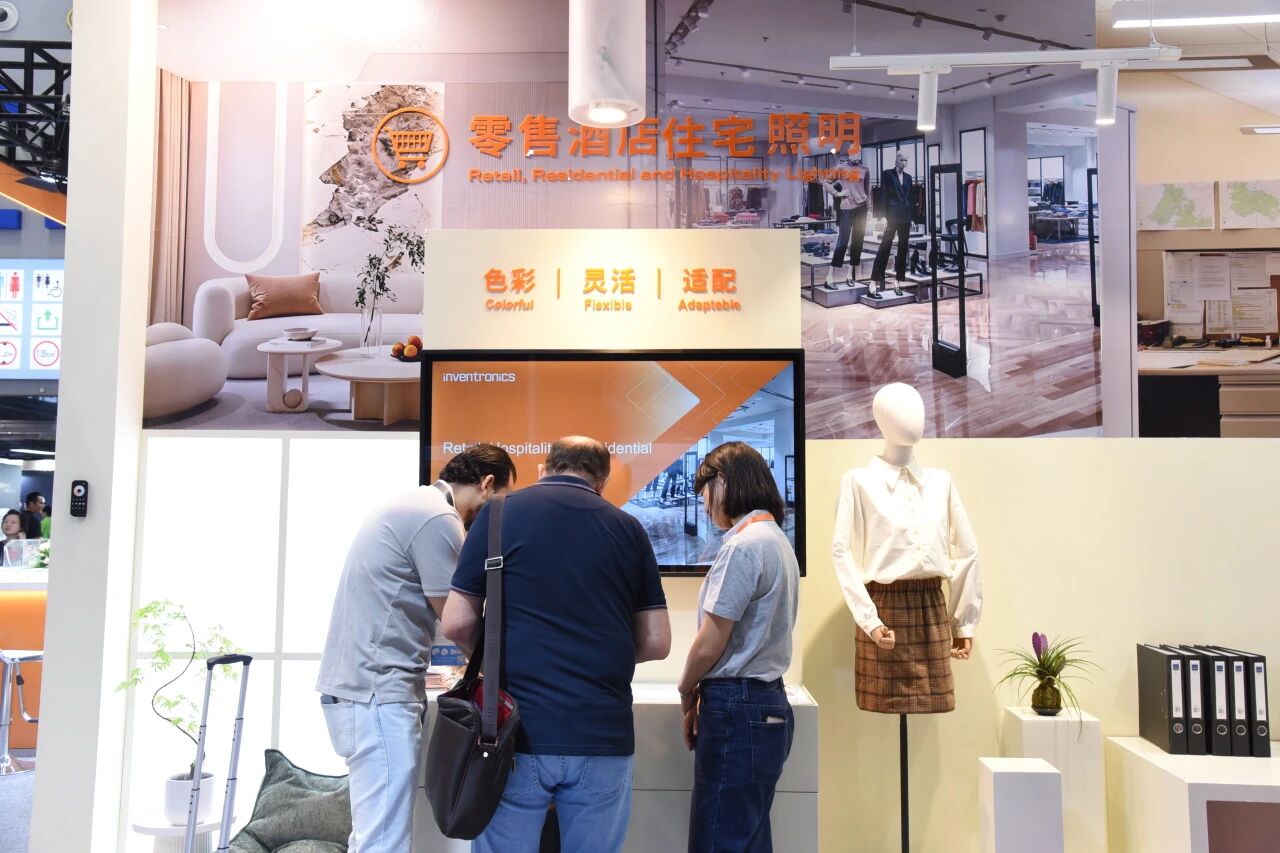
Lao Hong: In the past, the market strongly associated Inventronics with "high-power outdoor" applications. However, we saw at the event that Inventronics also has mature solutions for indoor scenarios such as retail, hotels, and residences. Could you introduce Inventronics' technical accumulation in the field of indoor lighting?
Ms. Huang Meilan: As you can see, Inventronics is now a "new brand". In the past, Inventronics focused deeply on the medium-to-high power outdoor lighting sector, accumulating profound advantages in the medium-to-high power outdoor sector and digital platforms, but the layout in the indoor lighting segment was relatively weak.
To address business gaps and complete our full-scenario layout, we achieved a leap in capabilities through the merger of OSRAM Digital Systems (DS-E) completed in 2023 . OSRAM boasts a century-long heritage as a lighting brand, with mature product lines in indoor lighting, extensive scenario application experience, advanced R&D platforms, core Patent technologies, and experience in setting industry standards. It has long cultivated the global indoor lighting market and gained widespread recognition from customers worldwide.
By deeply integrating Inventronics' technical advantages in high-power outdoor applications with OSRAM DS-E's mature capabilities in indoor lighting, and coupled with strict quality management and excellent service levels, we possess full-chain scenario capabilities spanning from power supplies, modules, and sensors to control systems, rather than being merely a single-component supplier. This meets customer needs across various scenarios, including indoor and outdoor environments. This is precisely Inventronics' advantage and the key confidence that enables us to keep pace with industry transformation trends.
Q
Lao Hong: The outdoor business plus the indoor business actually forms a two-pronged approach. So, how does Inventronics balance the relationship between outdoor and indoor businesses?
Ms. Huang Meilan: Internally, we never use the word "balance"; we use "synergy".
As I just mentioned, the former Inventronics established deep customer trust in the mid-to-high power and outdoor-oriented sectors. This was achieved by always being customer-centric, understanding their pain points, and building product ecosystem capabilities around them. Although our approach at that time was relatively "nascent," it essentially created value within specific scenarios. The addition of OSRAM DS-E has made this understanding more comprehensive and systematic.
The emphasis on "synergy" stems from the fact that indoor and outdoor businesses share the same underlying strategic logic—both are based on understanding scenarios to solve customer pain points. It is just that when delving into specific content, it becomes closely related to each scenario. The key lies in how much accumulation you have in a specific scenario, including your understanding of customers, technical reserves, and supply chain depth. After integration, this synergy and accumulation become evident. For example, when we negotiate cooperation with control system manufacturers, we do not assume that a control system is only suitable for indoors; it also has versatility outdoors, allowing us to integrate with mainstream mature products or single items in the market. Similarly, the Hubsence 2.0 solution, originally mainly applied in indoor scenarios, can actually be applied to broader energy saving demand scenarios.
Therefore, for us, it is never about "balancing" resource allocation between the two, but rather pursuing deeper synergy. This synergy allows our capabilities to be maximized. Imagine if our modules or technology could only serve a very small niche scenario; their commercial value would be too limited. But if this capability can be replicated and reused across multiple scenarios, the significance of our team's existence is amplified many times over.
Q
Old Hong: According to reports, the original OSRAM DS-E business product line has fully switched to the "Inventronics" brand. What is the current customer feedback?
Ms. Huang Meilan: From the very beginning of our merger with OSRAM DS-E, we were clear about our objective: to secure the Inventronics brand. A brand is more than just a name or logo; it embodies trust. Underpinning this trust are your technical capabilities, quality, service, long-term value, and the strength to accompany customers through market cycles.
During the integration process, our core team retention rate exceeded 90%. This continuity of talent is invaluable, as many capabilities cannot be simply replicated. Following this integration, we went through a complete journey from facing doubts and resolving them to ultimately building trust in the new Inventronics brand. It can be said that customer recognition of us has been continuously improving.
Starting from April this year, we have officially integrated all business operations into the Inventronics brand system. Over the four years from 2022 to 2026, the company has devoted all its resources and capabilities to building this "new brand", aiming to win a higher level of trust from customers. For us, this is the right strategy for achieving long-term stability. Customers have also provided us with very positive feedback.
Our team is outstanding, and our strategy is resolute. The merger with OSRAM DS-E is by no means a simple buyer-seller relationship; rather, it is a deep integration, akin to flesh and blood, jointly facing customers. We extract the best parts from each side and, on the basis of transparent information, make customers trust and rely on us more. This is what I believe should be prioritized in business management. If you review our first-quarter financial report, you will see that the market has already responded favorably.
Q
Lao Hong: At the Frankfurt exhibition earlier this year, you mentioned that the lighting digitalization strategy is reshaping the industry landscape, with lighting systems being integrated into the overall building infrastructure. What is Inventronics' lighting digitalization strategy?
Ms. Huang Meilan:I would like to start by sharing a recent story from the United States. Two weeks ago, I met with a customer in a niche market in the US who is still using products we launched 14 years ago. The reason is that our early products already incorporated a digital platform mindset, leaving ample room for technological iteration and functional expansion. Customers are purchasing not only current product technology but also future technological capabilities.
Today, when we talk about digitalization, it must not be equated with simply "getting online" or "adding a so-called control function." Lighting is not an isolated device; it exists within buildings, living spaces, and the entire energy management system. During my visit to London, I saw a large luxury shopping mall filled with products from Inventronics and OSRAM. This deeply impressed me—lighting has the most numerous touchpoints and widest distribution in buildings, giving it the "high ground" in the building ecosystem.
The significance of lighting digitalization lies not only in achieving connectivity and control, but more importantly, in leveraging the ubiquitous nature of lighting to enable data collection and sensing, thereby serving people and scenarios. Inventronics' digitalization always revolves around scenarios, with the core being the deep integration of lighting systems into building scenarios, living scenarios, and the broader context of urban energy management, making lighting a key link in maximizing scenario value and an indispensable part of the ecosystem. Digitalization holds infinite possibilities, but today it is still at a very basic stage.
Q
Lao Hong: In the face of supply chain pressures brought by geopolitical factors, raw material fluctuations, and demand divergence, is Inventronics adjusting its product structure or market layout?
Ms. Huang Meilan: There are indeed many changes, because in the early and growth stages of the Industry, countries and regions leveraged their respective strengths; for example, the Asia-Pacific region excelled in manufacturing, while Europe and America excelled in design. At that time, the division of labor was clear and organic. However, the overall situation has changed significantly now. For instance, the ecosystem in the United States has become more closed, Europe faces pressure from weak demand, and the Asia-Pacific region, such as China, is focusing on tapping into domestic demand growth.
These changes force us to make adjustments, not just to the product structure or market layout, but we must reshape our customer value proposition for different market regions.
Taking the US market as an example, customers' biggest pain point right now is "supply chain security". Due to changes in the local Supply chain, supply gaps and customer concerns have emerged. By observing market changes and communicating with customers, we help them address supply chain security issues. Our strategy is to develop new products to fill market gaps, while taking a two-pronged approach to ensure the stability and security of supply.
In the European market, due to weak market demand and limited growth space, more and more customers are focusing on finding value in deep application scenarios. At this time, Inventronics helps customers more at the system level. We package power supplies, modules, sensors, and control systems together, completing complex compatibility debugging and system integration for customers. This "one-stop" solution is "faster, better, and cheaper" than if customers were to integrate it themselves, of course, here "cheaper" does not refer to the product itself, but to the systemic and entire lifecycle cost. We replicate the efficient collaborative model originally used in China to Europe, helping customers reduce costs and increase efficiency.
Therefore, in the face of dynamic market changes, we always base our continuous product and strategy adjustments on customer value within scenarios. Only through continuous iteration can we cope with changing situations.
Q
Lao Hong: Facing short-term fluctuations and long-term transformations, how will Inventronics balance short-term operational pressures with long-term strategic investments? Where lies the greatest growth opportunity for Inventronics in the APAC region in the future?
Ms. Huang Meilan: Business operations must always "grasp the present with one hand and prepare for the future with the other".
I believe that, in the short term, raw material fluctuations and supply security are top priorities. Especially when competing for resources with industries such as AI, Inventronics must become the most reliable deliverer in the lighting industry. We will continuously improve operational efficiency, market response speed, and service quality to ensure stable supply guarantees for customers in a volatile environment.
And in the long term, technological innovation, global layout, and talent development all require continuous addition. This process is long-term; it cannot be completed in a single day but must be done every day. It is like water dripping wears away stone: the difference between 1.01 raised to the power of 365 and 0.99 raised to the power of 365 is huge, so we must move forward a little each day.
From the perspective of regional markets, I believe the APAC (Asia-Pacific) market still possesses long-term development potential, with very large market space. We see many opportunities in infrastructure development in China, Southeast Asia, India, the Middle East, and other markets, as well as in different niche segments. For example, smart city construction in the Middle East and the industrial upgrade towards the Internet of Everything in China bring us broad prospects, and we continue to invest.
I believe that we should not think there are no opportunities just because the industry faces challenges; there are still abundant opportunities in the market. We even need to consider which opportunities we should seize. The greatest opportunity among them must revolve around future development trends. The market may give us more answers, therefore, we must continuously monitor market changes while considering how to sustain investment and build a strategic system centered on creating value for customers.
Inventronics' vision has never changed: Based in the lighting market, committed to becoming the most valuable partner globally, creating a brighter and better future for customers, employees, and shareholders. This is an eternally correct path.
Conclusion:
During the interview, Ms. Huang Meilan repeatedly emphasized: "What will never change at Inventronics is its 'customer-centric' philosophy." Whether it is the digital foundations laid years ago or the current in-depth cultivation of eight major scenarios; whether it is the "dual-wheel synergy" of outdoor and indoor businesses or the broad blueprint for the APAC region, Inventronics always puts customer needs first. At the critical juncture where the lighting industry is transitioning from "selling products" to "selling value," and amidst a global market full of uncertainties, Inventronics is striving to forge a path of sustainable development through deep scenario cultivation, ecosystem synergy, supply chain construction, and digital layout, thereby fulfilling its most important promise—creating value for customers.