How does automotive lighting balance safety and comfort? Prof. Yao Qi from Fudan University details the core technologies of quantitative assessment
Automotive lighting has shifted from the basic need to 'illuminate the road' to a comprehensive pursuit of safety, health, and comfort . How can luminance, contrast, and glare control be balanced through quantitative methods?
在前段时间开展的由复旦大学校友会照明同学会指导、浙江奇诚电器有限公司提供支持的“复旦之光系列沙龙”上,复旦大学姚其教授为我们深度解析“汽车照明量化评估”,由他带领的“光谱+”课题组,从视觉光学与应用光谱技术出发,为汽车照明的科学评估提供了系统解决方案。
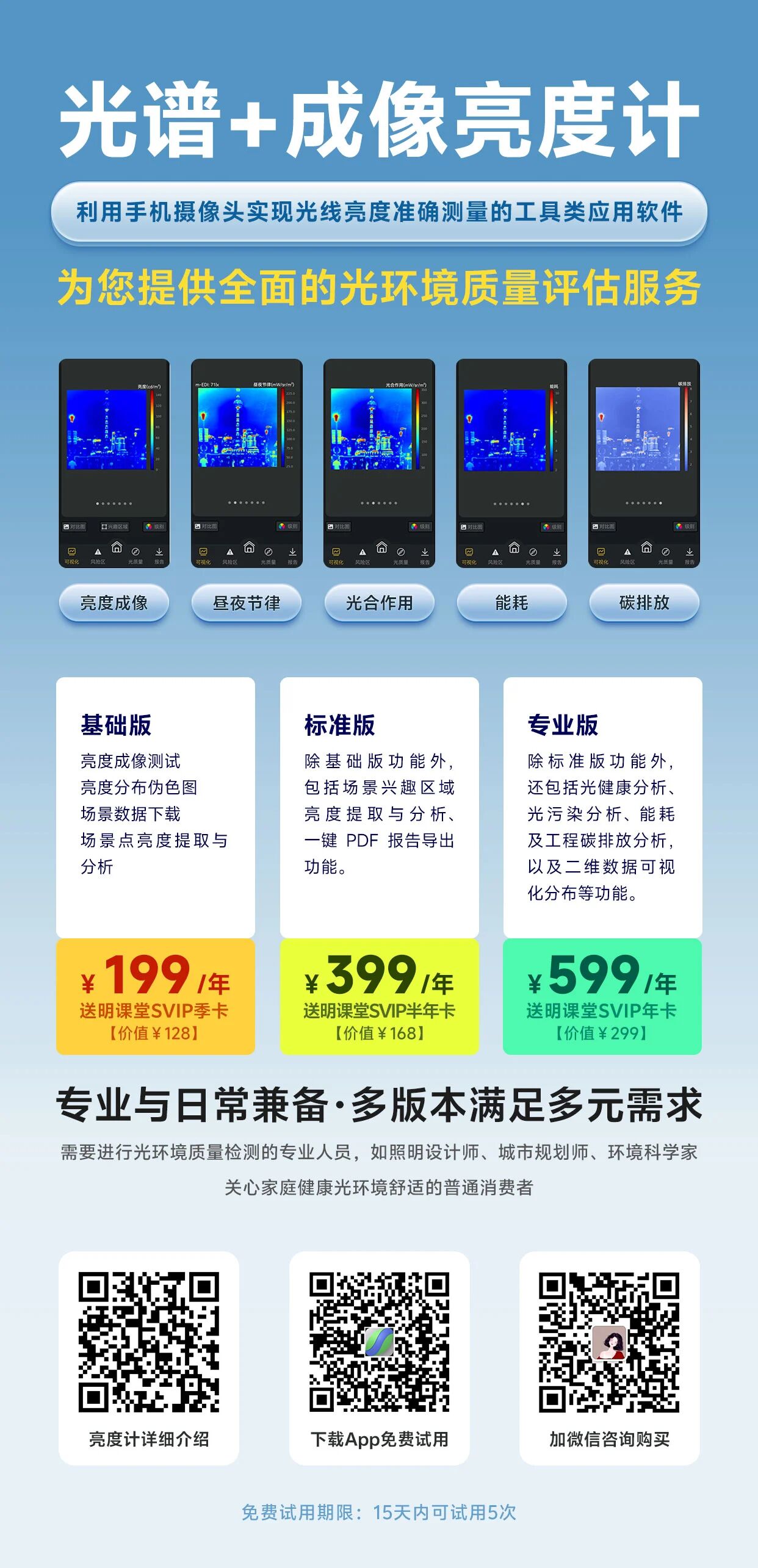
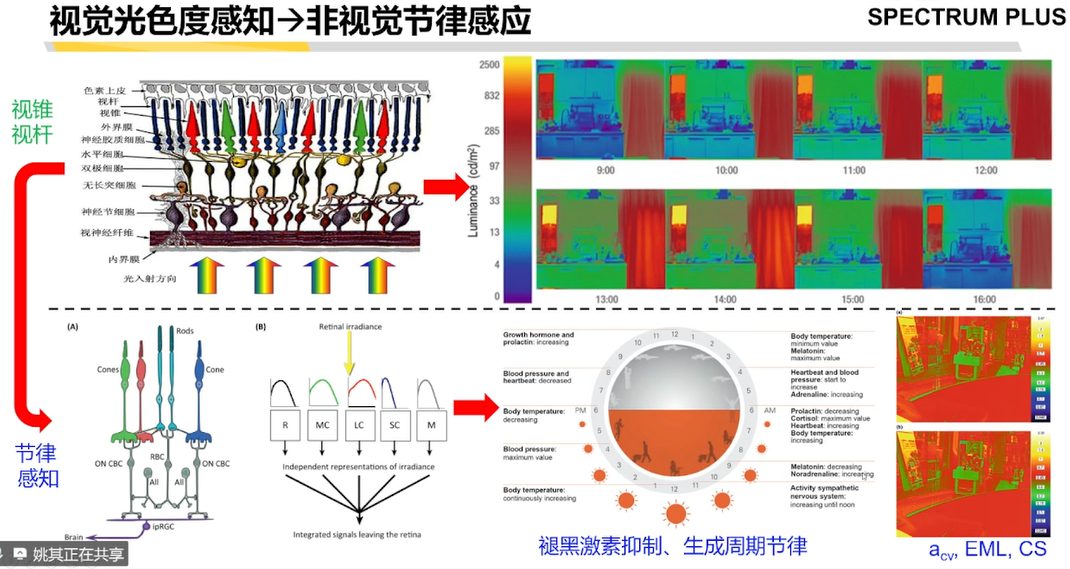
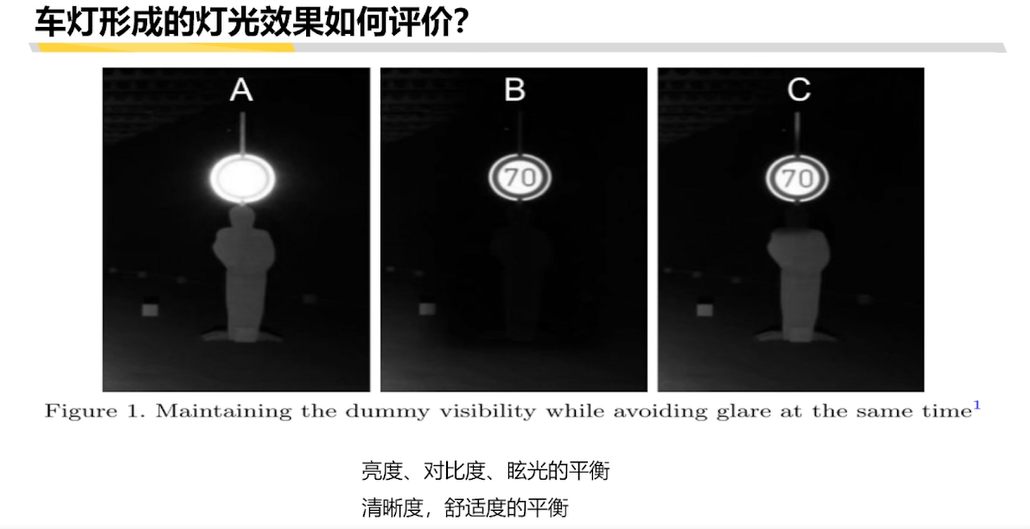
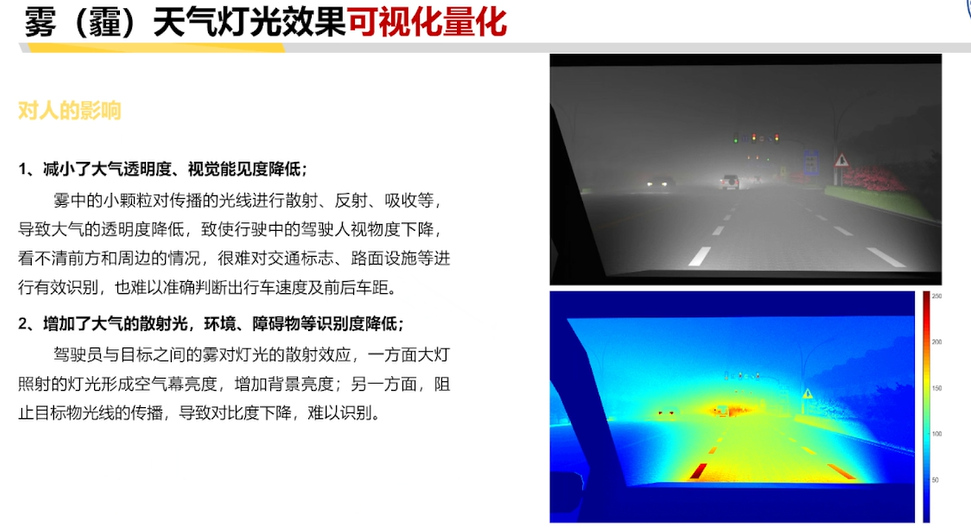
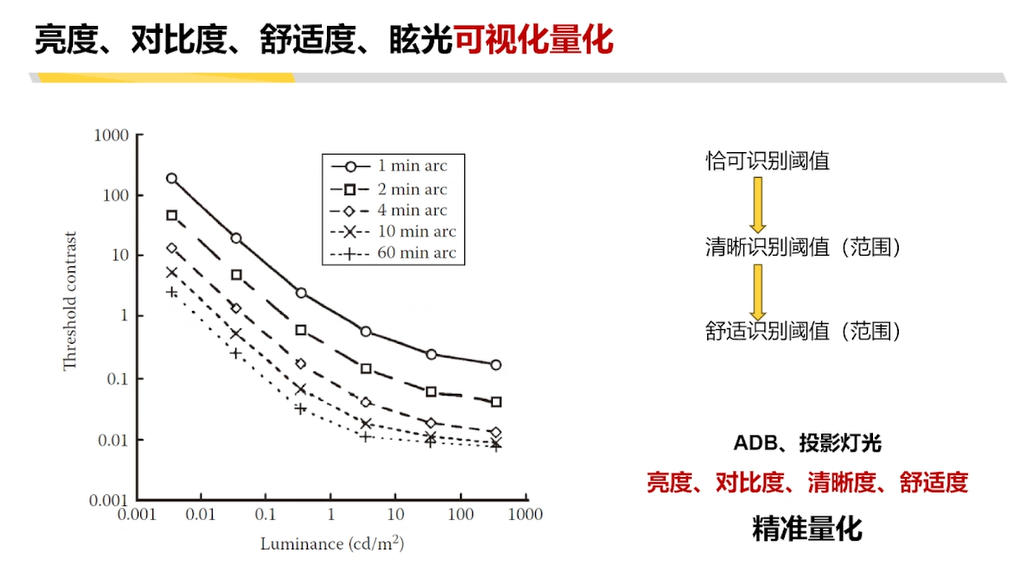
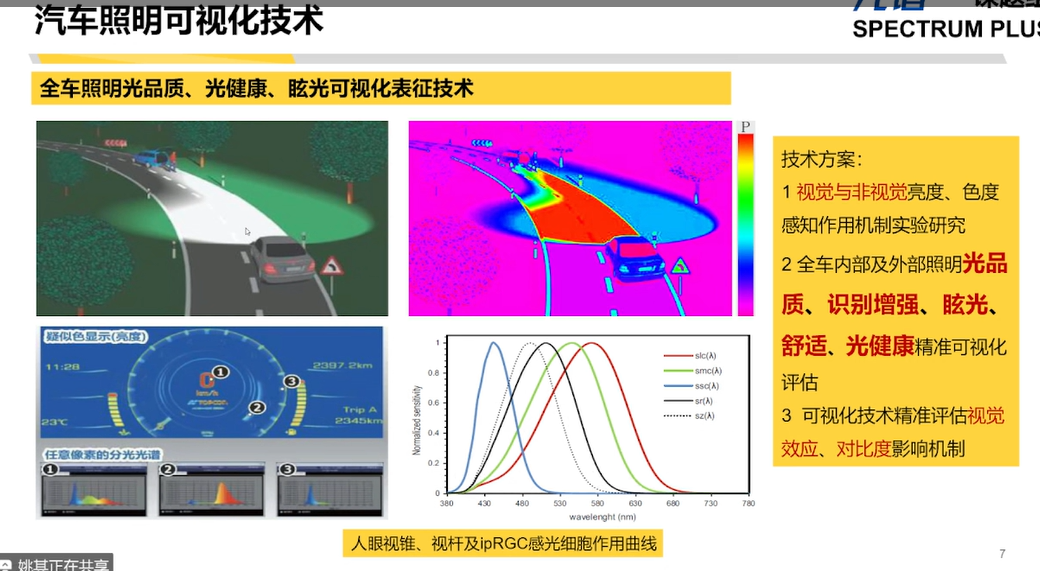
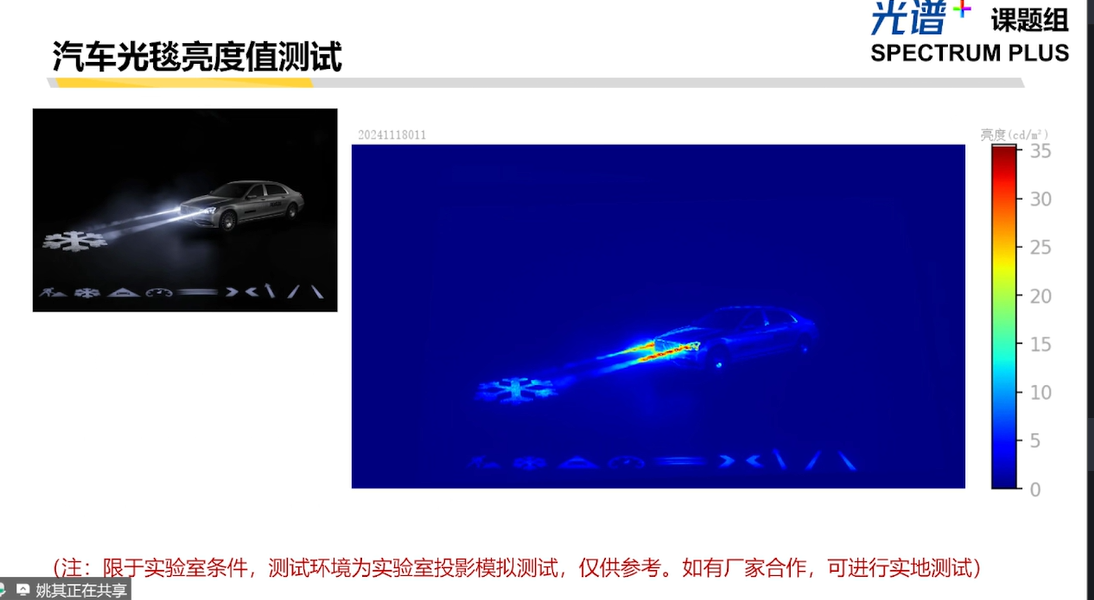
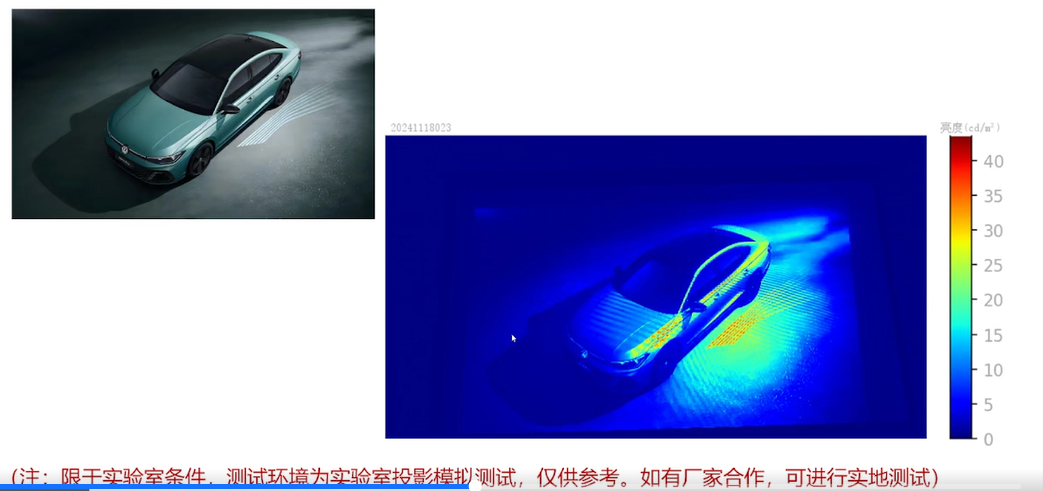
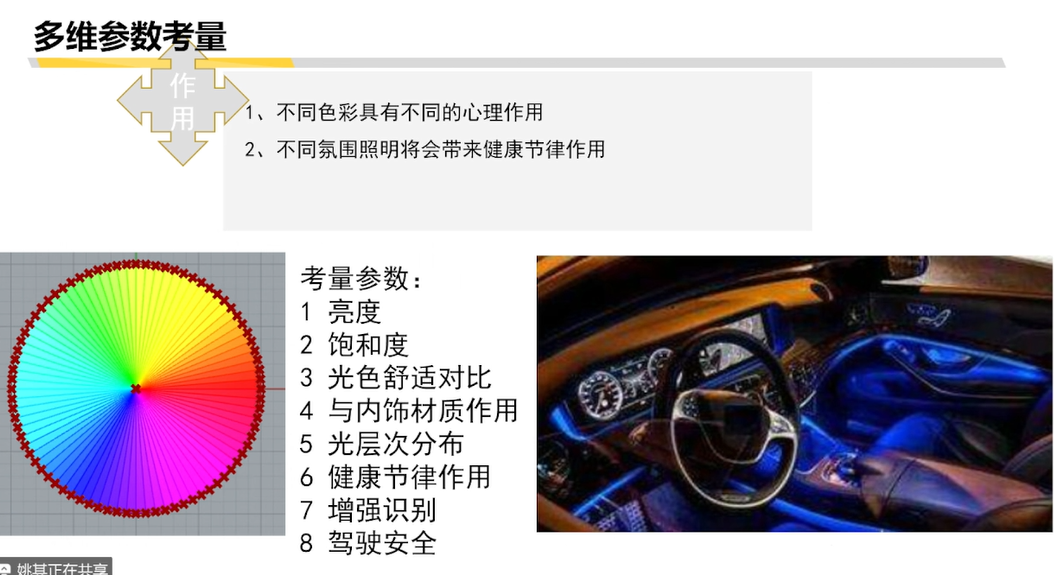
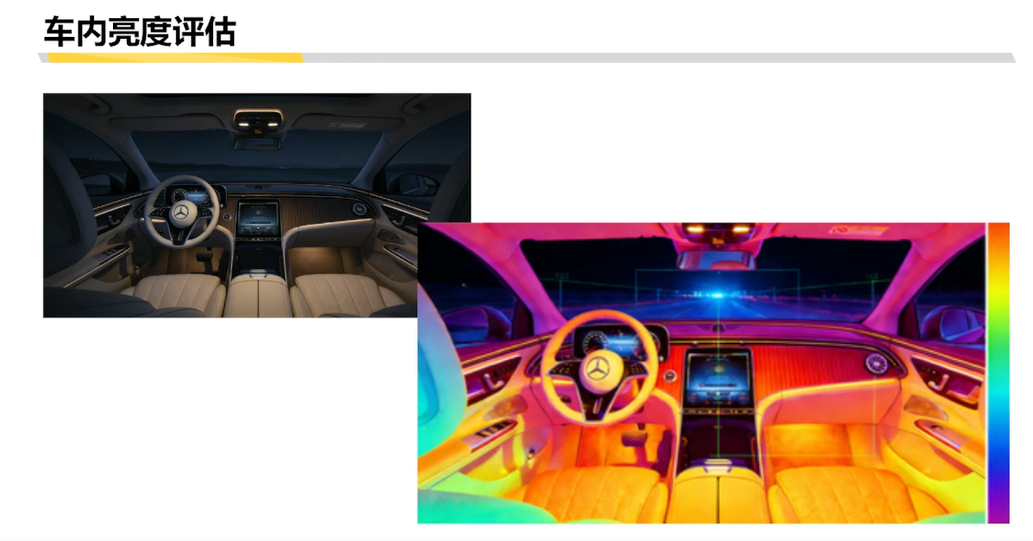
Prof. Yao Qi: Quantitative logic of Automotive lighting—— From Light Dose to Visualization Technology 1. Spectrum + Research Group: Decoding the 'Password' of Light Environments Beyond Lighting : Beyond conventional traditional lighting. Covering more cross-disciplinary fields such as light health, photobiology, and photomedicine. Core Insight: Light is like 'medicine'; it works only when the dose is correct. ●Visualization technology = The 'CT/Ultrasound' of the lighting environment : Using a luminance meter , invisible parameters such as luminance and contrast in the lighting environment are converted into visualized data, just like a hospital check-up: first 'diagnose', then 'prescribe'. ●Spectrum control = precise "dosing" : Adjust the light spectrum and distribution according to different scenario needs (e.g., driver alertness, passenger sleep aid), avoiding discomfort caused by "random dimming". Recommended reading: 2. The core contradiction of automotive lighting: Brightness does not equal quality; balance is key Professor Yao used a set of comparison charts to reveal the truth: →Fig. A: Lighting is too bright, road numbers are completely unreadable; →Fig. B: Clear markings, but pedestrian outlines are blurred; →Chart C: Balance between luminance and contrast, allowing clear target visibility without glare. 雾天透雾的误区:很多人认为黄光穿透性强,其实不然——所有光的穿透性差异不大,黄光效果好是因为光效更高,能在同等能耗下提供更清晰的视觉体验。 3. Key technical tools: Lightweight application of imaging luminance meters ◇Mobile Imaging Luminance Meter: Accuracy reaches 80%-95%, enabling rapid analysis of luminance, contrast, and other parameters in lighting environments, solving the pain points of traditional professional equipment being 'expensive, heavy, and complex'; ◇ Visualization Representation Technology: Converts lighting environment parameters into visualized data (similar to medical CT/ultrasound), achieving "precise diagnosis" of the lighting environment; ◇ Pixel-level projection control: Adjusts light direction via intelligent algorithms to avoid oncoming glare and enhance driving safety. 4. External Vehicle Lighting Application Scenarios ◇Glare control: Turn off lighting in the area of oncoming vehicles through pixel-level projection technology, controlling contrast (generally not exceeding 100:1); ◇Adverse weather optimization: Light penetration is independent of light color, but yellow light performs better in fog due to higher luminous efficacy; ◇Dynamic lighting adaptation: supports real-time luminance feedback and adjustment for dynamic scenarios such as ADB (Adaptive Driving Beam) and projected light carpets. Car light carpet luminance test 5. Improvement of interior lighting quality ◇Lighting environment design for the third space: In-vehicle luminance must be on the same order of magnitude as road lighting (not exceeding 10 cd/m² at night); avoid cross-order-of-magnitude differences (e.g., excessive brightness difference between reading lights and ambient lights). ◇Meeting differentiated needs: The driver area requires 'alert light' (specific wavelength to stimulate the pupil), while the passenger area can be adapted for 'sleep aid light' (low saturation, low luminance). ◇Core Principle: Maintain consistent luminance levels, avoiding cross-level differences between displays, ambient lights, and reading lights. In-vehicle Luminance Assessment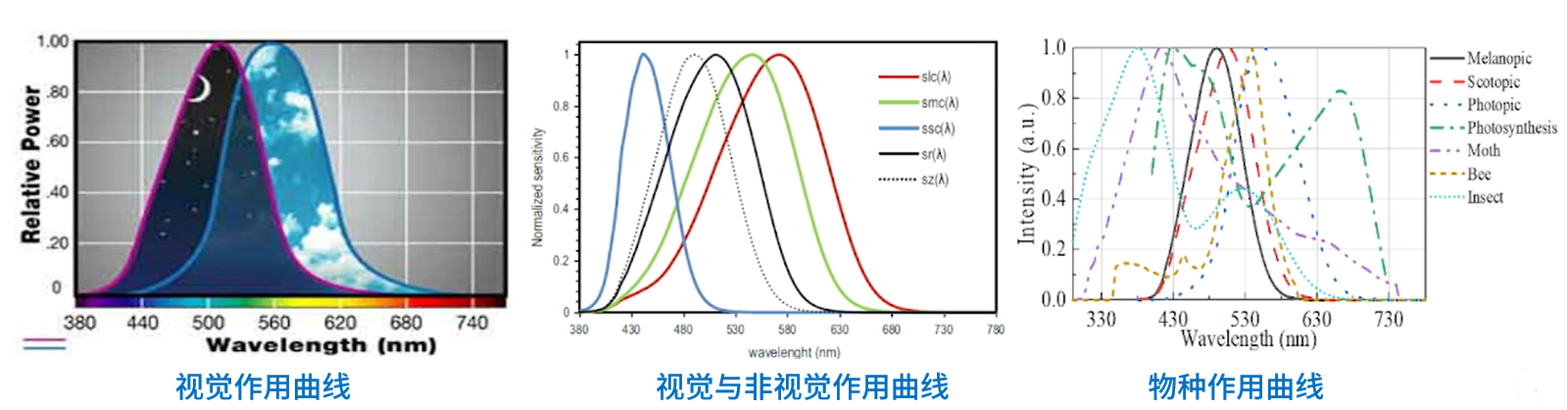
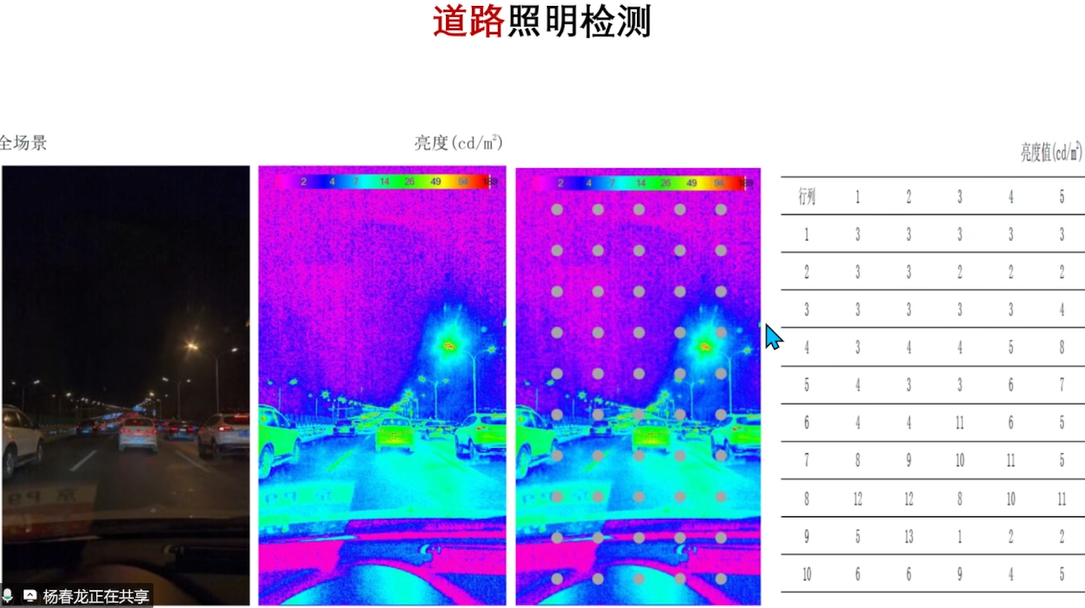
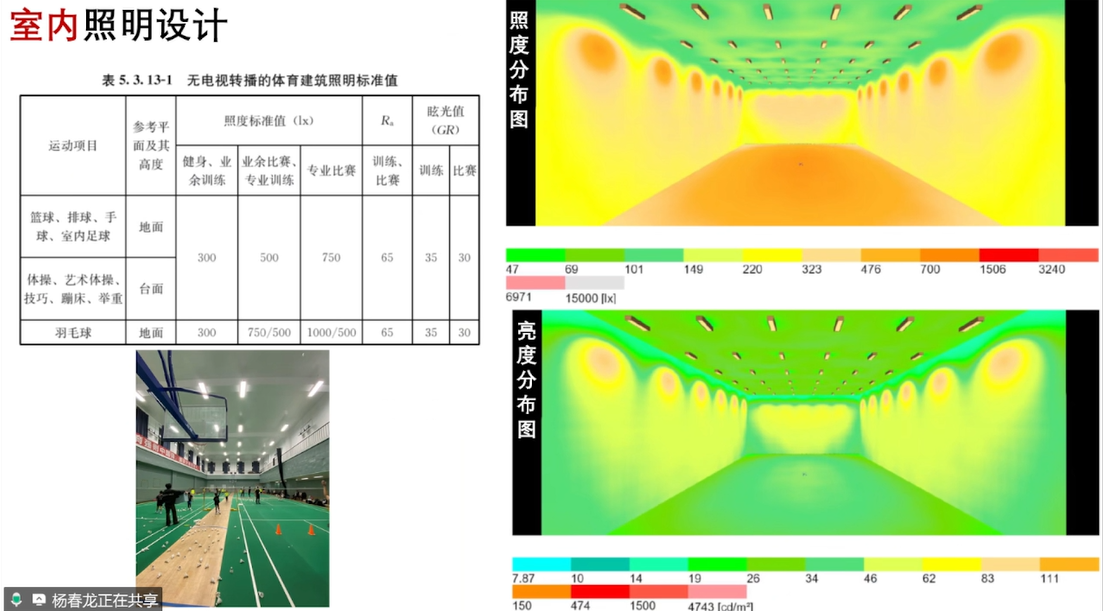
Teacher Yang Chunlong: Technology Implementation from an Industry Perspective — Standards and Testing Closed Loop As a first-class lighting designer, Teacher Yang Chunlong supplemented the key to technical implementation from the perspective of industry practice: 1. Digital detection: Making Luminance assessment "grounded" ◇ Traditional luminance detection relies on professional equipment and personnel, resulting in high costs and low efficiency; ◇ The imaging luminance meter achieves 'direct correspondence between human visual perception and data', enabling precise analysis of luminance contrast within the field of view and lowering detection thresholds. 2. Standard closed loop: the core guarantee of Healthy lighting ◇Road lighting: Existing luminance standards require integration with visualization technology to achieve a design-to-inspection closed loop; ◇ Indoor/vehicle lighting: Original brightness detection was rather cumbersome. Relevant standards focus mainly on illuminance requirements, with fewer specifications for luminance, because it is difficult to define due to different scenarios (such as dark/light walls), so there are indeed challenges in luminance design. However, software can assist designers in luminance distribution. With Professor Yao's tool, future indoor lighting standards can be quantitatively detected based on luminance. ◇Suggestion: Include Luminance in more industry standards to improve quality through widespread adoption of testing tools.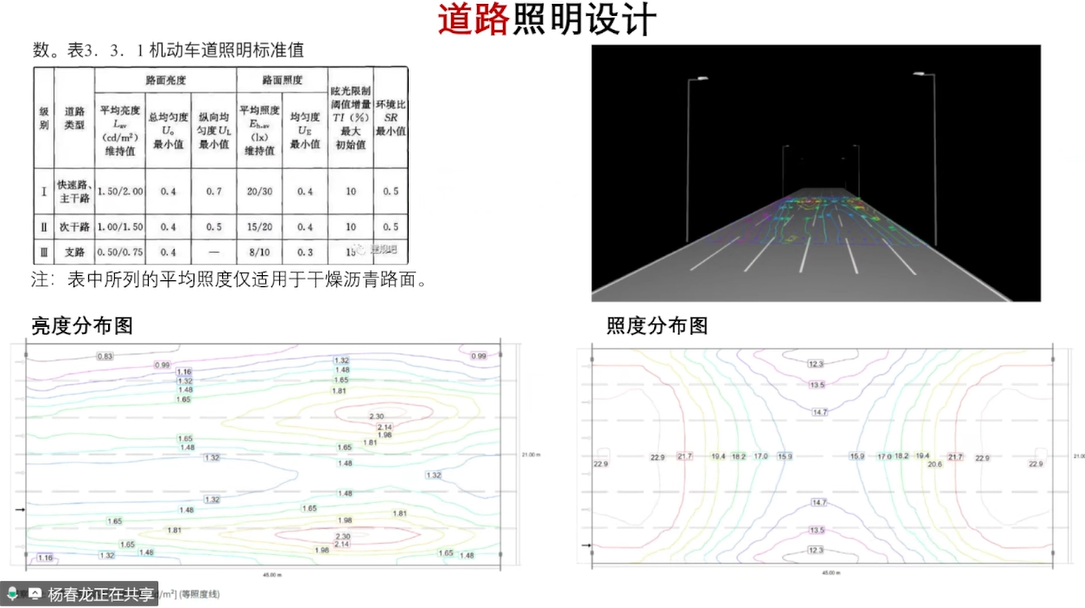
Interactive Q&A Interactive Q&A session: The two teachers answered everyone's questions one by one, full of valuable insights: 1. Car headlights are too bright and dazzling, how to solve it? Yao Qi: The root cause is the high contrast issue caused by manufacturers "competing on Luminance". Solution: ◇ Pixel-level projection technology: Intelligently turns off lighting in the area of oncoming vehicles; ◇ Control contrast: Glare threshold is generally 100:1; exceeding this may cause discomfort. 2. Can the accuracy of a handheld imaging luminance meter meet automotive lighting standards? Yao Qi: ◇ Accuracy 80%-95%: Suitable for scenarios such as designers' rapid assessment and vehicle owners' self-testing; ◇ Limitations: Professional testing (e.g., OEM factory acceptance) requires high-precision equipment; real-time feedback in dynamic scenarios (e.g., ADB) needs further optimization. ◇ Applicable scenarios: in-vehicle/outdoor lighting evaluation, nightscape lighting inspection, home light environment self-testing, etc. How to quantify comfort and health in vehicle ambient lighting? Yao Qi: ◇ Basic Principle: Maintain consistent luminance levels, avoiding large cross-level differences (e.g., excessive brightness difference between reading lights and ambient lights); ◇ Differentiated design: The driver area requires 'alerting light', while the passenger area can be adapted for 'sleep-inducing light'; ◇ Leading automotive manufacturer practice: Mercedes-Benz EQS achieves a comfortable lighting environment by controlling luminance levels. Yang Chunlong: ◇ Healthy lighting is a systematic engineering project that must integrate time (day/night), location (driver seat/rear seat), and population (driver/passenger); luminance detection is the key to the closed loop. 4. Are there any changes in the evaluation focus for Dynamic lighting (ADB/Projection Lighting)? Yao Qi: ◇ Core unchanged: balance of Luminance, contrast, and comfort; ◇ Adapts to dynamic scenes: A Luminance meter enables real-time feedback, working with pixel-level control to achieve precise adjustment that targets exactly where pointed.
Conclusion The future of automotive lighting is no longer about 'brighter is better', but achieving synergy through quantitative assessment technology for 'safety - health - comfort'. Professor Yao Qi's technical analysis and Teacher Yang Chunlong's industry implementation experience provide the sector with a complete reference from theory to practice.
END
Note: This content is organized from the recording of the theme sharing "Quantitative Evaluation of Automotive Lighting Effects Based on Environmental Characteristics" by Teacher Yao Qi and Teacher Yang Chunlong at Ming Classroom on December 30, 2025, published by Ming Classroom. Click "Read Original Article " to revisit this salon.