
Luminaire Conceals Drugs Again! Customs Seizes "Ice Lamp" Cases in Succession
Recently, two drug smuggling cases seized by customs have drawn widespread attention in the lighting industry—criminals actually concealed drugs inside luminaires and related cargo packaging, attempting to evade regulation using lighting products.
在广州白云机场口岸,海关关员在对一票转运快件进行监管时,机检图像显示异常。经拦截开箱查验,发现包裹内有一批型号相同的灯具。拆开灯具外壳后,关员发现内部夹藏着用黑色塑料袋层层包裹的白色晶体。
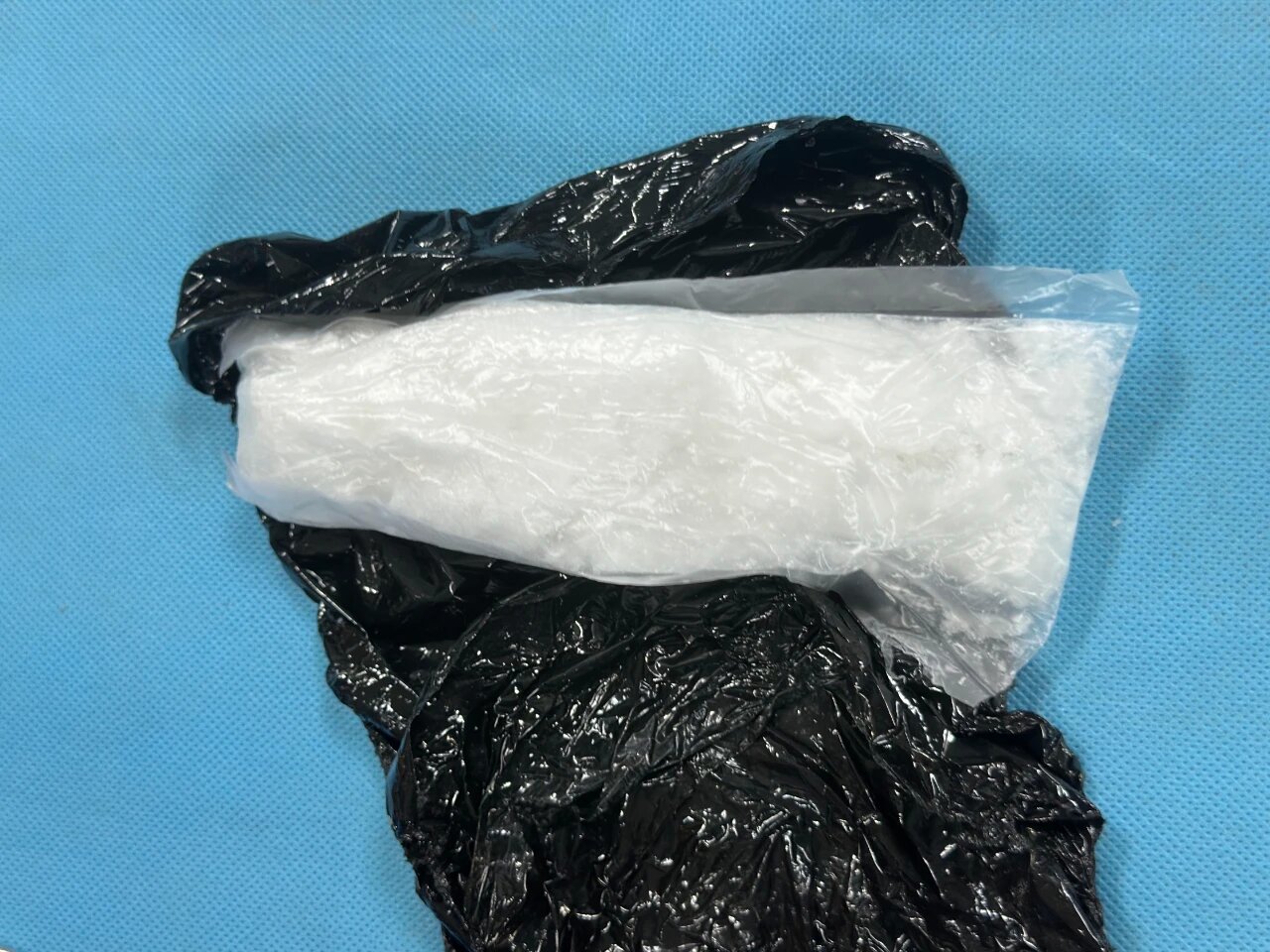
Source: Customs Release
Tested by a professional agency, the aforementioned white crystals contain methamphetamine, commonly known as "ice," with a total weight of 4,964 grams. Methamphetamine is a potent central nervous system stimulant with high addiction potential.
无独有偶,深圳湾海关在转运货物监管中也发现类似手法。关员查验一箱货物时,发现机检图像异常。开箱后,表层为3盒灯具作掩护,下方用纸张掩盖着2个白色塑料桶,桶内均装有可疑白色晶体。
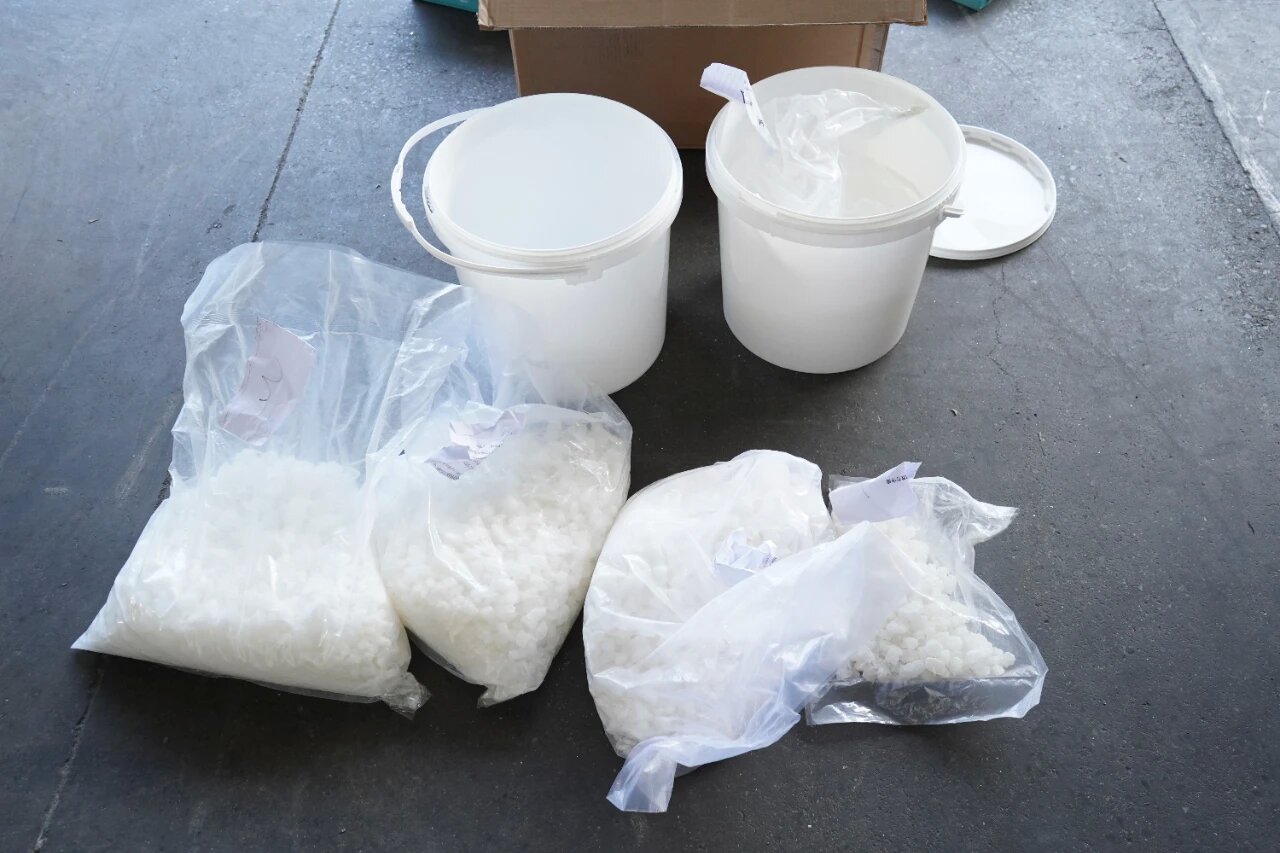
Source: Customs Release
Subsequent forensic analysis confirmed the presence of ketamine, commonly known as 'K-powder', in the batch of white crystals, with a gross weight of 21.2 kg. Ketamine is hallucinogenic and addictive; the case has been transferred to the Customs Anti-Smuggling Department for handling.
Drug traffickers exploit the special structure of luminaire as a cover to evade customs supervision. This technique not only increases the difficulty of inspection but also poses new challenges for the lighting industry.
The diverse structures of lighting products provide highly concealed physical spaces for drug trafficking. On one hand, hollow areas exist in parts such as the housing, base, and ballast installation cavity of luminaires (e.g., downlights, ceiling-mounted lights), which can be cut or modified to accommodate wrapped drugs. For instance, in a case handled by Guangzhou Customs, methamphetamine was hidden inside a luminaire housing, completely undetectable from the exterior prior to disassembly. On the other hand, luminaires often comprise multiple materials including glass, metal, and plastic; certain components (such as ballasts and heat sinks) have high density themselves, easily creating 'confusion interference' with the density signals of drugs during machine inspection, thereby increasing the difficulty of initial regulatory identification. In a Shenzhen Bay Customs case, the metal component signals of surface-level luminaires partially obscured the K-powder contained in a plastic bucket below, requiring officers to conduct further manual box inspections to detect the anomaly. These conditions may enable criminals to exploit luminaires as tools for hiding drugs.
As a vital component of international trade, the lighting industry must strengthen supply chain management, enhance its ability to identify suspicious orders, actively cooperate with customs supervision, and jointly build a strong anti-drug defense line. As a manufacturing enterprise, it should establish strict mechanisms for raw material procurement, product assembly, and finished goods outbound verification to ensure traceability of the production process for every batch, strictly preventing illegal actors from smuggling prohibited items during production.
Furthermore, lighting products involve numerous market entities from production to consumption, including manufacturing, warehousing, logistics, etc., so it is necessary to strengthen full-process supply chain control. For example, when logistics enterprises undertake the transportation of [[7: Luminaire]]-type goods, they must strictly implement cargo inspection systems, verify whether cargo information matches declared content, and promptly report any issues such as abnormal packaging or unclear declaration information. Additionally, cross-border e-commerce platforms must also perform relevant work to avoid becoming accomplices in illegal and criminal activities.
Customs authorities remind that, according to Article 347 of the Criminal Law of the People's Republic of China, smuggling, trafficking, transporting, or manufacturing drugs shall be held criminally liable and punished criminally, regardless of quantity.
Partial source: Customs release