
Breaking: Multiple lighting companies enter bankruptcy liquidation! Survival alarm sounds for SMEs
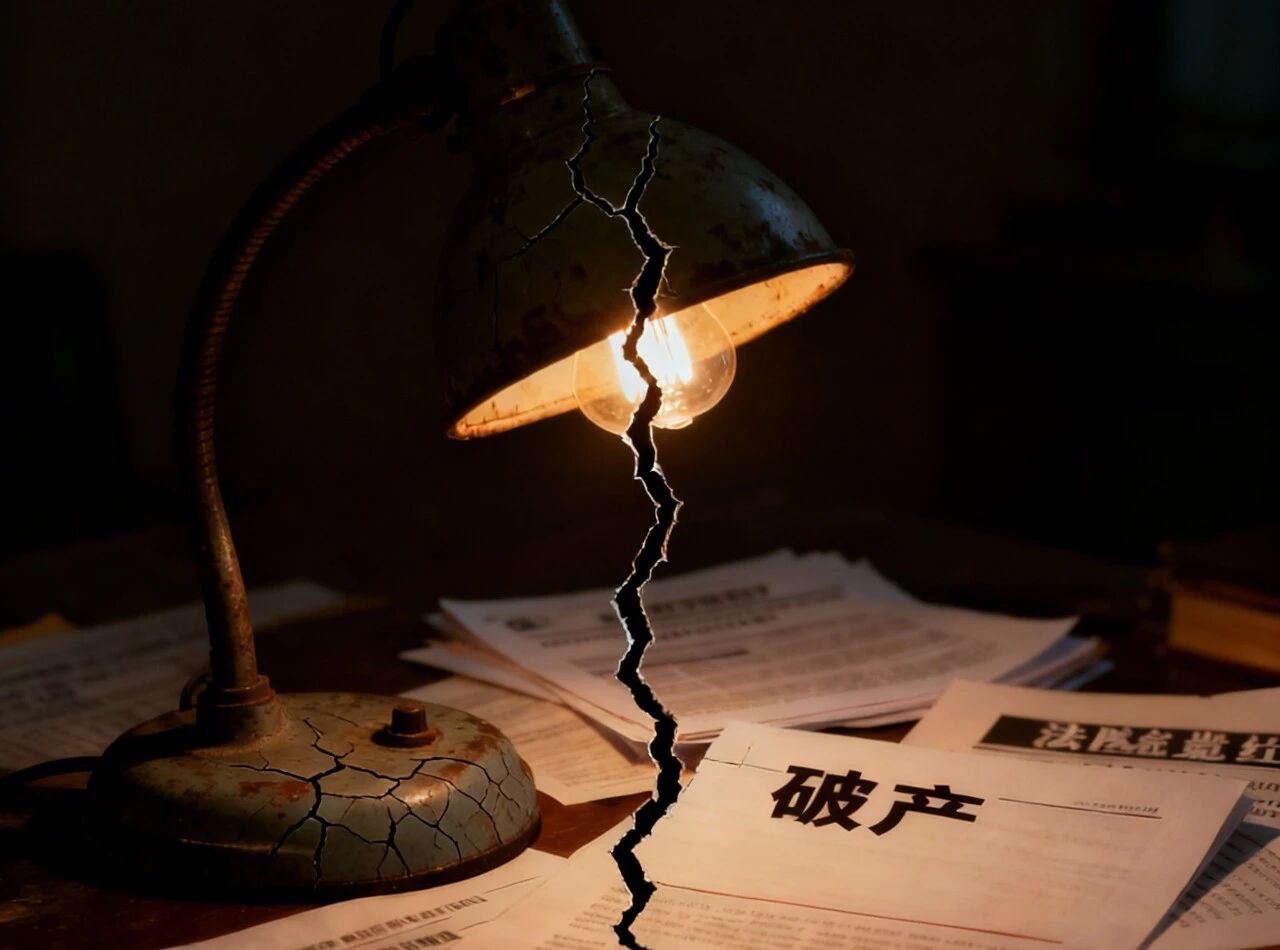
This series of events is not an isolated case, but a concentrated reflection of the deep reshuffling of the current lighting industry and the intensifying survival crisis of SMEs.
1
On November 11, a notice issued by the People's Court of Shangyu District, Shaoxing, marked the end of the bankruptcy of Shaoxing Shangyu Dadi Lighting Electrical Appliance Co., Ltd. (hereinafter referred to as "Dadi Lighting"), which was established in 2000.
The notice stated that on June 25, 2025, the court ruled to accept the bankruptcy liquidation case of Dadi Lighting. Investigations revealed that, according to the administrator's asset survey, as of October 22, 2025, Dadi Lighting had no assets available for debt repayment. The bankruptcy expenses incurred in the Dadi Lighting bankruptcy liquidation case totaled RMB 573.62, and the confirmed claim amount after the first creditors' meeting was RMB 7,569,639.94. Dadi Lighting's assets were insufficient to repay its debts, and its existing assets were not enough to cover the aforementioned incurred bankruptcy expenses, nor were there any assets available for distribution.
Therefore, the court held that the debtor, Shaoxing Shangyu Dadi Lighting Electrical Appliance Co., Ltd., was insolvent, and its existing assets were insufficient to cover the bankruptcy expenses, meeting the conditions for declaring bankruptcy and terminating the bankruptcy proceedings.
According to records, Dadi Lighting was established on October 16, 2000, with a registered capital of RMB 5 million. The company's business scope included: assembly of energy-saving lamps; manufacturing, assembly, and sales of luminaires and other lighting electrical appliances (excluding lamp tubes), decorative lighting, electrical equipment, and household appliances; import and export trade (excluding items prohibited by laws and regulations, with restricted items subject to licensing), etc.
From the assembly of energy-saving lamps to import and export trade, this long-established enterprise, which covered the entire industry chain, ultimately failed to withstand the wave of industry reshuffling.
2
The Intermediate People's Court of Shenzhen, Guangdong also issued an announcement stating that on November 28, 2023, the court ruled to accept the bankruptcy liquidation case of Shenzhen Saide Lighting Co., Ltd. (hereinafter referred to as "Saide Lighting"). Based on the administrator's investigation into existing assets and liabilities, it was determined that the company is unable to repay debts due, and its assets are insufficient to settle all debts.
In accordance with legal provisions, the court ruled on November 7, 2025, to declare Saide Lighting bankrupt.
According to available information, Saide Lighting was established on February 26, 2020, with a registered capital of 2 million yuan. The company's business scope includes: general business items such as R&D and sales of LED lighting products; R&D and sales of energy-saving and environmental protection materials; domestic trade; import and export business; sales of daily masks; sales of medical masks; sales of protective supplies for medical staff; sales of labor protection supplies, etc.
Judging from its business scope, this emerging enterprise, which had only been established for a short time, may have attempted to break through by deploying both LED lighting and epidemic prevention material sales, trying to seize market opportunities, but ultimately ended in a hasty manner.
3
More shocking than the bankruptcy of ordinary enterprises is that high-tech companies with industry influence are also陷入 in restructuring difficulties.
Reports indicate that Guangdong Kales Optoelectronics Technology Co., Ltd. (hereinafter referred to as "Kales Company") and Guangdong Yuncontrol Lighting Information Technology Co., Ltd. (hereinafter referred to as "Yuncontrol Company") are undergoing bankruptcy reorganization proceedings.
It is reported that the two companies are affiliated, with Kales Company responsible for production and Yuncontrol Company responsible for sales.
Kales Company was once an enterprise producing high-tech products, a small and medium-sized technology-based enterprise, a high-tech enterprise, and an enterprise with famous and excellent high-tech products. Yuncontrol Company is also a high-tech enterprise and a small and medium-sized technology-based enterprise. Both companies have participated in the drafting of standards and have gained a certain reputation in the industry.
For many years, the two companies have focused on the R&D, production, and application of mid-to-high-end indoor lighting, outdoor lighting, light source electrical appliances, and cloud lighting control products, achieving comprehensive lighting technology and applications for urban beautification projects, road lighting projects, office lighting projects, school educational lighting projects, hospital lighting projects, factory lighting projects, hotel lighting projects, and other full-scenario lighting solutions.
By the end of 2020, affected by the pandemic, both companies suffered a cash flow rupture, leading to suspension of production and operations. This cruelly revealed a reality: in the current market environment, technology alone is insufficient to resist risks; capital, management, and risk resistance capabilities are all indispensable.
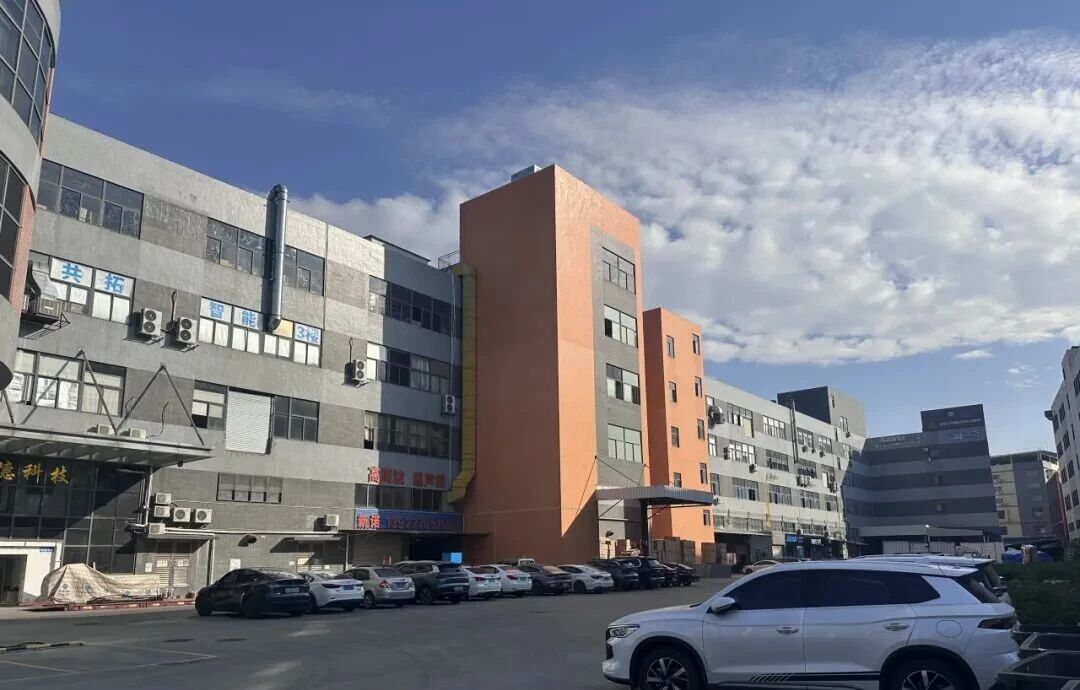
Meanwhile, the administrator of the case (Guangdong Rijin Law Firm) also issued a public announcement recruiting restructuring investors, hoping that restructuring investors would revitalize the assets. It is reported that the real estate owned by Kailesi Company, located at Lianchong Second Road, Chonghe Village Committee, Leliu Street, Shunde District, Foshan City, Guangdong, has a land area of 14,792.81㎡ (about 22 mu), with a self-built 7-story steel-concrete structure building on it, with a construction area of 30,469.30㎡.
The collapse of these enterprises jointly points to the severe survival challenges currently faced by SMEs:
◆ Red ocean of costs and prices:Raw material and labor costs continue to rise, while severe product homogenization leads to fierce price wars, squeezing profit margins to the extreme.
◆ The gap between technology and demand: The industry is upgrading towards intelligent and personalized solutions. Many SMEs still cling to traditional lighting products, with insufficient R&D investment, failing to keep up with the market's new demands for "light health" and "light environment," ultimately leading to their elimination. Meanwhile, demand for lighting products is shrinking, causing a sharp decline in orders for SMEs relying on a single sales channel; intensifying international trade barriers are accelerating the shift of orders to Southeast Asia, further squeezing the survival space for domestic SMEs.
◆ The lifeline of cash flow: The macroeconomic environment and intensified market competition have led to extended payment cycles and financing difficulties. Once the capital chain breaks, even "top students" in technology like Kaisi cannot escape bankruptcy.
In 2025, news of bankruptcies continues to emerge. Data shows that, as of now, more than 70 companies in China's lighting industry have entered bankruptcy liquidation procedures, especially SMEs lacking core competitiveness are being acceleratedly cleared out. Behind these cases lies the collective pain of the entire industry, marking that the lighting industry has entered the second half of deep adjustment and value reconstruction. For all enterprises, this is not only a cruel test of survival but also a clarion call for transformation and innovation.
China Light
The official website of the China Association of Lighting Industry and a full-media platform for the lighting sector. We provide authoritative and timely lighting information while striving to be a growth partner for businesses. From brand promotion and channel expansion to consulting, talent training and participation in standards development, we provide comprehensive professional services to help businesses improve quality and efficiency and jointly advance the high-quality development of the lighting industry.
Business Contacts
仇纯 (Ms.): 158 6155 3579
顾君 (Mr.): 137 7157 5253