Find the direction! The 2025 China Lighting Industry Conference explores new paths for high-quality development together
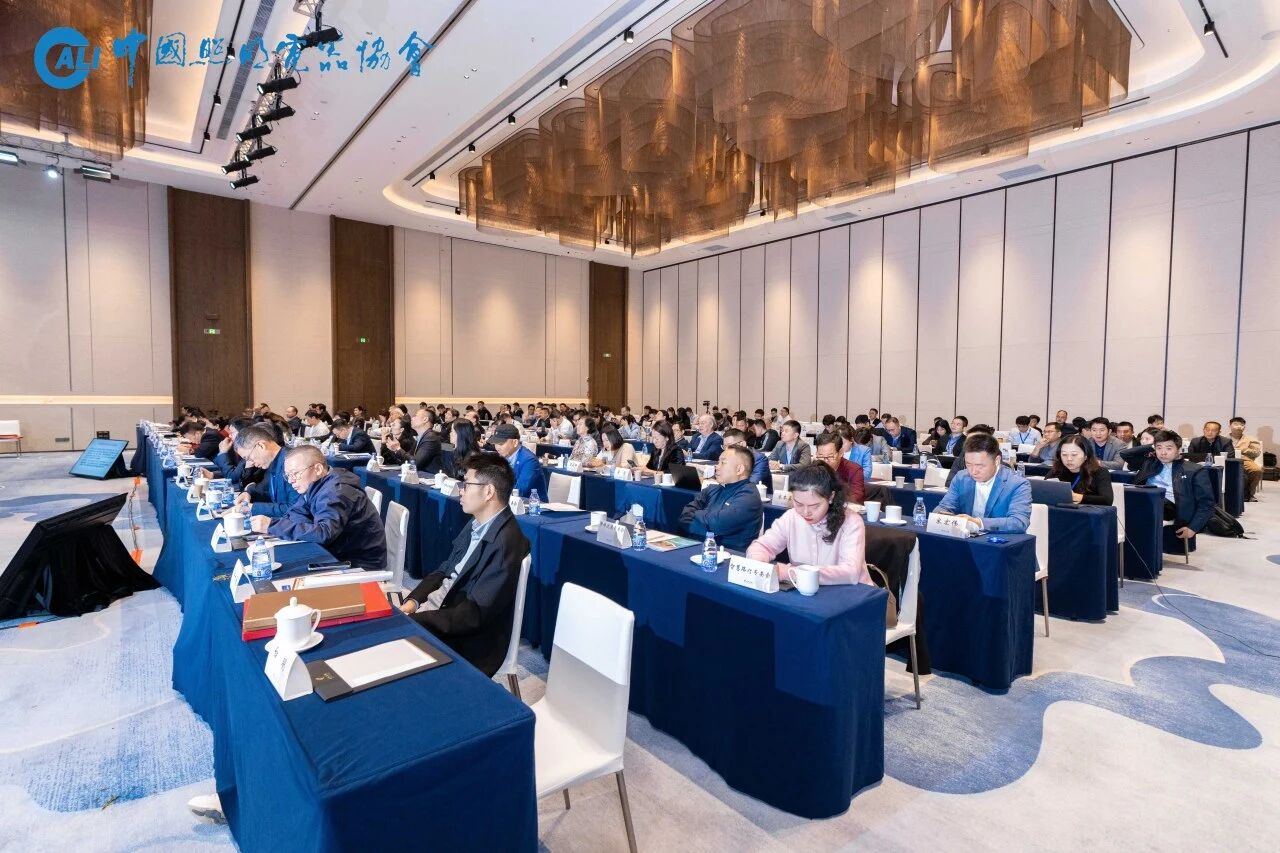
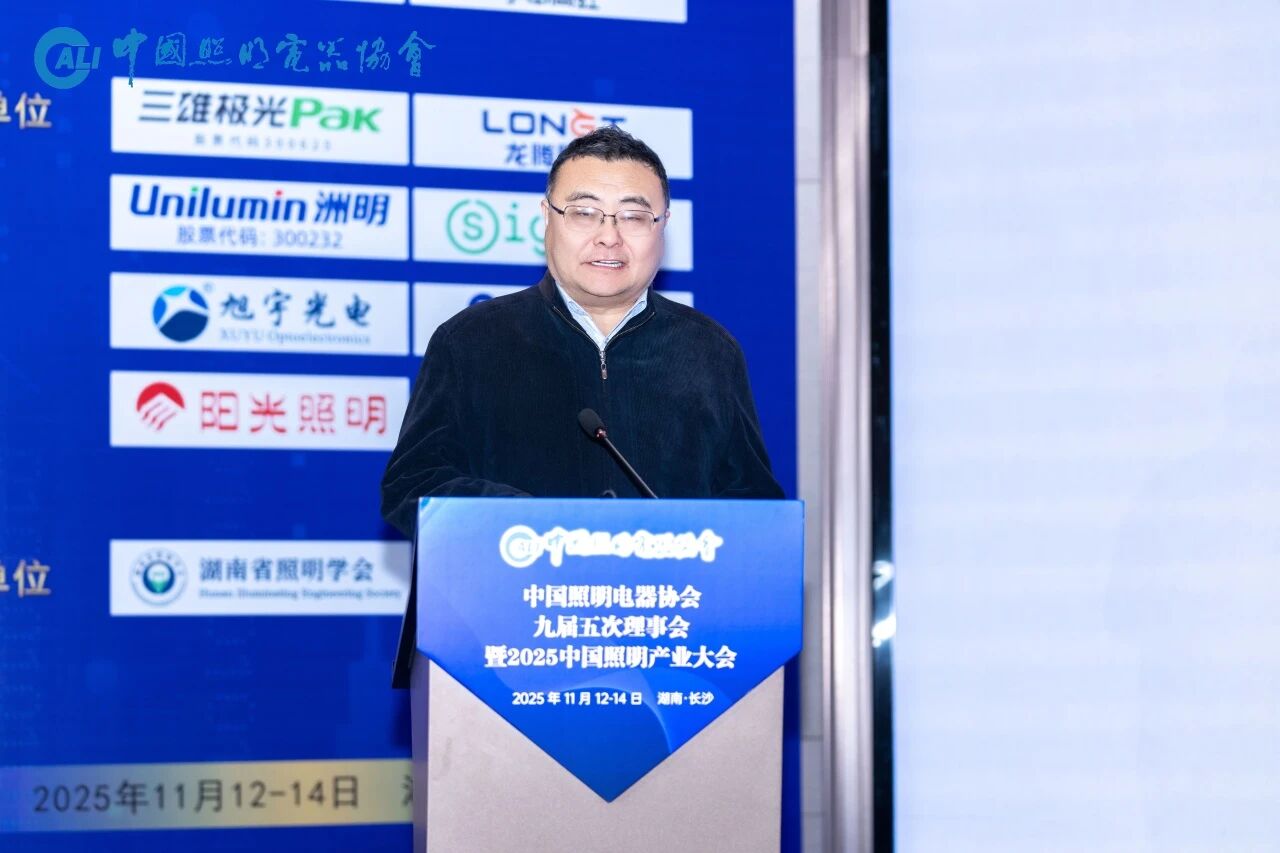
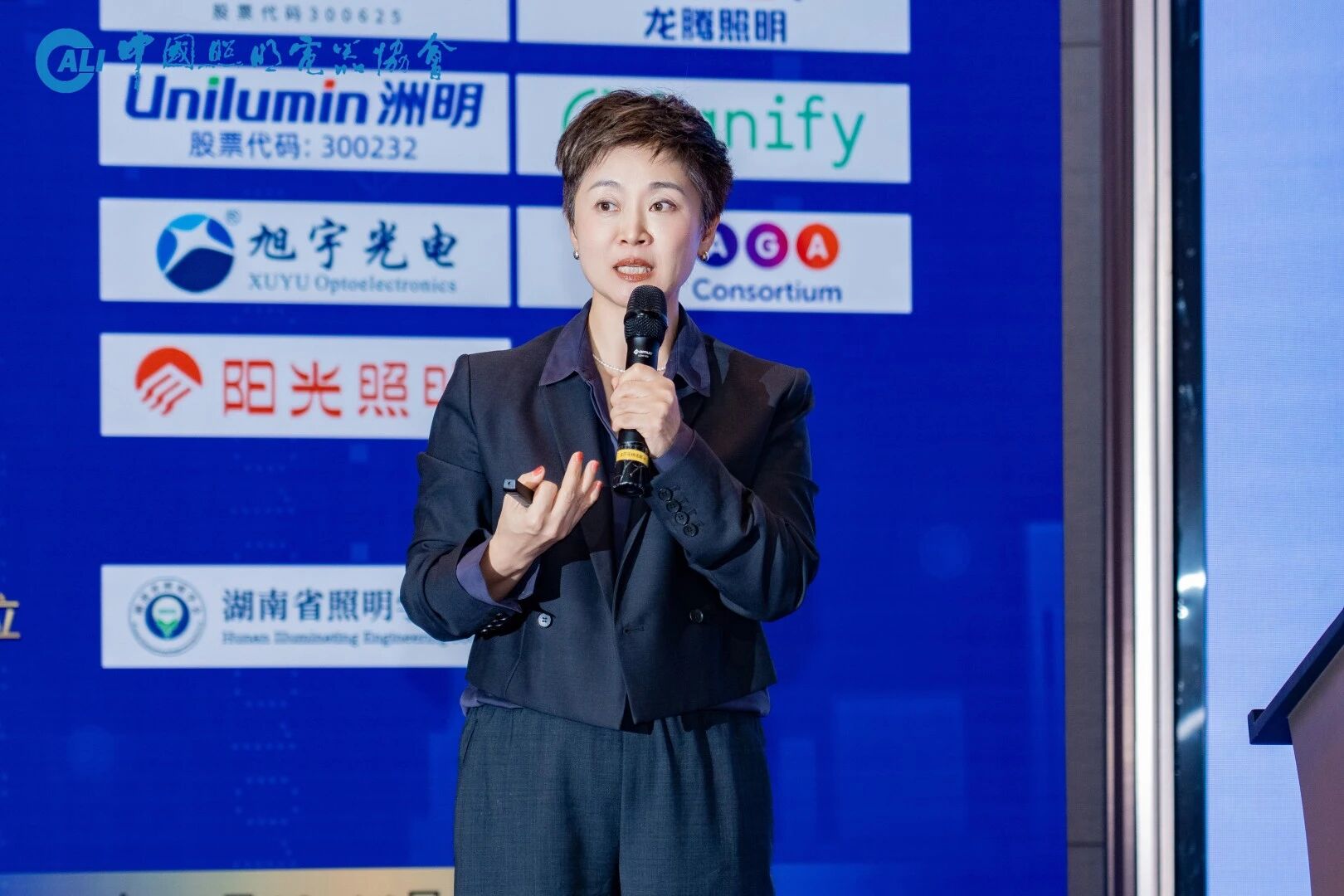
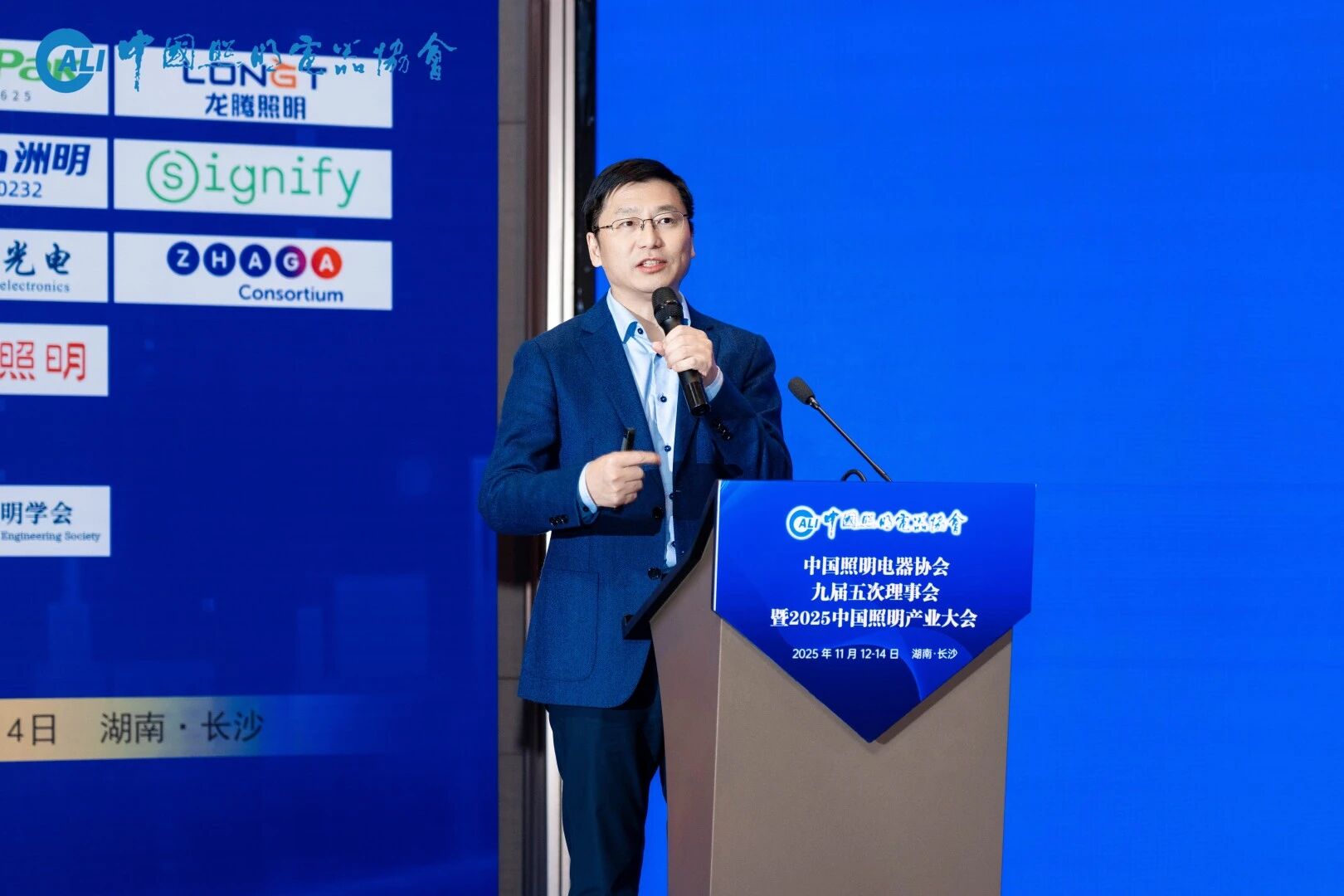
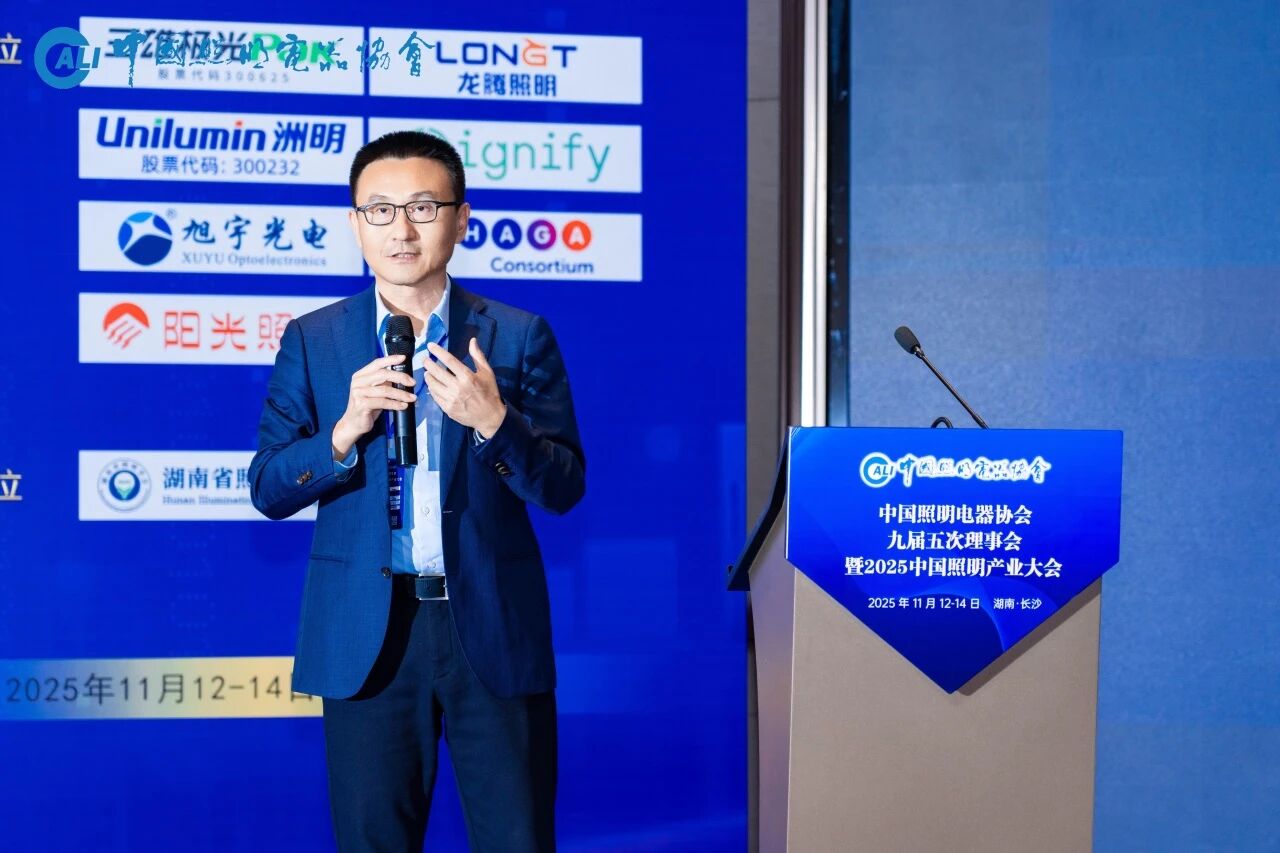
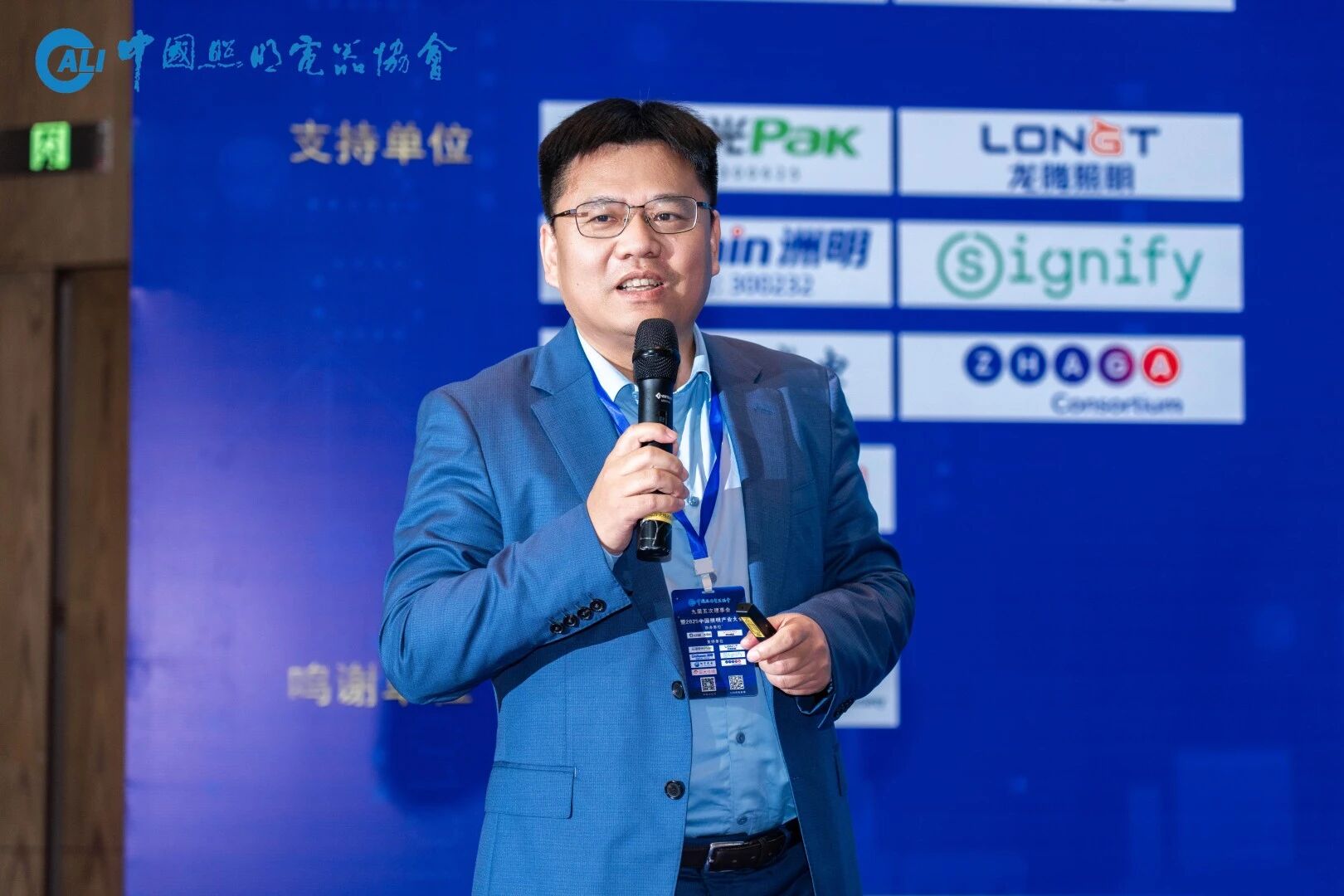
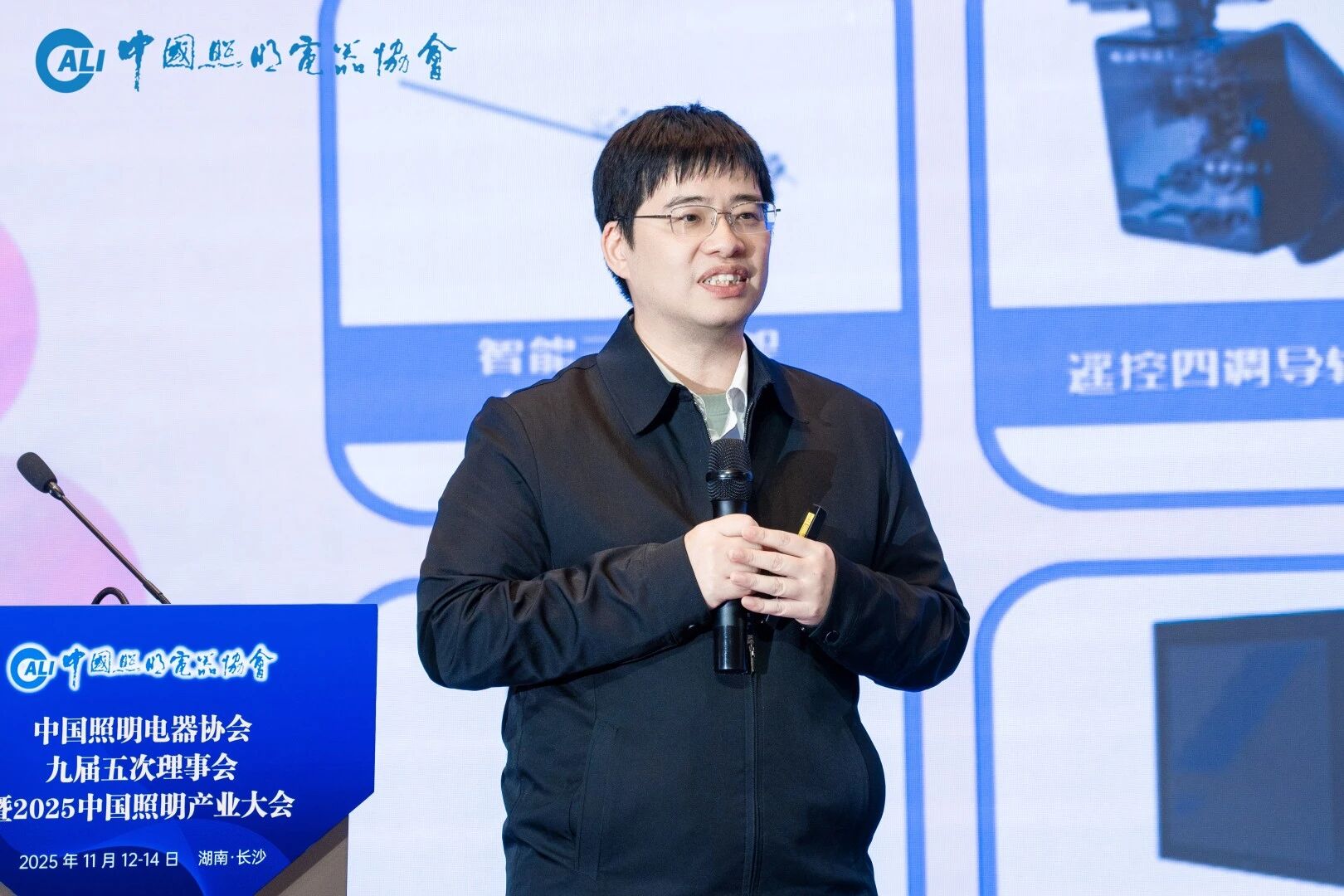
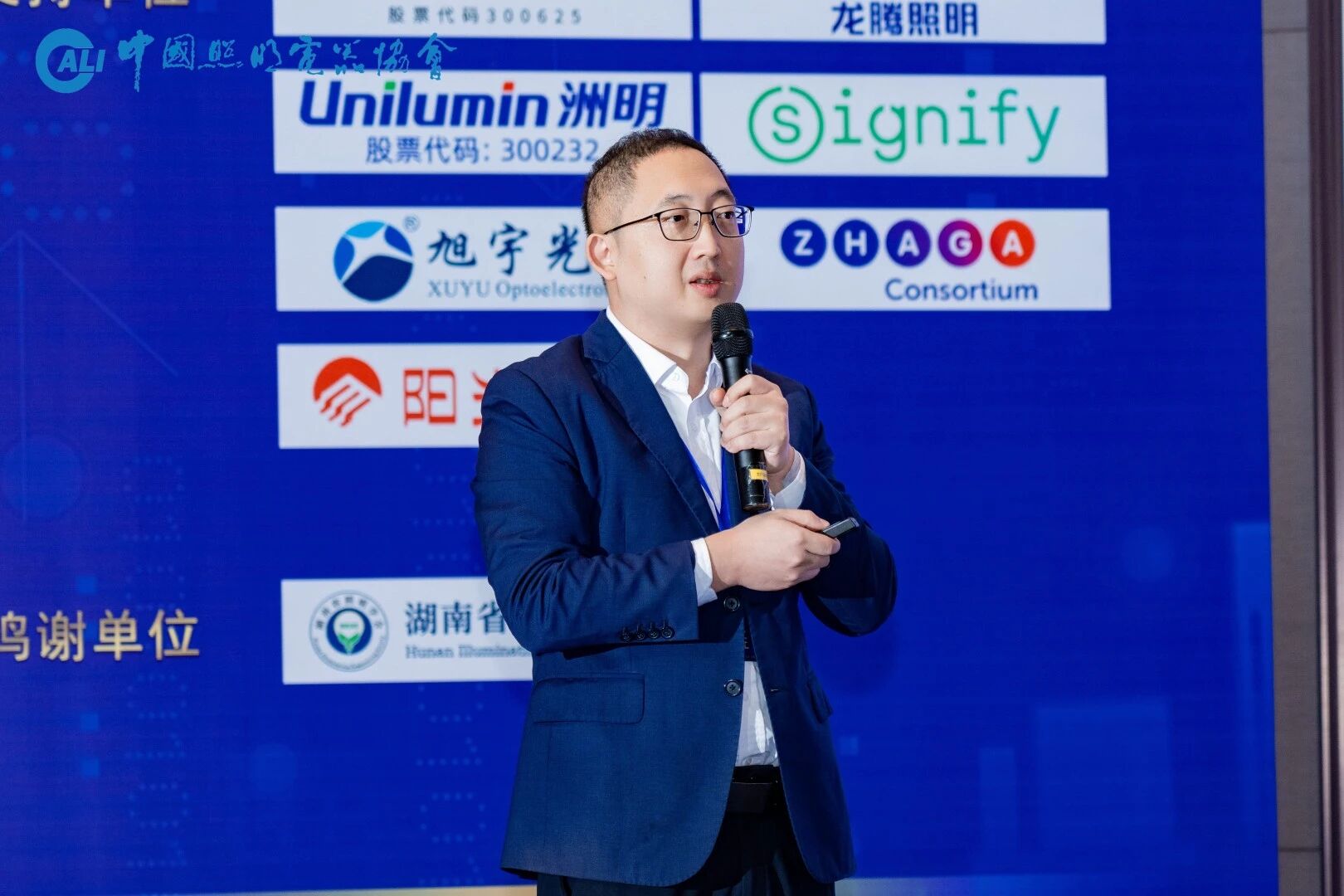
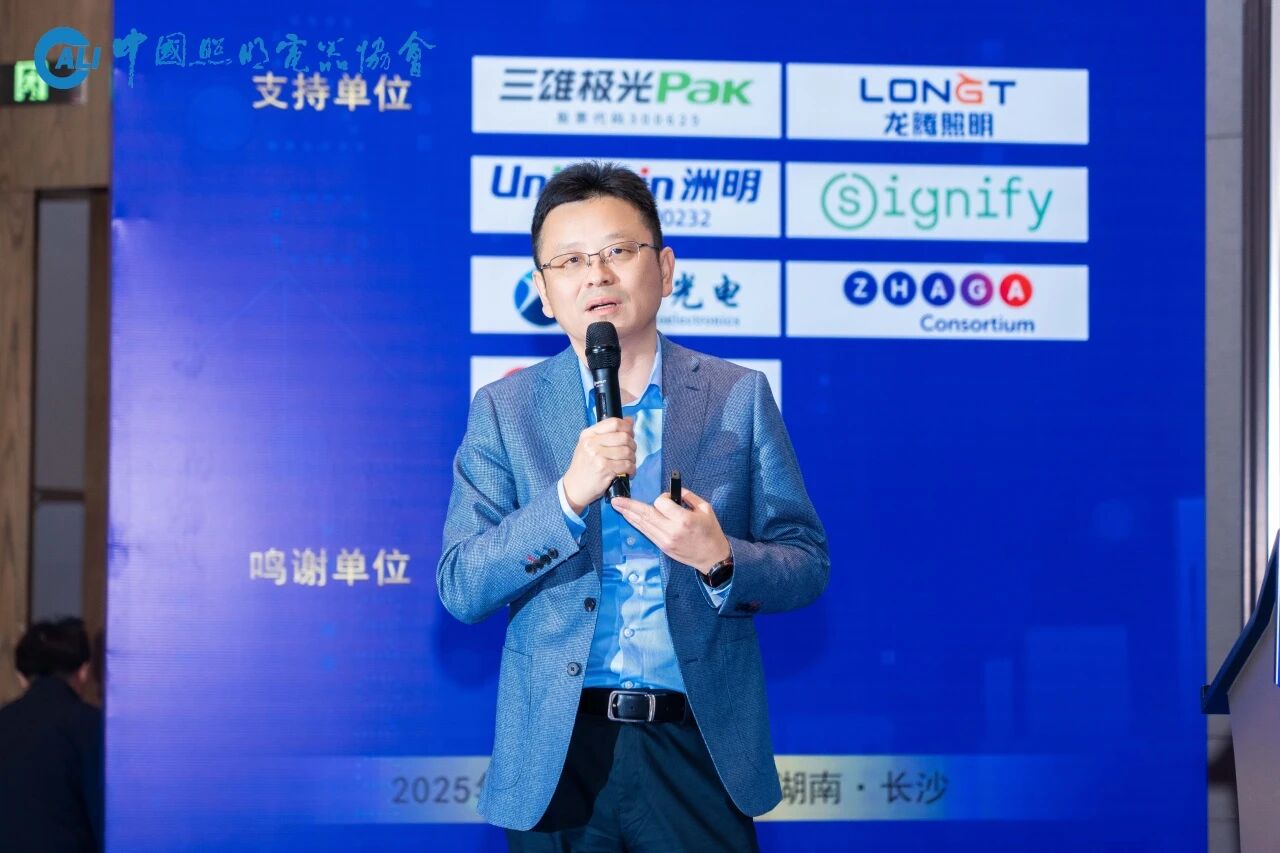
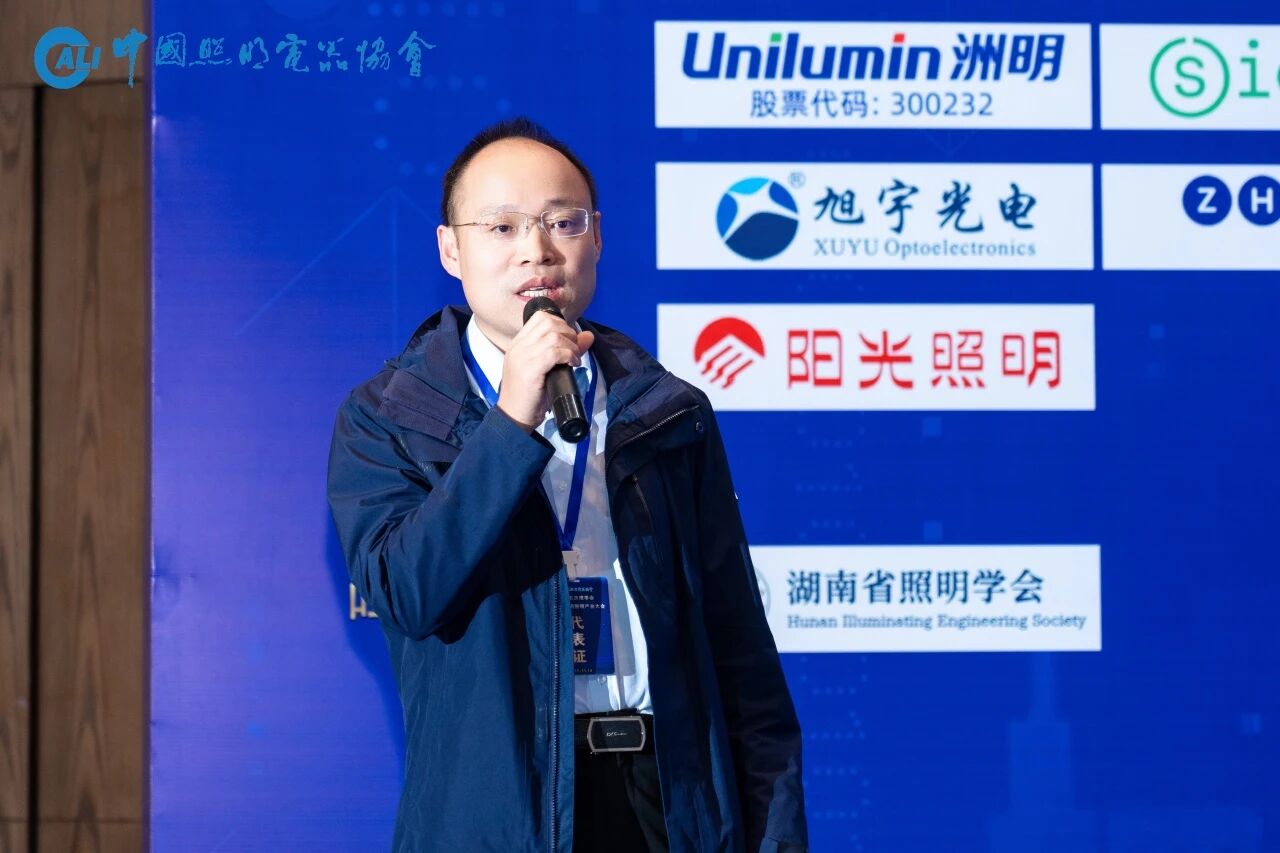
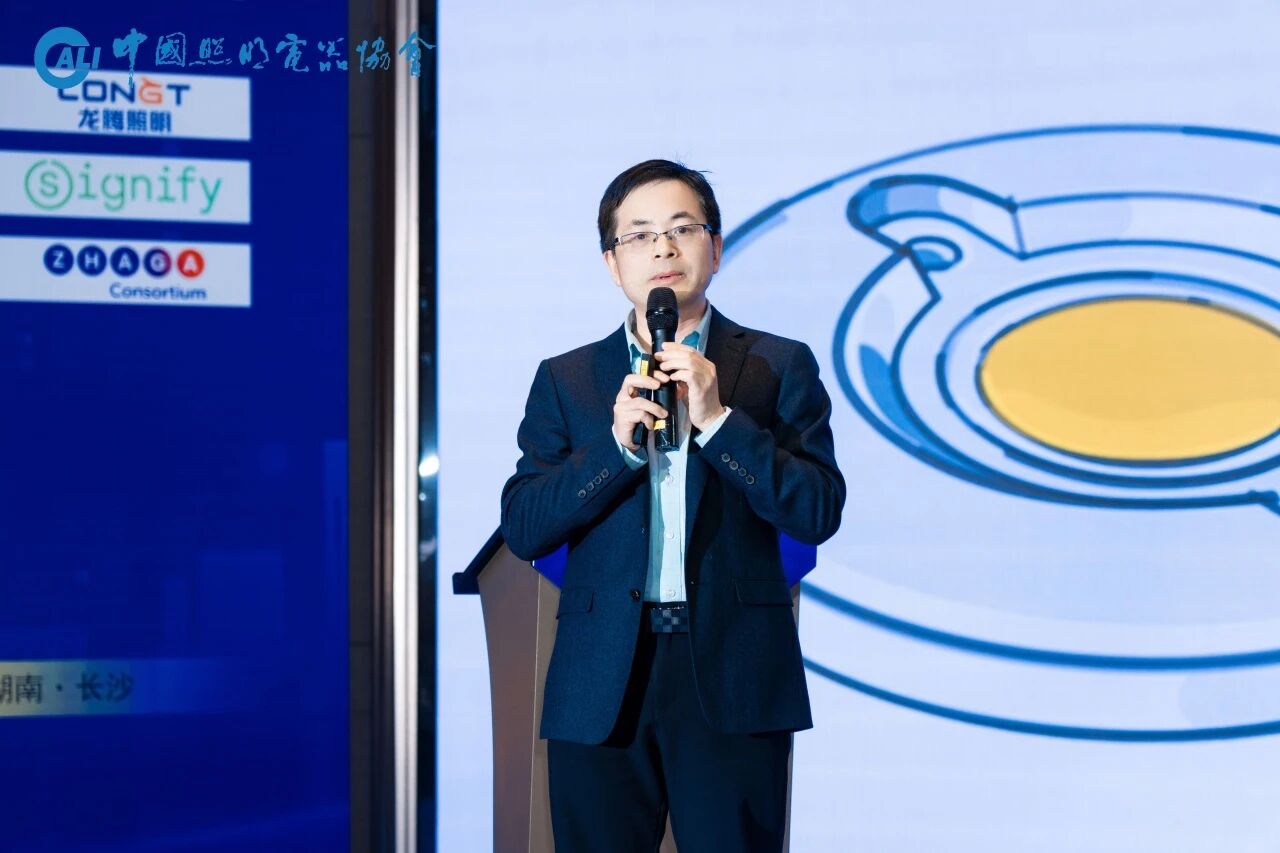
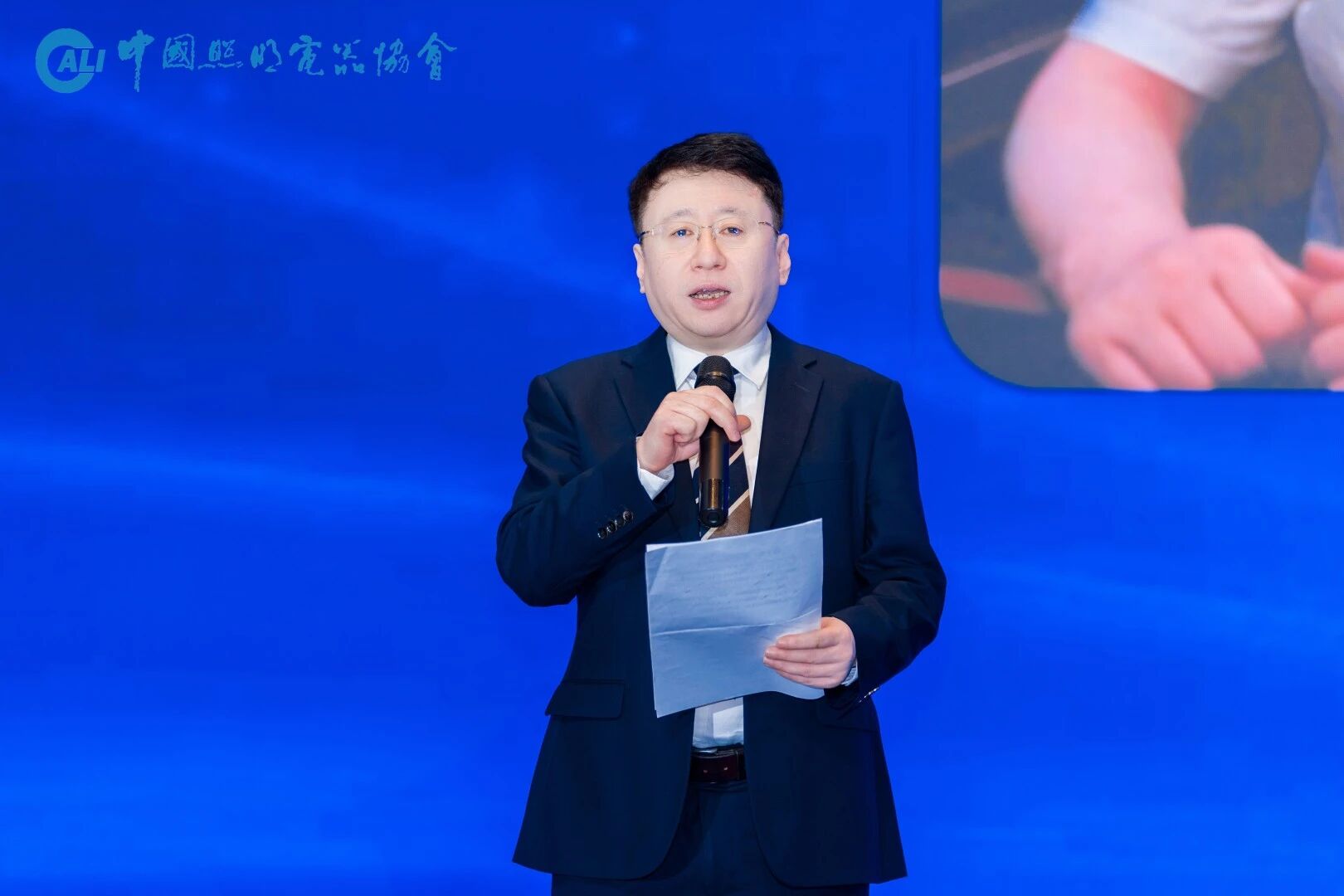
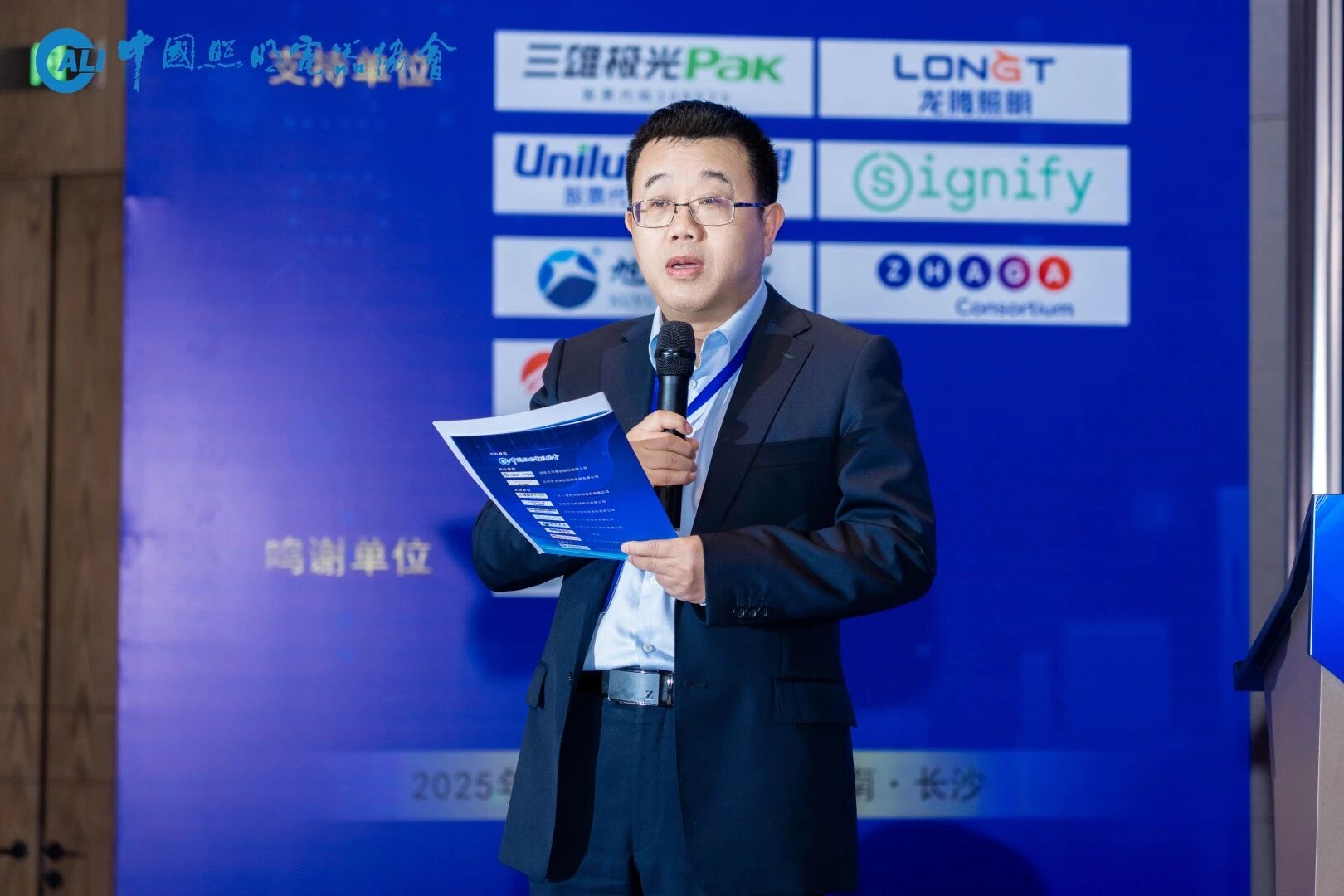
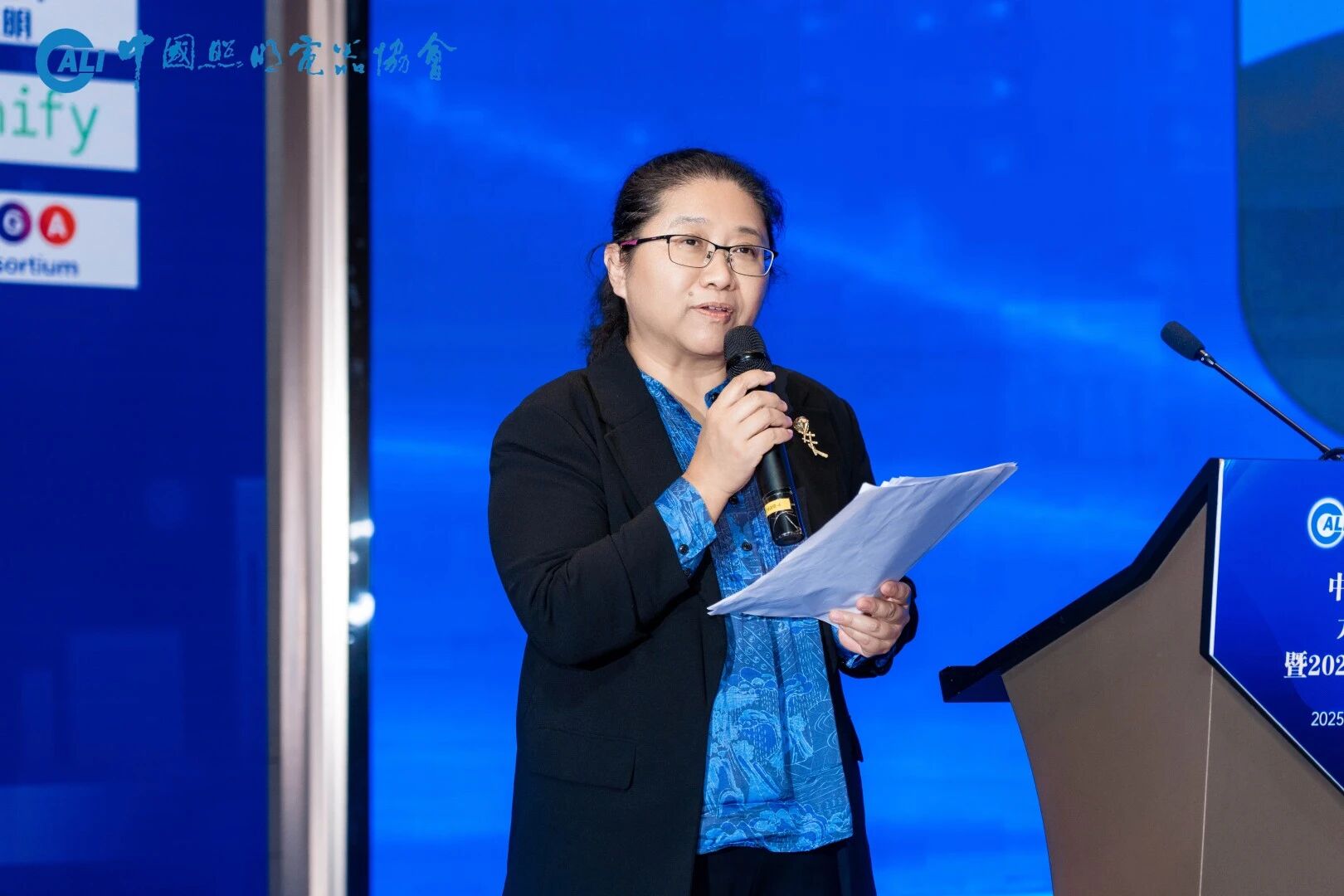
The 2025 China Lighting Industry Conference was held in Changsha on November 13. The conference, themed "Light Leading a New Journey, Quality Guiding the Future," featured in-depth sharing on industry hotspots including analysis of domestic and foreign markets, cross-border integration of lighting technologies, intelligence and health-oriented development, and green sustainable development. It analyzed and assessed current industry trends and pointed the way for high-quality industry development. 01 Domestic and international market construction: Seize the transformation opportunities under the changing landscape The current lighting industry faces pressure in both domestic and international markets. Exports have declined due to tariff barriers and competition, while domestic sales growth has slowed amid a weak real estate sector. However, leveraging the advantages of the entire industry / supply chain and seizing policy opportunities to focus on high-end diversification still offers room for transformation. Ministry of Commerce Institute of International Trade and Economic Cooperation Member of the Academic Committee, Level II Researcher Bai Ming Regarding the foreign trade market, Bai Ming, a researcher at the Academy of International Trade and Economic Cooperation under the Ministry of Commerce, pointed out that China's economy grew by 5.2% in the first three quarters this year. Imports and exports have become a key support for stable growth, but challenges such as weak global trade growth and trade protectionism have become prominent. Although phased results were achieved in the US-China tariff friction, the lighting industry still faces pressure from叠加 tariffs and non-tariff barriers. In terms of the domestic market, the lighting industry has been affected by the downturn in real estate and weak domestic and foreign demand, with sales and exports declining by 8% and 6% respectively in the first three quarters, resulting in significant inventory pressure. Partial tariff exemptions for luminaires in the US, advantages across the entire industry supply chain, and policies promoting integration of domestic and foreign trade provide space for transformation. Enterprises can focus on high-end upgrades, deepen their development of high value-added products, and explore new development paths through market diversification and differentiated competition. 国内市场方面,当前照明行业处于深度调整期,阳光照明、三雄极光、龙腾照明等企业聚焦城市更新、智慧园区等存量改造场景,从 “照亮” 的实体化参数,转向光健康等无形感知化价值挖掘,契合养老、大健康等新场景需求,推出定制化解决方案。而城市更新与道路照明作为城市基础设施的重要组成,正从 “增量扩张” 转向 “存量提质”,兼顾功能需求与文旅价值。 Zhejiang University Architectural Design and Research Institute Co., Ltd. Director of the Lighting Environment Department Wang Xiaodong 浙江大学建筑设计研究院光环境所所长王小冬提出,夜景照明已成为城市更新的 “低成本高杠杆工具”,60%的城市文旅记忆来源于夜间体验。她以舟山十年陪伴式设计为例,通过分阶段打造滨海岸线、主干道、跨海大桥等照明场景,构建 16 公里夜航游船环线,实现建筑照明与自然景观的和谐共生,带动当地文旅消费人次与商家营收大幅增长。其核心逻辑在于坚持 “文化为魂、技术为骨、运营为王”,结合本地特色,运用低碳、智慧技术,推动夜景照明从政府主导转向多元共治,实现城市品牌与文旅经济双增长。 Longteng Lighting Group Co., Ltd. General Manager Gong Yong Guan Yong, General Manager of Longteng Lighting, combined with the spirit of the Central Urban Work Conference, pointed out that urban lighting is facing five major opportunities of "separation and unity": aesthetic unification of daytime and nighttime effects, seamless connection between early-stage construction and late-stage implementation, closed-loop unification of construction management, maintenance, and operation, integration of artistic design and technical implementation, and value unification of government needs and essential public welfare. Mr. Guan emphasized that future enterprise development must focus on five aspects: enhancing cognition by participating in professional training and exploring emerging markets to gain upstream voice in the industry supply chain; making precise operational choices among stock and incremental markets, domestic and overseas layouts, cross-industry and niche sectors, adhering to differentiated development; viewing innovation as a mission rather than mere investment, continuously advancing product and technological innovation; learning from advanced management experiences to refine management models and strengthen core competitiveness; while maintaining a positive mindset, actively seizing development opportunities to achieve high-quality survival and growth. 02 Light Health and Technology Integration: Unlock new value for smart lighting Light health has evolved from an industry hotspot to a vital public need, becoming a key innovation track in the lighting sector, covering multiple dimensions including physiological, psychological, and public health. Haier Group Chief Technology Officer General Manager of the National High-End Intelligent Home Appliance Innovation Center Wang Ye Wang Ye, Chief Technology Officer of Haier Group, proposed that the deep integration of smart lighting and smart home systems is a key direction for high-quality industry development. Data shows that the lighting industry scale is nearly 600 billion, while the smart home market size exceeds 800 billion, maintaining a steady growth rate of over 14%, indicating vast potential for integration. Guided by national policies, the convergence of these two sectors presents five major trends: intelligence, connectivity, mobility, scenario-based applications, and low-carbon development. Mandatory national interconnection standards are imminent, which will break down protocol barriers; scenario-based development focuses on extracting emotional value and extends to diverse life scenarios; green and low-carbon initiatives are shifting from single-product energy saving to system-level carbon reduction. Lighting enterprises' advantages in light control and scenario understanding complement smart home ecosystem integration capabilities. Focusing on future needs such as comfort, health, elderly care, and education, this sector will become a core growth driver. Zhejiang Sunshine Lighting Electric Appliance Group Co., Ltd. Vice President and General Manager of China Li Bingjun Li Bingjun, Deputy General Manager of Zhejiang Sunshine Lighting, stated that the current lighting market is shifting from incremental competition to stock game, with intensified involution. The industry is facing multiple trend-driven transformations. Leading enterprises are breaking through by implementing global layout, multi-brand operations, and deep integration into ecosystems. Meanwhile, trends such as deep integration of AI technology, market penetration, and ecosystem reconstruction are becoming evident. The industry is transitioning from single-product sales to solution output. Enterprises must seize trends like light health, AI empowerment, and ecosystem synergy, deepen product and channel innovation, gain the initiative in reshaping the landscape, and achieve high-quality development. Deputy General Manager of Guangdong Sanxiong Jiguang Lighting Co., Ltd. Ningning Zhou Ning, Deputy General Manager of Sanxiong Aurora, emphasized that a healthy light environment is a crucial support for the Healthy China strategy, requiring a balance of visual, physiological, and public environmental health. The company focuses on key groups "the elderly and the young," exploring the positive impact of light environments on learning concentration and sleep quality. By adjusting the spectrum, illuminance intensity, and duration, personalized solutions are created. Additionally, age-friendly barrier-free lighting tailored to the visual characteristics of the elderly and diverse home scenarios is developed. Furthermore, Sanxiong Aurora has launched four scenario-based [[17. 产业与经济常用词]] solutions in alignment with the dual carbon strategy. Through collaboration with HarmonyOS, device interconnectivity is achieved, transforming lighting into IoT nodes that link multiple systems to uncover new value through cross-industry integration. Director of R&D, Sanan Optoelectronics (Shenzhen) Co., Ltd. Chen Lei 旭宇光电陈磊博士从技术底层切入,详解类太阳光谱 LED 技术创新。他指出,健康照明的核心在于光谱优化,类太阳光谱需同时解决光谱成分接近自然光与光电参数适配两大问题。企业首创双蓝光类太阳光谱技术,通过多波段蓝光激发荧光粉,在降低高能蓝光占比的同时,弥补传统 LED 在 480-500nm 波段的缺失,提升光效与显色性。节律照明产品可根据使用场景精准调节光谱,并已应用于健康照明、机器视觉、植物照明、医美等领域。 03 Green Sustainable Development: Circadian lighting is deeply integrated with the dual carbon goals Green low-carbon development is the core of sustainable development in the lighting industry, and circular lighting and [[13. 节能、寿命与评价]] technologies are key pathways to achieving dual carbon goals. Signify Greater China CEO Yin Kang Philips China Greater Region CEO Yin Kang stated that high-quality development is the core direction for breaking through in the lighting industry, with innovation and sustainability as the key themes. Facing issues such as product homogenization and intensified competition, the industry needs to shift from "involutionary parameters" to focusing on consumers' core needs. Philips was the first to launch the lighting industry's first global GenAI agent, deploying a GenAI-based smart connected road lighting system to achieve autonomous fault diagnosis and energy consumption optimization. In the field of sustainable development, enterprises are moving from carbon neutrality to net-zero emissions, building a three-in-one system of business, environment, and society. Through measures such as reducing carbon emissions in manufacturing, improving product energy efficiency, and promoting clean energy, they provide a practical model for the industry's green transformation. Vice Chief Engineer of Hunan Aihua Group Co., Ltd. Shi Xiaofan Shi Xiaofan, Deputy Chief Engineer of Hunan AiHua Group, introduced that capacitors, as core components of lighting equipment, are a key support for the industry's green and low-carbon transformation. Currently, capacitor products, relying on R&D platforms such as the Central Research Institute, have achieved full-chain technological breakthroughs from basic materials to finished products. Core electrolyte technology is independently controlled and secure, evolving towards high reliability, miniaturization, long life, and low ESR to adapt to diverse lighting scenarios. Through technical optimization, it helps lighting equipment achieve energy saving and efficiency enhancement, empowering high-quality industry development. Chairman of the Zhaga Consortium China Task Force (CTF) Huangfeng Zhaga Consortium Secretary-General Heinrich Thye and China Group Chairman Huang Feng proposed the concept of circular lighting, with the vision of 'Sustainable development creates a colorful world', promoting operability and recyclability of lighting products through standardization. The Consortium standardizes module dimensions and mechanical interfaces for downlights and linear lights, allowing core components such as light sources and power supplies to be replaced individually; it leverages NFC technology to create manageable and configurable power supplies, efficiently addressing vendor adaptation and on-site maintenance pain points; meanwhile, by establishing plug-and-play standardized interfaces through specifications such as Book18 and Book20, it facilitates seamless upgrades from traditional lighting to smart lighting, successfully solving the sensor power supply challenge. Consultant of the China Association of Lighting Industry Wang Xuhua Vice President of the China Association of Lighting Industry Hongyan Electric Co., Ltd. President Wang Micheng Secretary General of the China Association of Lighting Industry Wang Zhuo CALI Advisor Wang Xuhua, CALI Vice President and President of Hangzhou Hongyan Electric Appliance Co., Ltd. Wang Micheng, and CALI Secretary-General Wang Zhuo separately chaired the various reporting sessions of the Conference. The content shared at this conference fully demonstrates the diversified development pattern of the lighting industry, which is based on green sustainability, highlights light health, uses urban road lighting as a carrier, and relies on domestic and international markets. It also gathers industry wisdom for planning high-quality development during the '15th Five-Year Plan'. In the future, with continuous in-depth technological innovation and the continuous improvement of the standards system, the lighting industry will achieve broader development space under the guidance of multiple strategies such as Healthy China, dual carbon goals, and urban renewal. Read More: