
The concept of "Adaptive Luminous Efficacy" is propelling the lighting industry from the era of electrical lighting into the era of intelligent light environments.
The concept of "Adaptive Luminous Efficacy," first proposed by Shanghai YiYong Optoelectronics, is shifting the focus of global lighting industry competition from laboratory parameter comparisons to luminous efficacy utilization and user experience in real-world scenarios. This is not merely a technical upgrade, but rather a transformation in industry thinking and paradigms, expected to impact and influence the international lighting industry on multiple levels.
I. Dimensions of Impact: Current Status of the International Industry (Traditional Paradigm) vs. Impact and Changes Brought by the "Adaptive Luminous Efficacy" Concept (New Paradigm)
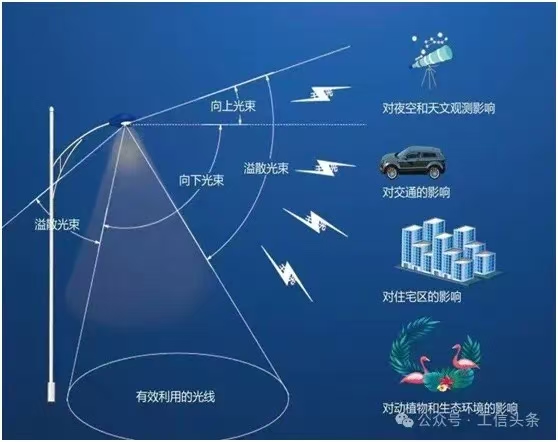
Core Value: Shifting from pursuing high luminous efficacy in laboratories (lm/W) and being parameter-oriented to focusing on actual performance in scenarios, with attention to effective light utilization and user experience.
Technological competition: Innovations in light source technology and cost control systems at the system level have become key: precise light distribution, intelligent control, and algorithm optimization.
Business model: Transitioning from primarily selling hardware products to providing "Lighting Environment Solutions" and "Lighting as a Service".
Green and standards: Focus on Energy saving in own production, adhere to existing Energy efficiency standards, promote full life-cycle carbon management, which may give rise to new international evaluation systems.
II. Breakthrough in Concept: From "Parameter Race" to "Value Competition"
The proposal of the "Adaptive Luminous efficacy" concept directly addresses the pain points in the development of the traditional lighting industry.
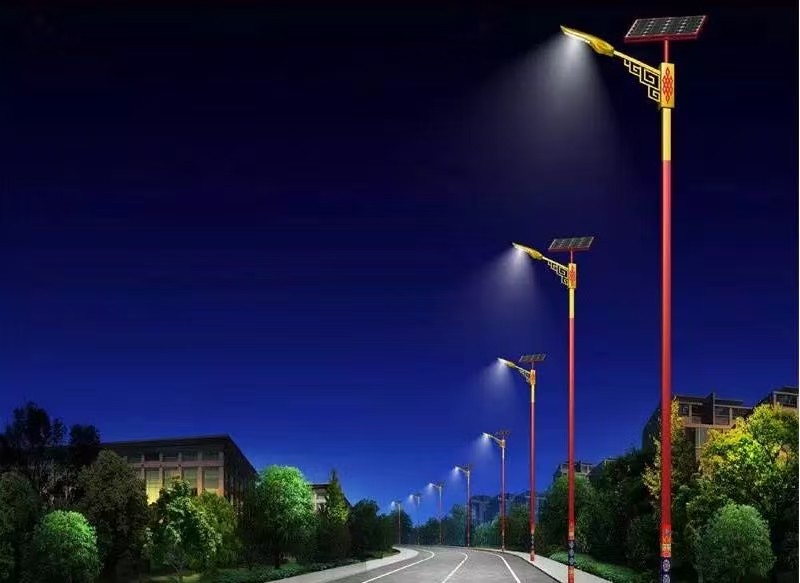
Breaking the "Luminous Efficacy Only" Mindset: For many years, the global lighting industry has been trapped in a blind race for the laboratory parameter of "lumens per watt." However, Sanan Optoelectronics' concept of "Adaptive Luminous Efficacy" shifts the focus from this "laboratory parameter race" to pursuing comprehensive energy efficiency and user experience in real-world application scenarios.
Redefining Evaluation Standards: This means that a luminaire with slightly lower luminous efficacy in the lab but capable of precisely projecting 90% of its light onto the required area will offer far superior actual energy saving effects and user experience compared to a luminaire with high luminous efficacy where most of the light is wasted. This makes "effective luminous flux" rather than "total luminous flux" the new measure of value.
Technological Impact: The integration of optical design and intelligence has become a new high ground, and this concept will significantly raise the technical competitive barriers in the industry.
Optical Design Becomes Core: To achieve high scene luminous efficacy, precise optical design is essential. For example, Sanan Optoelectronics' self-developed "Reflective Asymmetric Secondary Light Distribution Technology" aims to precisely project light onto areas requiring illumination, thereby improving effective light utilization.
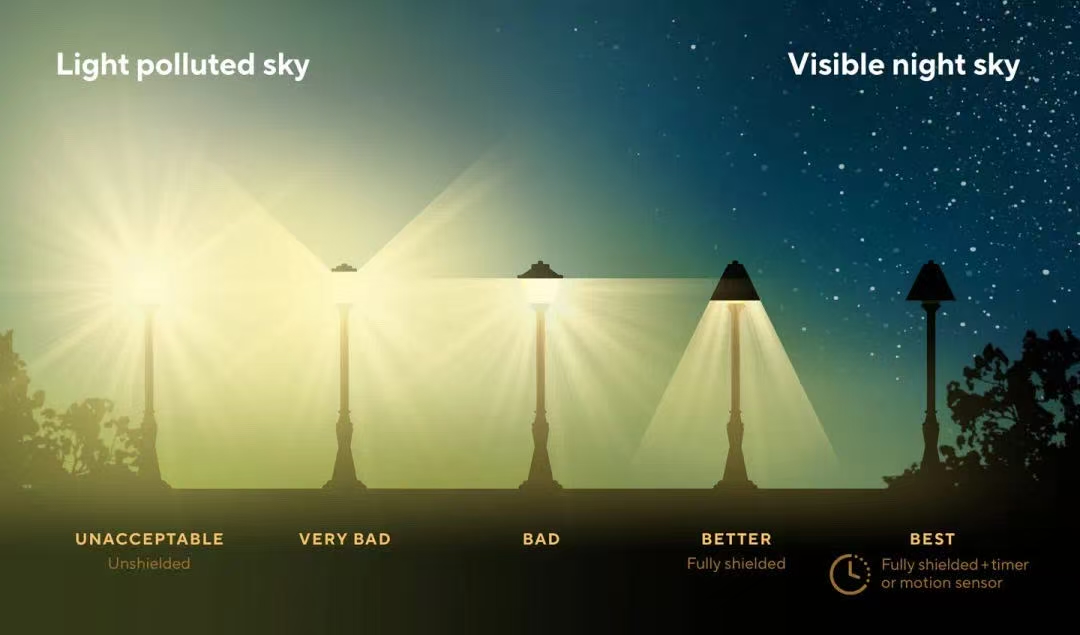
Driving Cross-Boundary Integration: Optical hardware alone is not enough; it also requires deep integration of intelligent sensing, control algorithms, and digital technologies. Lighting systems need to act like a wise "butler," sensing environmental changes (such as natural light intensity and human activity) and dynamically adjusting output. This will attract more technology companies from the IoT and AI fields to cross over into the industry, accelerating industry consolidation.
Commercial restructuring: shifting from selling products to selling "luminous efficacy" services, a transformation that will profoundly change the profit models of lighting enterprises.
Servitization transformation: Companies no longer just sell luminaire hardware as a one-time transaction, but can generate revenue by providing effect-based "lighting environment solutions" or "lighting services". For example, users may pay based on the final lighting effect achieved (such as guaranteed illuminance levels in specific areas) or energy savings.
Highlighting data value: Data generated during service delivery, such as lighting and energy consumption data, will become valuable assets for optimizing systems and creating new value.
III. Green Advancement: From Energy Saving to Deep Carbon Reduction
Under the global "dual carbon" goals, the concept of "adaptive luminous efficacy" provides an opportunity for Chinese lighting solutions to gain international discourse power.
A substantial leap in energy efficiency: Through "on-demand supply," ineffective and excessive lighting can be minimized to the greatest extent, achieving energy saving effects far beyond the simple aggregation of individual high-efficacy luminaires. Yi Yong Optoelectronics' practice demonstrates that its technology can save more than 60% energy compared to traditional sodium lamps and 40%-50% compared to ordinary LED products under the same illuminance.
Empowerment through Carbon Labels: Yi Yong Optoelectronics' "adaptive luminous efficacy" technology has been recognized by China's carbon label evaluation system. This provides an authoritative low-carbon endorsement for its participation in international competition and offers a quantifiable Chinese solution for global low-carbon city construction and green trade.
Summary:
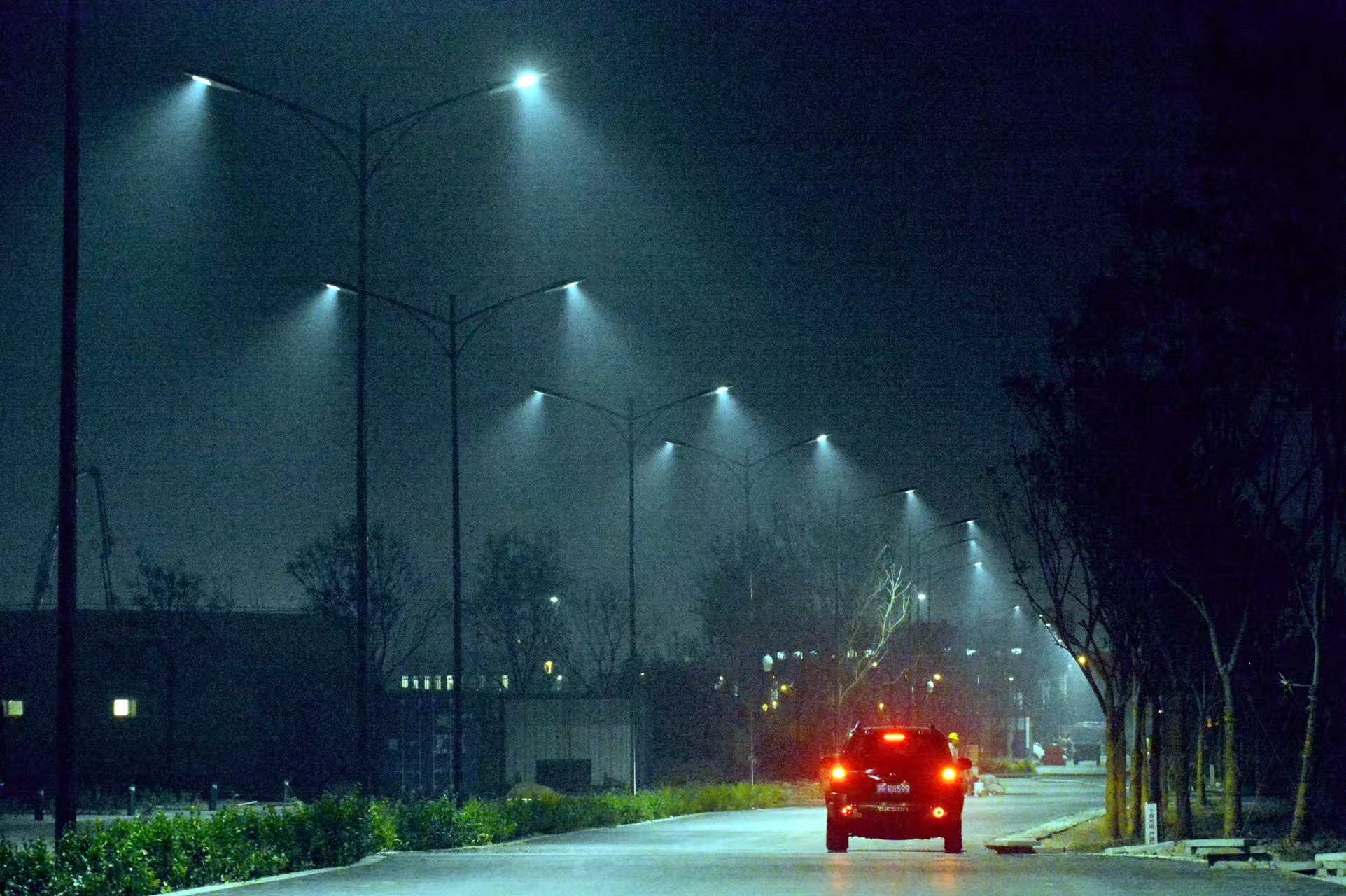
The proposal of the "adaptive luminous efficacy" concept marks the transformation of China's lighting industry from a technology follower to a paradigm pioneer. It drives the global lighting industry from the "electrical lighting era" into the "intelligent light environment era".
Of course, this transformation also faces challenges, such as initial costs, acceptance of international standards, and the difficulty of cross-domain integration. However, the direction is clear: in the future, lighting will no longer be merely a tool for "visibility," but a key element in improving quality of life, work efficiency, and achieving green, low-carbon development.
The above article is sourced from Shanghai Yi Yong Optoelectronics Technology Co., Ltd., authored by Shanghai Yi Yong Optoelectronics Technology Co., Ltd.