Smart City and Traffic Lighting Development Forum Successfully Held in Yangzhou
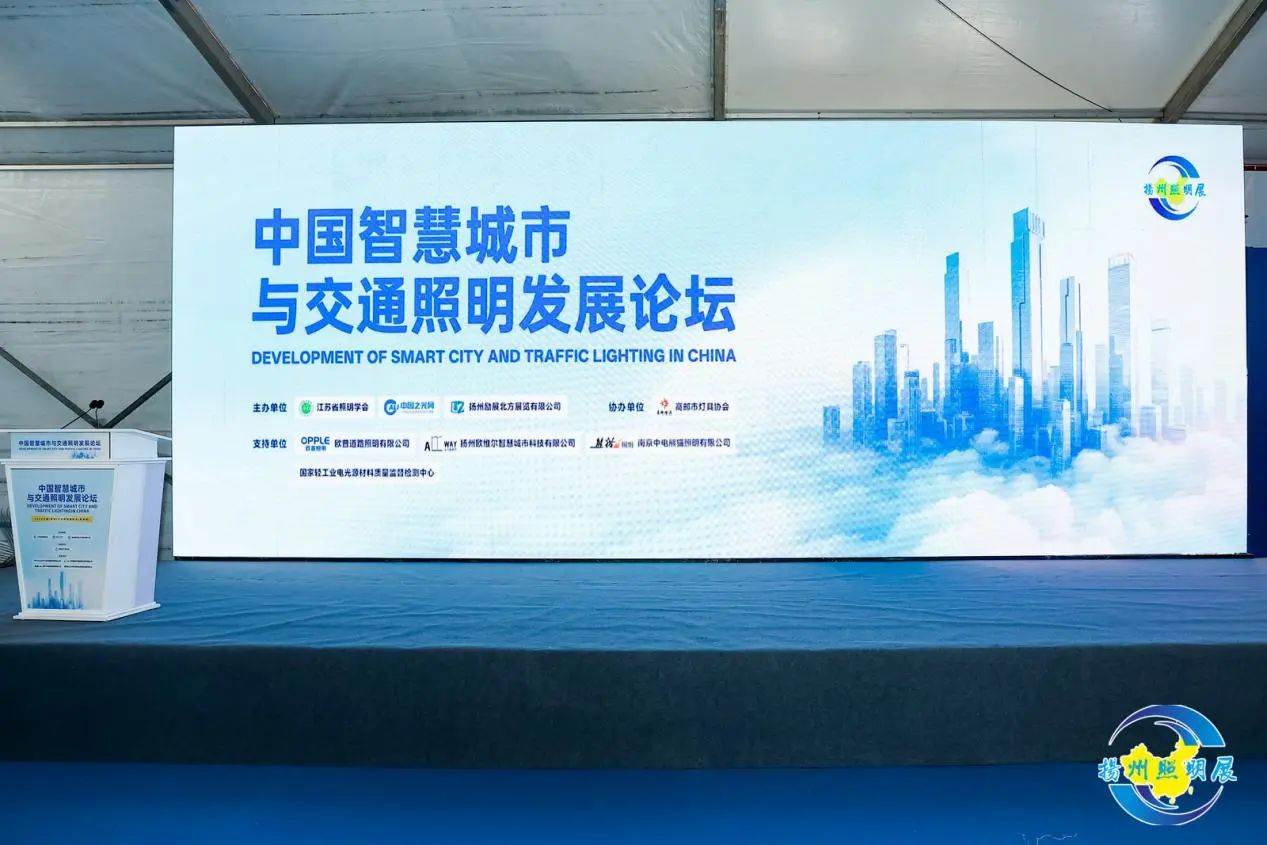
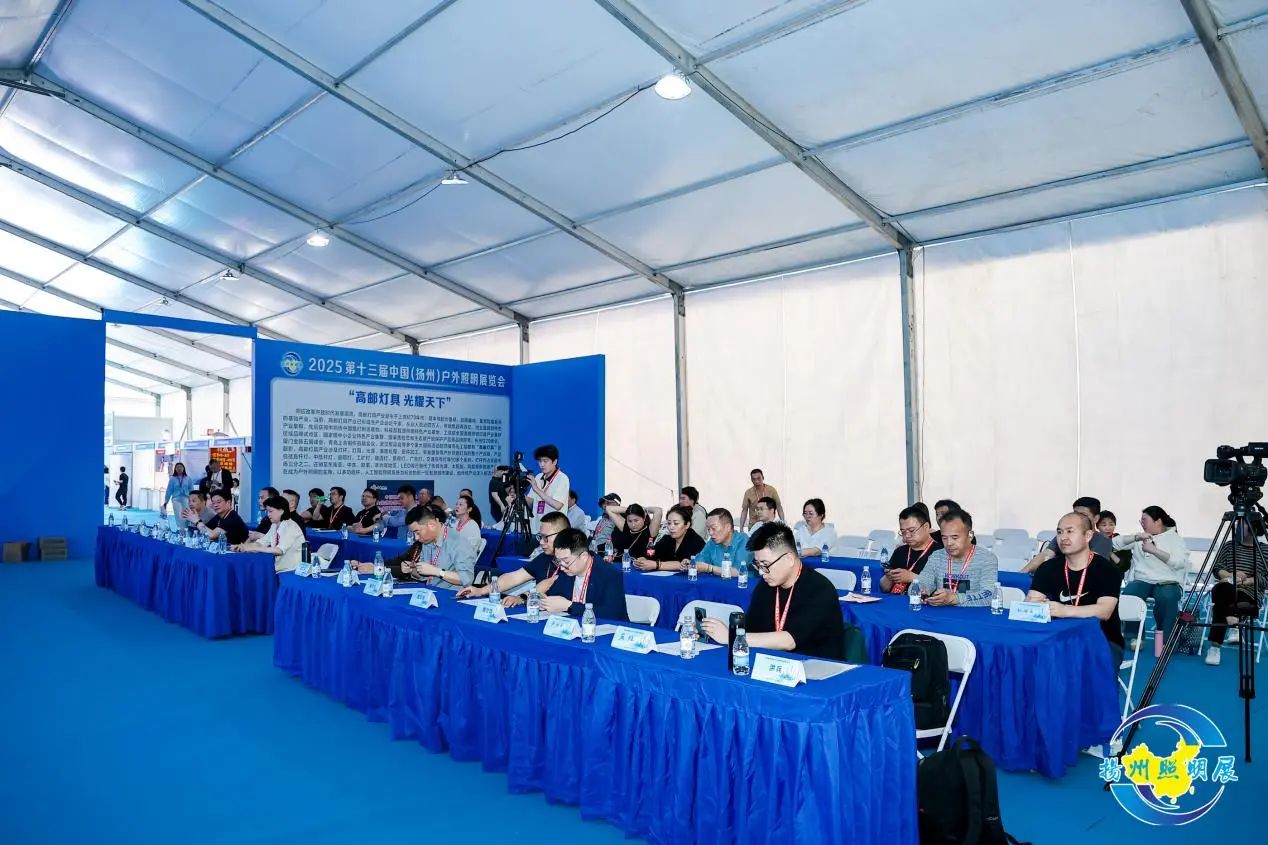
On March 26, with spring in full swing and all things reviving, the highly anticipated 13th China Yangzhou Outdoor Lighting Exhibition grandly opened at the Yangzhou International Exhibition Center in the historic and cultural city of Yangzhou.At the same time, the Jiangsu Lighting Society,China Light Network (Wuxi Lide Shidai Technology Co., Ltd.)and Yangzhou Reed North Exhibition Co., Ltd. jointly organized, and the Gaoyou Luminaire Association co-organizedthe "China Smart City and Traffic Lighting Development Forum", which was also successfully held on March 26. The forum focused on cutting-edge technologies, development trends, and industry cooperation opportunities in the fields of smart cities and traffic lighting, building a high-end exchange platform to promote the high-quality development of the lighting industry through policy interpretation, case sharing, and cross-border dialogue.
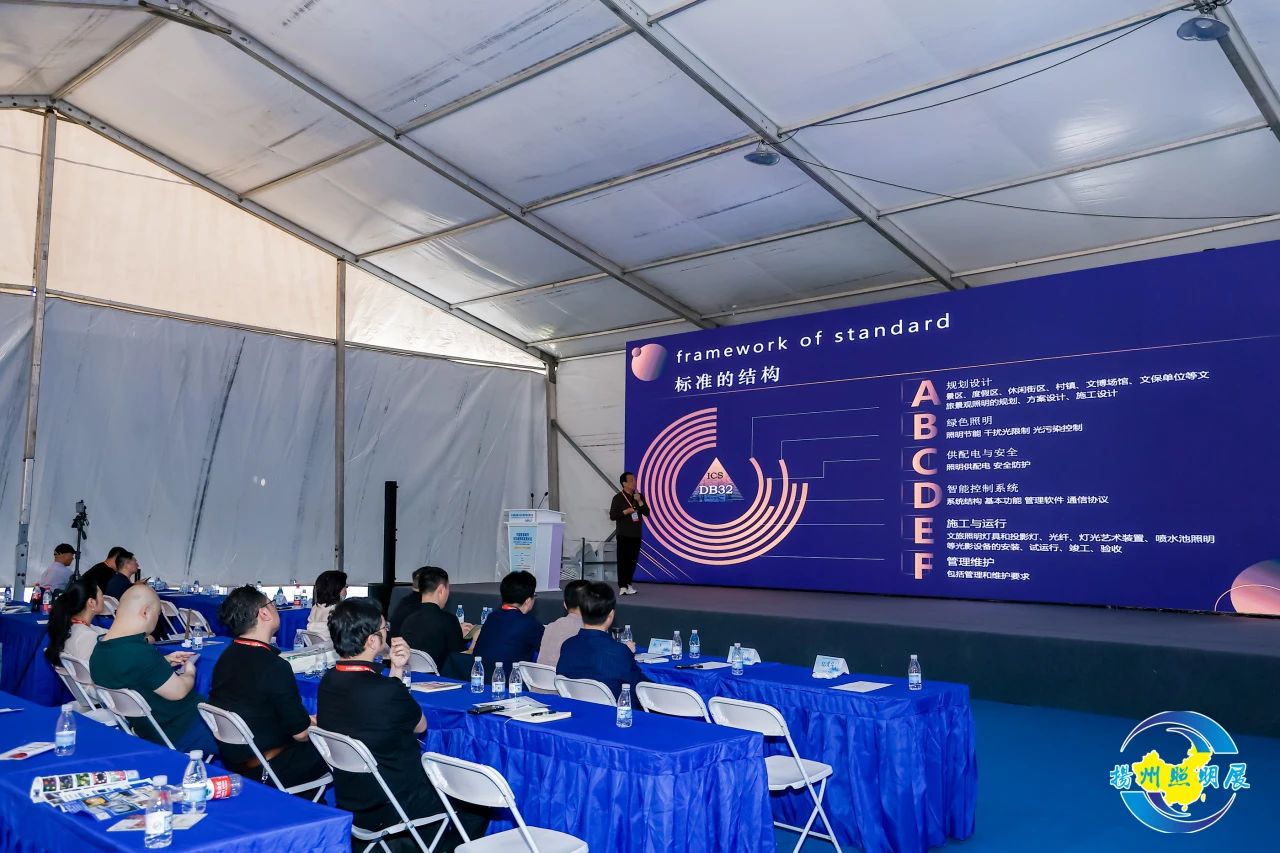
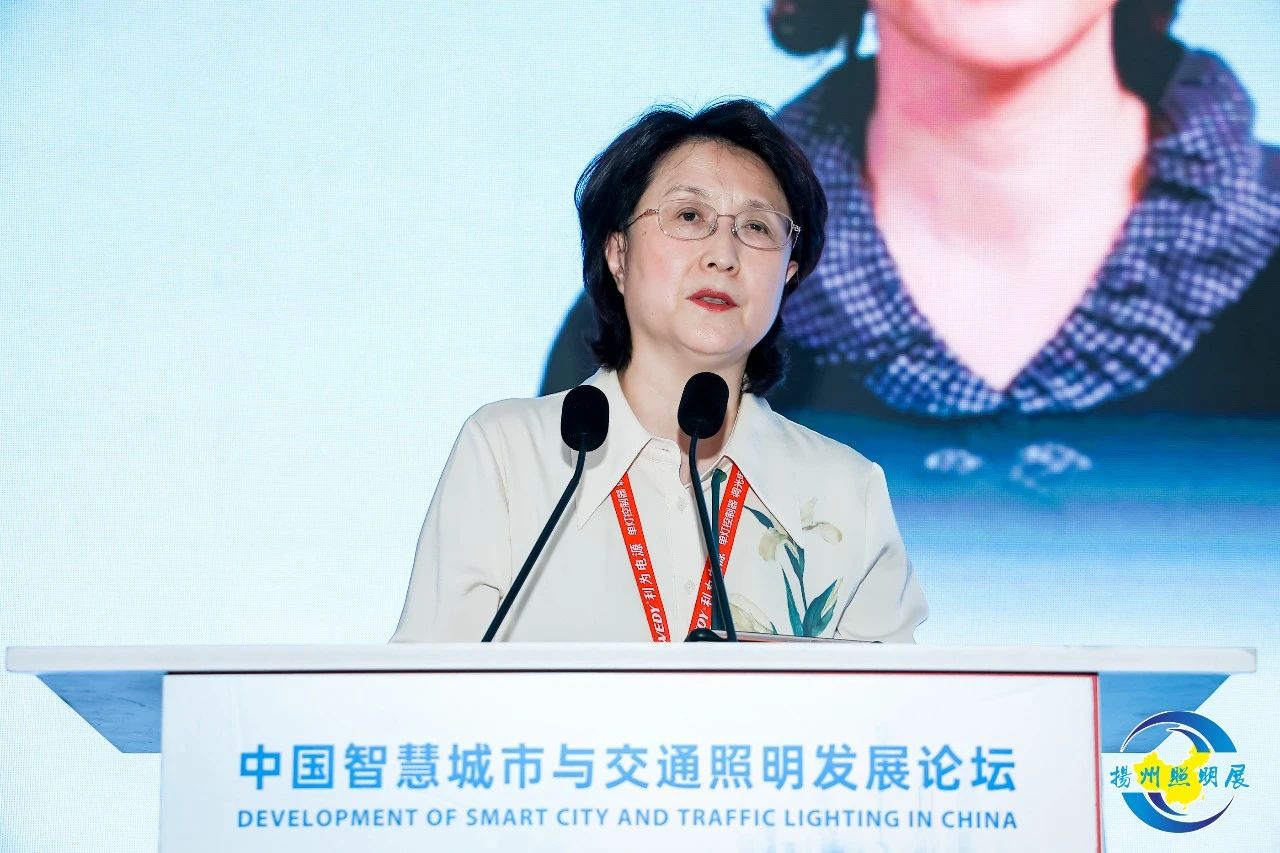
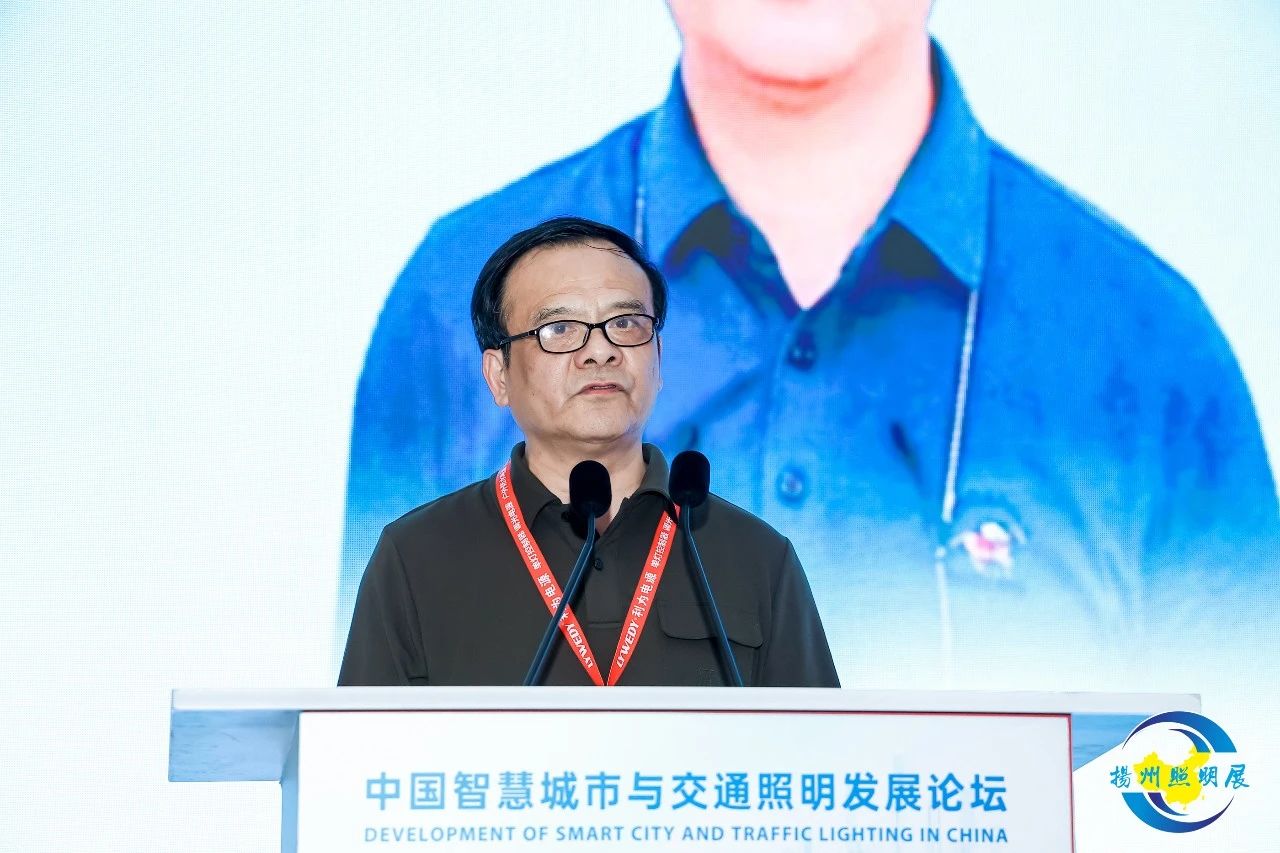
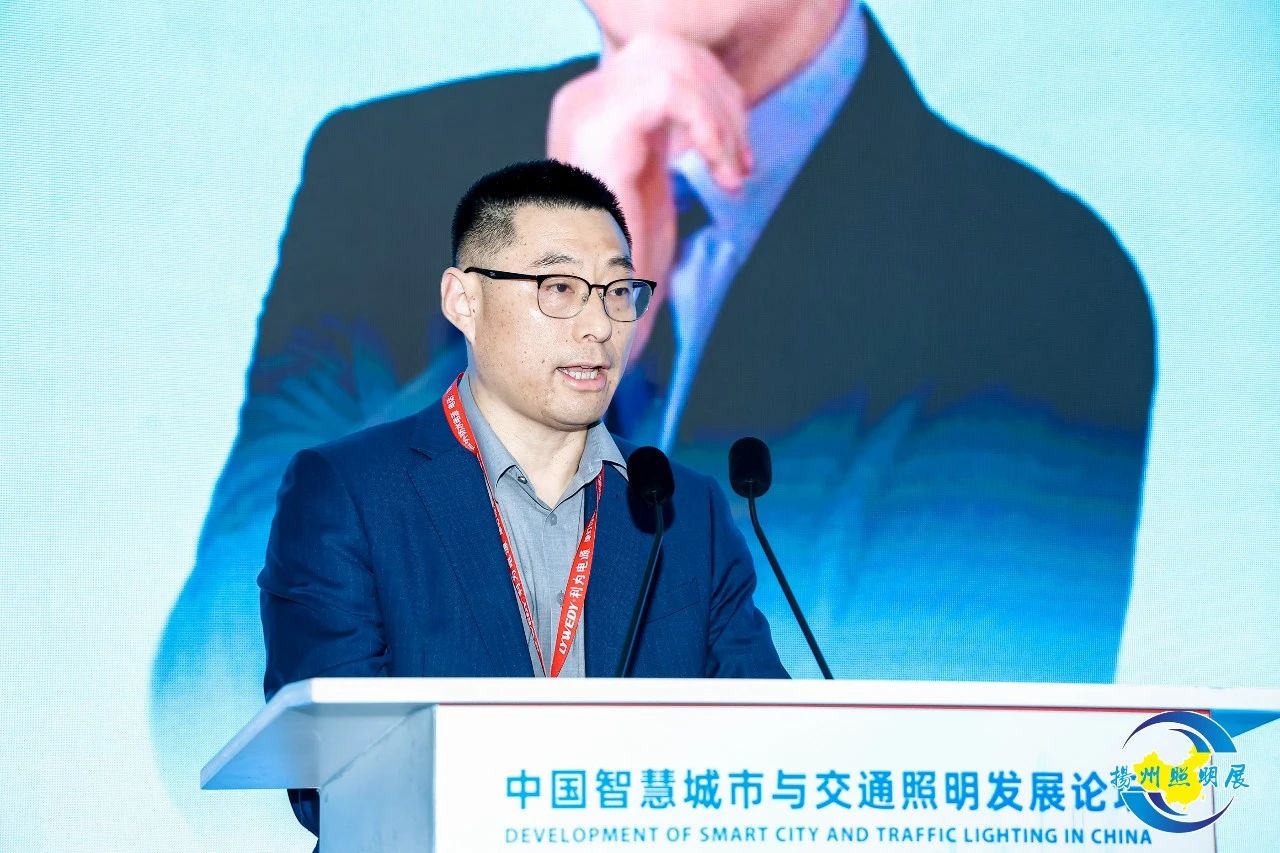
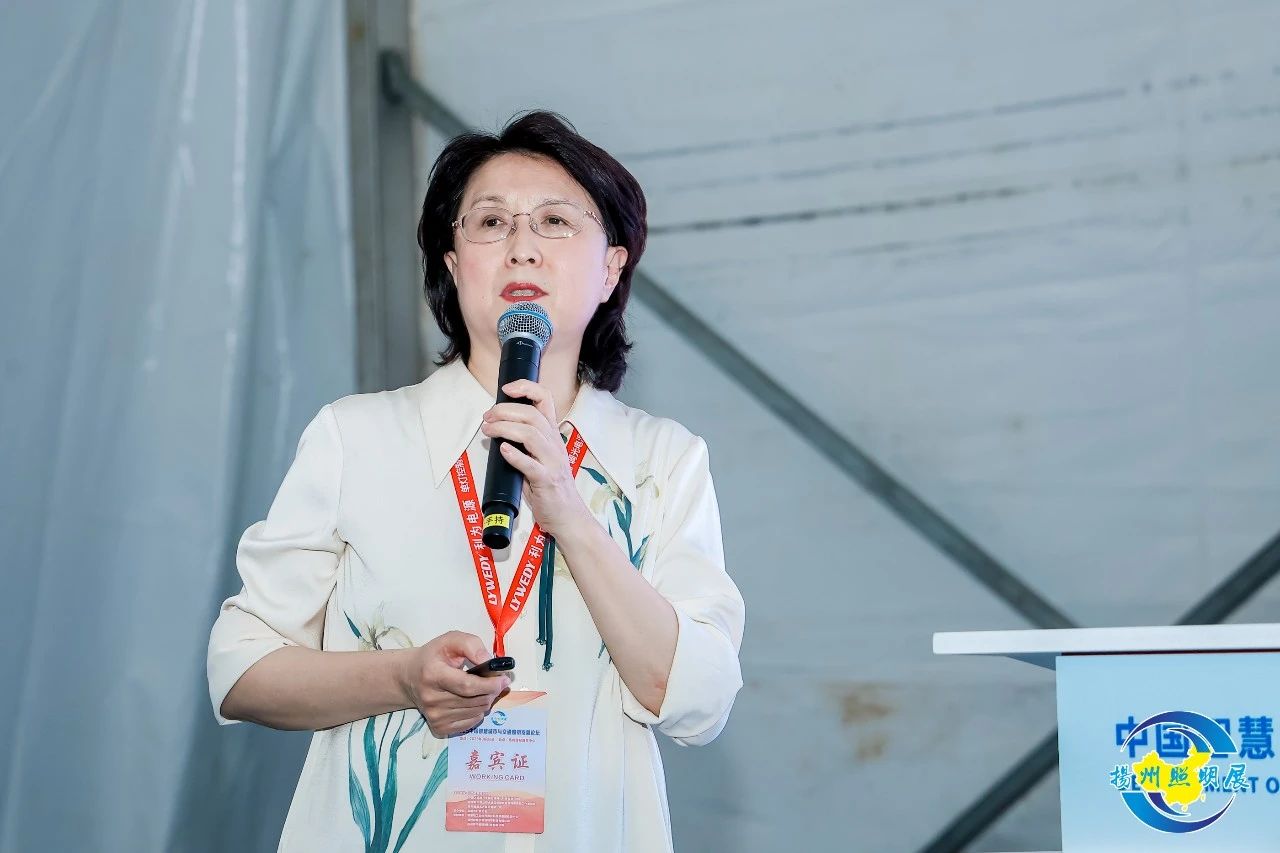
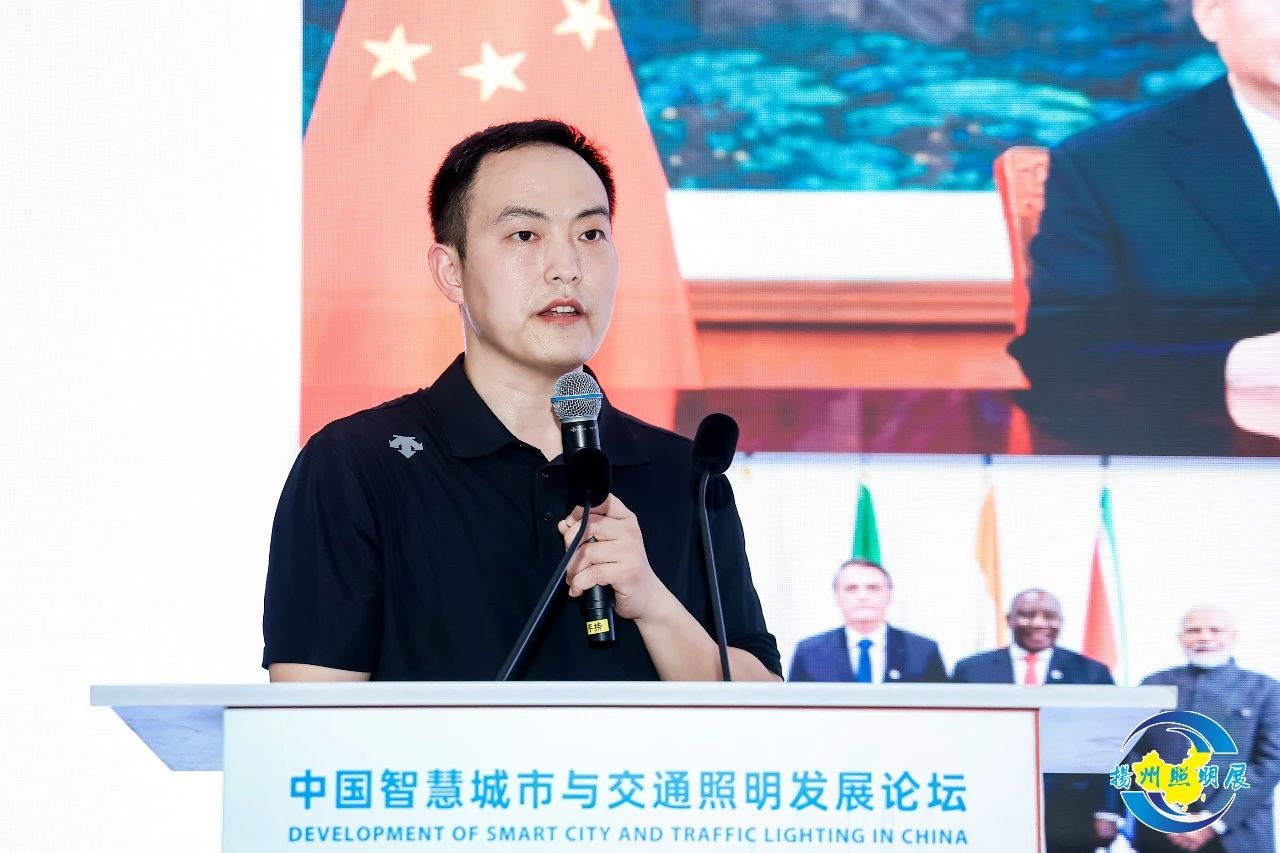
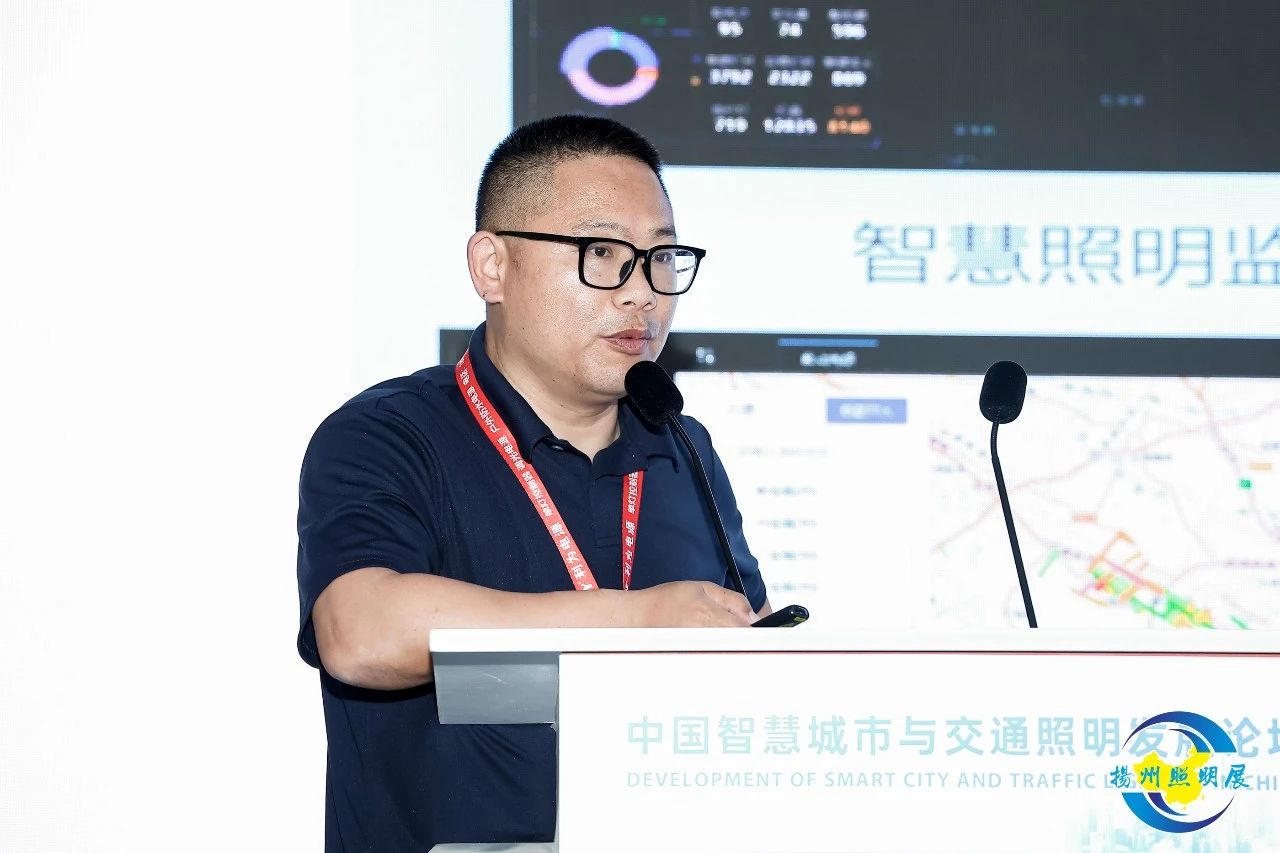
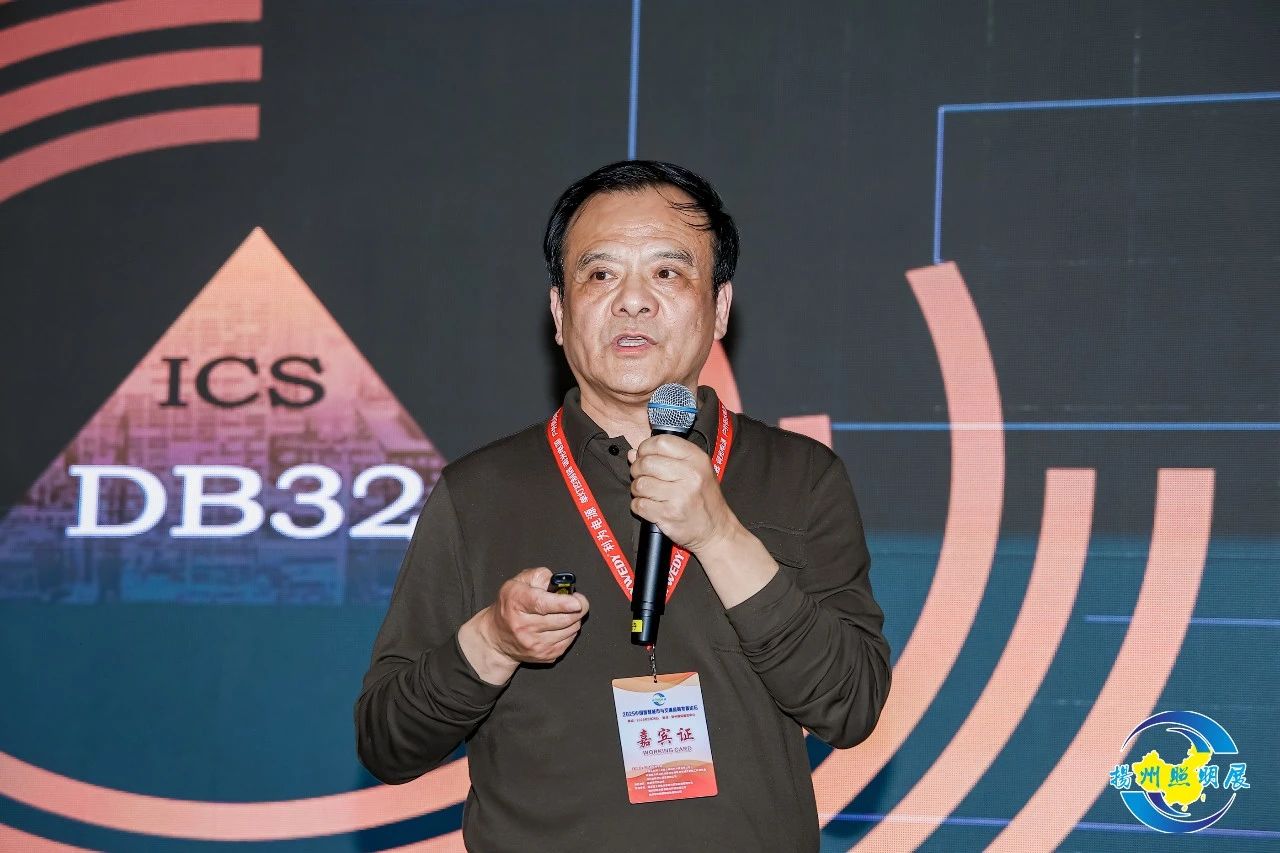
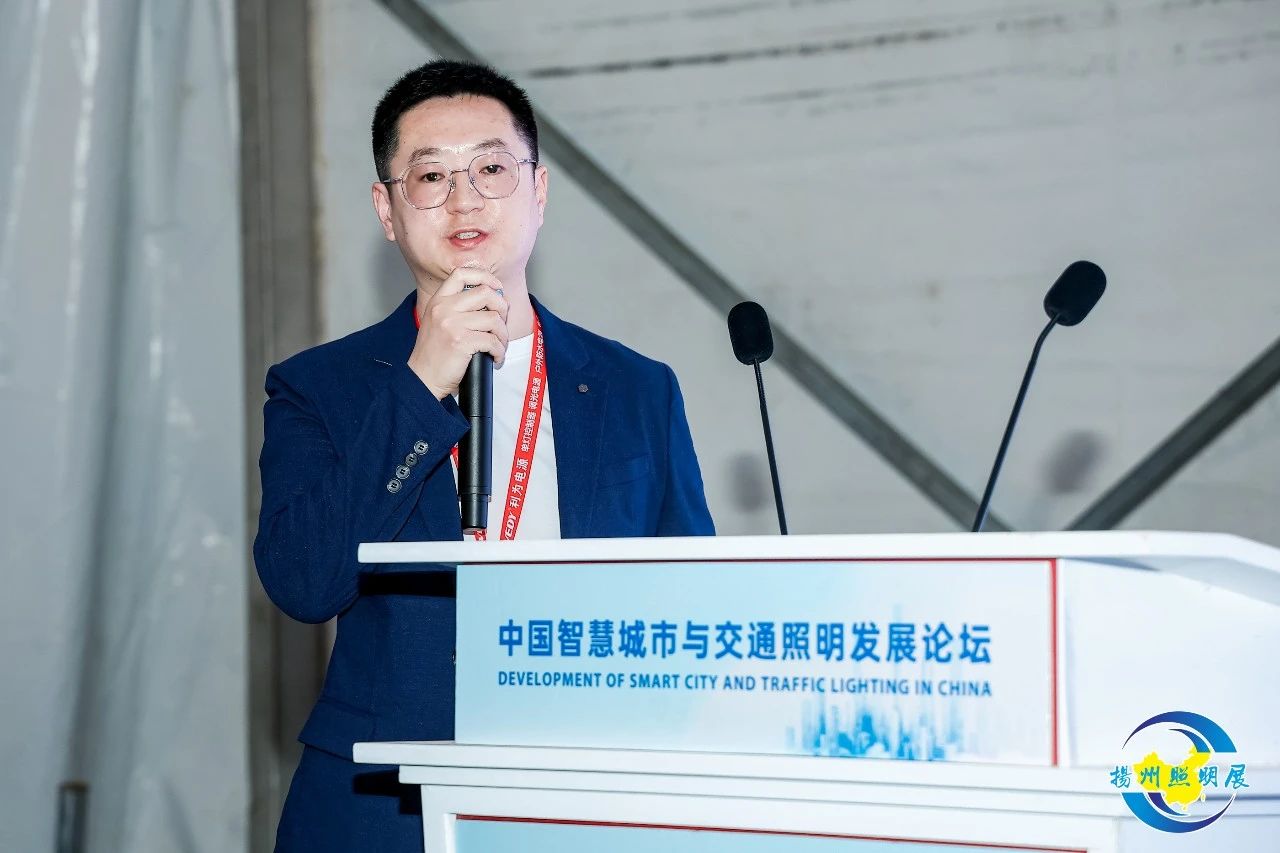
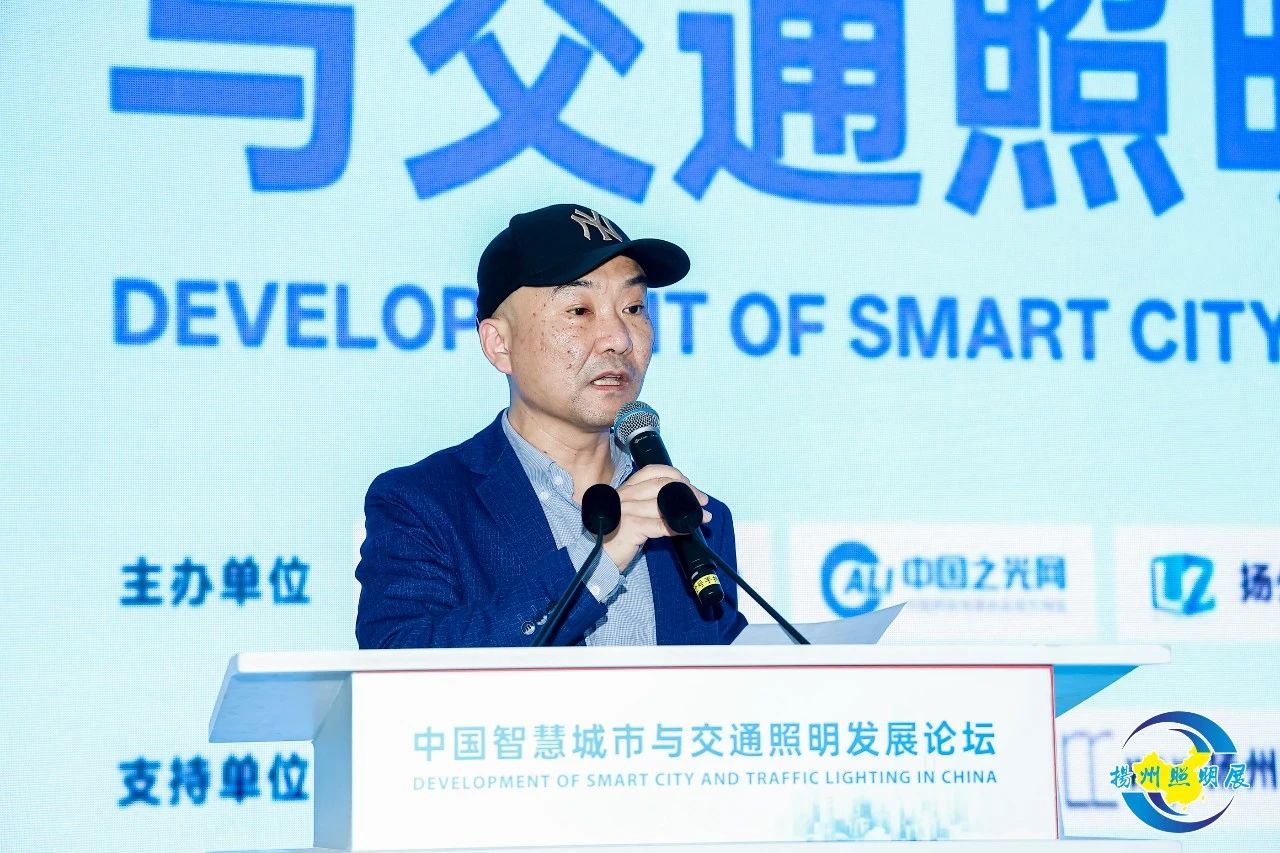
This forum specially invited many distinguished guests from industry leaders, authoritative experts, and corporate representatives to attend, exploring new opportunities for industry cooperation from perspectives such as national policy standards, urban lighting, traffic lighting, cultural tourism lighting, and IoT applications. We also extend our sincere gratitude to OPPLE Road Lighting Co., Ltd., Yangzhou Ouweier Smart City Technology Co., Ltd., Nanjing CEC Panda Lighting Co., Ltd., and the National Quality Supervision and Testing Center for Electric Light Source Materials of Light Industry for their strong support. The forum was hosted by Hong Bing, Editor-in-Chief of China Light Network. 01 Guest Speeches 论坛现场,首先由国家节能中心节能推广处处长高红发表致辞,她代表国家节能中心对此次论坛活动顺利举办表述充分肯定以及热烈祝贺。她指出,我国正加速推进新型城镇化与数字化转型,智慧城市是落实国家战略、满足人民需求的重要载体,交通照明的智慧化、低碳化发展是衡量城市治理水平的重要标志。 目前,国家节能中心牵头制定的《智慧城市智慧多功能杆总体要求》国家标准,为破解城市杆件林立、资源浪费等痛点提供了系统性解决方案,推动了行业的高质量发展。她强调,智慧城市建设需要政府、企业、科研机构协同创新,国家节能中心将继续助力行业发展。 Qian Zongming, Secretary-General of the Jiangsu Lighting Society, extended sincere gratitude to all attendees on behalf of the society. He pointed out that the construction of smart cities is an important measure to promote urban modernization and improve urban management and residents' living standards. As an important component of smart cities, the role of traffic lighting cannot be underestimated. With technological advancements, traffic lighting systems are transforming from traditional lighting functions to intelligence, providing a solid foundation for smart city construction. He emphasized that in terms of technological innovation, the application of smart poles is a major breakthrough. Smart poles integrate multiple functions, greatly improving urban management efficiency and citizen convenience. In the future, the development of smart cities and traffic lighting will focus more on technological innovation and practical application. We should continue to promote technological innovation, strengthen cooperation, and jointly explore the infinite possibilities of traffic lighting. By constructing infrastructure such as smart poles, we aim to build safe, orderly, aesthetically pleasing, clean, and green ecological smart cities. 高邮市灯具协会会长王立祥代表在致辞中表达了对到来的领导、嘉宾、同仁感谢。他介绍,高邮作为“中国路灯制造基地”,拥有完整产业链,产品覆盖全国 70% 灯杆市场并远销海外。近年来,高邮抓住“一带一路”机遇,让智慧照明产品照亮多个国内外地标。高邮还积极践行“双碳”战略,推动智慧路灯、绿色照明发展,在智慧多功能杆领域加速物联网技术融合,研发出集成多种功能的“智慧共杆”。 He stated that this forum focuses on "Smart City and Traffic Lighting," which aligns with Gaoyou's development direction. In the future, Gaoyou will deepen industry-university-research cooperation, explore the integration of smart lighting with cultural tourism landscapes and green energy, contribute the "Gaoyou Solution," and work with all parties to promote the high-end, intelligent, and green development of the lighting industry. 02 Keynote Sharing Gao Hong, Director of the Energy Conservation Promotion Division at the National Energy Conservation Center, delivered the opening speech titled "Promotion and Implementation of the National Standard for Smart Multi-function Poles." In his speech, Director Gao shared content in two parts. First, he introduced the standard "Smart City - General Requirements for Smart Multi-function Pole Systems," elaborating in detail on the document from multiple perspectives such as background, basis, main content, and solicitation of opinions. He emphasized the importance of smart multi-function poles in smart city construction and the necessity of formulating relevant standards. Secondly, he interpreted the "Two New" policies, namely the policy system for large-scale equipment updates and consumer goods trade-ins, including the specific composition of the "1+N+X" policy system, such as the action plans issued by the State Council, relevant implementation plans and notices from various ministries and local governments. He provided a detailed introduction to the different stages of the "Two New" work, as well as the key tasks, support measures, and implementation results at each stage. Chen Gang, Marketing Director of Jiangsu Transportation Institute Co., Ltd., deeply explored the carbon trading mechanism and its significance for lighting enterprises in the theme "How Lighting Enterprises Can Expand Markets Through Carbon Trading." Director Chen introduced the "30·60" goals, namely China's commitment to peak carbon emissions before 2030 and achieve carbon neutrality by 2060, emphasizing the key role of the carbon market in this process. He highlighted how market mechanisms force industrial upgrading to achieve low-cost and high-efficiency emission reductions. The presentation focused on the principles of carbon trading, including quota allocation and trading mechanisms, as well as the development history of China's carbon market from pilot programs to a national market. It also detailed the CCER project development process, particularly the methodology for energy saving in tunnel lighting systems, highlighting its application prospects and potential emission reduction benefits in highway tunnel lighting systems. This provides lighting companies with full-process service guidance for participating in carbon trading and expanding their markets. Gao Liugang, head of strategic business at OPPLE Road Lighting Co., Ltd., focused on the integrated electronic control smart road lighting system in this sharing session, highlighting its innovative advantages and practical achievements. The integrated electronic control product combines the LED driver and street light controller into one unit, significantly reducing size, halving the number of connections, markedly lowering failure points and construction/maintenance costs, and improving dimming precision, thereby bringing significant economic benefits to customers. This product is suitable for various scenarios, including new high luminous efficacy LED street lights, retrofitting of sodium lamps, and low luminous efficacy LED street lights, offering wide applicability. Currently, integrated electronic control products have been successfully implemented in energy-saving retrofit projects in Zhengzhou, certain areas in central and western China, and Kunming, as well as in road lighting retrofit projects in Suzhou High-Tech Zone, Wujiang, Chongqing Nan'an District, Shanghai Pudong New Area, and Kunming's main urban area, achieving significant energy saving effects, enhancing the refinement level of lighting management, and supporting smart city construction. Qian Zongming, Secretary-General of the Jiangsu Lighting Society, led us in an in-depth discussion on the current industry status, technical specifications, and future development trends of cultural tourism landscape lighting. In recent years, the number of national-level night-time cultural tourism consumption clusters has continued to increase, with Jiangsu Province standing out due to its rich and diverse cultural tourism formats, which combine elements of urban renewal, rural revitalization, and the digital economy. However, the industry also faces issues such as serious product homogenization and a mismatch between investment and returns. Mr. Qian Zongming emphasized the importance of technical specifications for cultural tourism landscape lighting and elaborated on the functional system of cultural tourism landscape lighting, including basic lighting, ambient lighting, and thematic lighting. In the future, cultural tourism landscape lighting will trend towards the commercialization of ambient lighting landscapes, the integration of thematic lighting products with consumption scenarios, and a shift from 'heavy, large, and luxurious' to 'light, dense, and interesting'. Chen Shixiong, Dean of the Lighting Application Research Institute at Nanjing CEC Panda Lighting Co., Ltd., presented "Reflections on the Transformation of Lighting Enterprises in the Context of New Infrastructure," deeply exploring the transformation directions and opportunities for lighting companies amidst the wave of new infrastructure. Dean Chen pointed out that the promotion of new infrastructure drives the transition from traditional lighting to smart IoT lighting. Enterprises need to build core capabilities, including scenario-based [[17. 产业与经济常用词]] solutions, cross-industry ecosystem collaboration, and green low-carbon technological innovation, to enhance competitiveness. Through innovative practices such as smart industrial parks and vehicle-road-cloud coordination, lighting enterprises can deeply integrate into the construction of smart cities and intelligent transportation. At the same time, the rise of the low-altitude economy has brought new business growth points for lighting enterprises. President Chen emphasized that enterprises should use technological innovation as the engine, data services as the link, and ecosystem collaboration as the barrier to achieve a transformation from single-point breakthroughs to system reconstruction, thereby achieving sustainable development in the context of new infrastructure. Finally, Hong Bing, Supervisor of the Jiangsu Lighting Society and Editor-in-Chief of China Light Network & Agricultural Lighting Network, delivered the closing remarks for the [[15. 展会与活动]]. He stated that today's [[15. 展会与活动]] jointly witnessed the collision of frontier ideas and the sharing of practical experience in the field of smart lighting. From the promotion of the [[14. 测量、检测与标准体系]] for smart multi-functional poles, to the market opportunities for carbon trading by lighting enterprises, from the innovative practice of integrated electronic control smart [[9. 照明方式与应用]] systems, to the current status and future of cultural tourism [[9. 照明方式与应用]], and then to reflections on the transformation of lighting enterprises under the background of new infrastructure, each sharing brought us valuable wisdom and inspiration. Here, we hope that colleagues in the lighting [[17. 产业与经济常用词]] can seize opportunities, update concepts, focus on innovation, pay attention to frontier technologies, and bravely embrace challenges against the backdrop of new policies, new patterns, and new [[17. 产业与经济常用词]]. The future of smart cities and traffic lighting requires the joint efforts of every colleague.