Odor Control in Aquaculture | UV Technology for High-Quality Ecological Farming Environments
The livestock industry plays a pivotal role in modern production. However, unpleasant odors are inevitably generated during the breeding process, which not only disturb the lives of nearby residents but may also adversely affect the health of humans and animals. Therefore, odor purification in livestock production has become a crucial aspect.
01 Traditional Deodorization Methods in the Breeding Industry
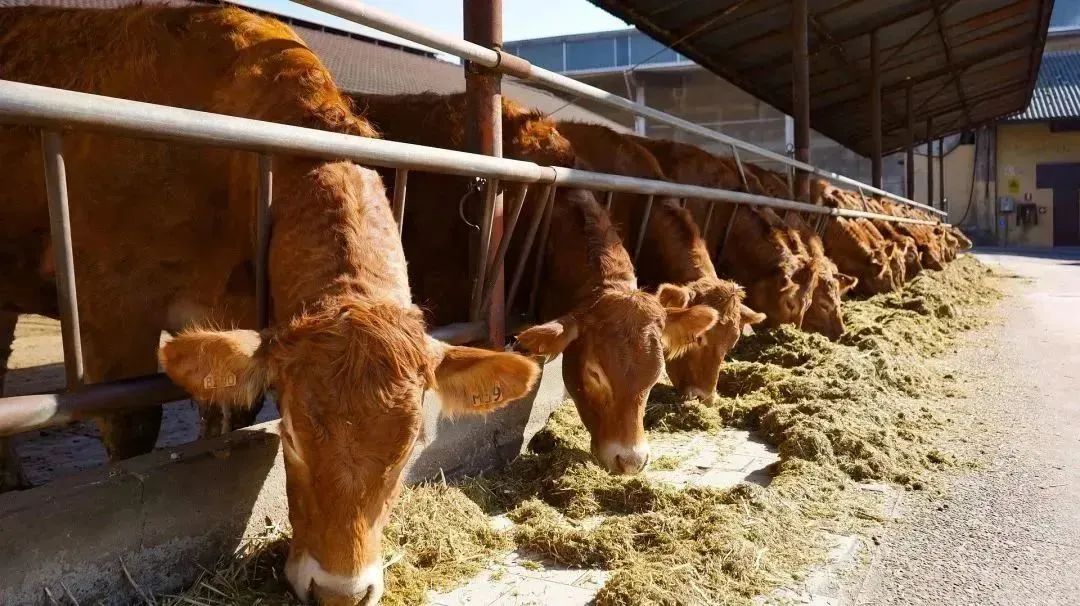
Odors in livestock farms mainly come from animal manure and urine, wastewater, bedding, feed residues, respiratory gases from livestock and poultry, and skin secretions. Among these, animal manure/urine and wastewater are the two major sources of odor.
Based on this premise, traditional livestock farming typically adopts the following methods to reduce odor generation:
Venue Ventilation
During the initial construction of the farm, prioritize selecting a well-ventilated, dry location at a higher elevation to facilitate air circulation.
Scientific Feeding
By feeding an appropriate amount of feed or adding digestive enzymes to the feed, the problem of acidic and foul-smelling animal feces can be effectively improved.
Maintain hygiene
Timely removal of animal waste and maintaining a clean, dry farming environment can effectively prevent the risk of waste accumulation, odor, and bacterial growth.
Bedding Management
Good bedding not only features low moisture absorption and low thermal conductivity, but can also absorb certain harmful gases.
Place adsorbent
Charcoal, coal cinder, activated carbon, quicklime, and other adsorbent materials can be placed inside the pen to effectively absorb odors in the farm.
02 New Deodorization Technologies for the Breeding Industry
Although traditional deodorization methods help reduce the occurrence of odors, they do not address the root cause. However, continuous advancements in science and technology have made UV deodorization technology more mature for application in the aquaculture industry, making it one of the currently popular technologies receiving significant attention.
This novel UV deodorization technology is now widely used in the livestock and aquaculture industries for odor control, earning widespread acclaim in practical applications. Its key lies in photocatalytic oxidation technology, where high-energy UV light beams work synergistically with ozone to decompose and oxidize odorous gases into low-molecular-weight compounds, water, and carbon dioxide. This technology not only effectively and safely eliminates odors but also achieves disinfection and sterilization.
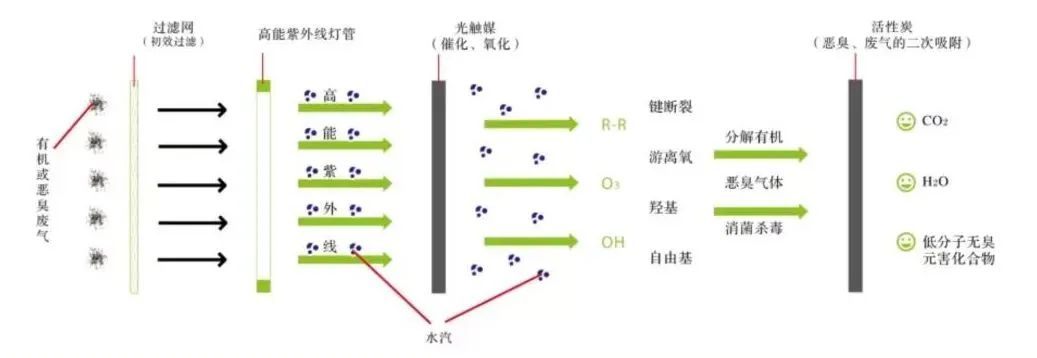
Advantages of UV deodorization technology:
1. High efficiency: Rapidly decomposes malodorous gases and effectively eliminates odors;
2. Safety: Uses UV beams and ozone purification, with no secondary pollution;
3. Environmental protection: Converts odorous gases into carbon dioxide and water, making it more environmentally friendly;
4. Combined effect: Deodorizes while disinfecting and sterilizing.
5. Low cost: Lower operating and maintenance costs, easy to operate and maintain.
03 Guangmingyuan UV Deodorization Solution
As a professional UV manufacturing and Solution provider, Guangmingyuan offers a variety of innovative UV deodorization products and Solutions. In addition to excellent and stable performance and user-friendly design, they deliver more efficient and safe deodorization results.
185nm UV lamp
Deodorization Solution for Livestock Farming
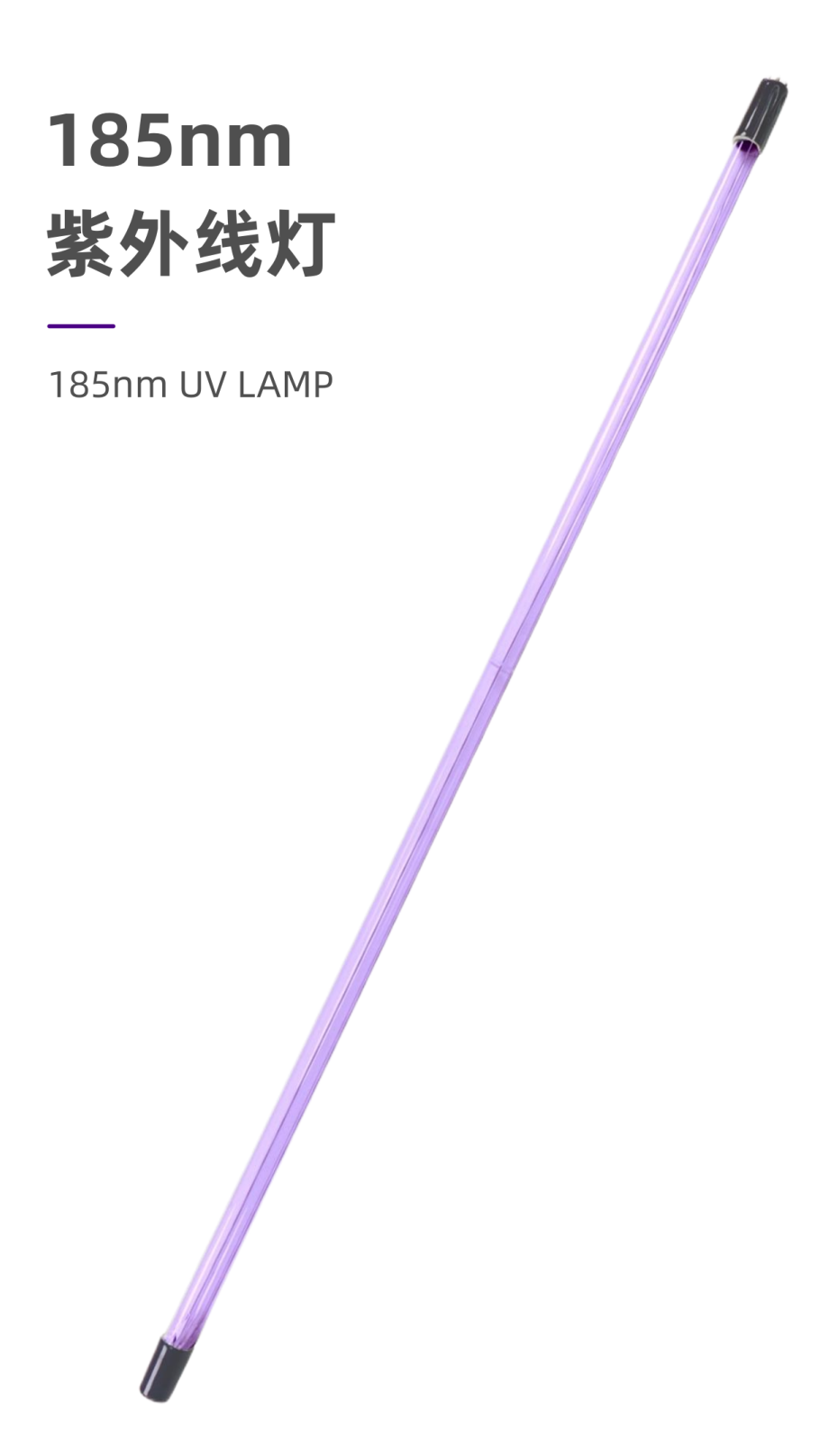
The high-energy ultraviolet rays and ozone generated by high-energy UV lamps perform synergistic decomposition and oxidation reactions on broken-bond molecules, degrading odor substances in livestock farms such as pigsties into low-molecular compounds, water, and carbon dioxide released into the air, thereby thoroughly achieving purification and deodorization.
172nm Excimer Lamp
VOC Treatment Solutions
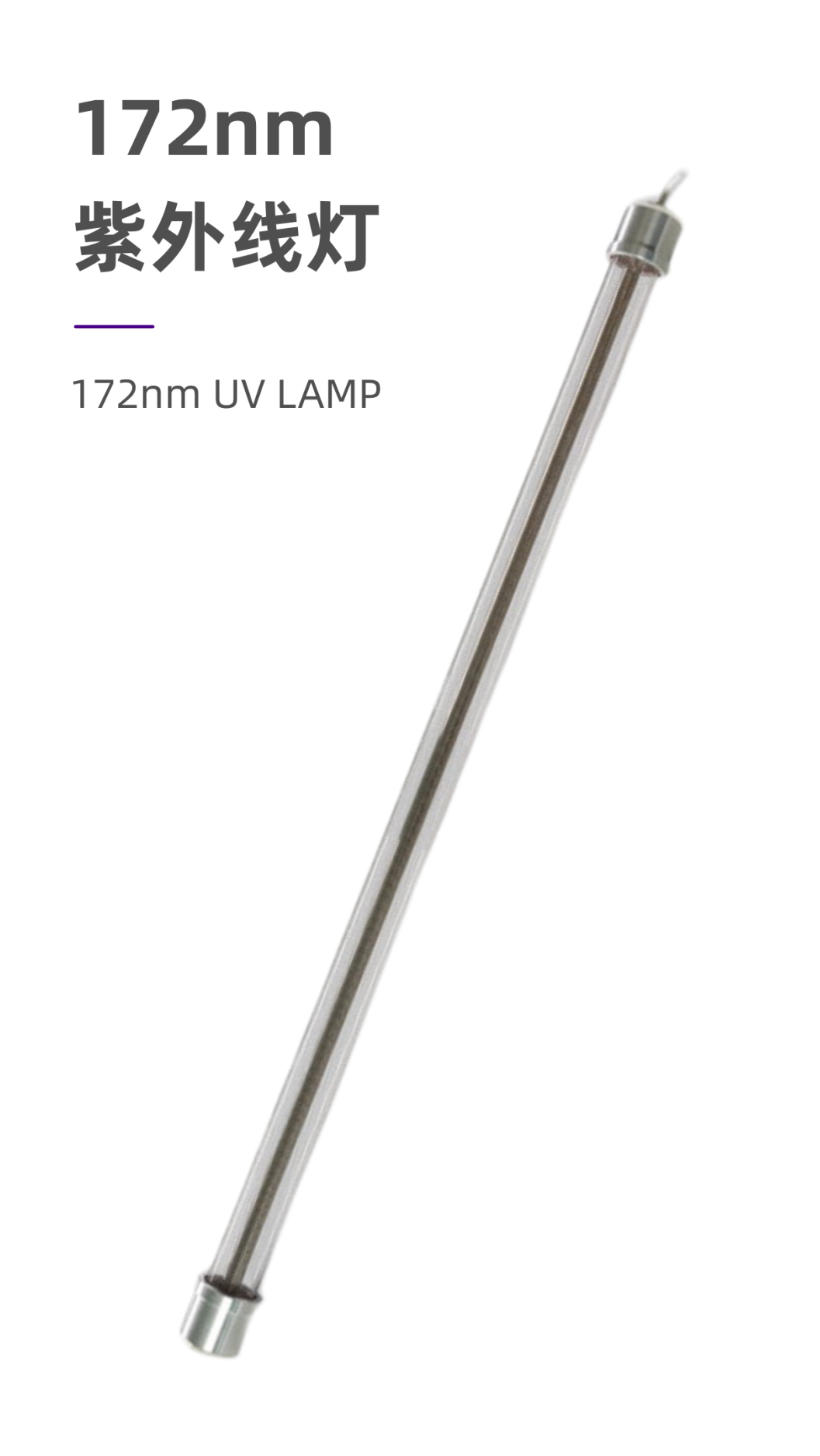
The absorption coefficient of 172 nm excimer light is approximately 20 times that of 185 nm UV light. It is mainly used to address VOC emissions and air pollution. These UV light sources efficiently degrade VOCs, creating a cleaner environment, and are suitable for applications such as volatile organic compound (VOC) degradation, odor removal from wastewater in the pharmaceutical, chemical, and petrochemical industries, pretreatment to break down macromolecules into smaller molecules, air purification, and odor removal (PCO).
04 Guangmingyuan Light Technology
Guangmingyuan was founded in 1998, focusing on the R&D and manufacturing of light technology applications. The company has a professional R&D team and is recognized as a national "High-Tech Enterprise" and "Postdoctoral Research Workstation", as well as a Guangdong "Enterprise Technology Center" and a Guangdong "Specialized, Refined, Differential, and Innovative SME".
Guangmingyuan provides professional products and services for infection control and disinfection, general health, high-end manufacturing, environmental protection, aquaculture, and facility agriculture through professional light source components and advanced technology solutions.
We look forward to working with our partners to "empower a better life through lighting technology." We continuously enhance customer experience, create value for our customers, and achieve a win-win for social and commercial value.