
What details should be considered in urban nightscape lighting design?
Nightscape lighting
Nightscape lighting is an indispensable part of modern cities; it not only beautifies the city and enhances its image but also promotes urban attractiveness and accelerates economic development.
Part.1 Nightscapes of different municipal facilities in cities: what details should be paid attention to in lighting design?
Urban nightscape lighting design encompasses municipal facilities such as roads, bridges, squares, commercial streets, buildings, and green landscaping; when combined, these elements subtly form the city's unique style and character.
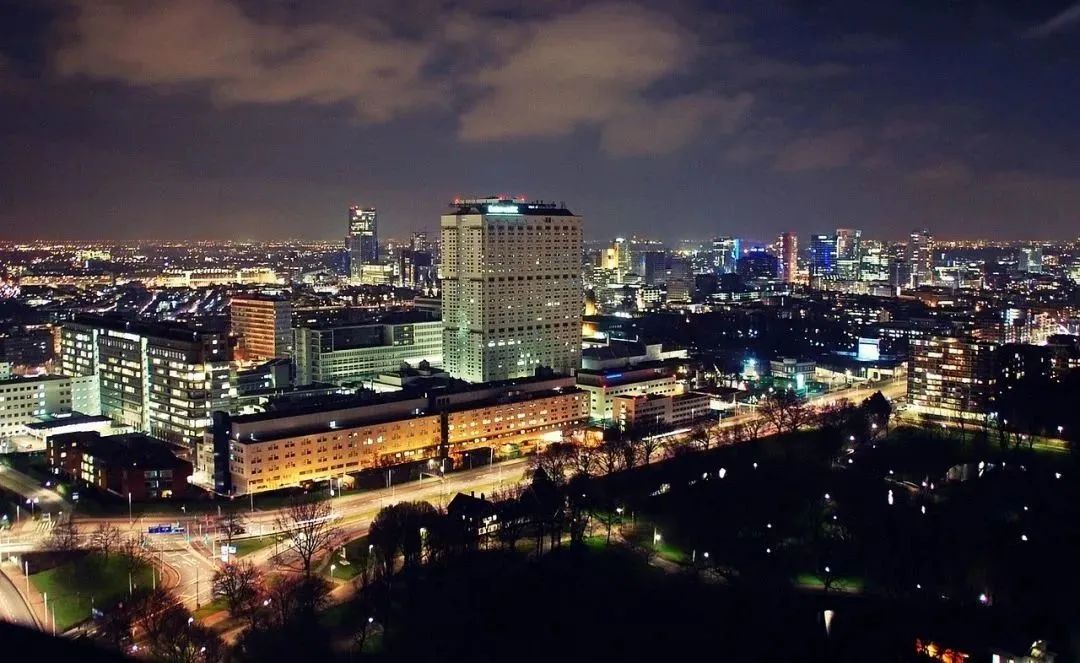
1 Road
Urban roads serve as a vital carrier of city life, having a crucial impact on the entire city. Therefore, when designing nightscape lighting for roads, it is necessary to consider not only their functionality but also to create different lighting designs according to the specific needs of each road.
2 Bridge
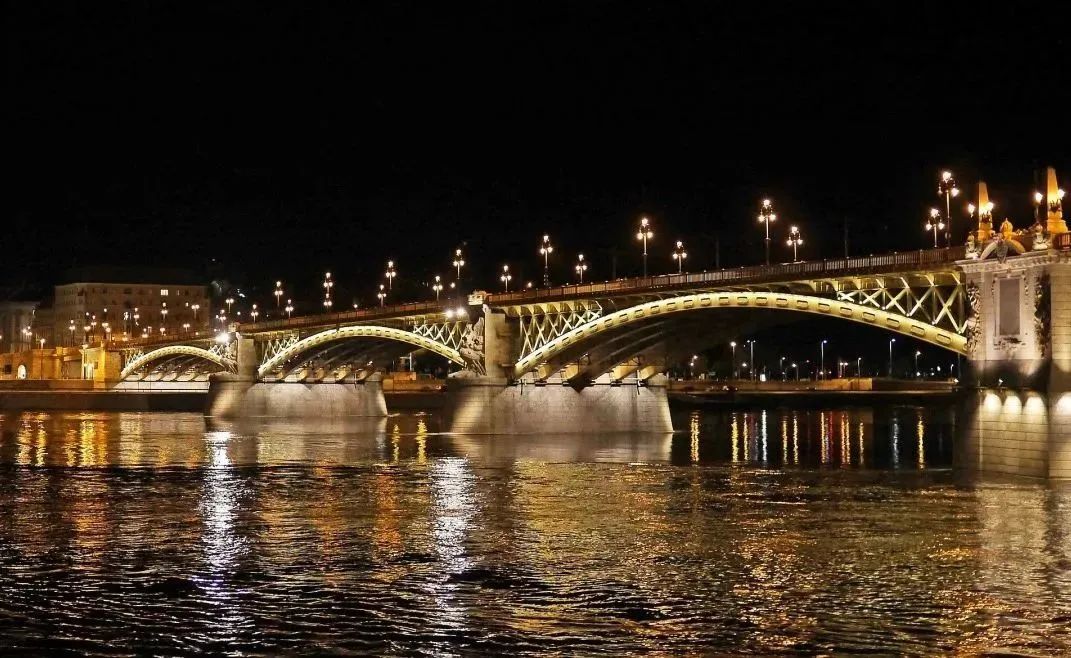
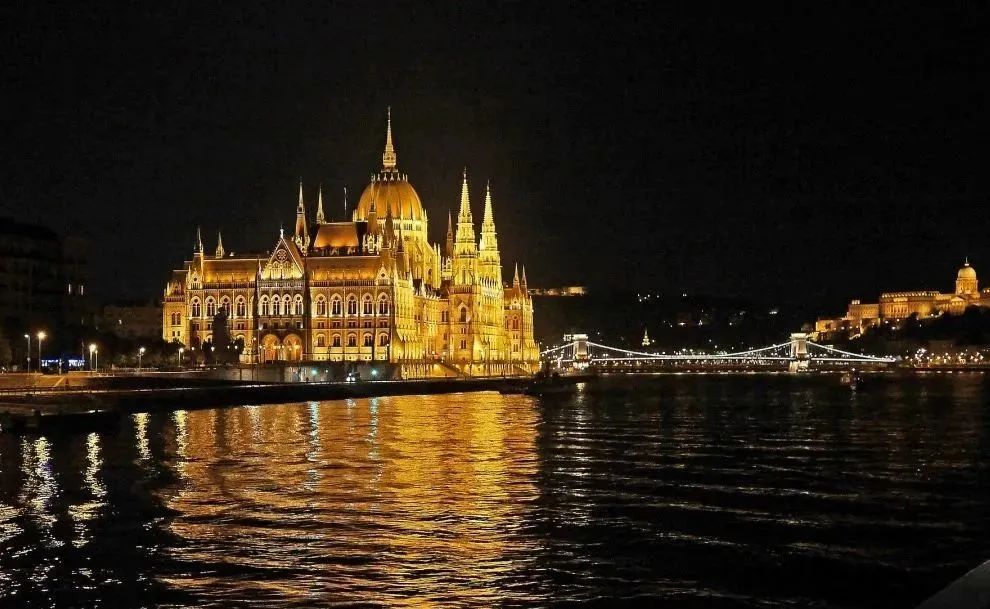
The relationship between bridges and urban landscapes is symbiotic. The significance of a bridge not only meets transportation requirements but should also reflect the city's cultural characteristics and overall layout. Bridge lighting design must satisfy landscape aesthetics while ensuring traffic safety; as a major thoroughfare, its lighting must comply with road lighting standards.
3 Square
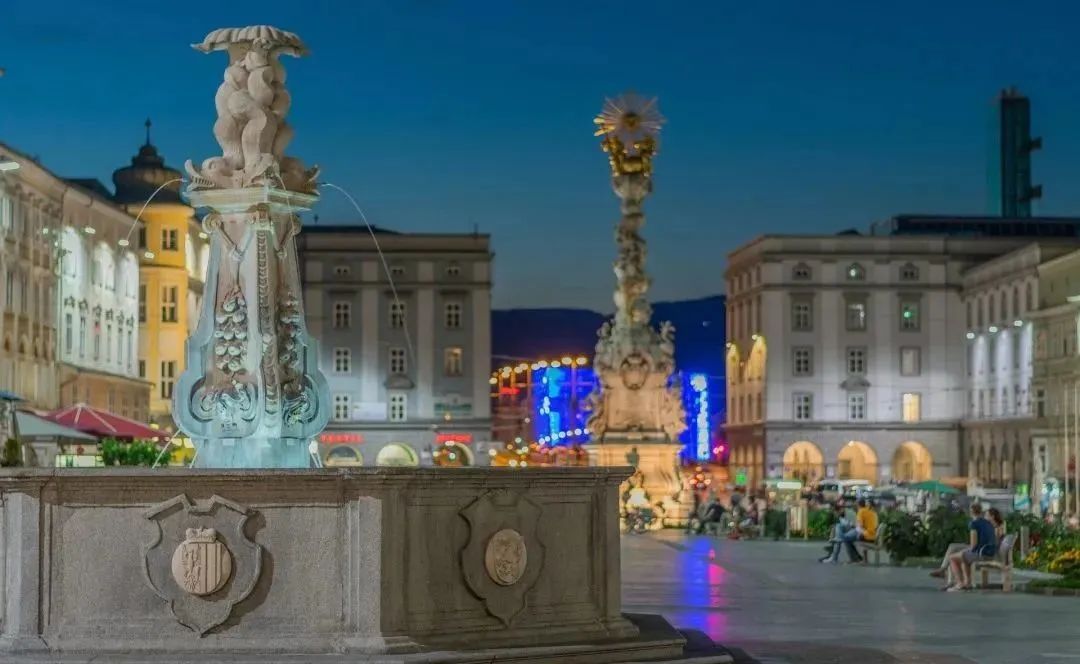
A square is a city road hub, a space for political, economic, cultural and other social activities or traffic activities in the city. In the nightscape lighting design of the square, it is necessary to reasonably match the functional requirements of the square with surrounding roads, buildings, scenic spots, greenery, etc., to achieve aesthetic comfort while best expressing the artistic appearance and characteristics of the city.
4 Commercial Street
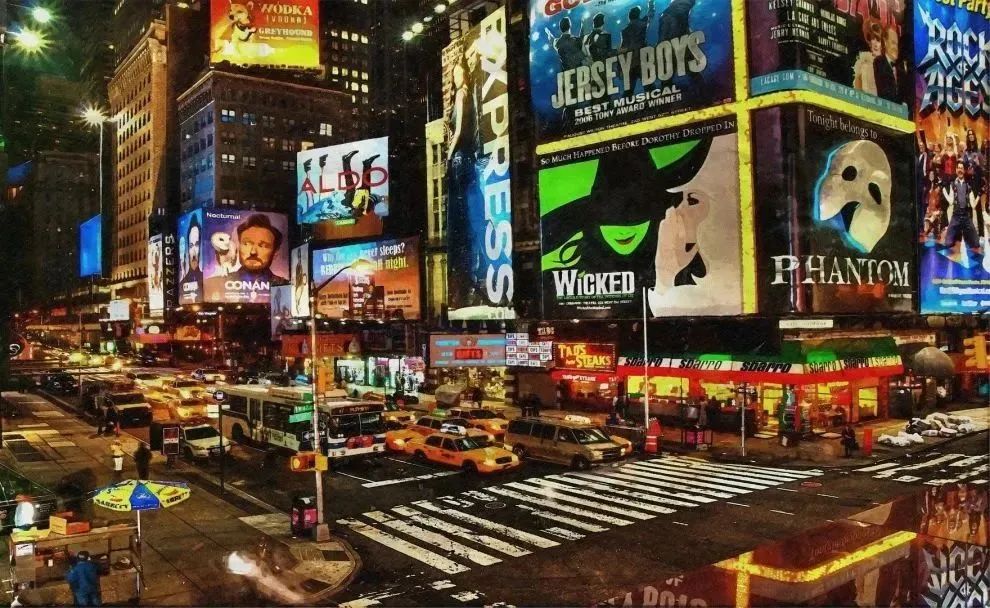
Nightscape lighting design for commercial streets can create a bustling city atmosphere, enriching the nightlife of urban residents and, to some extent, promoting economic and tourism development.
5 Building
A successful urban building can make people linger and even become a symbol of the city. By coordinating lighting with the design of urban buildings, in addition to considering the function of the building itself, it is also necessary to combine it with the city's own style and local characteristics.
6 Landscaping and Greening
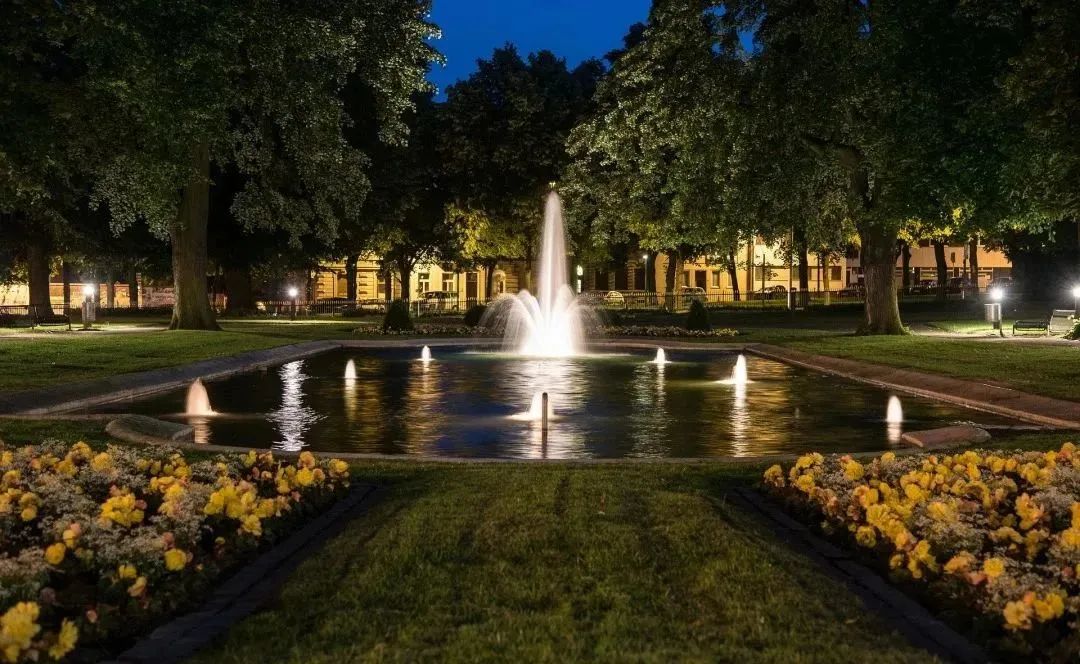
Lighting design is a crucial element in landscape gardens, utilizing luminaires with different effects to create contrasts of light and shadow at varying distances amidst the misty night and changing lights, giving the garden a unique charm distinctly different from daytime.
Part.2 How to execute a successful nightscape lighting design project?
1. Adjust the angle and direction of the luminaire
By controlling the angle and projection direction of the luminaire, the building displays unique beauty at night, creating a visual effect that distinguishes day from night.
2. Control luminaire illuminance and luminance
In nightscape lighting design, by controlling the illuminance and luminance of luminaire, strong light-shadow contrast can be created.
3. Combine different lighting methods
Nightscape lighting design should be divided into main lighting and auxiliary lighting. At the same time, according to the building's main facades, secondary facades, as well as different viewing angles and distances, different lighting methods can be adopted to make the building's visual effect more rich and three-dimensional. In addition, a combination of multiple lighting methods can be used to create different lighting effects and enhance the building's layering.
Some images and text are compiled from the internet, for reference only