
Selection of light sources and luminaires for indoor and outdoor spaces
Lighting is an essential living environment for illuminating nighttime life. With the advent of the technological era, lighting systems have become increasingly advanced and people's demands have risen accordingly; therefore, lighting requirements vary across different venues.
When designing light sources, the energy efficiency of selected light sources and ballasts must not be lower than the energy saving evaluation values of the corresponding energy efficiency standards; the power density (LPD) limits for building nightscape lighting must comply with current industry standards.
Selection of light source
1. Indoor premises
(1)要符合颁布的照度标准,保证各室内空间有合适的照度。比如:起居室(客厅),在这里要接待客人,又要家人聚会,要兼顾工作、学习的需要,照度应稍高;餐厅要防止吃食时发生意外,照度也要偏高;而卧室照度应较低,才便于主人休息。
(2) Efforts should be made to utilize lighting methods, luminaire types, and light color varieties to create an environmental atmosphere and improve spatial perception. For example: various spotlights can be used to produce strong, concentrated luminance contrast, making indoor spaces vivid and dynamic; diffused light primarily from reflector coves with soft light colors can create a tranquil, relaxing, and intimate harmonious atmosphere in interiors; adopting classical-style luminaires adds a luxurious and elegant atmosphere to the environment; using minimalist luminaires can create a simple and peaceful atmosphere; in cold regions, using low-color-temperature warm-toned light sources, and in hot regions, using high-color-temperature cool-toned light sources, both help harmonize the indoor light tone and fill it with warmth.
(3)照明还可以使人们对空间产生不同的感觉。一般地说,照度高、亮度大的房间感觉要大一些。
2. Outdoor areas
(1) Due to the complex working environment, outdoor lighting design must consider the impact of environmental factors such as temperature, UV radiation, humidity, rain, dust, and chemical gases on LED outdoor luminaire systems. Currently, most domestically produced LED luminaires (mainly street lights) are assembled using multiple 1W LEDs connected in series and parallel; this method is known as packaging technology. To achieve the required power, modules of 30W, 50W or even larger are used for assembly, with epoxy resin being one of the encapsulation materials employed for these LEDs.
(2) Select aluminum or aluminum alloy with good thermal conductivity, copper or copper alloy, and other alloys. Ensure waterproofing, dustproofing, anti-aging, and stainless steel bolt fastening. Then refer to the latest outdoor luminaire technical specifications issued by China, as well as the urban road lighting design standards.
(3) Facilities within 20m of the building exterior wall in outdoor landscape lighting shall have a grounding system consistent with that of the indoor system; for facilities more than 20m from the building exterior wall, a TT grounding system is recommended. Additionally, when outdoor lighting uses a TN low-voltage power supply system, the layout principle of lighting control boxes (sub-control points) must consider the power supply radius and the voltage drop required from the power source to the end receiving point, to avoid malfunction of luminaire due to undervoltage. According to "Code for Design of Power Supply and Distribution Systems" GB50052—98, under normal operating conditions, the allowable voltage deviation at the end of road lighting is +5%, -10%.
Luminaire Selection
1. Outdoor areas
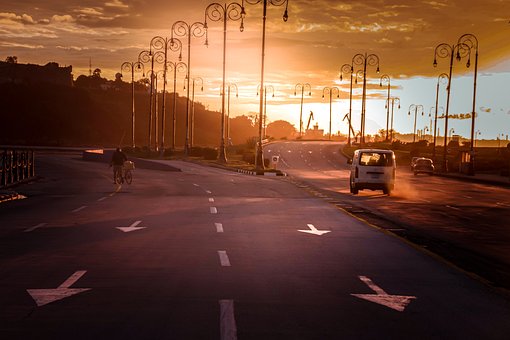
(1) Street light
Applicable locations: highways, overpasses, parking lots, stadiums, freight yards, ports, airports, and public leisure squares, etc.
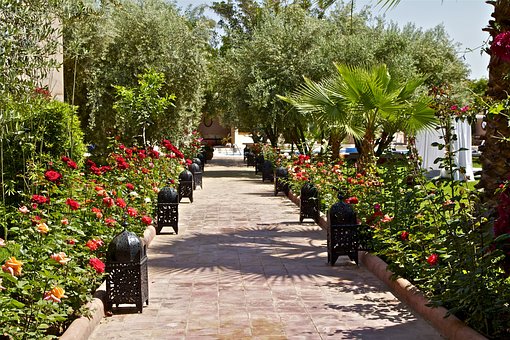
(2) Garden Light
Applicable locations: urban slow lanes, narrow lanes, residential communities, tourist attractions, residential compounds, parks, campuses, gardens, villas, botanical gardens, squares and other public outdoor lighting areas.
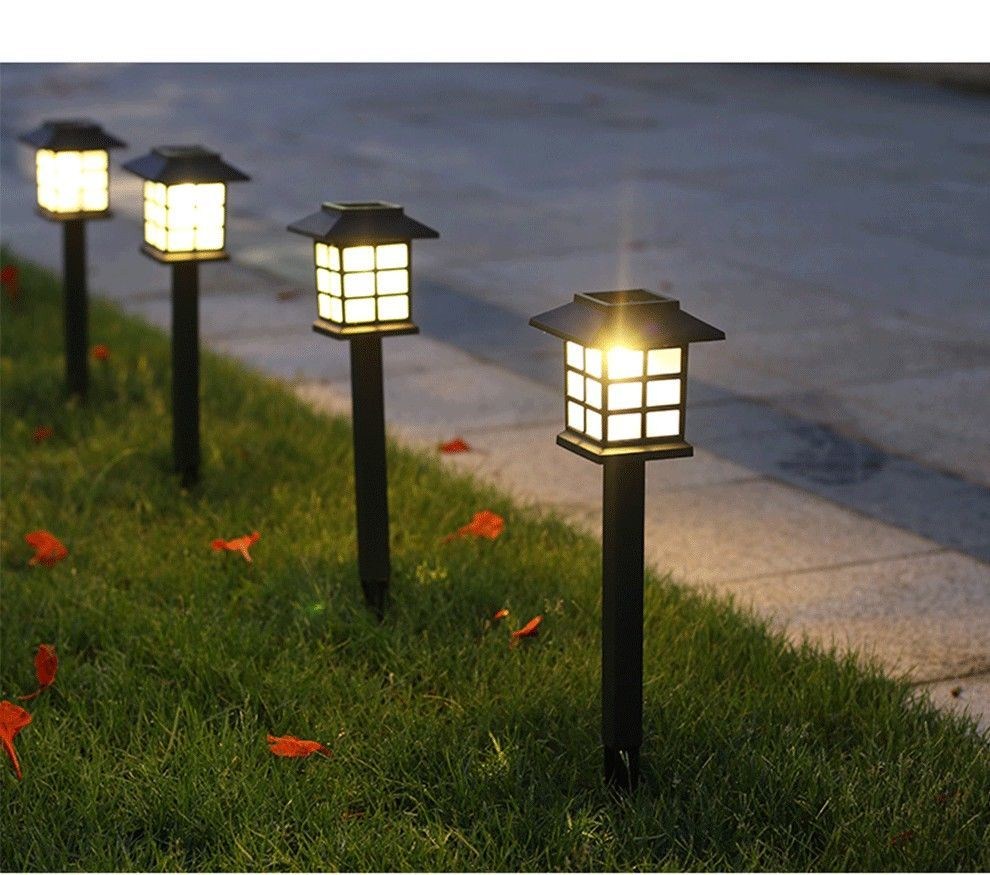
(3) Lawn Light
Applicable locations: Widely suitable for parks, scenic areas, upscale communities, garden villas, public squares and green spaces, tourist attractions, resorts, golf courses, corporate factory green area lighting and beautification, residential community green space lighting, commercial pedestrian streets, etc.
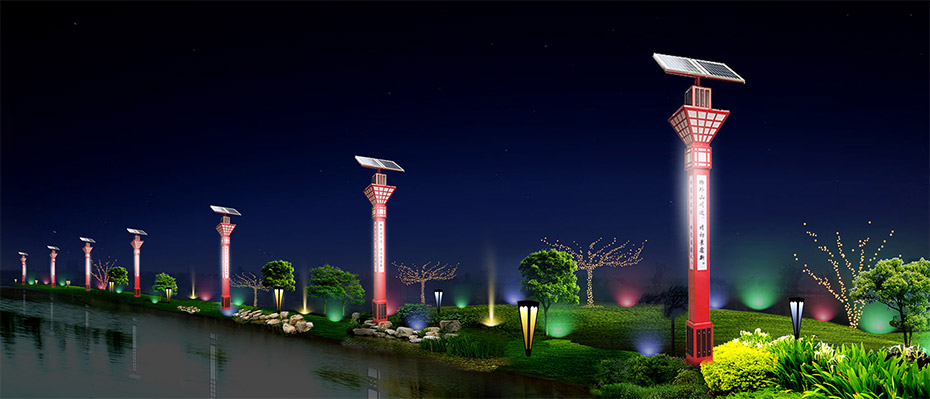
(4) Landscape lighting
Applicable locations: lakesides, residential communities, tourist attractions, residential compounds, parks, campuses, gardens, villas, botanical gardens, large squares, pedestrian streets, and other public spaces.
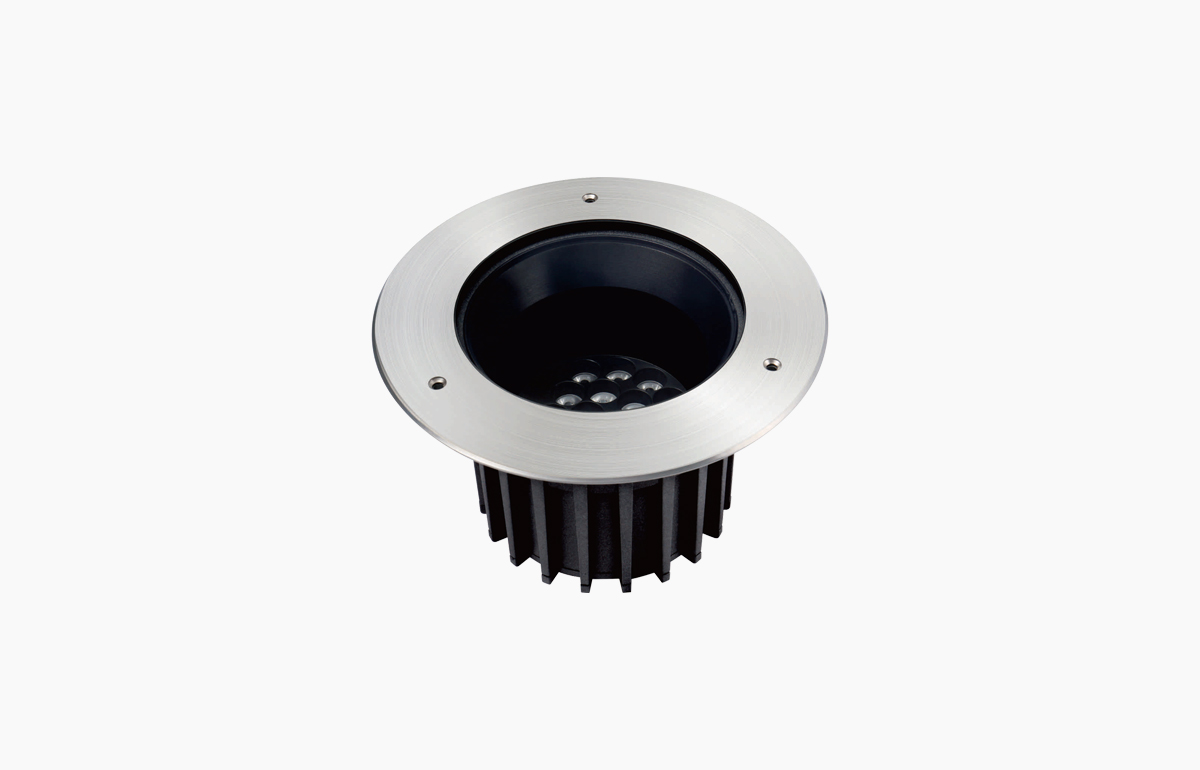
(5) In-ground light
Applicable locations: squares, restaurants, private villas, gardens, conference rooms, exhibition halls, residential area beautification, stage bars, shopping malls, parking sculptures, tourist attractions, and other locations for lighting decoration.
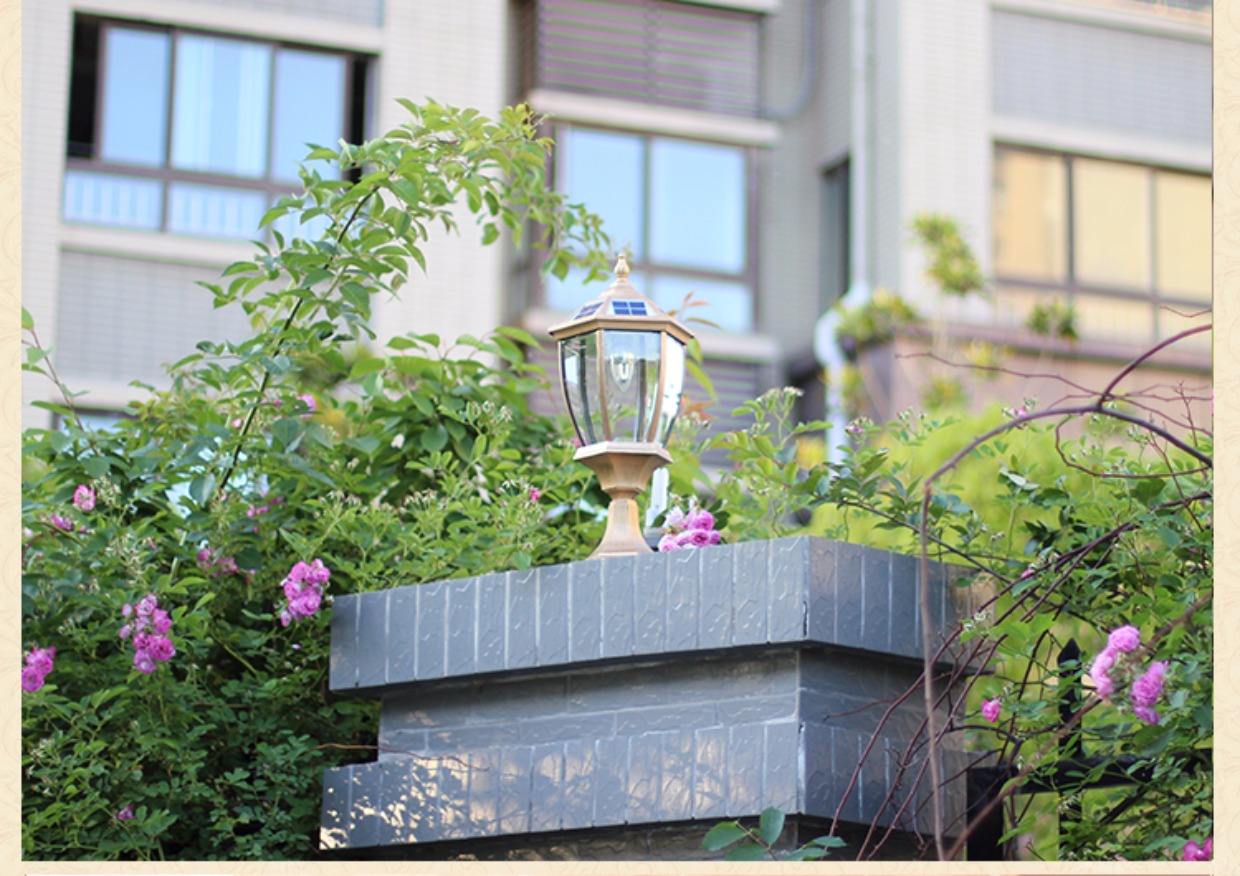
(6) Wall-mounted light
Applicable locations: Typically installed in residential communities, parks, or on lamp posts; highly decorative.
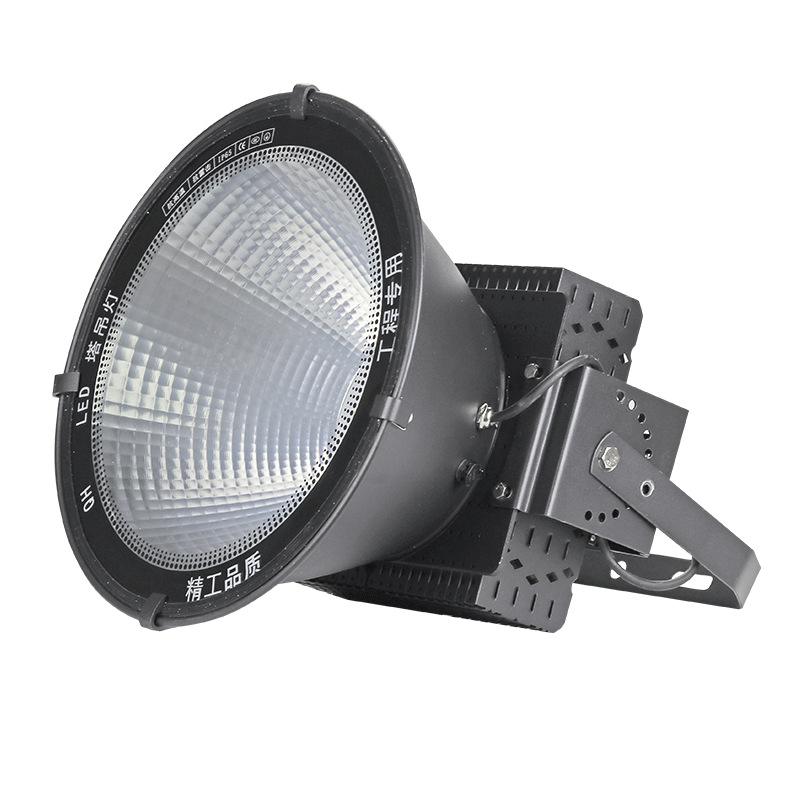
(7) Floodlight
Applicable locations: large-scale mining and industrial sites, building outlines, stadiums, overpasses, monuments, parks, flower beds, etc.
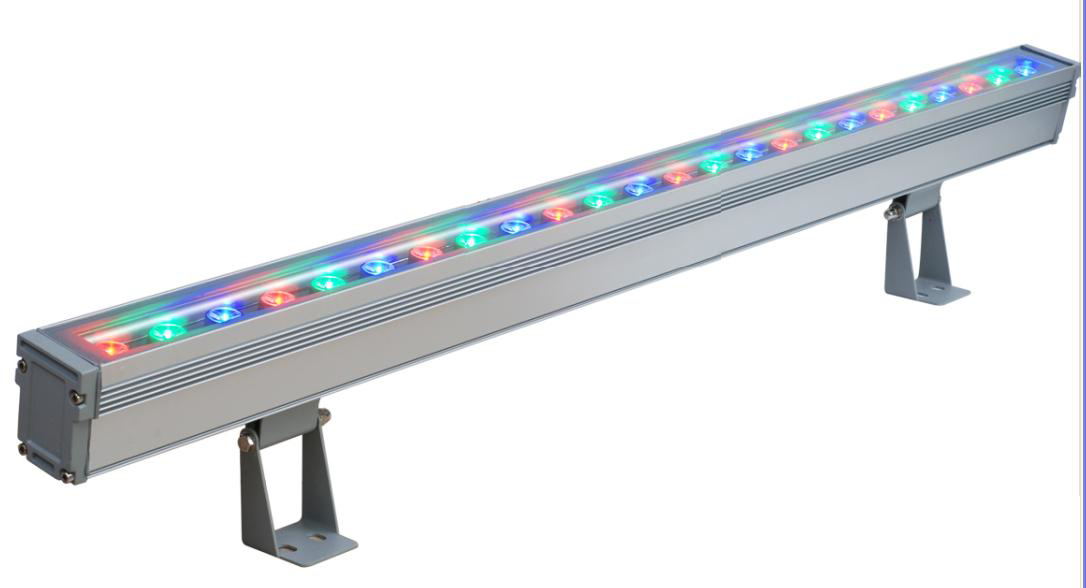
(8) Wall washer
Applicable locations: Primarily used for architectural decorative lighting, as well as to outline the contours of large buildings.
2. Indoor premises
Indoor lighting luminaires mainly include ceiling lights, pendant lights, wall sconces, spotlights, and floor lights. Ceiling or pendant lights are the main light sources indoors, while other luminaires serve as auxiliary light sources.
(1) Generally, according to installation method, they can be divided into six types: recessed luminaires, surface-mounted luminaires, pendant luminaires, track luminaires, movable luminaires, and architectural lighting.
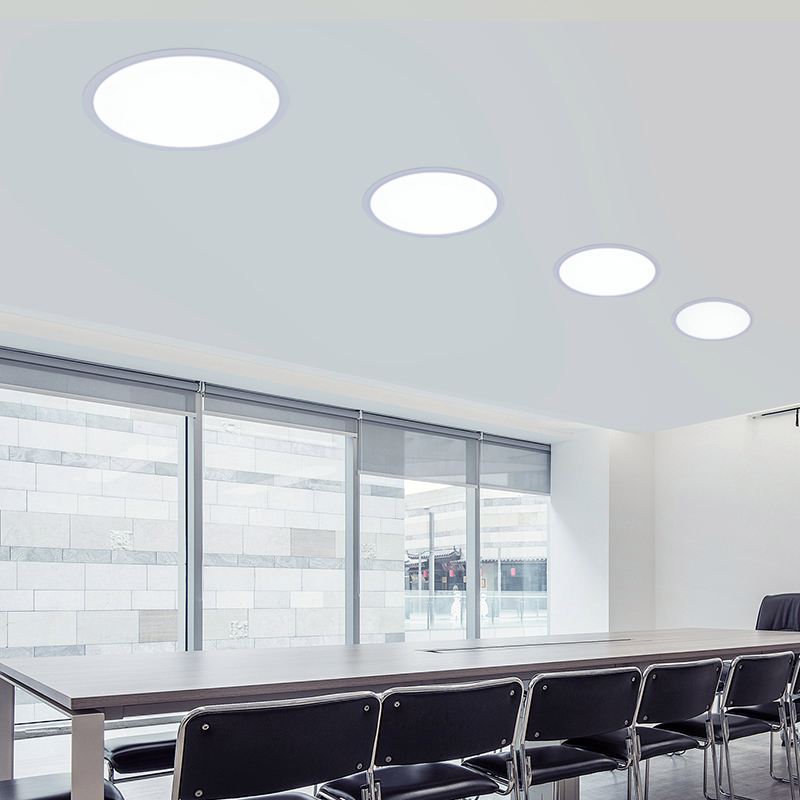
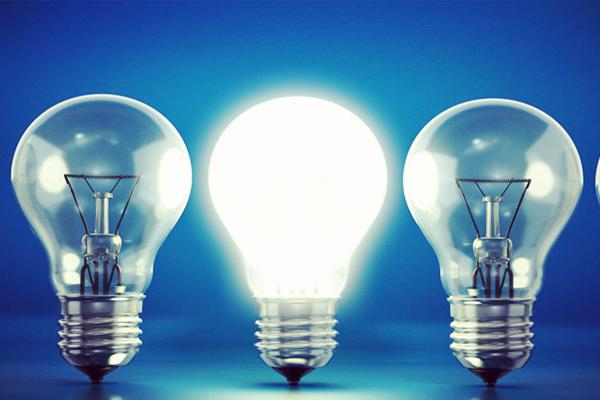
(2) Classified by light source, there are three categories: Incandescent lamp (Compact fluorescent lamps (CFL) belong to this category), Fluorescent lamp, and Gas discharge lamp.
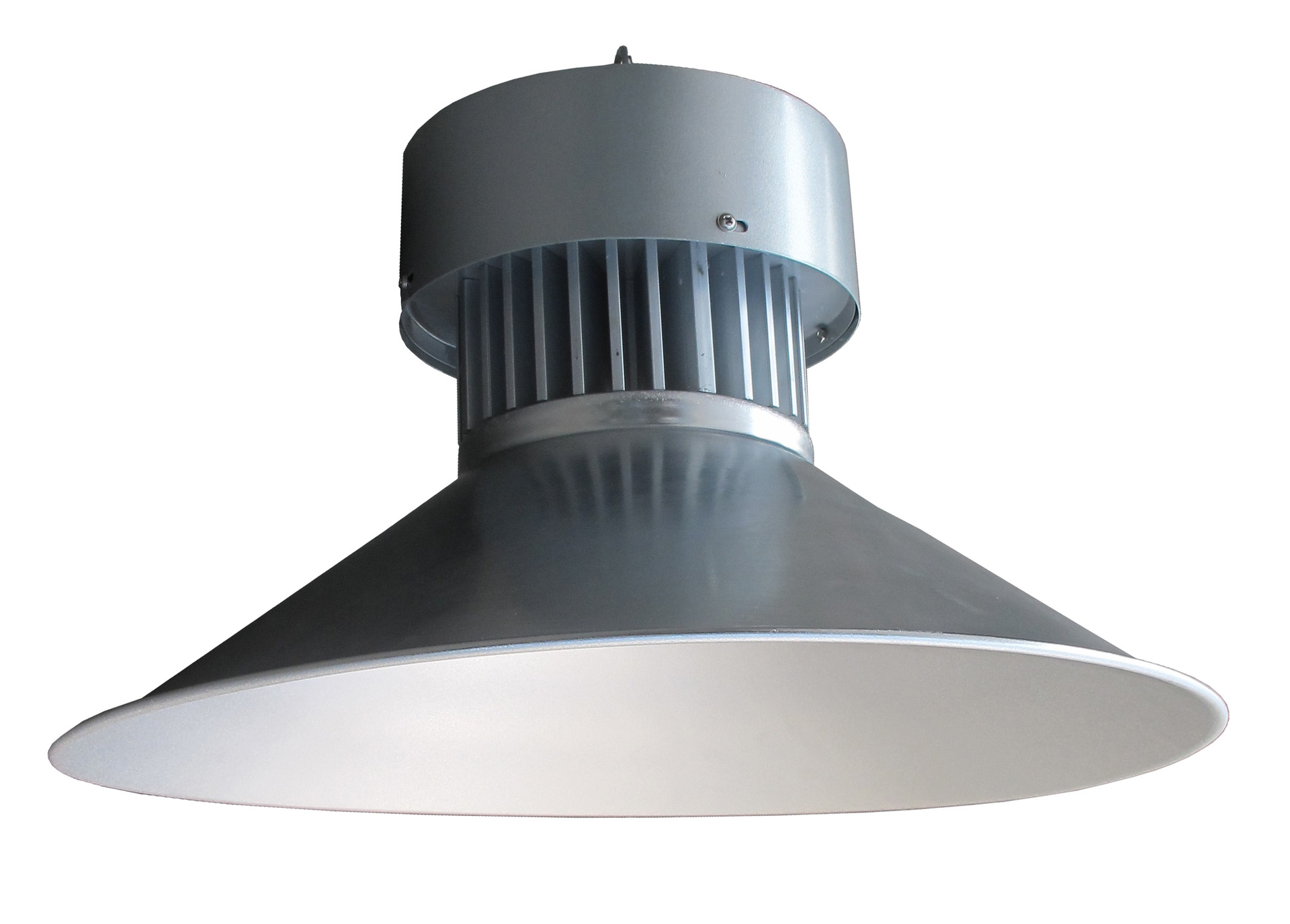
(3) Lamps can be classified by usage environment into residential lamps, architectural lamps, industrial and mining lamps, automotive lamps, marine lamps, stage lamps, etc.
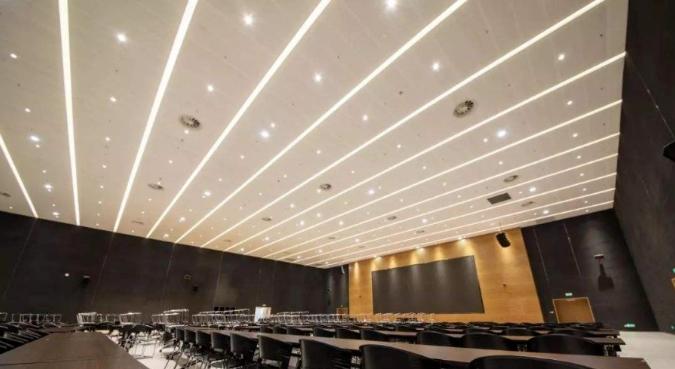
(4) According to light distribution in severe cold, it can be classified into direct lighting, semi-direct lighting, full diffuse lighting, and indirect lighting, etc.
Partial text and image sources: Internet