
The era of horticultural lighting has arrived! How to reduce the impact of light on plant growth?
在可持续发展的理念下,LED植物照明作为一种节能高效的照明方式,正在成为照明行业的新风口。LED植物照明成为众多照明厂商走差异化竞争之路的“必选项”。
Horticultural lighting refers to providing photosynthesis for plants by using LED grow lights. Its essence lies in regulating light quality to promote plant growth and increase yield. Currently, it is applied in grain production, fruit and vegetable cultivation, flower planting, medicinal plant cultivation, as well as mosquito repellent and pest control fields. Globally, modern facility agriculture such as plant factories and vertical farms is experiencing a construction boom. The widespread application of horticultural lighting in vegetables, fruits, herbs, flowers, and aquaculture makes the prospects and sustainable development of this field very optimistic. Horticultural lighting should comply with plant growth laws; otherwise, it may easily affect normal plant growth and even cause wilting or death.
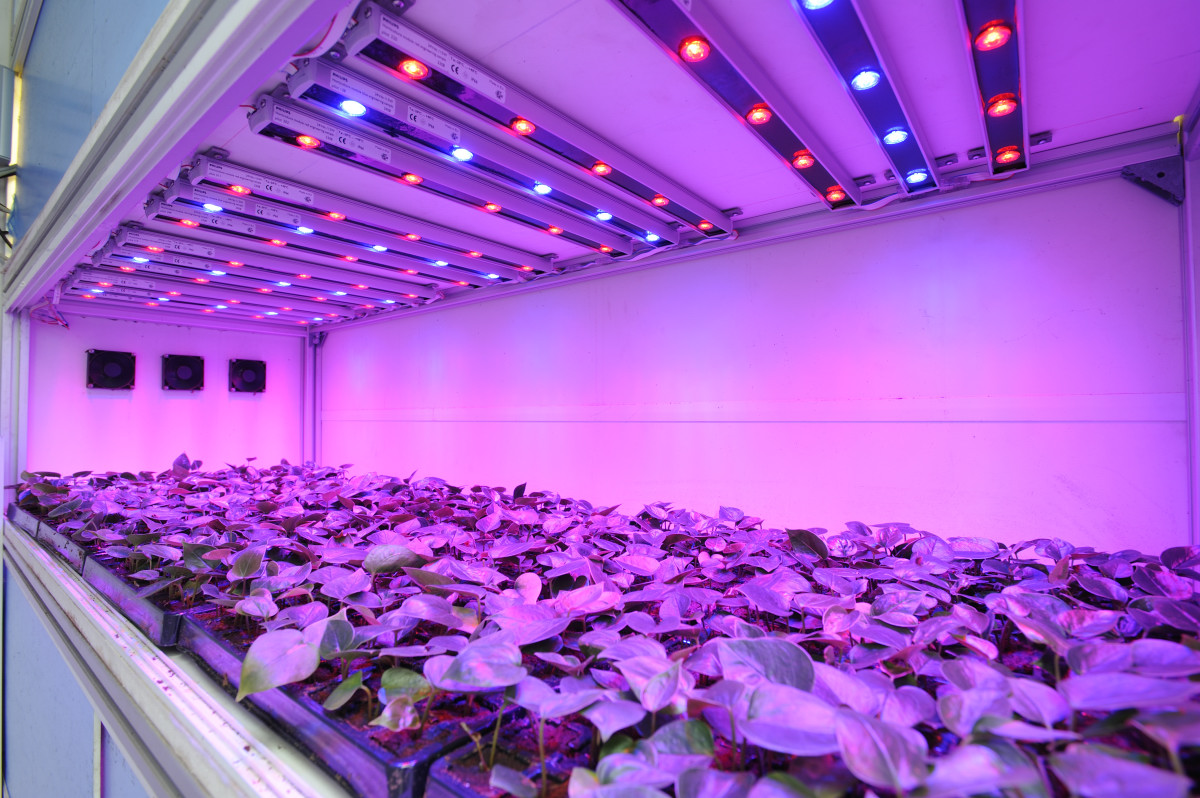
How to choose horticultural lighting?
1. The spectrum of different plant growth lights varies. However, they share a common characteristic: high levels of blue and red light. This is because blue light with wavelengths between 400 and 470 nanometers stimulates seedling growth and the development of leaves and roots in plants. The required wavelengths vary across different growth stages of plants. You can decide which color grow light to purchase based on actual needs and plant types to supplement lighting for your plants.
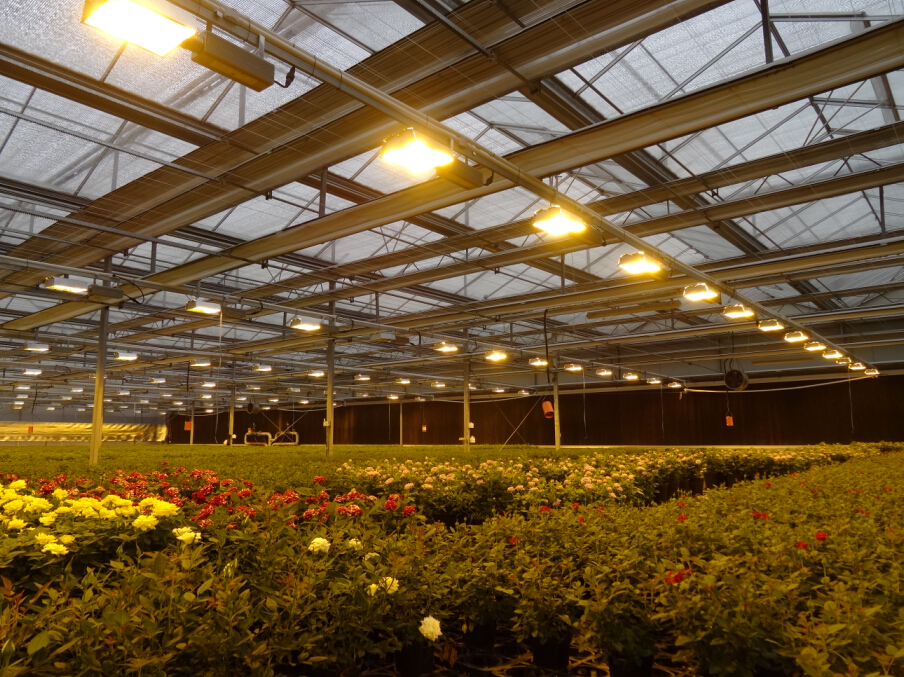
2. Do not choose ordinary Incandescent lamps. They emit a large amount of heat, which can scorch plant leaves, whereas LED lamps generate very little heat and will not scorch the leaves. Additionally, LED plant grow lights are equipped with dedicated blue and red light to better stimulate plant potential, suitable for all growth stages of plants, including seedlings, various leafy plants, succulents, and flowering plants.
III. The luminance of the lighting fixture and the distance between the light and the plant also have a certain impact on plant growth. For general lighting, the lamp should be placed 40 to 75 cm away from the plant. The closer the light, the higher the intensity, and the better the photosynthesis. For flowering and fruiting plants that require abundant light, the lamp needs to be closer to the plant, while seedlings or ordinary leafy green plants require less light, so the lamp can be placed slightly farther away.