
Discussing the Protection class (Class I/II/III) of LED luminaires
The following article is from Bihua Talks Electricity , by Bihua Talks Electricity
LED luminaire protection classes include Class I, Class II, and Class III. Since it is a luminaire, the assessment must be made for the entire luminaire system, which includes not only the luminaire body but also accessory equipment such as LED drivers .
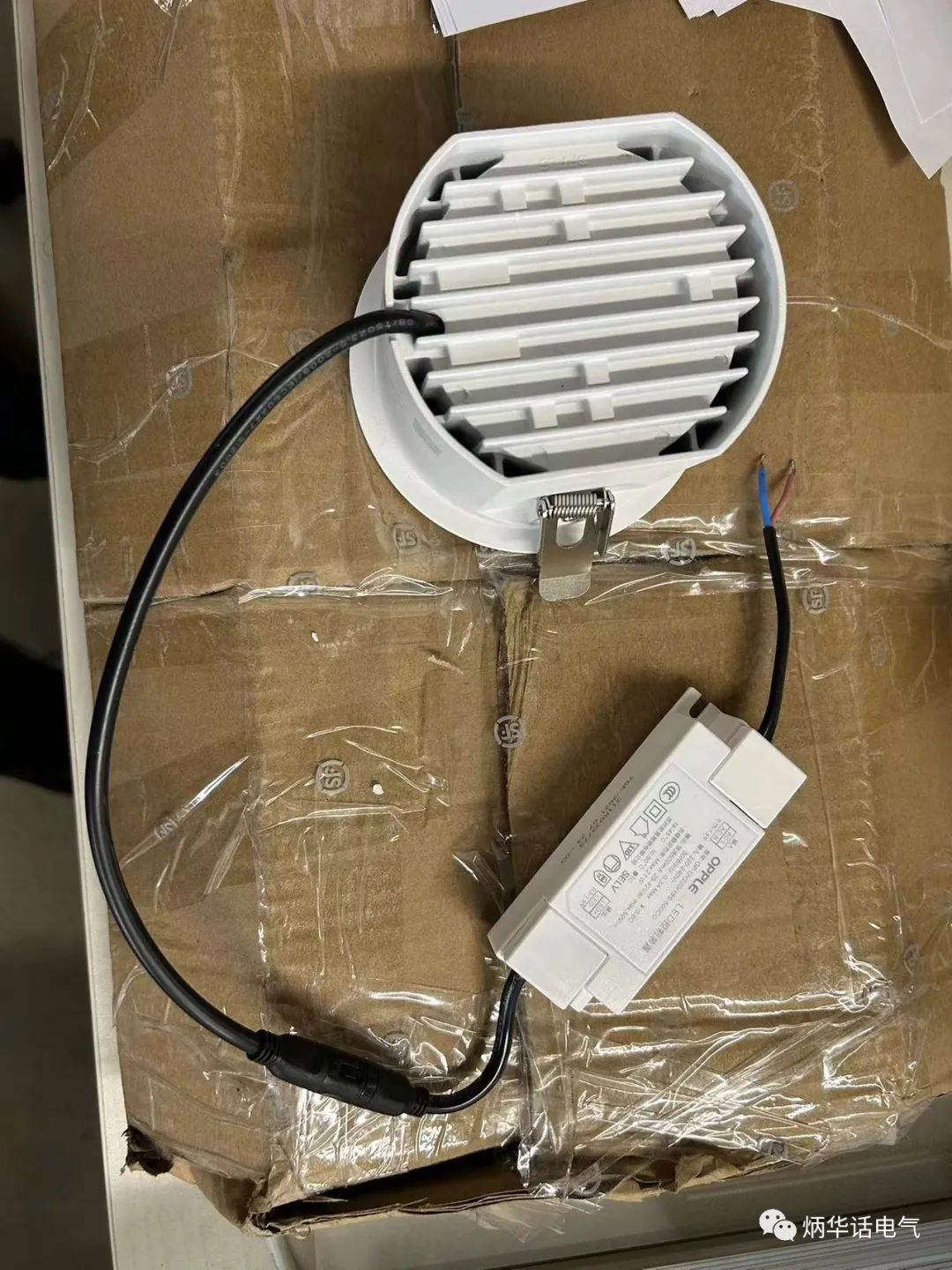
Figure 1 Split-type Downlight
LED drivers can be integrated with the luminaire body or separated . From a power distribution perspective, the power distribution line connects to the luminaire as its supply input; the voltage of the luminaire's power supply is the same as the voltage of the power distribution line. The voltage level between the LED driver and the luminaire body belongs to the internal voltage level, not the power distribution line voltage . Nowadays, more and more luminaires adopt a separate LED driver configuration, such as panel lights in office spaces. This approach is flexible and saves significant testing and certification costs. Underground spotlights still largely use integrated luminaire designs.
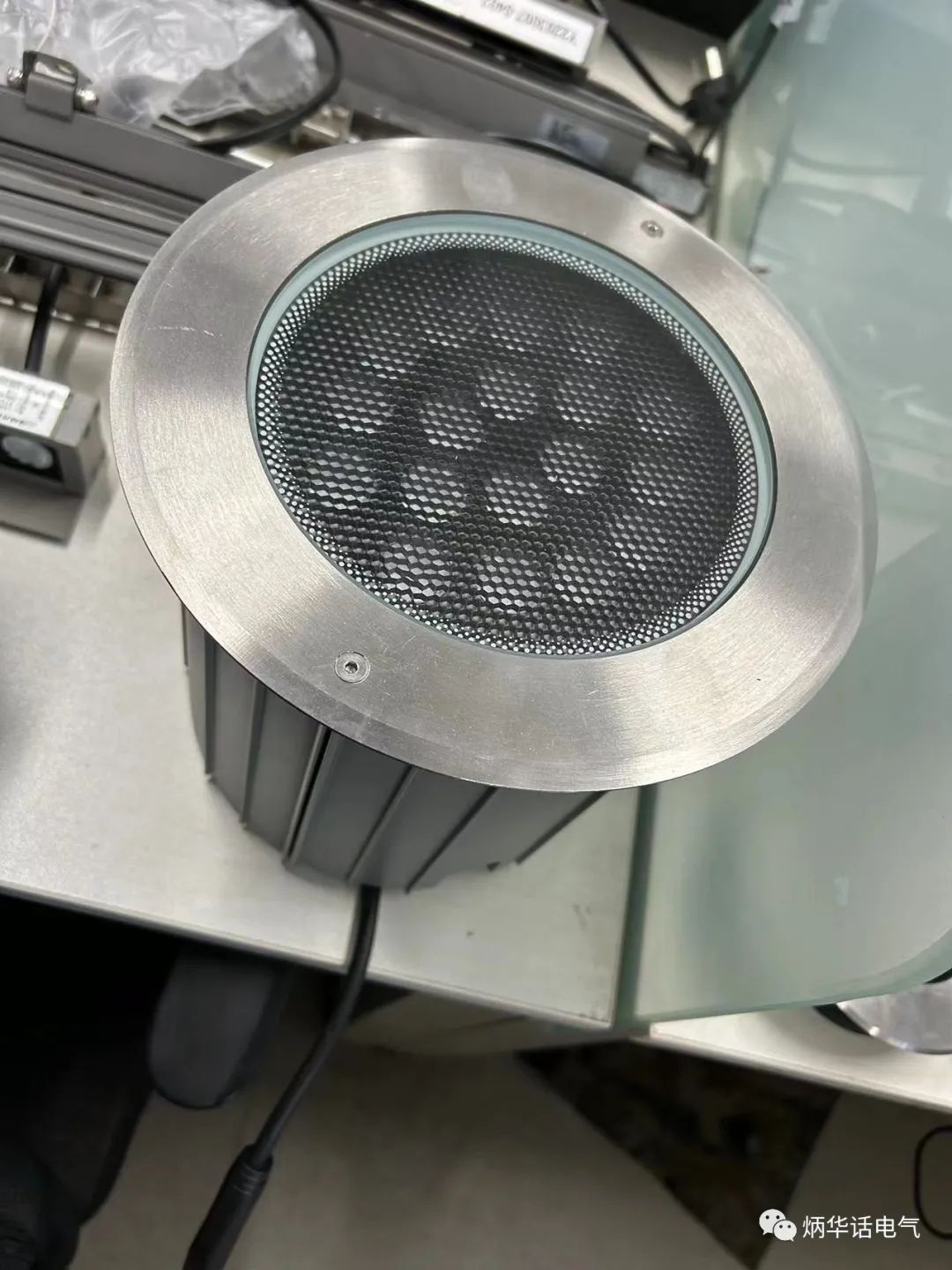
Figure 2 Integrated Buried Light
Class I luminaires are protected by basic insulation and earthing. In the event of an earth fault, the fault current flows through the earthing conductor to operate the protective device (typically a miniature circuit breaker), thereby disconnecting the fault circuit and providing protection. At this time, the luminaire supply uses single-phase AC 220V.
Class II luminaires are protected by double or reinforced insulation; the luminaire enclosure must not be grounded. They typically use single-phase AC 220V power supply.
Class III luminaires are powered by extra-low voltage, typically using a SELV (Safety Extra-Low Voltage) system, with an AC supply voltage not exceeding 50 V or a DC supply voltage not exceeding 120 V. The luminaire enclosure must also never be grounded.
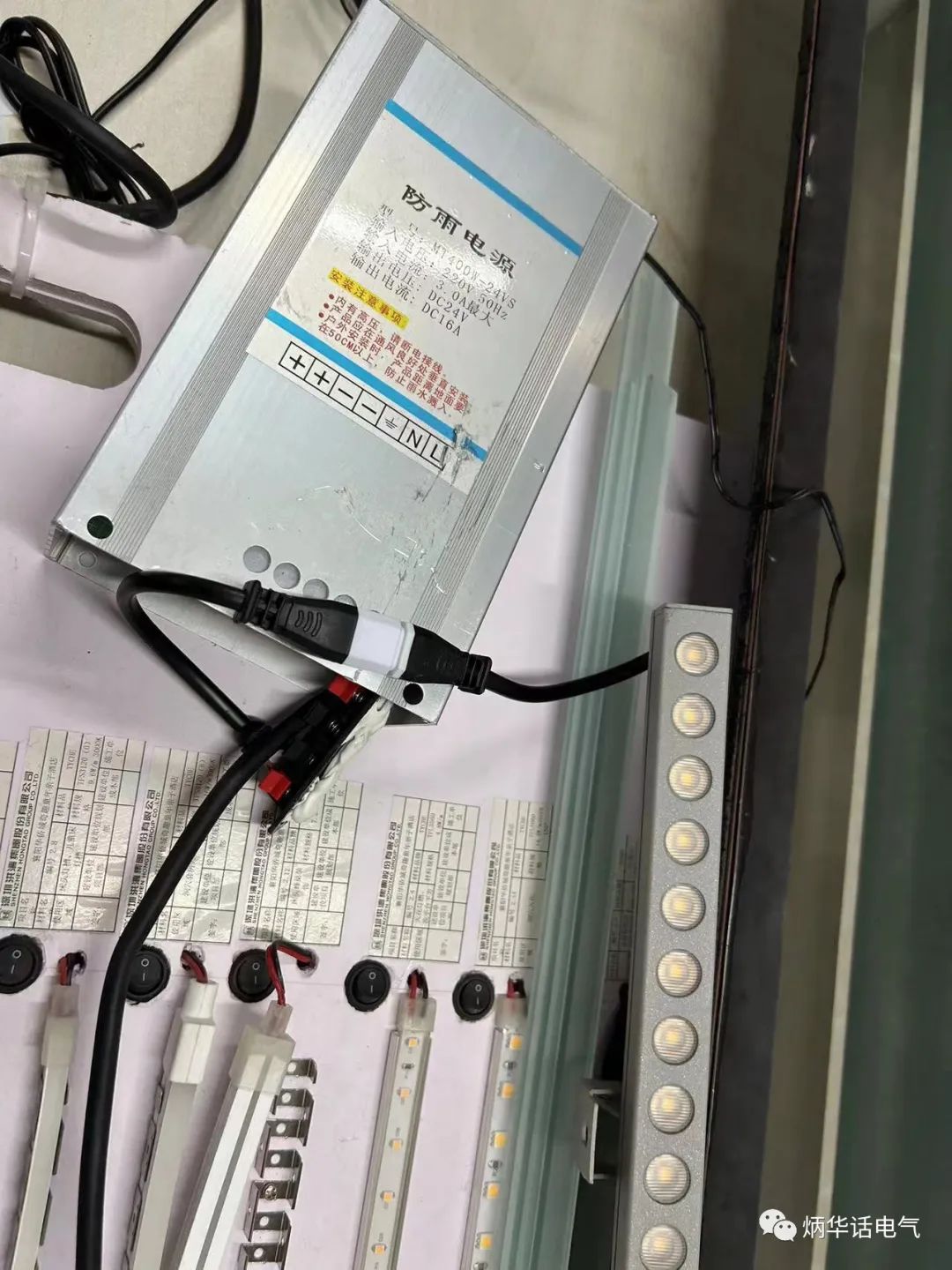
Figure 3 Split-type Linear light
Therefore, these three types of luminaire are all used in engineering projects; now indoor lighting increasingly adopts Class II LED luminaires.