
Zibo, Shandong: Smart plant factories achieve a 'great start'
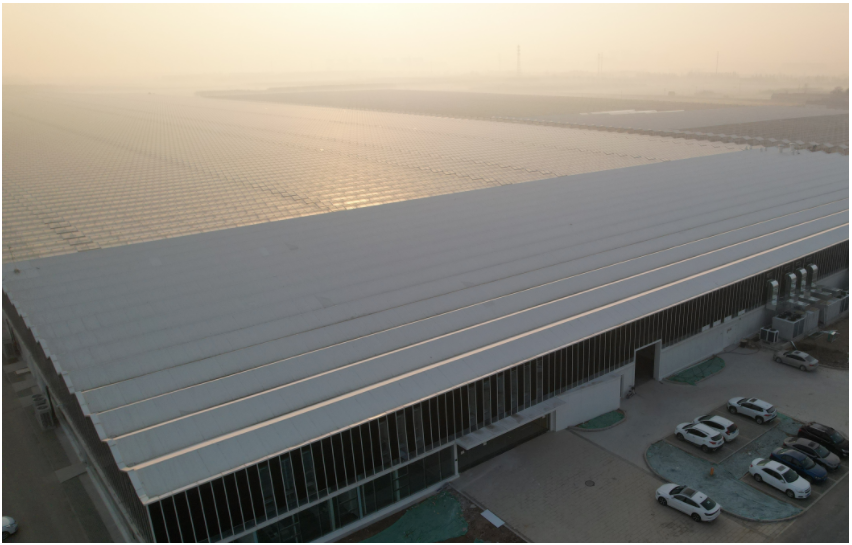
On January 5, 2023, the first digital agriculture project led by a smart plant factory was harvested in Guoli Town, Huantai County, marking the launch of the Shandong Agricultural Development Group's inaugural smart plant factory initiative. The project officially commenced in July 2021. As of now, Smart Plant Factory Greenhouse #1 has been completed and is operational, managed and operated by Kaiseng Haofeng Agriculture Co., Ltd. Daily tomato production can reach over 20 tons . Greenhouses 2-6 are scheduled for completion within the year. Upon full operation, annual tomato production is expected to reach 30,000 tons, generating a value of 600 million yuan and creating over 800 jobs.
A so-called smart plant factory is one that produces plants under fully industrialized conditions without soil, without pesticide application, and without being affected by natural environmental factors. It achieves this by digitally controlling essential elements such as lighting, temperature, and nutrients required for plant growth, representing the future direction of agriculture.
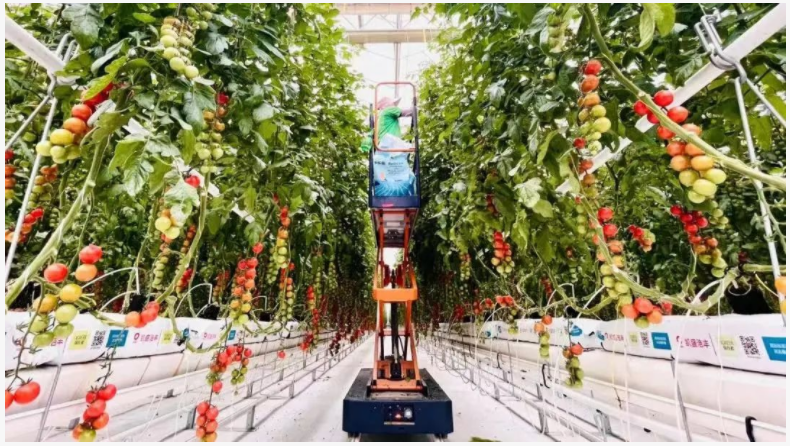
Yield increased by 400% compared to traditional greenhouses
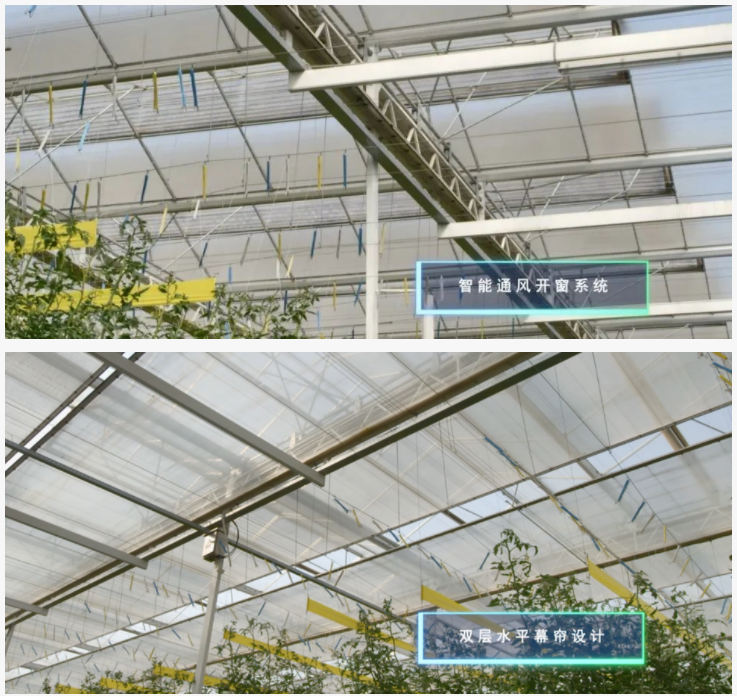
A single greenhouse is equipped with 423 sensors and 1165 controllers. It enables real-time acquisition and intelligent adjustment of data related to temperature, lighting, water and fertilizer, and air inside the plant factory, providing an optimal growth environment for plants 365 days a year, 24 hours a day.
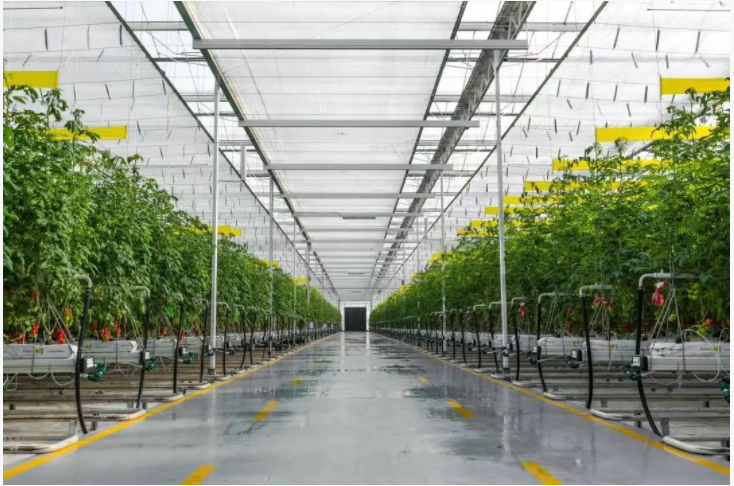
Plant factories adopt multi-layered, three-dimensional, soilless cultivation techniques to expand planting space vertically. Compared with traditional planting methods, plant yields are significantly increased under the same land area, without causing pollution to the soil environment.
2 Digital management rate reaches 90%
The intelligent plant factory features five smart control systems, allowing easy management of hundreds of acres of plant factories with just one smartphone.
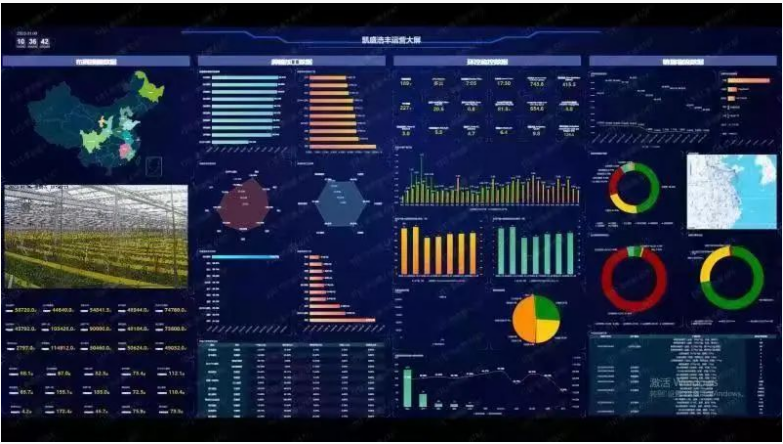
First is the BPM system, designed to drive process management. Second is the ERP system, enabling automated production management for farms. Third is the MES system, achieving collaborative intelligent control. Fourth is the farm labor scheduling and dispatch system. Fifth is the WMS system for finished goods warehouse management, realizing integrated collaboration. Overall, 90% of the smart farm has achieved digital management.
Seed to Table: Full-Chain Data Control
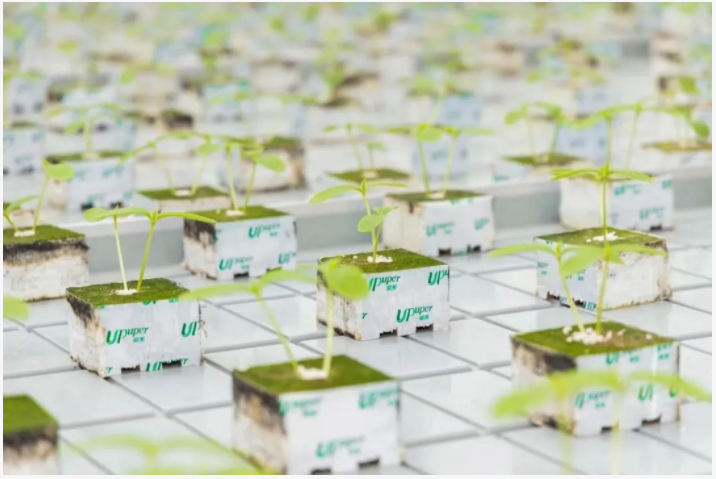
Determine the production plan based on market demand, transforming traditional agricultural production models into an industrialized order-based production model. Product sell-through rate can reach 99.7%.
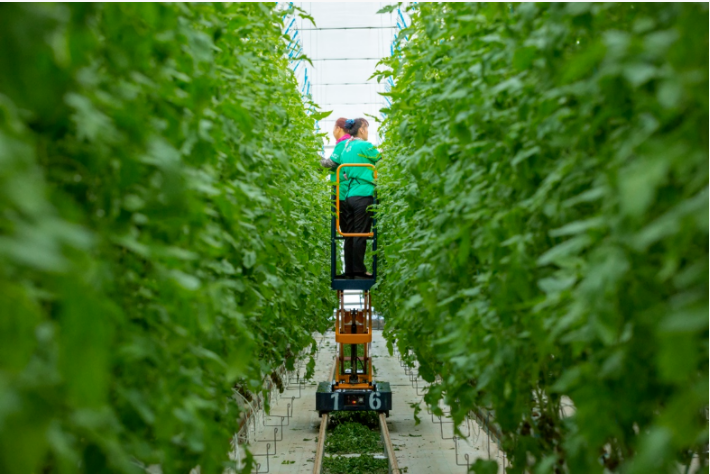
Use data BI for predictive analysis to guide harvesting operations, achieving an accuracy rate of over 90%.
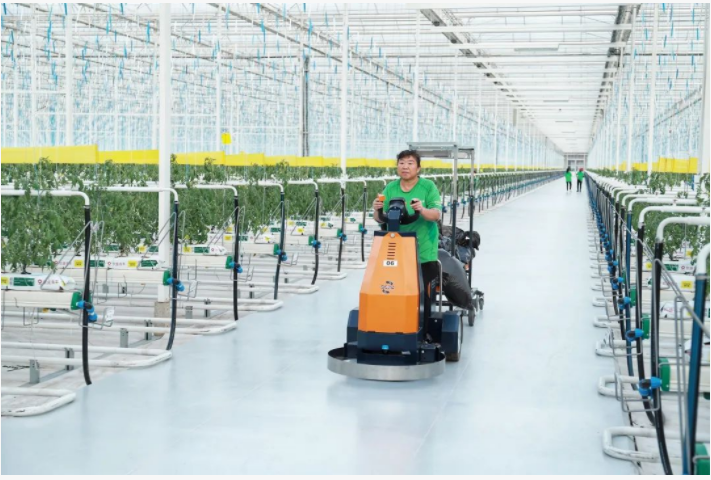
AGV intelligent robot, through image analysis and data processing, achieves intelligent harvesting, improving labor efficiency by 50%.
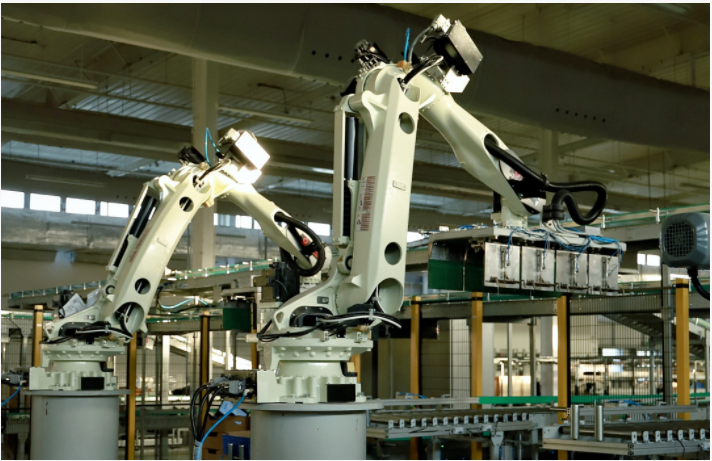
Fully automatic sorting and packaging, freeing up 90% of labor while achieving 100% real-time inbound and outbound inventory management.
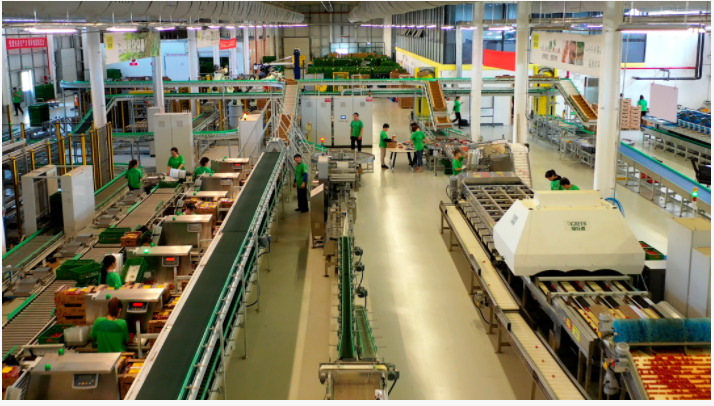
Coordinate outbound shipping based on market orders and trace the source of every tomato box in real time.
Section 4: Save 60% on energy costs
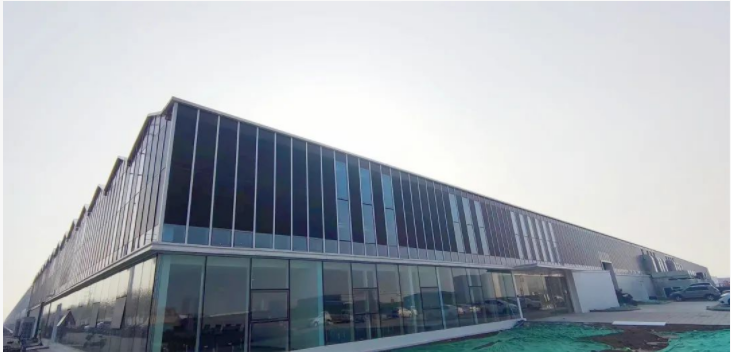
Introduce globally advanced thin-film solar power generation glass, applied in multiple scenarios such as park rooftops and walls, reducing production and operational energy consumption.
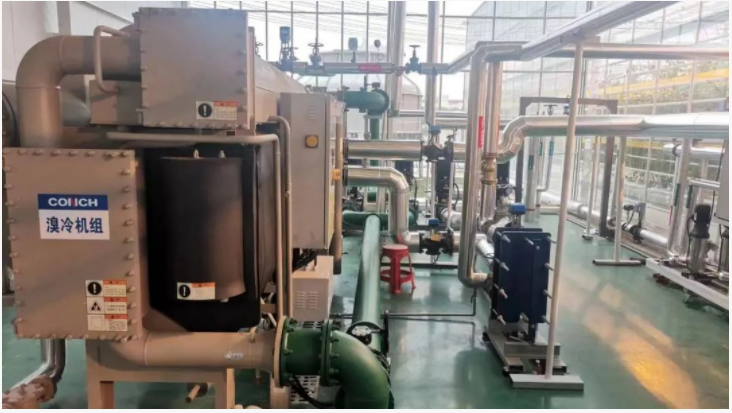
Adopting modern industrial carbon supplementation and purification technologies, combined with municipal heating, achieves green low-carbon circular development, effectively reducing CO₂ emissions by 40% and saving energy costs by 60%.
Five Zero Product Standards
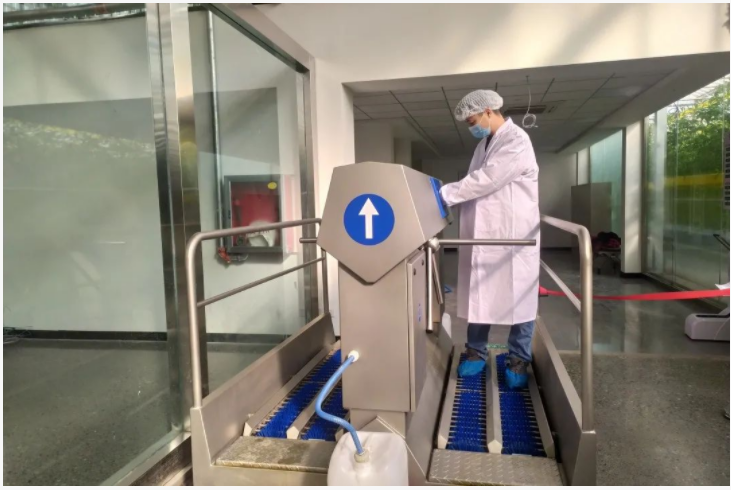
Introducing Dutch Venlo-style enclosed glass smart greenhouse technology; personnel must wear sterile suits and pass through air shower equipment before entering the greenhouse to ensure "zero contamination" of products.
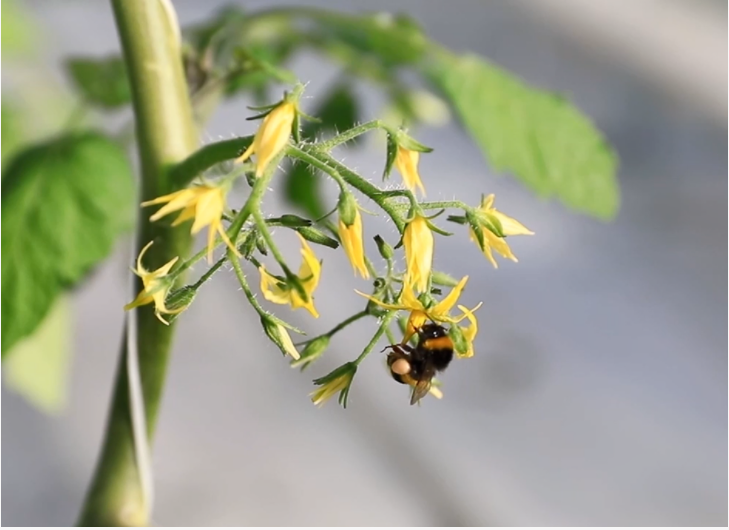
Adopting Belgian bumblebee pollination technology, environmentally friendly, ensuring the product is 'hormone-free'.
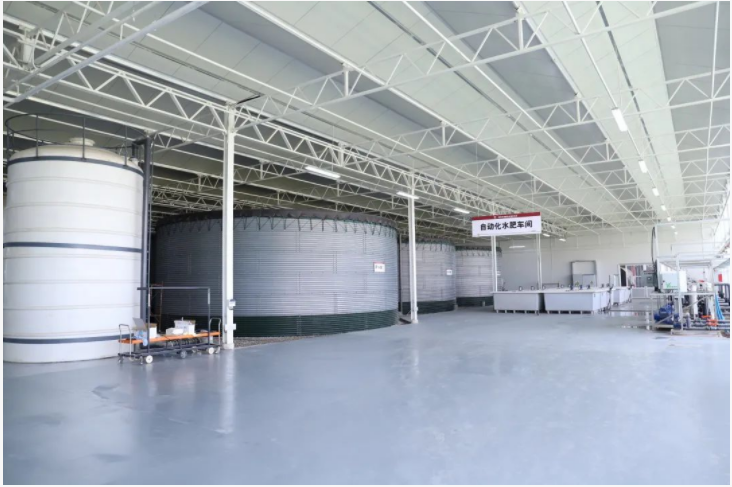
Apply soilless rock wool cultivation and biological pest control technologies to ensure products are "pesticide residue-free."

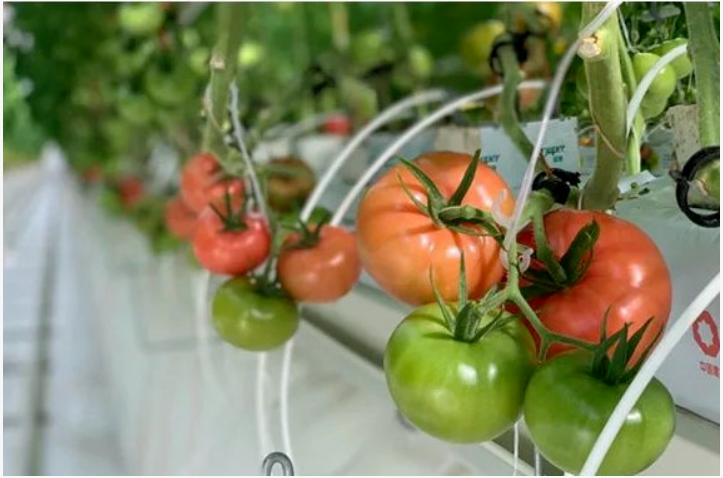
Create an optimal 24-hour growth environment, naturally increase plant growth speed, and ensure the product is "zero ripening."