
The first commercial cryptographic application project for urban lighting officially lands
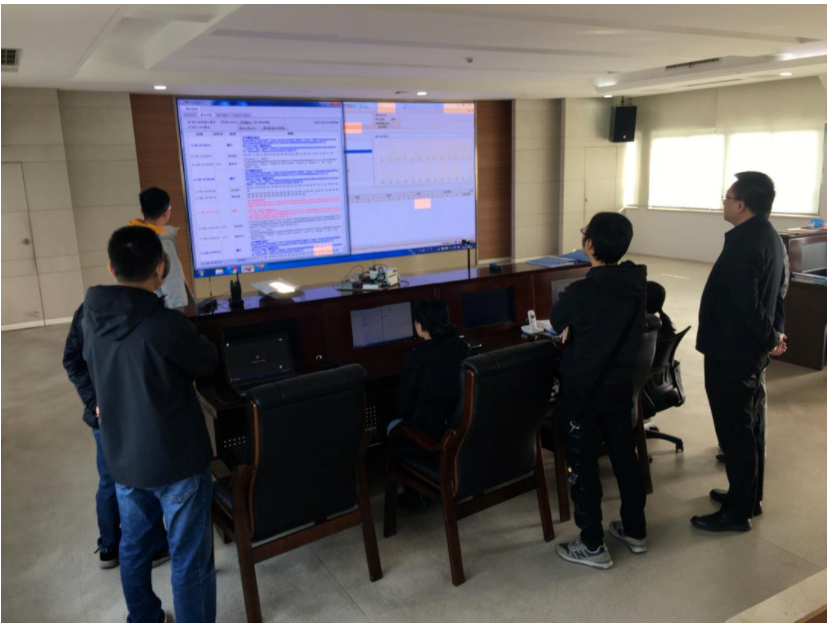
近日,全国智能建筑及居住区数字化标准化技术委员会(简称“全国智标委”)(SAC/TC426)承担的首个城市照明商用密码应用项目-“成都市照明监控系统数据加密研究项目”顺利通过成都照明监管中心组织的验收。
In November 2020, Chengdu was included as a pilot city for the Ministry of Housing and Urban-Rural Development's "New Urban Construction" initiative, which set requirements for smart city infrastructure construction. Chengdu took urban lighting retrofitting and upgrading as a key breakthrough point, actively coordinating and promoting the iterative upgrade of urban lighting. By constructing an urban lighting monitoring system and applying national cryptographic standards to its information systems, Chengdu established a national cryptographic application security system for urban lighting, achieving efficient management and collaborative operation of the system. In 2021, commissioned by the Chengdu Lighting Supervision Center, the National Smart Standardization Committee undertook the consulting and planning for the "Urban Lighting Monitoring System Data Security Encryption Project" , and compiled the "Technical Guidelines for Data Security Encryption of Urban Lighting Monitoring Systems" (hereinafter referred to as the "Guidelines") .
In 2022, to further promote the implementation and pilot application of consulting planning results, following the technical route and approach outlined in the guidelines, we developed the "Pilot Plan for Data Encryption Research on Urban Lighting Supervision Systems", and selected smart lighting terminals for technical transformation. By loading commercial cryptographic algorithm SE and relying on the construction industry's cryptographic platform, data encryption and certification were achieved, thereby ensuring the information security of Chengdu's urban lighting business systems.
At the acceptance review meeting, the review experts unanimously agreed that the project, by applying commercial cryptography technology, achieved encryption and decryption verification of the data transmission environment, meeting the expected objectives. It is recommended to next achieve system standardization and generalization based on the pilot phase, improve the log management system and emergency response plan, and prepare technical reserves for large-scale application promotion.
Source: National Smart Standardization Committee