
What You Need to Know About Football Lighting
Although you cannot feel the roaring celebration of the World Cup live in 2022, high-definition large-screen broadcasts still allow you to experience it as if you were there. The increasingly clear and realistic images are made possible by the stadium lighting, which plays a crucial role behind the scenes. In fact, stadium lighting has a significant impact on both athletes' comfort during competition and the television broadcast quality of football matches.
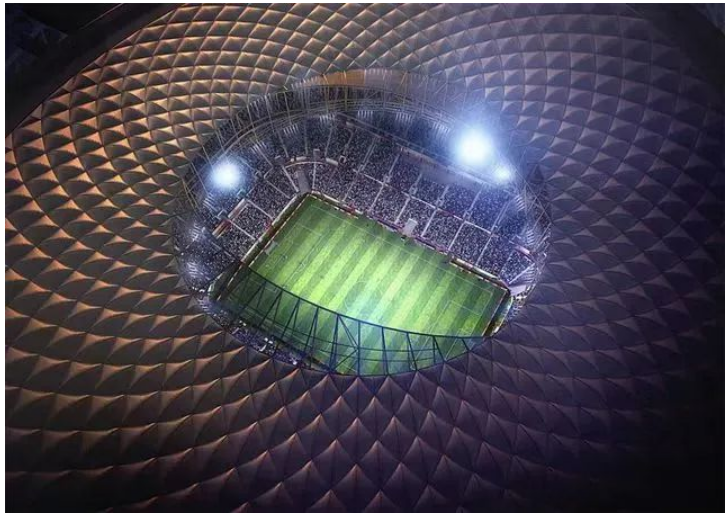
▲
Lusail Stadium
Today, let's compare and understand football lighting by combining the standards of FIFA, AFC, and China's current sports lighting standard JGJ153-2016 "Standard for Lighting Design and Testing of Sports Venues".
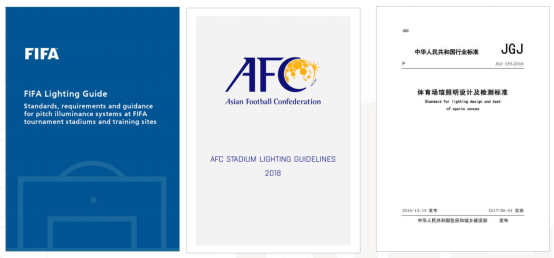
▲
FIFA and AFC football lighting standards, China's sports lighting standards
Comparison of Evaluation Indicators and Requirements for Sports Lighting
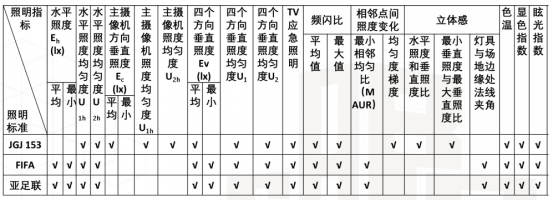
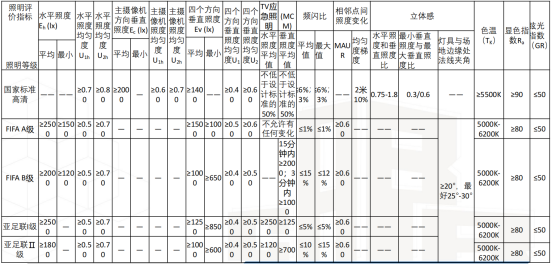
▲
Summary of Comparison for Sports Lighting Evaluation Indicators
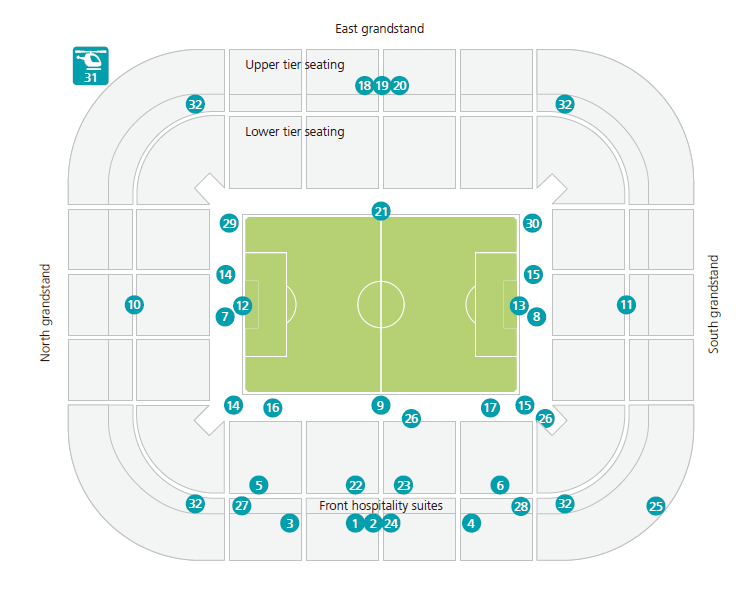
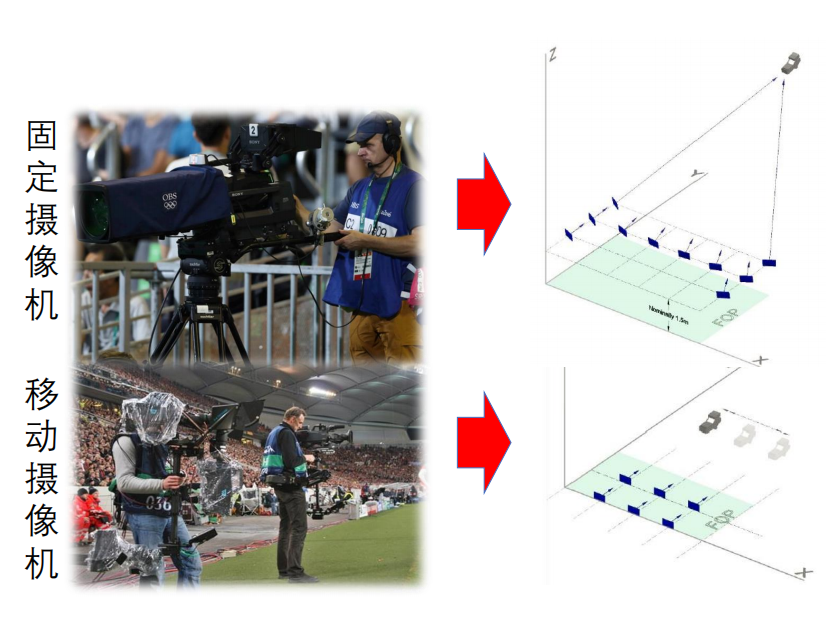
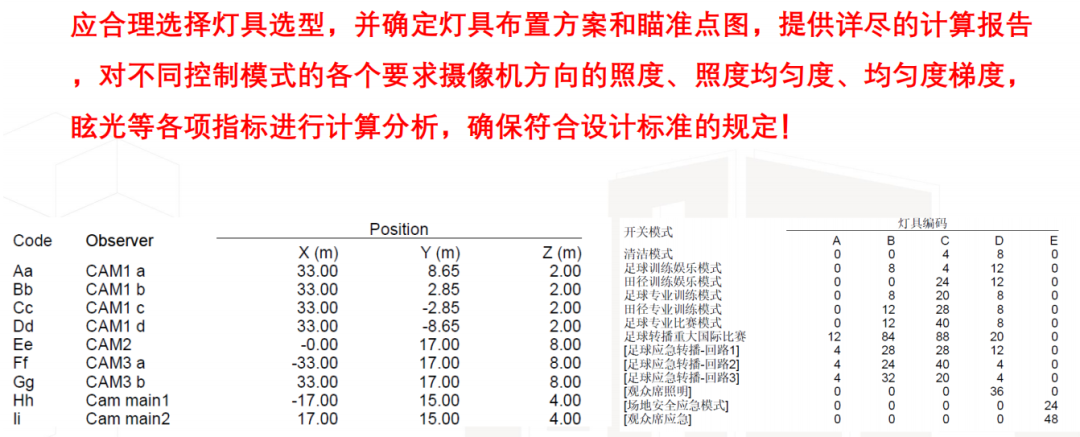
Vertical illuminance in the direction of the camera
The vertical illuminance in the direction of the camera must meet the vertical illuminance requirements for all cameras capturing the field. FIFA and AFC have only specified vertical illuminance requirements for moving cameras, without considering the needs of the main stadium cameras.
▲
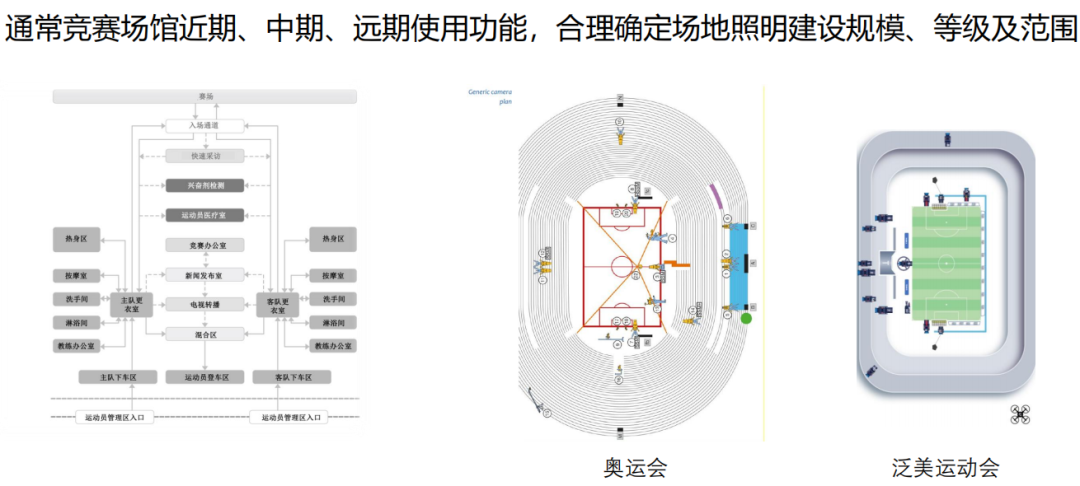
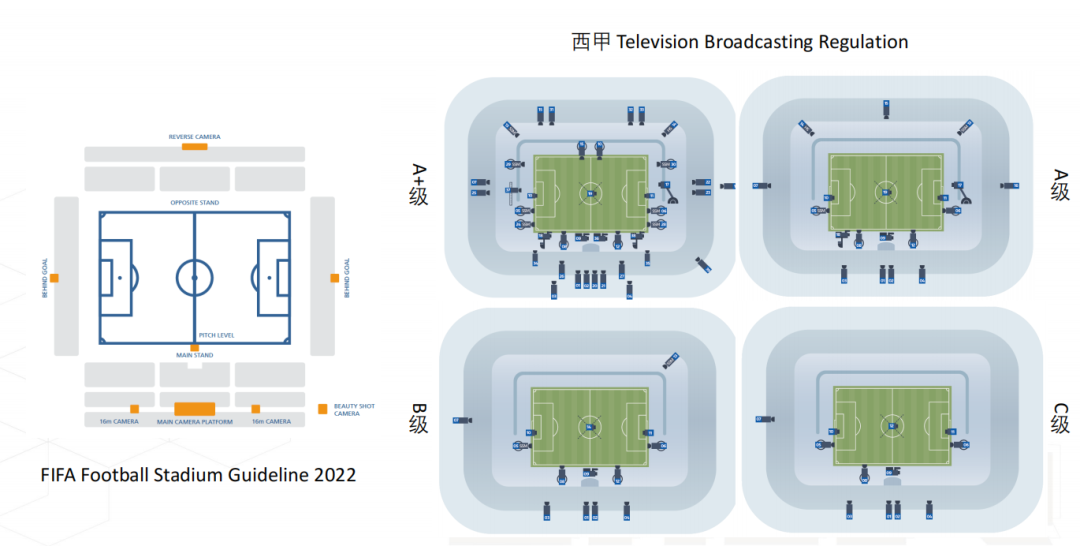
Football field full-court camera position map
▲
Lighting Diagram for Different Camera Positions
Illuminance ratio
有电视转播时场地平均水平照度与平均垂直照度的比值宜为:
Stadium 0.75~1.80, Gymnasium 1.0~2.0.
比赛场地每个计算点四个方向上的最小垂直照度和最大垂直照度之比不应小于0.3;HDTV转播重大比赛时不应小于0.6。
▲
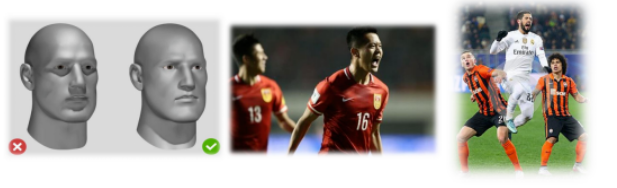
Modeling visual effect
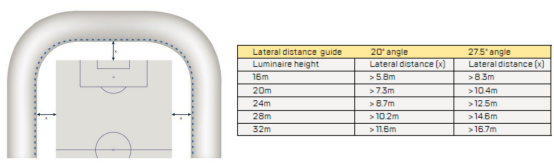
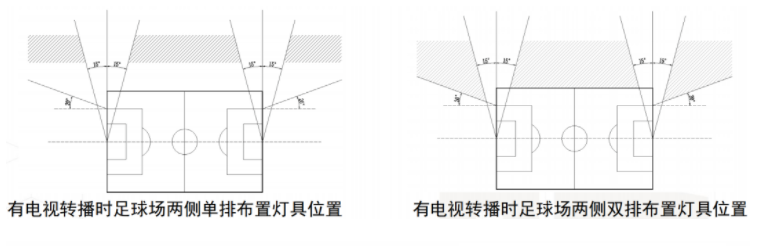
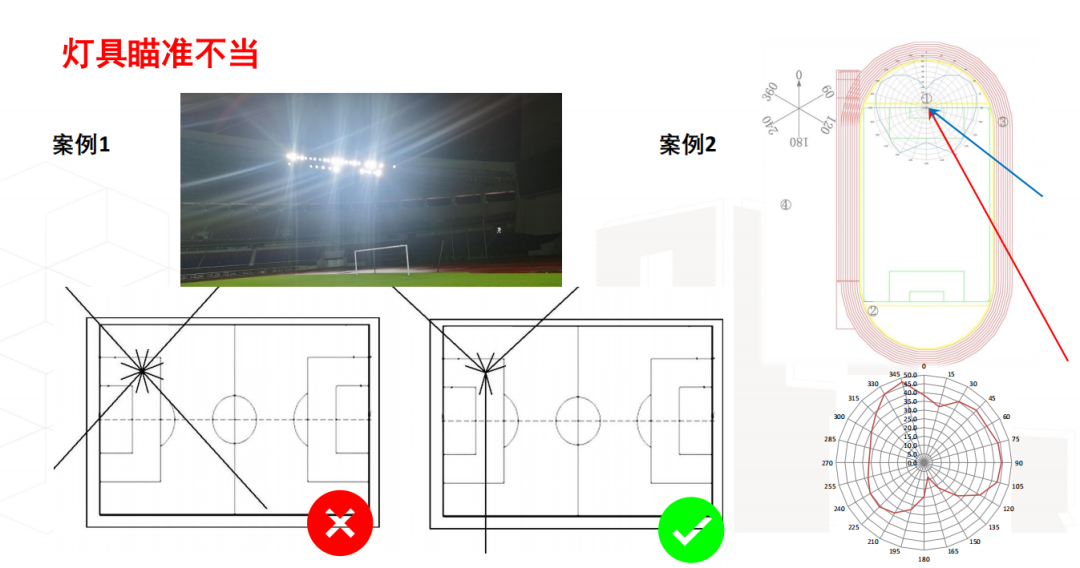
FIFA and the AFC proposed corresponding luminaire installation position requirements based on modeling considerations, but this method did not consider the impact of the luminaire aiming point on modeling.
▲
Luminaire installation location requirements (FIFA + AFC)
JGJ 153 specifies that the uniformity gradients of horizontal illuminance and vertical illuminance shall comply with:
1 TV broadcast: When the illuminance calculation and measurement grid is less than 5m, the deviation shall not exceed 10% per 2m; when the grid is 5m or larger, the deviation shall not exceed 20% per 4m;
2 No TV broadcast: The value shall not exceed 50% every 5m.
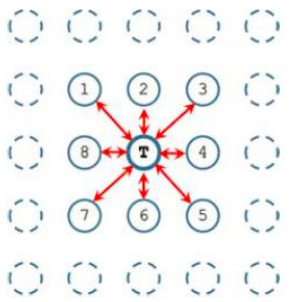
▲
Schematic diagram of uniformity gradient calculation
The indicator corresponding to the uniformity of illuminance gradient is the Minimum Adjacent Uniformity Ratio (MAUR) proposed by FIFA and the AFC, with a specified limit of MAUR ≥ 0.60. When MAUR = 0.6, the uniformity gradient for a 2m measurement grid is 13%, indicating that the requirements of JGJ 153 are more stringent.
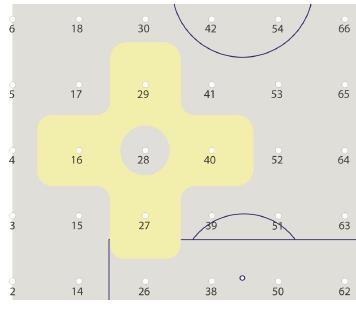
▲
MAUR Calculation Diagram
Flicker
When broadcasting matches requires slow-motion or super-slow-motion replays, the image is prone to jitter due to lighting flicker issues; therefore, flicker is particularly critical in sports lighting applications. Currently, the primary metric used to limit flicker in sports lighting is the flicker percent.
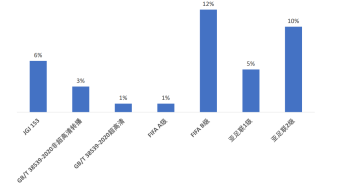
▲
Comparison of Flicker percent limits across different standards
Color temperature
For football event broadcasting, to avoid changes in broadcast image quality caused by color temperature shifts when switching from sunlight to artificial lighting, it is necessary to ensure that the light source's color temperature is close to that of daylight.
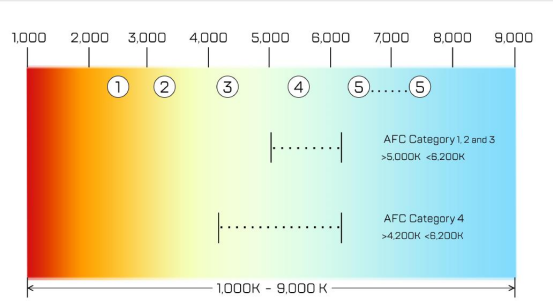
▲
AFC color temperature requirements range
Color rendering of light source
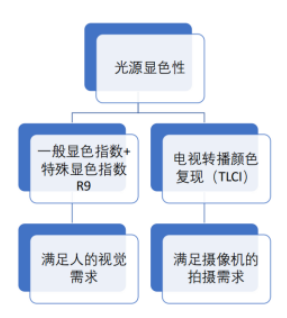
The color rendering of the light source is very important for the visual experience of football matches and the color effects of camera broadcasting. The color rendering of the light source should meet:
• Television Lighting Consistency Index (TLCI), Qa≥85; or
• CRI, Ra ≥85 and R9≥45.
Glare
Poor lighting glare on football fields can cause visual discomfort for athletes and also reduce the quality of camera broadcast images.
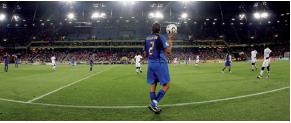
▲
Glare on football stadium lighting
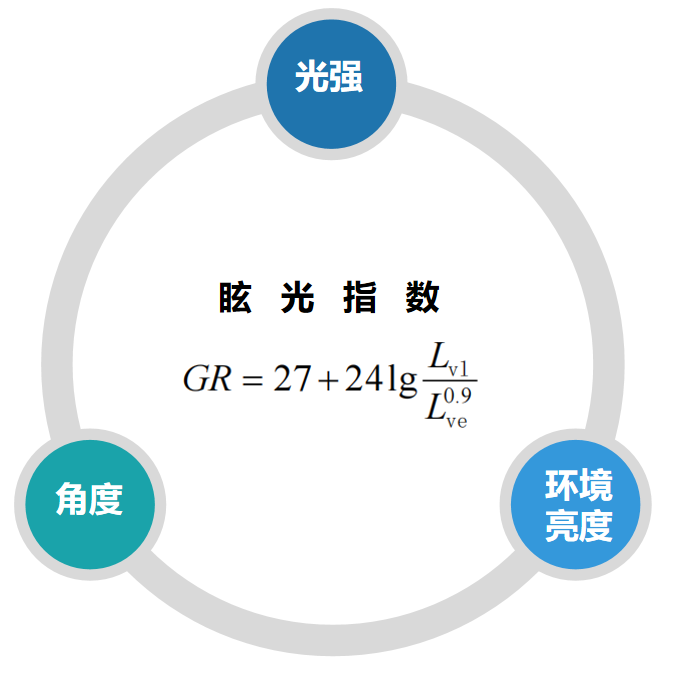
Luminous intensity, angle, and ambient luminance together determine the degree of glare. JGJ 153 uses the Glare Rating (GR) to evaluate glare; for major football events, the requirement is that GR shall not exceed 50.
▲
Glare Index Calculation
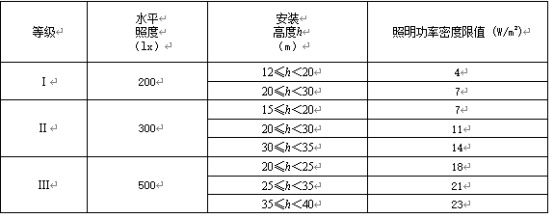
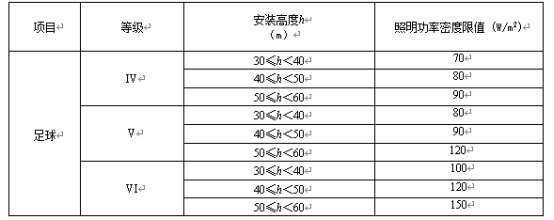
Lighting power density (LPD)
选择高效的照明产品,加以科学合理的照明设计,方可有效降低照明能耗。《体育场馆照明设计及检测标准》JGJ153-2016首创性的对体育照明功率密度进行了规定
▲
Non-broadcast venue requirements
▲
TV broadcast venue requirements
Key Points for Football Lighting Installation
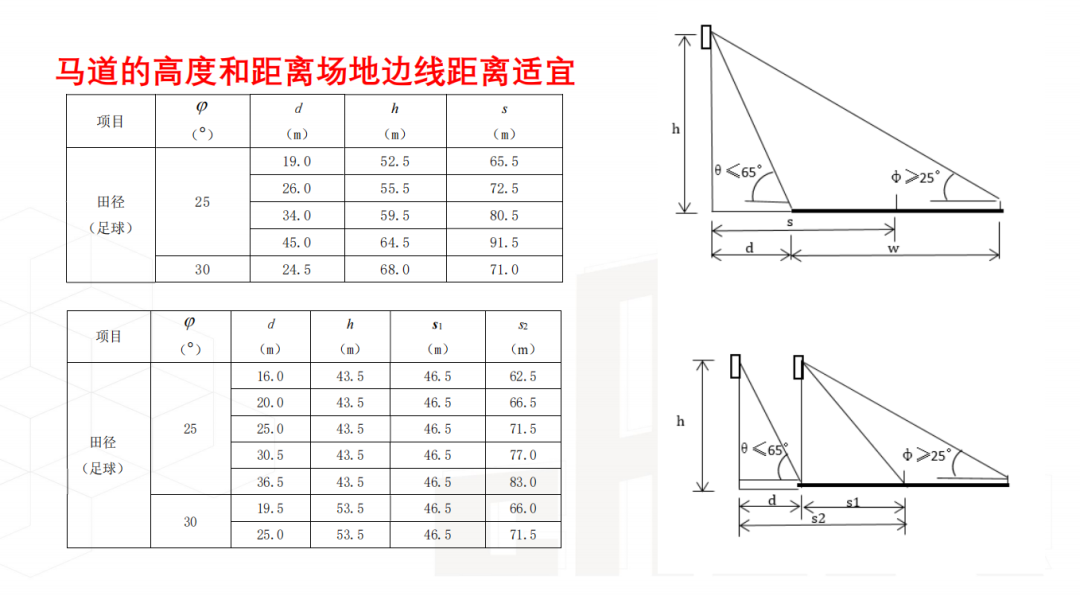
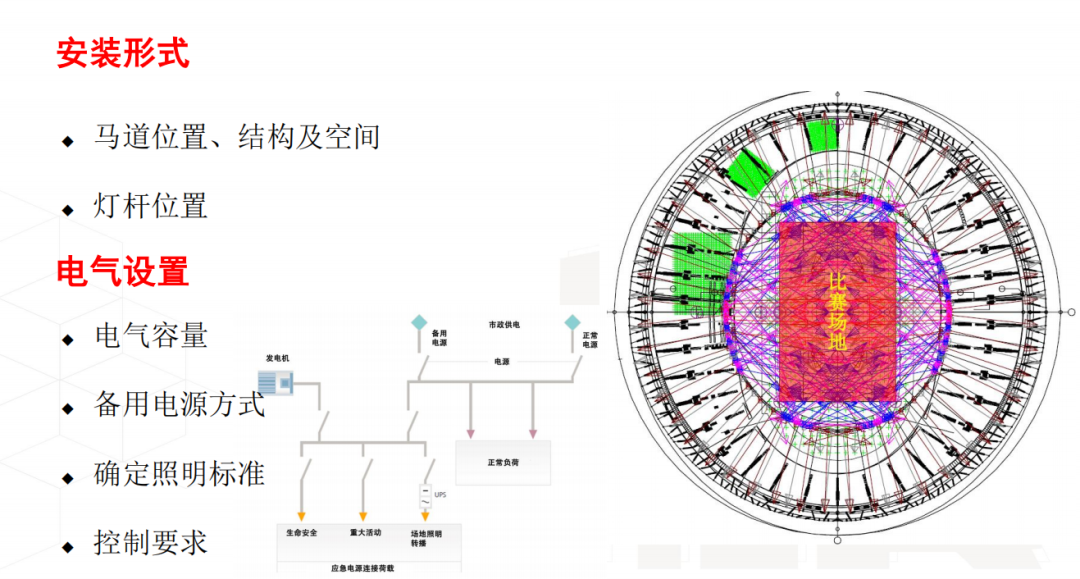
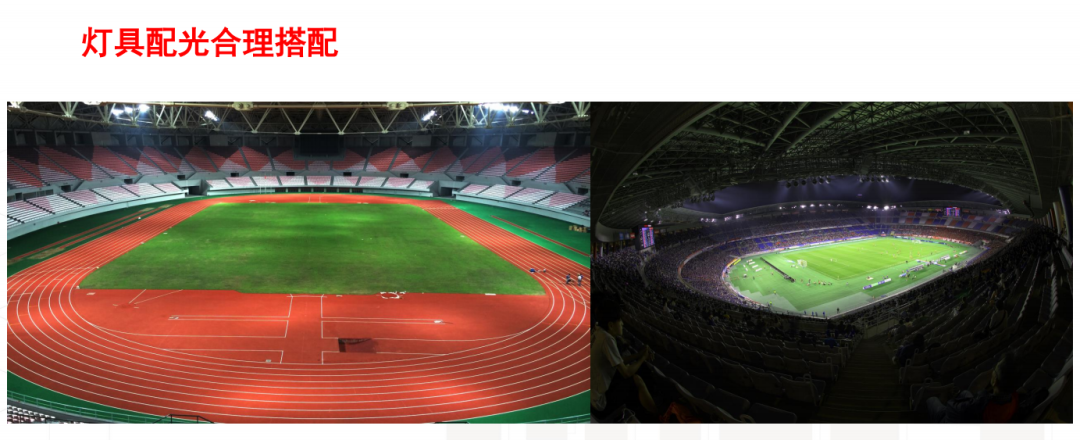
In lighting design for football fields, the installation position, height, and elevation angle of luminaires have a significant impact on the quality and quantity of illumination as well as the energy efficiency of the lighting system. Therefore, the installation position and projection angle of the luminaires should be reasonably determined to fully leverage their contribution to field illumination.
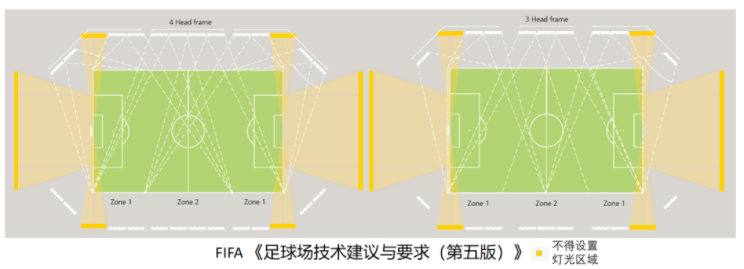
FIFA "Technical Recommendations and Requirements for Football Pitches (5th Edition)" imposes restrictions on luminaire installation areas.
The FIFA Lighting Guide (2020) proposes higher requirements for the control of spill light from Luminaire installation positions.
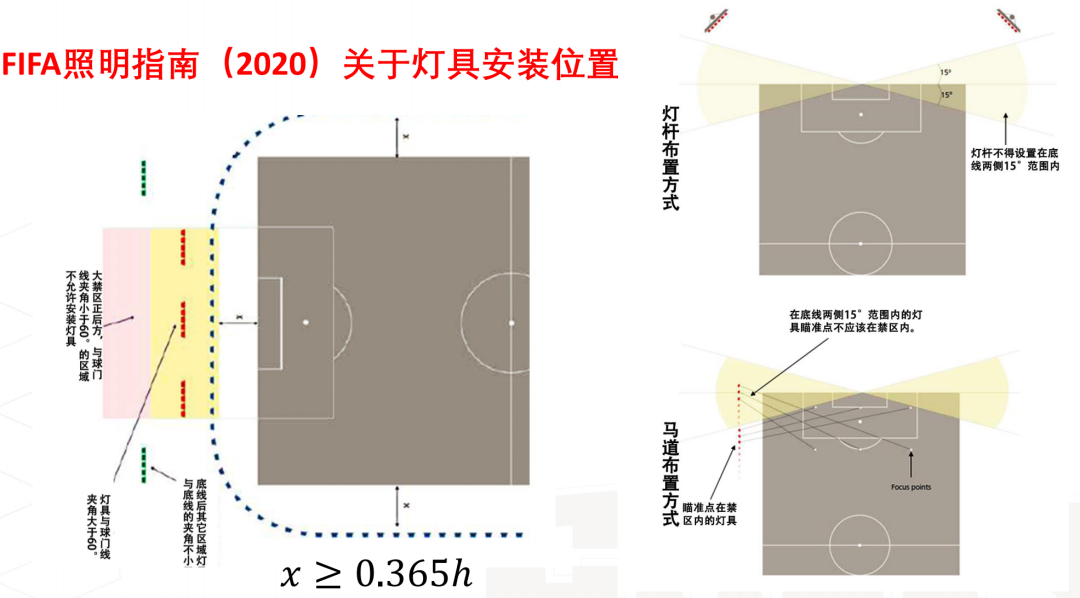
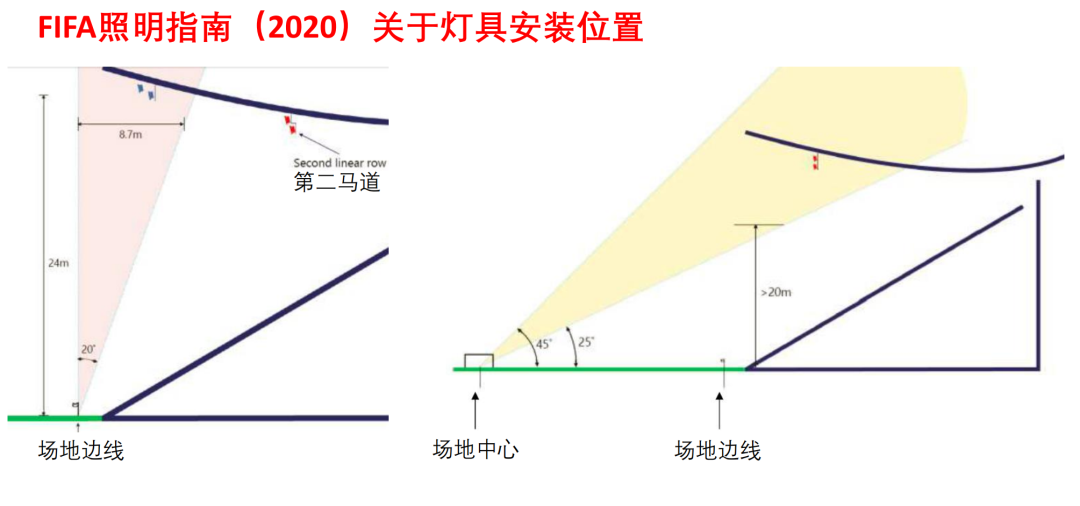
我国的《体育场馆照明设计及检测标准》JGJ 153-2016创新性的对灯具安装和马道设置进行规定。
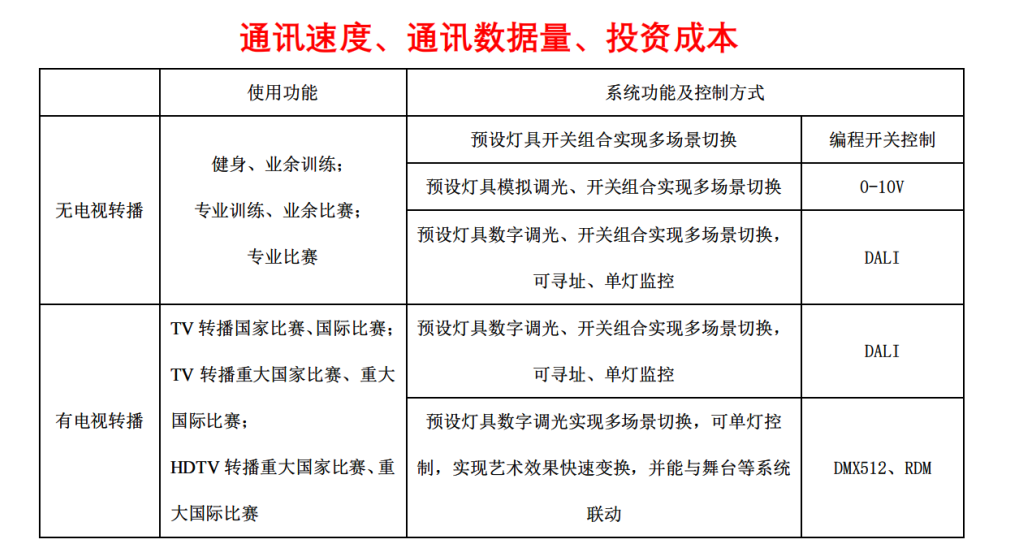
Smart Control
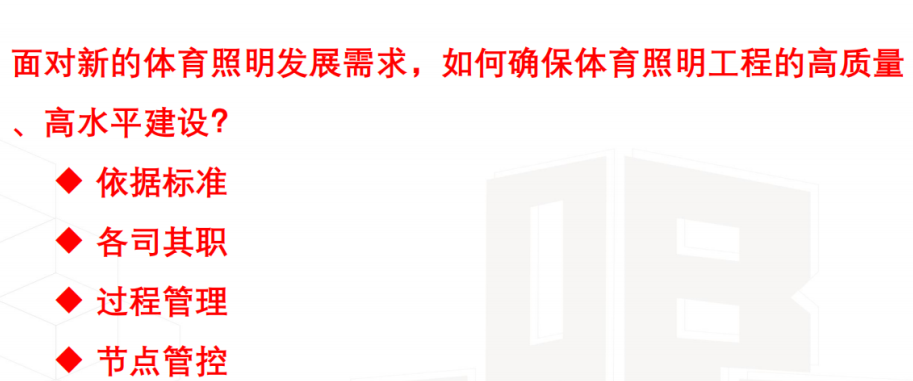
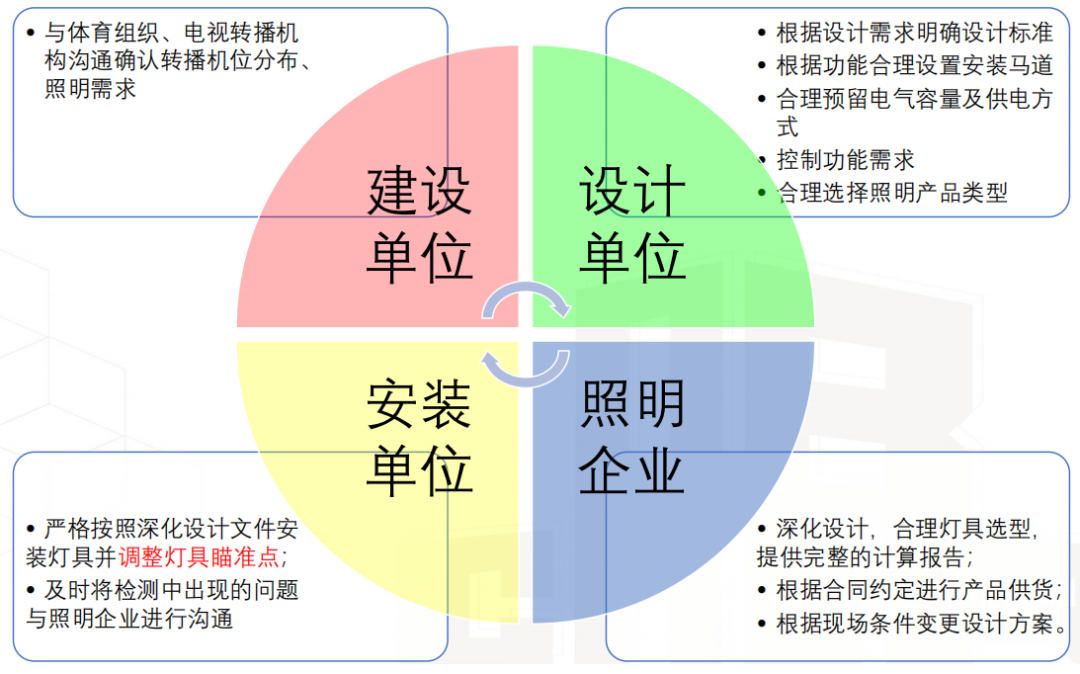
Key Points for Construction Process Management
Introduction to Central Sports Lighting Work
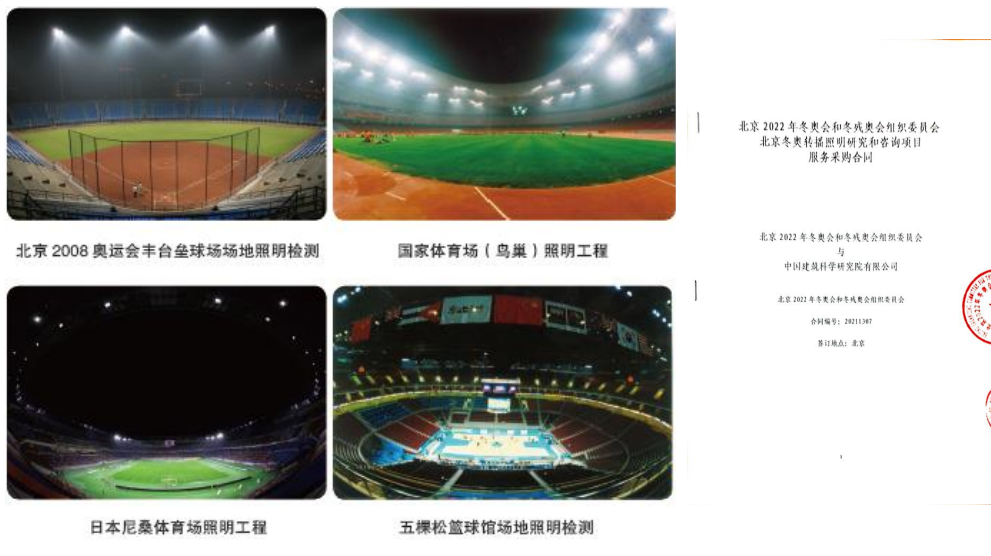
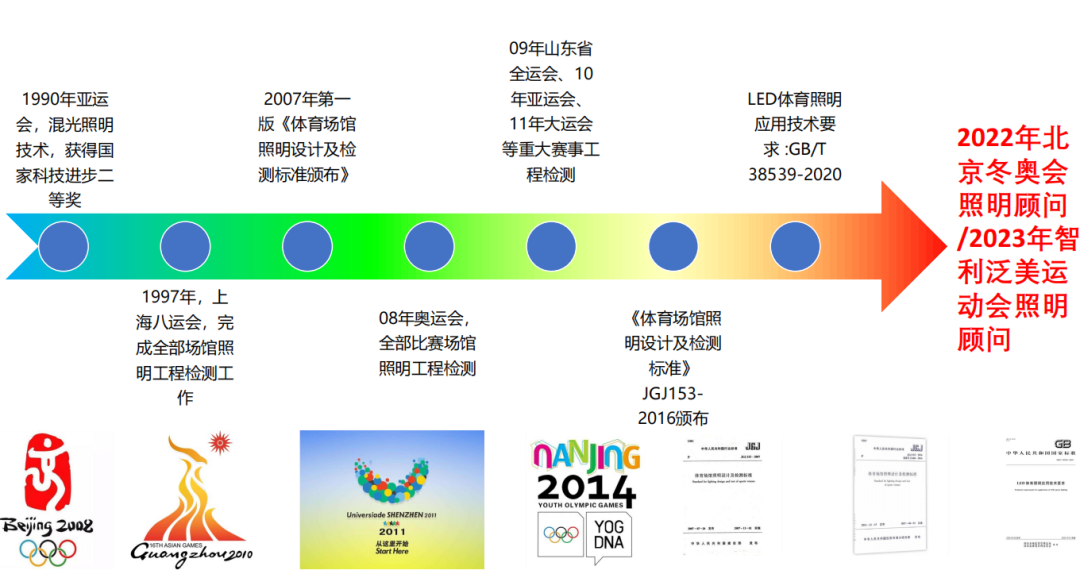
The Light Environment and Lighting Research Center independently developed multiple detection instruments, served as a lighting technology consultant for the Beijing Winter Olympics Organizing Committee, and provided technical support for the construction of Winter Olympics lighting projects; invited to Japan to provide testing services for lighting projects such as Nissan Stadium, earning high recognition from international peers; undertook testing for the main venue lighting projects of the Hangzhou Asian Games; effectively guaranteed the successful hosting of the 2008 Olympic Games, the 2010 Guangzhou Asian Games, the 2011 Shenzhen Universiade, and all subsequent National Games.
successively led the formulation of "JGJ 153 Standard for Lighting Design and Testing of Sports Venues" and "GB/T 38539-2020 Technical Requirements for LED Sports Lighting Applications", providing technical support and making a solid contribution to the high-quality development of China's sports lighting industry.
▲
Major Event Services
▲
Deepening expertise in sports lighting
The Research Center for Light Environment and Lighting has always been a leader in China's sports lighting. In the future, our center sincerely hopes to join hands with the broader lighting industry to promote better development of China's sports lighting sector.
Source: Light Environment and Lighting Research Center