Sanan Optoelectronics shines on the World Cup stage with China's light!

On November 21 at 0:00 Beijing time, the 2022 FIFA World Cup Qatar will kick off its opening match at the Bay Arena , launching a global football feast that occurs once every four years. Football fans around the world are about to welcome another month of passion.
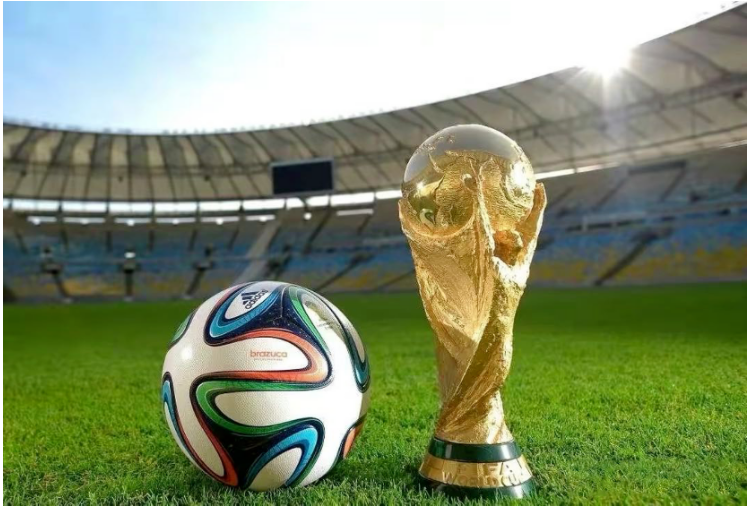
This World Cup is also the most extravagant in history. Qatar, a small country with a population of less than 3 million, invested over $220 billion in this international event and even built a new "green city" in the desert.
Among the 8 stadiums used in this World Cup, 7 were newly built and 1 underwent a major renovation. All designs were completed by world-class architectural firms . For designers, their exquisite design and masterful use of light constitute an unparalleled feast of design that must not be missed!
Let's explore together the most expensive World Cup in history and see just how impressive the venue designs are! First Design presents this spectacular showcase for you!

The eight venues hosting the matches feature diverse styles; most are state-of-the-art facilities newly built specifically for this World Cup. They not only reflect the cultural characteristics of Qatar and the Middle East in their design but also uphold the principles of sustainable development and legacy.
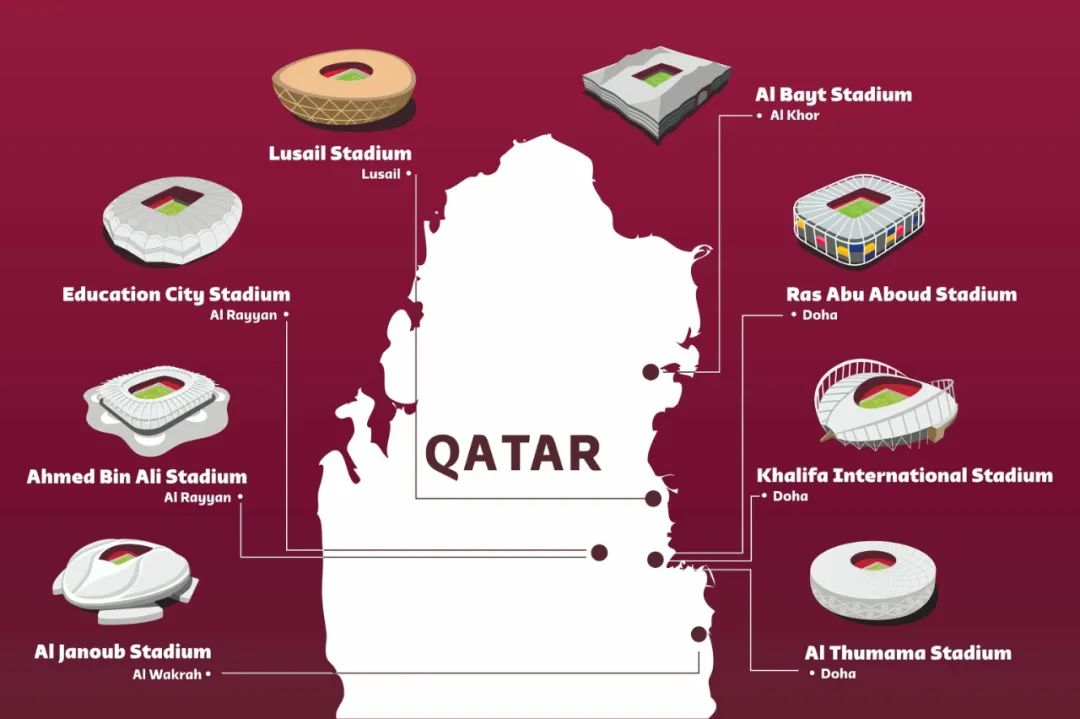
Venue Distribution Map
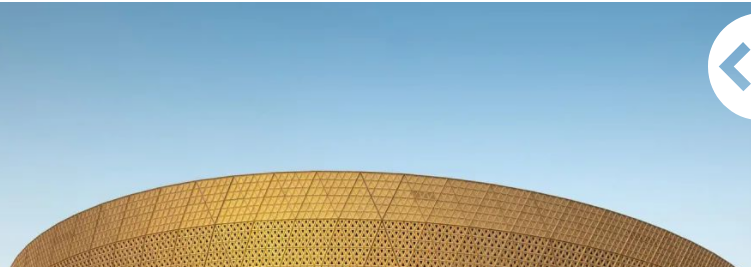
Design: Foster Partners
The Lusail Stadium, which can accommodate 80,000 people, is the largest of the eight stadium buildings and will host the opening ceremony, the opening match, the final, and the closing ceremony. Its design is futuristic, inspired by the interplay of light and shadow patterns from traditional Arabic lanterns (Fanar Lantern). The lighting effects on the building facade visually reinforce the bowl's structural diagonal grid.
It is worth mentioning that this is also the first World Cup main stadium undertaken by a Chinese enterprise. The Chinese solution, Chinese products, and Chinese technology across the entire industry / supply chain have become the strongest support for this world-class sports venue.
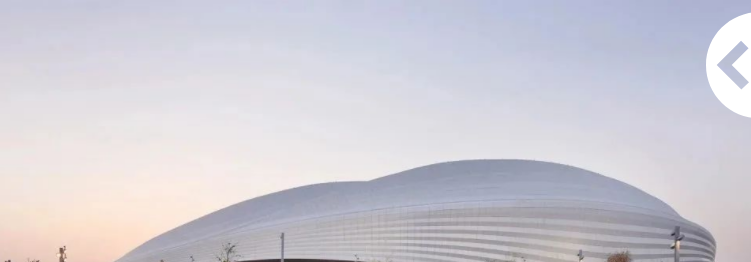
Design: Zaha Hadid Architects, AECOM
Zaha Hadid Architects was selected in 2013 to collaborate with AECOM on the design and construction of Al Janoub Stadium. The stadium's design is inspired by local pearl diving, fishing, and traditional dhows, paying homage to the maritime history of Al Janoub City.
The stadium's controllable folding roof features a wave pattern; when unfolded, it resembles a ship's sail covering the field above. The interior uses wood, leaving a deep impression on guests.
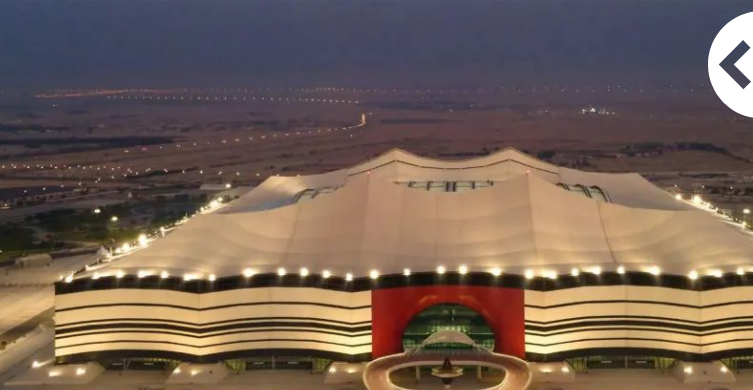
Design: Dar Al-Handasa
Al Bayt Stadium is located in the northern city of Al Khor. Its overall design pays homage to Qatar's past and present, highlighting the city's culture, traditions, and history.
The primary exterior color scheme of the building is black and white, showcasing an Arab-style tent with alternating black and white patterns, in a Qatari style with very intense colors.
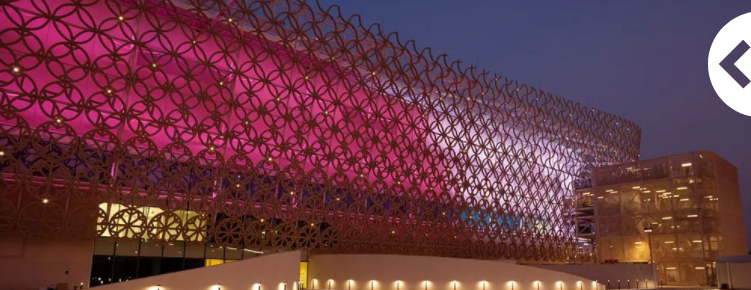
Design: Pattern Design & Ramboll
The design of Ahmed bin Ali Stadium incorporates symbols of Qatari culture and tradition. One of its main design features is a undulating facade composed of different patterns, representing various aspects of Qatar, such as 'the importance of family, the beauty of the desert, native flora and fauna, and local and international trade'.
The exterior of the venue is covered with multimedia screens that emit light and change colors. These screens are currently covered with a metallic film featuring patterns and motifs common in Qatari architecture.
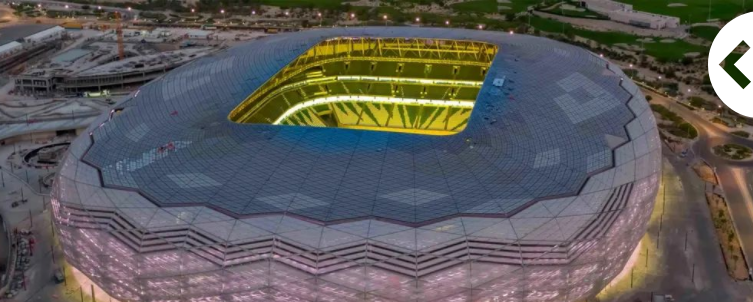
Design: Fenwick-Iribarren Architects, Pattern Design
Education City Stadium is located in a vibrant knowledge and innovation hub, surrounded by academic institutions and sports organizations.
The triangular pattern on the facade draws inspiration from "diamonds" and reimagines traditional Arabesque motifs, featuring an inlaid geometric facade that reflects different colors under sunlight. Whether day or night, this "diamond" radiates unparalleled brilliance.
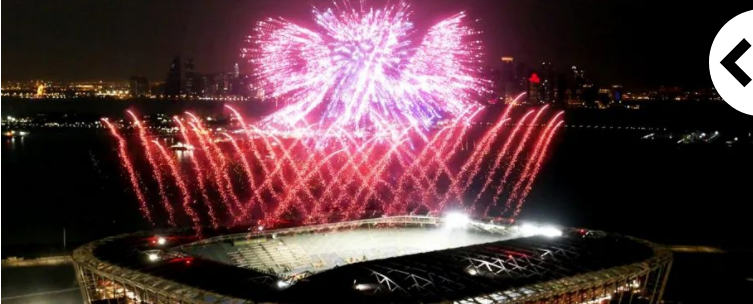
Design: Fenwick-Iribarren Architects
The 974 Stadium is considered one of the most creative designs among all eight stadium structures, as it is the first fully demountable stadium in World Cup history and may cease to exist after the tournament.
The venue is assembled from 974 containers. Colorful containers have been transformed into spectator seating, restrooms, shops, and other facilities, then inserted into the main steel structure of the stadium like building blocks. The modular design significantly reduces construction costs, build time, and material waste.
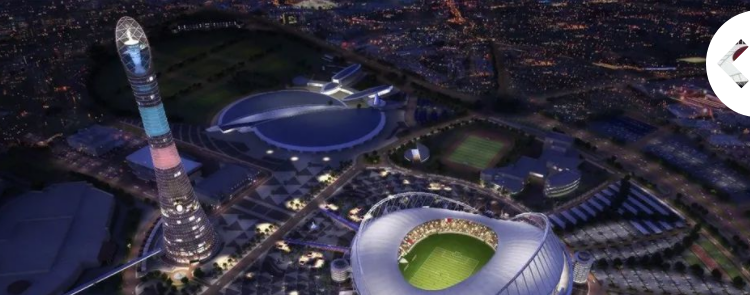
Design: Dar Al-Handasah
Khalifa Stadium, an international stadium built in Al Rayyan in 1976, has long been one of the most prominent stadiums. Its shape resembles a half-opened shell with a massive curved structure.
This venue has hosted events such as the Asian Games, the Arabian Gulf Cup, and the AFC Asian Cup. For this World Cup, the stadium was expanded to accommodate 40,000 fans and equipped with "Innovative Cooling Technology," allowing players to compete in a comfortable environment.
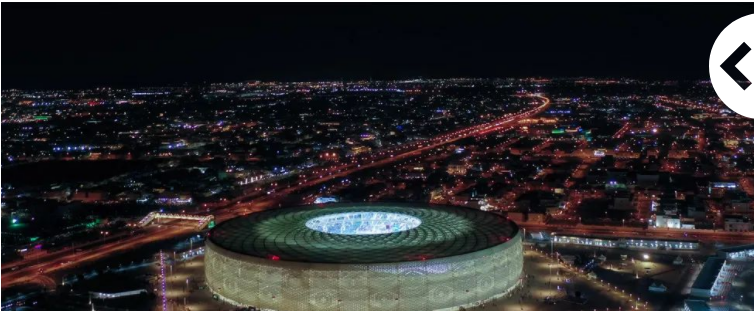
Design: Ibrahim M Jaidah
Al Thumama Stadium is located 12 km south of Doha. Its design is inspired by the woven patterns of the traditional Arab Muslim men's headwear, the Gahfiya, reflected in the diamond-shaped woven grid on the facade, embodying the nation's blend of modernity and tradition.

Although the Chinese national football team still has no chance of qualifying for the World Cup, Chinese enterprises have long become the busiest "off-field players" at the Qatar World Cup. From stadium construction and event operations to hotel expansion, modernization of buildings, and urban lighting enhancement, there are countless Chinese companies involved.
SHYLON Optoelectronics / Sanan is one of the Chinese enterprises that "fought" in the World Cup with technical strength, leveraging the strategic advantage of "One Brand, Global Market, Superhigh Optical Architecture, Zoomneo Color Algorithm" to meet the strict requirements of the Qatari government and become the core brand service provider for 2022 Qatar World Cup outdoor architectural lighting and nightscape lighting products.
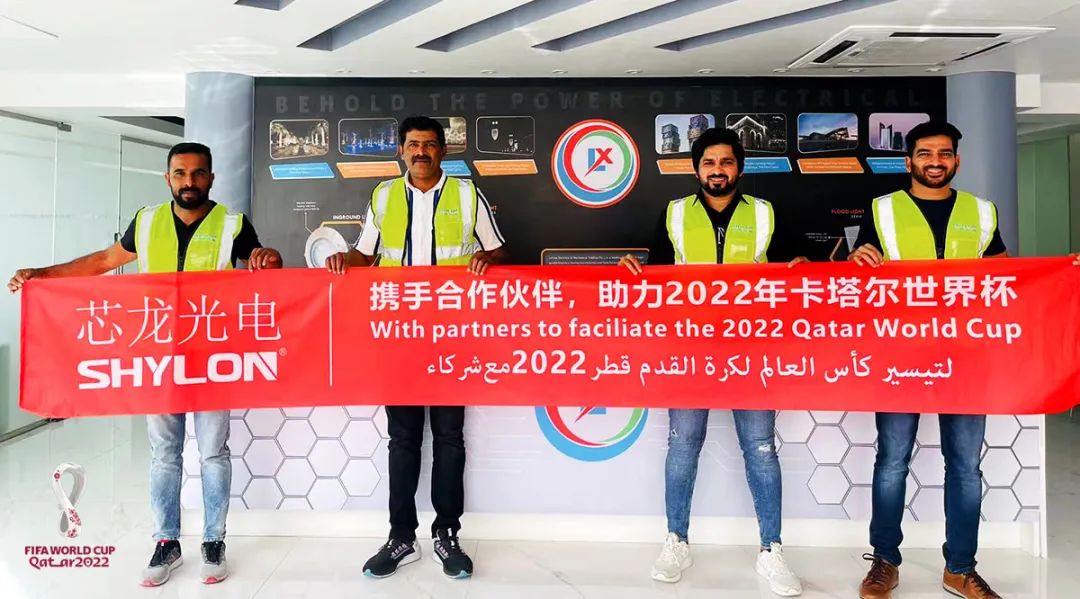
Image: Sanan Optoelectronics - 2022 FIFA World Cup Partner
Sanan Optoelectronics participated in the core outdoor lighting of 6 out of 8 venues at the Qatar World Cup, and partially contributed to the nightscape lighting of the core districts in Doha city . In addition to fully ensuring basic lighting, it also maximized the use of light and shadow to create a passionate atmosphere for the World Cup.
In this project, Sanan Optoelectronics shipped a total of 12 high-cube containers and over 22,400 lighting product sets , marking another major overseas project following last year's Dubai Expo.
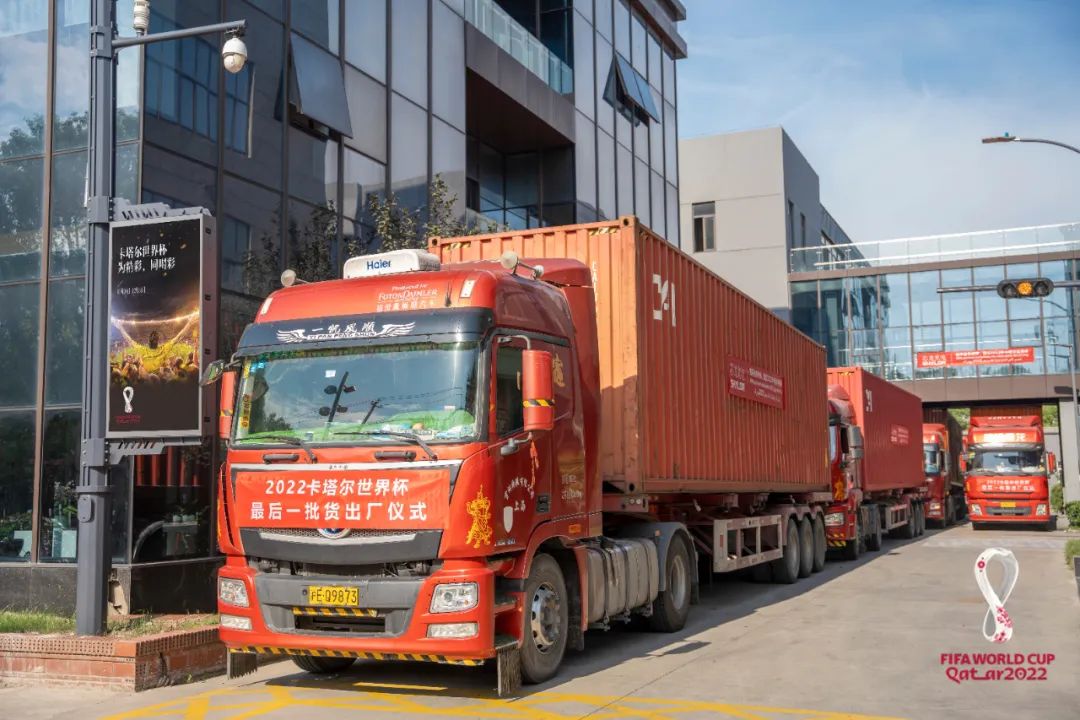
2022 Qatar World Cup Final Shipment Factory Departure Ceremony
As early as the 2018 Moscow World Cup, Sanan Optoelectronics formed an unbreakable bond with the World Cup.
Sanan Optoelectronics' landscape lighting system solution illuminated the Luzhniki Stadium in Moscow and the Moscow Ring Road, witnessing two international feasts: the Moscow World Cup and the Victory Day Parade!
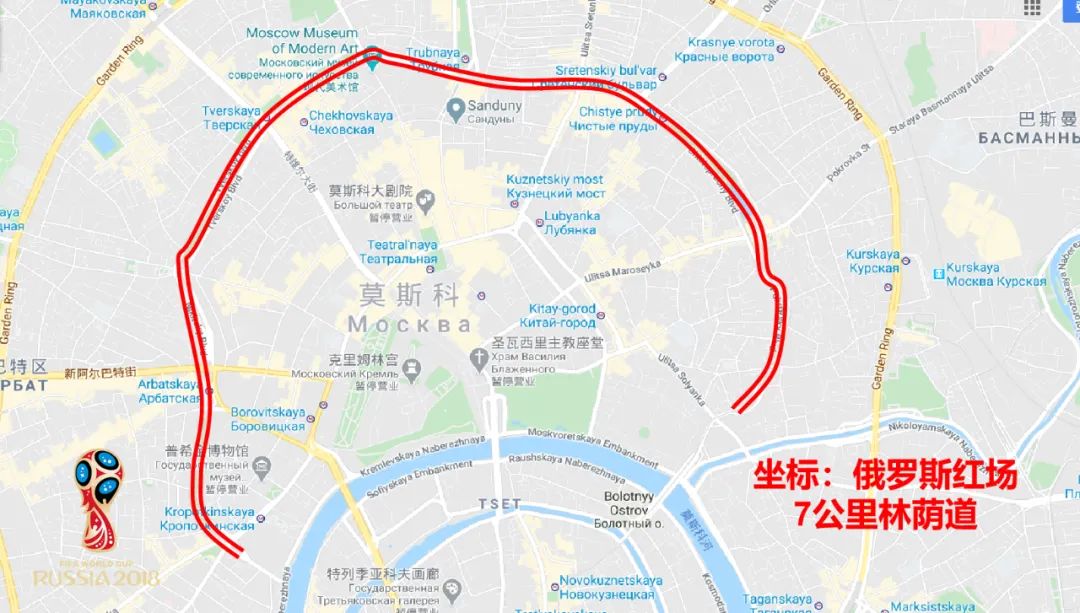
2018 Moscow World Cup Lit City Map
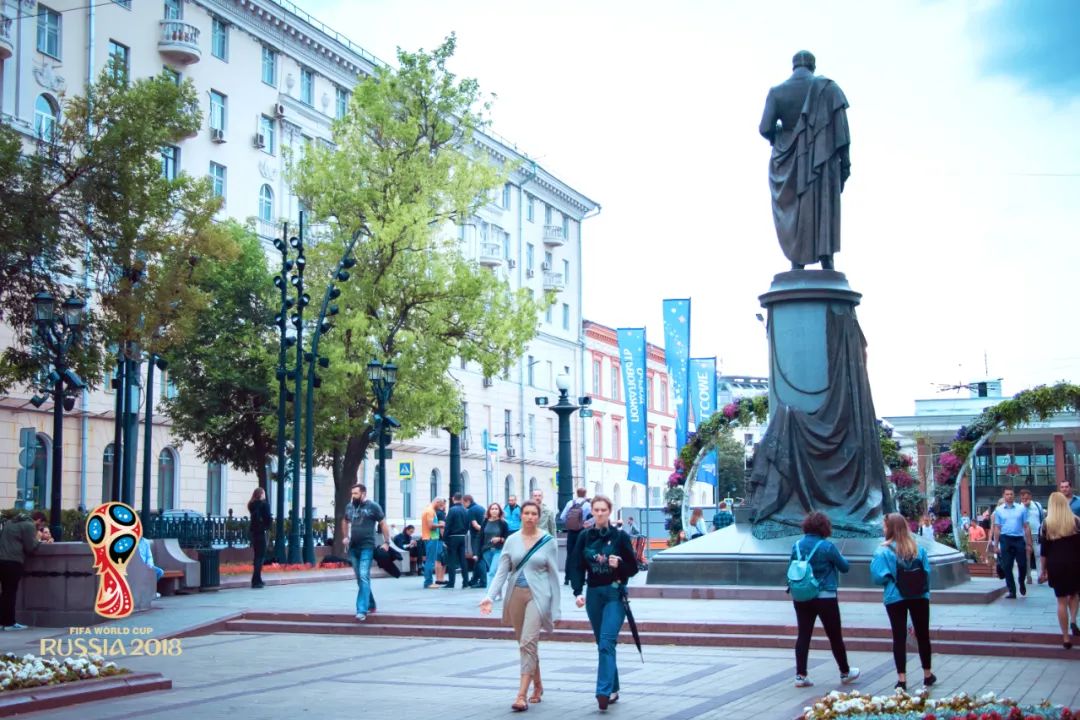
Xinlong Optoelectronics landscape lights installed on the streets of Moscow
Whether in minus 40 degrees Russia, or in the Middle East where temperatures reach up to 60 degrees , Sanan Optoelectronics products always maintain excellent performance, shining brilliantly in every corner of the world.
"Do not compete with domestic peers for the world; go abroad to explore the market"
This market strategy slogan was proposed by He Xiangjian, founder of Midea Group, and is also the creed that Xinlong Optoelectronics adheres to in its development of "One Brand, Global Market" .
The Qatar World Cup witnessed football driving Chinese elements across sports and cultural boundaries, proving to the world the immense global influence of Made in China and Chinese brands. This brings joy and pride to the Chinese people and will inspire more Chinese 'intelligent manufacturing' like Sanan Optoelectronics to go global and reach the world!