
Made from discarded fishing nets, Signify's 3D-printed luminaire won the Gold Award at the Industrial Design Excellence Awards (IDEA)
Signify (Euronext Amsterdam: LIGHT), the global leader in lighting, has won a Gold Award at the International Design Excellence Awards (IDEA) for its Coastal Breeze sustainable pendant light made from circular materials. The Coastal Breeze collection also received an Honorable Mention in Fast Company’s Innovation by Design Awards. The Coastal Breeze series, including a limited-edition table lamp, was showcased at Dutch Design Week in Eindhoven from October 22 to 30, 2022.
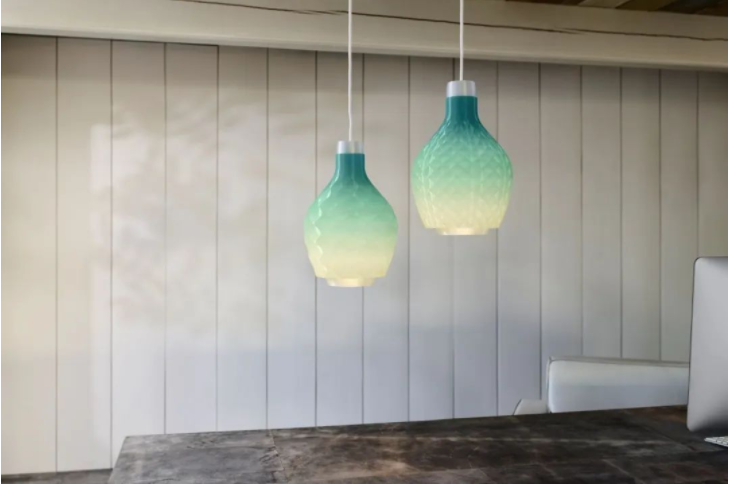
The Philips MyCreation luminaire, made from recycled fishing nets, won the IDEA Gold Award presented by the Industrial Designers Society of America (IDSA). The IDEA Award is one of the oldest and most prestigious design awards, established to recognize outstanding interdisciplinary design achievements. The MyCreation luminaire also received an honorable mention in the Innovative Circular Design category of Fast Company's "Innovation by Design Awards".
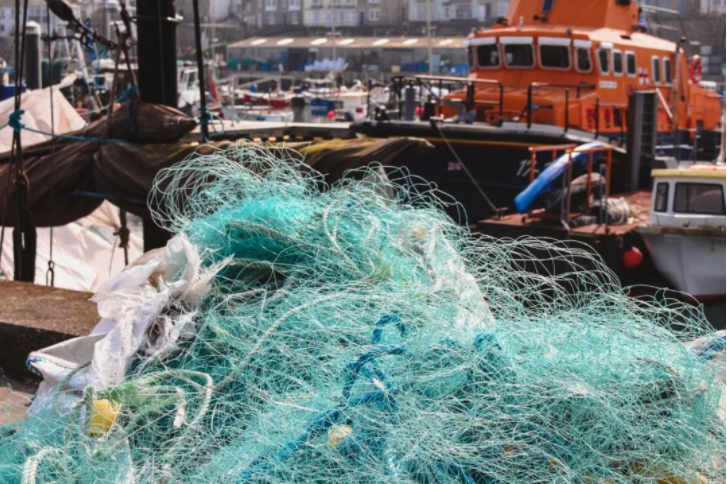
The Philips MyCreation Coastal Breeze series aims to raise awareness of ocean conservation and protect our beautiful seas for future generations. Fishing nets, lines, and ropes account for 10% to 46% of ocean plastic waste. This carelessly discarded marine debris severely threatens the lives of marine animals. However, this waste can be turned into filament through 3D printing—every 4.5 meters of fishing net can produce one luminaire.
Signify's 3D printing process not only enables the recycling of ocean-bound plastics but also helps reduce waste and promotes the development of a circular economy. Meanwhile, on-demand printing of luminaires in local markets means no excess inventory is generated. 3D-printed luminaires require no glue, use fewer screws, and are easier to disassemble and repair. Furthermore, with a 76% reduction in carbon emissions from material supply and manufacturing processes, and a 28% reduction from transportation, 3D-printed luminaires are an ideal low-carbon alternative to traditionally manufactured luminaires.
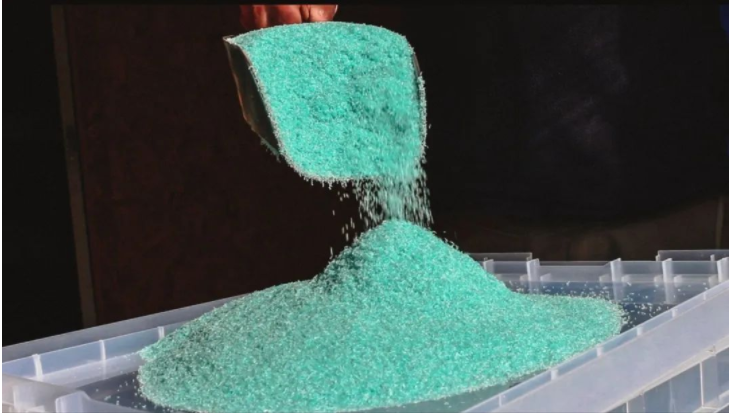
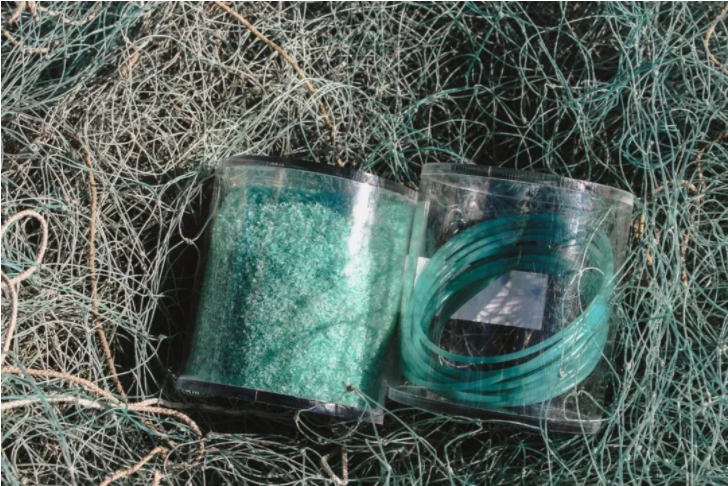
We recycle nylon fishing nets from fishermen on the coast of Cornwall, UK. Our partner Fishy Filaments processes them into pellets, which are sent to Maarheeze in the Netherlands to be extruded into filament as the base material for 3D-printed luminaires. The 3D printing is finally completed in Turnhout, Belgium.
The finished product has a soft texture and natural shape, retaining the blue-green color of fishing nets. When illuminated, the gradient blue-green tones of the recycled materials and irregular shapes become more pronounced, giving each lamp a unique character. The soft diffused light casts shadows that reveal 3D-printed textures—shapes like ocean dunes, rippling water, and fish scales—carefully replicating the beauty of the sea.
The Signify design team created a unique table lamp made from fishing nets specifically for Dutch Design Week. Signify participated in Dutch Design Week from October 22 to 30, showcasing how 3D printing technology can turn waste into treasure and design sustainable beauty.
Currently, the Philips MyCreation Coastal Breeze series is available for sale in the Netherlands, Belgium, Denmark, and Sweden. The table lamp created for Dutch Design Week will be sold as a limited edition of 150 units in the Dutch market.
Kevin Raaijmakers, Head of 3D Printing Business at Signify, stated, "The Coastal Breeze collection is special because it not only features an aesthetic design but also carries significance for sustainability. By participating in Dutch Design Week, we hope to raise awareness that our decisions can have a tangible impact when we consciously choose home products. We want to share our knowledge about ocean pollution and our encouraging Solution for turning waste into treasure. We are deeply proud that our efforts have been recognized by Dutch Design Week."
Source: Signify