
Yang Qichang: What Can Plant Factories Bring Us? | CCTV2 'China Economic Forum'
Extreme weather and natural disasters such as high temperatures, droughts, torrential rains, and flash floods continuously affect global food production and quality. How to solve the food problem for people worldwide in the future has become a major challenge that all humanity must face. The emergence of plant factories offers us a promising path toward solving this issue.
What magical technologies do plant factories use to simulate natural environments, and what makes the crops they grow special? How is the development of plant factories in China currently progressing? On October 9, 2022, the Economic China Lecture Series invited Yang Qichang, a researcher at the Institute of Urban Agriculture, Chinese Academy of Agricultural Sciences, and Chief Scientist of Smart Plant Factories, to provide you with a detailed interpretation of what plant factories can bring us.
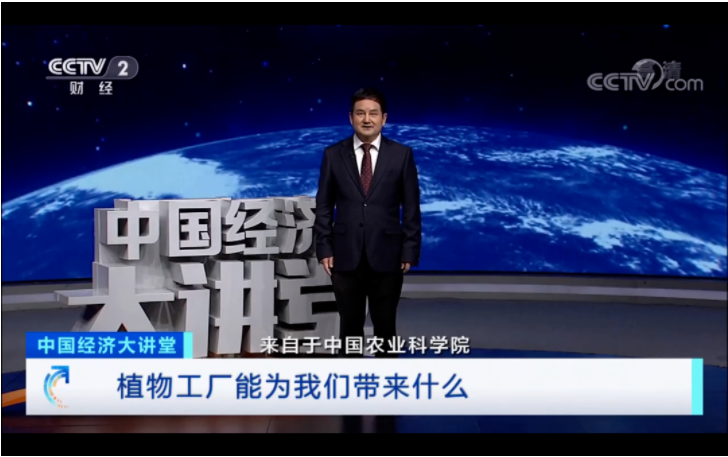
Yang Qichang, Researcher at the Institute of Urban Agriculture, Chinese Academy of Agricultural Sciences, and Chief Scientist of Smart Plant Factories. He has long engaged in scientific research in the field of facility agriculture engineering, achieving multiple innovative results in smart plant factories, vertical smart agriculture, low-cost solutions, and factory-scale leafy vegetable production, making significant contributions to building a core technology system for plant factories with independent Chinese intellectual property rights.
What is a plant factory?
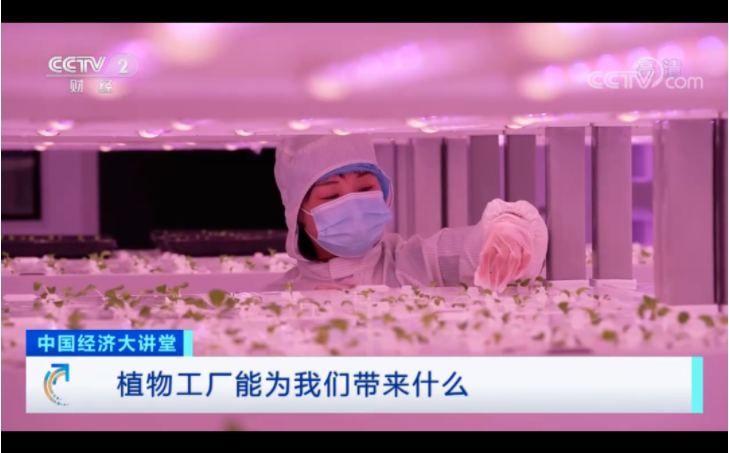
植物工厂无需泥土不洒农药,不受自然环境影响,通过模拟植物所需的光照、温度、营养等要素,在完全工厂化的条件下进行连续生产。它可以建在、荒漠、戈壁、海岛、水面、摩天大楼等各种地点,甚至在地球以外也能大显身手,是航天工程星际探索中实现食物自己的重要手段。作为设施农业的高级阶段,植物工厂不仅能为保障居民菜篮子的供应提供有效补充,也能成为农民致富和产业振兴的重要抓手。
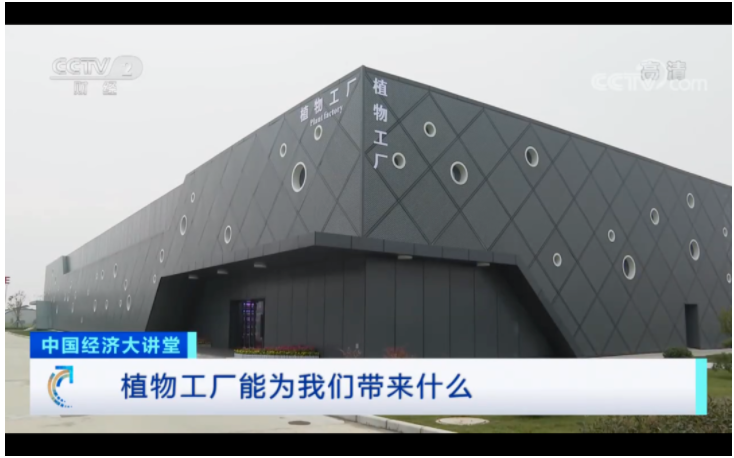
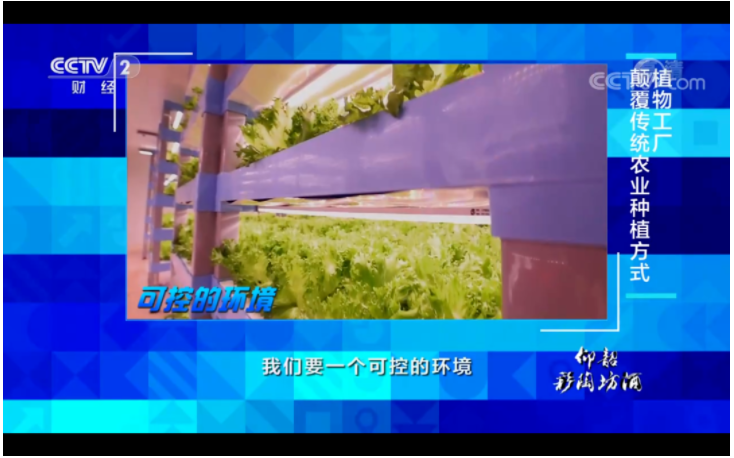
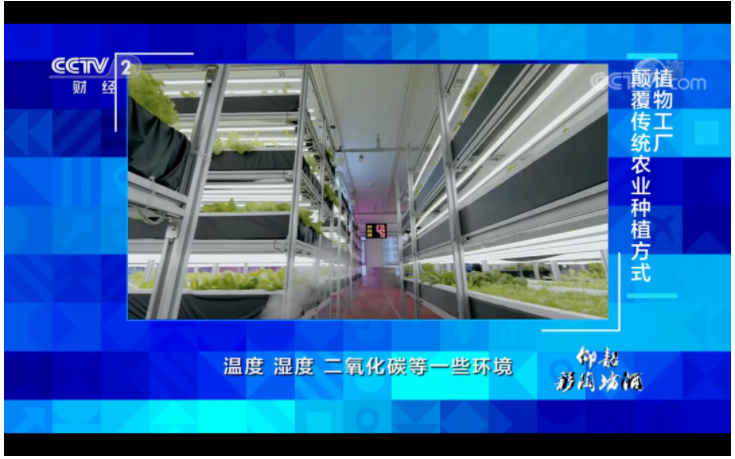
Plant factories are considered a subversion of traditional farming methods, representing the future direction of agriculture. They require a fully controllable environment and have three core elements: First, artificial light sources must replace sunlight, and nutrient solution cultivation must replace soil; Second, controllable temperature, humidity, and carbon dioxide environments; Third, intelligent equipment is required. With these three core elements, food production can be carried out under factory conditions.
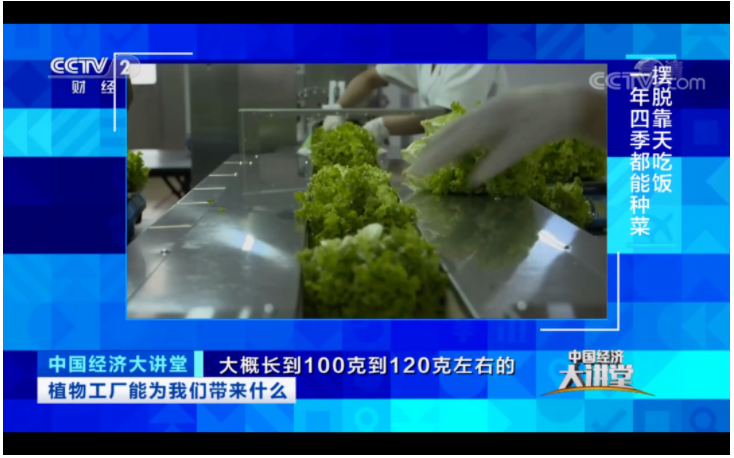
How is a head of lettuce produced in a plant factory environment?
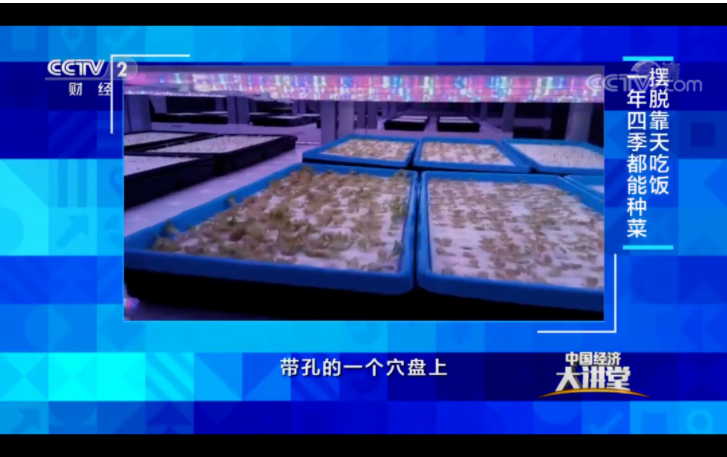
First, seeds must be prepared, then sown into a seedling tray with holes. Through a 2~3-day germination process, the seeds are turned into small sprouts, which are then sent to the nursery workshop for further cultivation.
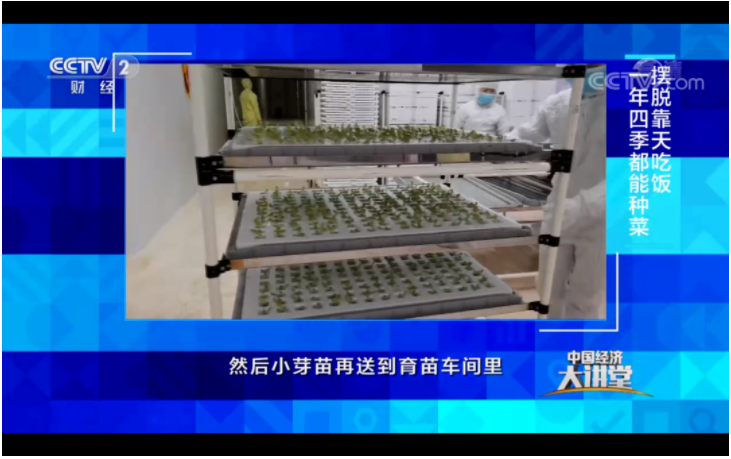
After 12 to 14 days, once the seedlings have grown, they can be transplanted into cultivation trays and moved to the cultivation workshop.
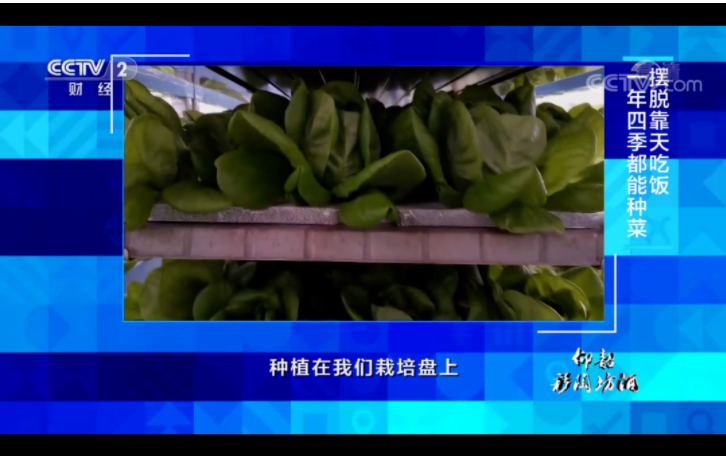
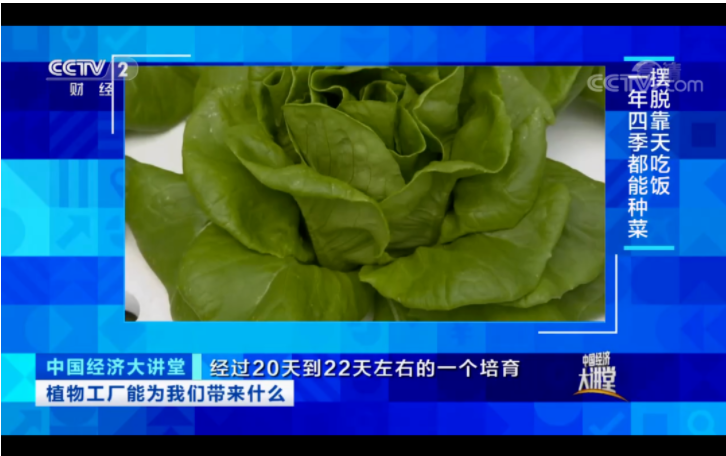
After approximately 20 to 22 days, when leafy vegetables such as lettuce reach a weight of about 100 to 120 grams, they can be harvested, packaged, and sent to the market. Theoretically, almost all crops can be produced in a plant factory environment.
Why do we need plant factories?
Since the 21st century, we have faced various challenges, including population growth, reduction of arable land, and severe aging of the agricultural workforce. These three challenges pose a serious threat to our food security and food safety.
Plant factories have found some effective ways for our future food security. We can significantly increase food production capacity; compared to land, the yield per unit area of plant factories can reach over 40 times that of land.
If in the future we build a vertical agricultural building of about 30 floors, say 30×40, then our production capacity would reach approximately 1200 times.
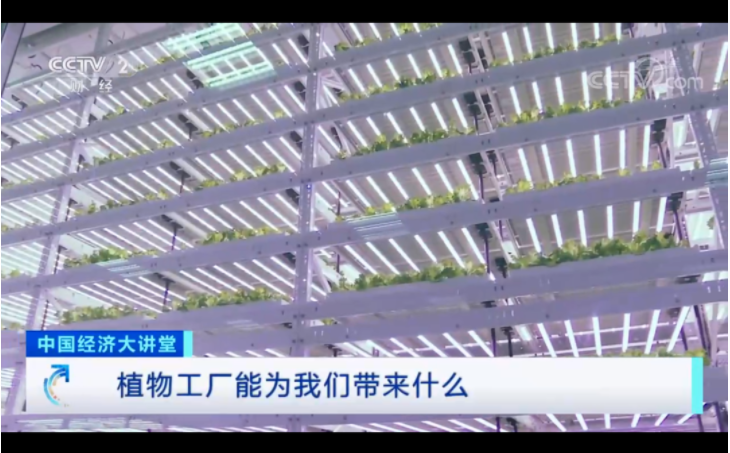
A plant factory is equivalent to food production in an industrialized environment, utilizing many mechanized and automated technical methods. This makes the work relatively easy, attracting a large number of young people to engage in agriculture.
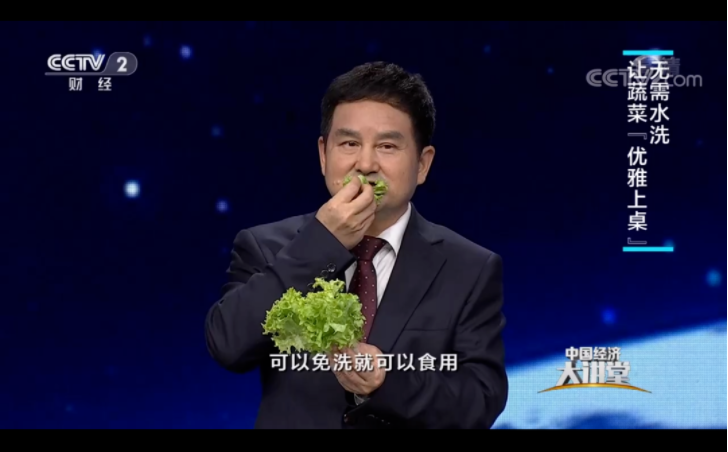
Another point of great concern to everyone is the existence of some incorrect views in society, claiming that vegetables grown in plant factories or using nutrient solution cultivation are harmful. In fact, we have tested extensive data: residues of 221 types of pesticides were all zero, residues of several heavy metals were also zero, and pathogenic microorganisms were also undetected. Therefore, vegetables produced in our plant factories can be safely consumed.
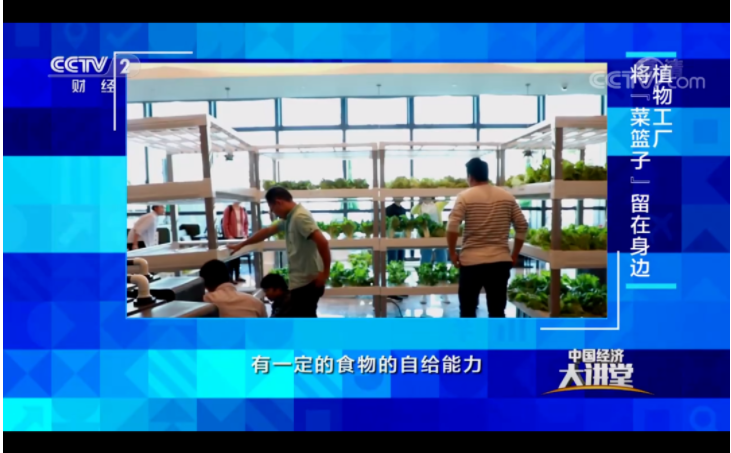
Plant factories are also a very important supporting means for the future development of our cities. If we have certain self-sufficiency capabilities for food in places such as communities and homes, and can guarantee food supply for several days or a short period, we will greatly alleviate the panic regarding food, especially fresh vegetables, caused by various pandemics and natural disasters.
Additionally, in special environments such as deserts and extremely cold regions, or during space exploration, we can also use plant factories to address some of our food supply challenges.
Which crops can be efficiently produced using plant engineering in the future?
In the early stages of plant factories, the crops cultivated were mainly vegetables, flowers, fruits, functional plants, etc. How did you come to think of growing rice? Yang Qichang said: "Once, Academician Qian of the Chinese Academy of Sciences had some very dwarf rice varieties and particularly hoped to use them for multi-layered vertical cultivation. Later, through our exploration, we discovered that while rice normally takes more than 120 days to harvest in open-field conditions, using our technical methods in a plant factory environment, we can grow rice in just 60 days. This is a very interesting result."
Our laboratory has now completed its work. For wheat, we can harvest in approximately 60 days, whereas the original wheat required over 120–150 days. However, for green beans, we can also harvest in about 60 days. Similarly, for soybeans, which we are currently cultivating, the cycle is around 60 to 70 days, allowing us to harvest them as well.
How do Chinese scientists find special light sources suitable for plant factories, and how do they customize exclusive light recipes for different plants?
The development of plant factories in China started relatively late, beginning exploration around 2002, spanning less than 20 years. However, China's path has been smoother because we effectively skipped the High-pressure sodium lamp (HPS) and Fluorescent lamp eras, moving directly into the third era, which we call the LED era. Approximately 52% of the total cost of a plant factory comes from electricity consumption; within that electricity consumption, 60% is attributed to lighting sources and 35% to air conditioning.
Therefore, to overcome the key technical bottlenecks in plant factories, we must first address the energy consumption of lighting sources, and secondly, that of air conditioning systems.
In 2005, while visiting Martin University in Europe, one day I was led by a colleague to see a laboratory that used LED light panels with alternating red and blue light sources to grow very beautiful lettuce. This had a great impact on me.
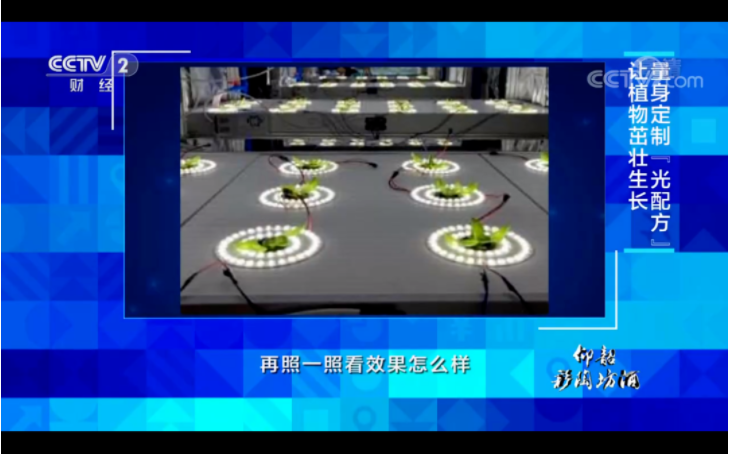
We found that many years ago, a plant physiologist drew a curve called the plant spectrum absorption curve. This curve shows that the main absorption peaks of plants are in the blue light region from 400 to 500 nanometers and the red light region from 600 to 700 nanometers, with its two optimal peaks at 450 nanometers and 660 nanometers. Based on this reference, we can proceed with LED development.
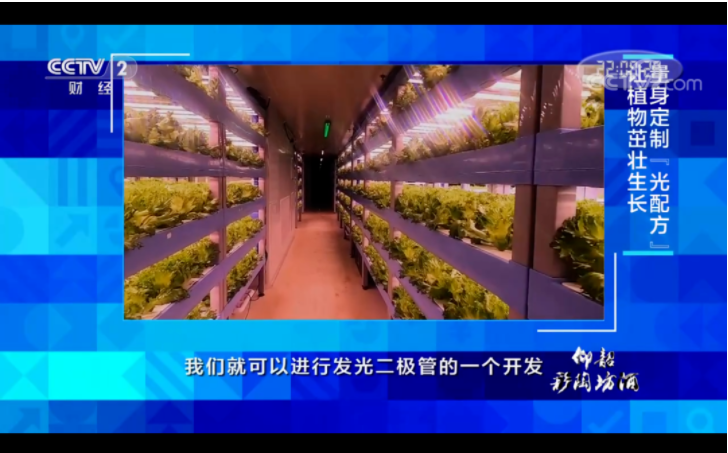
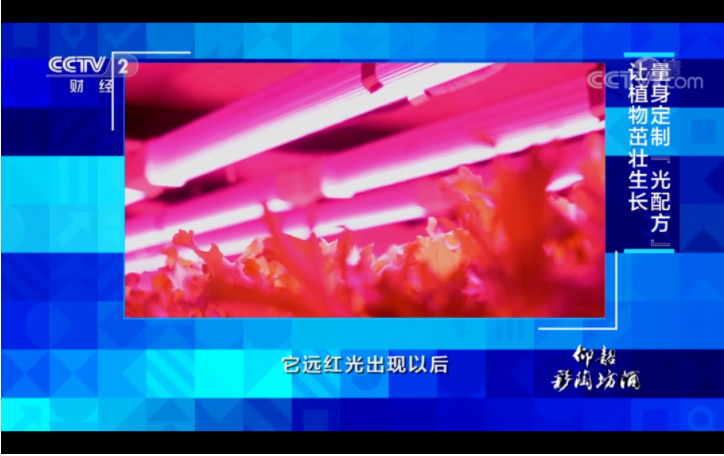
Later, we proposed the concept of light recipes, exploring the effects of far-red light, UV light, etc. on plant growth, including the direction of light irradiation: what effect does illuminating from below the plant have on its growth?
What methods do Chinese scientists use to reduce energy consumption in plant engineering? How do plant factories drive the development of related industries and enrich our lives?
Currently, the cost of plant factories is still relatively high. A case study of a commercial plant factory in Beijing with an area of 2,400 square meters currently sells its produce to well-known restaurants and supermarkets in Beijing. Overall, the cost is approximately 24 yuan per kilogram. In the future, as technology in plant factories advances, costs can be further reduced.
Regarding the issue of luminous efficacy and energy consumption mentioned earlier, Chinese scientists have made unremitting efforts. We have now reduced the comprehensive energy consumption from the original 31-42 kWh per kilogram of vegetables to approximately 8.25 kWh. Currently, the international standard remains above 10 kWh. Therefore, this technological breakthrough provides strong technical support for the large-scale application of plant factories in the future.
However, the theoretical value we have calculated can still decrease further, to approximately 4~5. This means that in the future, 1 kg of vegetables can be produced using only 4~5 kWh of electricity.
另外我们还有一个很有意思的研究,就是说植物工厂里的从小苗子、长到大苗子这个过程大概有20多天的时间,小苗子很小,如果你在全生育期都用同样的一个光去照的话,其他的地方就是浪费的。如果我们把一个光聚到植物体上去照,它小的时候给它小一点,大的时候光斑大一点,这样的话我们也可以节省50%左右的能耗。
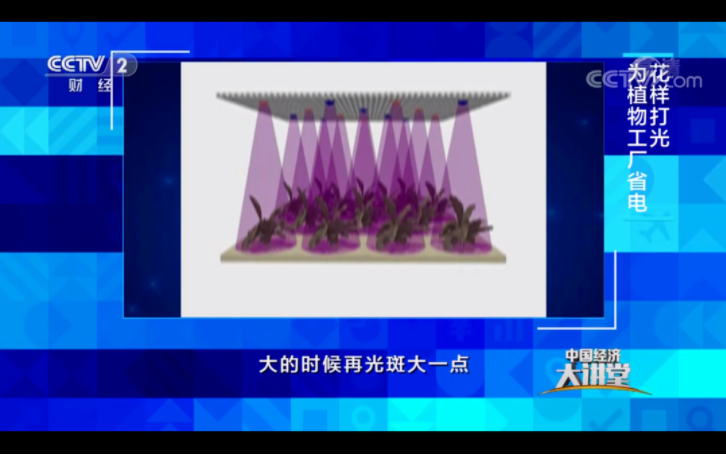
Additionally, we have tested converting a single laser line into a surface and then diffusing it. Its power consumption is only 1/3 to 1/5 of that of LED, so lasers are considered a highly promising light source for the future.
Breakthroughs in plant factory technology and the emergence of plant factories have given rise to many industries. For example, the plant lighting industry: currently, our plant lighting industry accounts for about 80-90% of the global share. Last year, we exported approximately $450 million worth of lamps; domestic use of plant lamps is around 2 billion yuan. This scale is not yet large, but it will grow significantly in the future.
假想一下,我们未来可能在很多城市建立这种城市的垂直农场,比如说在北京我们建立一栋大概30层左右的垂直农场,一年的产菜的量大概是1.08万吨,就可以供应周围的4万人一年的蔬菜,所以说这个是非常可观的。
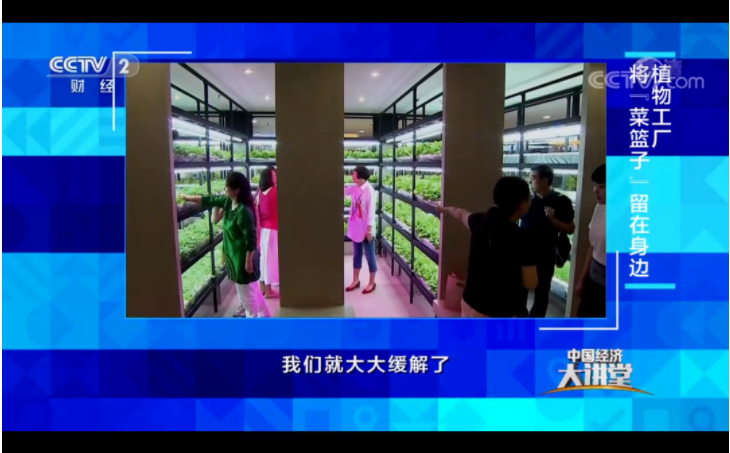
Retired employees still possess physical capabilities; in the future, we can visit vertical farms to participate in labor activities. On one hand, this provides physical and mental exercise, while on the other, it yields tangible harvests. Additionally, urban residents' desire to experience agriculture can be fulfilled through compact home vegetable-growing equipment. This not only meets their demand for fresh vegetables but also fosters a sense of participation, immersion, and happiness.
Article source: CCTV.com, compiled and published by Agricultural Lighting Network.