
When breeding meets facility agriculture, unlocking the potential of indoor farms through genetics
The following article originates from Chengshi Younong , authored by Chengshi Younong
In a world facing water scarcity and arable land shortages, the concept of "food miles" is not only a consumer demand but also evokes challenges in the supply chain and rising fuel costs; the potential of controlled environment agriculture appears immense. This represents a $50 billion market opportunity driven by demand for fresh, local, and sustainable produce.
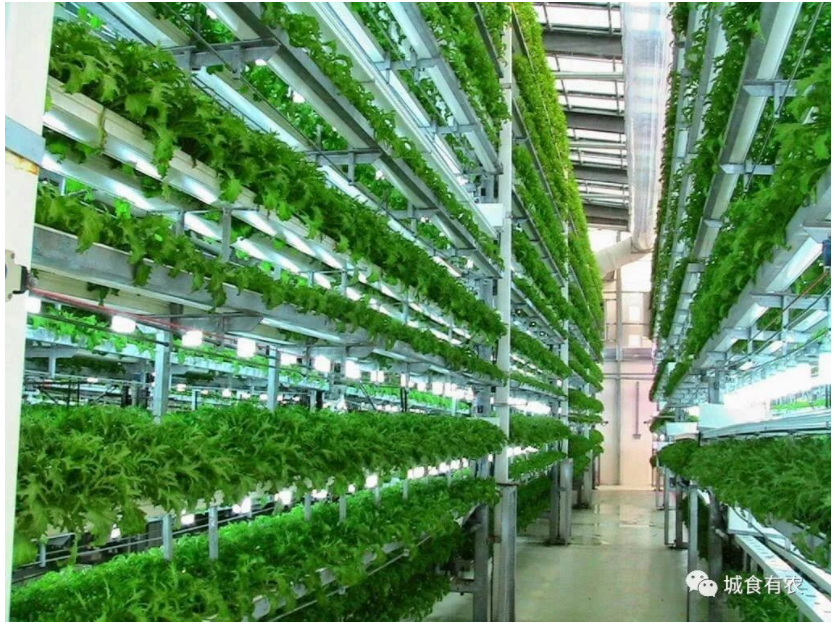
The vision of controlled environment agriculture is to embrace high technology, utilize plant growth lights, and enable crops to grow in a controlled environment driven by advanced automation and artificial intelligence. However, despite continuous technological advancements in the software and hardware operating these farms, innovation in the most complex element—the crops themselves, such as breeding improvements—has been overlooked. In this rapidly growing market, crop breeding is the foundation for ensuring higher profits.
Since ancient times, farmers have collected seeds for propagation, focusing on breeding varieties that perform best under field conditions; besides yield, the ability to withstand environmental stress and pests and diseases is the farmers' primary concern. Such breeding processes have in some ways overlooked the taste and texture of crops, but in controlled-environment agriculture where conditions are precisely managed, breeders can focus on plant traits traditionally neglected by conventional breeding, designing crops with indoor production characteristics to delight consumers' palates and improve the supply chain, unlocking the full potential of seeds.
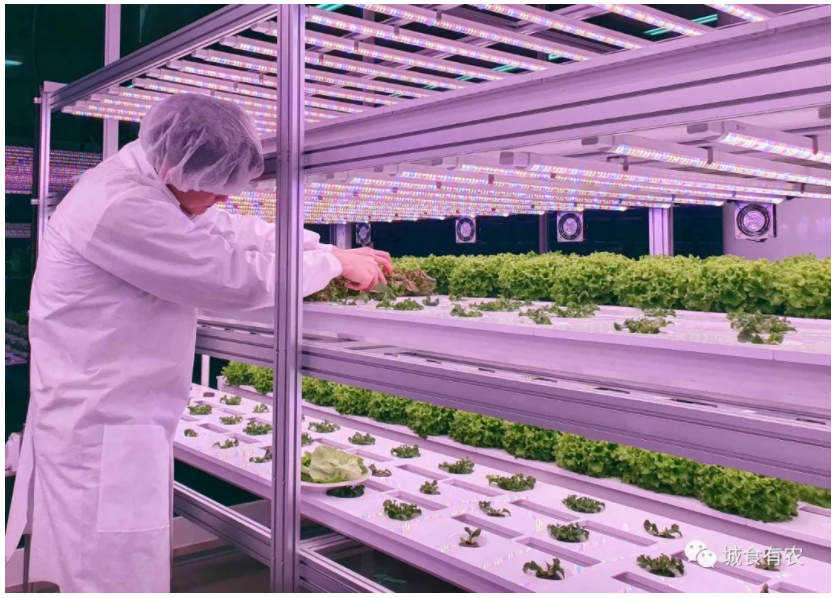
What is the purpose of breeding?
AeroFarms co-founder Marc Oshima believes that for vertical farms, breeders can shift their focus to the qualities most important to consumers: taste, aroma, texture, and other attributes related to food quality. Plants with efficient morphology are also important so they can be easily maintained and harvested in unique indoor environments.
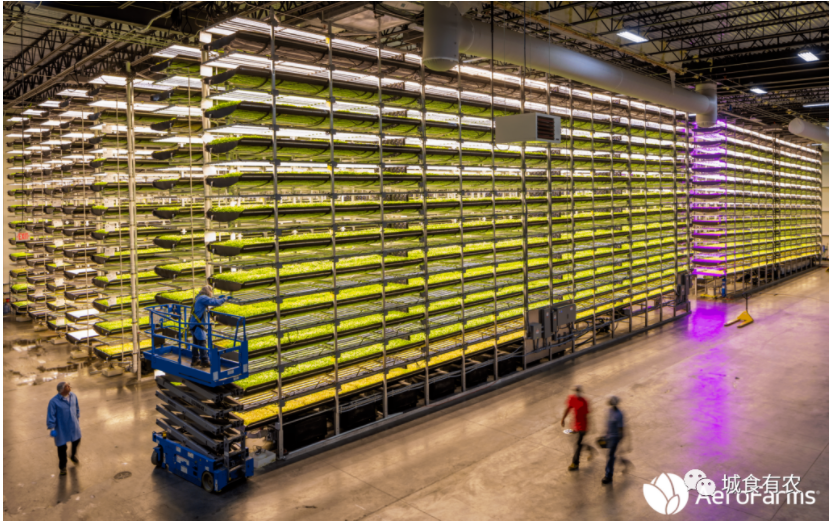
农田种植的水果和蔬菜的最大育种目标是抗病性。病理学家和育种家合作,必须保持领先于下一种疾病的爆发。设施农业中,尽管白粉病等一些疾病还是能在室内发生,但通常可以通过管理措施加以控制。这让育种家不必对下一次严重病害而提心吊胆,可以将育种的重点转移到开发和加速新作物发现、种植配方和改进效率,并在室内种植系统中规模化复制。
These changes benefit both producers and consumers. Producers will benefit from longer-lasting fruit, quality, faster growth cycles, and beneficial plant morphology, while consumers will have their needs for flavor, taste, color, texture, and nutrition met.
Scientists and controlled-environment agriculture companies are exploring many possibilities for indoor cultivation, such as producing pharmaceuticals in plants, increasing the content of specific nutrients and bioactive compounds, higher protein levels, and foods for personalized diets, all contributing to improved health!
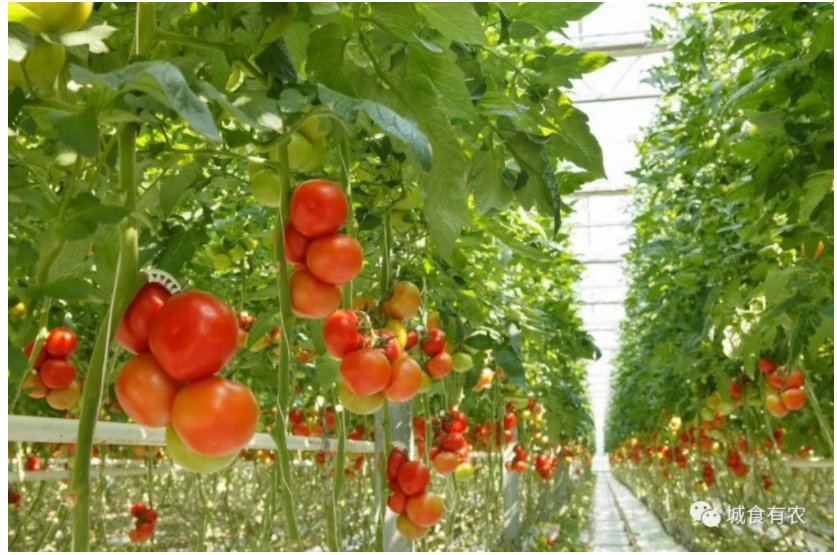
Who is breeding for facility agriculture?
Most growers in controlled-environment agriculture do not perform breeding themselves, yet traditional seed companies clearly fall short in providing breeding services for this sector. Bayer has identified this need. In 2020, Bayer Crop Science and Temasek established an independent joint venture, Unfold, to meet the breeding needs of vertical farms. Unfold supplies seeds to all indoor farms and recently partnered with vertical farming company Bowery Farming to accelerate the development of new varieties specifically for the vertical farming industry.
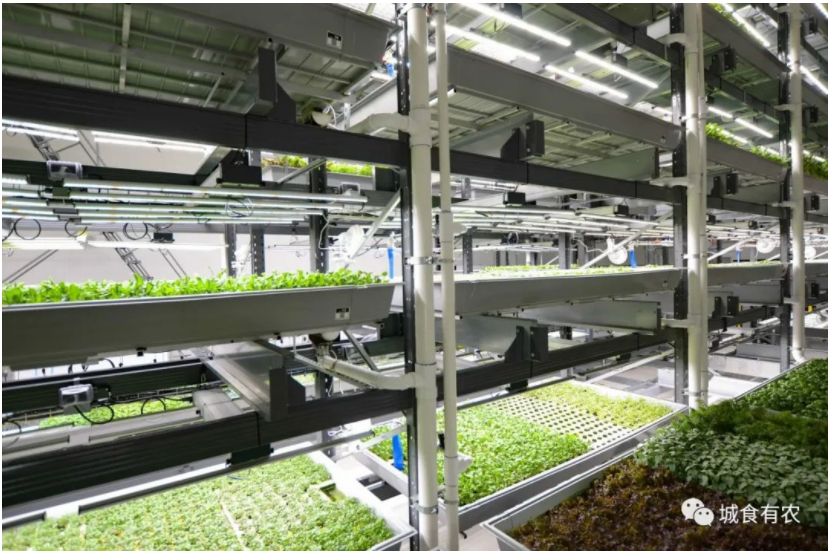
Using different business models, one of the fastest-growing vertical farming companies in the US, Kalera, acquired breeding company Vindara last year to develop seeds specifically designed for vertical farm environments. Dr. Jade Stinson, co-founder and president of Vindara, believes that some ideal characteristics of agronomy are crop yield and morphology, while important characteristics from a food perspective are taste, color, and texture.
Most facility agricultural producers are seeking collaboration with third-party breeding institutions, including universities and seed companies. Aerofarms has had multiple positive collaborations with breeding institutions and is currently evaluating several proprietary strawberry and hop varieties developed by third parties to suit fully controlled growing environments.
AeroFarms has also partnered with Cornell University and other academic institutions, as well as government agencies such as NASA, the U.S. Department of Energy, and the U.S. Department of Agriculture, to optimize growing conditions for various crops including lettuce.
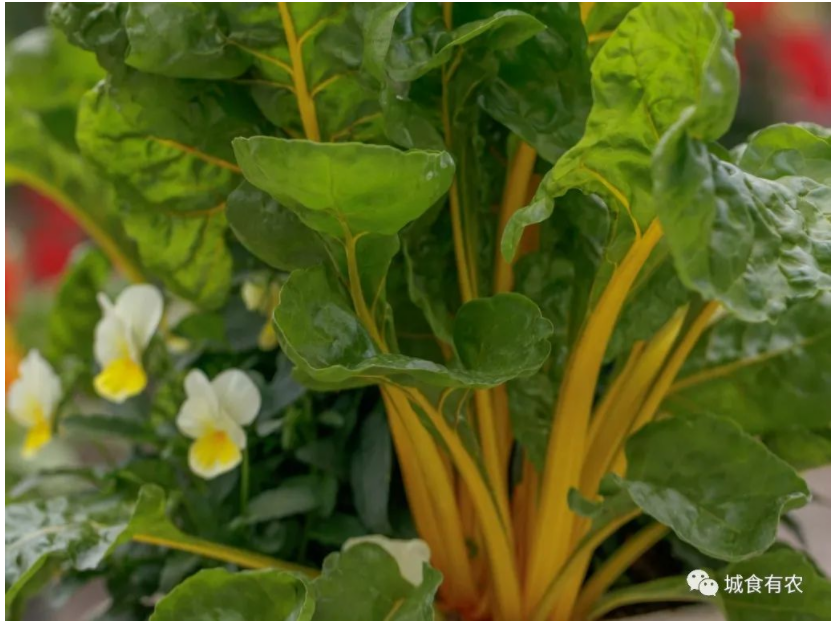
Sakata Seed America是一家专注设施农业的种子公司。2019年,该公司开始注意到室内农场的专有作物开发。现在,他们与主要的设施农业种植者合作,培育出生菜、芝麻菜、罗勒、甜菜、芥末和小白菜等等,并开始了下一代育种项目。为设施农业行业寻找和提供具有最佳产量、有利的植物形态以及风味、颜色和质地的优质种子。
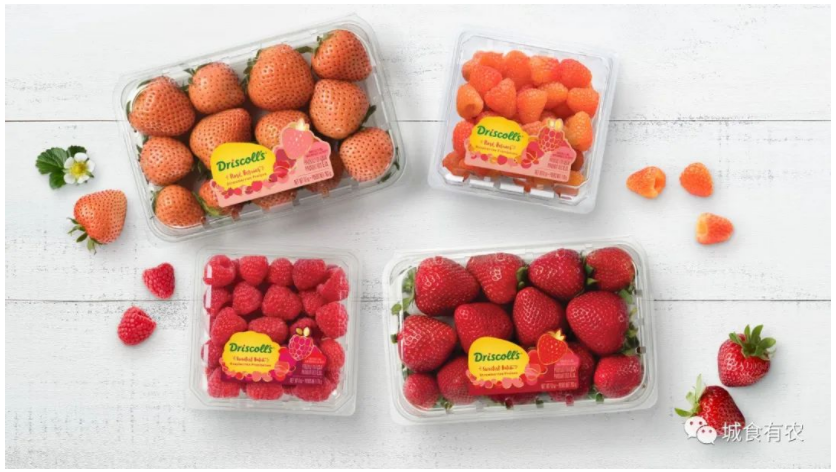
Besides leafy greens, strawberries are one of the most focused crops in controlled environment agriculture. Vertical farm Plenty and global berry producer Driscoll's have announced a joint project to use Driscoll's proprietary germplasm and berry expertise along with Plenty's vertical farming technology to research and cultivate Driscoll-branded berry varieties.
According to Scott Komar, Senior Vice President of Global R&D at Driscoll's, Driscoll possesses the world's largest berry germplasm collection, which can be selected and optimized using Plenty's indoor growing environments. This gives Driscoll a significant advantage, placing it ahead of smaller breeding programs with lower diversity.
Breeding Tools
What tools do breeders use for breeding in protected agriculture? The genetic and breeding history of fruits and vegetables is not as developed as that of many field crops, and the number of crop species is huge, but the industry is catching up.
Breeders are using advanced breeding tools to meet market demand for nutritious, high-yielding, and delicious agricultural products. The tools they can use include genomics and computational biology, analytics and deep machine learning, as well as more traditional breeding methods such as marker-assisted breeding and gene introgression.
Many companies and breeders are interested in gene editing, viewing it as a tool to make breeding faster and more precise. However, in an uncertain global regulatory environment, gene editing is still used as a breeding tool in non-commercial fields to quickly identify genes of interest and explore possibilities. Then, traditional breeding methods requiring time and resources are used to develop similar traits.
Currently, apart from the high GABA tomato variety that entered the Japanese market last year, no genetically edited agricultural products are available in supermarkets anywhere. Given consumers' continued interest in pink pineapples, anti-browning apples, and disease-resistant papayas, the future of genetically edited agricultural products may also be bright.
Finally, with the rapid growth of the market, breeders and producers are increasingly focusing on developing crop varieties best suited for indoor cultivation. Breeding not only enables step changes in agronomic traits and improves unit economics, but also creates differentiated products through consumer-centric traits. Protected agriculture avoids the pressure on crops to grow outdoors due to climatic factors, allowing us to re-evaluate breeding objectives and invest in developing varieties that meet consumer demands for flavor, taste, color, texture, and nutrition.
Dedicated breeding for facility agriculture is a huge untapped opportunity. We have only just begun to understand the possibilities of breeding for indoor crops.
Source: Chengshi Younong