Why is 'light visible, lamp hidden' more advanced?
The following article is from Lighting Moments, authored by Mr. Li Jing
Whether for indoor or outdoor lighting, the concept of 'seeing the light but not the lamp' appears more sophisticated, and people prefer such lighting environments even more. So, what is the reason behind this?
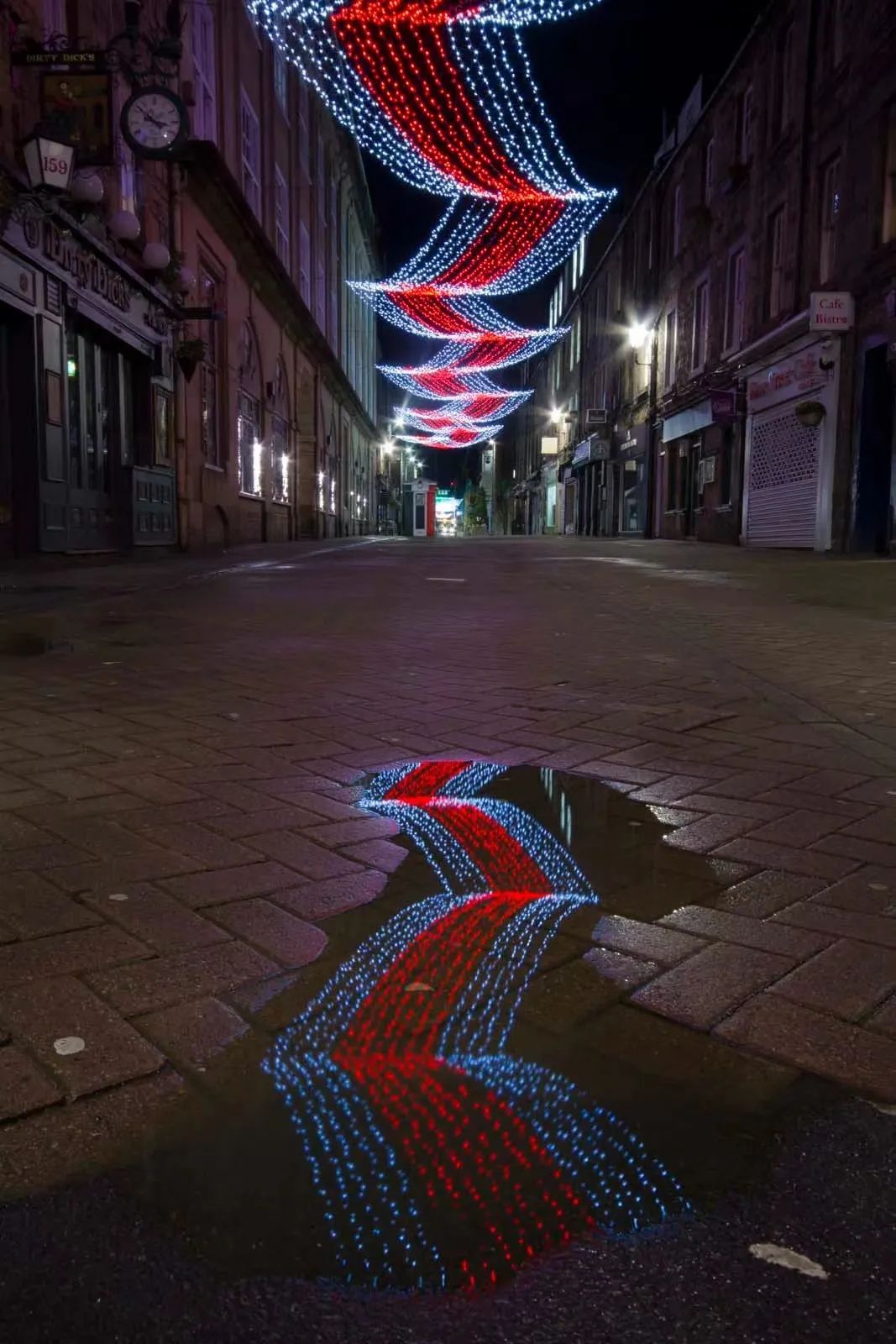
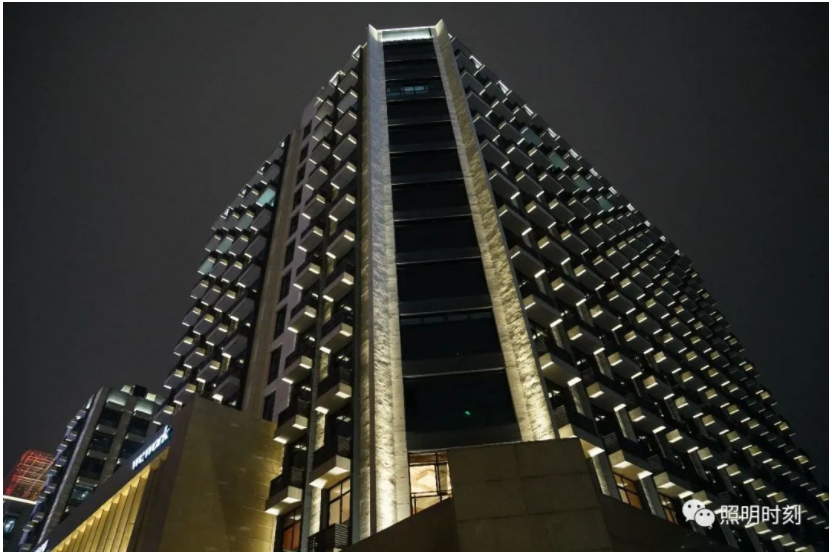
From the perspective of visual perception, a lighting environment where light is seen but the source is hidden offers a softer, warmer, and more comfortable experience with distinct light-dark layers and gradual vignetting, easily creating rhythm and cadence. In contrast, an environment with exposed light sources, if not properly handled, features individual light points that are overly eye-catching, causing excessive visual stimulation and negatively impacting the overall lighting effect.
From the perspective of human experience, seeing light but not the lamp highlights the functionality of lighting, aiding people in identifying environments or buildings at night and facilitating spatial generation. Atmosphere depends on space; strengthening spatial perception helps people sense the atmosphere and evoke emotional resonance. An illumination environment with exposed light sources has points of light that are too visually attractive, hindering the generation of overall spatial perception and thus obstructing the formation of the atmosphere and emotions expected (or defined by the place). The reason lies in that 'seeing light but not the lamp' often conveys spatial information to people, whereas exposed light points tend to convey information inherent to the light medium itself, often acting as a media. For landscape lighting, the most typical distinction is between floodlighting and media architecture facades. In general lighting scenarios, people expect information about the space or carrier rather than advertisement-like information as a medium.
We can also find its roots in culture. Traditional Chinese culture holds that the exalted must maintain a certain sense of mystery: "conceal their traces and hide their origins," so that no one knows what they are thinking or doing; spying is considered a grave sin. Dong Zhongshu wrote in "Chunqiu Fanlu • The Conduct of Heaven and Earth": "Heaven elevates its position but lowers its influence, conceals its form yet reveals its light. Elevating its position makes it revered; lowering its influence makes it benevolent; concealing its form makes it divine; revealing its light makes it illuminating." Therefore, the exalted must "conceal their form yet reveal their light"—hiding themselves while using light to perceive all, inspiring awe in their subjects. Is not the exalted a form of high-end? Is not "conceal their form yet reveal their light" equivalent to "see the light but not the lamp"? And is not "see the light but not the lamp" itself a hallmark of high-end?
Of course, not all occasions require 'light visible but fixture hidden'. Venues requiring media expression naturally need light itself to convey the message; entertainment and performance venues also need various extraordinary lights to create scenes; light sculpture works often have visible light sources, and some of these visible-source works offer high artistic value and趣味性。However, in most cases, 'light visible but fixture hidden' is the preferred principle of lighting design.