
Tong Yuzhen: The Impact of Light on Snowflake Pig Farming, Lingzhi Cultivation, and Chili Seedling Propagation
At the recently concluded 2022 GILE (Guangzhou International Lighting Exhibition), Mr. Hong Bing, Editor-in-Chief of China Light Network and Agricultural Lighting Network, interviewed Professor Tong Yuzhen, Vice President of the Peking University Dongguan Institute of Optoelectronics. They discussed in depth the impact of light on plant and animal growth, as well as Professor Tong's major research achievements, which mainly include three areas: snowflake pig farming, lingzhi mushroom cultivation, and chili seedling breeding.
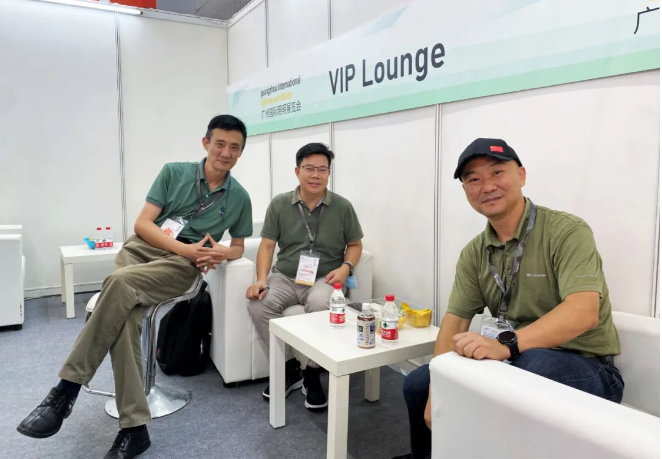
Photo: Tong Yuzhen (center), Vice President of the Dongguan Optoelectronics Research Institute of Peking University; Hong Bing (right), Editor-in-Chief of Agricultural Lighting Network
Lighting for the Snowflake Pig
In the current era of consumption upgrading, market demand for premium pork is growing increasingly strong, giving rise to marbled pork.
Like the well-known marbled beef, the snowflake pattern in pork fat deposited between muscle fibers is very distinct. Boiled in clear water, this snowflake pork is lean yet tender, fatty but not greasy, with a broth that has no gamey or off-odors and is exceptionally delicious.
What is the secret behind it?
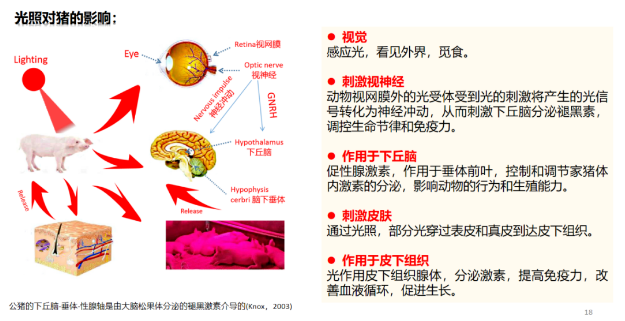
Light is a very important ecological factor in nature, having a significant influence on the behavior of humans and animals; therefore, for different lighting changes, animals can make relatively appropriate behavioral responses by adjusting themselves.
Snowflake pigs are raised in the Gao'an Bavaro Ecological Valley scenic area, a national 4A-level tourist attraction and a national-level pastoral complex covering nearly 30,000 mu. Every pig undergoes both natural sunlight bathing (solar exposure) and artificial sunlight bathing (AI-controlled lighting) throughout its entire growth process. Breeders adjust the feed structure using fermented bean dregs, oat husks, and distiller's grains, combined with scientific lighting to promote metabolism in the herd and reduce the incidence of diseases.
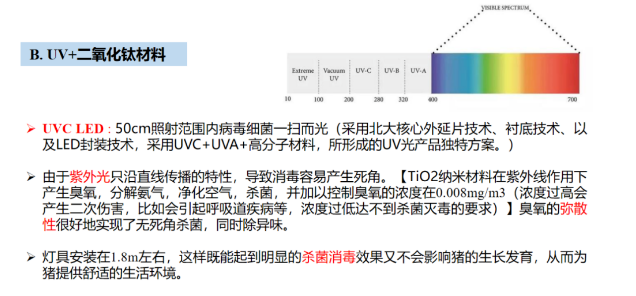
Pig houses generally have poor lighting. Even with transparent windows that introduce refracted light, allowing pigs to see their feed, the ultraviolet and infrared light required by swine mammals is difficult to supplement. Moreover, pig farms suffer from severe corrosive gases; without sunlight exposure, bacteria thrive easily.
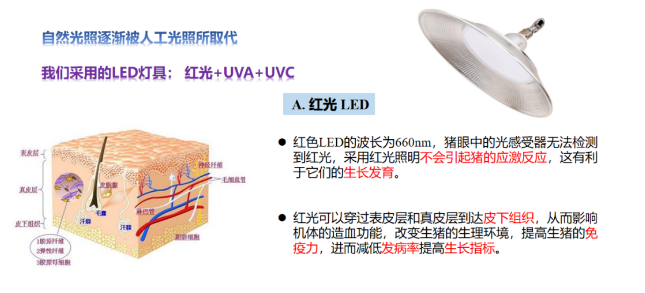
The AI-powered pig farming system developed and designed by Professor Tong Yuzhen's team relies on intelligent lighting to adjust infrared, ultraviolet, ozone, and light frequency bands, thereby achieving effects such as calcium supplementation for pigs, mosquito elimination, blocking pathogen invasion, and regulating immunity and endocrine function.
The fatty acid composition of "marbled pork" raised through scientific feeding differs from that of ordinary pork. Omega-3 content is twice that of ordinary pork. Selenium content is 5–10 times higher than in ordinary pork, making it typical selenium-enriched pork. The pork contains no antibiotics, growth hormones, heavy metals, or genetically modified ingredients.
CCTV also reported on this:
For more analysis on the impact of LED lighting on pig farming, scan the QR code below to watch Professor Tong Yuzhen's video explanation.

Lingzhi cultivation
Guanxiang Lingzhi is a product jointly developed by Guangdong Medical University and the Peking University Dongguan Optoelectronics Research Institute.
Using agarwood as a cultivation substrate for Ganoderma, combined with optoelectronic technology to induce growth. Light is used to improve and regulate the growth and composition of Ganoderma, while innovative bio-fermentation processes and technologies integrate the pharmacological effects of both.
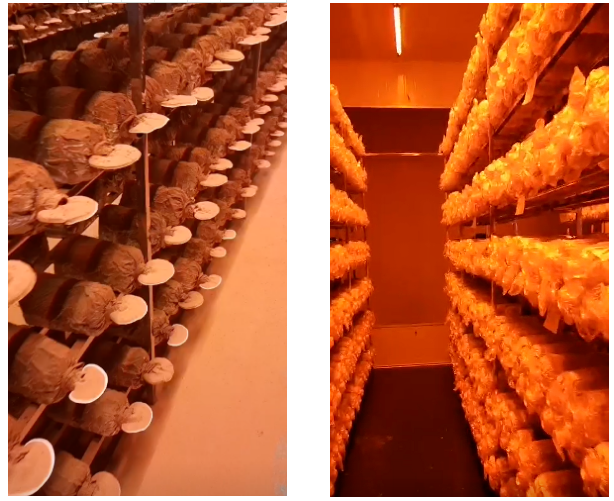
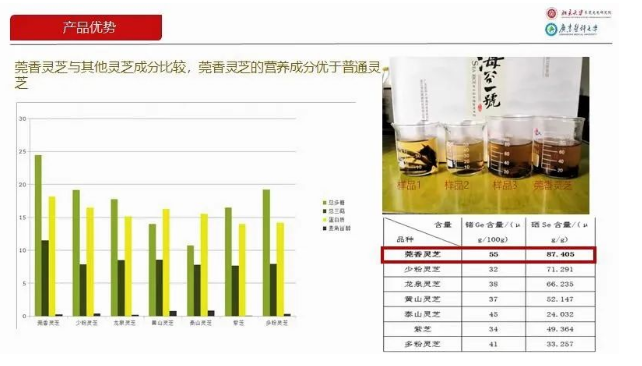
Research has found that Lingzhi cultivated using Agarwood as the raw material offers superior efficacy compared to a composite formula of Agarwood + Lingzhi, and contains better nutritional components than ordinary Lingzhi.
Chili seedling propagation
By monitoring pepper growth under various artificial light environments (including photoperiod, light recipes, etc.), Professor Tong Yuzhen's team identified the optimal solution for the pepper seedling stage.
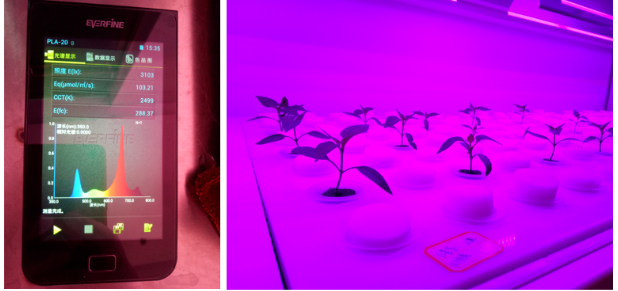
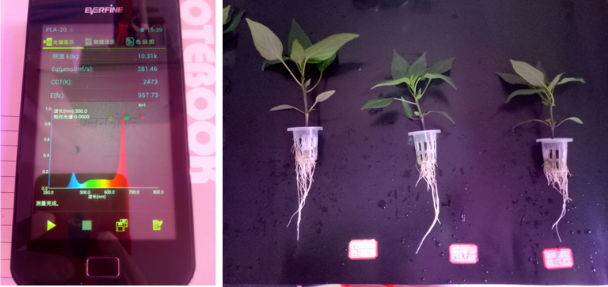
Compared to pepper cultivation in plant factories, the spacing between plants for pepper seedlings in plant factories can be smaller, and luminaire heights can also be lower. Seedling growing racks can be designed with more than 5 layers, yielding over 3.3 times the output of ordinary outdoor seedling production. The seedling cycle is 28 days; compared to the outdoor seedling cycle (50 days), growth efficiency has increased by 44%.
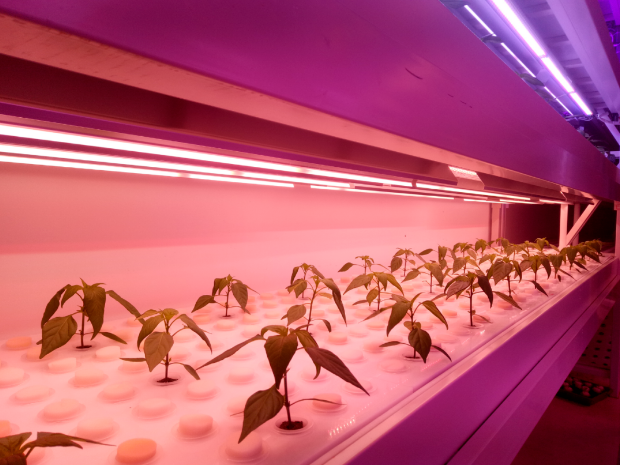
Based on chili cultivation in plant factories: the yield is 2.8 kg/m² (first crop only). Calculated for 3 layers plus work area, the single-unit yield reaches 5.61 kg/m², which is 1.93 times that of outdoor cultivation (2.9 kg/m²). (Data source: "Lessons from the Development of the Gao'an Chili Industry")
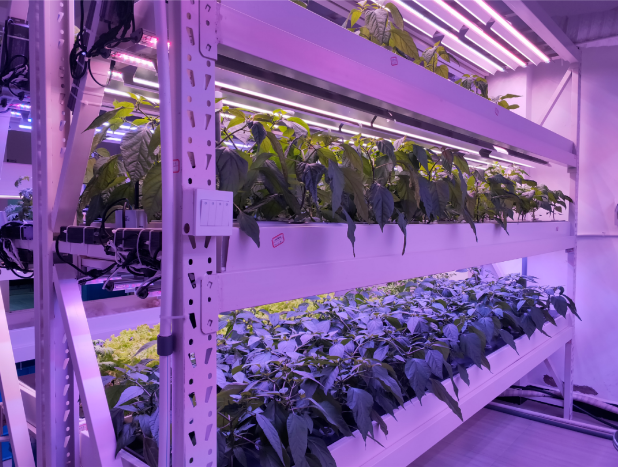
Additionally, chili seedlings grown in plant factories can be transplanted outdoors. We are currently seeking the optimal transplanting scheme to ensure these seedlings grow better in the soil.
Article sourced from Agricultural Lighting Network , author: Agricultural Lighting Network