
Taiwanese vertical farming company secures major contract to develop and build a vertical farm network in the Baltic region
立陶宛垂直农场Leafood获得了约合675万美元(645万欧元)的种子轮融资,由Farmer's Circle和Baltic Food Republic的创始人Niels Peter Pretzmann 以及台湾源鲜智慧农场(Yeshealth Group)和另一位私人投资者领投。
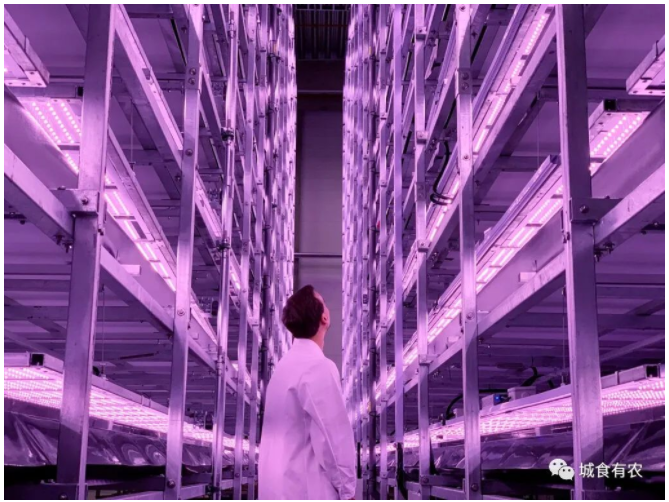
Most of the funds raised by Leafood will be used to partner with Yuanxian Smart Farm to establish and operate a vertical farm network in Lithuania and the Greater Baltic region, with plans to refinance $2 million this summer.
Taiwan Source Fresh Smart Farm is an important participant in vertical agriculture, operating multiple farms for commercial and R&D purposes, including Nordic Harvest, Europe's largest vertical farm located in Denmark. The Leafood project will also become one of Europe's largest vertical farms, with Source Fresh Smart Farm's technology applied to the vertical farm network in Lithuania, Latvia, Estonia, and Poland.
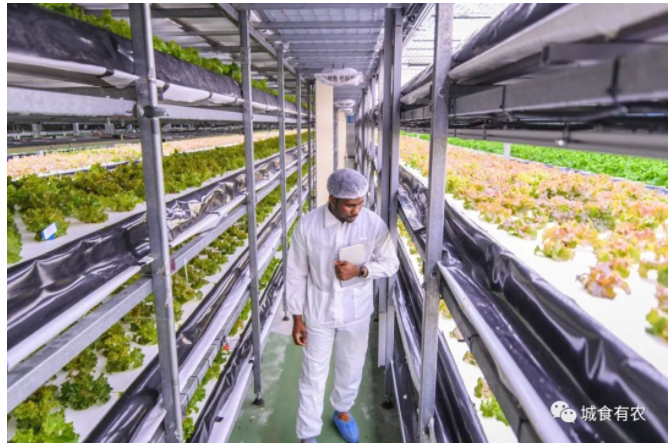
Leafood's vertical farm will first be built in Vilnius, the capital of Lithuania, and is expected to be completed in Q1 2023; its first products will go public in late spring 2023. Leafood will target the retail sector and supply hotels and food service departments within the food industry.
Due to the long winters in Northern Europe and the Baltic region, farmers often find it difficult to grow produce outdoors year-round. However, vertical farming cultivates crops indoors with complete control over irrigation, lighting, temperature, and other factors, making this approach well-suited to the food production needs of Nordic countries.
Leafood aims to produce 1,000 kg of leafy greens daily. With an annual output of approximately 400 tons, it is expected to enable a localized vegetable supply chain for urban residents in the Baltic region.
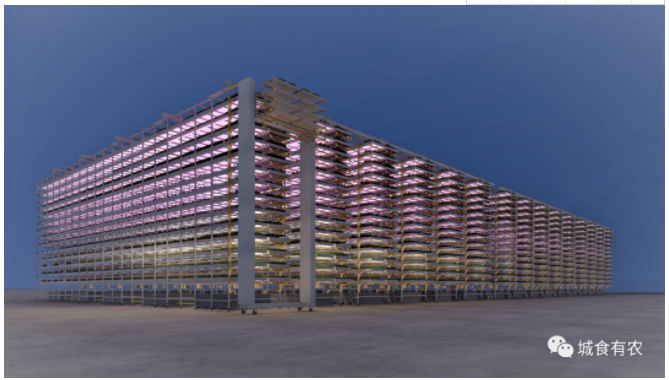
According to a study by Researchgate, Lithuanians are more environmentally conscious and highly concerned about food safety compared to other European countries. Pesticides are typically not used in vertical farms, and the increasing deployment of automation technologies means that agricultural products are cleaner before reaching consumers.
Leafood founder and CEO Valentinas Civinskas stated that Lithuanian consumers are willing to pay a 10% premium for locally sourced products. According to a survey by the Lithuanian Crop Protection Association, whether agricultural products are grown locally in Lithuania is one of the top three drivers for consumer purchases.
Vertical farming enables local production and significantly reduces transportation time; Leafood delivers products to areas approximately 20 km around the city center.
It is reported that Lithuania imports large quantities of grain in winter, but the country also recognizes that it cannot continue to rely on a food system heavily impacted by climate change, pandemics, and geopolitical tensions. This is the Baltic region's food security challenge that Leafood aims to address by developing a high-tech vertical farming network to grow healthy, sustainable local ingredients year-round.
Vertical farming avoids excessive tillage and the use of chemicals, reducing soil degradation and excessive water consumption. Leafood also states that it will power farm operations exclusively with renewable energy sources such as wind and solar.
Valentinas Civinskas believes that "most countries with harsh climates are in great need of vertical farming. Leafy greens are just the beginning; vertical farming technology can also be applied to other foods such as mushrooms, berries, and tomatoes, covering up to over 100 crop types, even exotic foods that farmers cannot grow."
"As cheaper energy sources become available, vertical farming will become more affordable and accessible in the years to come. So in another 5 to 10 years, more developing countries will adopt it."
According to industry data, the United States leads globally in the number of vertical farms. Japan, China, Singapore, South Korea, and Thailand are the industry leaders in Asia. Denmark, Germany, France, the UK, and the Netherlands also have many vertical farming companies, including some of Europe's largest vertical farms: InFarm, Nabofarm, Harvest London, Growing Underground, and Crate to Plate, among others.
Jesper Hansen, Head of Commercial Development at Yuanxian Smart Farm, stated that the challenges faced by Yuanxian Smart Farm are the same as those encountered by vertical farmers worldwide: not only fulfilling commitments to health and sustainability, but also achieving profitability.
"We have reached an agreement with Leafood to build and operate their first vertical farm in Lithuania, achieve profitability within two years, and then expand together across the Baltic region."
Drawing lessons from the pandemic, investors are now highly optimistic about decentralized and localized agricultural food supply chain solutions, as more people recognize that current supply chains are unsustainable.
One of Leafood's investors, Niels Peter Pretzmann, believes this is a key effort towards more sustainable and healthier diets. "Leafood farms not only allow us to shorten the supply chain, but they can also help find solutions to traditional agricultural problems."
"Solar panels pave the way for cleaner, more affordable (farm) energy. All plants will use bio-fertilizers derived from natural ingredients such as soybeans and oyster shells. Most importantly, it will significantly extend the shelf life of salad greens and herbs, helping to address food waste."
Source: Chengshi Younong