
Samsung LED achieves a 6% reduction in carbon emissions for lettuce cultivation in plant factories through a horticultural lighting-specific spectrum with a peak wavelength of 437nm!
The 2022 National Energy Saving Publicity Week was held from June 13 to 19, with the theme "Green and Low-Carbon, Energy Saving First." The National Low-Carbon Day was on June 15, with the theme "Implementing 'Dual Carbon' Actions to Build a Beautiful Home Together."
To extensively promote energy saving and carbon reduction education and vigorously advocate green, low-carbon production and lifestyle, China Light Network, Agricultural Lighting Network, and Ming Classroom jointly call for submissions of energy-saving and low-carbon technologies and project cases from lighting enterprises and user units (Details: 2022 National Energy Saving Publicity Week - Call for Lighting Energy Saving and Low-Carbon Cases). The submission case we are publishing in this issue elaborates on the technical features and energy saving effects of Samsung's indoor growing lighting solution.
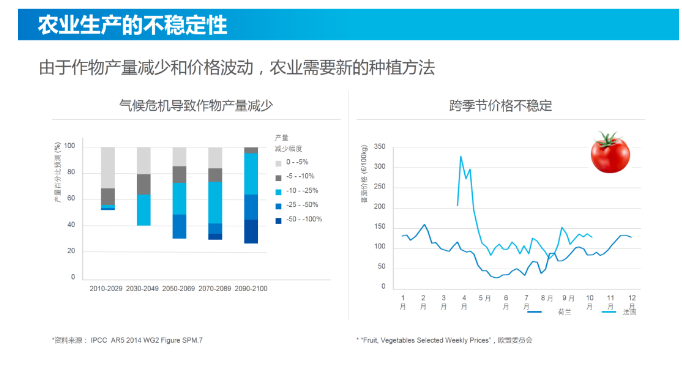
The Earth continues to face severe climate change, with crop yields expected to gradually decline in the coming years, exacerbating food shortages. Additionally, vegetable prices fluctuate significantly due to seasonal changes, which is also a concern. During the autumn harvest season, prices remain relatively low, but they surge dramatically in winter. These issues highlight that crop production is highly dependent on climate. Agriculture faces challenges and requires new cultivation methods.
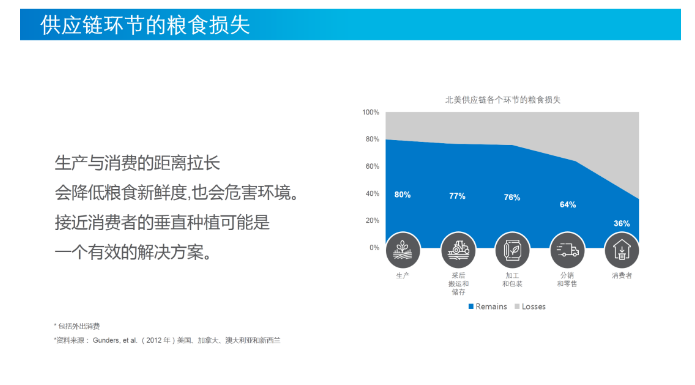
In addition to reduced crop yields, there is the issue of food waste. According to research, more than one-third of fruits and vegetables are discarded before reaching consumers, mainly due to oversupply and spoilage. The average transportation distance for vegetables in the United States from farm to table is 1,596 miles, and excessive transport distances lead to food spoilage. To shorten transportation distances, agriculture is seeking new methods to grow vegetables in urban areas where consumer groups are located.
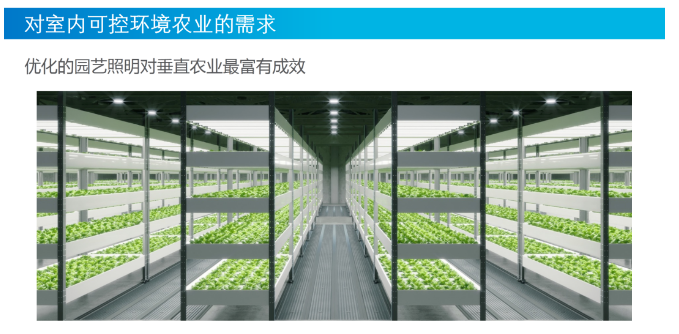
Indoor cultivation can address all these issues, which is why large-scale indoor farms are being built worldwide. Lighting is the most critical factor in indoor cultivation. Since indoor farms lack sunlight, artificial lighting is the only available light source. Therefore, optimized horticultural lighting is essential for the success of indoor cultivation.
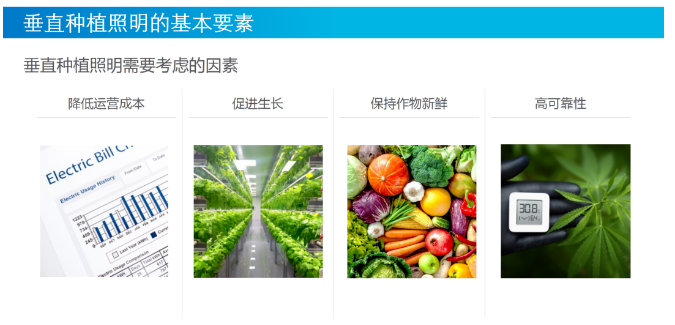
When it comes to indoor grow lighting systems, several factors must also be considered. Since indoor grow lights remain on for extended periods, high operating costs associated with expensive electricity bills are one of the disadvantages of indoor cultivation. Therefore, an ideal lighting system should be able to save energy and reduce costs while promoting plant growth. In addition, indoor grow lighting must be able to withstand extreme environments with high temperatures and humidity, as well as frequent use of fertilizers.
Features, advantages and energy saving effects of the solution
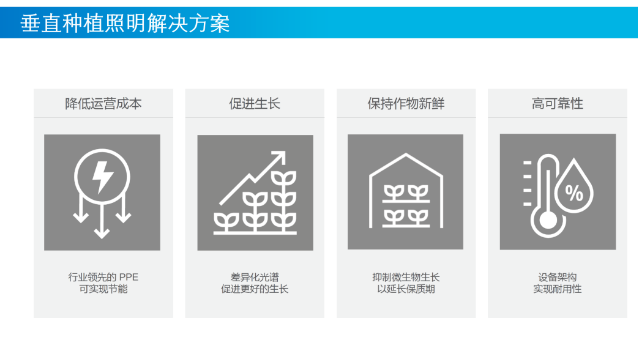
For these reasons, Samsung indoor growing lighting Solution focuses on 4 key features . First, with industry-leading PPE, our Solution reduces energy consumption, thereby minimizing operating costs. They have high light utilization efficiency, which promotes plant growth and significantly extends shelf life. Finally, Samsung's advanced flip-chip technology improves the reliability of our LEDs under harsh conditions.
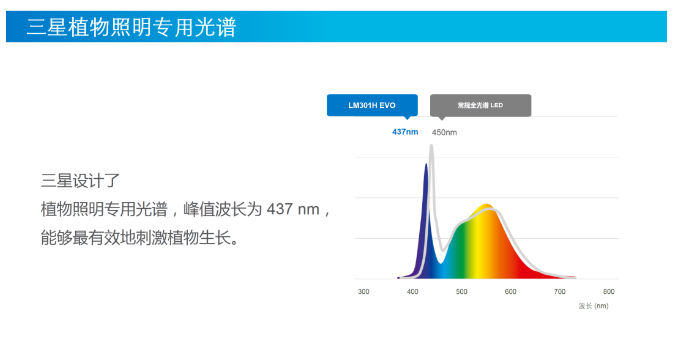
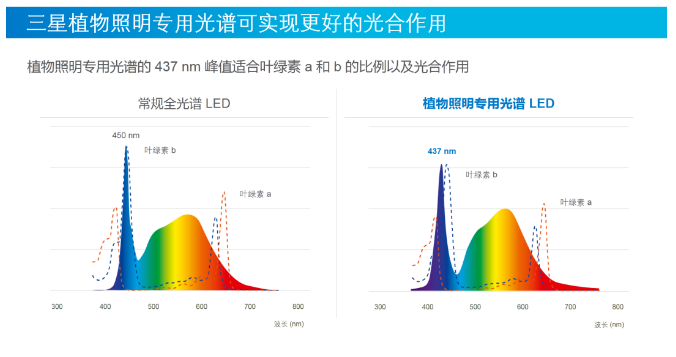
Using horticultural lighting-specific spectrum LED, this is the key to Samsung's indoor growing lighting solution. Unlike conventional white light LEDs with a peak at 450nm, our solution reduces the peak to a shorter wavelength of 437nm to achieve optimal efficiency for promoting plant growth.
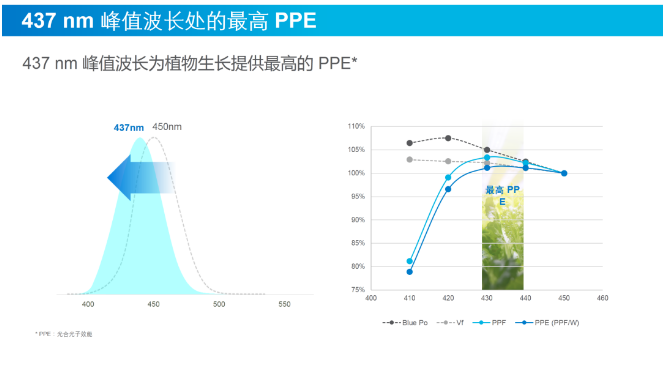
Using blue die that convert electrical signals into light energy, we identified the peak wavelength that improves efficiency. Our final LED spectrum design peaks at 437nm, achieving the highest Photosynthetic Photon Efficacy (PPE).
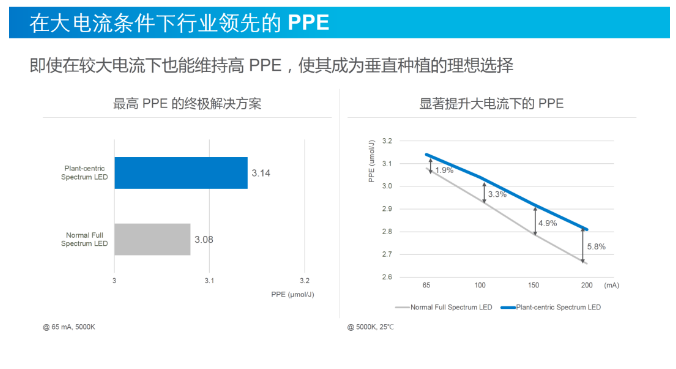
Compared to conventional full-spectrum white LEDs with a peak at 450nm, LEDs with a peak at 437nm have approximately 2% higher PPE, and maintain higher efficacy at higher currents. This is highly valuable for indoor growing environments that use high currents.
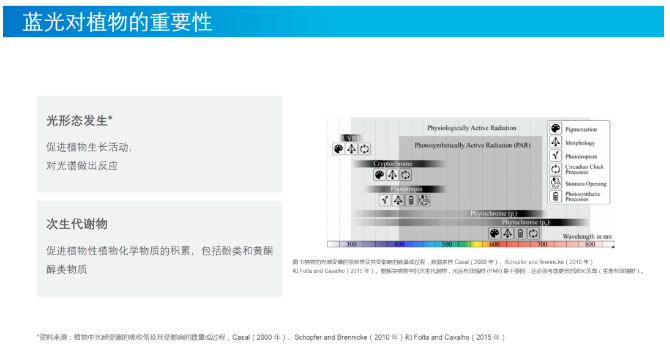
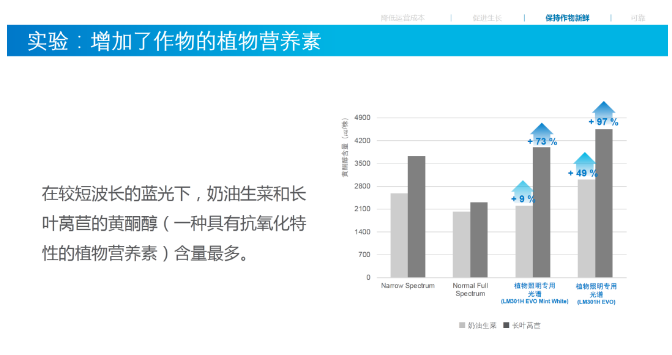
植物对整个光谱都有反应,包括适合生长的红色、绿色和蓝色波长。其中,蓝光不仅影响光形态发生,即植物生长模式对光谱做出反应,还促进了酚类或黄酮醇类等次生代谢物的产生。光形态发生是光介导的成长,即植物生长模式对光谱做出反应。
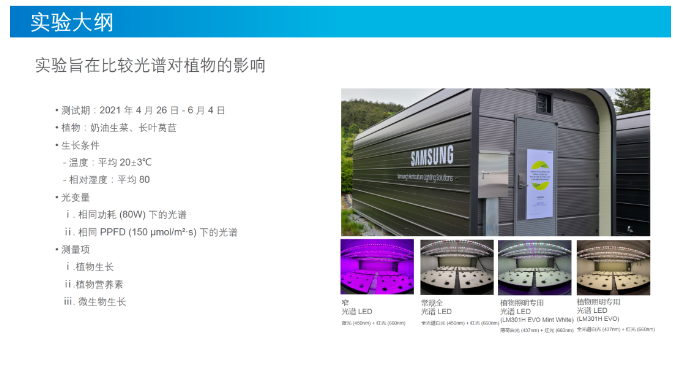
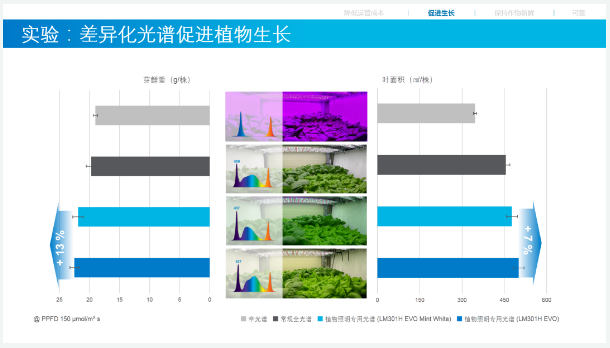
We conducted a series of experiments in collaboration with a renowned Korean university known for its agricultural and horticultural research. Over six weeks, we grew two types of leafy vegetables under different LED lighting environments and wavelengths. There were four different light sources in total, including two newly designed 437nm spectra, one narrow spectrum combining blue and red light, and a conventional full-spectrum white LED. All other cultivation conditions (such as temperature and humidity) were controlled and kept constant. By setting a uniform PPFD for each environment, we measured plant growth and power consumption under each LED light source. We further investigated differences in plant nutrient levels and the degree of bacterial formation related to crop storability. Through these experiments, we confirmed the specific advantages of horticultural lighting specialized for the 437nm peak.
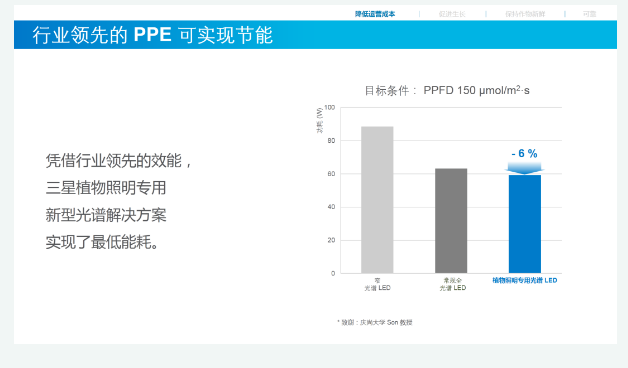
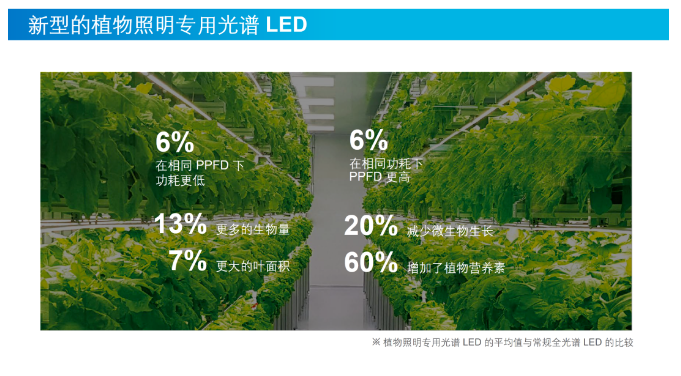
One of the most powerful features of Samsung's indoor horticultural LED is its energy saving capability . Our solution consumes far less energy than any existing indoor horticultural light source, including narrow-spectrum LEDs and conventional full-spectrum LEDs. The power consumption of Samsung's dedicated horticultural lighting spectrum is 30% lower than other light sources.
Similarly, Samsung's indoor growing lighting solution delivers higher PPFD performance, positively promoting plant growth. Experiments show that under the same power, plants exposed to horticultural lighting-specific spectrum LEDs with higher PPFD develop thicker and larger leaves compared to those grown under different types of lighting. Furthermore, plants grown under our lighting solution contain significantly higher levels of flavonoids, which are antioxidant compounds.
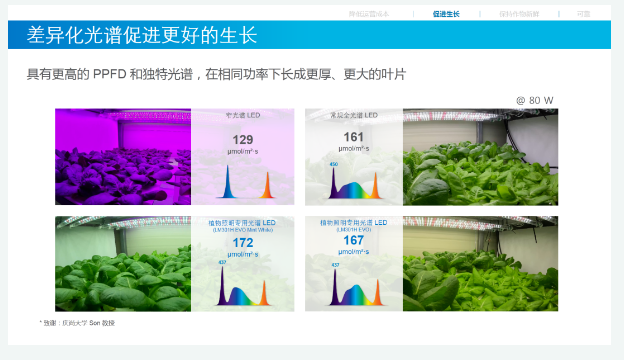
Among lamps with similar PPFD levels, plants grown under the Samsung EVO series are noticeably thicker and have larger leaves due to Samsung's unique horticultural lighting spectrum.
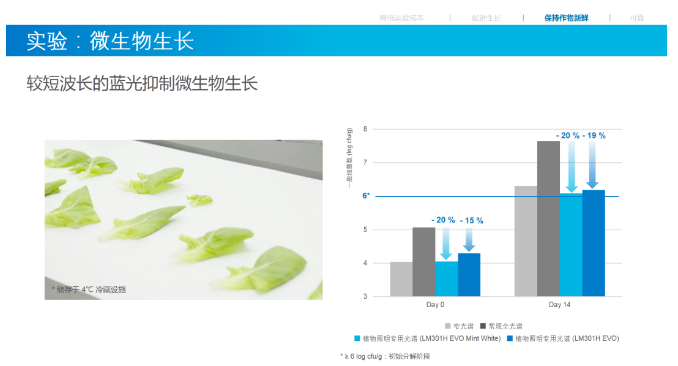
The experiment concluded that plants grown under a 437nm wavelength environment are healthier and can more effectively inhibit the growth of bacteria, fungi, and other microorganisms, thereby achieving better storage stability. We compared crops on the harvest day, as well as 7 and 14 days later, and found that plants grown under the short-wavelength EVO series at 437nm had fewer bacteria and fungi.
Energy consumption is considered one of the biggest burdens in indoor cultivation. Samsung's indoor cultivation lighting Solution not only reduces energy consumption, but also offers the lowest initial investment compared to other products. Overall, our Solution achieves the lowest total cost while promising more economical and sustainable operations.