
Where do the fruits and vegetables consumed by astronauts in their daily lives come from? A visit to the green factory in the Gobi Desert
On the eve of the Shenzhou-14 manned spacecraft's space mission, astronauts' daily diet and living conditions on Earth must not be compromised in any way. To better ensure their daily nutrition, the Jiuquan Satellite Launch Center established an artificial light vegetable factory to supply pure vegetables and fruits directly to the astronauts before their departure.
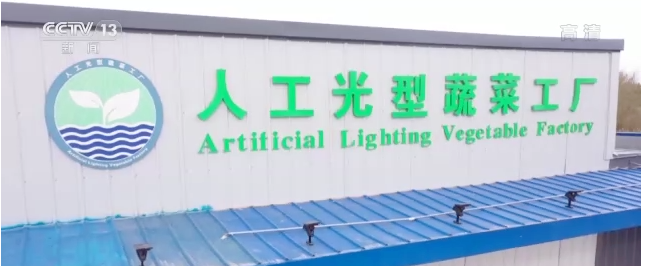
The artificial light-type vegetable factory covers an area of 728 square meters, was completed in March 2021, and began trial production. Sowing greenery on the Gobi Desert has never been easy; however, this vegetable factory is not only green and ecological but also highly technological, making it a true oasis in the Gobi.
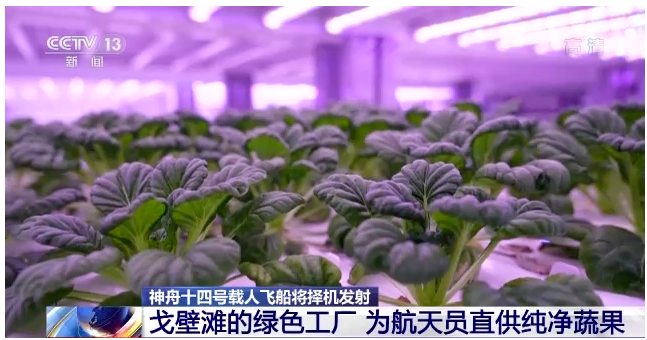
No soil is needed here, nor does it rely on the natural environment; vegetables can be delivered to astronauts' tables in just 35 days. The fully sterile cultivation mode requires all personnel entering the vegetable factory to wear protective suits and undergo multiple disinfection steps. When we enter the facility and push open the door, a fresh, fragrant breeze greets us.
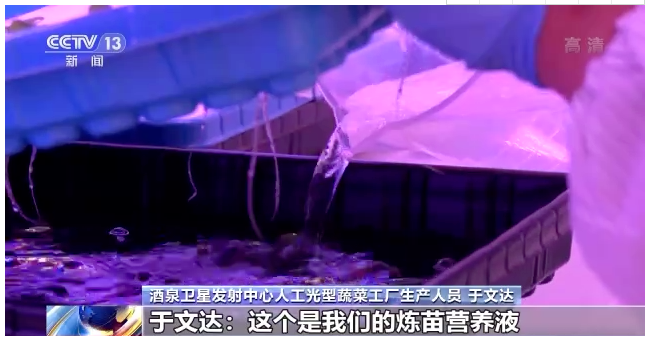
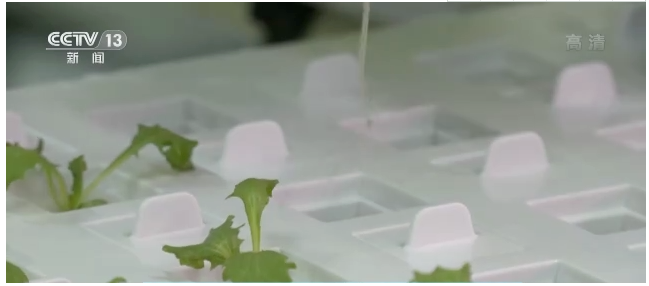
Yu Wenda, production staff at the Jiuquan Satellite Launch Center's artificial light vegetable factory: This is our seedling hardening nutrient solution. By controlling this nutrient solution within the seedling trays, we ensure that even the seed germination rate is kept extremely high.
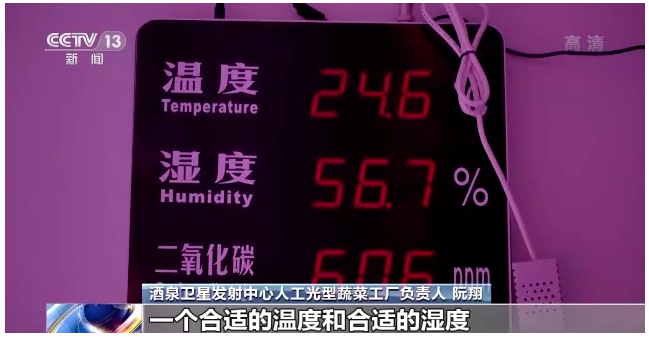
Here, nutrient solution replaces soil, LED plant spectrum replaces sunlight, and the computer system automatically controls plant growth; no pesticides are used in the entire production process.
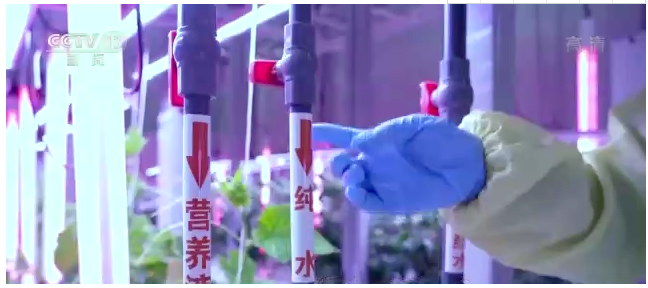
Ruan Xiang, head of the artificial light vegetable factory at the Jiuquan Satellite Launch Center, stated: Compared with traditional agriculture, our artificial light vegetable factory has three major advantages. First, we use artificial light to control plants; second, the environmental control system can maintain a suitable temperature and humidity; third, the nutrient solution supply system automatically replenishes nutrients when the plant roots lack them. Our staff only need to monitor the nutrient solution room to check if nutrients are needed.
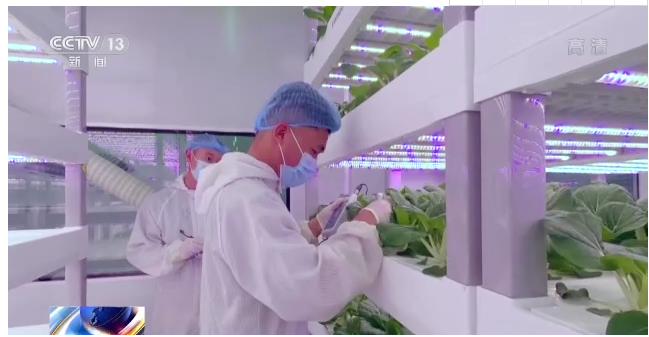
Staff check the pH value, EC value, and growth status of vegetables every day. The entire factory simulates a natural environment while breaking through its limitations. This green factory not only ensures that the astronaut crew can enjoy high-quality fruits and vegetables but also enriches the "vegetable basket" for scientists, employees, and their families in daily life.
To continuously promote technological innovation and market development in agricultural lighting luminaire design, and to advance the level of smart agriculture in China, the China Association of Lighting Industry (CALI) and the People's Government of Guzhen Town, Zhongshan City are jointly organizing the "2022 China International Lighting/Luminaire Design Competition - Agricultural Lighting Category" this year. The event is co-organized by the Secretariat of the China International Lighting and Luminaire Design Competition, the Agricultural Lighting Professional Committee of CALI, China Light Network, and the Agricultural Lighting Network.
This event establishes two awards: the Excellence Award for Commercial Luminaire in Agricultural Lighting and the Excellence Award for Residential Luminaire in Agricultural Lighting. The call for entries is now open; we welcome your participation.
Source: CCTV13 News