
Vegetables are hard to find, grow your own! The COVID-19 pandemic has driven large-scale growth in the gardening-related Industry
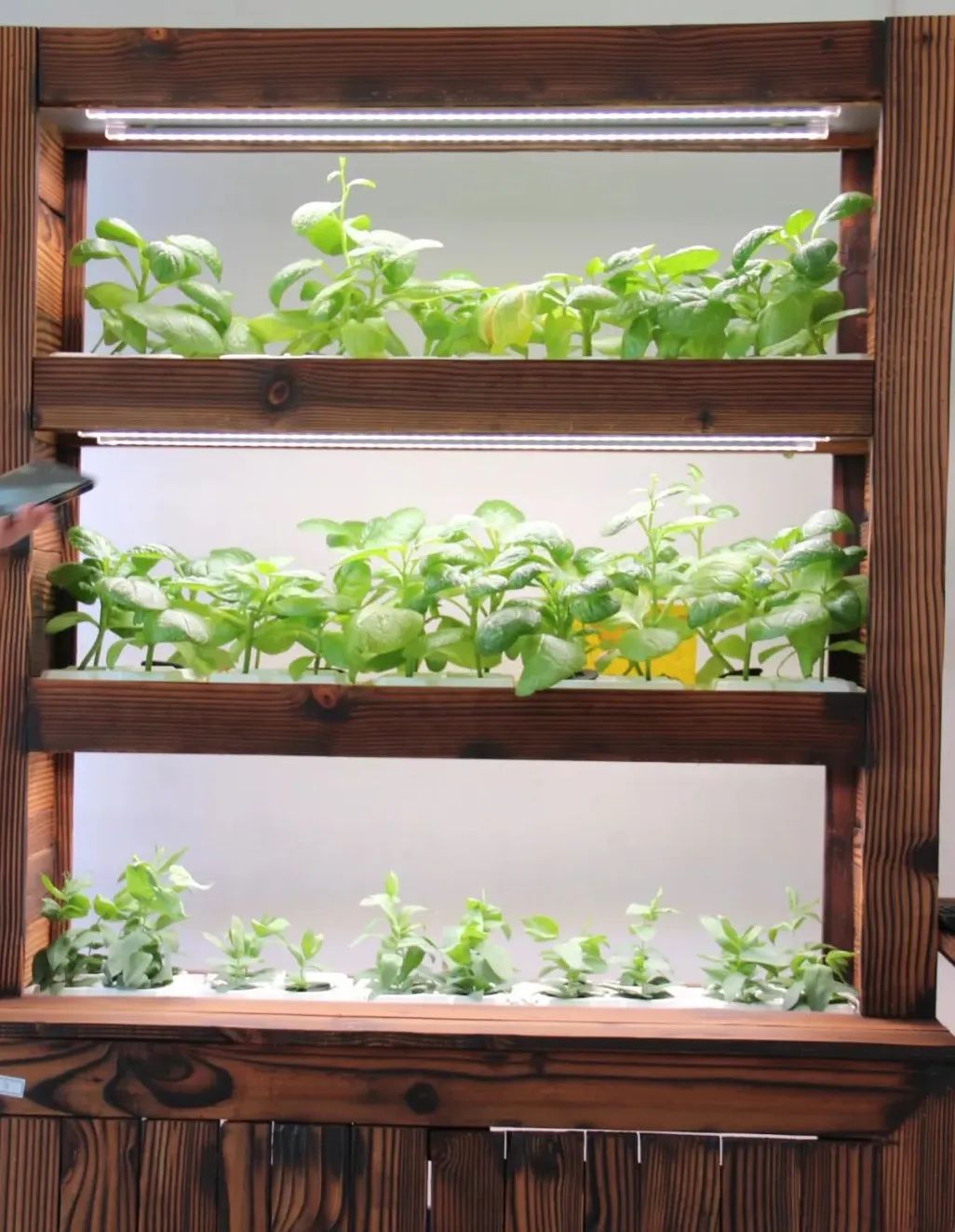
Since the new wave of the pandemic hit in March this year, "stocking up on vegetables" and "rushing to buy vegetables" have become the top priority for many citizens nationwide. With lockdowns at home and difficulty finding even a single vegetable, why not source locally and grow your own? Many have had this thought, and green onions, celery, and bean sprouts are now becoming popular.
For vegetable gardening, don't worry about the location; a yard, terrace, balcony, windowsill, or even a few flower pots will suffice. The material and size of the pots are not important.
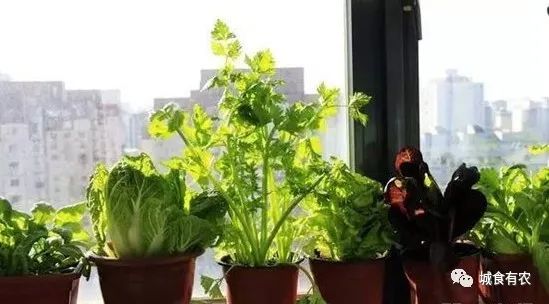
Which vegetables are convenient to grow yourself?
First, for vegetables like scallions, cilantro, celery, and chives, simply keeping the roots alive allows them to regain vitality; secondly, leafy greens such as crown daisy, water spinach, lettuce, and baby bok choy have high germination rates, fast growth speeds, are suitable year-round, and can survive through cuttings.
Various peppers in the fruit category and radishes and potatoes in the root/tuber category are all crops that are easy to start with and easy to manage.
Most people would say that the recent COVID-19 pandemic has made things difficult for many; but for green industries such as nurseries and greenhouses, it has been a blessing.
According to the latest research from the University of Georgia published in HortTechnology, once social restrictions are lifted and society reopens in the post-pandemic era, growth in the horticulture industry may not sustain the current level; however, for many people, gardening may become a new hobby they will continue to pursue.
This study surveyed over 4,200 participants and found that approximately one-third of respondents began gardening in 2020 because they spent more time at home.
Many people also built new lawns and renovated their gardens, such as by installing new planting beds and other landscaping features.
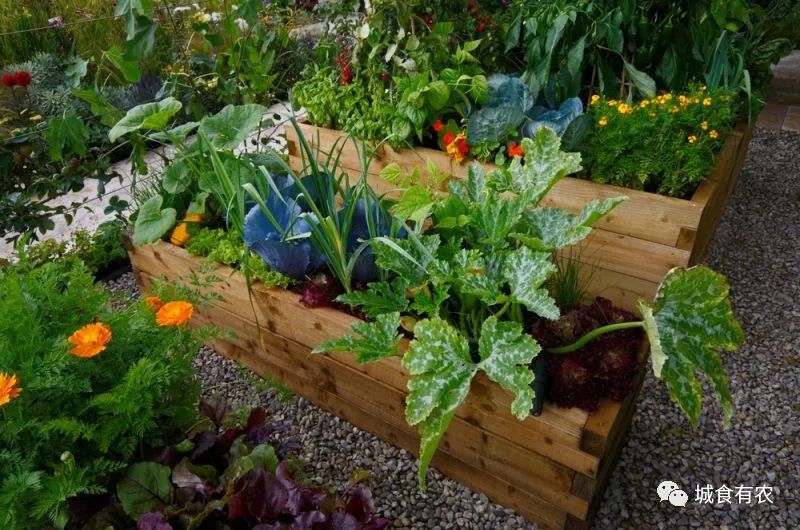
The study points out that due to the current low bank interest rates, many people can invest in their homes through financing methods such as borrowing.
The pandemic has led people to find activities at home, whether for themselves or with their children, resulting in a huge demand for gardening and plants.
Slightly less than half of respondents indicated they do not plan to continue their gardening hobby in the future, even though they had such experiences in 2020.
However, one in ten respondents still indicated that they began gardening in 2020 and plan to continue this hobby in the future, including 11% of Gen X (born between 1964 and 1980) and 13% of Millennials and younger generations.
Many young consumers entered gardening due to the pandemic and the necessity of staying at home, and plants have proven to offer various psychological benefits.
Gardening not only gives people something to do, but also brings them more joy. On the other hand, food insecurity has also driven some people to take up gardening as a hobby.
Starting in 2021, food prices reached historically high levels overall, partly due to inflation, which also became another driving factor for people to start gardening.
Today, fertilizers and plants are no exception to inflation; their prices are also rising.
Although plants are not a necessity of life, if someone wants to build a shelter in their backyard, they will buy seeds; if someone buys a tomato plant, they must rely on inputs such as fertilizers to keep it alive.
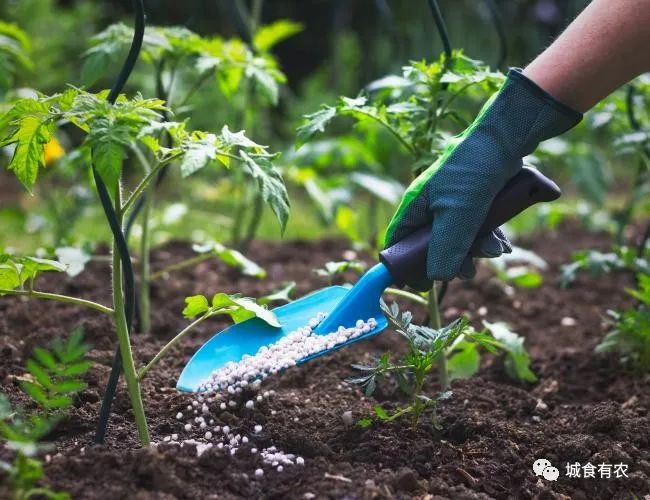
Some participants in this study indicated that a more practical reason for choosing gardening is food. Approximately 14% of respondents stated they plan to continue growing crops in the future due to concerns about food shortages.
Due to supply chain issues and labor shortages, many food supplies may not reach pre-pandemic levels soon.
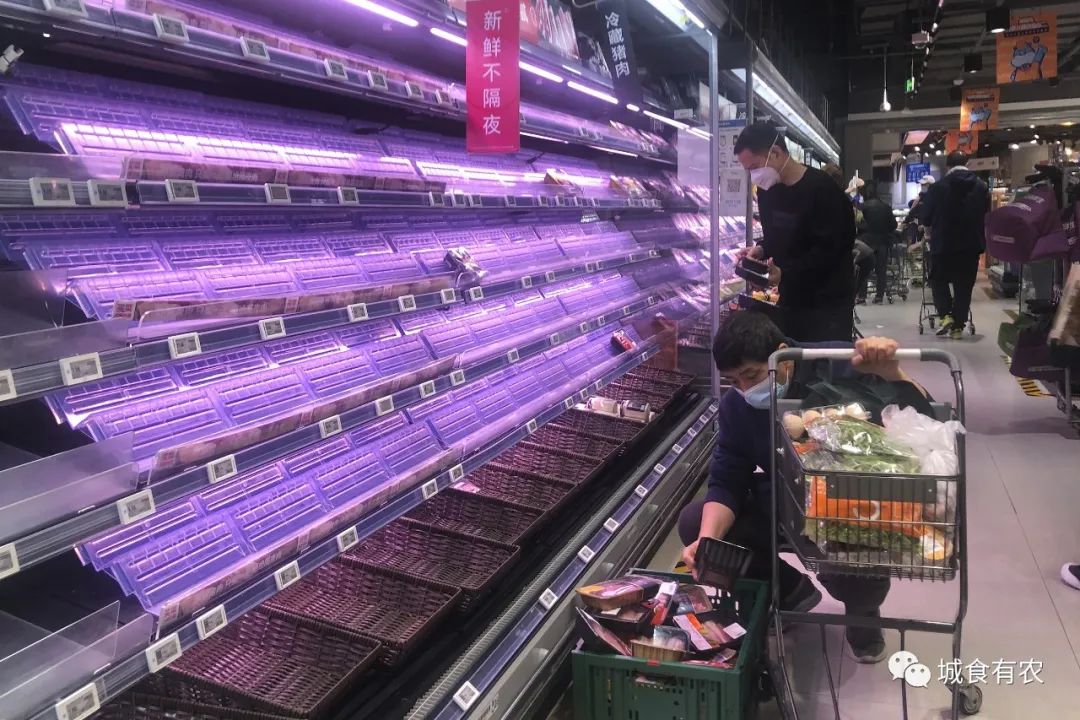
This concern is now occurring in Shanghai, the epicenter of the pandemic, where most people are confined to their homes, and feelings of stuffiness, anxiety, and boredom strike almost simultaneously.
Gardening is no longer just about growing vegetables; it is a healing remedy. Even a windowsill can provide you with fresh food, visual delight, and the joy of a family busy together in daily life.
Growing plants in the city is a true lifestyle, about beauty, about experiencing life, and also about the relationship between people and nature. In the post-pandemic era, will you still persist with 'growing vegetables'?
References:
David San Fratello, Benjamin L. Campbell, William G. Secor, Julie H. Campbell. Impact of the COVID-19 Pandemic on Gardening in the United States: Postpandemic Expectations. HortTechnology, 2022; 32 (1): 32 DOI: 10.21273/HORTTECH04911-21