Sharing of the "White Paper on Smart Pole Industry and Technical Standards"
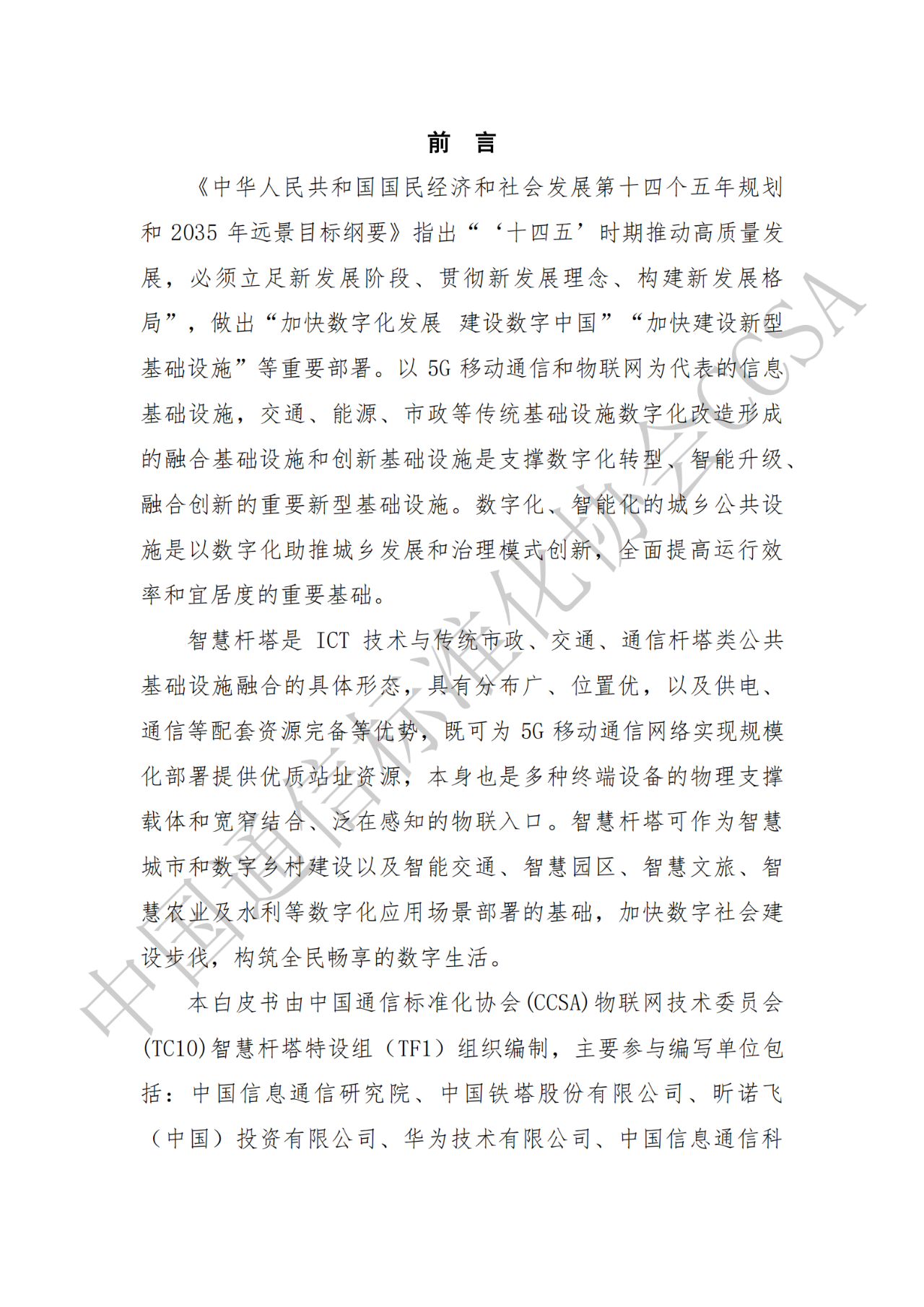
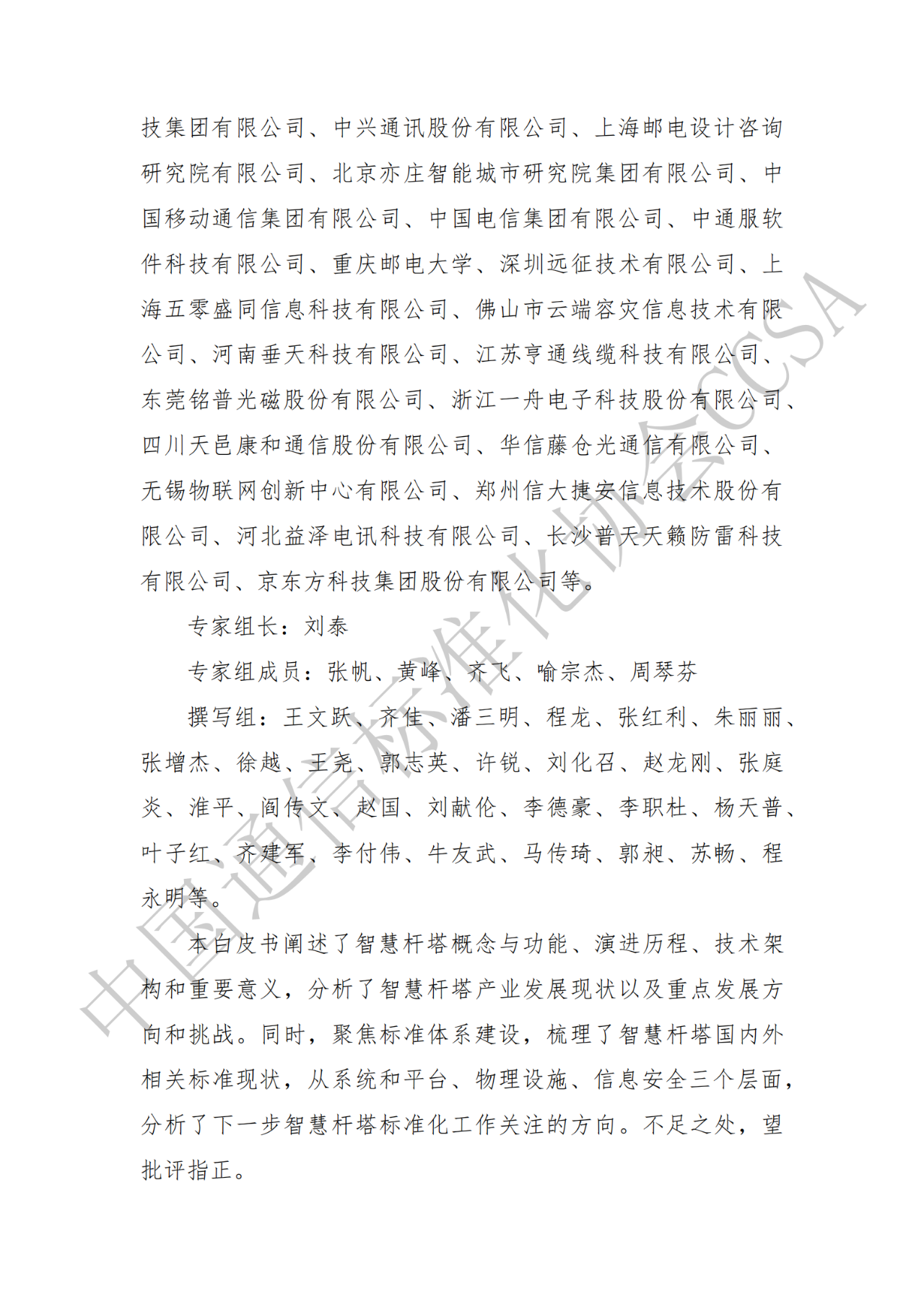
Recently, the "White Paper on the Development of Smart Pole Industry and Technology," organized and compiled by the Smart Pole Task Force (TF1) of the IoT Technology Working Committee (TC10) under the China Communications Standards Association (CCSA), was officially released.
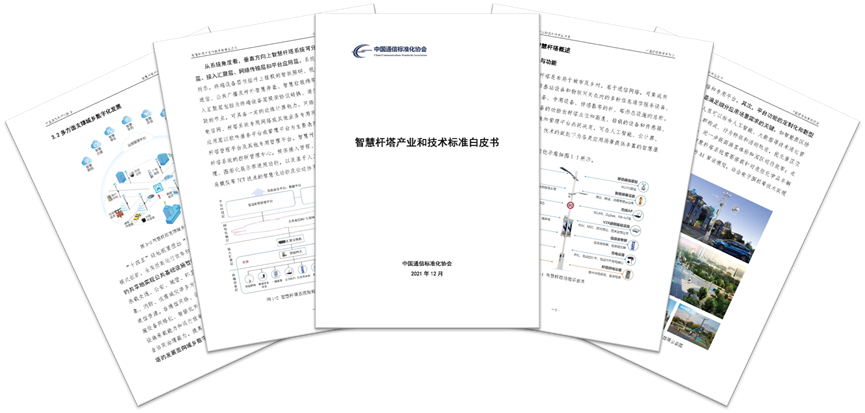
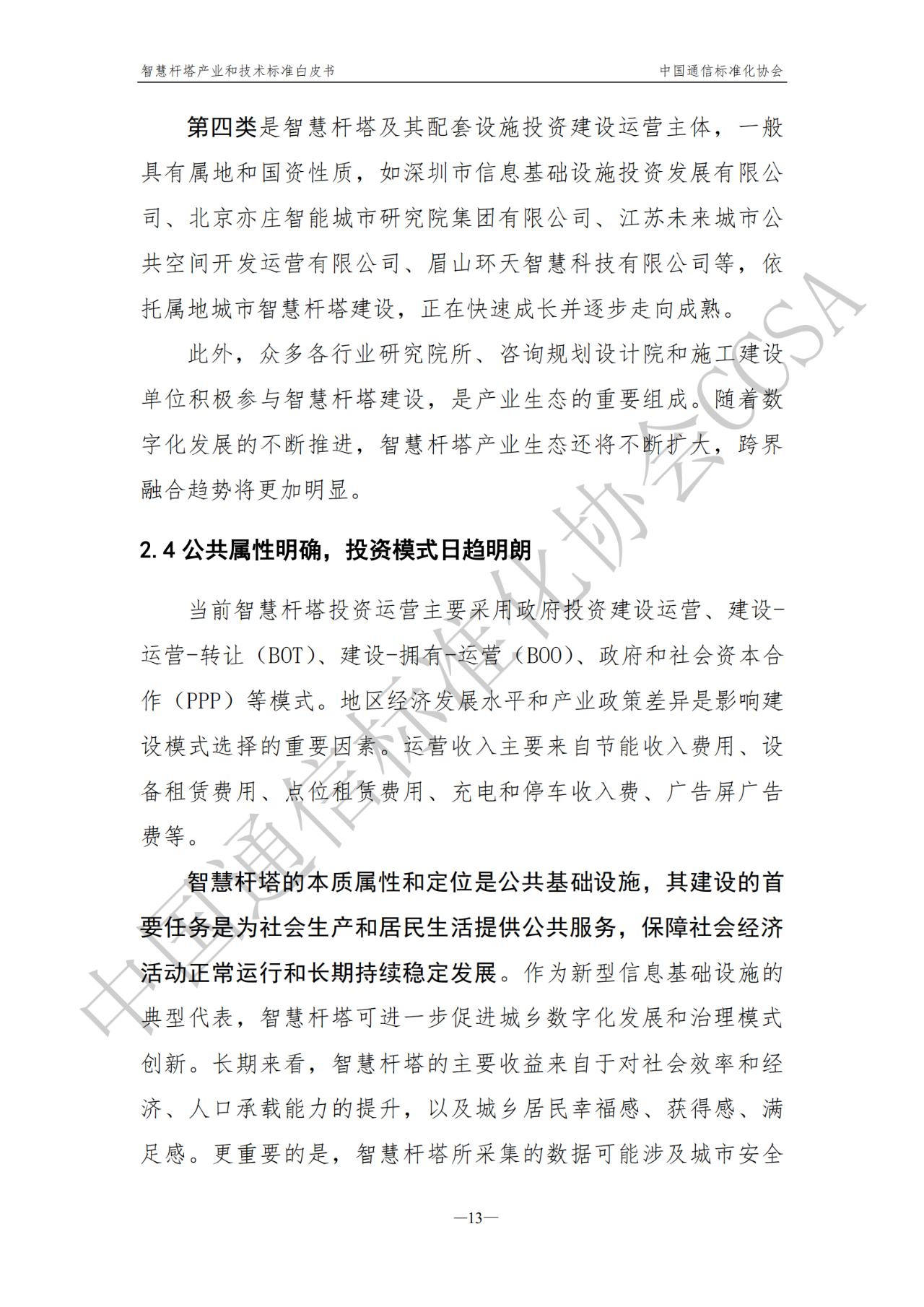
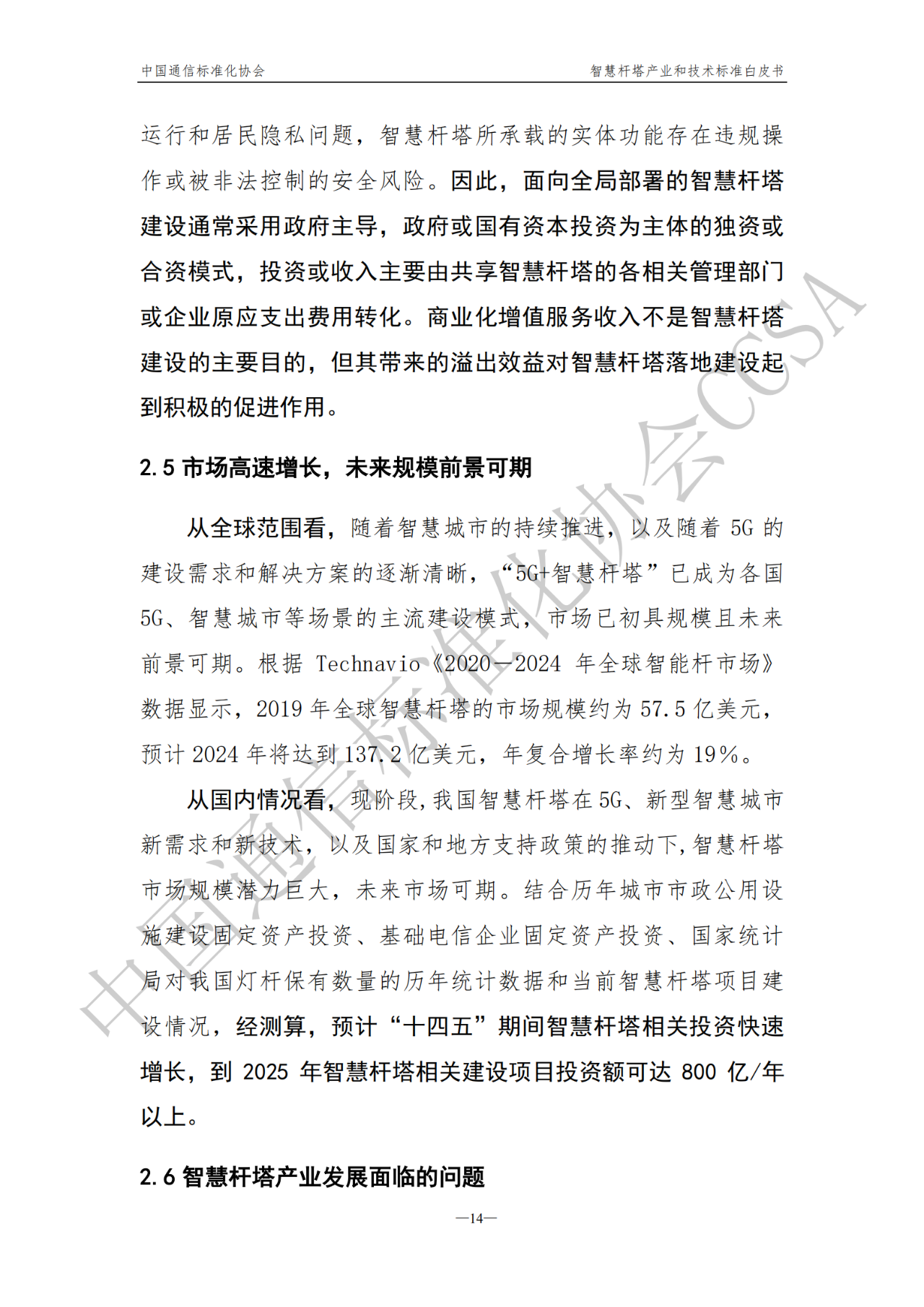
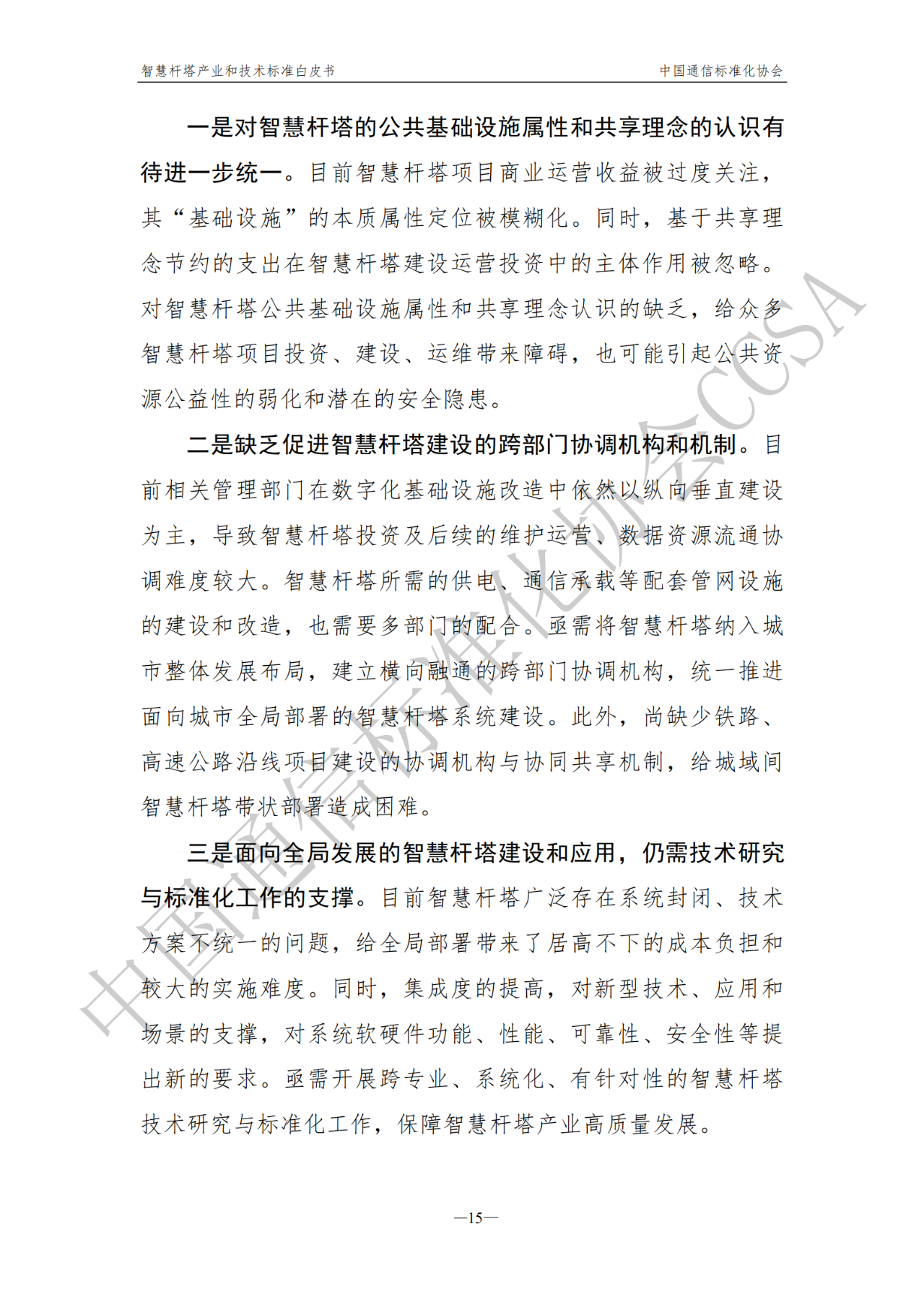
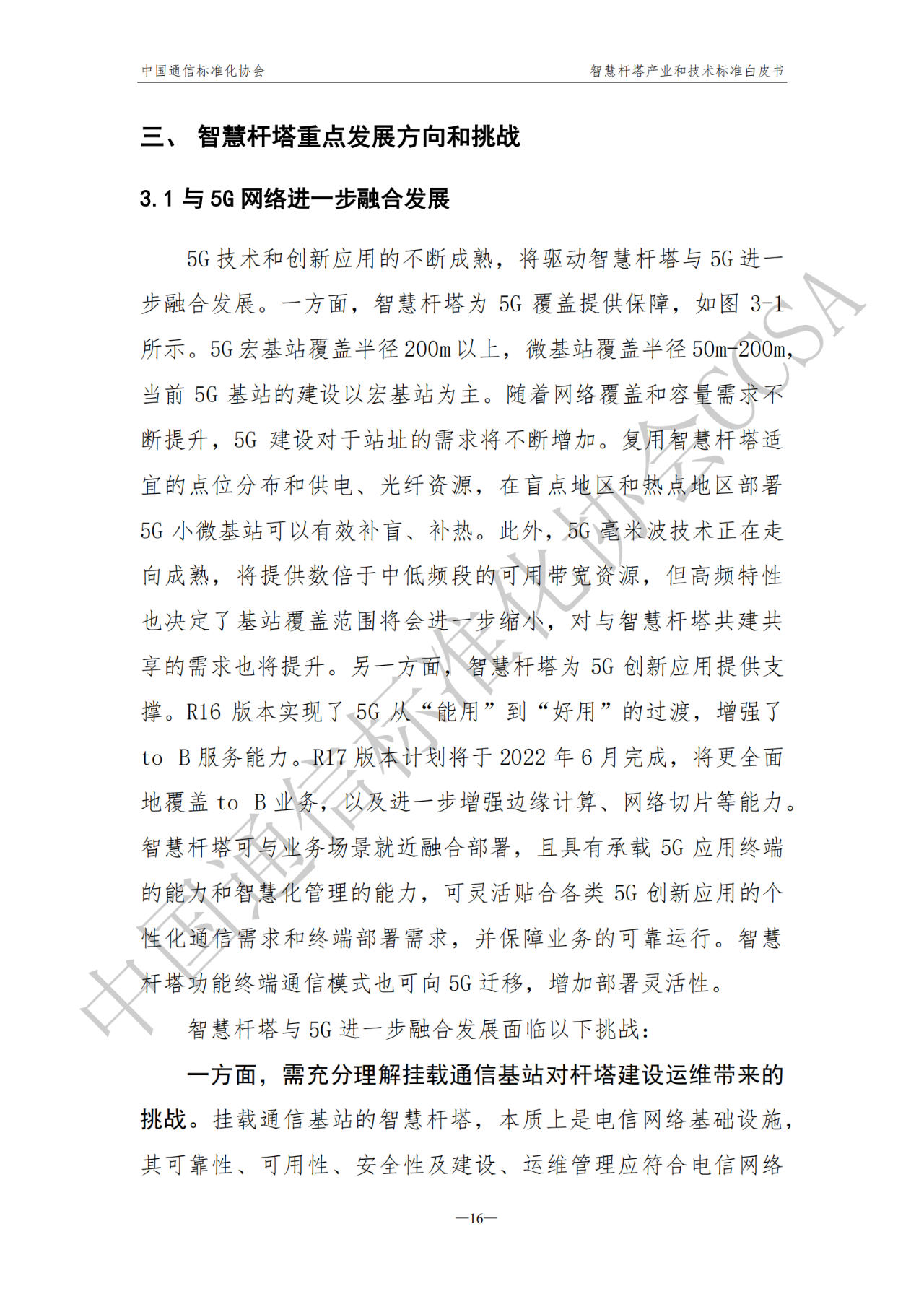
The release of the "White Paper on Smart Pole Industry and Technical Standards" helps clarify the essential attributes and positioning of smart poles, grasp key development directions, accelerate the establishment of a smart pole standard system, deepen cross-industry sharing and cooperation, and promote large-scale construction and implementation of smart poles.
Introduction to the White Paper on the Development of Smart Pole Industry and Technology
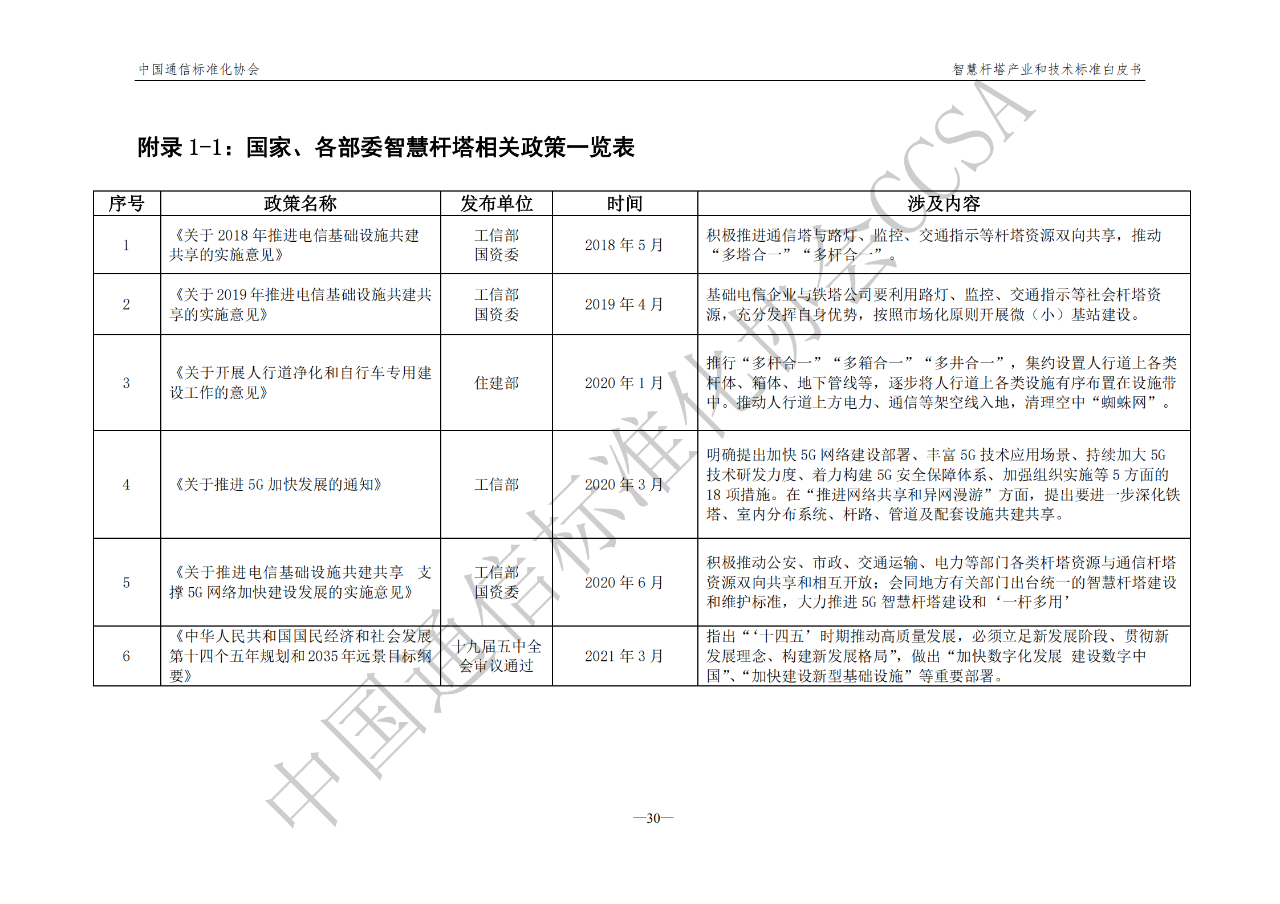
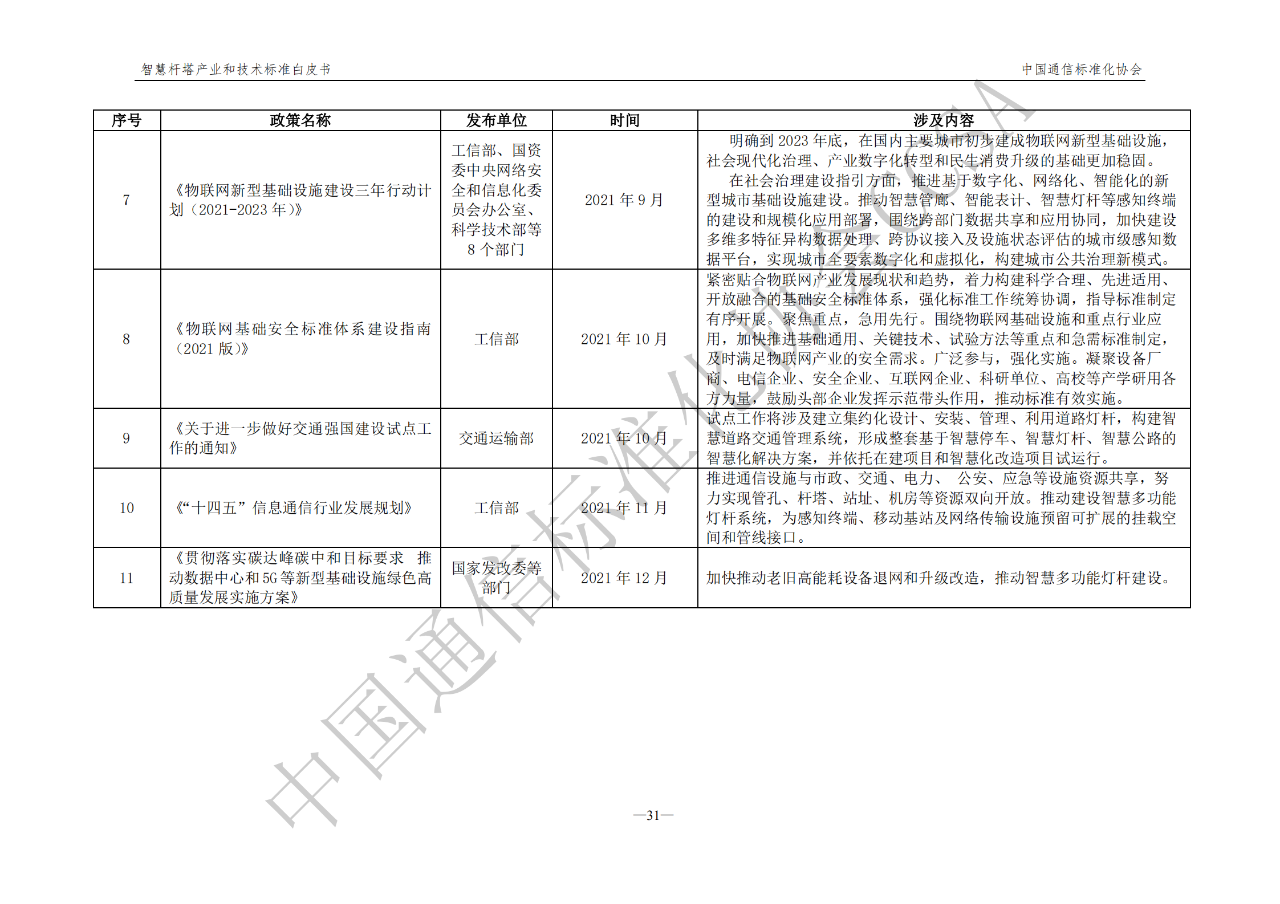
Against the backdrop of national policies such as "accelerating digital development and building a Digital China," "accelerating the construction of new infrastructure," and "fully implementing the new development philosophy to achieve carbon peaking and carbon neutrality," the pace of constructing communication network infrastructure like 5G and digital application scenarios such as smart cities and intelligent transportation has accelerated nationwide. As an important carrier supporting 5G network infrastructure construction and various integrated digital applications, smart poles are a typical example of converged "new infrastructure." Guided by national policies such as the 14th Five-Year Plan, smart pole construction has entered a peak period.
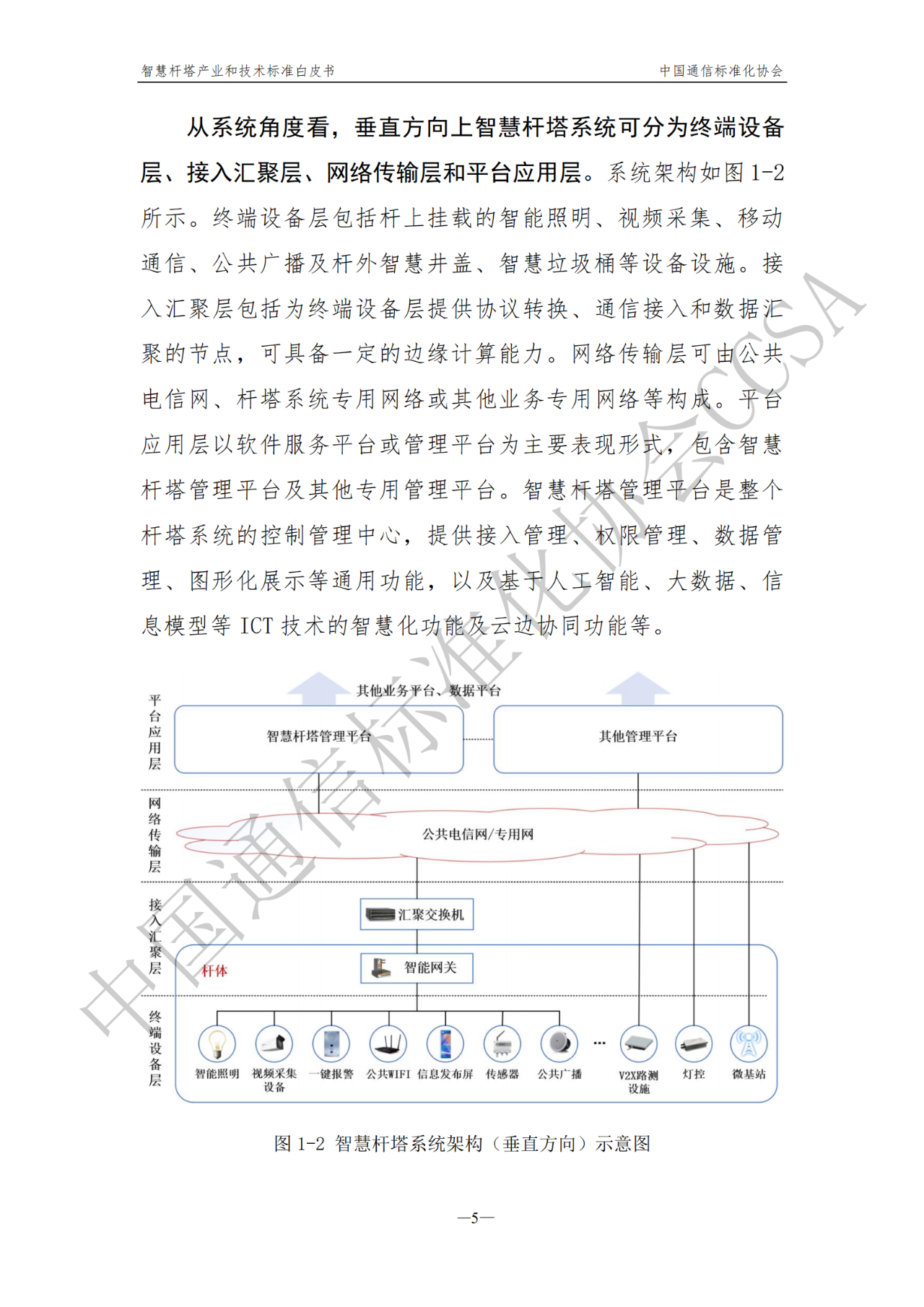
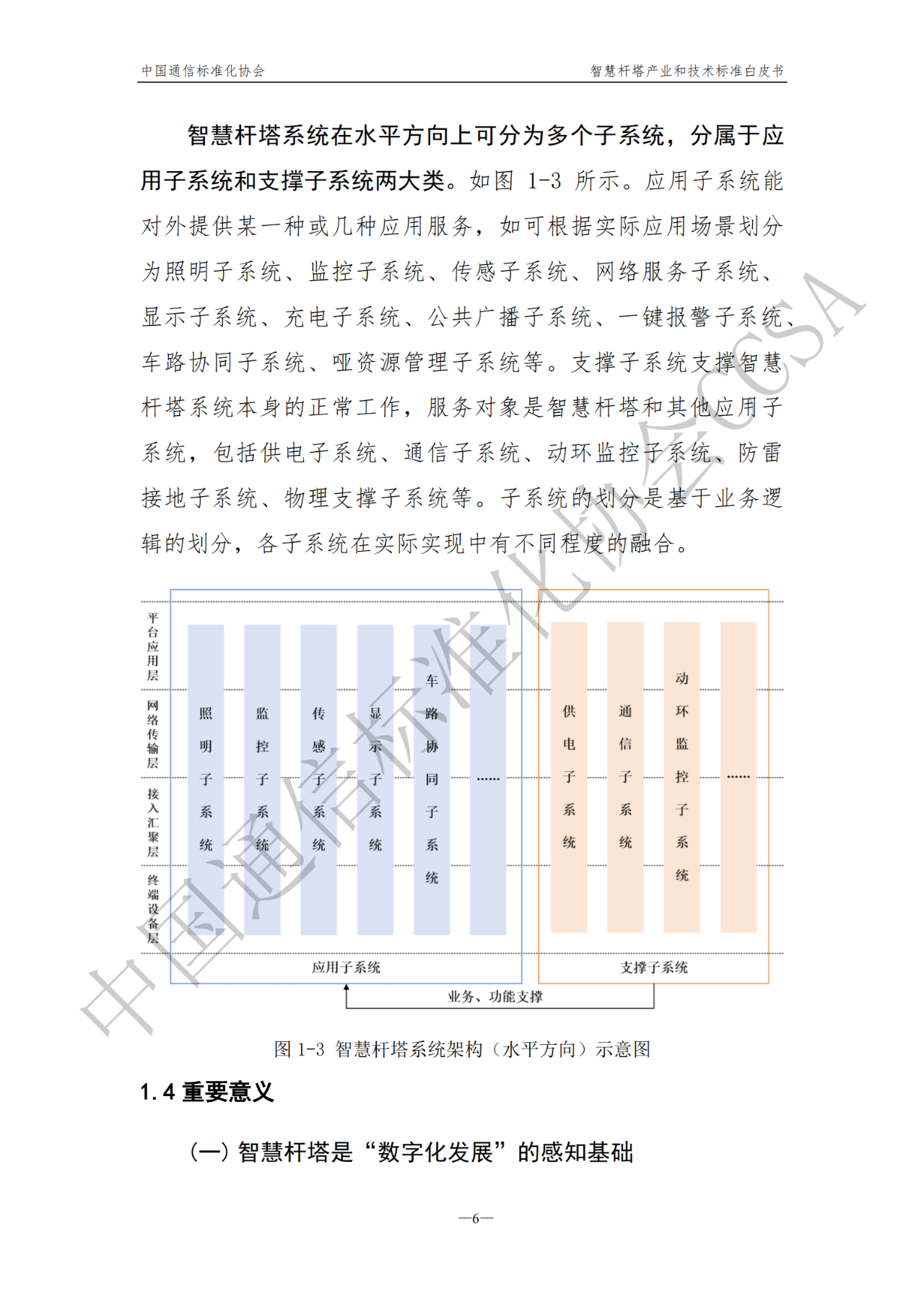
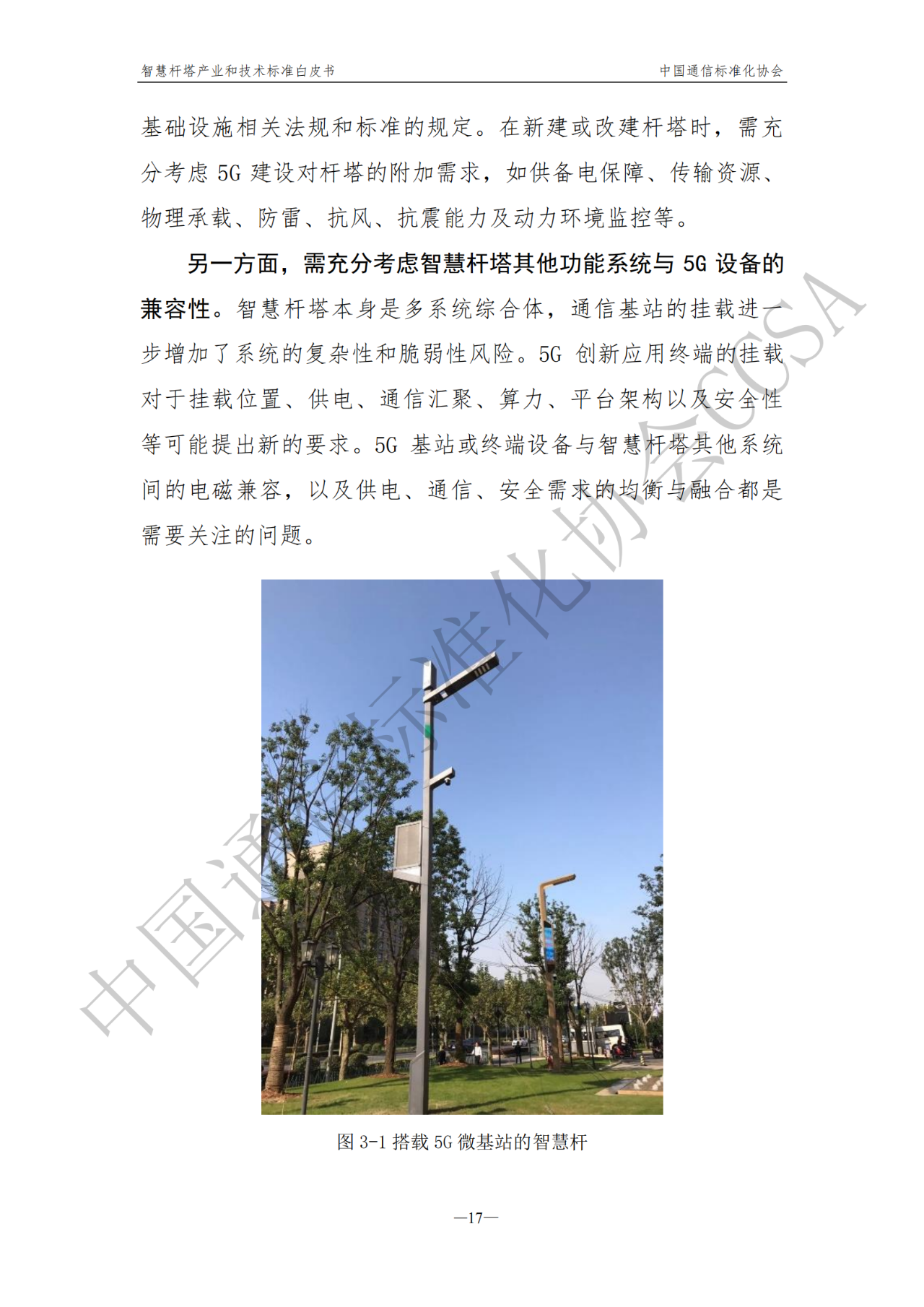
Smart poles are the concrete form of integrating ICT technology with traditional municipal, traffic, and communication pole-type public infrastructure. They offer advantages such as wide distribution, optimal locations, and complete supporting resources like power supply and communications. They not only provide high-quality site resources for the large-scale deployment of 5G mobile communication networks but also serve as physical support carriers for various terminal devices and as IoT entry points combining wide and narrow bandwidths with ubiquitous sensing.
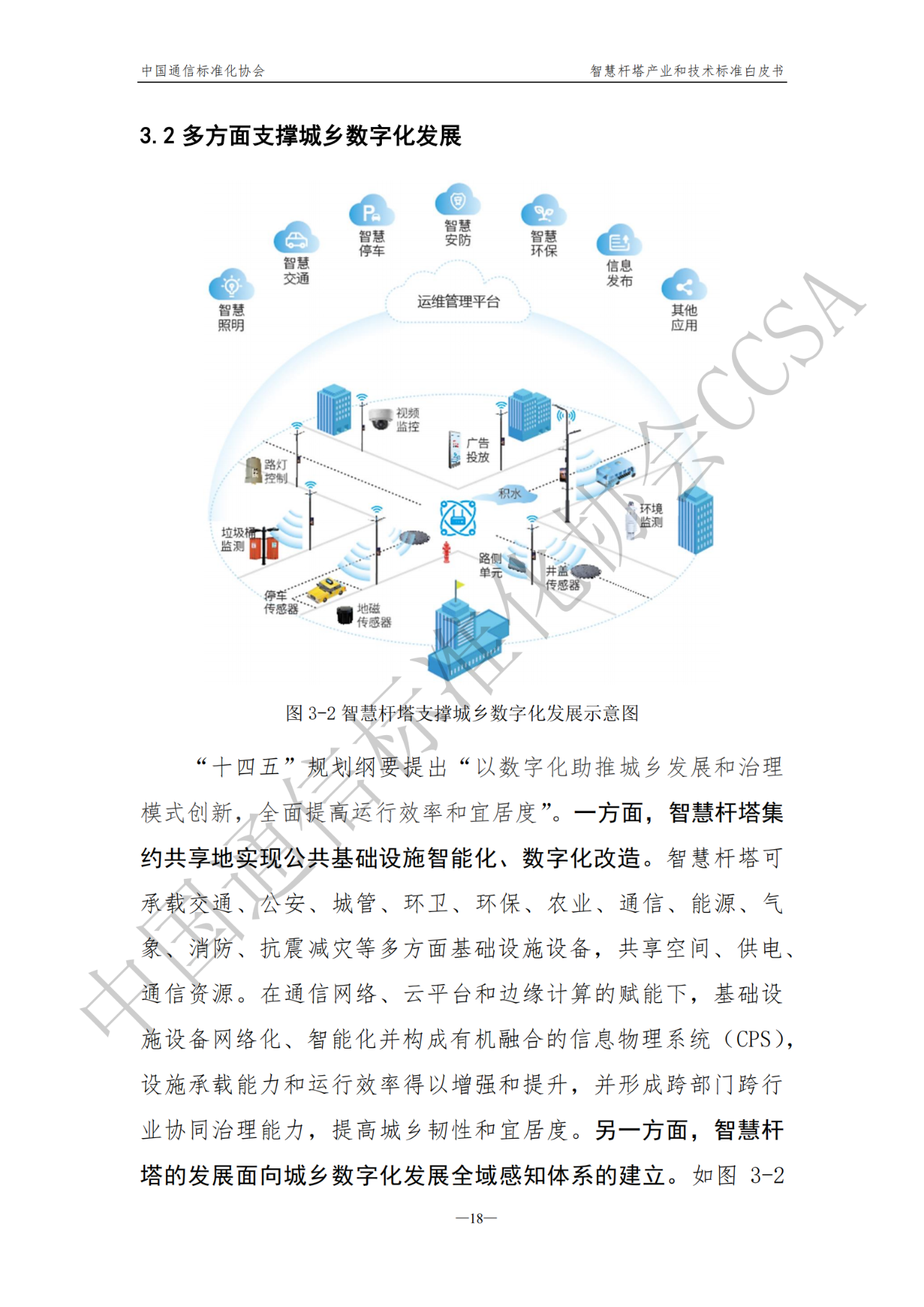
Smart poles can serve as the foundation for deploying digital application scenarios such as smart cities, digital villages, intelligent transportation, smart industrial parks, smart cultural tourism, smart agriculture, and water conservancy, accelerating the construction of a digital society and building a digital life enjoyed by all.
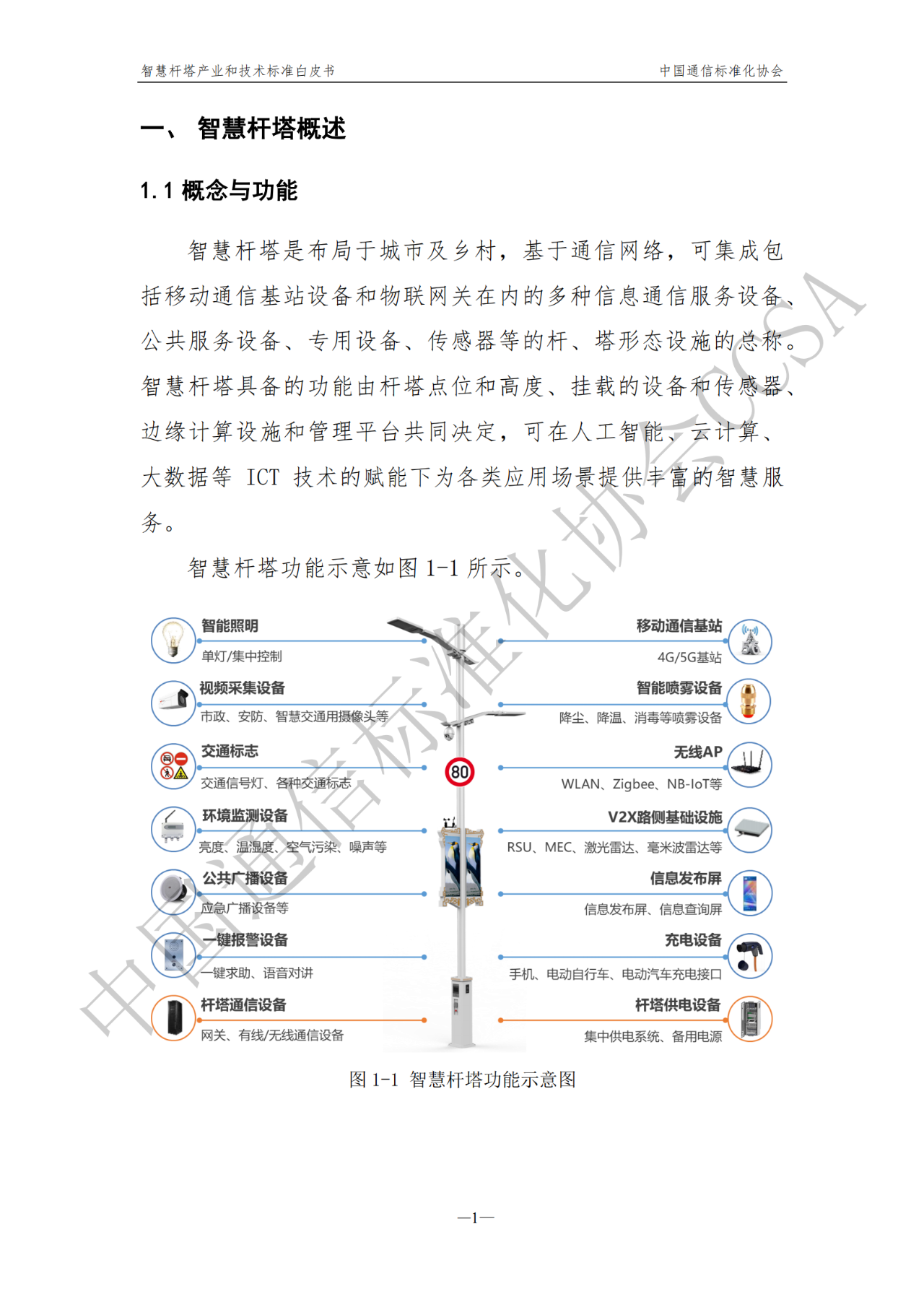
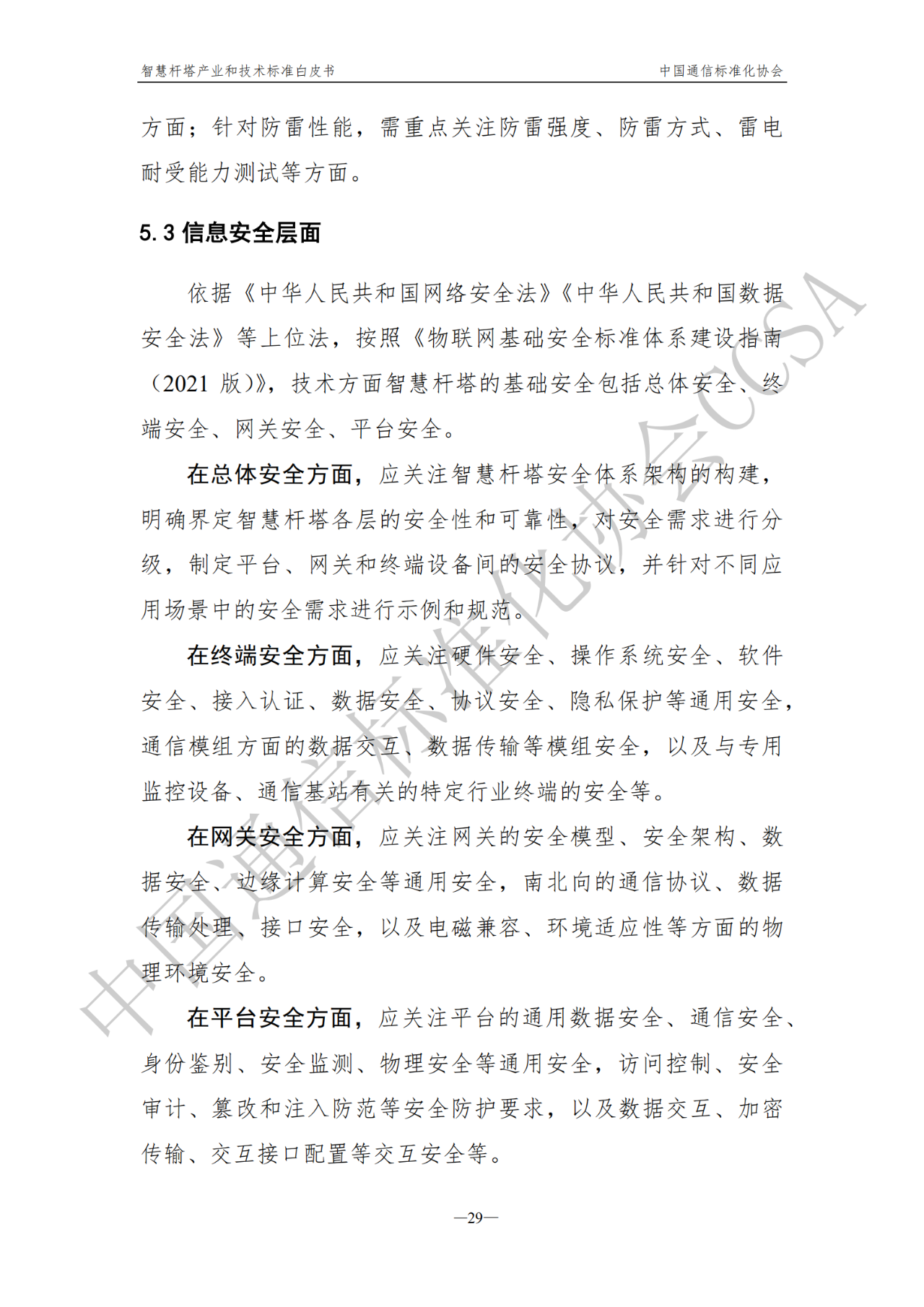
This white paper was organized and compiled by the CCSA TC10TF1 Smart Pole Task Force. It elaborates on the concept, functions, evolution, technical architecture, and significance of smart poles, analyzes the current status of the smart pole industry development as well as key development directions and challenges. The white paper predicts that during the "14th Five-Year Plan" period, investment related to smart poles will grow rapidly, with the investment amount for smart pole construction projects reaching over RMB 80 billion per year by 2025. Meanwhile, the white paper focuses on the construction of a standard system, reviews the current status of relevant domestic and international standards for smart poles, and analyzes the future directions of smart pole standardization from three aspects: systems and platforms, physical infrastructure, and information security.
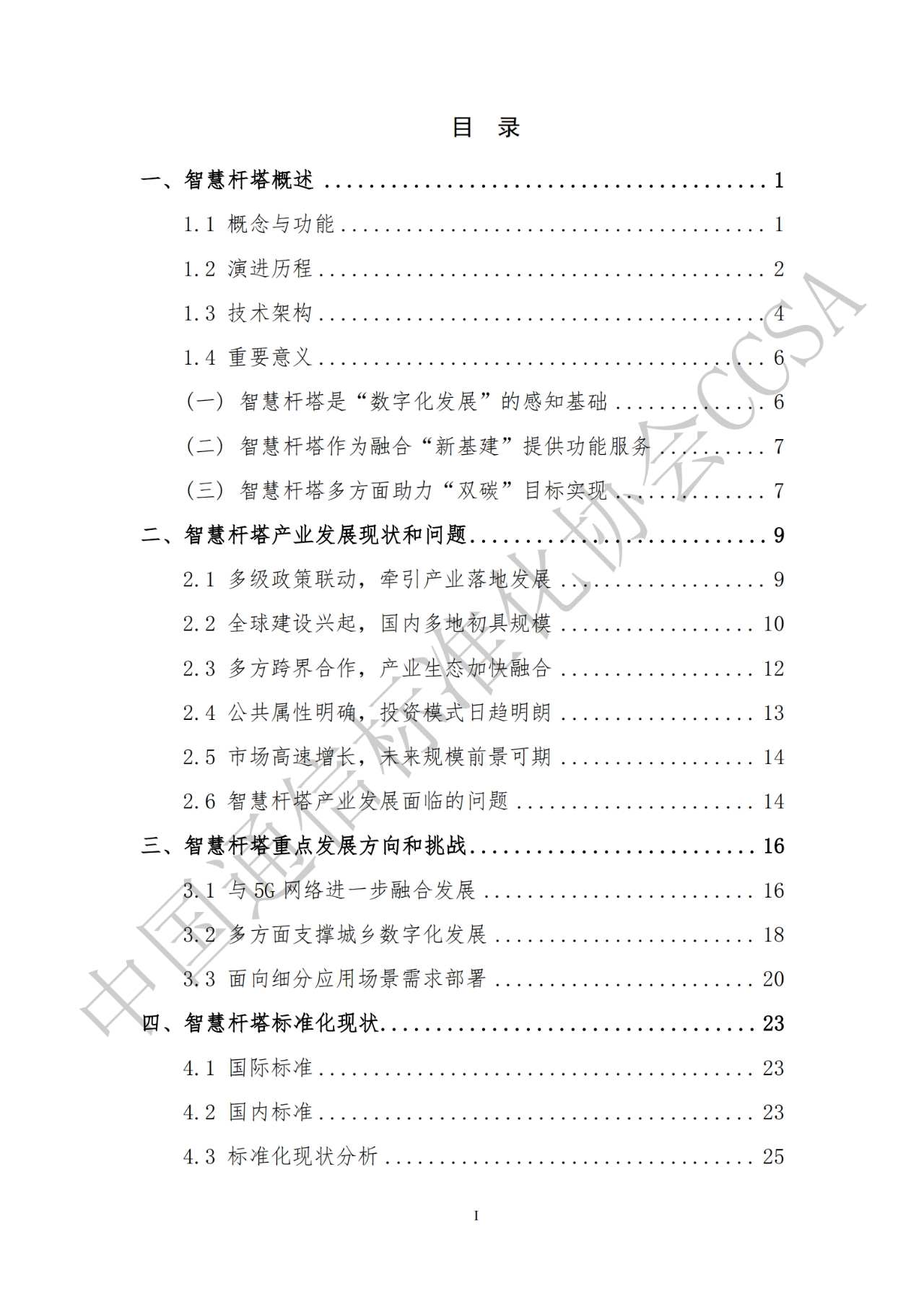
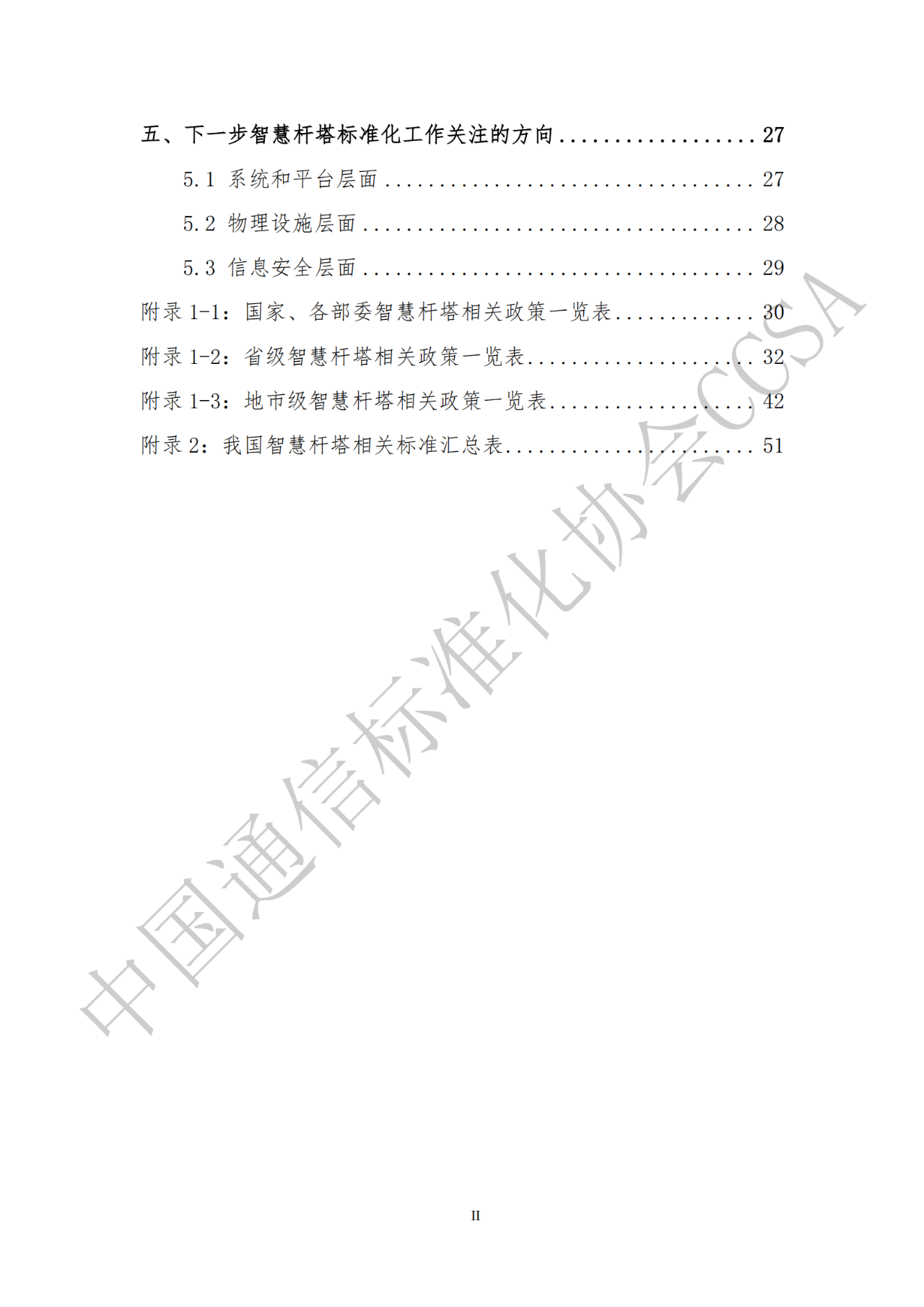
The white paper is divided into the following 6 parts:
1. Overview of Smart Poles
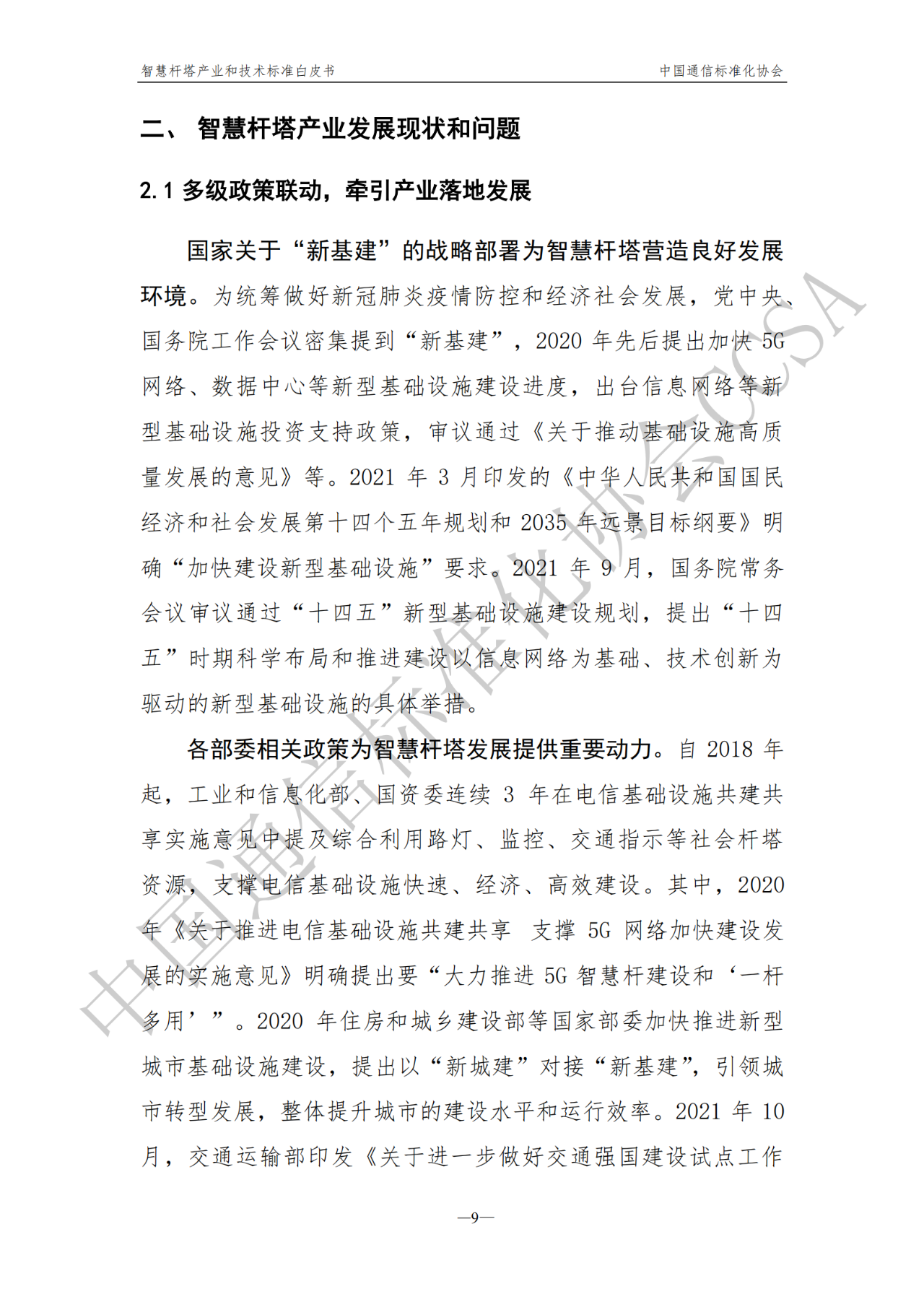
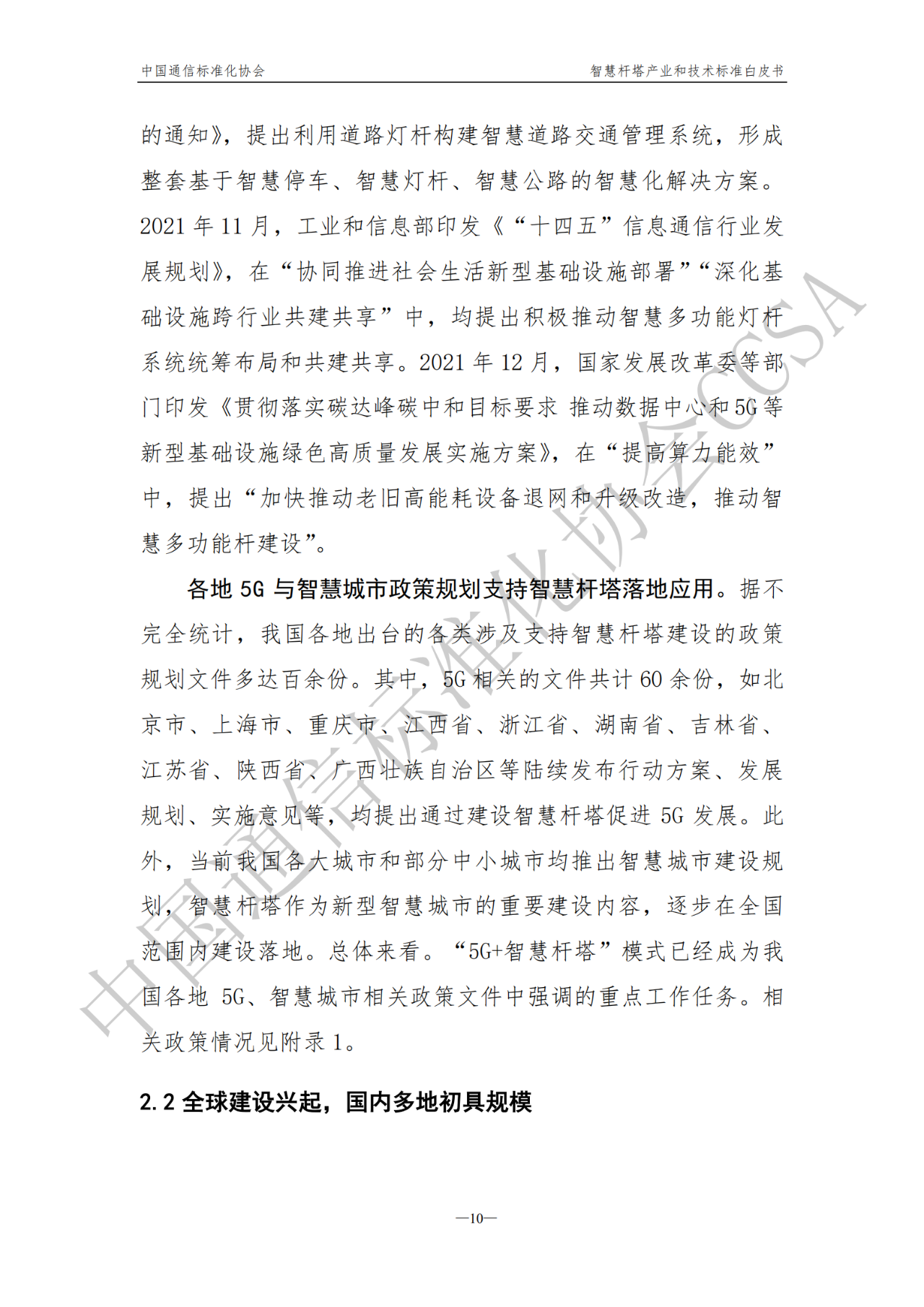
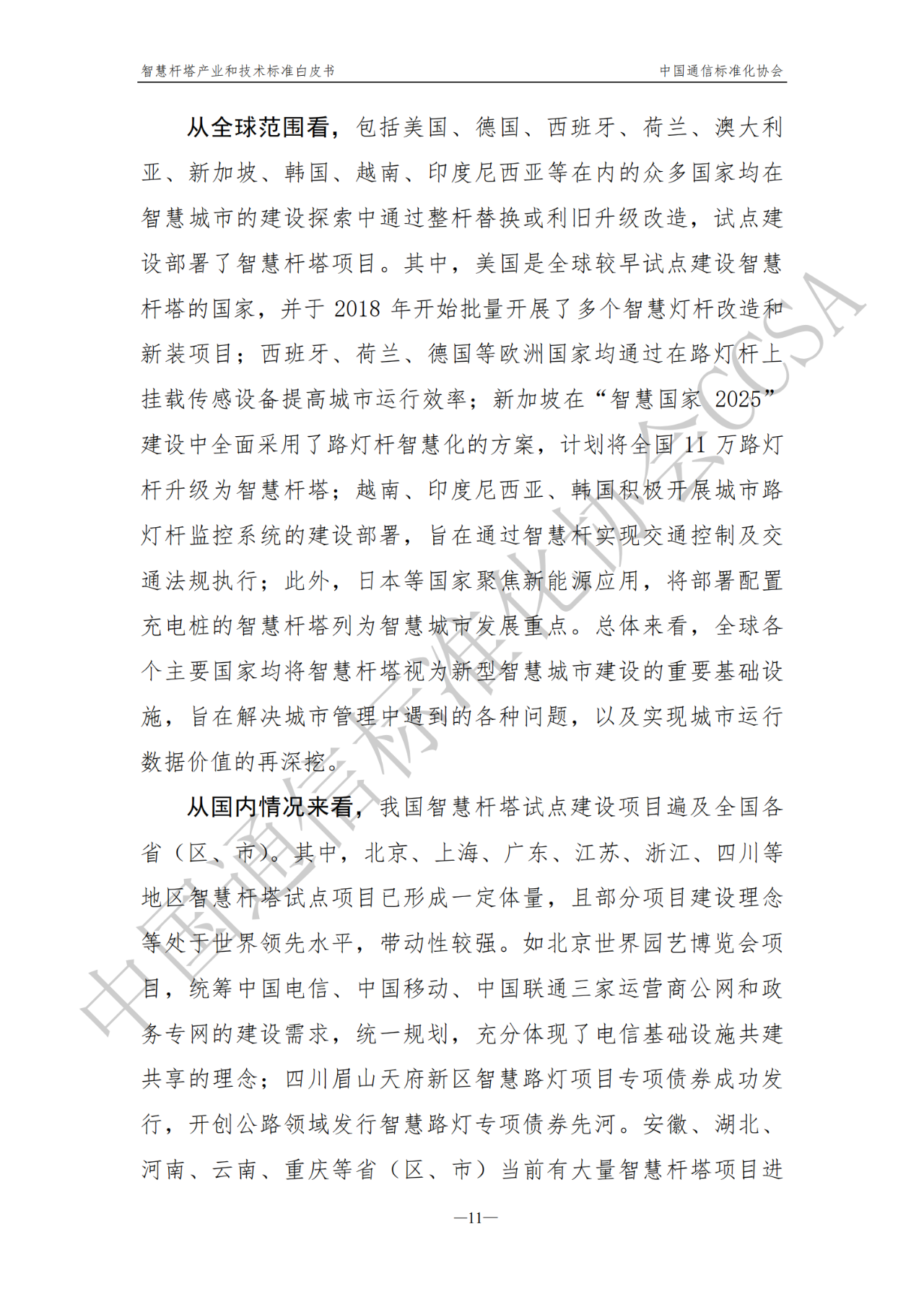
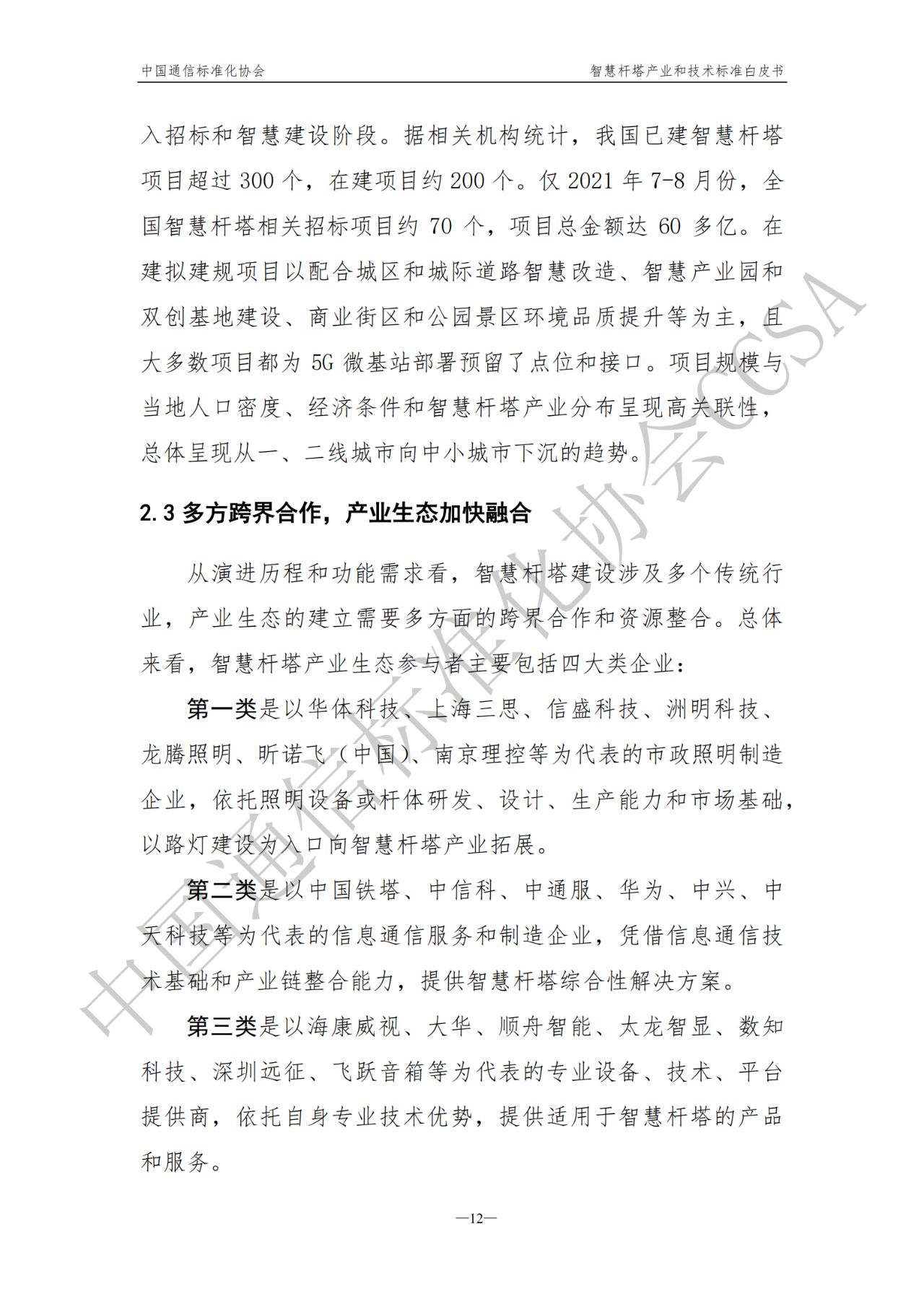
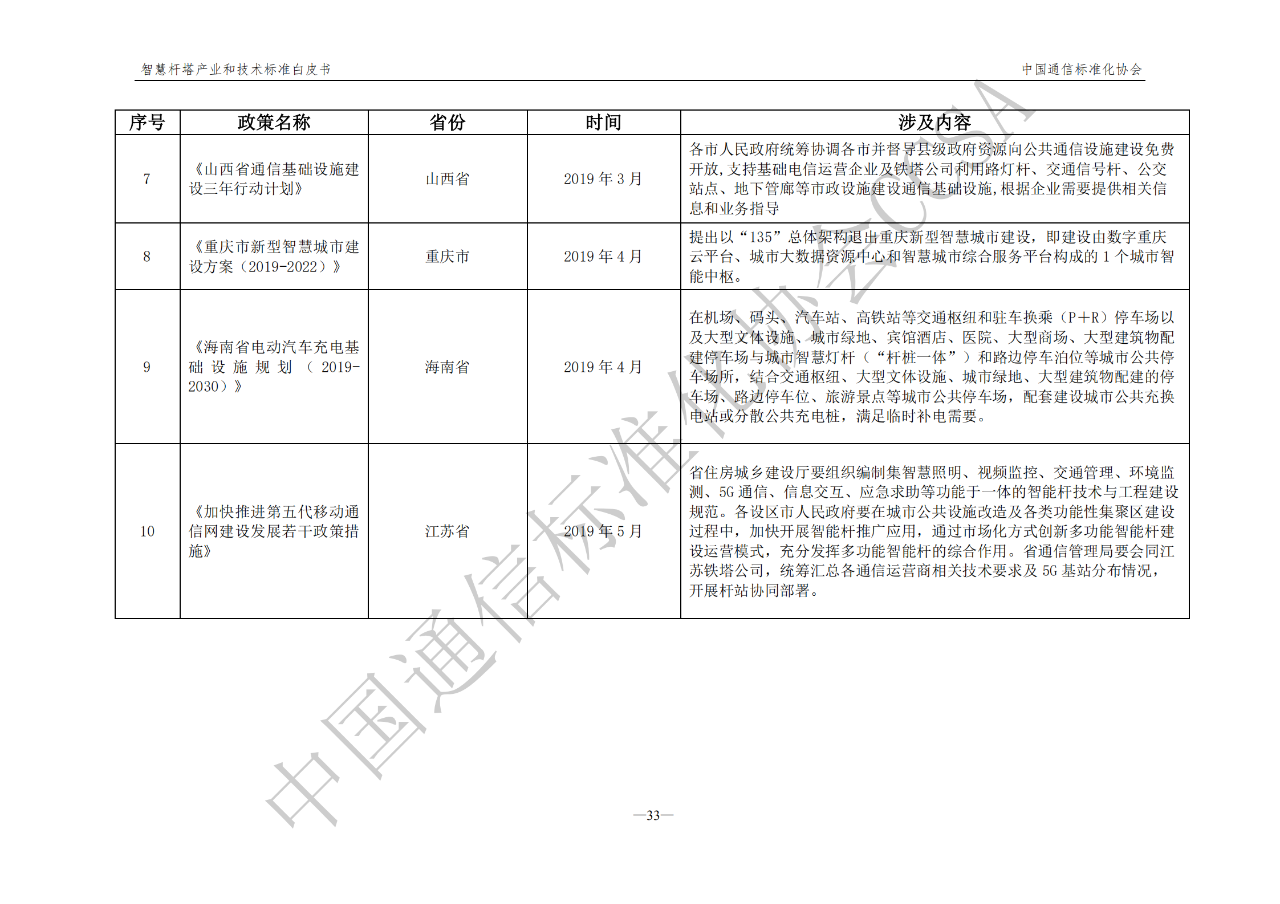
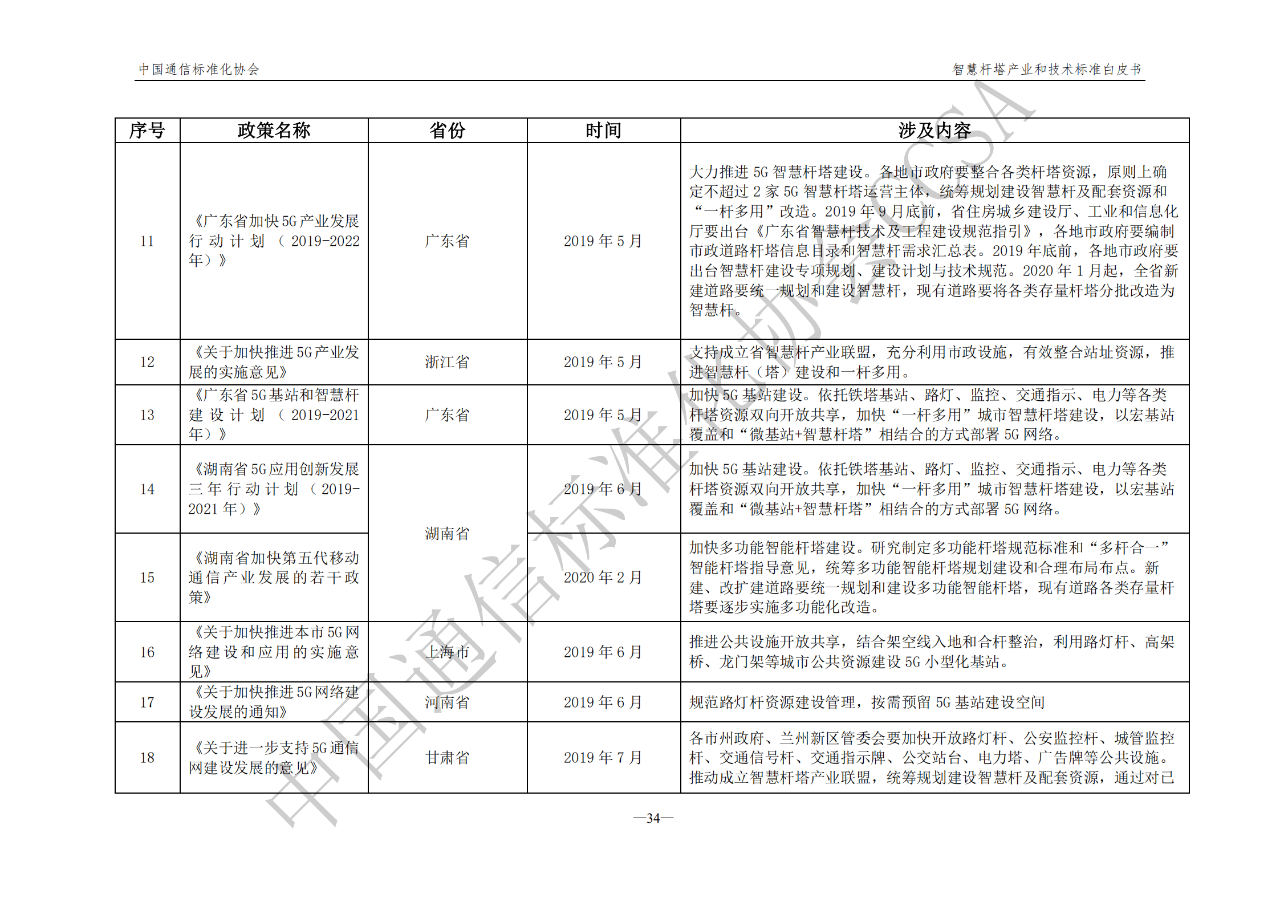
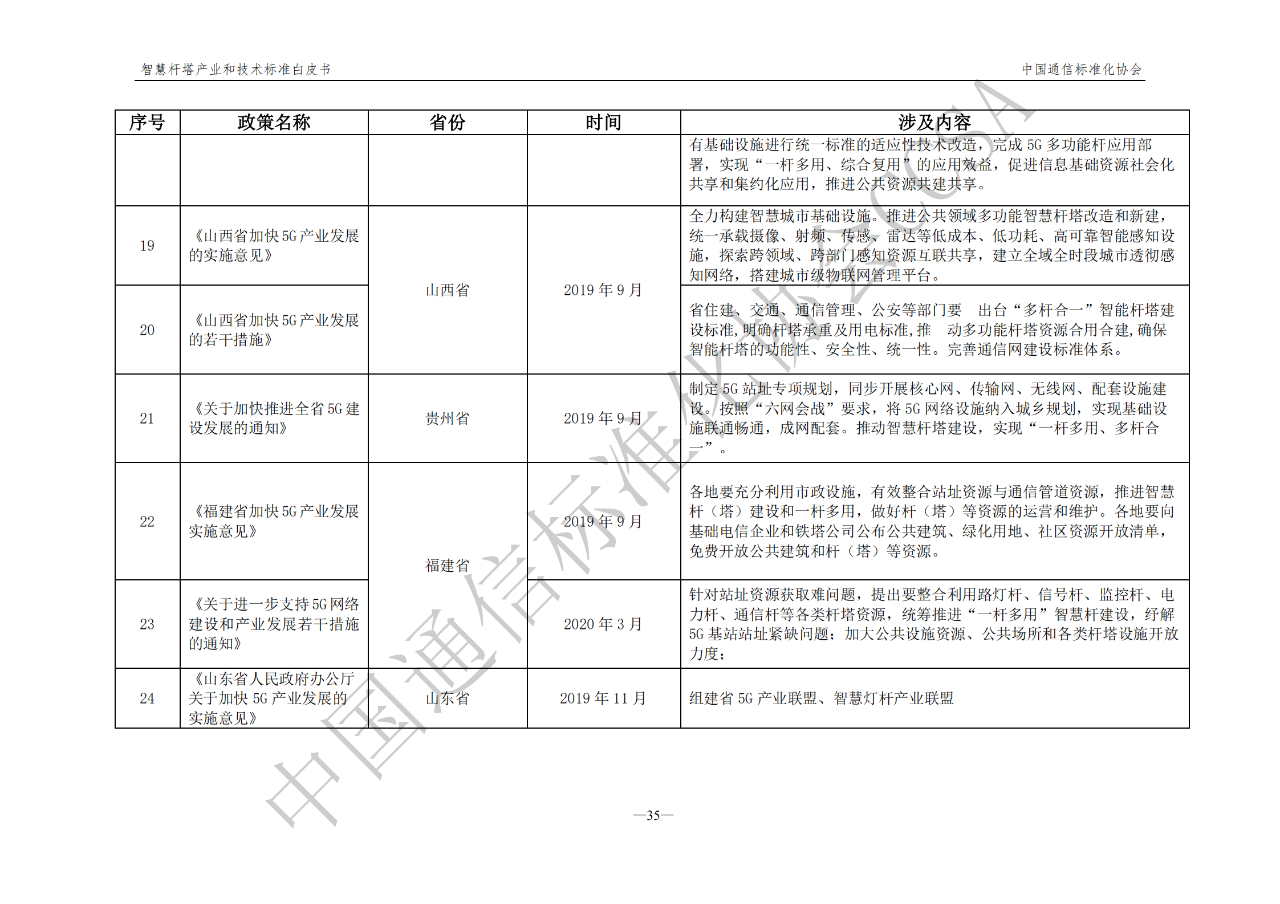
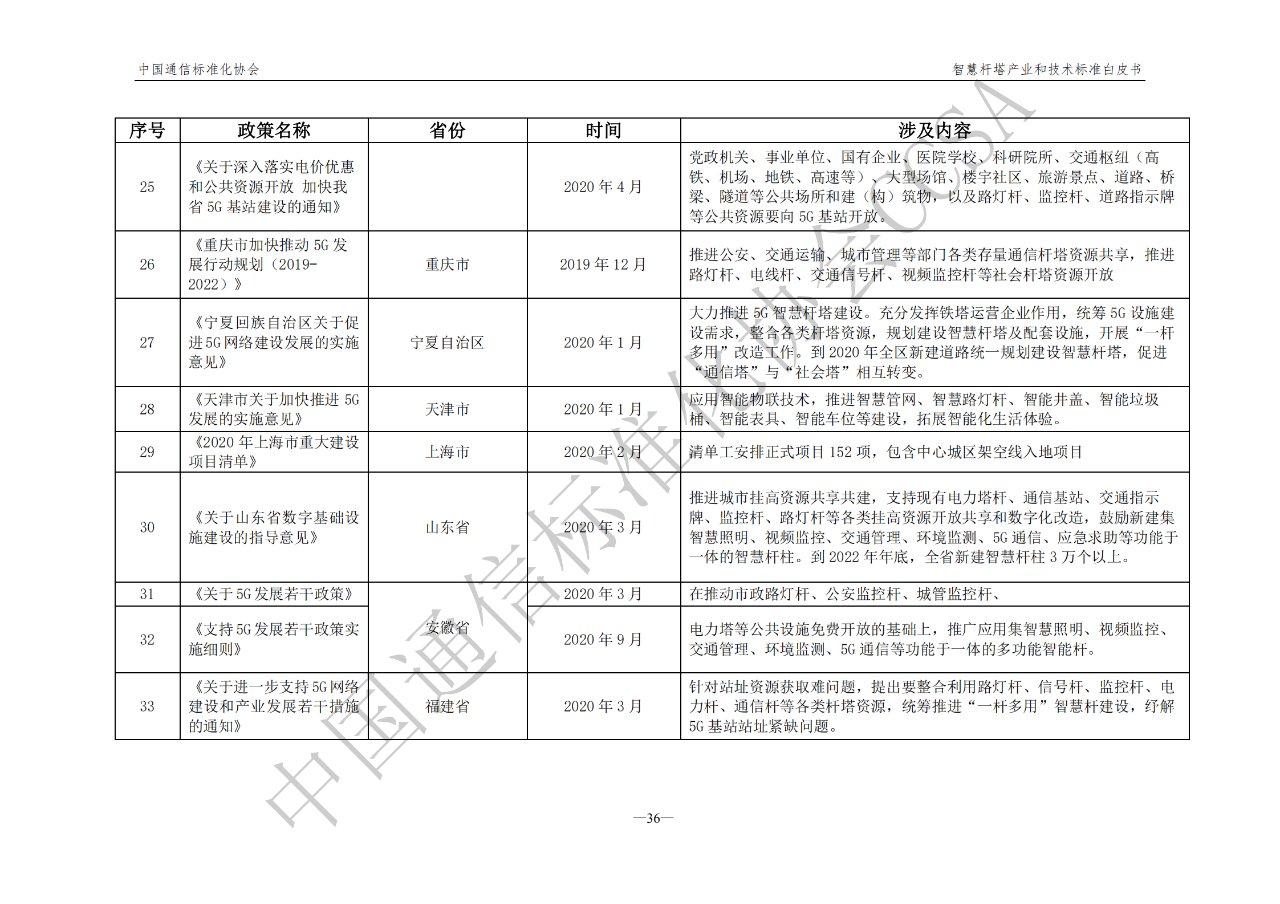
2. Current Status and Issues in the Development of the Smart Pole Industry
3. Key Development Directions and Challenges for Smart Poles
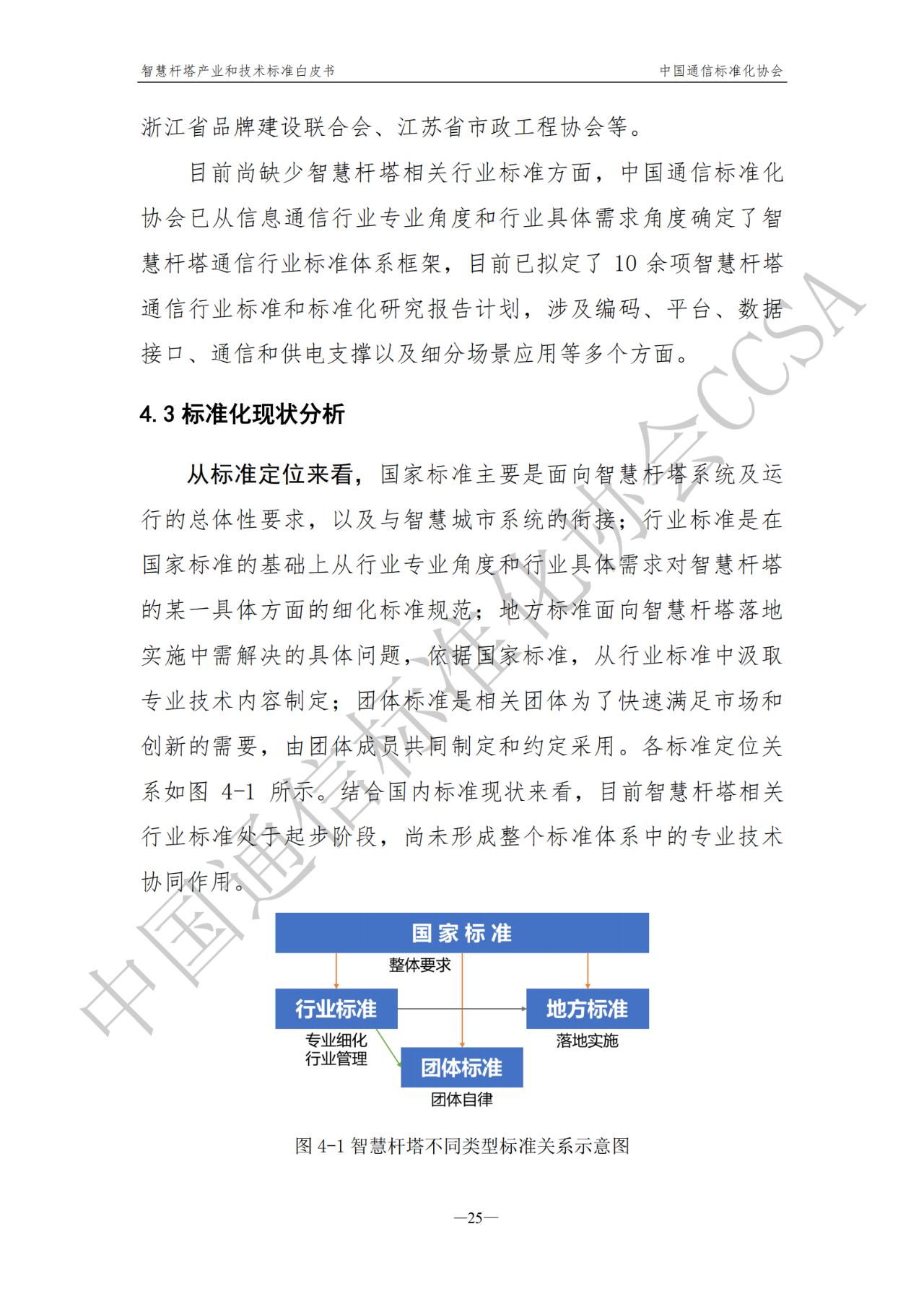
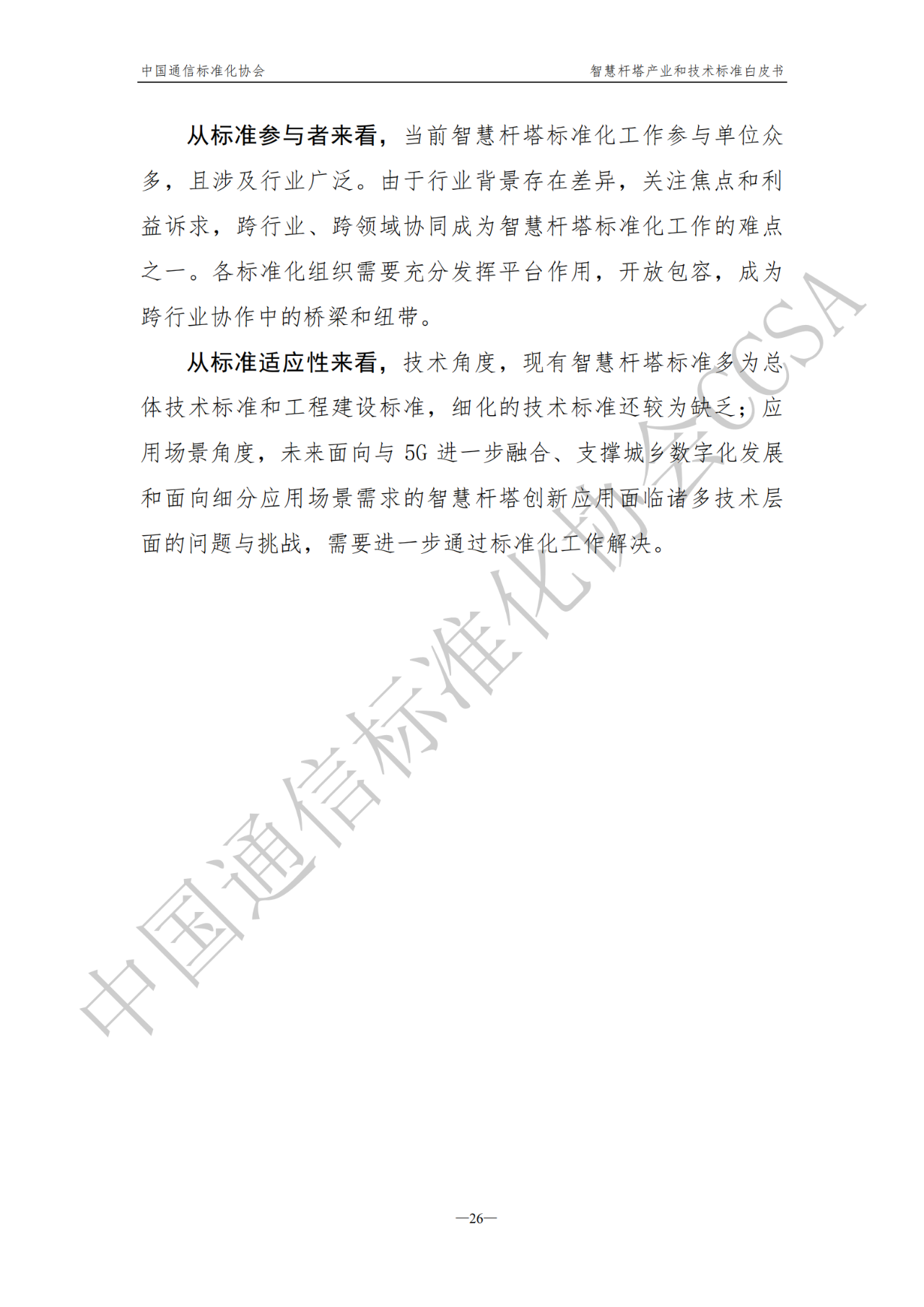
4. Current Status of Smart Pole Standardization
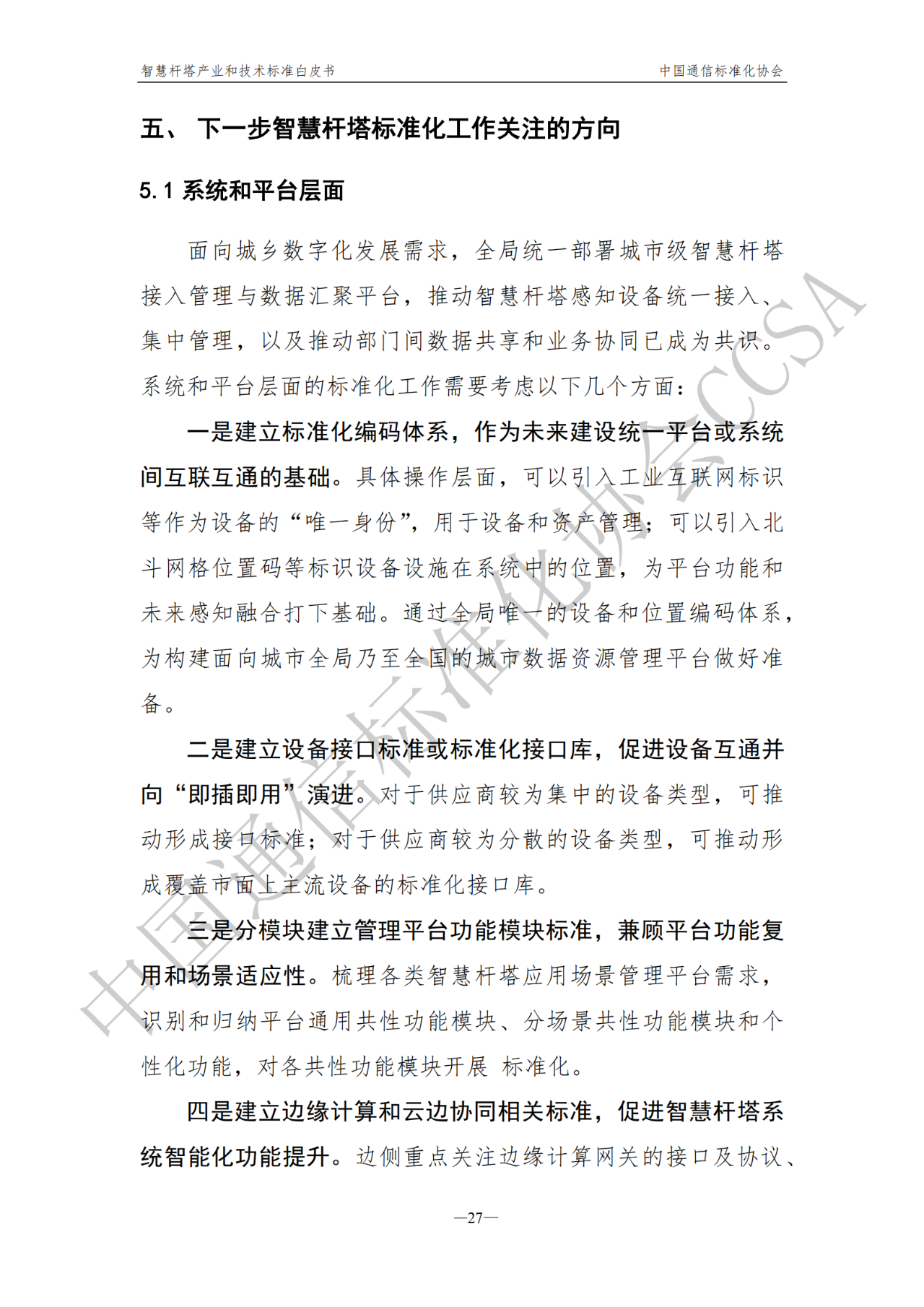
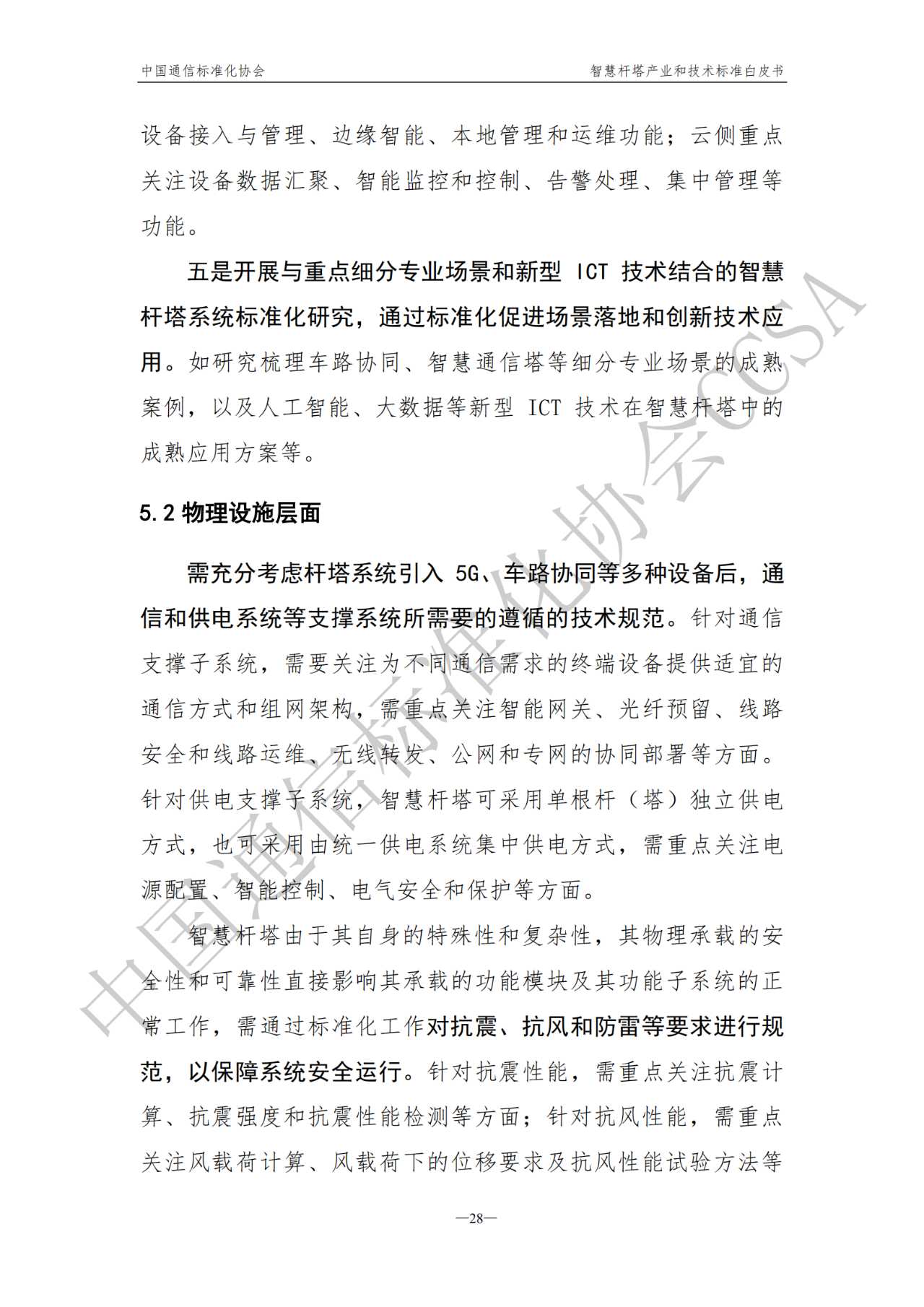
5. Focus areas for the next steps in smart pole standardization
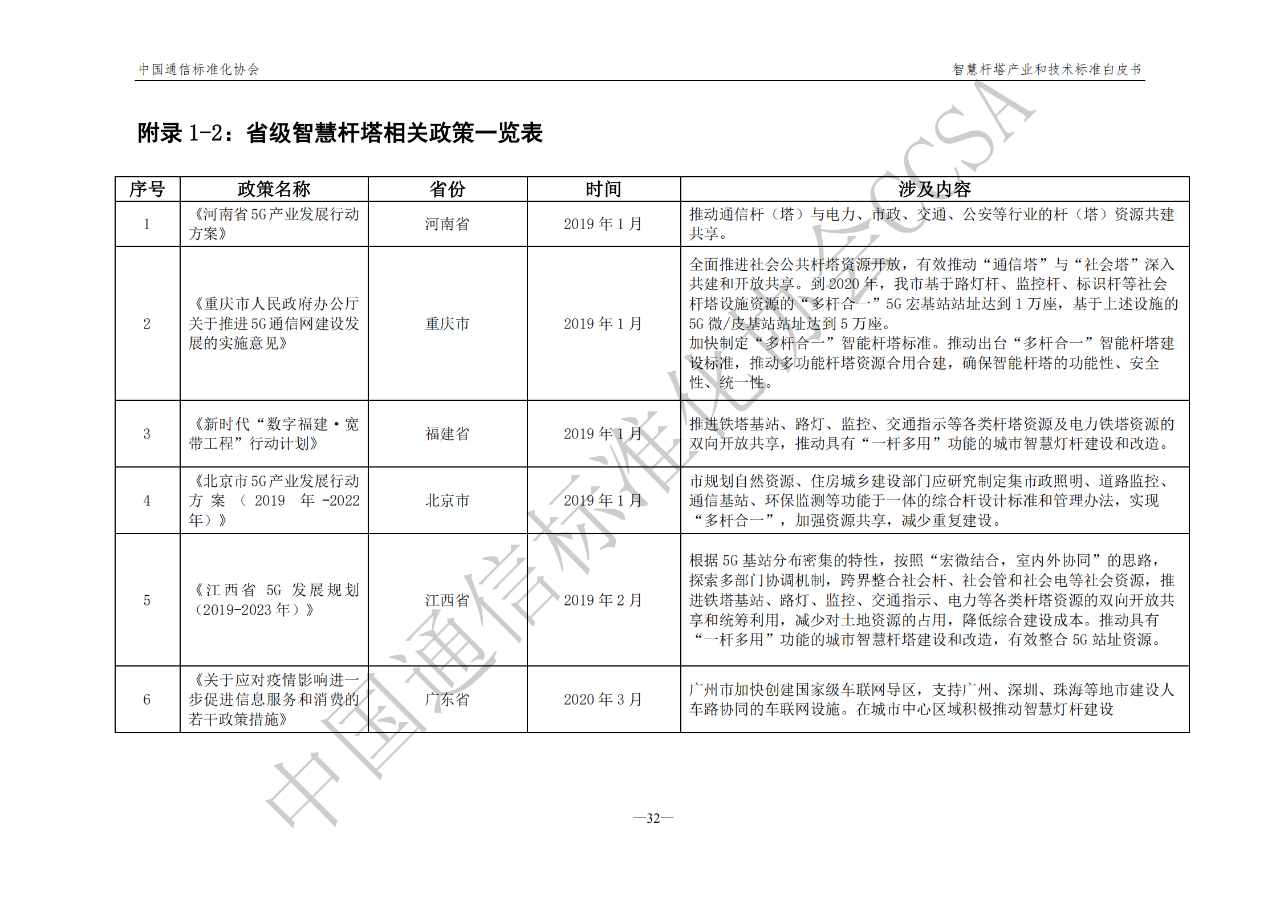
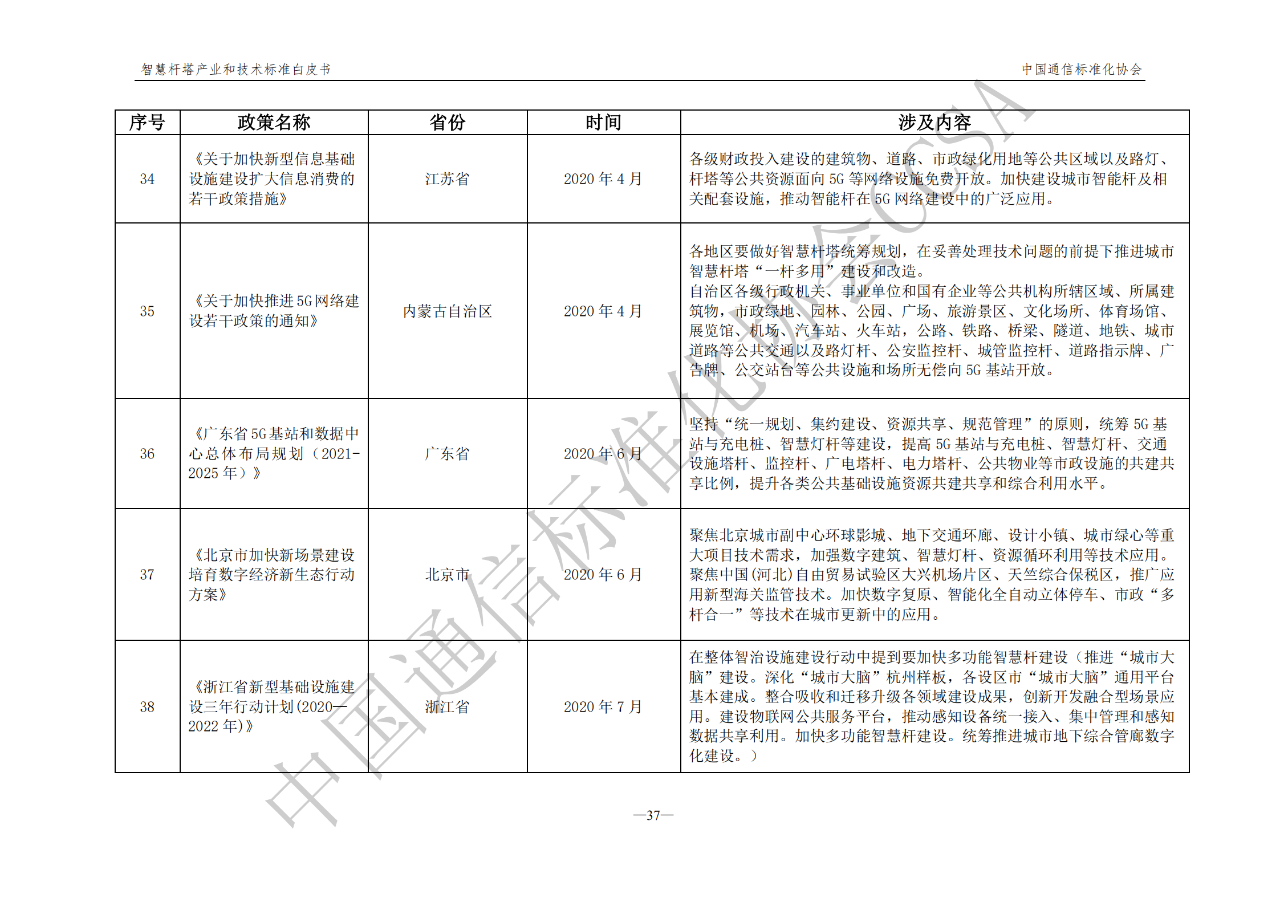
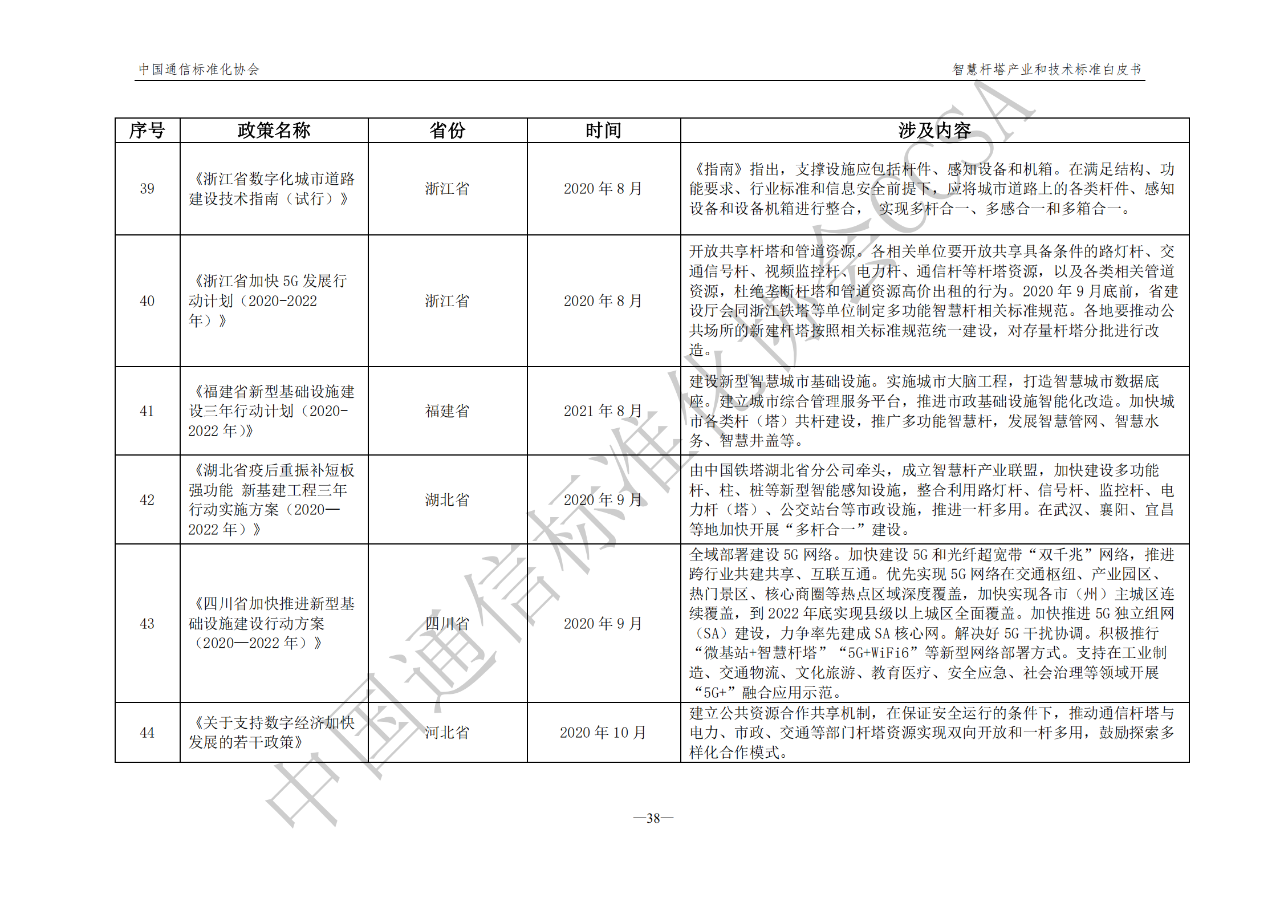
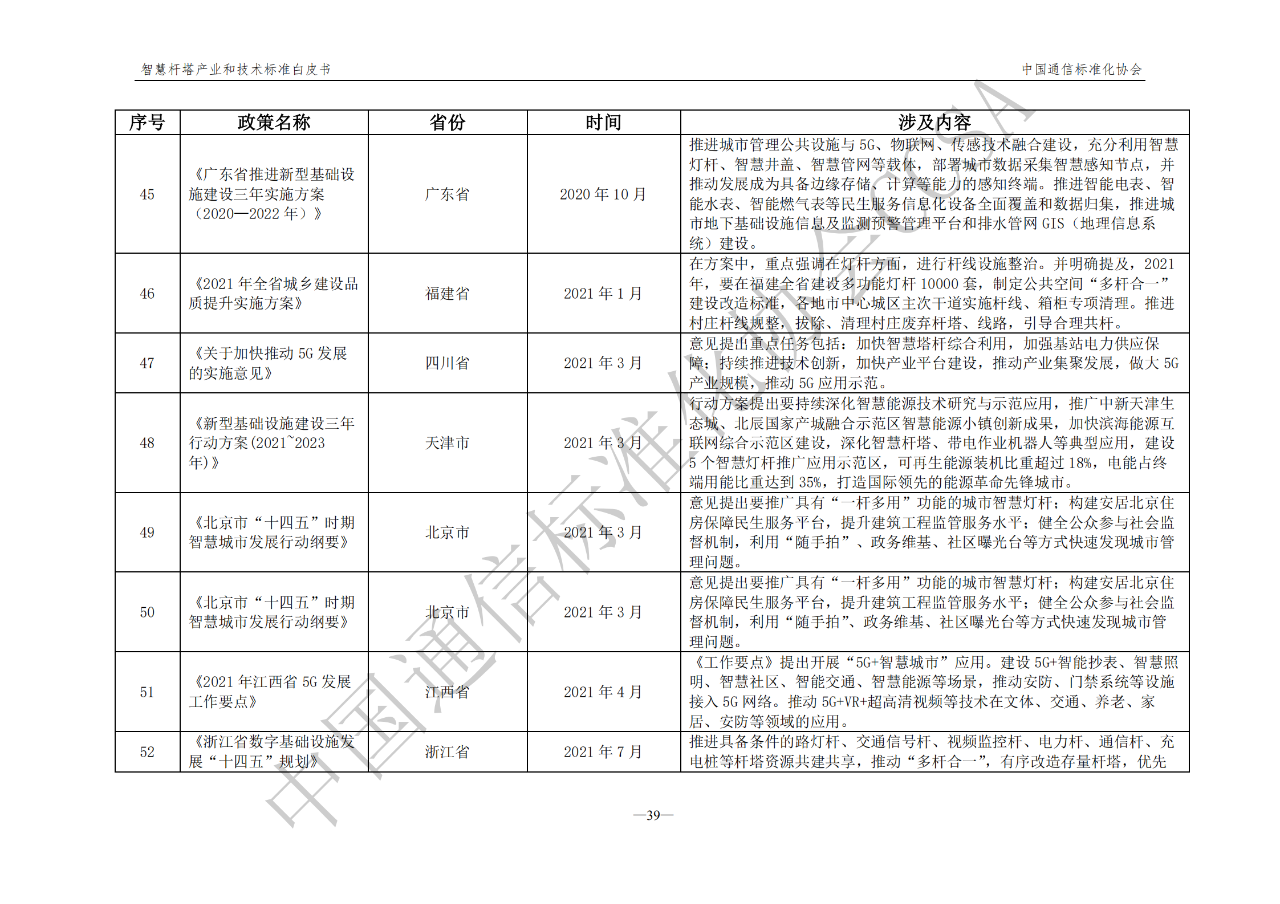
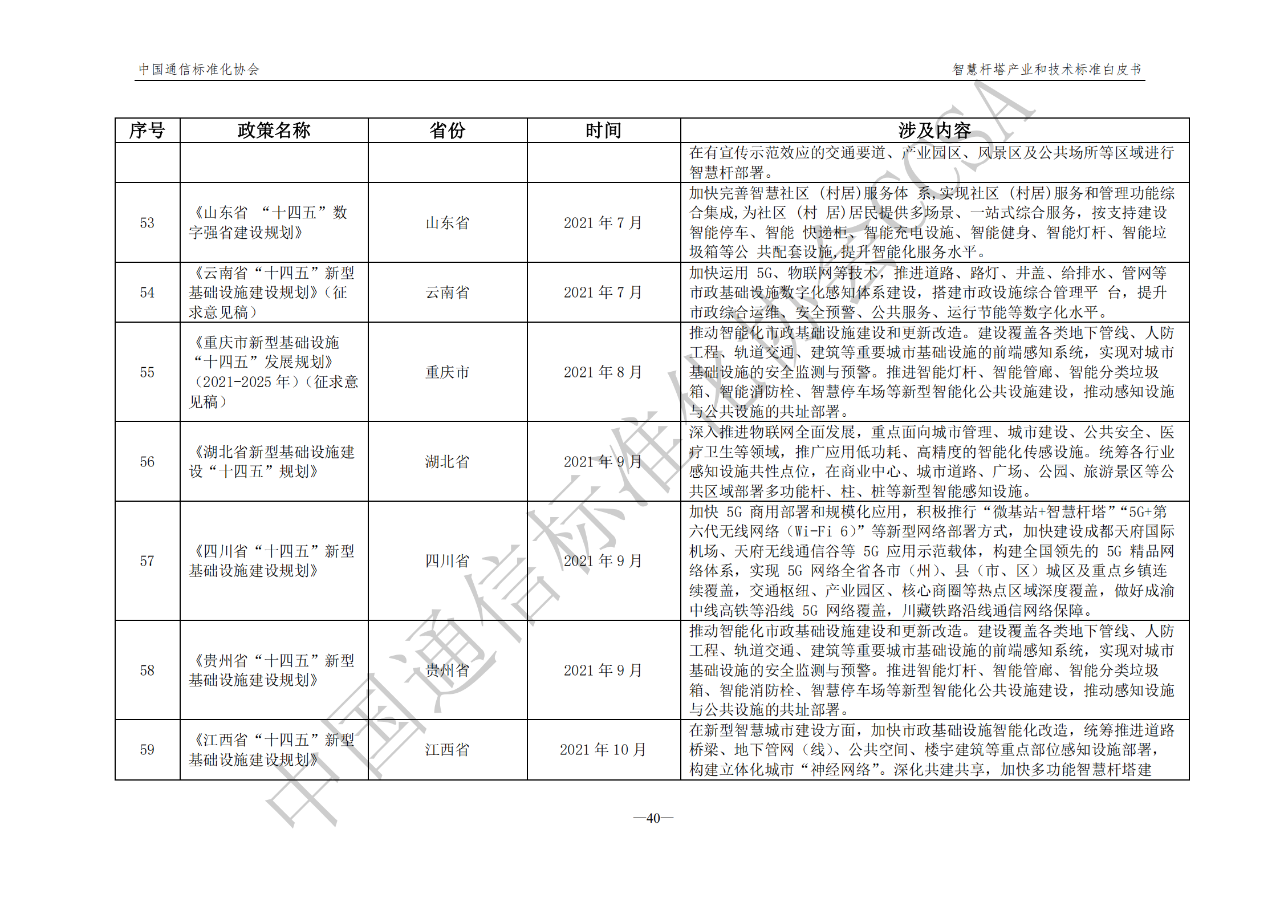
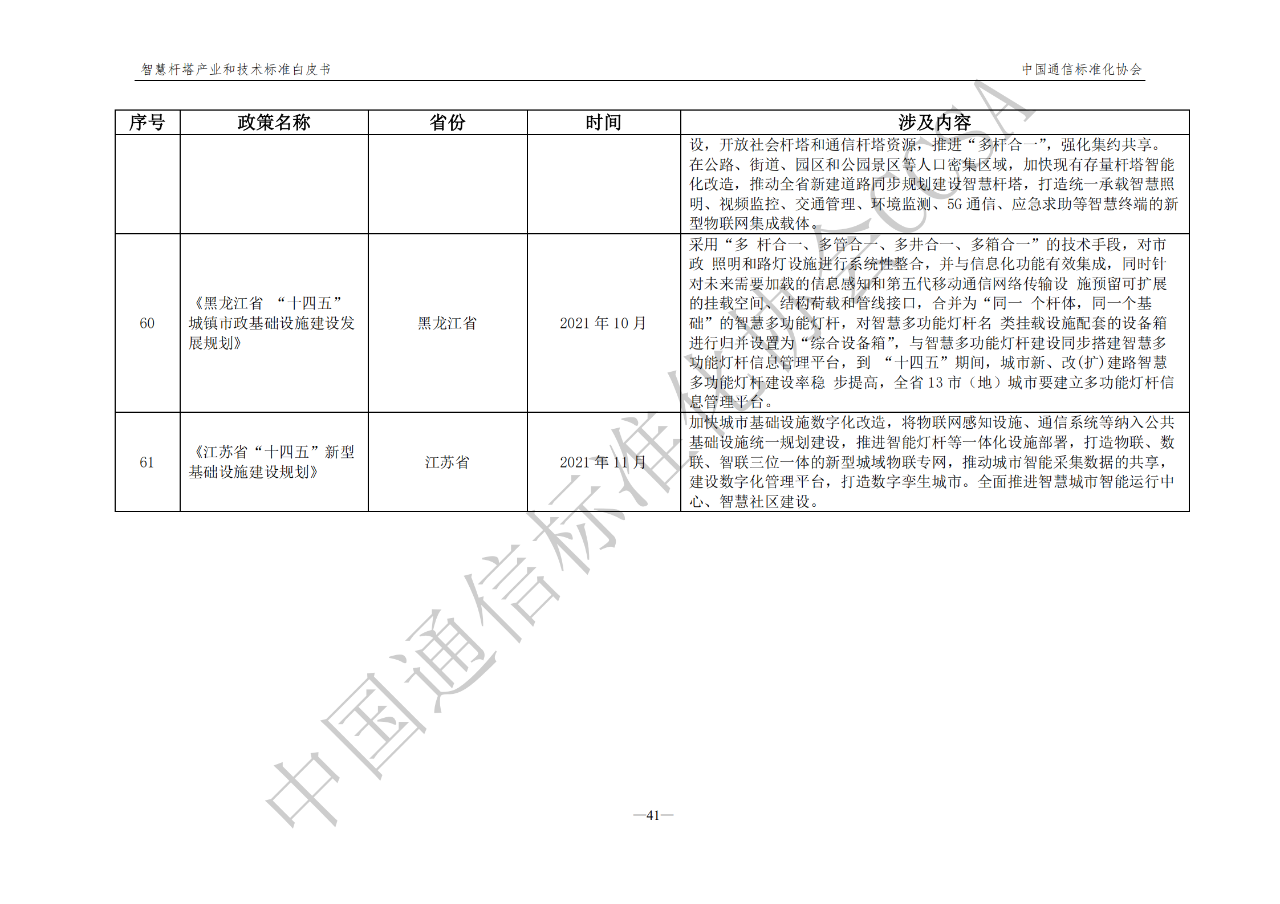
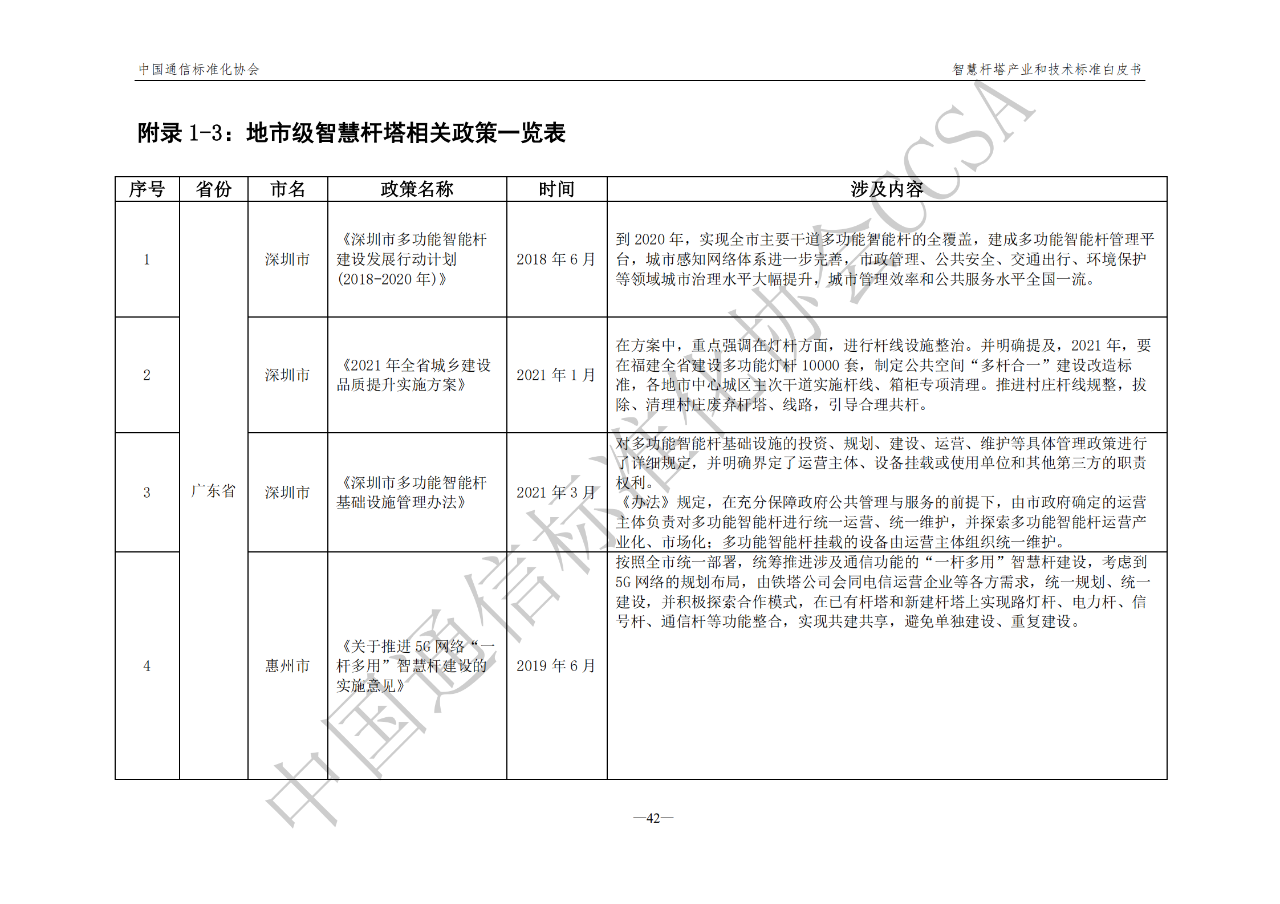
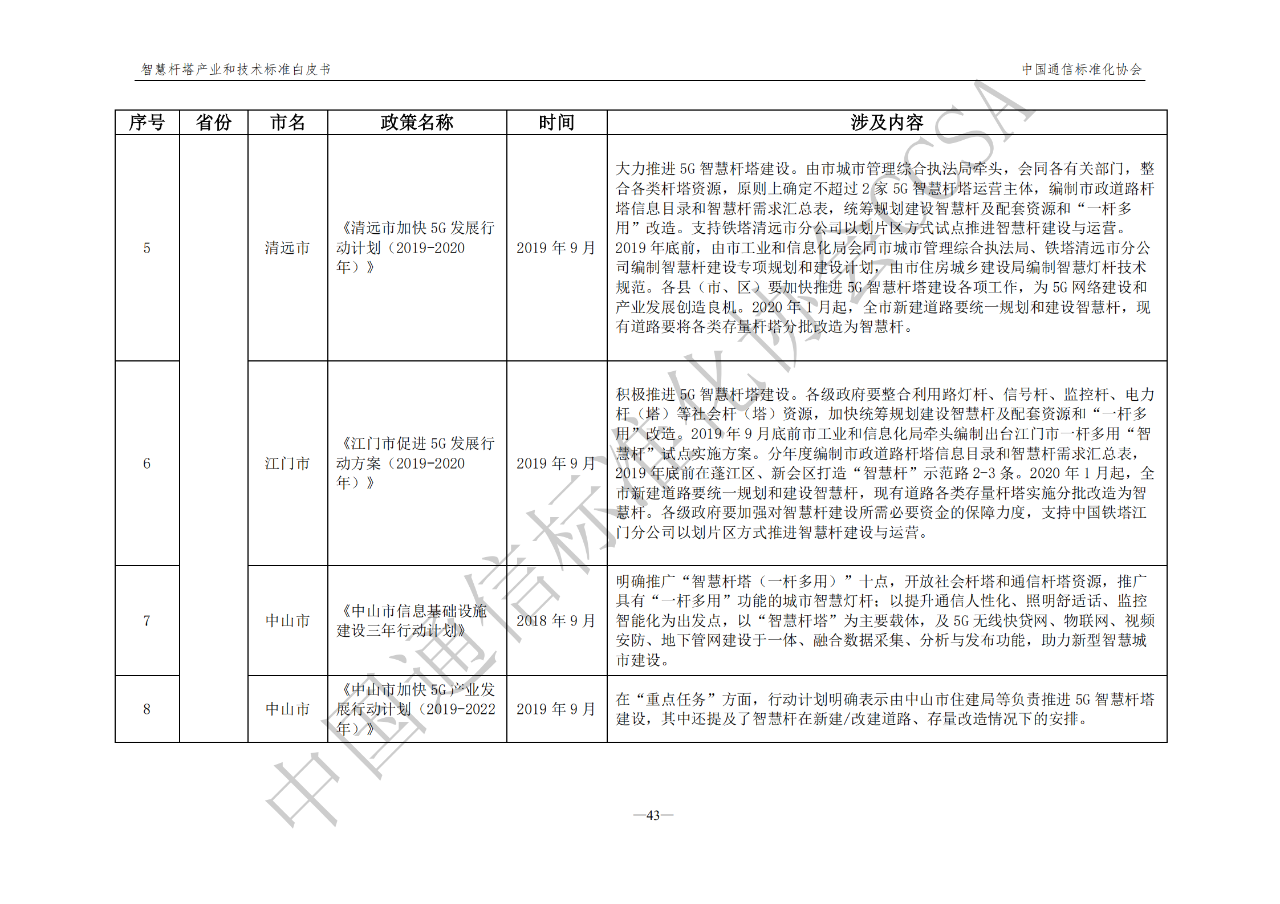
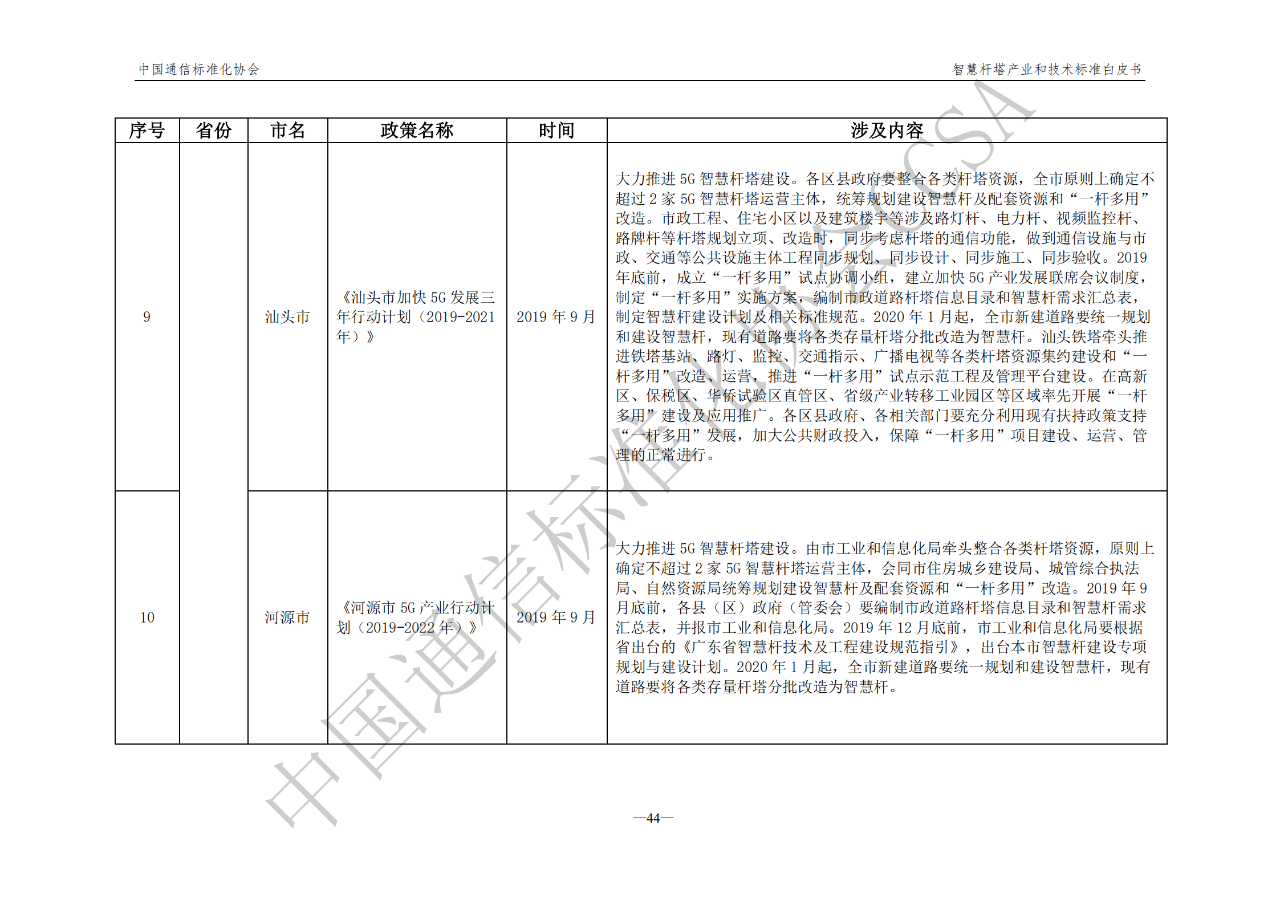
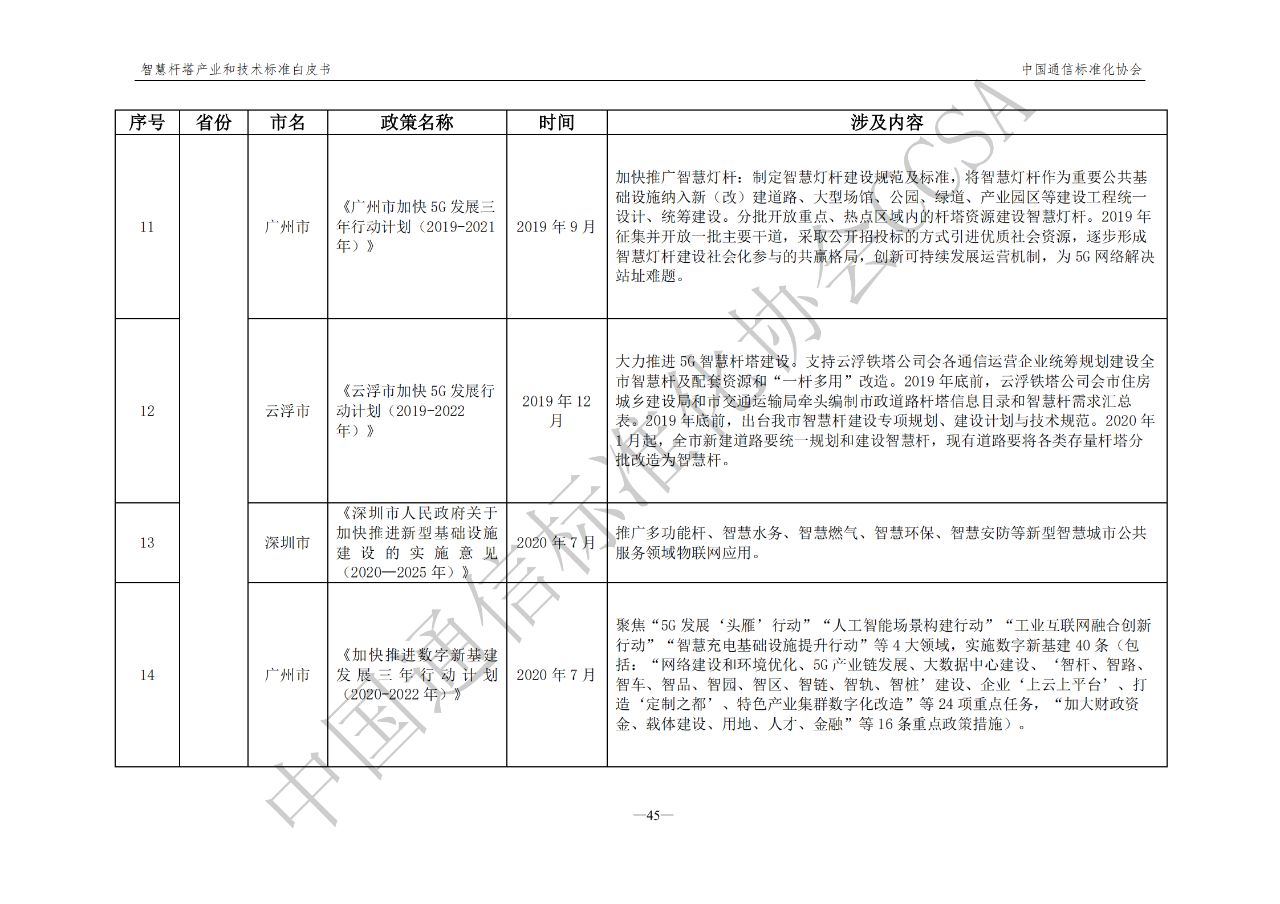
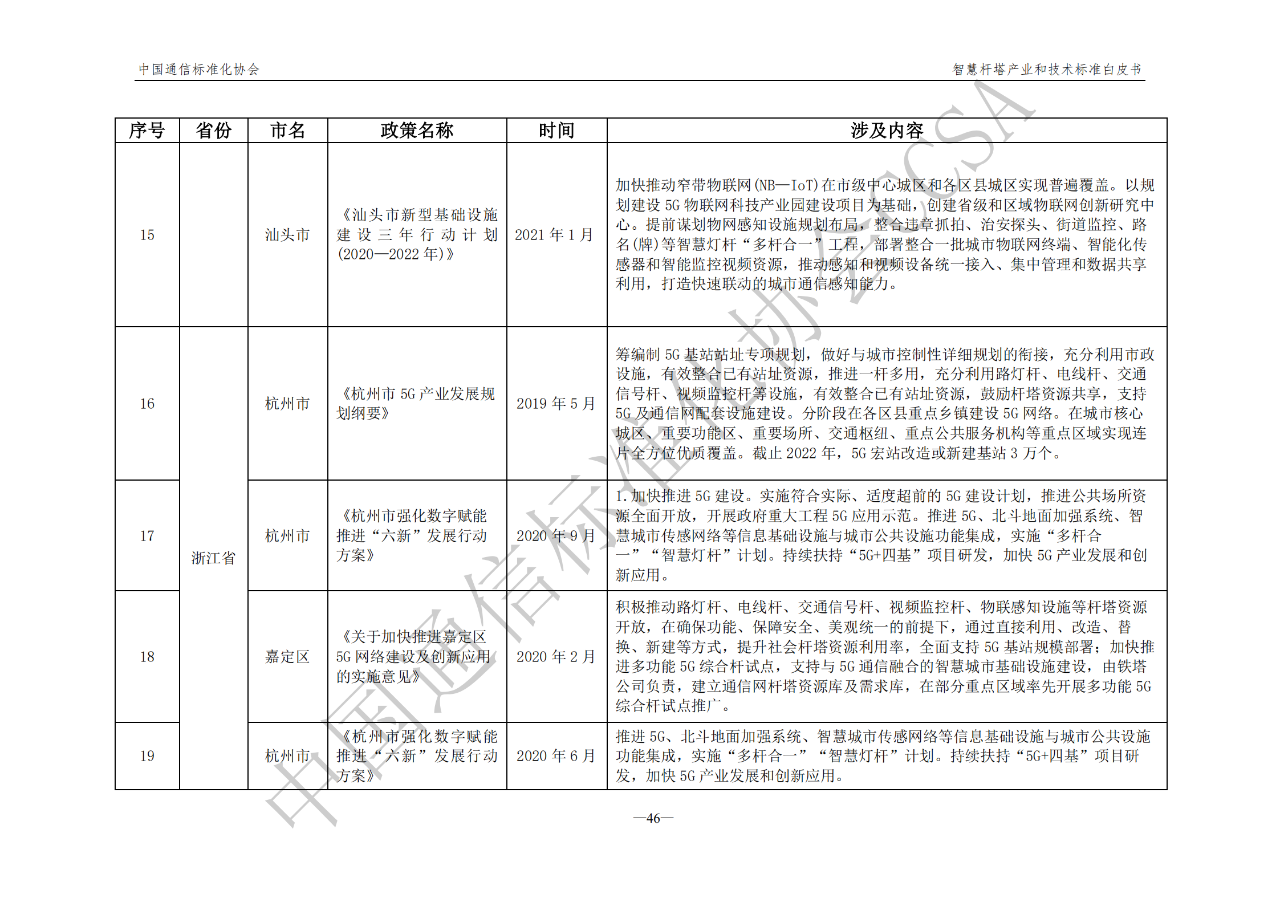
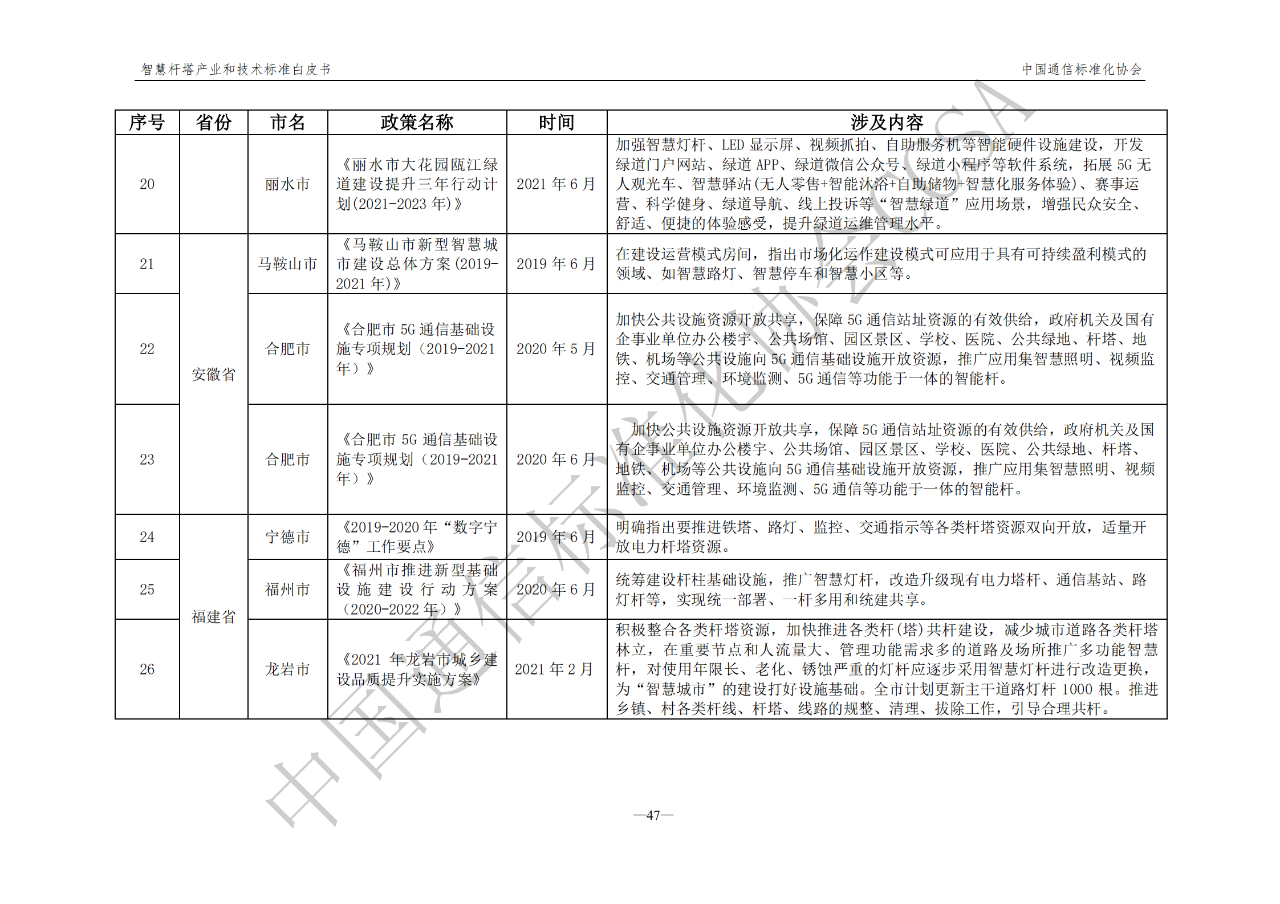
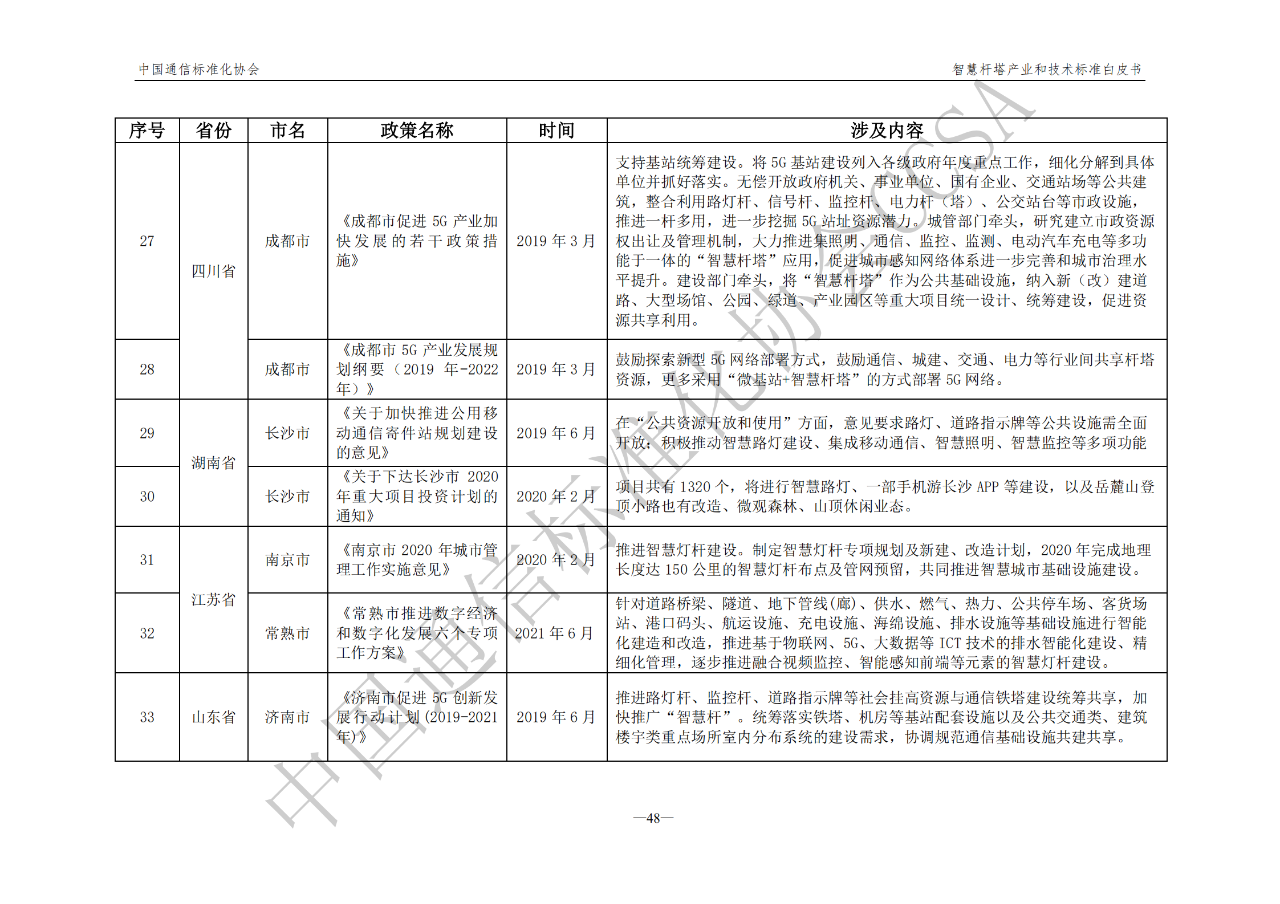
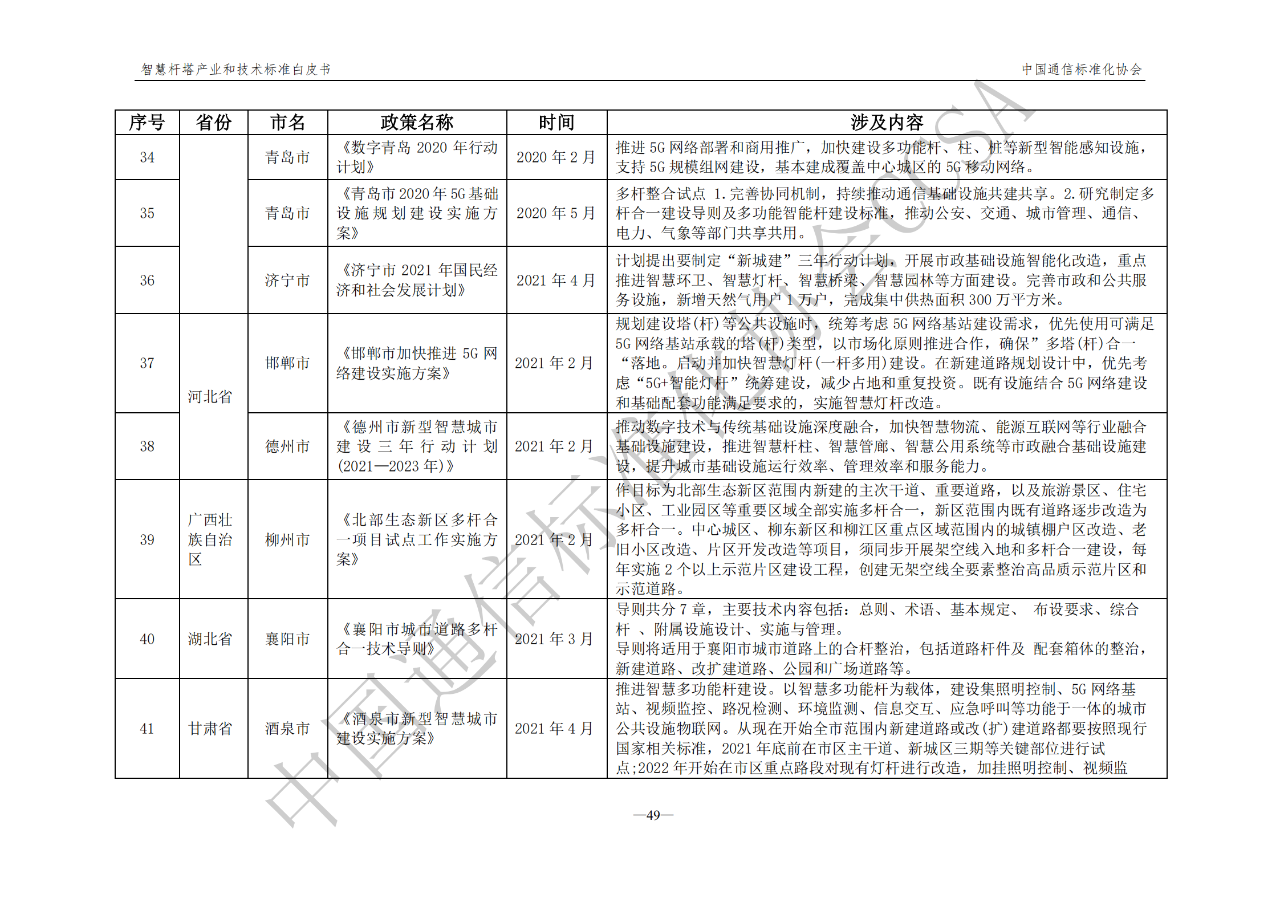
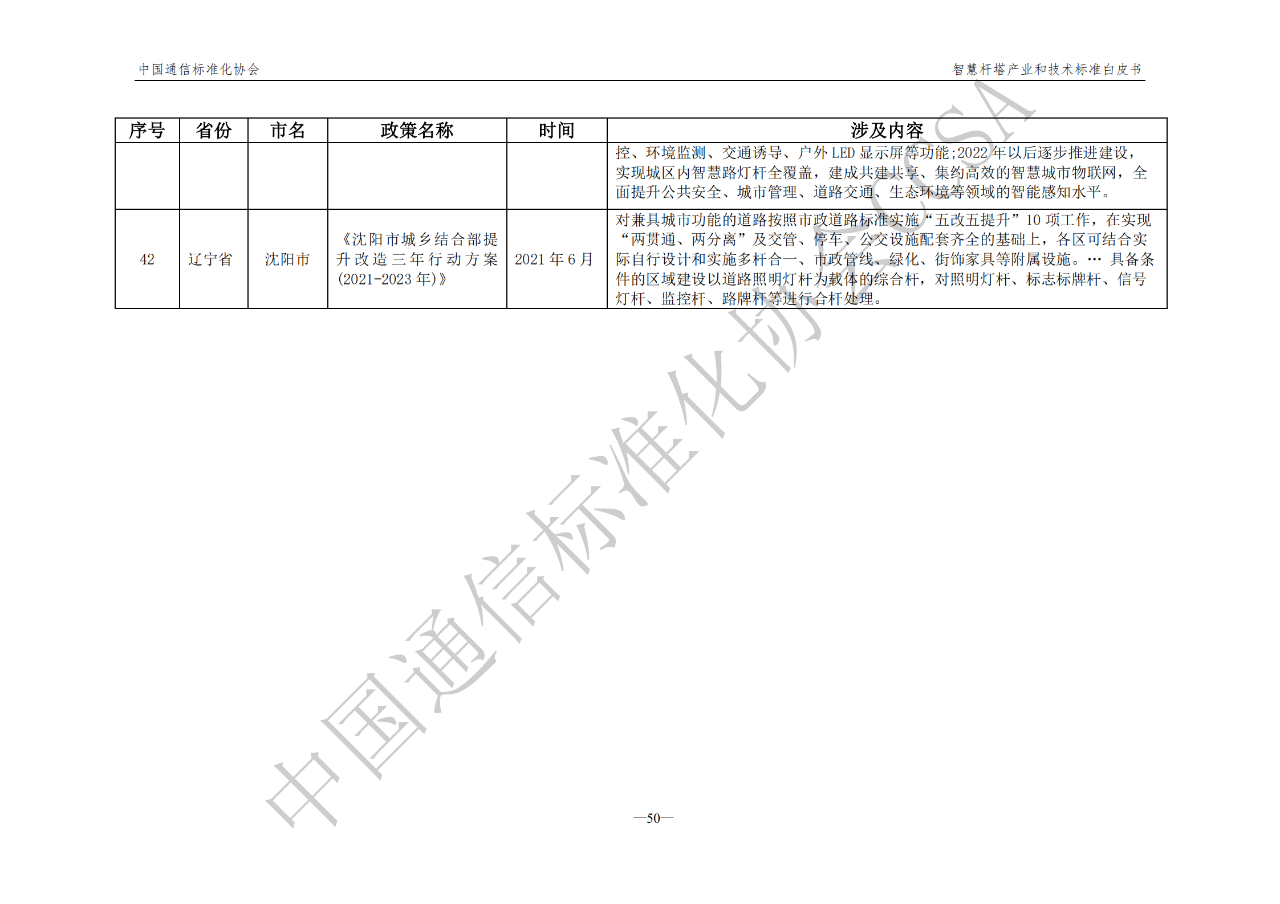
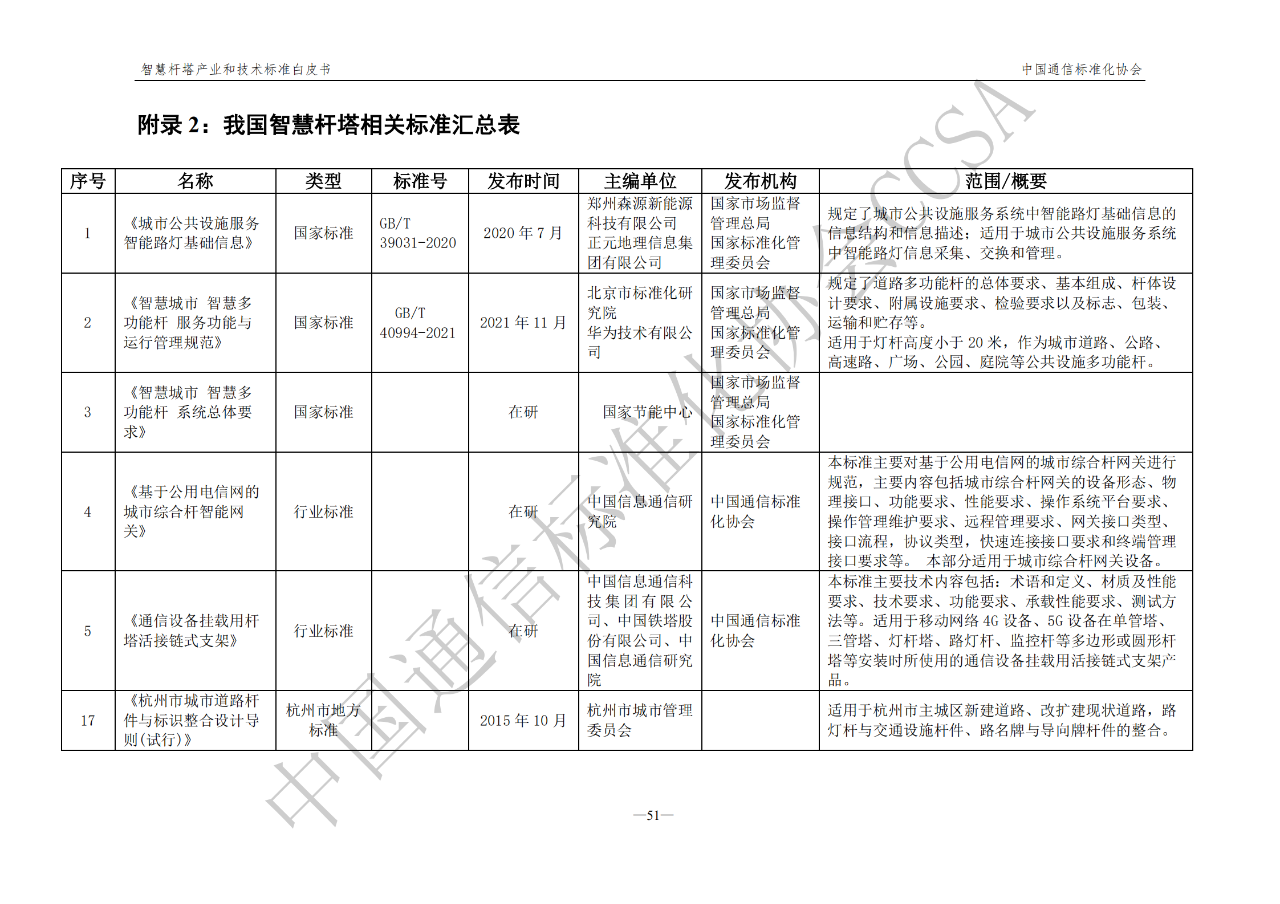
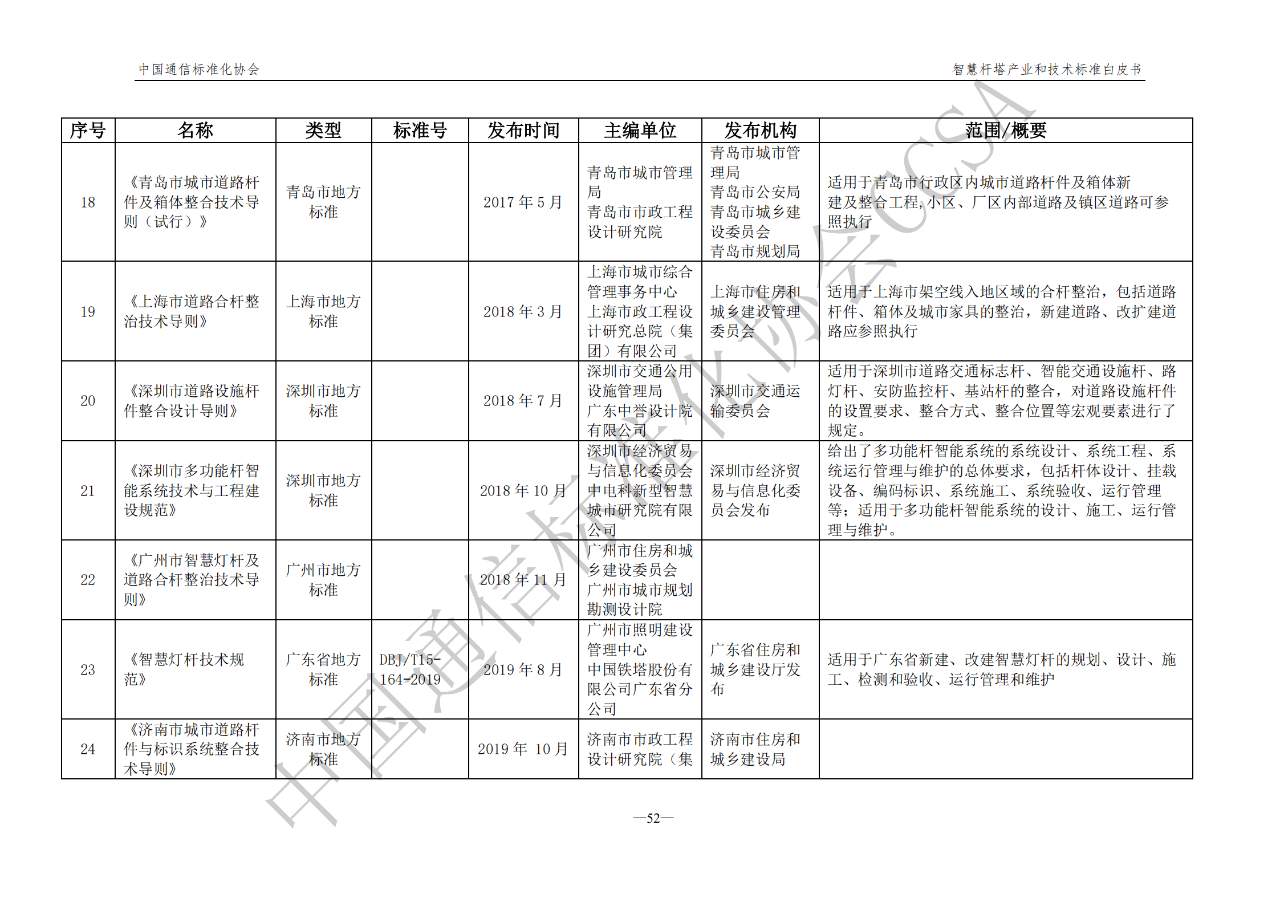
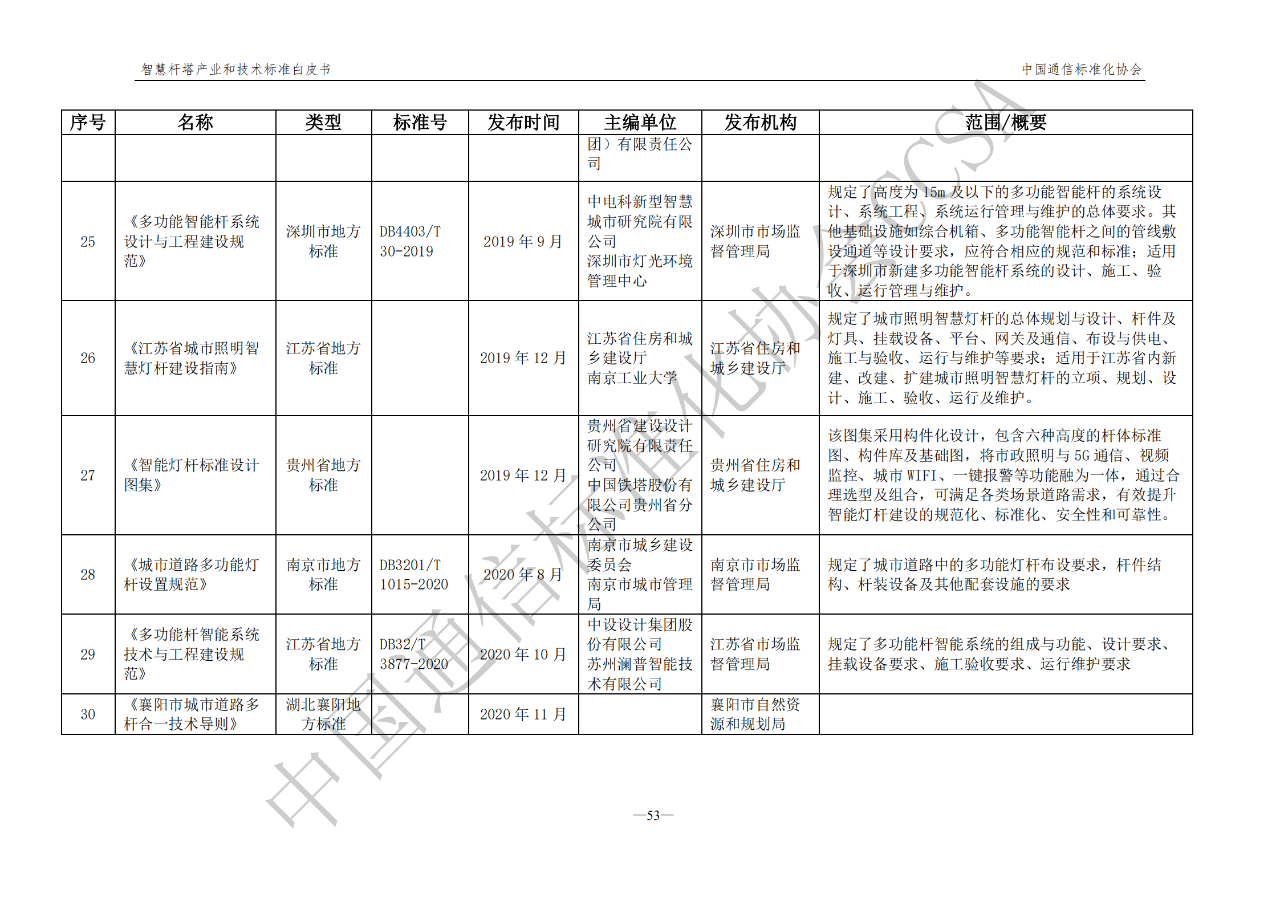
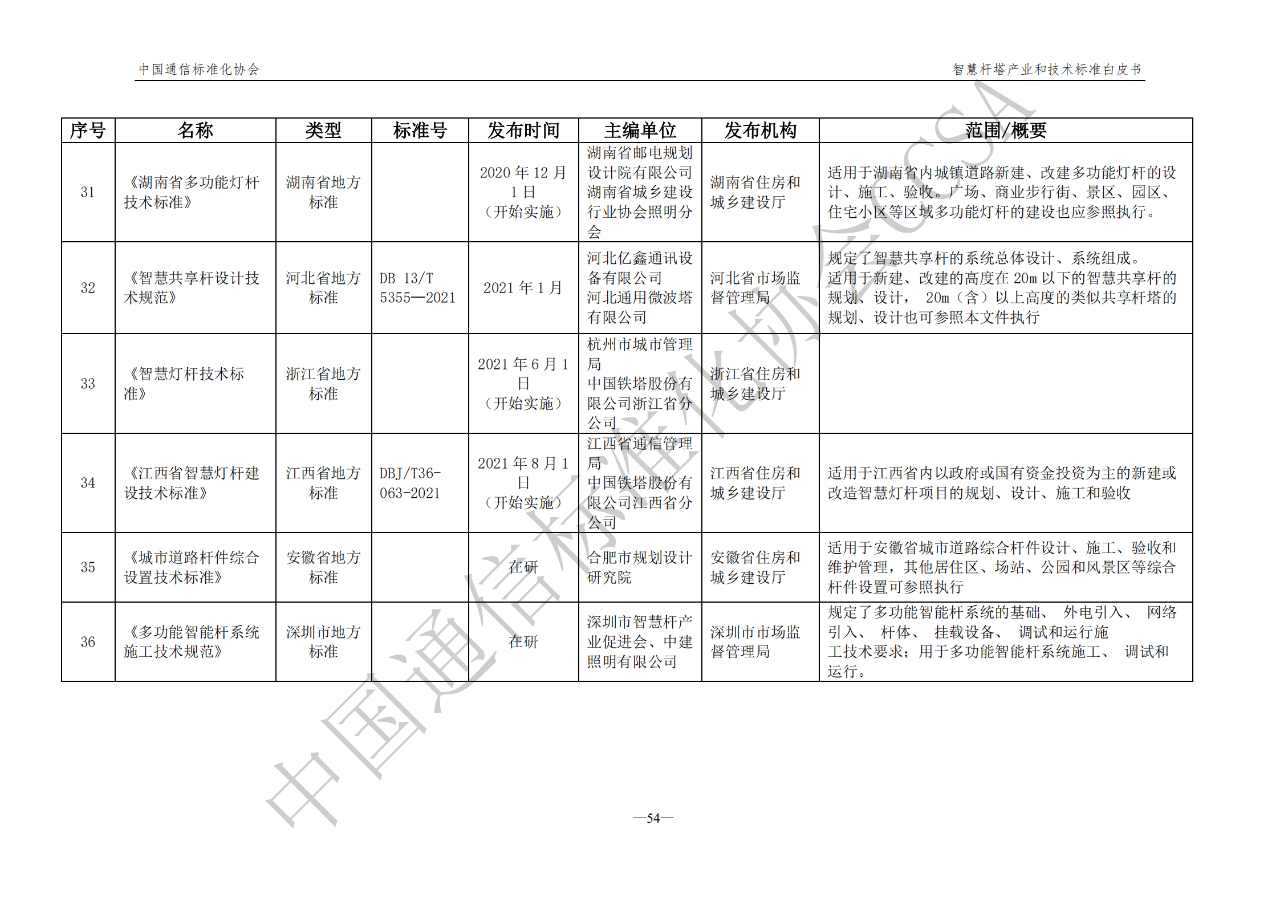
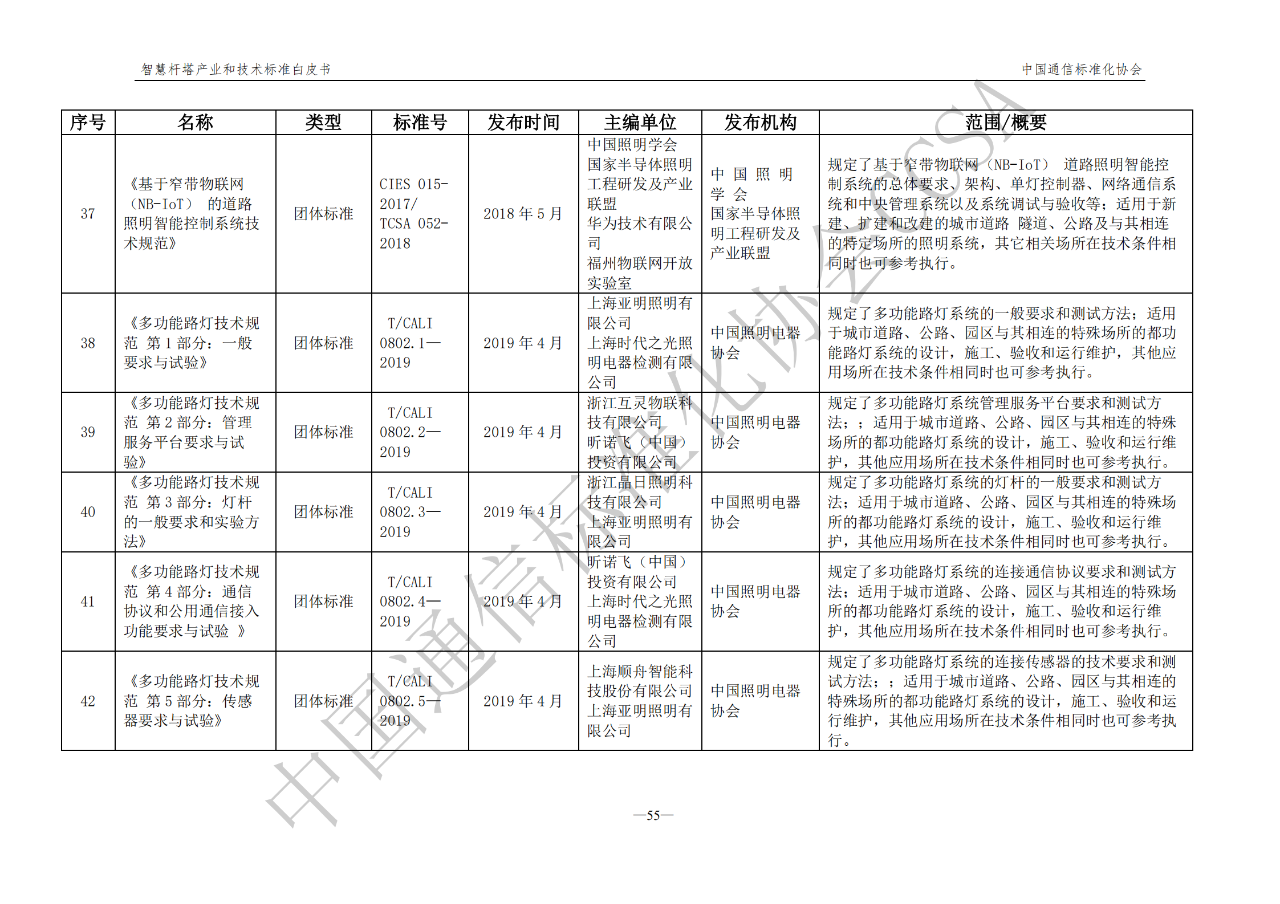
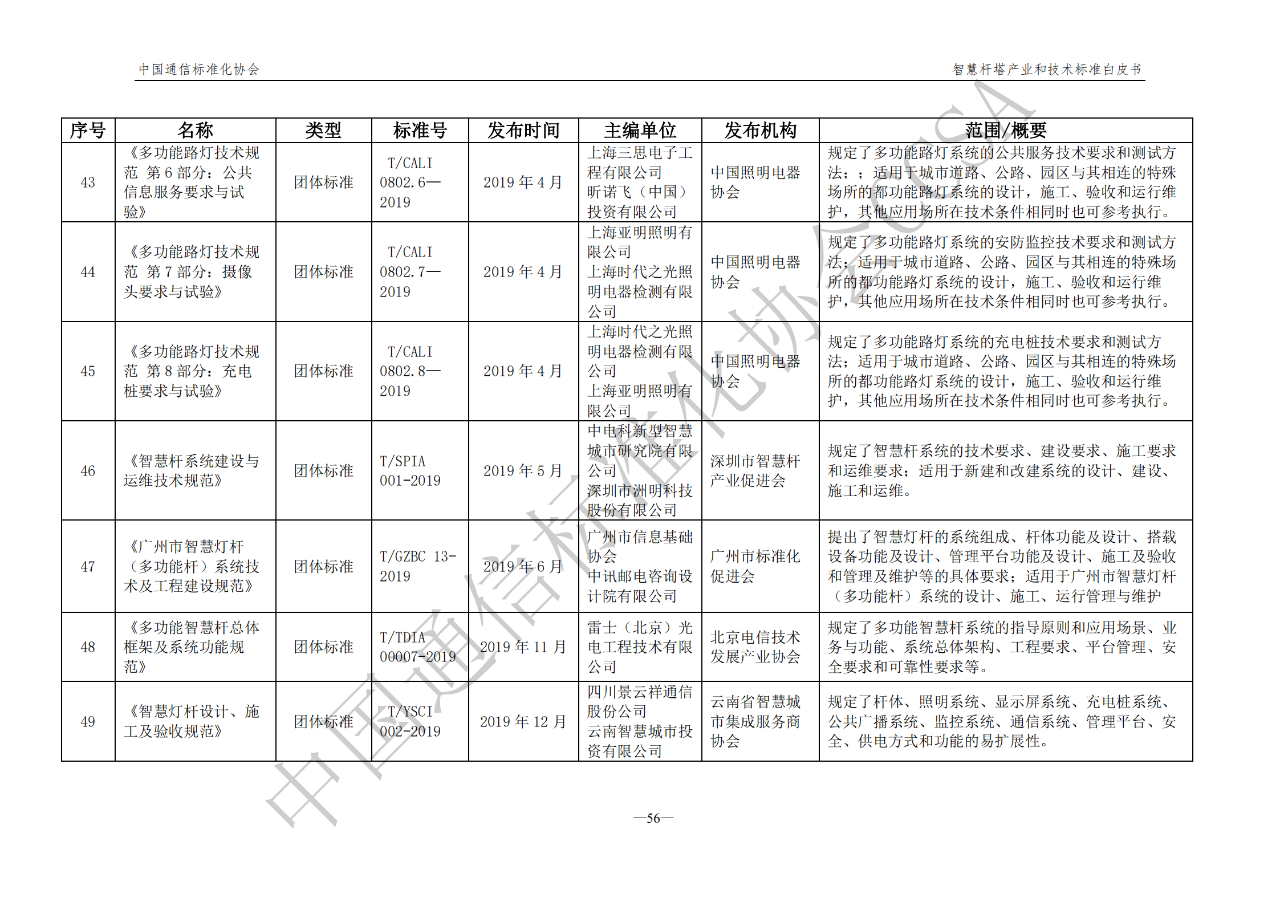
6. Appendix: List of Policies Related to Smart Poles and Summary of Relevant Standards for Smart Poles in China
The following is part of the white paper: