Highlights: 2021 Plant Factory Production Technology Seminar
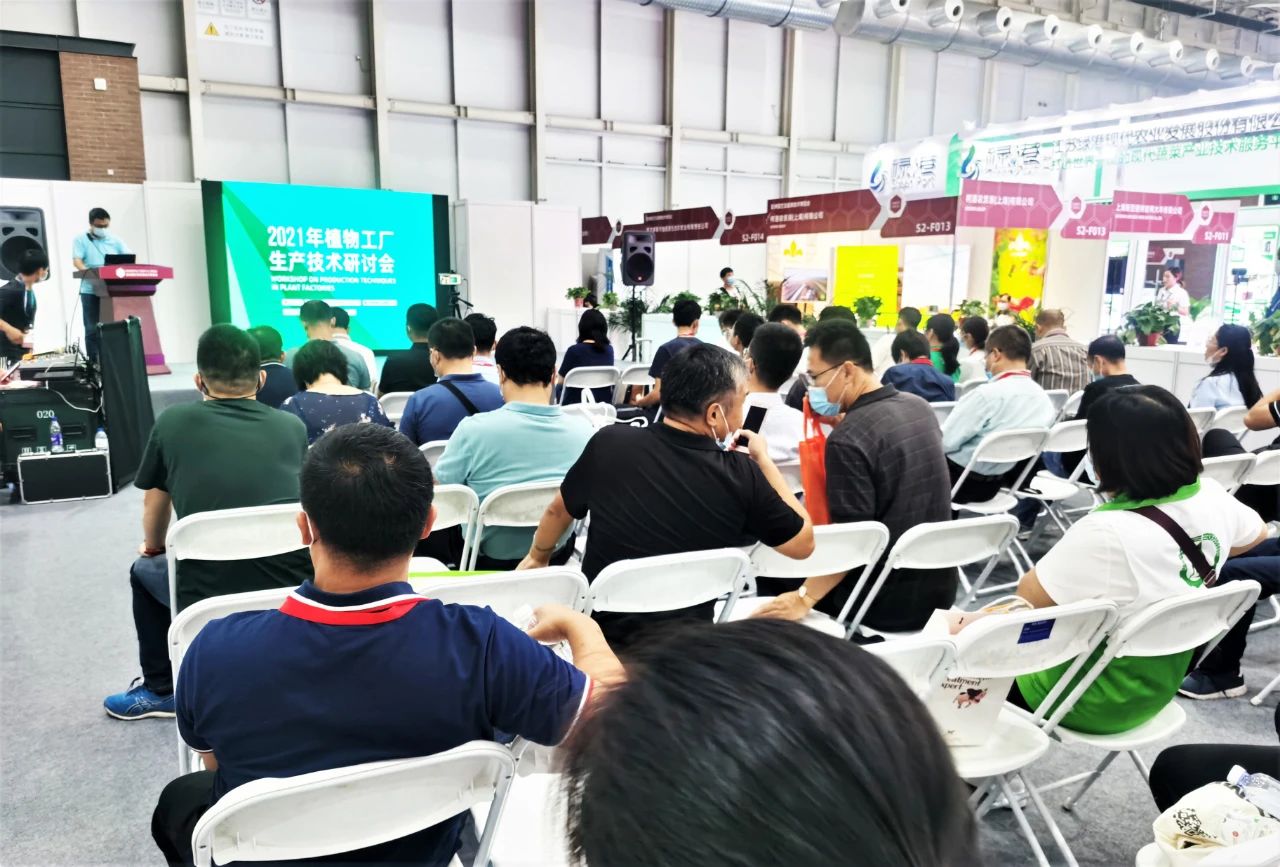
On September 16, the "2021 Plant Factory Production Technology Seminar," hosted by the Asian Horticulture and Fruit & Vegetable Technology Expo, the National Smart Plant Factory Innovation Office of the Institute of Urban Agriculture at the Chinese Academy of Agricultural Sciences, and the Agricultural Lighting Professional Committee of the China Association of Lighting Industry (CALI), and organized by the Agricultural Lighting Network, was successfully held in Qingdao.
The conference also received strong support from Seoul Semiconductor Co., Ltd.
Tong Yuxin
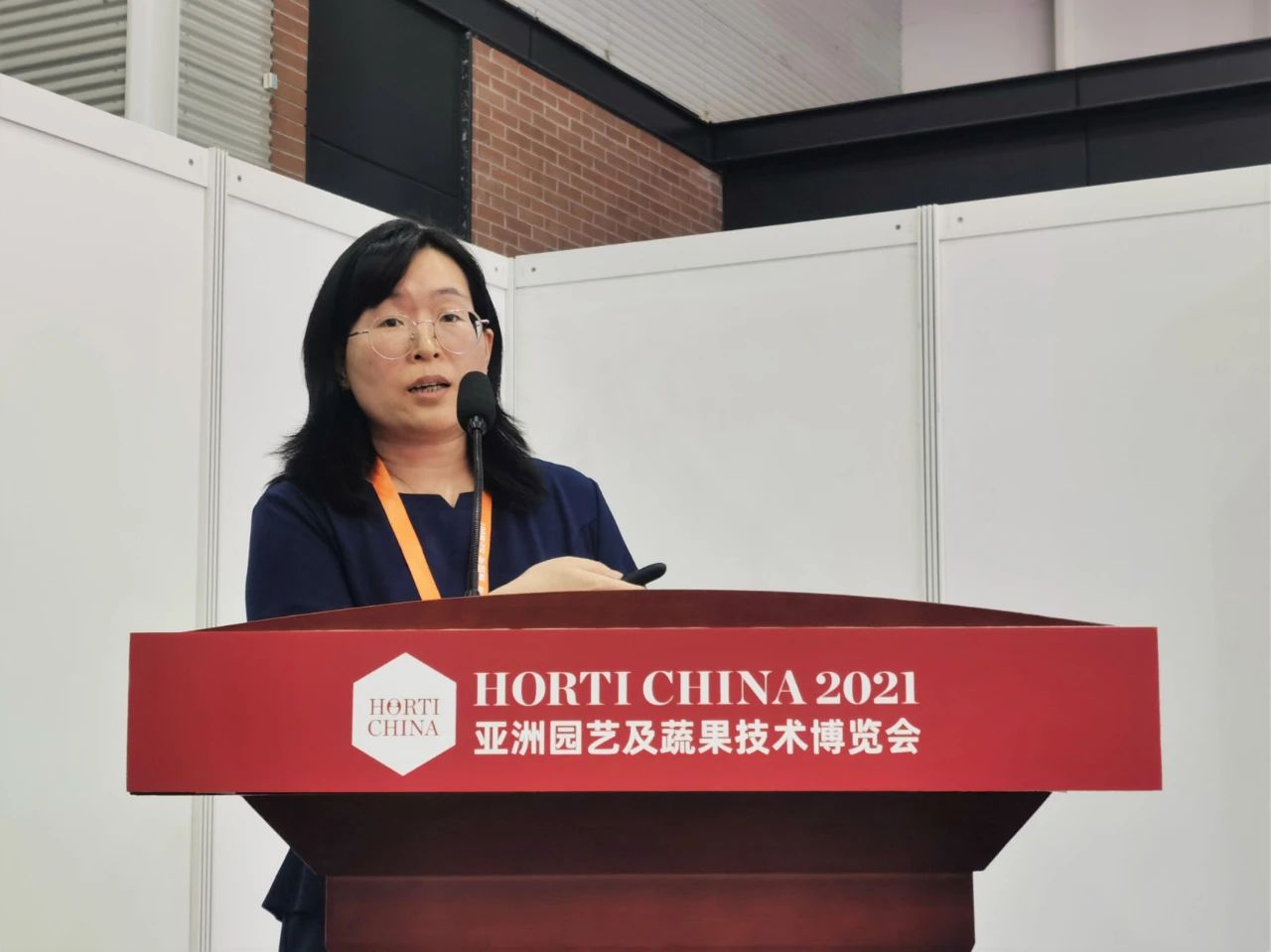
Associate Researcher Tong Yuxin from the Institute of Environment and Sustainable Development in Agriculture, Chinese Academy of Agricultural Sciences, delivered the first keynote report at the seminar. Her presentation topic was: "Optimization and Regulation Technologies for Leafy Vegetable Quality in Plant Factories".
Her report uses extensive experimental data to demonstrate the impact of different light environments on vegetable quality, composition, and yield.
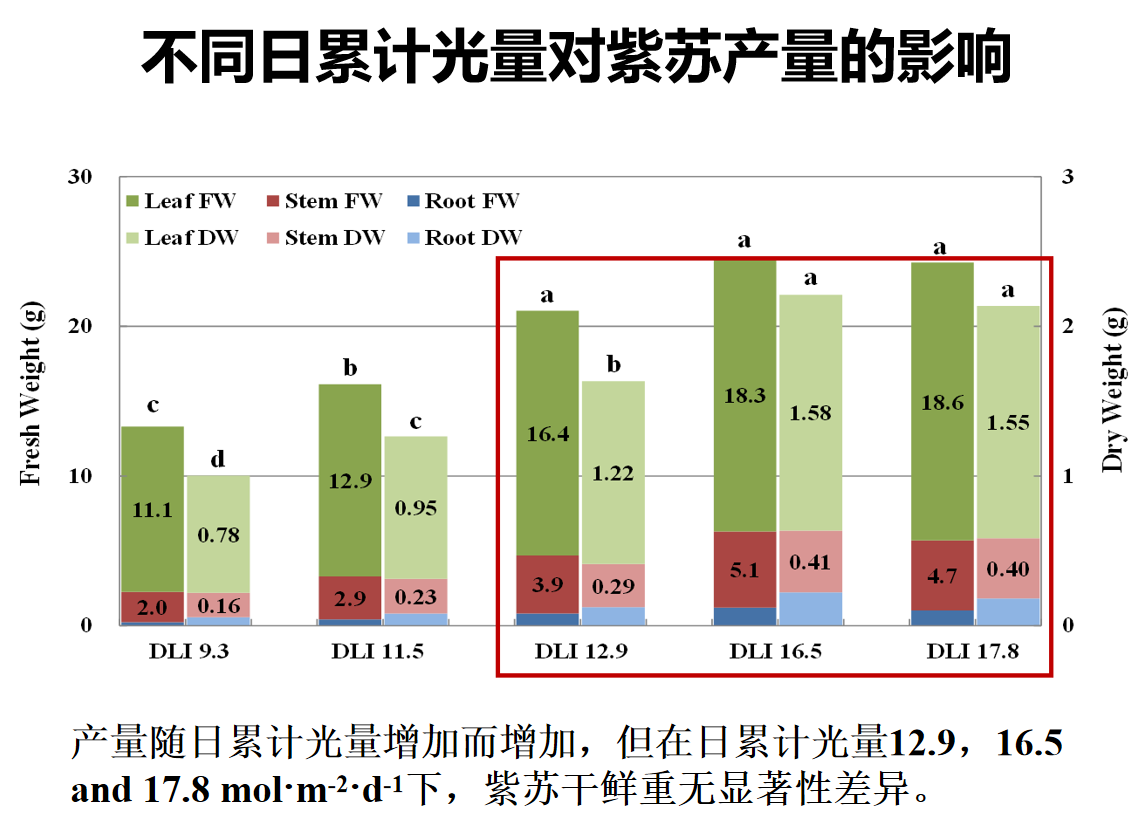
Experimental results show:
1. Daily light integral (DLI) for leafy vegetables: >=12-13 mol m-2 d-1;
2. Equivalent to 16 hours per day, 210–230 mmol m⁻² s⁻¹;
3. Excessive luminous intensity increases electricity costs and may reduce quality;
4. Short-term continuous illumination can increase the AsA content in lettuce.
Additionally:
1. With red and blue as the primary colors, reasonably adding other trace light qualities helps improve the quality of fruits and vegetables and the input-output ratio;
2. Short-wavelength light quality is more conducive to the accumulation of secondary metabolites, while long-wavelength light quality tends to regulate appearance quality;
3. The optimal light recipe for quality control varies by variety and growth stage.
Sun Zhifei
The topic of the speech by Sun Zhifei, Senior Application Engineering Manager at Seoul Semiconductor, is "Market Prospects and Solutions for LED Horticultural Lighting".
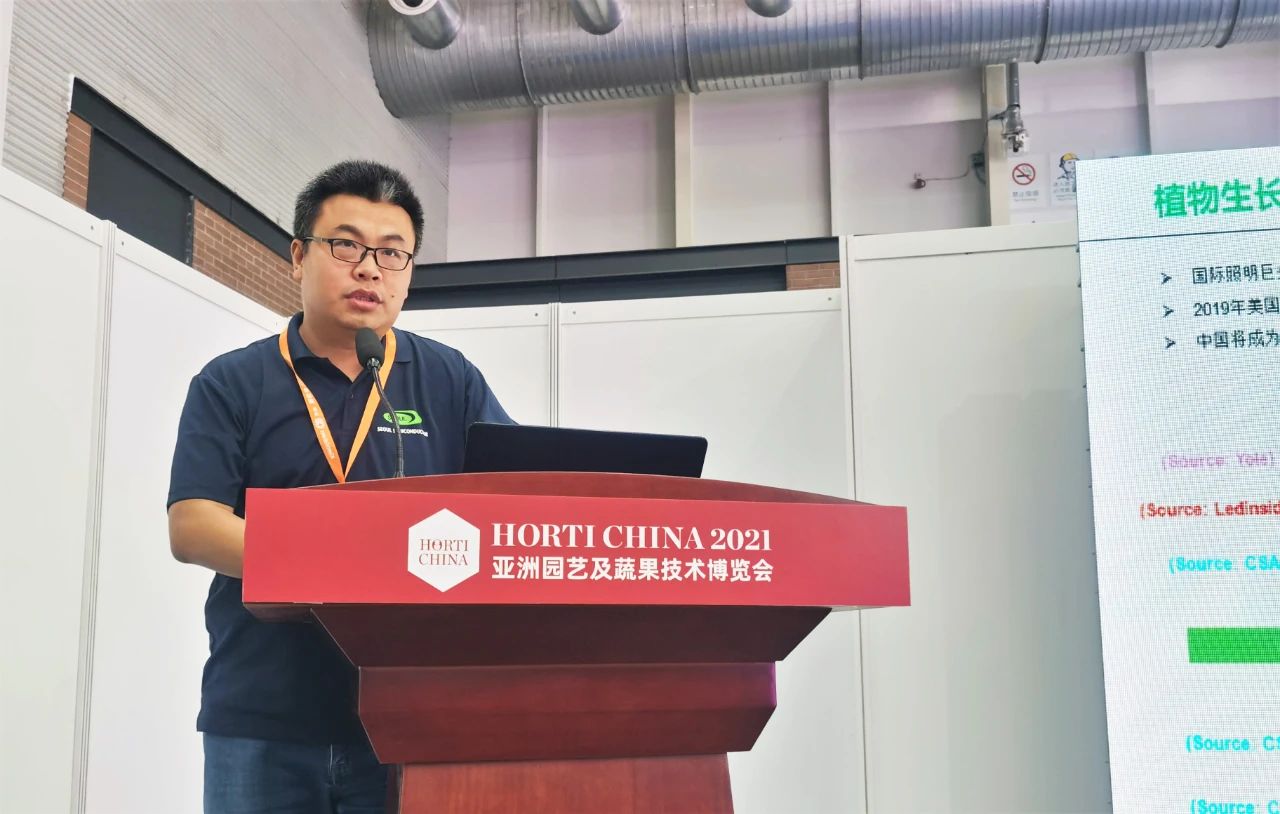
His report mainly introduced some products and solutions from Seoul Semiconductor regarding horticultural lighting.
In terms of the horticultural lighting market size, both domestically and internationally, lighting products related to plant growth are expected to see exponential growth starting in 2022. Currently, plant growth applications are developing in a balanced manner across four areas: tissue culture, seedling cultivation, greenhouse farming, and plant factories.
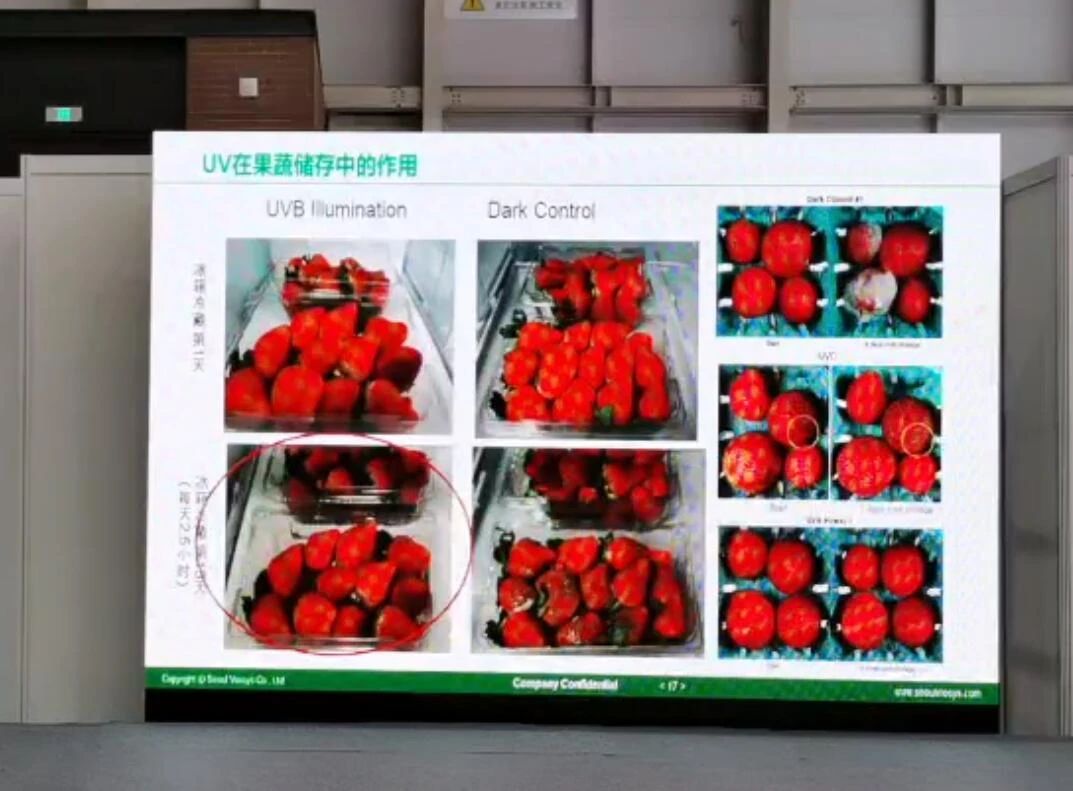
In his report, he also specifically emphasized that the impact of light on plants is not limited to plant growth. For example, UV-B can promote the production of vitamin D in mushrooms, and UV-B helps fruits and vegetables stay fresh for longer periods.
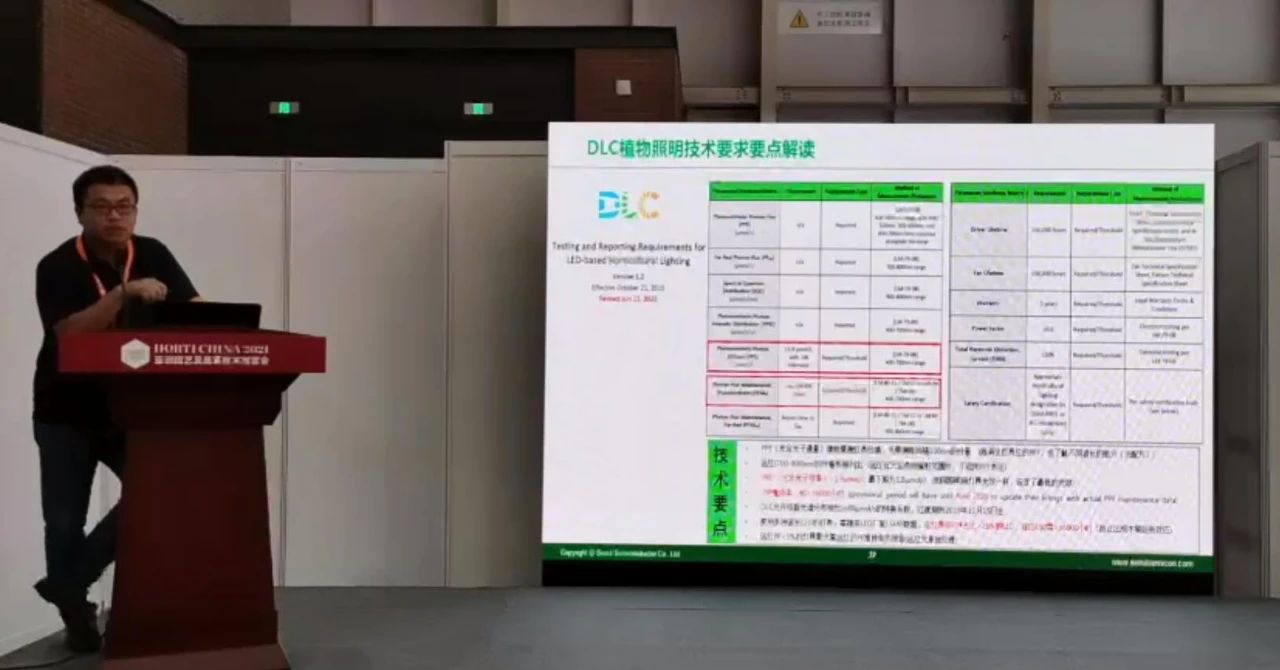
In addition, he introduced some technical parameters of horticultural lighting, including the main parameters of horticultural lighting, parameters to be measured for horticultural lighting luminaires, and an interpretation of key points in DLC horticultural lighting technical requirements.
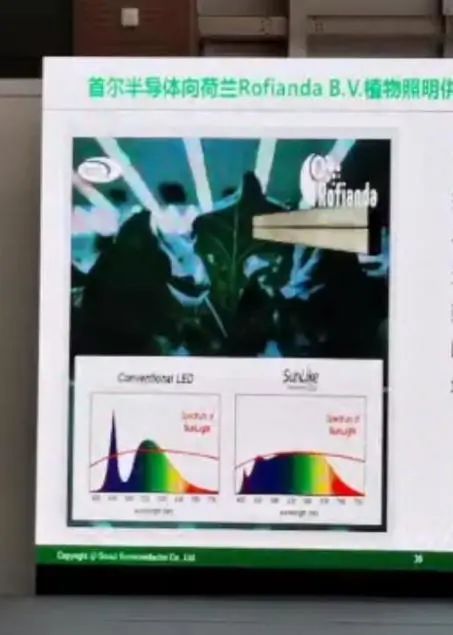
By understanding the effects of different wavelengths on plants, it becomes clear why most horticultural lighting fixtures use a combination of red and blue light. However, beyond red and blue light, Seoul Semiconductor offers specialized applications such as UV-A, UV-B, UV-C, far-infrared, and the Sunlike series that simulates sunlight.
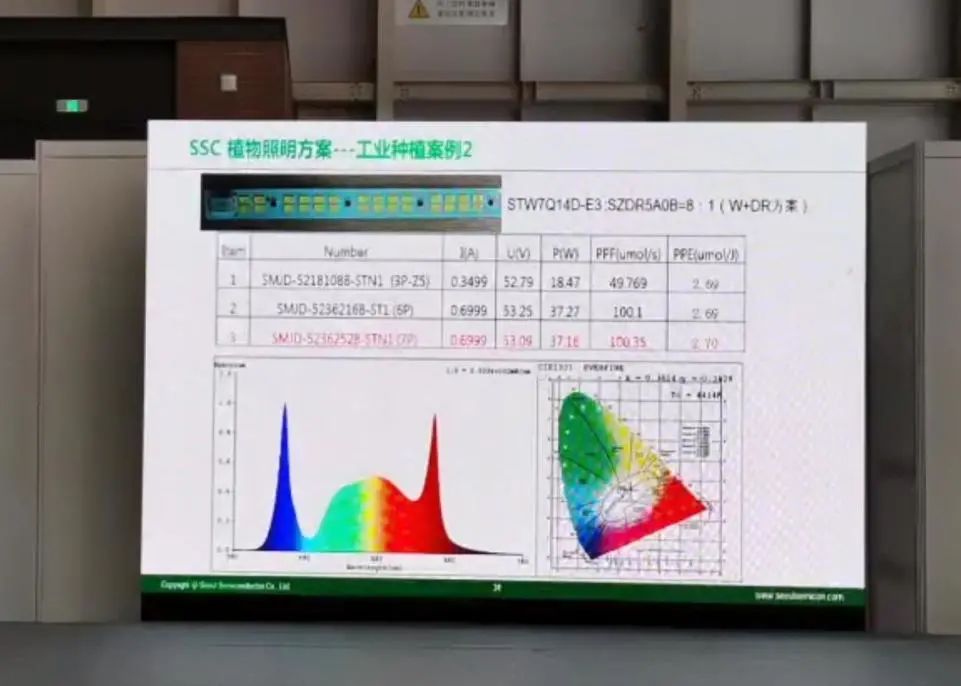
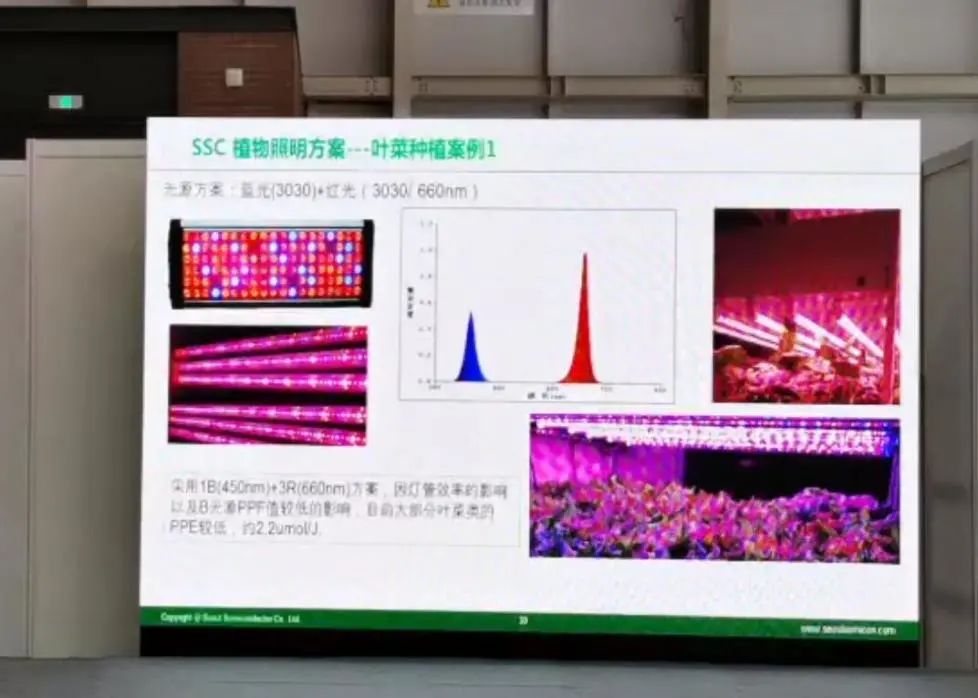
The report highlights Seoul Semiconductor's SSC horticultural lighting LED/UV product series, EMC series, Sunlike series, and SSC horticultural lighting solutions (industrial cultivation cases, leafy vegetable cultivation cases).
Shen Yan
Shen Yan, General Manager of Shanghai Yingzhi Technology Co., Ltd., delivered a speech titled "Thoughts on Automation Application Design and Product Planning for Mass-Production Vegetable Factories."
His report mainly covers four aspects: introduction to vegetable plant factories, automation products and services, Japanese case studies, and product planning for plant factory outputs.
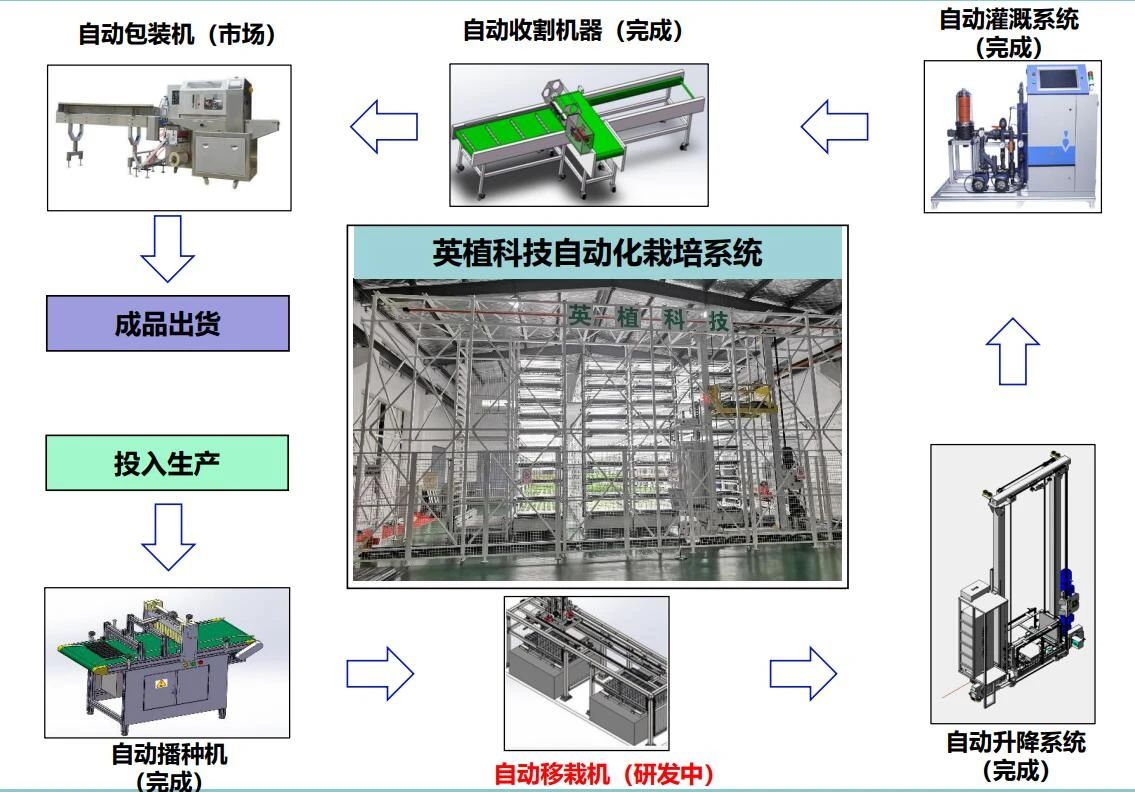
Shanghai Yingzhi Technology has a professional planting laboratory and agronomy R&D personnel, capable of independently completing the design, manufacturing, installation, and testing of equipment. In his speech, he introduced Yingzhi's fully automated vegetable factory equipment, management and operation system, ten-layer automatic lifting planting system, small-scale laboratory equipment, and sugar-free tissue culture equipment for seedlings.
RYOSHO is a leading factory equipment company in Japan. To date, it has built four large factories, with a total production capacity of approximately 11–12 tons per day across all facilities. It holds a 40% market share and is currently profitable. The reasons for its success include two aspects: ① collaboration with external business partners (manufacturers + vegetable distributors); ② internal cost reduction (procurement from China + increased yield).
Thus, we consider the marketization path for China's plant factory products, using vegetable salad as an example. Its application scenarios include:
1. Establish a complete salad vegetable supply chain from cultivation to processing, product planning and design, and sales, targeting high-income groups, white-collar women, children, and foreigners.
2. Secondary processing to enhance the added value of vegetables and create a national healthy beverage.
Baibao Lock
Bai Baosuo, Chairman of Future Smart Agriculture (Beijing) Technology Co., Ltd., delivered a report titled "Construction and Operation Solution for Mass-Production Plant Factories".
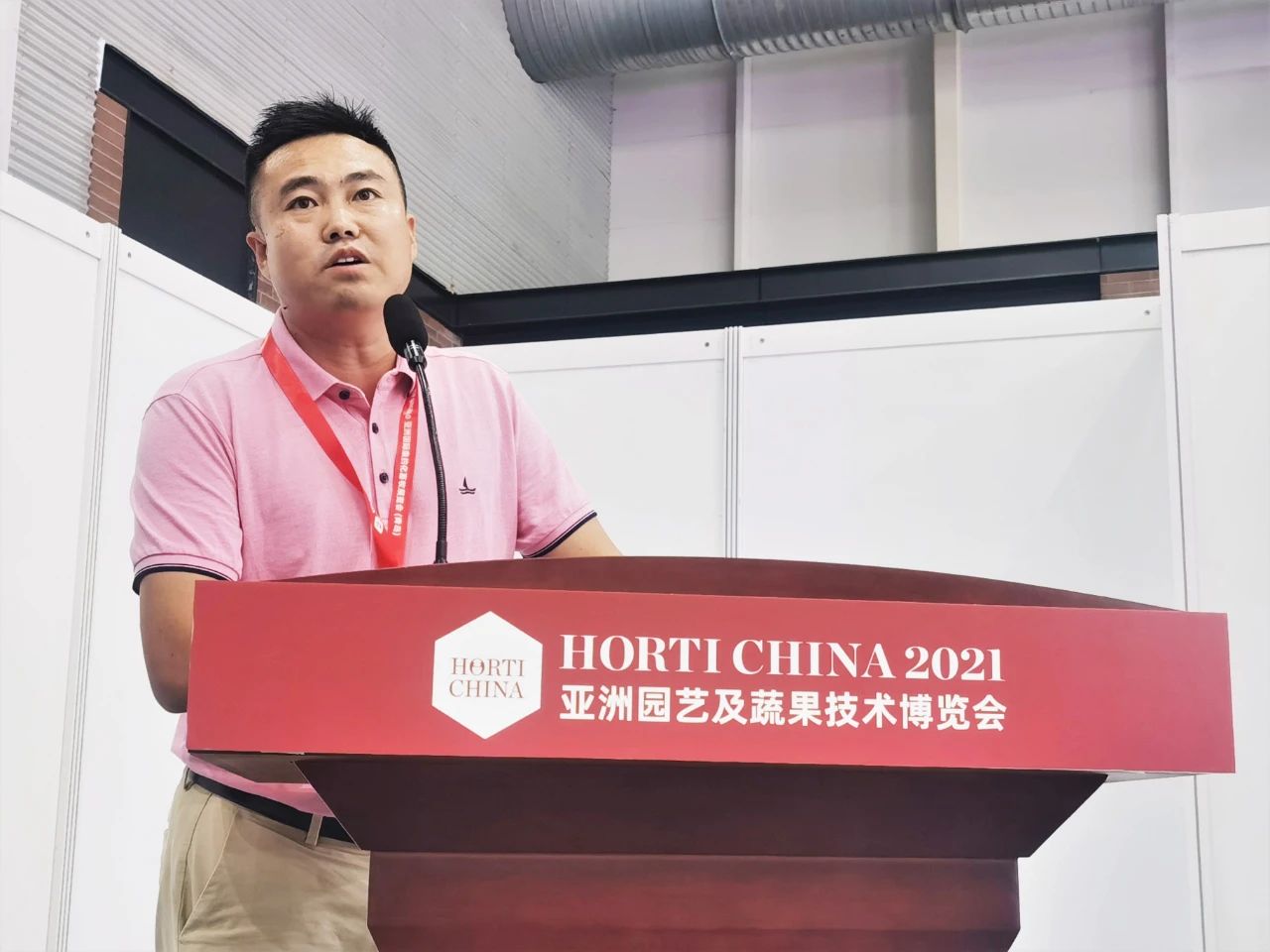
His report mainly introduced four aspects: the technical system of plant factories, preliminary construction planning, operation and management solutions, and cost structure.
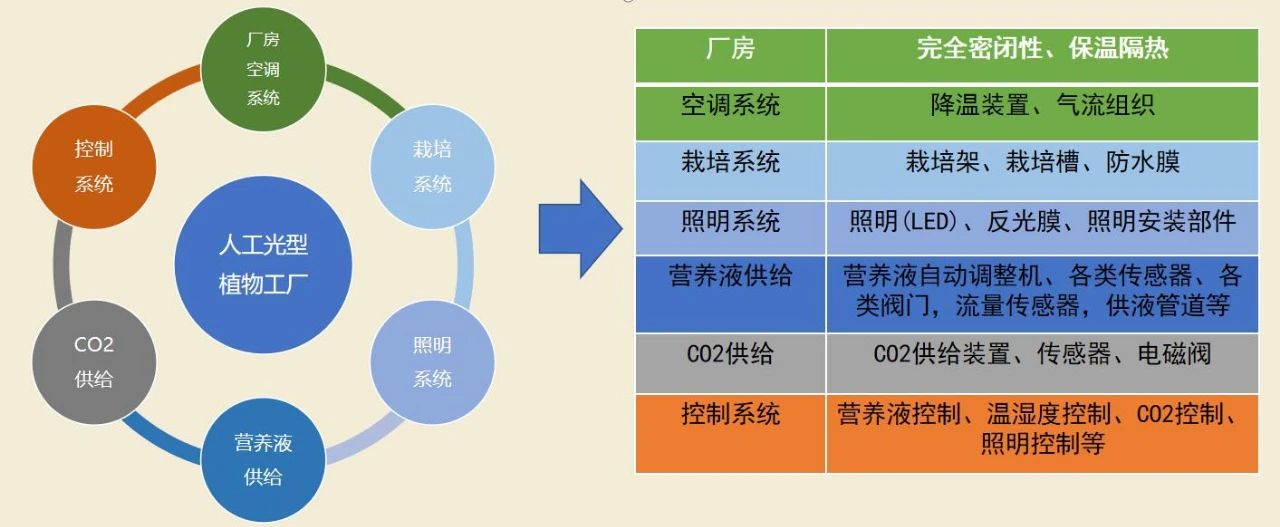
Plant Factory Technology System
In the design of plant factories, the following must be considered: factory design focused on insect-proof hygiene management, cultivation room design centered on large-scale industrialized cultivation process management, separate passages for plant factory staff and visitors, distinct entry/exit channels for products and waste (residue, root systems, etc.), separation of shipping channels from material intake channels, and thorough insect-proof hygiene management in each area.
In operational management, the following need to be considered: cultivation processes, environmental control, process control, LED lighting technology, industrialized operational management technology, diversified variety planting, application of IoT and AI technologies, vegetable composition analysis, yield rate analysis, etc.
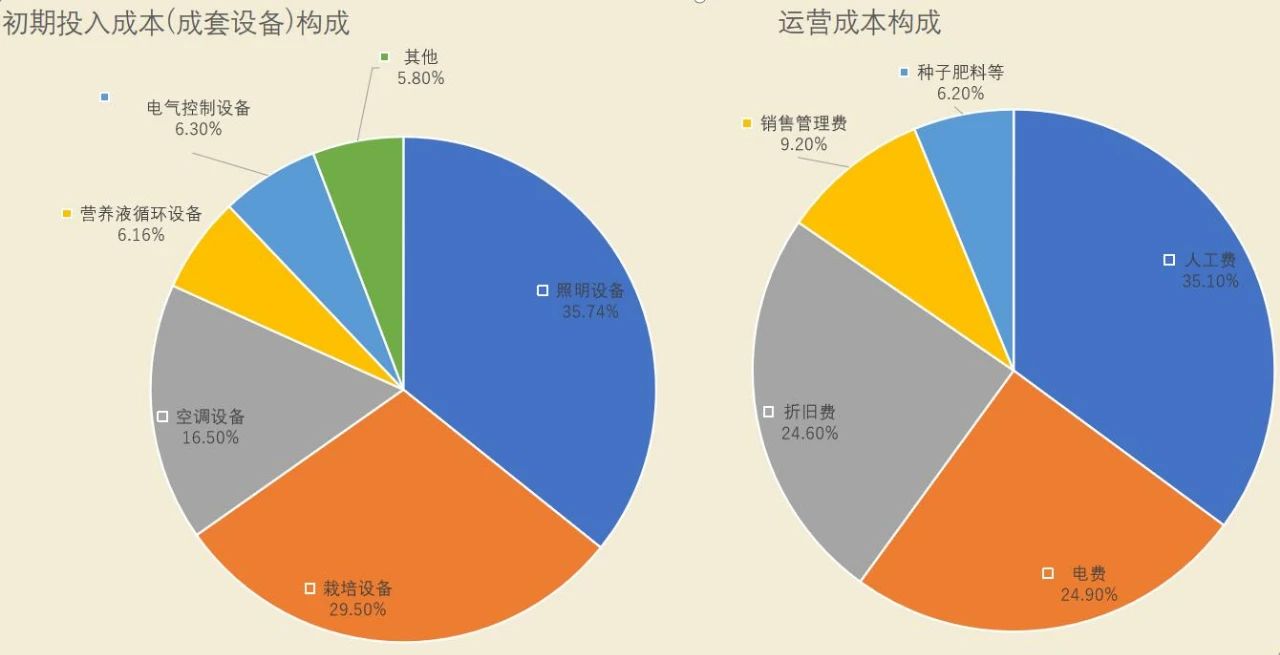
Finally, Bai Baosuo outlined the approximate proportions of the cost structure for industry practitioners' reference.