
"Forum on Dual Carbon Goals and Green Smart City Development" Successfully Held
The pace of implementing the "Dual Carbon" strategic goals (China aims to peak carbon dioxide emissions before 2030 and strive to achieve carbon neutrality before 2060) across various regions has been gradually accelerating. Against the backdrop of "Dual Carbon" and "Digital China," the synergy of "greenization," "digitalization," and "intelligentization" has become the main theme of the 14th Five-Year Plan Outline and a key driver for achieving "carbon neutrality."
In this context, on the afternoon of October 22, the first day of the 2021 World Internet of Things Expo, the "Forum on Dual Carbon Goals and Green Smart City Development" was successfully held in Wuxi, Jiangsu, known as the Capital of IoT and a prosperous region in Jiangnan.
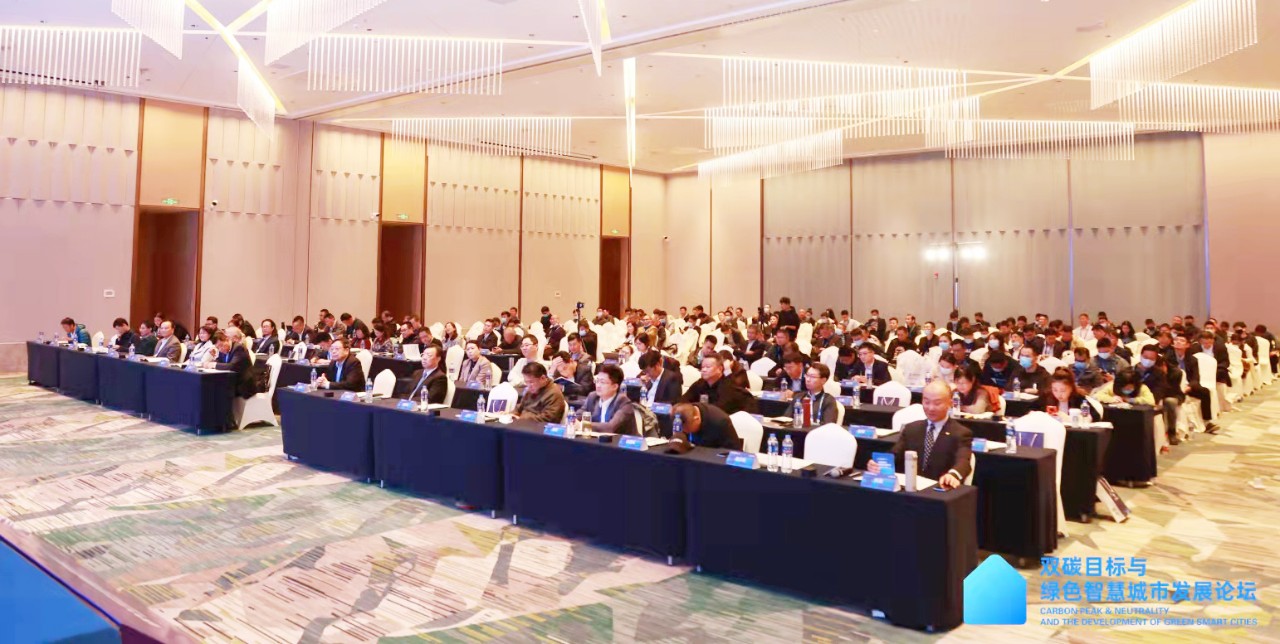
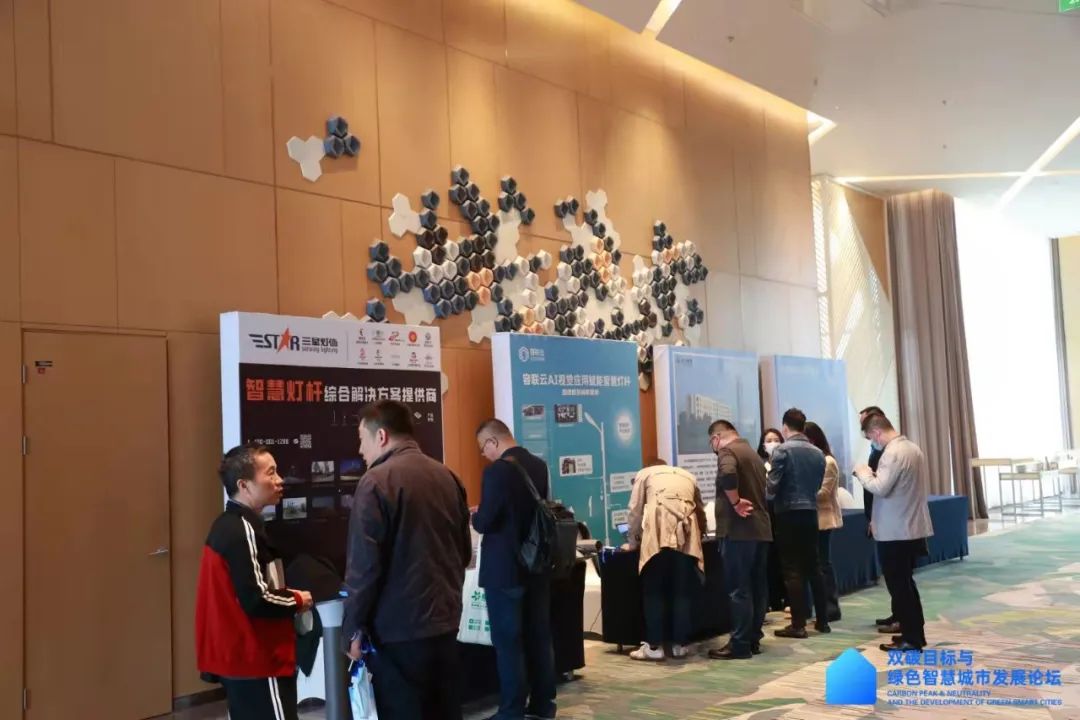
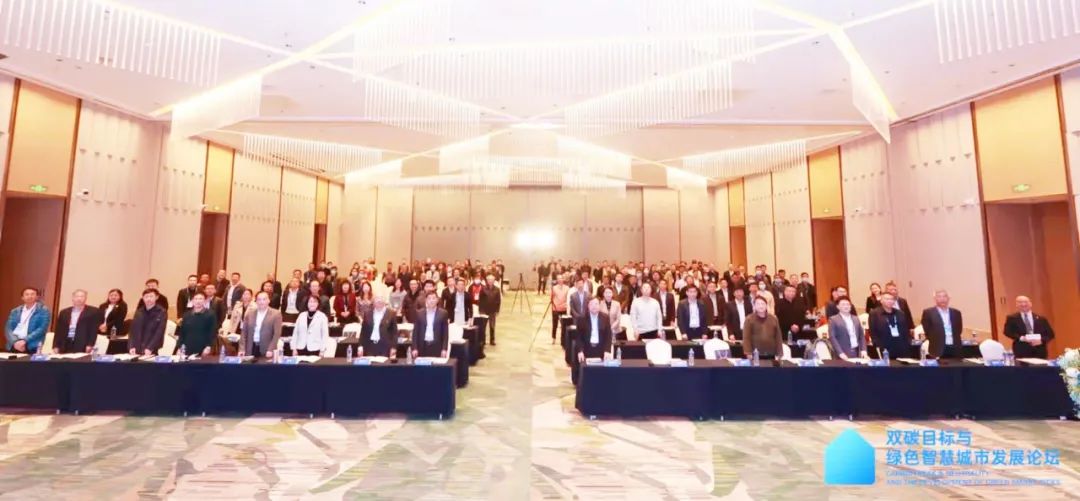
Cities are the largest application scenario for achieving the "Dual Carbon" goals, and smart city construction has become a powerful lever for the comprehensive implementation of the "Dual Carbon" strategy. The digital transformation of cities helps achieve energy saving and emission reduction in various scenarios. This Forum covered multiple perspectives, including Dual Carbon goals, energy saving and emission reduction, green energy, smart cities, smart poles, and their IoT applications. Approximately 300 attendees, including academicians of the Chinese Academy of Sciences and Eurasian Academy of Sciences, leaders from the National Energy Conservation Center, heads of local lighting associations and societies, industry experts, and executives from IoT, lighting, and energy enterprises, gathered to participate in this grand event. Together, they explored new opportunities and implementation paths for industry development under the "Dual Carbon" and "Green Smart City" strategies, aiming to establish a new win-win model for urban development.
Academician Jin Yaqiu of the Chinese Academy of Sciences, Ding Xuchu, Vice Chairman and Party Leadership Group Member of the Wuxi Municipal Committee of the Chinese People's Political Consultative Conference, Li Xing, leader of the National Energy Conservation Center, Xu Guozhong, Assistant General Manager of CEC Panda Group, Gao Hong, Director of the Energy Conservation Management Division of the National Energy Conservation Center, Chen Yansheng, Chairman of the Eighth Council of the China Association of Lighting Industry (CALI), Guo Ruiqian, Director of the Industry-University-Research Cooperation Division of the Science and Technology Research Institute of Fudan University, Wang Junyi, Chairman of Nanjing CEC Panda Lighting Co., Ltd., key leaders from local lighting associations and societies, Jiangsu Province urban lighting management units, and the Jiangsu Province Lighting Professional Committee, as well as distinguished guests including experts and scholars from various enterprises and universities attended. The forum also received strong support from Hongli Lighting Group Co., Ltd., Beijing Ronglian Yitong Information Technology Co., Ltd., and Zhongzhicheng (Shanghai) Intelligent Technology Co., Ltd. Special thanks are extended to Zhang Yi, Secretary-General of the Urban Lighting Professional Committee of the Jiangsu Provincial Municipal Engineering Association, and You Zeyong, President of the Gaoyou City Luminaire Association, for their support of this forum.
This forum was guided by the National Energy Conservation Center and the Wuxi Municipal People's Government, hosted by CEC Panda Group, and organized by China Light Network. Yu Yanqiu, Chairman of the Jiangsu Provincial Lighting Electrical Association, and Hong Bing, Editor-in-Chief of China Light Network, served as moderators.
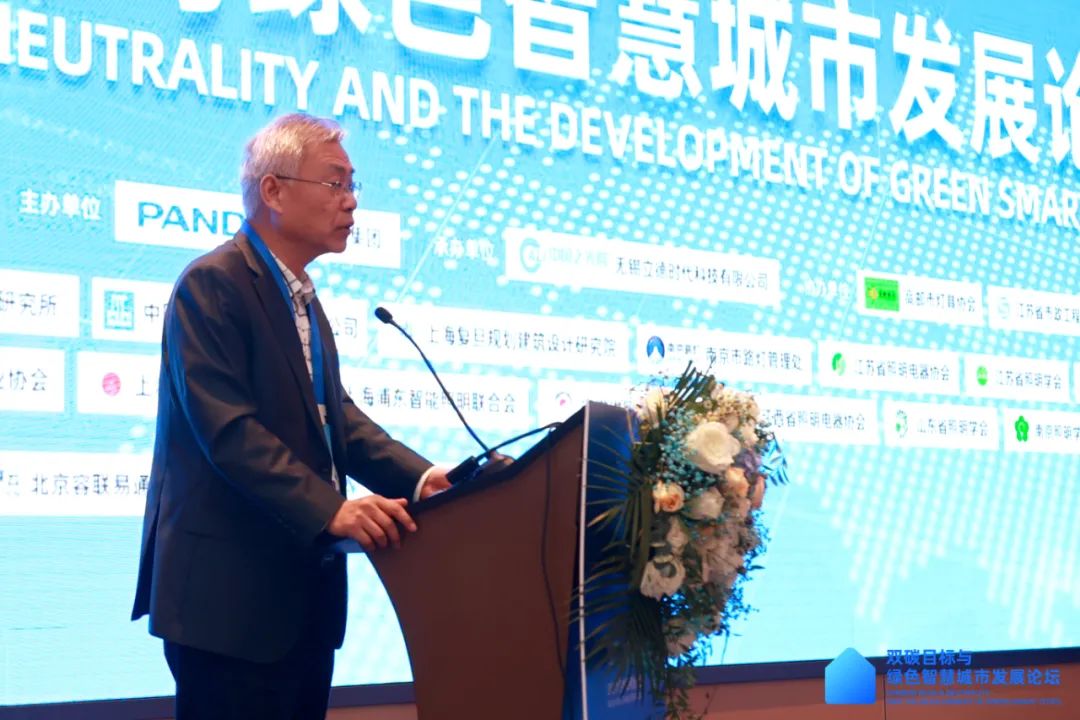
Yu Yanqiu, Chairman of the Jiangsu Lighting Electrical Appliances Association
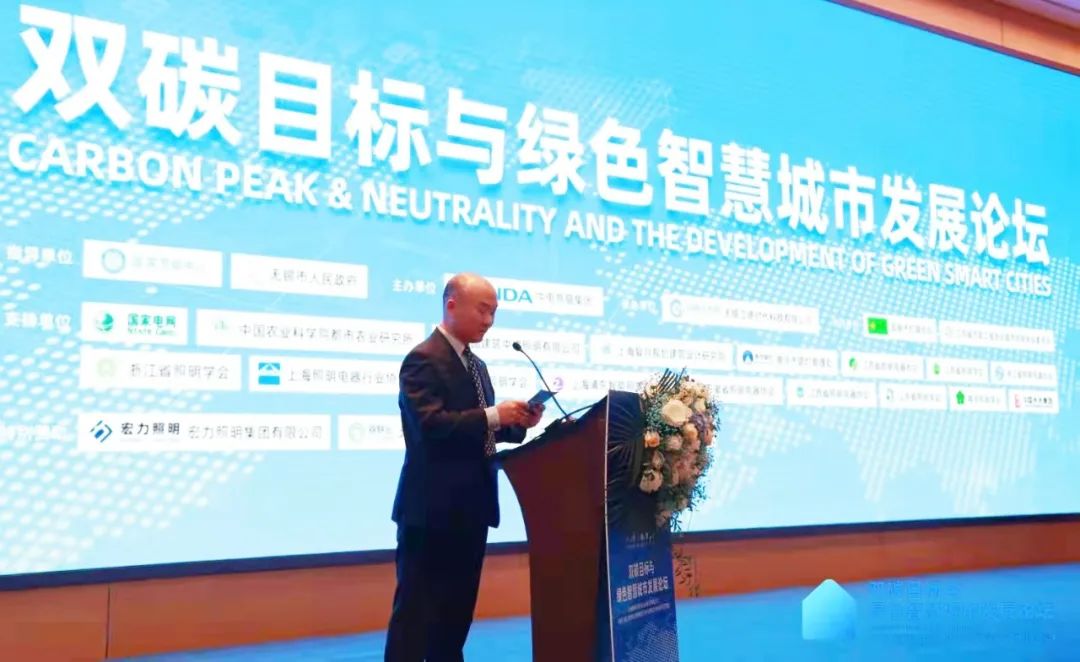
Hong Bing, Editor-in-Chief of China Light Network
Address
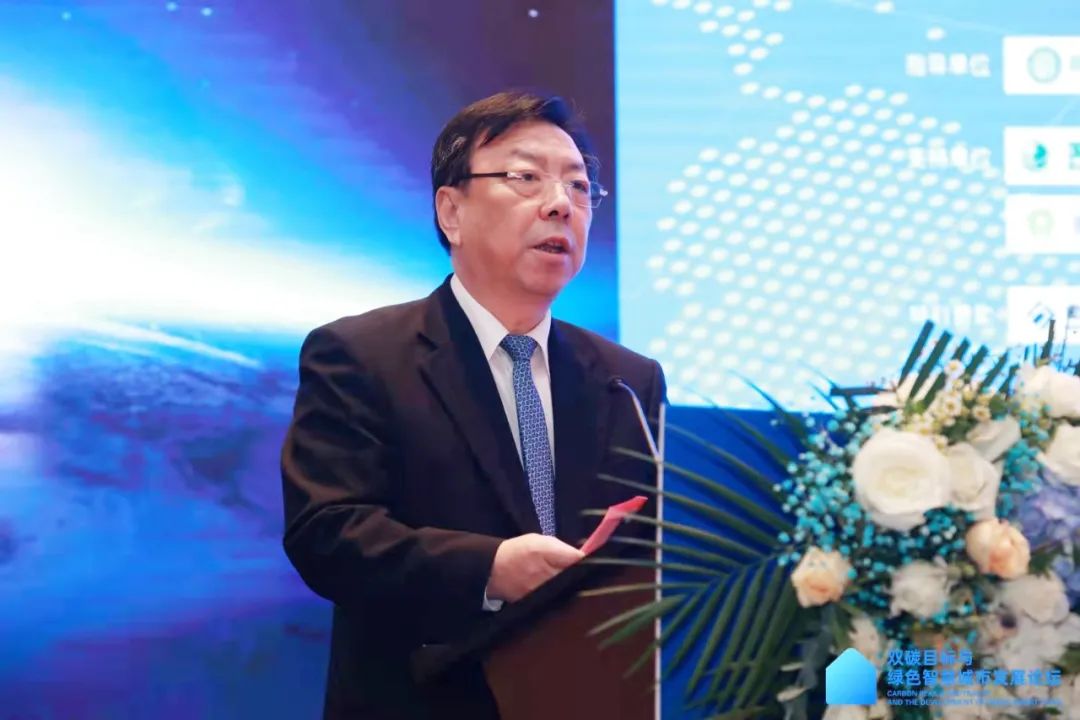
Ding Xuchu, Vice Chairman of the Wuxi Municipal Committee of the Chinese People's Political Consultative Conference and Member of its Party Leadership Group
Ding Xuchu, Vice Chairman of the Wuxi Municipal Committee of the Chinese People's Political Consultative Conference and member of its Party Leadership Group, delivered a speech at the Forum. He stated that in March 2020, Wuxi took the lead among cities nationwide by proposing the work objective of building a "Zero-Carbon City"; in 2021, the "National Zero-Carbon Development Demonstration City (Preparatory)" was officially unveiled. Wuxi has consistently insisted on exploring smart city construction as the best lever for the comprehensive rollout of "carbon neutrality," building a low-carbon city oriented toward innovation-driven development and green zero-carbon goals. At present, Wuxi’s new-type smart city construction has achieved phased results. In the future, Wuxi will accelerate the creation of the "Wuxi Model" and "Wuxi Template" for carbon peaking, and plans to introduce more than 1,000 technology enterprises in the zero-carbon field by the end of 2025, cultivate 20 comprehensive service platforms for energy custody and carbon asset management, and add over 10,000 employees to the zero-carbon Industry. He pointed out that governments, enterprises, and individuals—every stakeholder in a smart city—are not only promoters of carbon neutrality but also beneficiaries. New-type smart city construction is a complex systematic project involving all aspects of urban development, requiring joint efforts from all parties. Therefore, he hoped that this Forum would facilitate full exchange and sharing, including experience in the development and application of related new products and new technologies such as smart light poles, further strengthen cooperation to leverage advantages, achieve shared benefits and win-win outcomes, and jointly advance China’s carbon peaking and carbon neutrality as well as the development of green smart cities to a new level.
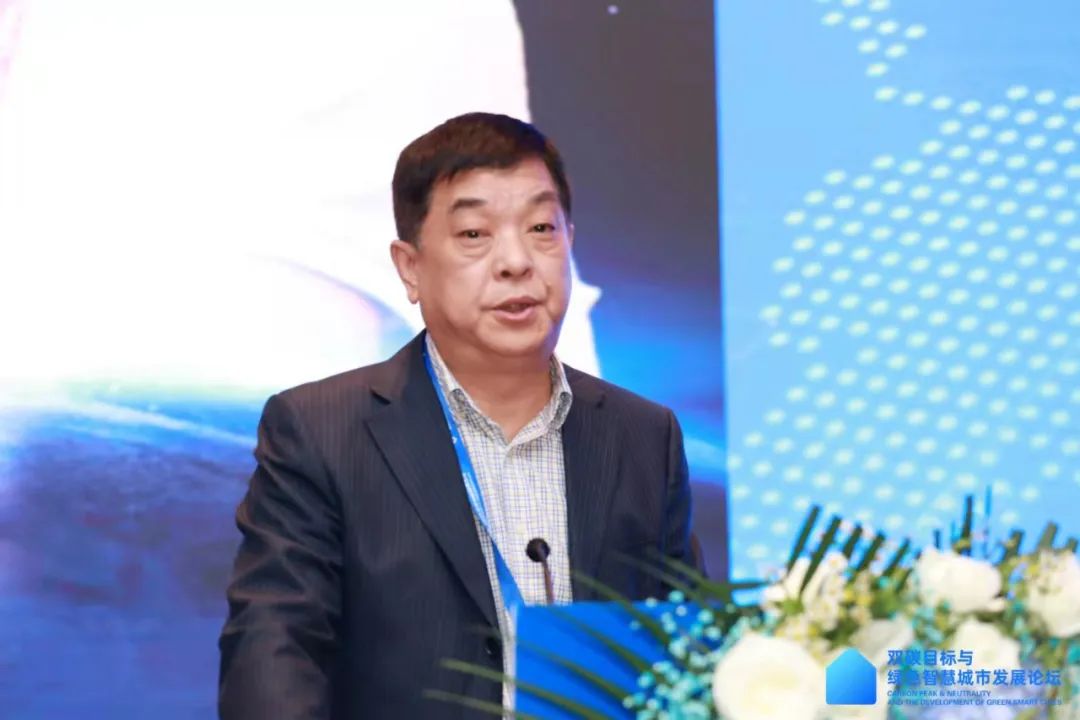
Li Xing, Leader of the National Energy Conservation Center
Li Xing, leader of the National Energy Conservation Center, pointed out in his speech that the "14th Five-Year Plan" period is a critical window for achieving carbon peaking. It requires all departments and industries to unite, take active action, and strive to win this tough battle. Promoting smart city construction is a powerful way to comprehensively advance the "Dual Carbon" strategy. As the national "Dual Carbon" strategy is further implemented, traditional smart city models centered on intelligent devices or standardized process control centered on the "City Brain" are clearly no longer applicable. Smart city construction has entered a new stage of green and low-carbon development. The key to building green smart cities is to promote multi-energy complementarity, integration and utilization of energy data, and achieve the green transformation of urban energy. He also stated that promoting high-quality development in the new era and comprehensively building a modern socialist country urgently require further strengthening of standardization work. To this end, it is necessary to establish and improve standards related to carbon peaking and carbon neutrality, implement standardization improvement projects under the goals of carbon peaking and carbon neutrality, accelerate the update and upgrade of energy saving standards, and promptly revise a batch of mandatory national standards on energy consumption limits and product equipment energy efficiency, raising energy consumption limit requirements for key products.
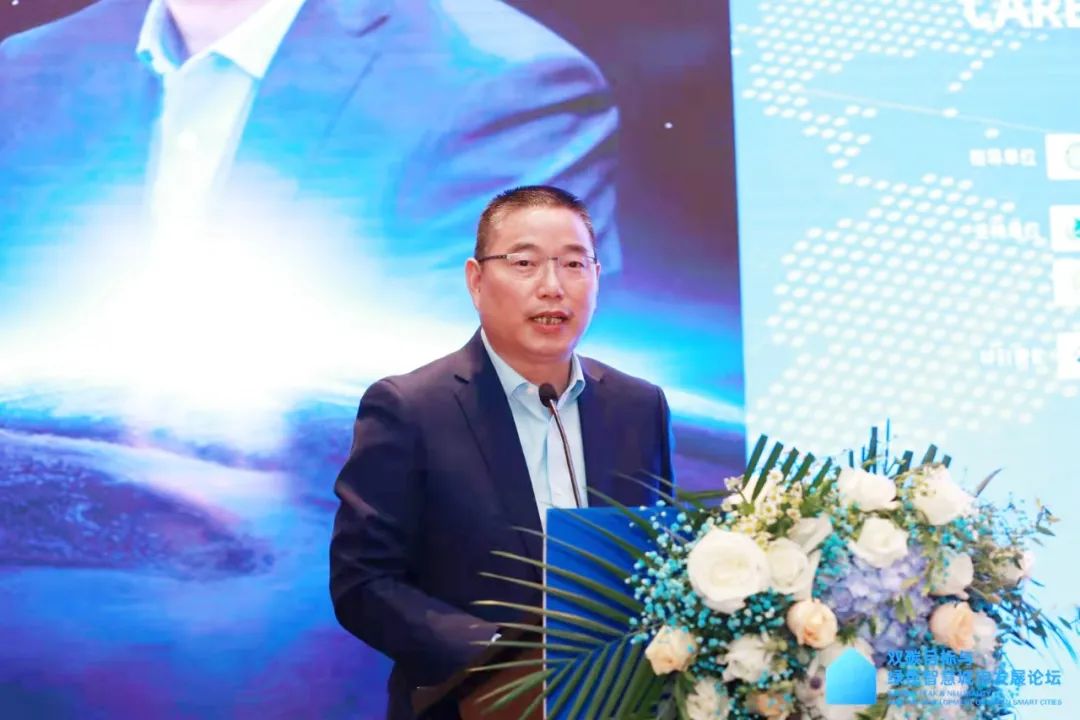
Xu Guozhong, Assistant to the General Manager of CEC Panda Group
Xu Guozhong, Assistant General Manager of China Electronics Panda Group, extended a warm welcome to all guests and friends, both new and old, attending the Forum. He pointed out that the CPC Central Committee has proposed building a Digital China and a Beautiful China, and has made the solemn commitment to the world to "peak carbon emissions before 2030 and achieve carbon neutrality before 2060." This is not only an urgent requirement for China to actively respond to major changes unseen in a century and accelerate sustainable development, but also demonstrates the responsibility of a major country in building a community with a shared future for mankind and achieving harmonious coexistence between humanity and nature. Furthermore, it provides direction and guidance for implementing the concept of green development and promoting the growth of the smart city Industry. As the "cradle" of China's electronics Industry, China Electronics Panda Group has always kept national priorities in mind. In the face of the accelerating evolution of a new round of global Industrial transformation and technological revolution, the Group strives to promote digital transformation of the Industry, deeply cultivating and laying out strategies in the fields of smart cities and intelligent manufacturing. Through rich practices, it profoundly interprets the responsibility and commitment of central state-owned enterprises in implementing the new development philosophy and constructing a new development pattern, making positive contributions to accelerating the construction of a cyber power, Digital China, and a smart society.
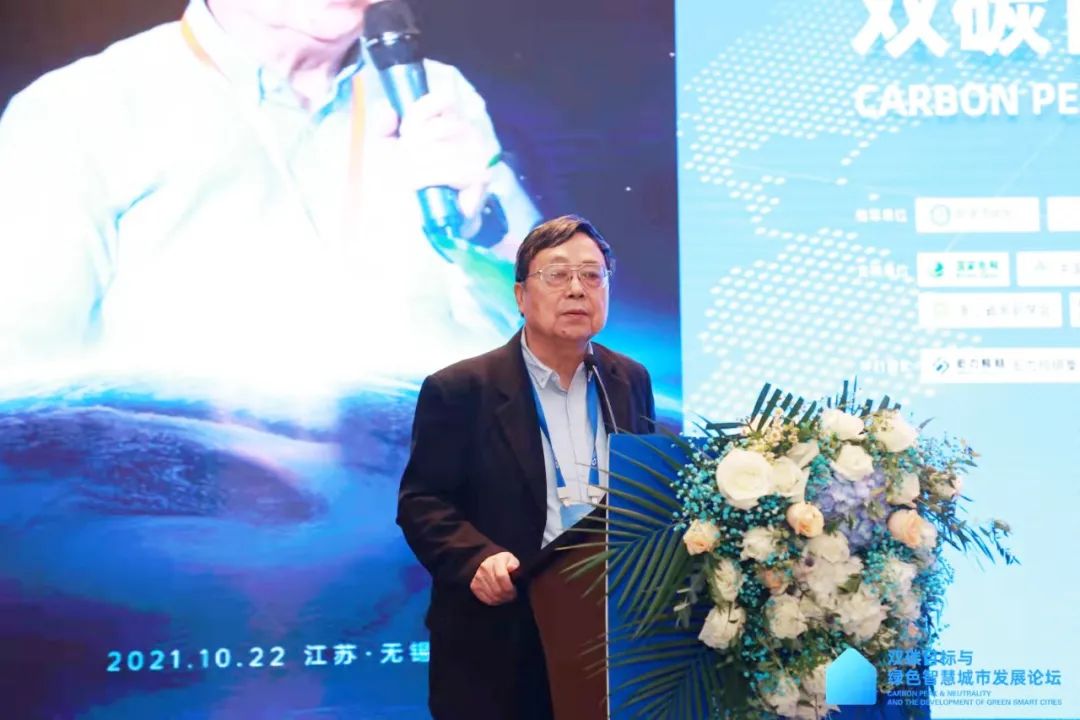
Academician of the Chinese Academy of Sciences, Jin Yaqiu
Academician Jin Yaqiu of the Chinese Academy of Sciences expressed his pleasure at returning to the World Internet of Things Expo to participate in the "Forum on Dual Carbon Goals and Green Smart City Development". In September 2020, national leaders made important commitments at the United Nations General Assembly regarding China's response to carbon emissions and global climate change, proposing the dual carbon goals, which were incorporated into the "Government Work Report". 2021 marks the starting year for this goal, a task that will inevitably pose significant challenges to government departments, various industries, the scientific and technological community, and higher education institutions. He pointed out that against the backdrop of dual carbon goals and green smart cities, smart lighting, smart security, smart transportation, smart municipal services, and smart industrial parks will all have new missions. Experts from the Wuxi Municipal Committee of the Chinese People's Political Consultative Conference, the National Energy Conservation Center, various industries, and enterprises gathered here to discuss how to respond to the new situation and help achieve the goals, which is highly meaningful. The School of Information Science and Engineering at Fudan University has been committed to promoting green smart city initiatives for many years. By leveraging its interdisciplinary advantages, building research teams, strengthening cooperation with the industry, and focusing on the coordinated development of industry, academia, and research, it hopes to contribute together with colleagues to achieving the grand plan of dual carbon goals.
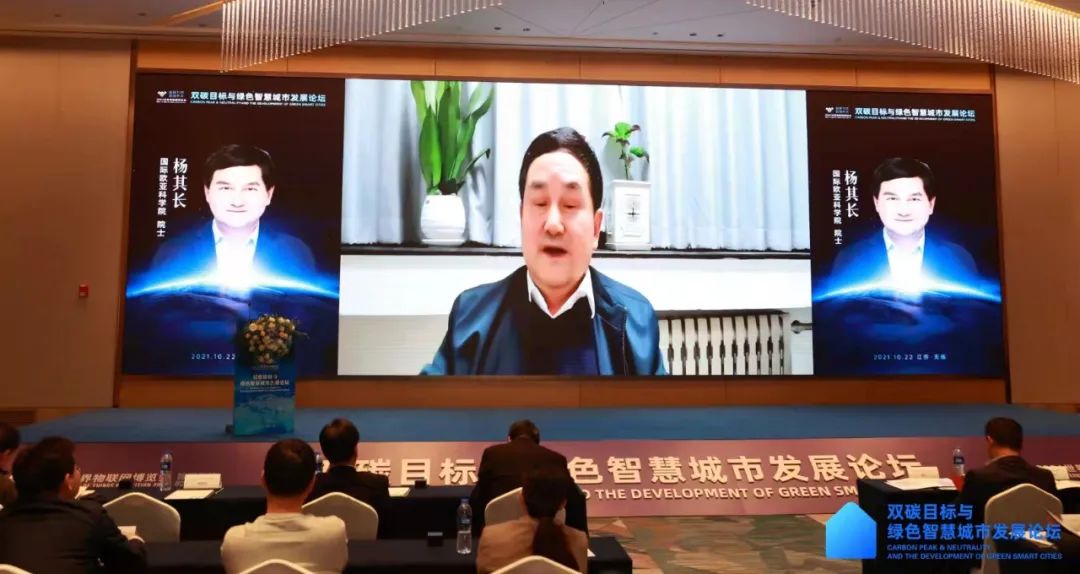
Academician of the International Eurasian Academy of Sciences, Yang Qichang
In his address, Academician Yang Qichang of the International Eurasian Academy of Sciences stated that, according to conservative estimates by the Food and Agriculture Organization of the United Nations (FAO), the global population will exceed 9 billion by 2050, requiring at least a 70% increase in food production to feed everyone. It is foreseeable that reducing carbon emissions in the agricultural sector will be one of the greatest challenges facing the world in the coming decades. Agricultural production is closely linked to climate change and greenhouse gas emissions. Since the 1990s, global agricultural carbon emissions have continued to rise. Achieving comprehensive decarbonization in agriculture requires profound adjustments and transformations, necessitating a series of holistic solutions rather than single, one-sided approaches. Nearly all areas of modern agricultural production are closely related to semiconductor / solid-state lighting (SSL). Typical application areas include vertical plant factories, greenhouse supplemental lighting, edible mushroom production, livestock and poultry farming, microalgae cultivation, pest control via light traps, aquaculture, and marine fishing, among others. Lighting is also one of the major energy consumers in agricultural production. Replacing traditional lighting sources with LED can significantly reduce energy consumption in these agricultural activities, delivering remarkable energy saving and emission reduction results.
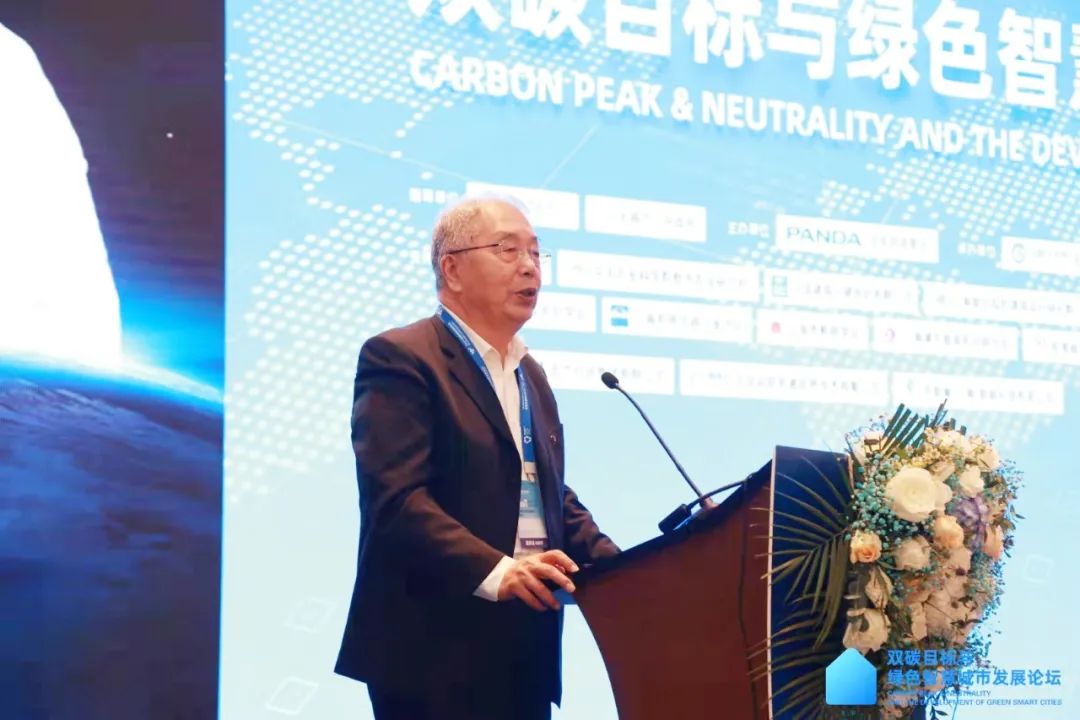
Chen Yansheng, Chairman of the 8th Council of the China Association of Lighting Industry (CALI)
In his address, Chen Yansheng, Chairman of the 8th Council of the China Association of Lighting Industry (CALI), stated that lighting is closely related to carbon peaking and carbon neutrality as well as green smart cities. Over the past decade-plus, LED has become the mainstream in the lighting industry due to its high luminous efficacy and other characteristics. The replacement of traditional light sources with LED has made positive contributions to energy saving and carbon reduction. Since lighting products are exported to most countries and regions worldwide, the domestic lighting industry has contributed not only to China but also to global carbon peaking and carbon neutrality efforts. Currently, LED light sources account for about 30% of road lighting, leaving significant room for replacing high-pressure sodium lamps with LED street lights in the future. In landscape lighting, recent National Day power restrictions led many places to suspend National Day light shows and shorten lighting hours for landscape lighting to ensure residential electricity supply. It is foreseeable that there is still room for improvement in energy saving and scientific, rational control of urban nightscape lighting in the future. He further stated that whether it is general lighting, functional lighting, or landscape lighting, all should be scientific and rational, implementing the concepts of carbon peaking, carbon neutrality, and green energy saving in practice. Meanwhile, energy saving can also be achieved through intelligent control systems such as single-light control. Therefore, in smart city construction, smart lighting and smart streetlights will offer substantial energy-saving potential. He hopes the lighting industry will make greater contributions to achieving the dual carbon goals.
Keynote Speech
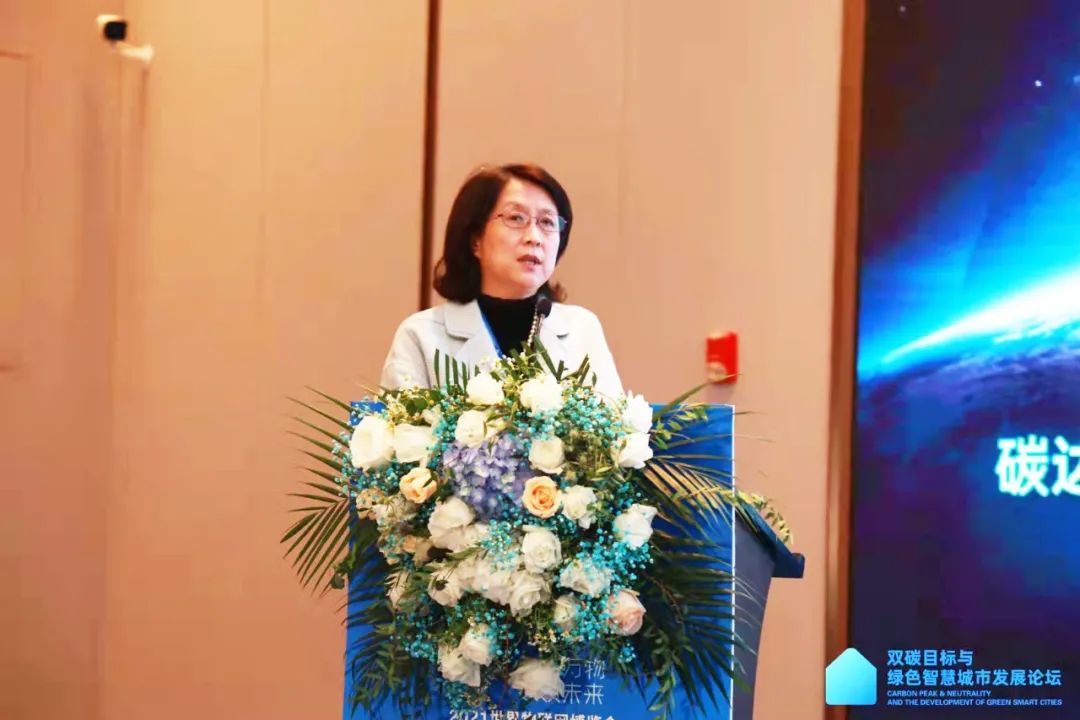
Gao Hong, Director of the Energy Conservation Management Division, National Energy Conservation Center
Gao Hong, Director of the Energy Conservation Management Division at the National Energy Conservation Center, shared insights on carbon peaking and carbon neutrality. Climate change is a common challenge facing human society. The World Meteorological Organization, the United Nations Environment Programme, many countries, and China are all taking concrete climate actions. Achieving carbon peaking and carbon neutrality is a major strategic decision by the CPC Central Committee. However, development tasks remain arduous, with a narrow time window and heavy responsibilities. The energy structure is still coal-dominated, posing significant substitution challenges, while the industry faces coexisting issues of high energy consumption, high emissions, and low [[13. 节能、寿命与评价]]energy efficiency. Key measures to achieve carbon peaking and carbon neutrality include optimizing industrial structure, adjusting energy structure, promoting [[13. 节能、寿命与评价]]energy saving and improving [[13. 节能、寿命与评价]]energy efficiency, developing circular economy, strengthening technological innovation, and enhancing carbon sink capacity. She stated that lighting still holds great potential for energy conservation and carbon reduction. We must prioritize conservation, comprehensively promote energy saving and efficiency enhancement in lighting systems; accelerate the formulation of energy conservation standards for the lighting industry and improve statistical monitoring systems; adhere to innovation-driven development to comprehensively shape new advantages in green development; and accelerate scientific and technological breakthroughs to promote the green, smart, and digital transformation and upgrading of lighting systems.
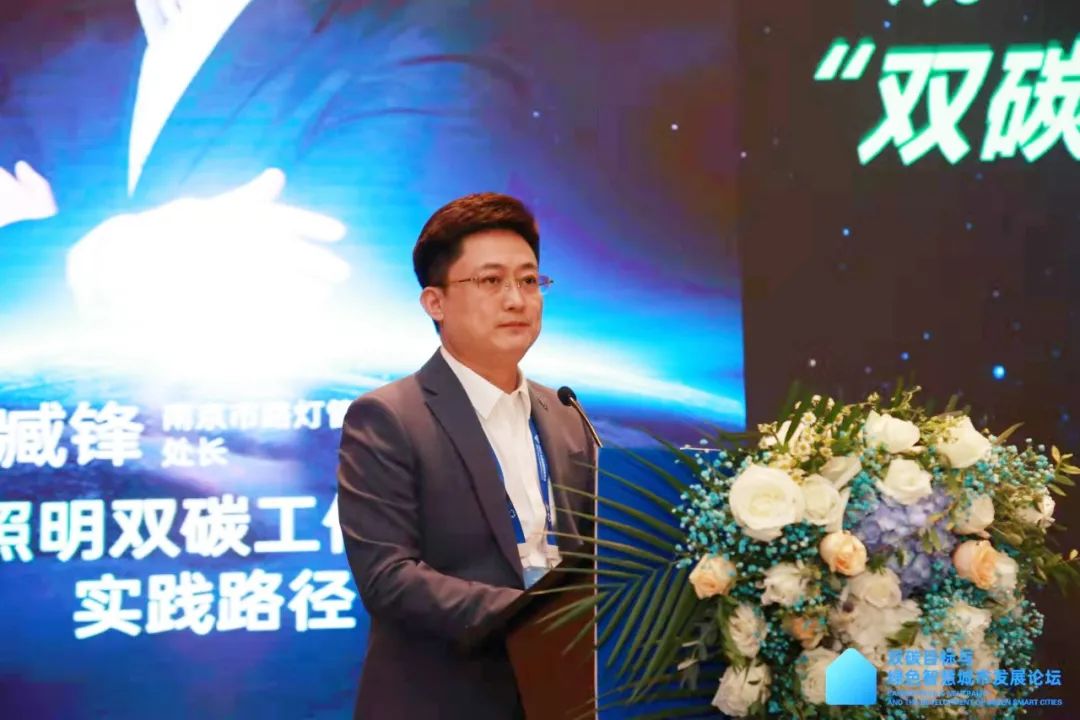
Zang Feng, Director of Nanjing Street Light Management Office
Under the "Dual Carbon" goals, Zang Feng, Director of the Nanjing Street Light Management Office, presented the "Nanjing Cell" urban lighting model, introducing Nanjing's practices in energy saving and carbon reduction for street lights. Nanjing's approach focuses on "material-based energy saving" and "management-based energy saving," employing both measures to support each other and drive the green, smart, and digital transformation of the lighting industry. The former improves "light production" by replacing traditional gas discharge lamps with high-luminous-efficacy LED luminaires through asset renewal. "Management-based energy saving" optimizes "light usage" by leveraging control and information technologies to gradually achieve scene-based dimming and on-demand lighting. Statistics show that in recent years, the average energy consumption of Nanjing's 62,000 energy-saving retrofit facilities decreased by 96 watts, a reduction rate of 38%. Total energy consumption dropped by 6,000 kW from 2017 to 2021, with carbon reductions reaching 21,000 tons, 29,000 tons, and 38,000 tons in the last three years respectively. Last year, the Nanjing Street Light Management Office also launched the "Smart Streetlight Robot" project for refined urban governance, urban security, and traffic management, which was implemented in the Nanjing Youth Olympic Games Demonstration Zone.
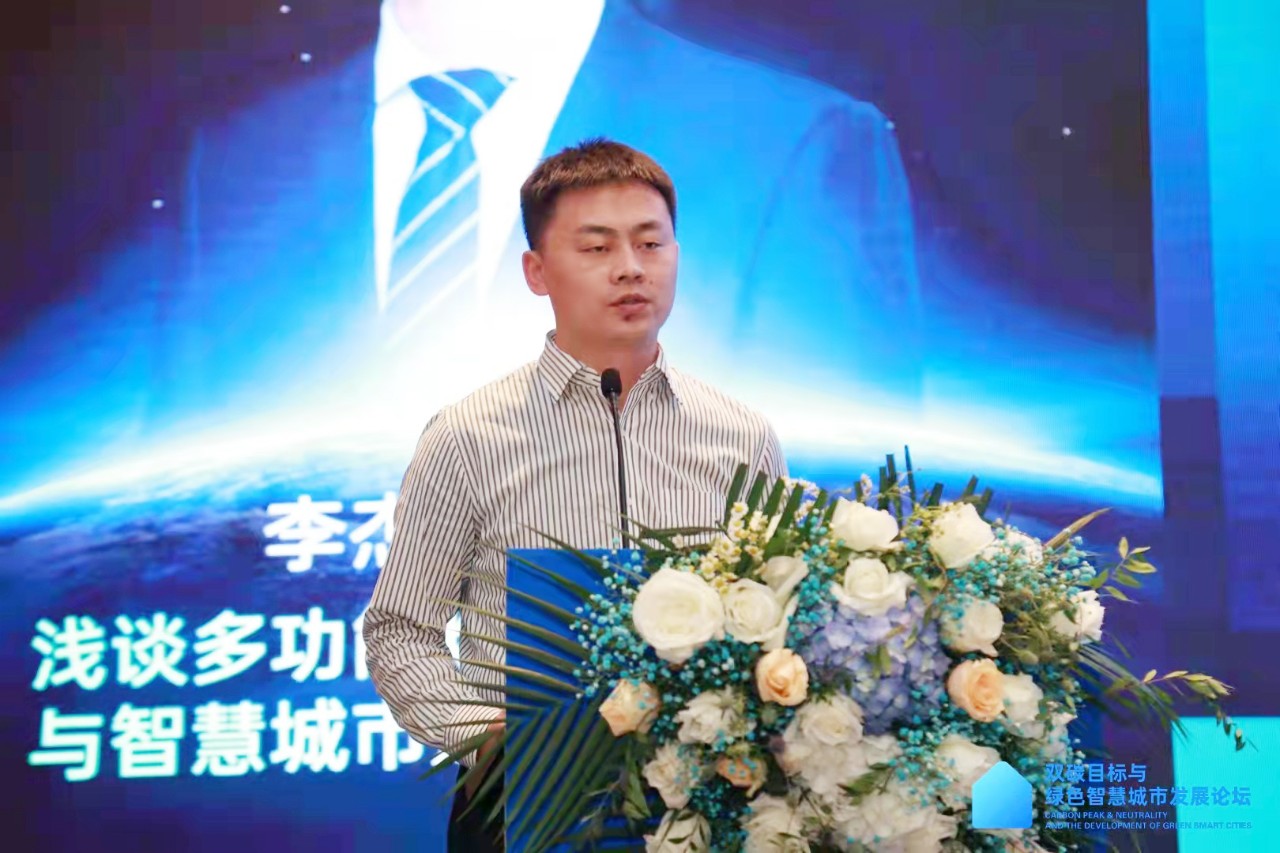
Li Jie, Director of Industry Solutions at Beijing Ronglian Yitong Information Technology Co., Ltd., a member of the Ronglian Cloud Group
Smart light poles connect various IoT devices, covering lighting, security, advertising, and more. They serve multiple urban industry scenarios and can extend functionality to meet diverse city governance needs. Leveraging the widespread distribution of light poles, smart cameras and edge computing boxes provide intelligent support for urban construction and management. Li Jie, Director of Industry Solutions at Beijing Ronglian Yitong Information Technology Co., Ltd. (part of Ronglian Cloud Group), stated that Ronglian is committed to building video IoT and urban sensing infrastructure to empower city governance, with extensive experience in multi-industry scenario implementation. For example, in the Nanjing Southern New City smart light pole project, pole-mounted devices—including smart gateways, cameras, environmental monitoring sensors, broadcast systems, large screens, one-touch alarms, and charging piles—were integrated by Ronglian. All devices are centrally managed via smart gateways, transmitting data wirelessly through NB-IoT cards to the backend for alarm data acquisition. By empowering various urban management scenarios with "light poles + algorithms," non-on-site law enforcement capabilities and refined urban governance levels are effectively enhanced, contributing to a comprehensive sensing system for smart cities and creating a safe, efficient, and environmentally friendly urban environment.
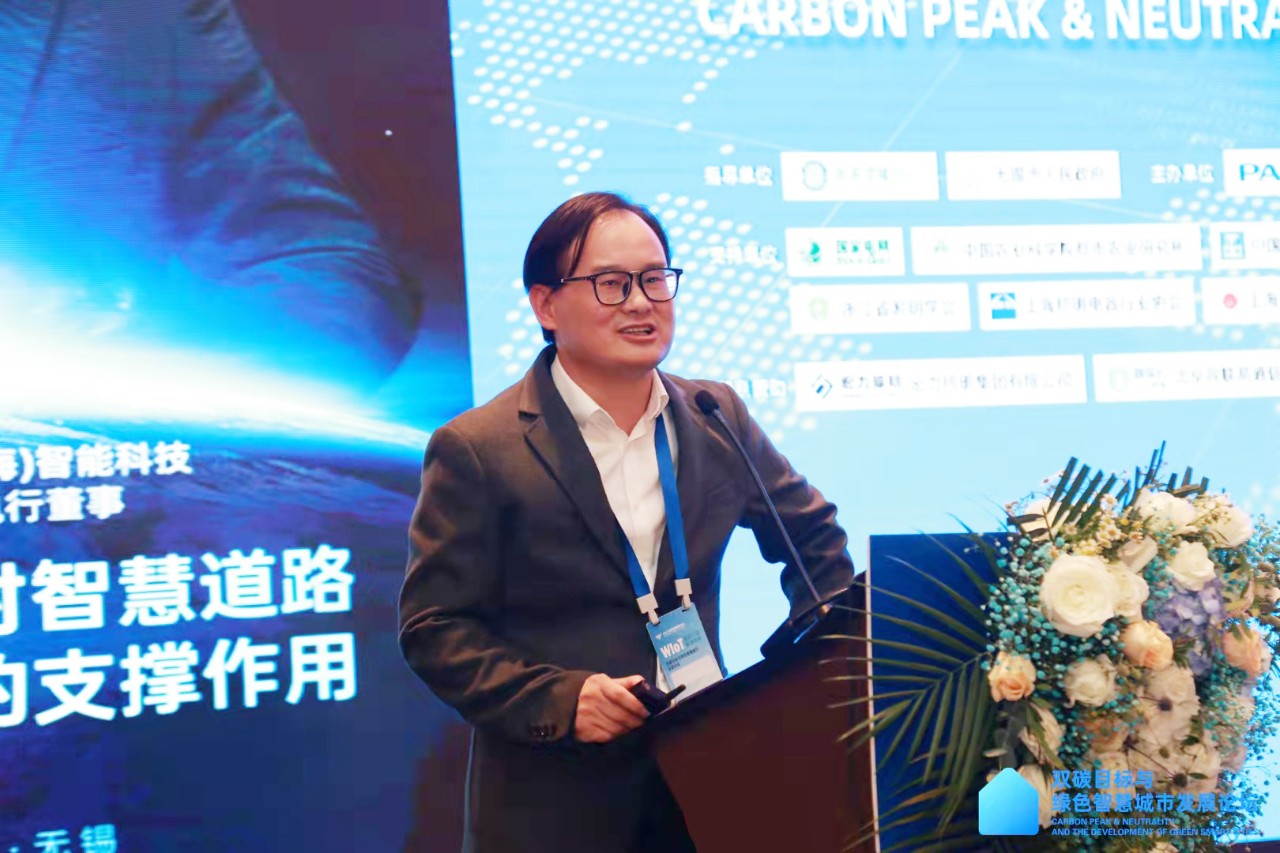
Yang Fangqin, Executive Director of Zhongzhicheng (Shanghai) Intelligent Technology Co., Ltd.
Yang Fangqin, Executive Director of Zhongzhicheng (Shanghai) Intelligent Technology Co., Ltd., provided a multi-perspective introduction covering the classification, development trends, and dimensions for promoting smart multifunctional pole projects. According to incomplete statistics, from 2019 to 2021, various provinces and cities across the country issued over 400 policies and plans related to smart multifunctional poles, integrated poles, and 5G smart towers, indicating strong policy-driven momentum. In terms of project implementation, as of October 2021, nearly 300 smart multifunctional pole projects had been implemented domestically, with Shanghai, Jiangsu, Zhejiang, Guangdong, Sichuan, and other regions having a higher number of landed projects, showing significant regional disparities. In summary, while the market potential for smart pole products and projects is enormous, the key lies in how to promote them. He believes that promoting the smart multifunctional pole business involves three dimensions: smart multifunctional pole products (as a product supplier), smart multifunctional pole engineering (as an engineering contractor), and city-level projects (as a product supplier), and he provided detailed explanations to the audience. Zhongzhicheng has already achieved multiple successful case studies.
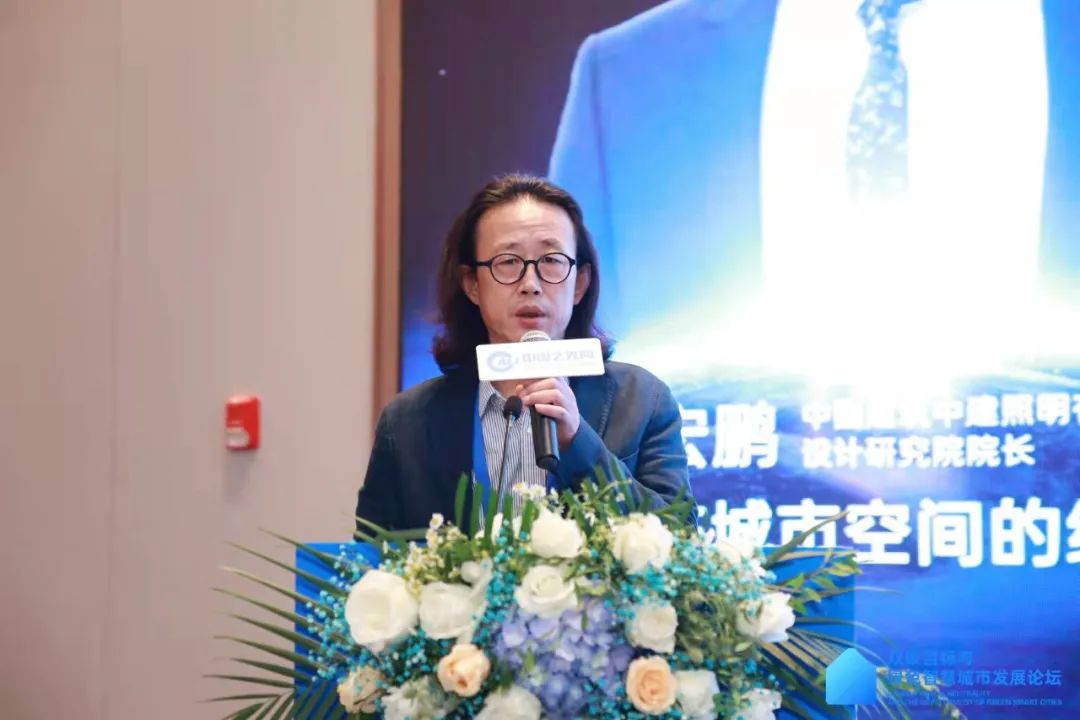
Zhang Hongpeng, Dean of the Design and Research Institute, China Construction Zhongjian Lighting Co., Ltd.
Zhang Hongpeng, Dean of the Design and Research Institute of China Construction Zhongjian Lighting Co., Ltd., introduced the features of smart light poles and issues in their urban development. He believes that future development should focus more on the cloud (cloud platforms) and underground (pipelines). The construction goals for smart light poles include energy saving (customizing dimming strategies by season and time to reduce public lighting energy consumption and build low-carbon, environmentally friendly cities), smart cities (using IoT and big data for visualized management and applications), reducing burden and increasing efficiency (remote light control, equipment status feedback, reducing maintenance labor and resources, improving work efficiency), and convenient public services (providing EV charging, Wi-Fi internet access, information release, and public inquiries). As a provider of smart city lighting solutions, Zhongjian Lighting is gradually launching multi-functional smart pole products and solutions for various industries, such as security, transportation, and energy saving, achieving multi-functional applications and cross-sector integration.
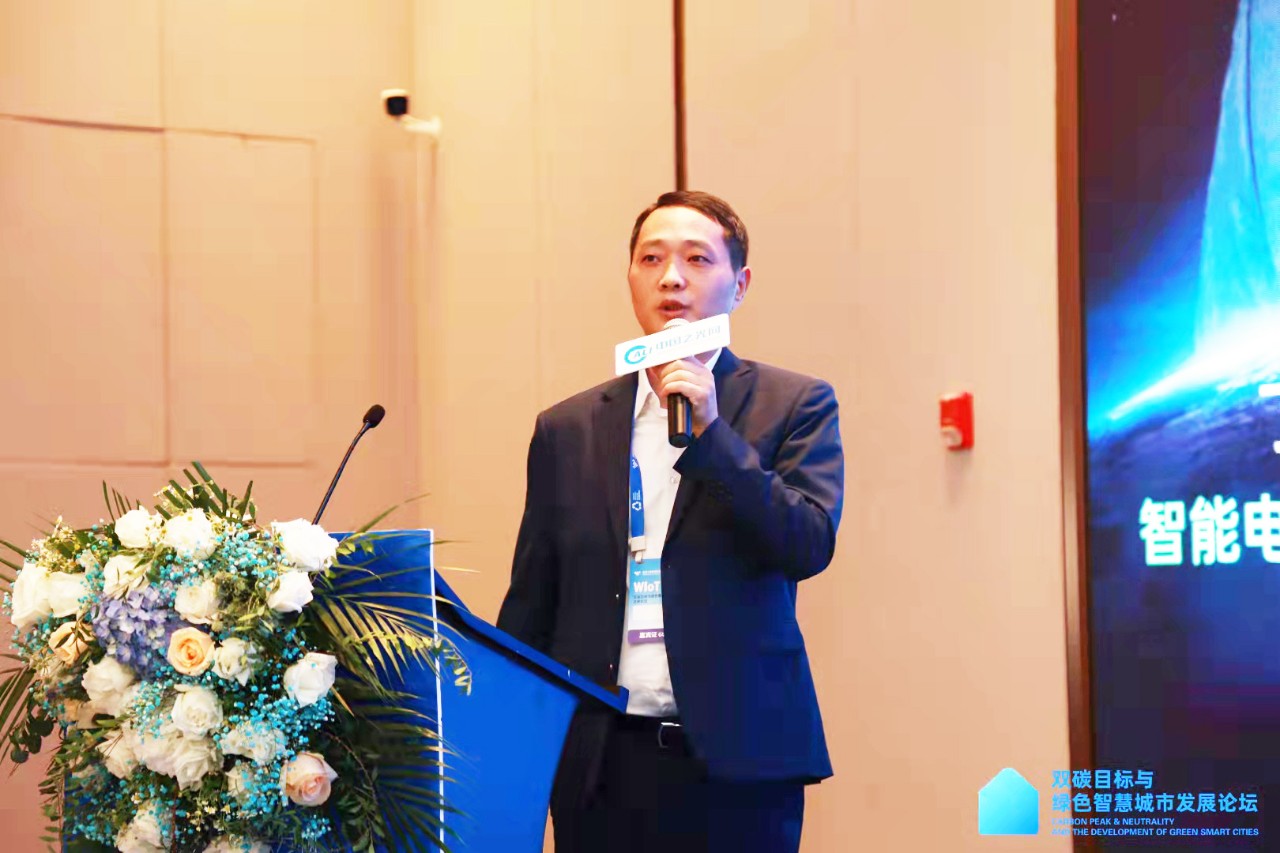
Ding Wei, Vice President of Business at Shenzhen Sungrow Electronics Co., Ltd.
深圳市崧盛电子股份有限公司业务副总丁伟表示,目前,全国多个主要省市都出台了规划或支持政策,加速推动智慧灯杆项目建设实施,但5G智慧灯杆仍存在不少技术痛点,如重灯杆、轻线路,市场上灯杆都基于外观考虑,采用一体化、个性化设计,很少采用标准化灯具,造成灯杆缺乏整体检测和认证,配光和电气安全无法保证,不利于维护和推广;另外电气设计考虑不周,因灯杆功能众多,强电弱电并存,灯杆内部结构设计有限,对电气设计要求较高,而目前市场存在强弱电混仓走线,灯门处接线混乱,以及防护不足等现象,存在严重的安全隐患。作为国内LED中、大功率驱动电源头部品牌,崧盛现有智能电源技术采用了智能可编程技术、多模式调光技术、多色温调节技术和DALI-2,未来在智能电源上还将布局基于DALI-2的D4i技术以及5G智慧灯杆综合供电管理技术。
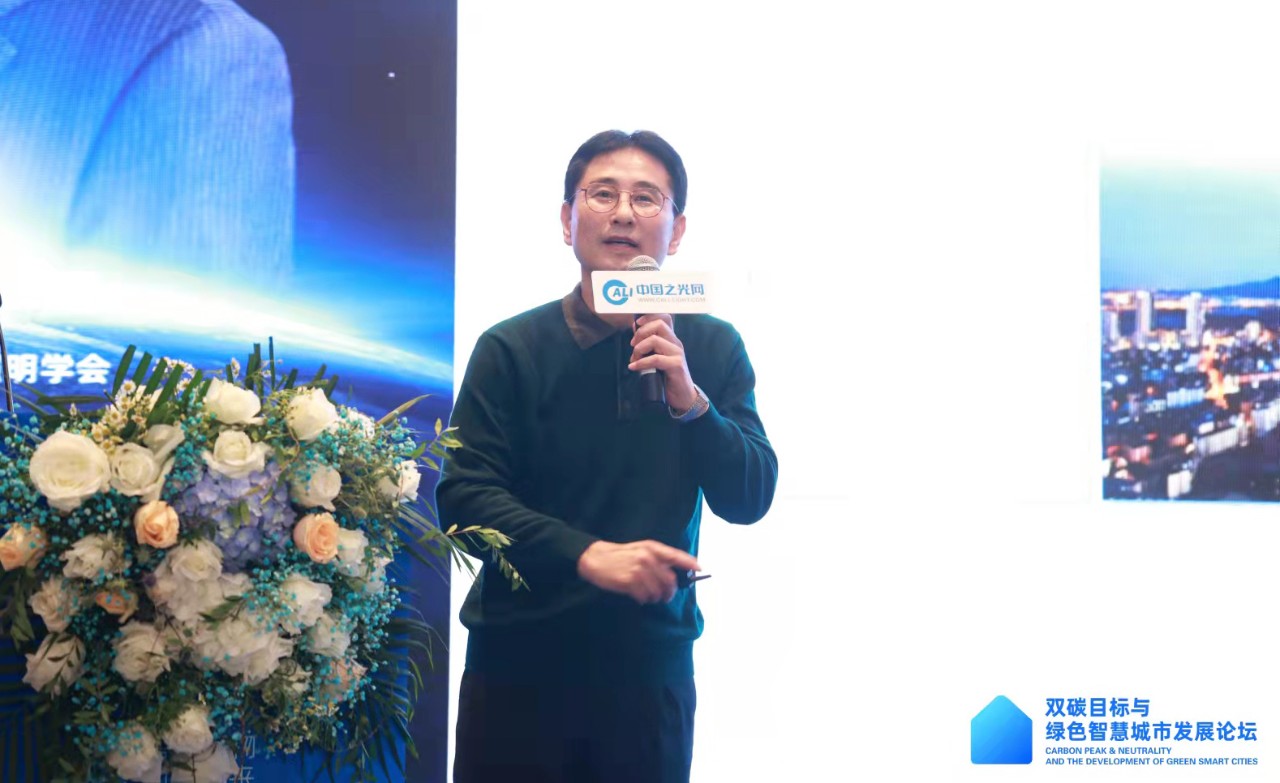
Wang Haibo, Chairman of the Jiangsu Lighting Society
Against the backdrop of carbon peaking and carbon neutrality goals and new energy, local governments and industries are formulating energy saving targets. In his keynote speech "Reflections on the Development of Urban Public Lighting Technology under the 'Dual Carbon' Background," Wang Haibo, Chairman of the Jiangsu Provincial Lighting Society, stated that the lighting industry will certainly align with national strategic requirements: functional lighting will further achieve energy saving and consumption reduction, while landscape lighting should strive to improve people's lives and make a direct contribution to the night tourism economy. With urban development and technological progress, urban lighting in Jiangsu Province has been comprehensively improved. During the 14th Five-Year Plan period, high-quality development will continue, and specific urban lighting targets have been established, covering two major aspects: environmental protection and energy saving, as well as intelligent informatization. These include requiring an urban lighting electricity saving rate of 12%, an annual reduction of 80,000 tons of carbon emissions (carbon dioxide), and a 90% adoption rate of smart light poles (multi-functional poles) for newly built, renovated, and expanded roads. It is reported that all 13 prefecture-level cities in Jiangsu have basically completed the construction of municipal "Urban Lighting Smart Management System" platforms, helping to achieve the "dual carbon" goals.
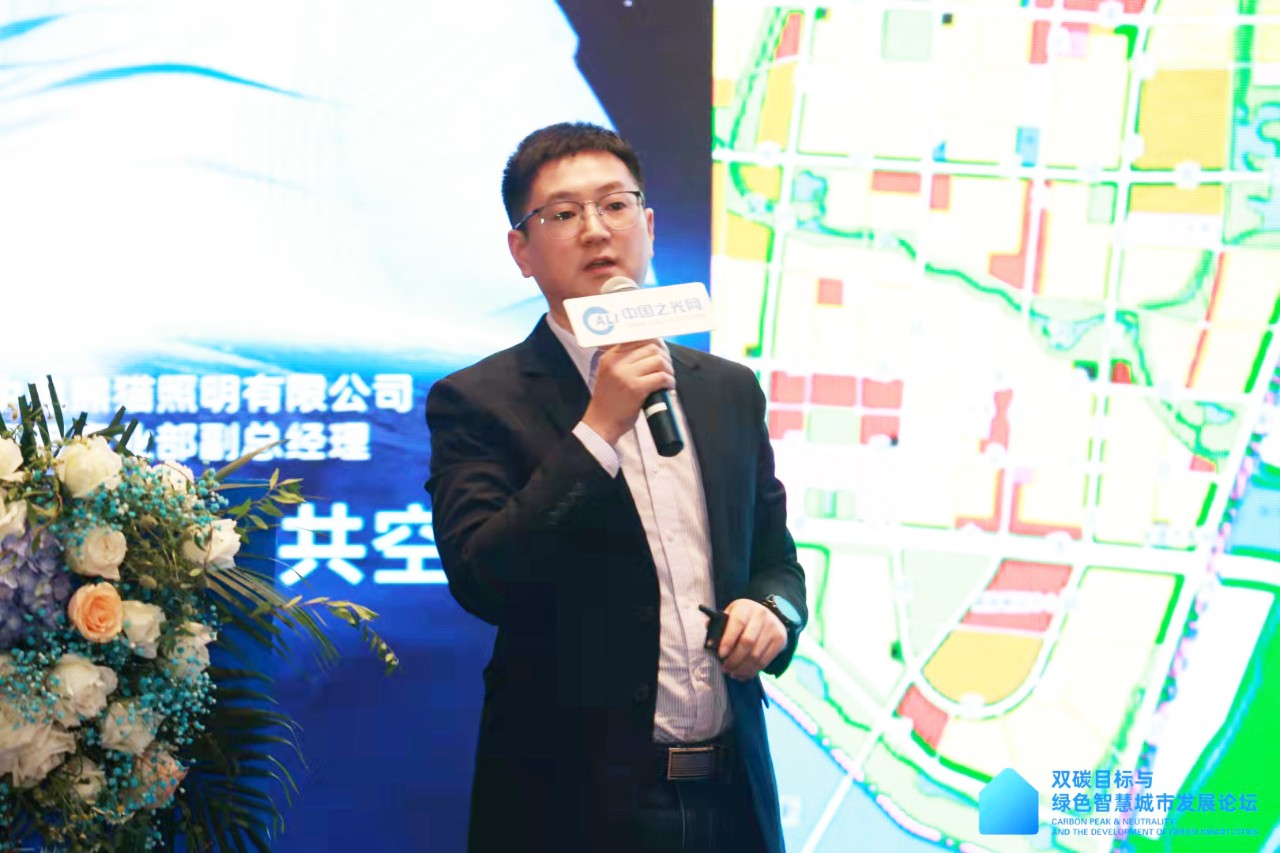
Chen Shixiong, Deputy General Manager of the Smart Lighting Business Division, Nanjing CEC Panda Lighting Co., Ltd.
To support the dual carbon goals, improve lighting effects, and enhance travel safety, Chen Shixiong, Deputy General Manager of the Smart Lighting Division of Nanjing CEC Panda Lighting Co., Ltd., explained the development and application of urban public space lighting technology. He discussed the expression of dual carbon concepts, lighting design implementation methods, and solutions in functional lighting and urban park landscape lighting design. To achieve good energy saving results, attention must be paid to the rationality of luminous efficacy and light distribution. In constructing order in urban park lighting spaces, emphasis should be placed on luminance, color temperature, and lighting techniques to highlight key points with clear hierarchy. In terms of design principles, consideration should be given to the impact of light on environmental trees, reflecting environmental characteristics, restoring architectural aesthetics, highlighting key points, and constructing order. Nanjing CEC Panda Lighting Co., Ltd. is a wholly-owned subsidiary of China Electronics Panda Group (Fortune Global 500). It is a comprehensive large-scale state-owned professional enterprise integrating lighting product design, development, manufacturing, sales, construction, and service. In the future, the company will adhere to the mission of "developing green lighting, promoting environmental protection, improving living conditions, enhancing quality of life, and providing worry-free service." It will continue to serve owners with perfect product quality, perfect lighting design, and excellent construction quality, beautifying cities, brightening environments, and benefiting humanity.
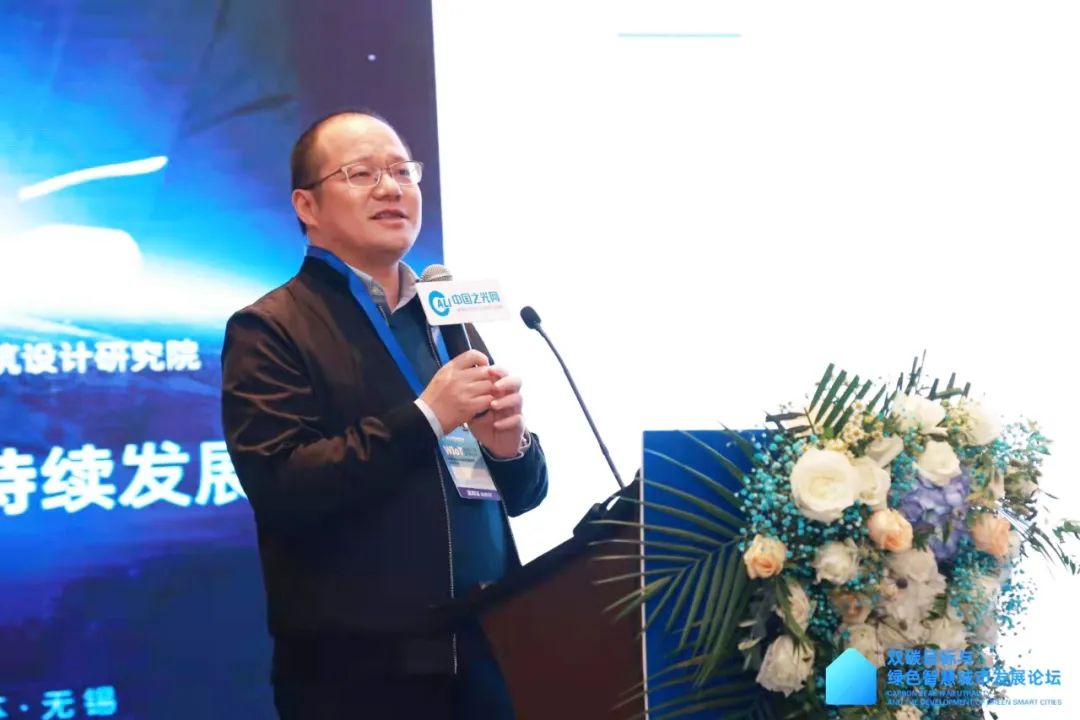
Yuan Qiao, Deputy Chief Engineer and Director of the Lighting Institute at Shanghai Fudan Planning & Architectural Design Research Institute
Yuan Qiao, Deputy Chief Engineer and Director of the Lighting Institute at Shanghai Fudan Planning & Architectural Design Research Institute, first shared international energy-saving and low-carbon technologies and renovation achievements for buildings. For instance, the concept of the Beddington "Zero Energy Development" community in the UK is to build an energy-saving and environmentally friendly harmonious community without sacrificing the comfort of modern life. Its "zero energy" status benefits from two key features: first, buildings designed according to energy-saving principles; second, the community's energy consumption is sourced from internal renewable energy. He believes that the sustainable development of urban lighting must still highlight the essential requirements of urban lighting: functional lighting—requirements for illuminance, luminance, uniformity, glare, etc., and energy-saving requirements; landscape lighting—reasonable setting of standards, design processes, usage modes, and energy saving. He proposed that under the background of dual carbon emission reduction, the requirements for green lighting are not outdated.
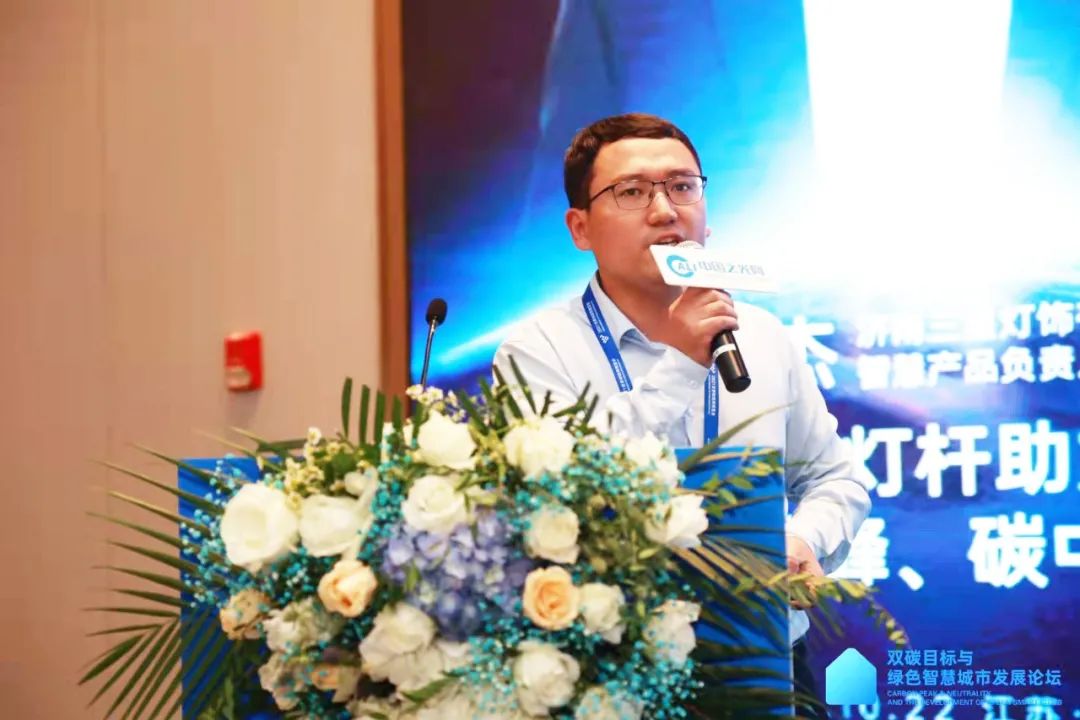
Lu Junjie, Head of Smart Products at Jinan Sanxing Decorative Lighting Co., Ltd.
Lu Junjie, Head of Smart Products at Jinan Sanxing Decorative Lighting Co., Ltd., provided a detailed introduction in his speech to the mounting capabilities, luminaire configurations, and applicable road conditions for multifunctional smart poles/5G integrated poles, as well as practical application projects. For instance, Type A poles mainly mount traffic signals for motor vehicles, with reserved interfaces on the pole body and cantilever arms; Type B poles mainly mount video surveillance, with other facilities mounted as needed. He stated that the average pole reduction rate for multi-pole integration projects in the Shanghai area is 50%. In the future, smart poles may ultimately become a front-end interface for smart city infrastructure construction. Jinan Sanxing Decorative Lighting has achieved numerous successful cases in recent years, fully implementing the functional applications of smart poles while integrating energy saving and emission reduction benefits that protect ecological balance, thereby promoting sustainable urban development.
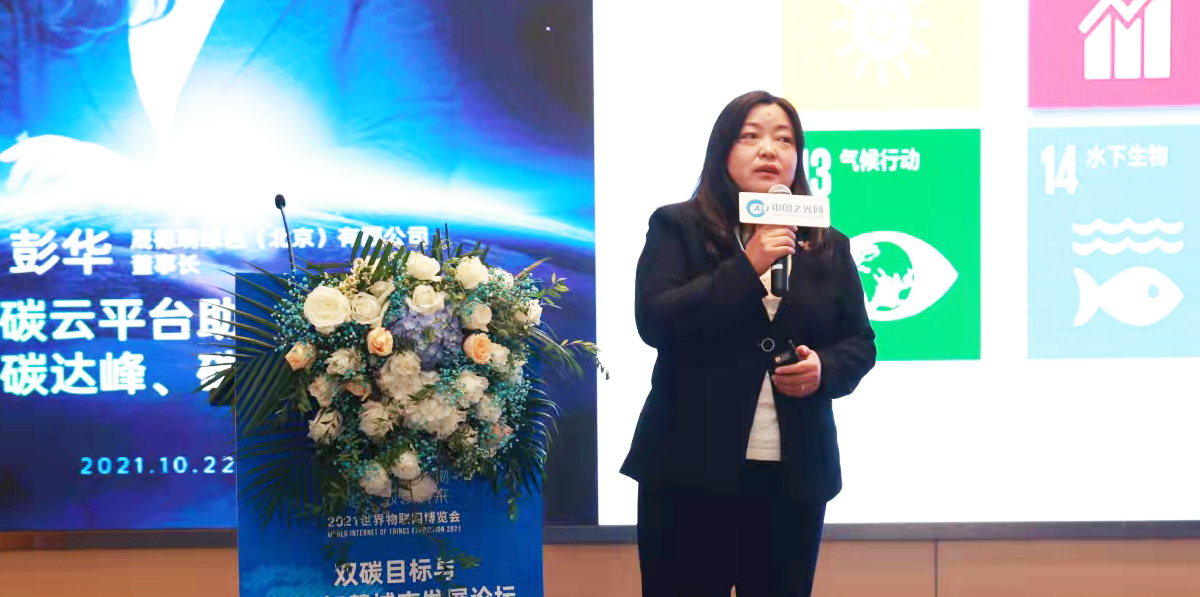
Peng Hua, Chairman of Shengderui Green (Beijing) Co., Ltd.
Peng Hua, Chairman of Shengderui Green (Beijing) Co., Ltd., started from the basic concepts of carbon peak and carbon neutrality to introduce Beijing Bank's implementation of the first carbon emission allowance pledge loan in Beijing. This transaction revitalized corporate carbon assets, broadened enterprises' low-carbon financing channels, and assisted companies in achieving green transformation, which is of great significance. Carbon emission data is the foundation for enterprises to participate in carbon trading and achieve carbon neutrality goals. Establishing a dual-carbon smart cloud management platform can enhance the measurement and tracking capabilities of carbon emission data, provide data support for corporate sustainable development strategic decisions, and also help governments improve regional carbon emission management capabilities and decision-making levels.
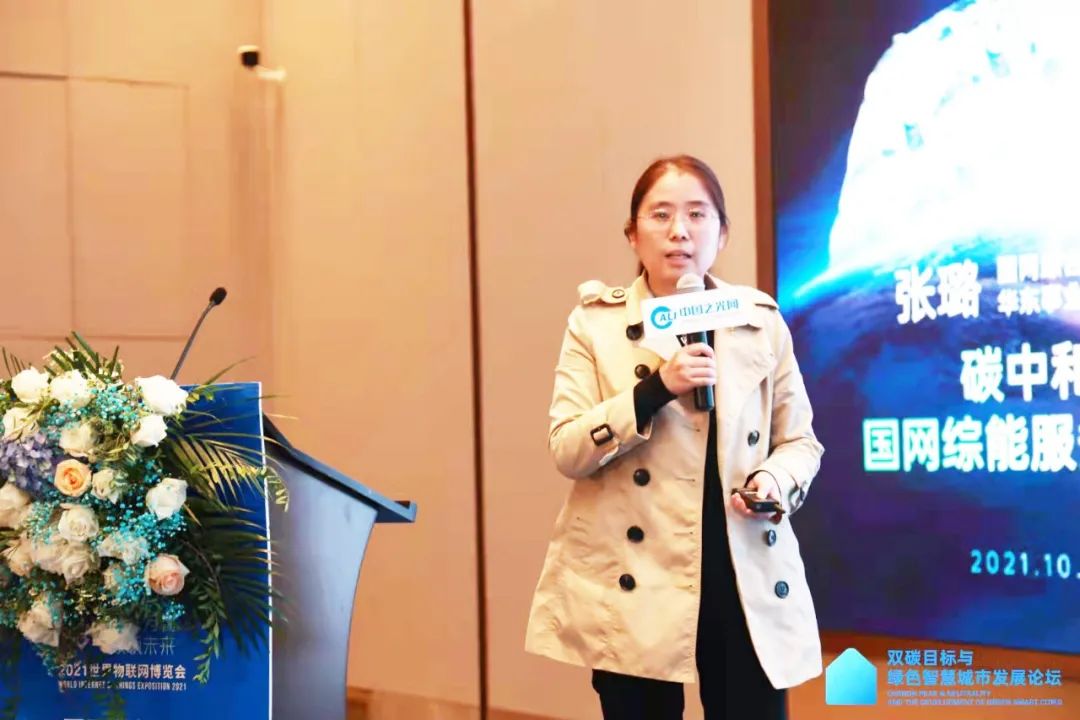
Zhang Lu, Deputy Director of the Technical Support Center, East China Business Division, State Grid Integrated Energy Services Group Co., Ltd.
Zhang Lu, Deputy Director of the Technical Support Center of the East China Business Division of State Grid Integrated Energy Services Group Co., Ltd., shared insights on China's dual carbon goals, State Grid's "Dual Carbon" Action Plan, the task list for "dual carbon" work, practical actions, and planning considerations. The "14th Five-Year Plan" period is a critical window for achieving peak carbon emissions. It is essential to build a clean, low-carbon, safe, and efficient energy system and implement pollution reduction and carbon reduction actions in key industries and sectors. In terms of energy, China needs to promote clean substitution in energy development and electrical substitution in energy consumption; achieve clean dominance in energy production and electrical dominance in energy use; decouple power development from carbon and economic and social development from carbon emissions. State Grid Corporation of China actively implements the new energy security strategy of "Four Revolutions and One Cooperation." On March 1, it released the "State Grid Corporation of China 'Peak Carbon, Carbon Neutrality' Action Plan," which is the first action plan for peak carbon and carbon neutrality issued by a central state-owned enterprise.
Hong Bing, Editor-in-Chief of China Light Network, delivered the closing remarks. He expressed deep gratitude to the attendees for their thorough discussions and exchanges, valuable insights, cutting-edge information, and constructive suggestions. The "Forum on Dual Carbon Goals and Green Smart City Development" is becoming a platform for interaction and dialogue on development in the field of green smart cities. With significant responsibilities ahead and time pressing, the Forum closely aligns with the trends of industrial transformation and the major development opportunities brought by national strategies such as "Dual Carbon," "Smart Cities," and "Digital China." It strives to promote industrial innovation and transformation, aiming to jointly create a healthy future of green development. We look forward to joining hands again next year to contribute wisdom and strength toward achieving the "Dual Carbon" goals.
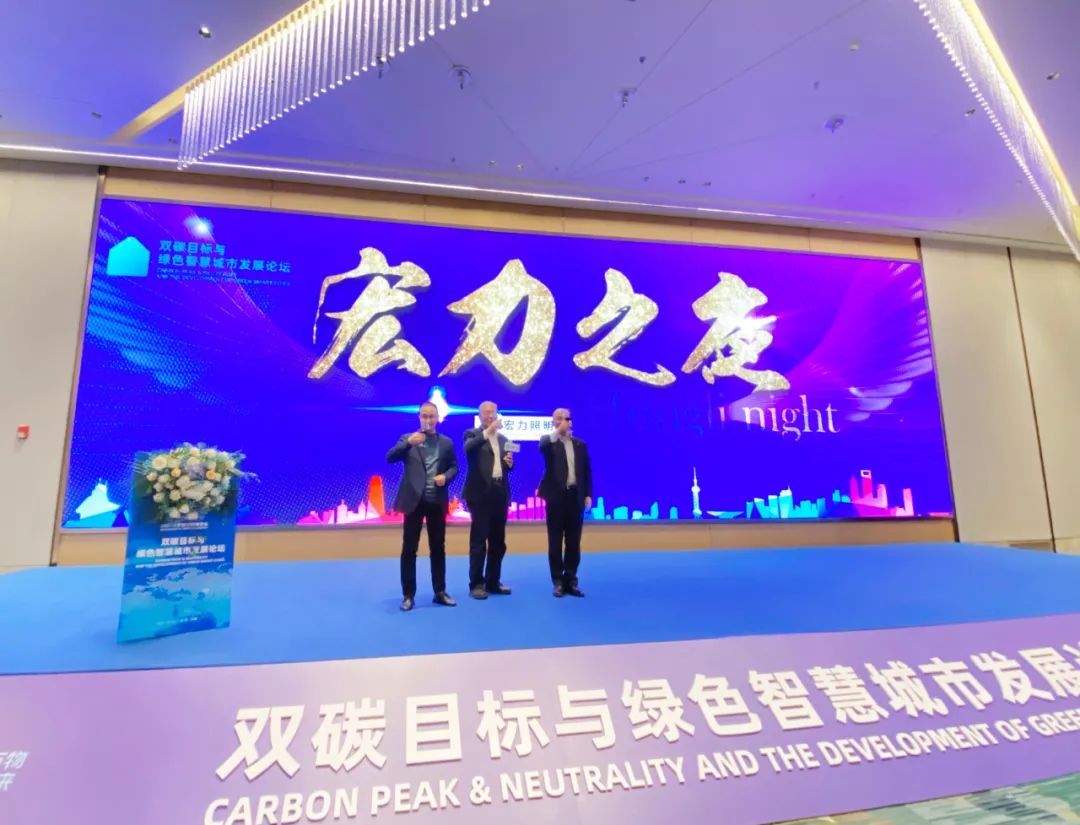
晚上,“宏力之夜”晚宴举行,宏力照明集团有限公司准备了丰盛的晚宴以飨同仁,在庆祝论坛圆满结束的同时,增进大家的交流与情谊。宏力照明成立于1991年,坐落在风景优美的江南水乡——宜兴,是国内较早从事照明产品生产制造的企业之一,致力于提供节能高效的LED照明解决方案,已出色完成不少重点工程项目,如“国家五十大庆”北京东西长安街路灯、浦东国际机场高杆灯项目、青岛上合峰会城区亮化照明工程等。
Scan/recognize the QR code below to watch a video recap of the entire Forum.

2021 World Internet of Things Expo
The annual World Internet of Things Expo officially opened on October 23 at the Wuxi Taihu International Expo Center. Themed "Smartly Connecting Everything, Data Leading the Future," the 2021 World Internet of Things Expo features an exhibition area exceeding 50,000 square meters. It includes six major exhibition themes: 5G and IoT Communications, Intelligent Sensing and Industrial Internet, Internet of Vehicles and Smart Living, IoT Solutions and Smart Cities, 5G Virtual Experience, and Smart Education. Dedicated exhibition zones for the "Belt and Road" Initiative, the Yangtze River Delta, and Zero Carbon have been specially established. In addition, the Expo will host one summit, one exhibition of IoT applications and products, one launch event for new IoT technologies, products, and application achievements, ten high-level forums, and fifteen series of related activities.