
"K"-shaped divergence behind digital prosperity—Industry status from the 2021 semi-annual reports of listed companies in China's lighting industry
Author/Wen Qidong
China Association of Lighting Industry (CALI)
Note: The sample for this semi-annual report review consists of listed companies related to China's lighting industry, including a total of 198 listed companies on the A-share, H-share, and New Third Board. As 2020 was an exceptional year due to the impact of the pandemic, Year-on-year (YoY) growth figures cannot fully reflect the industry's development trends. To facilitate intuitive understanding for readers, the author did not adopt the currently popular "two-year average growth rate" calculation method, but instead directly added a comparison with the same period in 2019.
I. Overall Situation
Due to the massive impact of the COVID-19 pandemic on China's socio-economy in early 2020, the production capacity, capital, and markets of listed companies in the lighting industry were affected to varying degrees during the first half of 2020, leading to a decline in their semi-annual performance for that year. With the comparison base already at a historic low, despite adverse factors such as the pandemic, chip shortages, material scarcity, soaring costs, and exchange rate fluctuations, both domestic and export sales in the lighting industry recorded double-digit year-on-year (YoY) growth in the first half of 2021. Therefore, it is reasonable and expected that the performance of listed companies, whose operations have generally returned to normal, has broadly increased. However, behind the overall positive growth trend of the industry, the situation has not followed the "V"-shaped recovery we anticipated, but instead presents a "K"-shaped divergence.
II. Lighting Application Sector
A thousand sails pass by the sunken ship
Divergence between Revenue and Profit
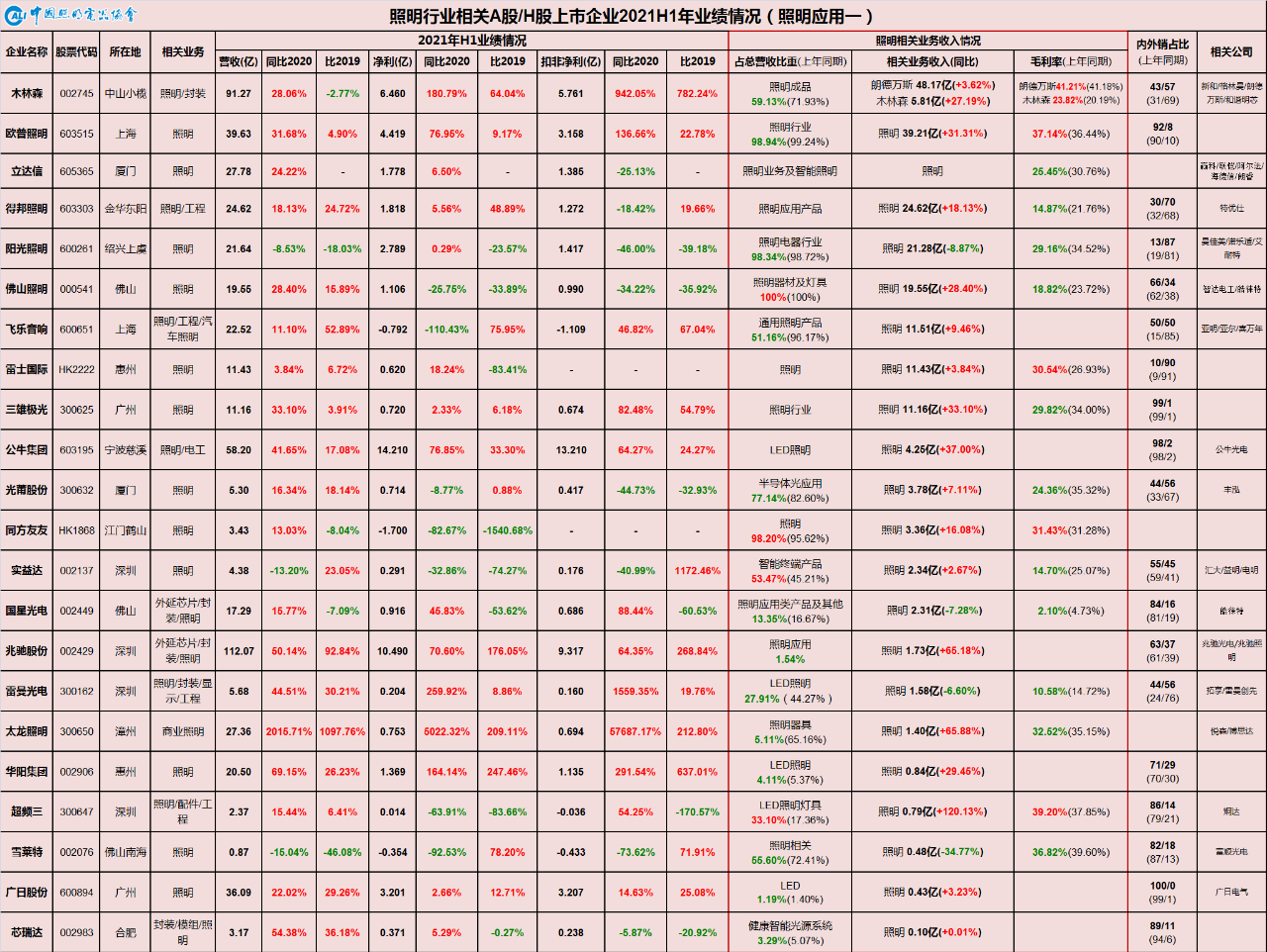
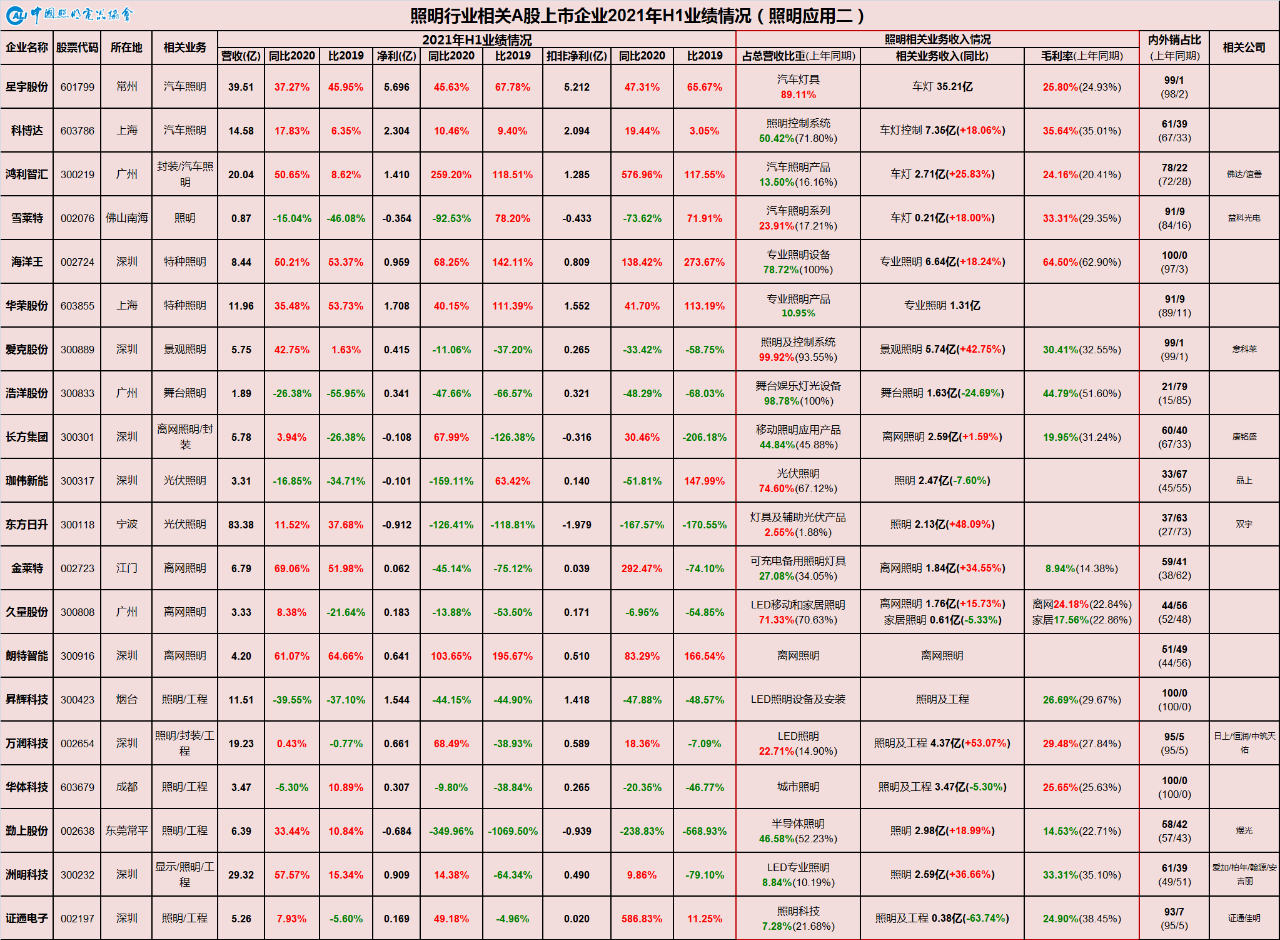
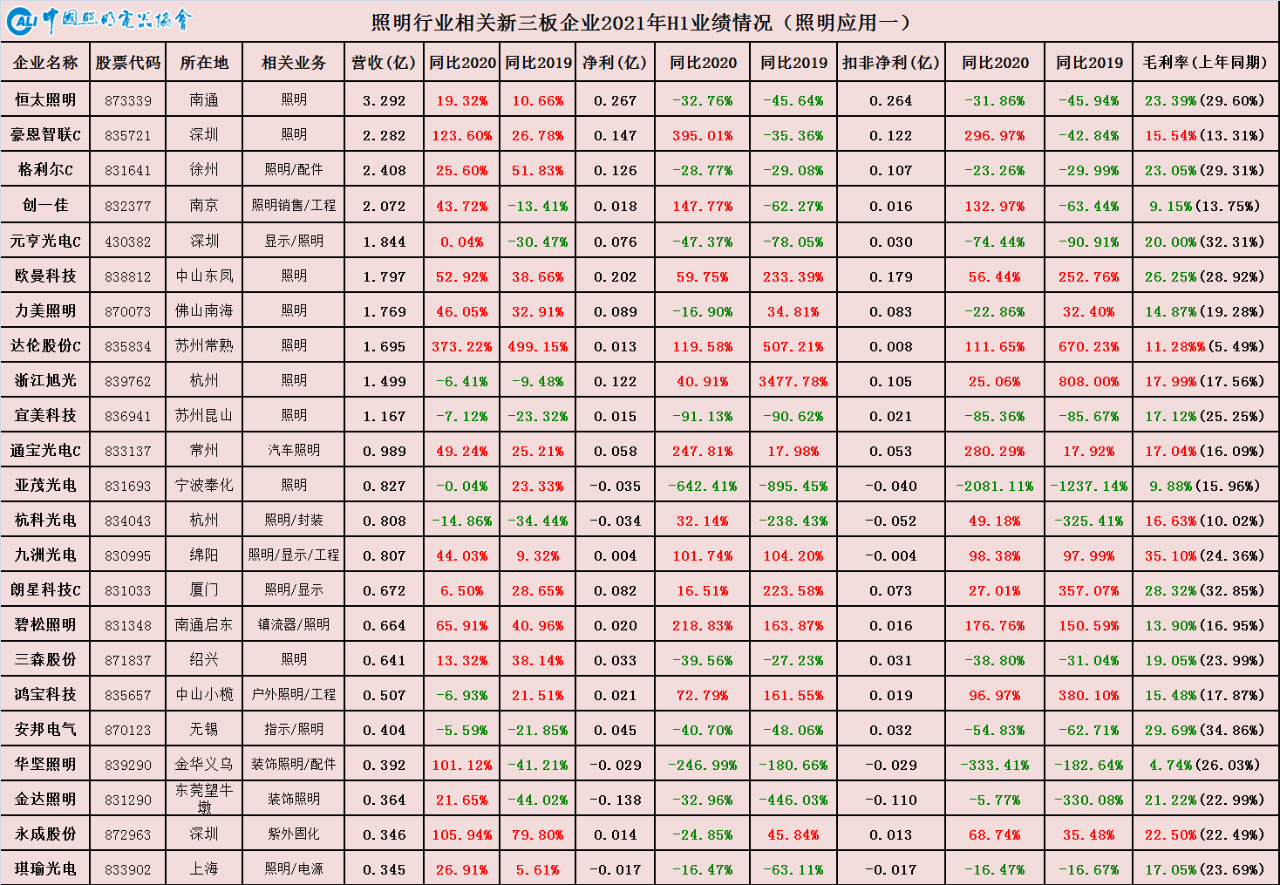
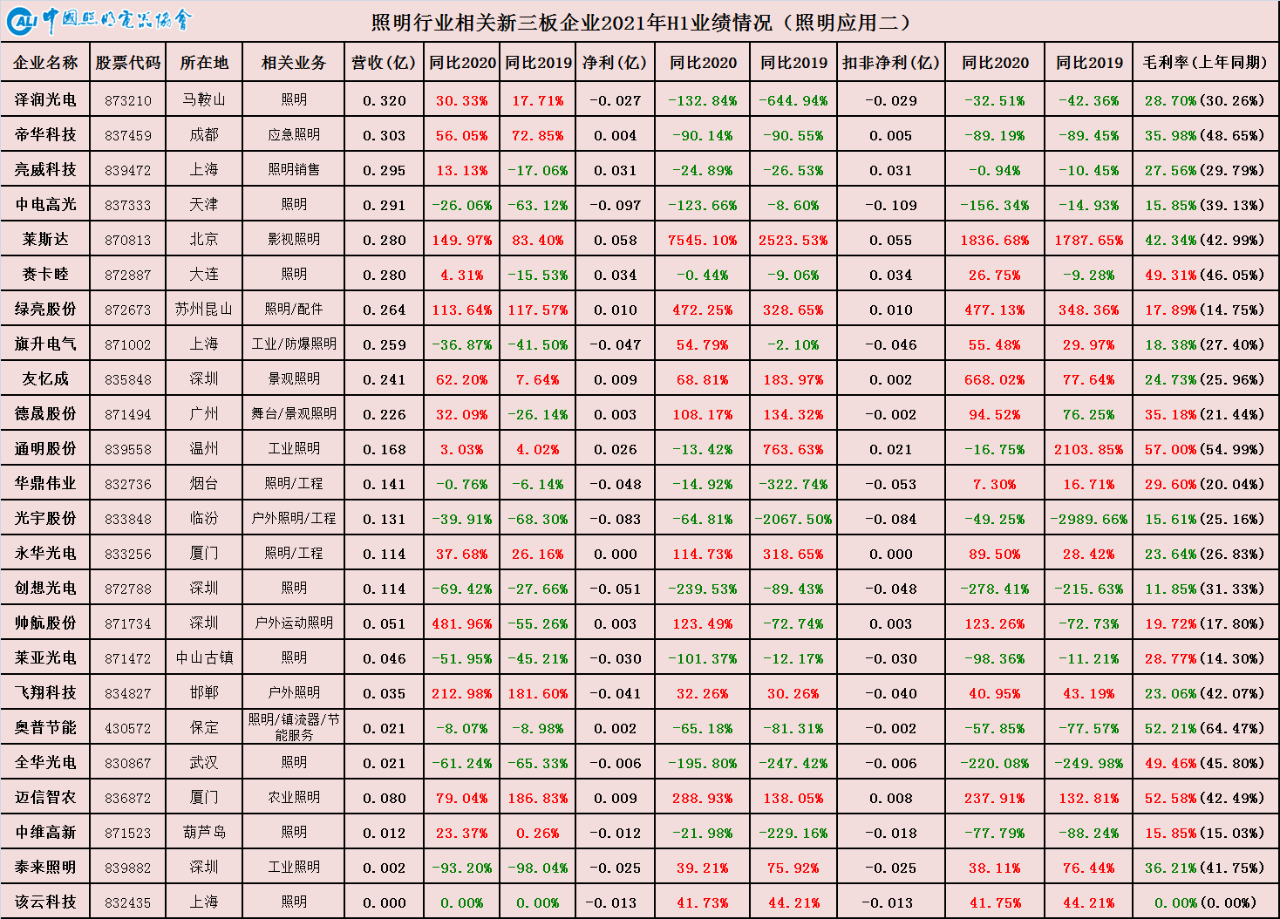
First, looking at the lighting application sector, the vast majority of enterprises recorded double-digit growth in Revenue, generally returning to pre-pandemic Revenue levels. However, due to the sharp rise in raw material, logistics, and labor costs in the first half of 2021, structural global chip shortages, RMB exchange rate fluctuations, and other multiple factors, the profits of downstream lighting application enterprises were significantly compressed. As shown in the table above, the gross profit margins of lighting application enterprises, especially those mainly engaged in general lighting, have declined significantly. While Revenue has grown, profits have struggled to increase, resulting in a situation of "orders without profits." Behind the overall industry growth prosperity, inflation in upstream raw material costs and deflation in the downstream consumer market have jointly squeezed the profits of the manufacturing sector in the middle. With rising costs having nowhere to be passed on, this will ultimately impact the supply side.
Divergence between domestic and export sales
In the first half of 2021, China's lighting industry achieved revenue of approximately RMB 328.8 billion, a Year-on-year (YoY) increase of 33.8%, and a 13.3% increase compared to 2019. The average annual growth rate over the two years was 4.3%, indicating that the Chinese lighting industry as a whole has fully emerged from the shadow of the pandemic. In terms of domestic and export sales, exports reached USD 29.1 billion in the first half of 2021, equivalent to RMB 188.6 billion at the current exchange rate, representing a Year-on-year (YoY) increase of 38.5% and a 30.3% increase compared to 2019. The two-year average growth rate also reached a double-digit 10.9%, reflecting the continued strength of exports. Domestic sales were approximately RMB 140.2 billion, a Year-on-year (YoY) increase of 28.7%, but a 3.6% decrease compared to 2019, with a two-year average growth rate of -1.2%. This means that domestic sales have not yet recovered to pre-pandemic levels.
Therefore, the main driver of overall industry growth is exports. The recovery of domestic sales, which were severely impacted by the pandemic, will still take time. In 2020, export growth offset the decline in domestic sales. In the first half of 2021, although domestic sales showed significant improvement, the divergent pattern of strong exports and slow domestic recovery did not undergo substantial change.
Divergence between the supply side and the demand side
Judging from the production capacity recovery of various listed companies, since China is currently the only major economy in the world that has fully contained the epidemic, the resumption of work and production has been relatively smooth. In addition, manufacturing on the supply side is centrally decided and organized, and has basically been fully restored. Although enterprises in some production areas are still occasionally disturbed by sporadic outbreaks in various places, and are generally affected by unfavorable factors such as rising raw material prices, chip shortages, warehouse congestion and container shortages, and environmental protection-related power rationing, these do not affect the overall situation.
The demand side faces significant pressure. External demand has remained strong since the second half of last year, but the sustainability of key growth drivers—such as high demand for epidemic prevention and stay-at-home economy products, and substitution effects—remains to be seen. Risks of supply chain spillover and uncertainties caused by the ongoing pandemic persist, meaning external demand is far from secure. Domestic sales recovery is weaker than exports, mainly driven by engineering projects under the "Two New and One Major" infrastructure initiative. Consumer spending has not yet returned to pre-pandemic levels, constrained by structural declines in household income and employment, as well as rising savings rates. Its recovery will require a gradual process of alleviating fear and rebuilding confidence.
Overall, China's position as the global lighting manufacturing center and supply chain hub was further consolidated during the pandemic. However, challenges on the demand side remain severe and urgent in both export markets and domestic sales markets.
Internal Differentiation of Export Sales
First, there is a divergence between the consumer and engineering sectors. Lighting products for the consumer (C-end) market possess essential attributes that represent basic living needs. Additionally, the pandemic led many countries to adopt significant monetary easing policies and provide cash-based economic relief to their citizens. On the other hand, overseas countries have experienced recurring and intensifying pandemic waves, resulting in intermittent resumption of work and production, as well as stop-and-go progress in related engineering projects. This has caused overseas demand to recover more strongly than supply, with the consumer (C-end) residential market performing far better than the engineering (B-end) public market, which is the opposite of the situation in the domestic market.
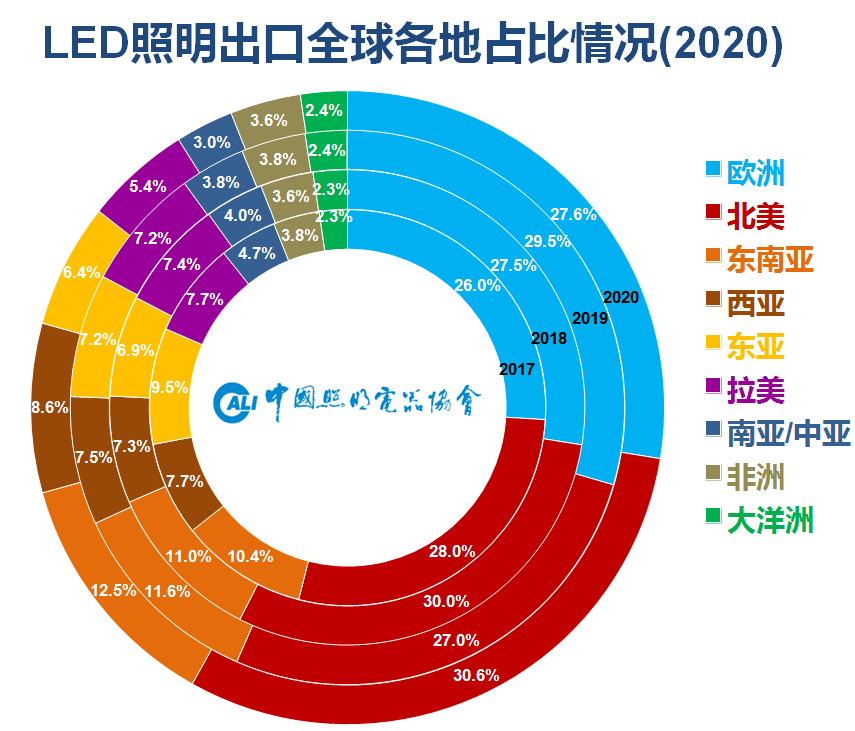
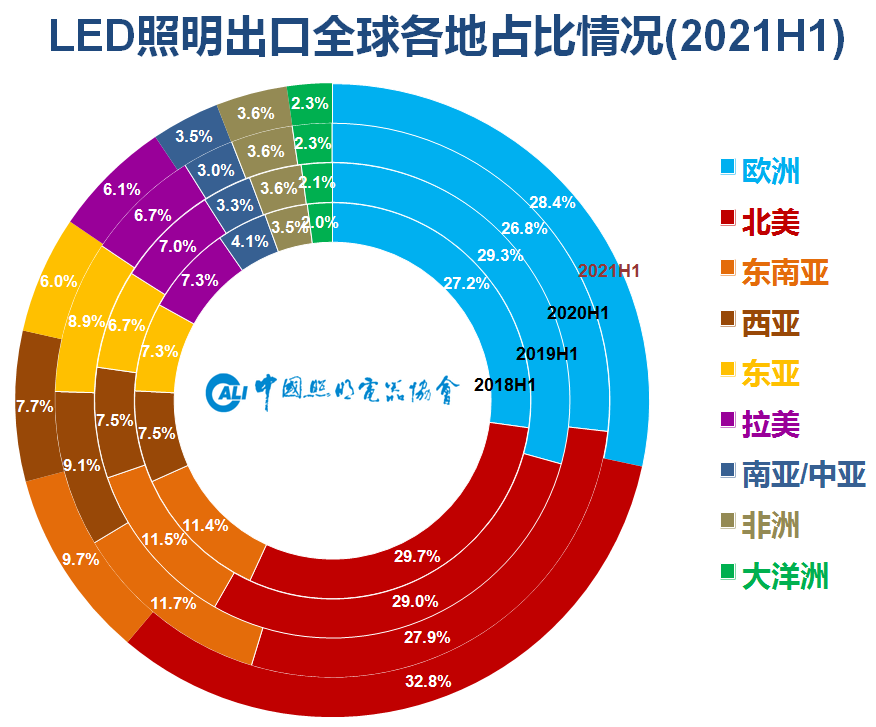
Market segmentation in export sales. In 2020, the Asia-Pacific market, dominated by emerging economies, managed the pandemic relatively well and outperformed the European and American markets, which are primarily composed of developed economies. The North American market showed a significant recovery from the second half of 2020, with full-year performance surpassing that of Europe and South America. Notably, by the end of 2020, China's lighting product exports to the United States had returned to pre-tariff levels seen before the 2018 Sino-US trade friction.
In the first half of 2021, the situation changed sharply. The COVID-19 vaccination rates in developed economies in Europe and America rose rapidly, driving the recovery of social production and daily life. In contrast, the epicenter of the pandemic shifted to Asian countries, hindering the recovery process of the Asia-Pacific market. As a result, demand in North America and Europe rebounded strongly, while markets in East Asia, Southeast Asia, and West Asia, which had performed relatively well in the same period last year, saw a decline.
Internal segmentation of domestic sales
Divergence between the consumer and engineering segments. Contrary to the export market, the domestic engineering segment outperforms the consumer segment. On one hand, investment-driven demand is characterized by centralized decision-making and organization. Under the counter-cyclical adjustment of the national "Two New and One Major" initiative, sectors such as outdoor smart streetlights/poles related to new infrastructure and smart city construction, as well as policy-driven indoor educational lighting linked to light health, have achieved rapid development. On the other hand, the consumer segment reflects a fragmented trend of decentralized decision-making. Additionally, due to the structural decline in income and employment caused by the pandemic, along with rising savings rates, the consumer market remains significantly below pre-pandemic levels despite global monetary easing, currently in a stage of slow recovery.
Internal differentiation in the project-side market. The overall performance of the project-side market is acceptable, but not all segments have recovered accordingly, such as landscape lighting and stage performance lighting. As leading manufacturers in landscape lighting and stage lighting respectively, Acolyte (300889) and Haoyang Shares (300833) show through their performance that these two segments are still in a relatively low phase due to the impact of policies or the pandemic.
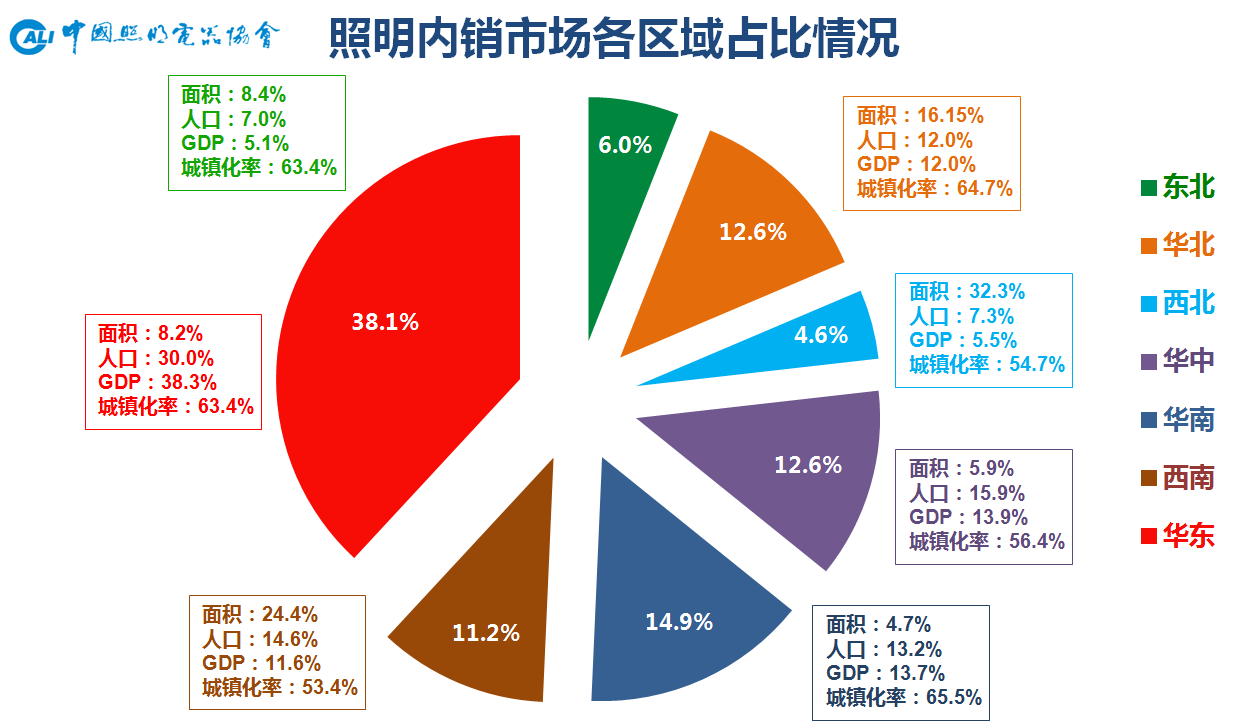
North-South divergence in the domestic market. In recent years, the northern market, represented by Northeast and North China, has seen its share of the national market shrink to less than one-quarter. Constrained by economic structure, population mobility, and urbanization potential, lighting demand in this region has grown more slowly than in other areas, with only a few standout cities. Looking ahead, East and South China, as the most economically active regions, will further consolidate their dominant position in the lighting demand market, while Central and Southwest China will show strong potential driven by the development of the Central Plains Urban Agglomeration and the Middle Reaches of the Yangtze River Urban Agglomeration.
Divergence between leading enterprises and SMEs (towards scaling)
As end-user demand becomes more segmented, specialized, customized, and fragmented, channels, products, brands, and services must undergo corresponding transformation and upgrading. Leading enterprises, especially those strong in channel brands, are gradually moving toward large-scale, comprehensive operations with broad and complete product lines, underpinned by an efficient supply chain system based on innovative R&D. While consolidating their position in the general market, they are also active in numerous niche segments, with channels continuously penetrating deeper markets. This squeezes the survival space of homogeneous small and medium-sized enterprises.
In addition, the current wave of upstream price increases and chip shortages sweeping the manufacturing sector has, to some extent, indirectly raised industry barriers. Limited demand orders are gradually concentrating on high-quality production capacity with strong supply chain control capabilities. SMEs with relatively weaker supply chain control capabilities are more significantly impacted in terms of production capacity and profits.
Especially in the general lighting sector with low technical barriers, competition focuses on production efficiency, manufacturing scale, and cost control. Without a certain production capacity base, it is difficult to achieve sustainable profitability. Therefore, based on half-year performance, lighting application companies with smaller Revenue scales on the NEEQ face more severe operating conditions compared to main board enterprises.
Divergence between the general lighting market and specialized segments
(Differentiation Direction)
From the half-year performance, compared with the general lighting sector, niche market segments such as automotive lighting represented by Xingyu Shares (601799) and Keboda (603786), and special lighting led by Ocean King (002724) and Huarong Shares (603855), continue to perform well. This also provides an insight for lighting application enterprises: against the backdrop of the state's emphasis on developing the real economy and encouraging "specialized, refined, distinctive, and innovative" enterprises, SMEs in the lighting industry with a suitable foundation can choose to enter a specific professional niche market and develop into specialized brands. This is a viable path of differentiated development, embodying the principle of "being different rather than just better."
Currently noteworthy market segments include:
Educational Lighting: Closely related to light health. As it is associated with protecting the vision of adolescents, educational lighting is no longer just a matter for the lighting industry but has also attracted attention from the entire society. To implement the important instructions of the General Secretary on the issue of myopia among adolescents, this market will have strong momentum for vigorous development in the next three years. Leading lighting companies are almost all involved in this niche market, including but not limited to MLS Co., Ltd. (002745), OPPLE Lighting (603515), Leedarson (605365), Tospo Lighting (603303), Yangguang Lighting (600261), Foshan Lighting (000541), Feilo Acoustics (600651), Pak Group (300625), Guangpu Shares (300632), Super Three (300647), Wanrun Technology (002654), Eaglerise (002922), and others.
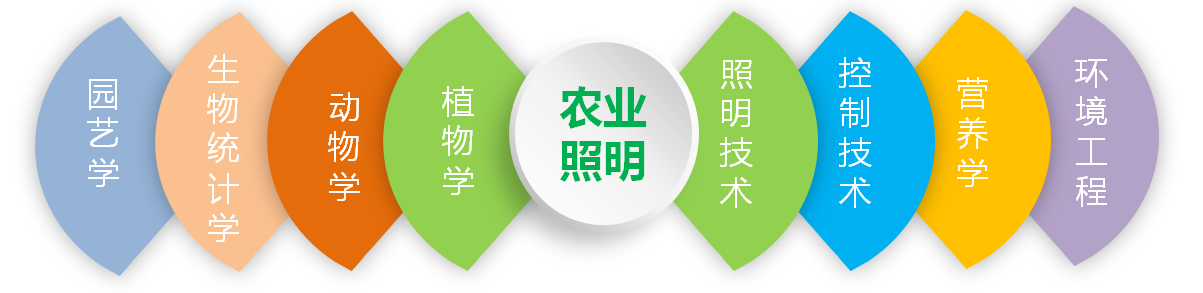
Agricultural lighting: Related to food security and the development of agricultural industrialization. In recent years, the rapid growth in this field has been mainly driven by the surge in exports of cannabis grow lights to North America. However, it is still in the early stages of development. Urgent issues include fundamental research on light-receiving objects, system cost reduction and efficiency improvement, and establishing sustainable business models. Companies such as Inventronics (300582) and Songsheng Shares (301002) are currently leading in horticultural lighting power supplies.
Off-grid lighting: Serving off-grid populations while addressing new consumer demands. As a clean energy solution aligned with dual carbon goals, off-grid lighting has historically served hundreds of millions of "off-grid population" worldwide and temporary emergency lighting scenarios. In recent years, emerging consumer needs such as outdoor hiking, trail running, and camping have expanded the market space. Key players in this sector include Changfang Group (300301), Jinlait (002723), Jiuliang Shares (300808), and Langte Intelligent (300916). Meanwhile, Ocean King (002724), Jiawei New Energy (300317), and Risen Energy (300118) also offer numerous specialized and photovoltaic-related products.
UV Disinfection: Non-visual lighting applications related to epidemic prevention and control. The pandemic has brought unprecedented attention to this market segment; in fact, even without the pandemic, the demand for sterilization and disinfection is extremely broad. Currently, traditional low-pressure gas discharge lamps remain the main force in the fight against the epidemic. As an environmentally friendly physical method for sterilization and disinfection, deep UV LEDs have been confirmed by research institutions to effectively kill the novel coronavirus. In addition, they have broad application prospects in many scenarios requiring sterilization and disinfection, with huge market potential. Constrained by low photoelectric conversion efficiency and high costs, UV LEDs, like agricultural lighting, are currently in the early stage of development. Companies involved in this field include Xuelait (002076), Sanan Optoelectronics (600703), Yuanrong Technology (832502), and MLS Co., Ltd. (002745).
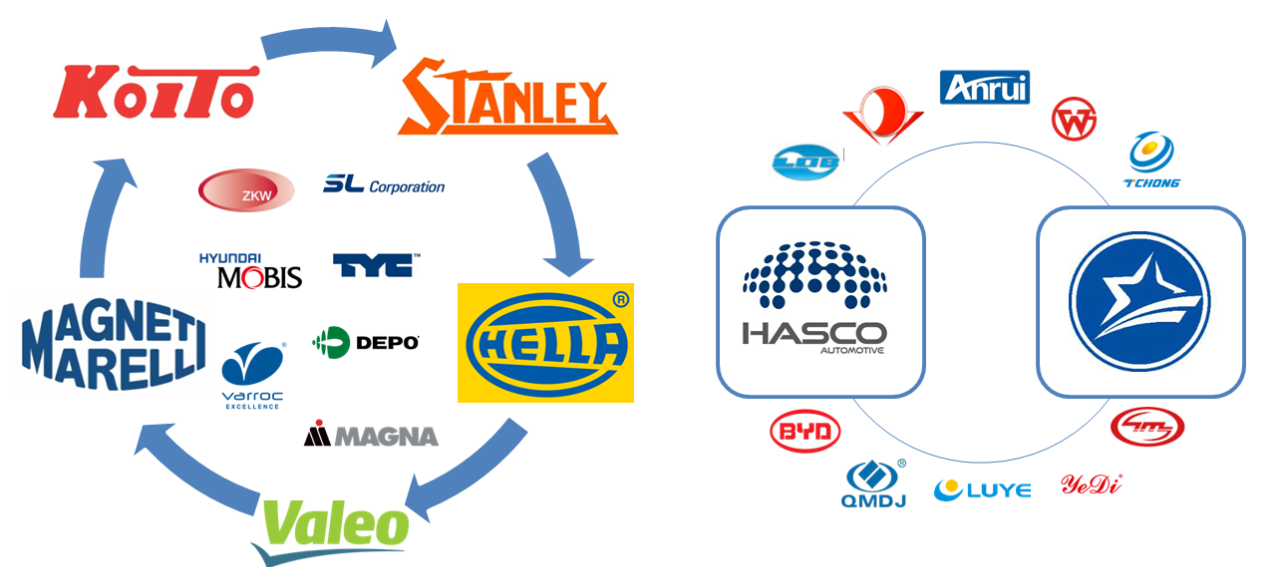
Automotive Lighting: Riding the New Energy Vehicle Wave; The automotive lighting market has long been an industry hotspot due to its high returns, considerable growth potential, and relatively rational price competition. Its development towards intelligence, connectivity, digitalization, and personalization is also a major trend. New technologies such as LED/OLED and laser, smart connectivity, adaptive lighting, and full-width taillights are constantly emerging. In particular, the boom in new energy vehicles and autonomous driving brings more possibilities for headlight development. Of course, automotive lighting is a market with high barriers in both technology and sales channels, operating within a conservative supply chain. Overseas brands represented by the Big5 still hold an advantage, while domestic headlight brands led by Xingyu Automotive Lighting Systems (601799) and Huayu Visual Technology (600741) are making rapid progress. Meanwhile, lighting companies such as Foshan Lighting (000541), Tospo Lighting (603303), Feilo Acoustics (600651), Hongli Zhihui (300219), and Cnlight (002076) have also strengthened their moves in this niche market.
Smart streetlight / Smart pole: New infrastructure and smart city construction; First, in China's road lighting products, the mainstream products are still High-pressure sodium lamp (HPS), with LED products accounting for only 30%; while the penetration rate of LED Street light globally is even lower, the huge existing market itself has great replacement potential. As the carrier for smart cities to achieve full-area perception and Internet of Everything, Smart streetlight / Smart pole can integrate and utilize various urban resources, and this development trend is irreversible. However, as a comprehensive industry spanning technology, disciplines, business formats, and departments, with multiple industries involved, it covers a wide range and has no precedent to follow, with all ends of the value chain in the primary stage of "crossing the river by feeling the stones". Lighting enterprises related to the Industry / Supply chain fall into two categories: one is product manufacturers, such as Huati Technology (603679), Qinshang Shares (002638), Unilumin Technology (300232), Tailong Lighting (300650), etc.; the other is engineering integrators, such as Shikong Technology (605178), Mingjiahui (300506), etc.
3. Epitaxy Chip Segment
When the time is right, heaven and earth work together
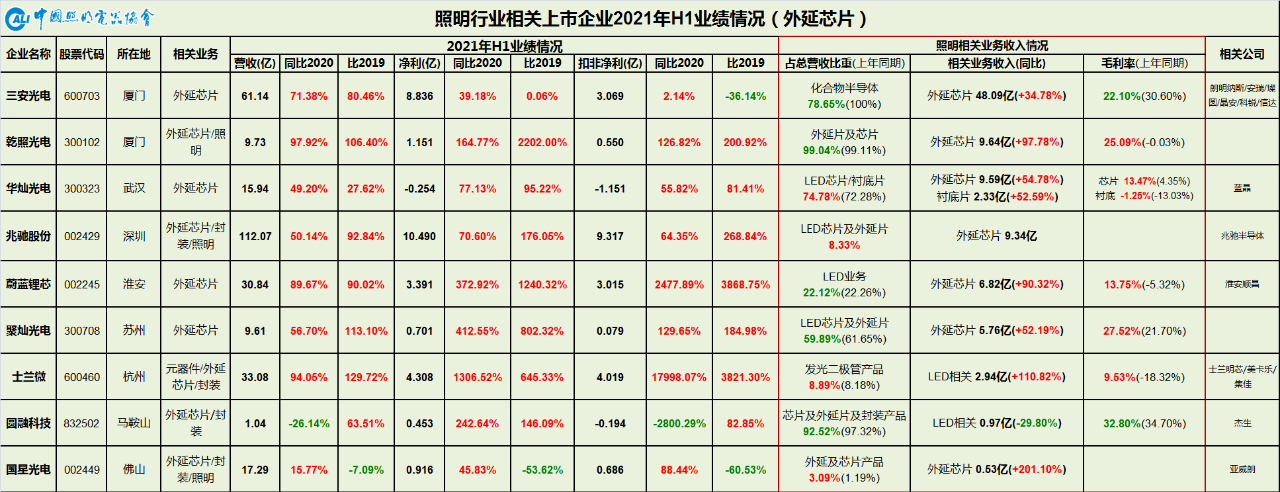
The Epitaxy chip segment delivered outstanding performance in the first half of the year, continuing the strong momentum seen since the second half of 2020. It not only outperformed the same period in 2020, which was affected by the pandemic, but also significantly surpassed 2019, when Production capacity was absorbed slowly. Nearly all leading companies reported broad-based growth. Revenue growth was mainly driven by the initial suppression and subsequent rebound of downstream demand in 2020, which remained robust in the first half of 2021. In addition to general lighting, high-power and relatively higher-margin applications such as automotive lighting, agricultural lighting, and industrial lighting grew rapidly. Demand in other application areas, including infrared, ultraviolet, display, and backlighting, was also vigorous, particularly the emerging Mini/Micro business. Profit improvement was attributed, on one hand, to manufacturers increasing the proportion of high-margin products in recent years, where a temporary mismatch between supply and demand led to shortages and price increases for some mid-to-low-end products; on the other hand, rising demand boosted Production capacity utilization, effectively releasing previously accumulated inventory, thereby enhancing upstream profitability.
Although the actual profitability of the LED chip business remains weak, the entire upstream sector has undoubtedly emerged from a three-year downturn and entered a relatively healthy new cycle. This is also the result of the industry forming a highly concentrated pattern. From a macro perspective, the supply-demand relationship has not undergone substantial changes. The strong entry and rapid establishment of MTC (002429) still occupies existing market space. The improvement and integration of industry concentration will continue to deepen. Reducing inventory levels, innovating new technologies, exploring new application markets, adjusting product structures, and enhancing sustainable profitability remain the key focus areas for major upstream manufacturers.
4. Packaging Section
Half the river shimmers in green, half glows red
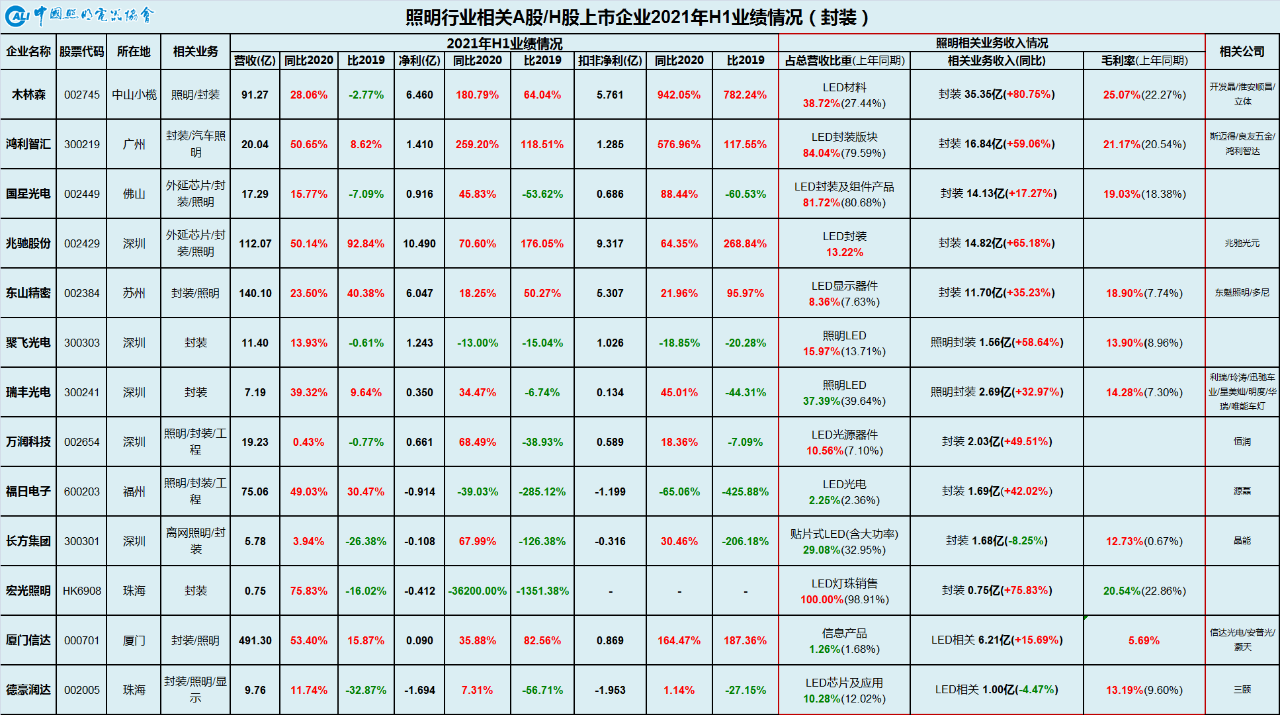
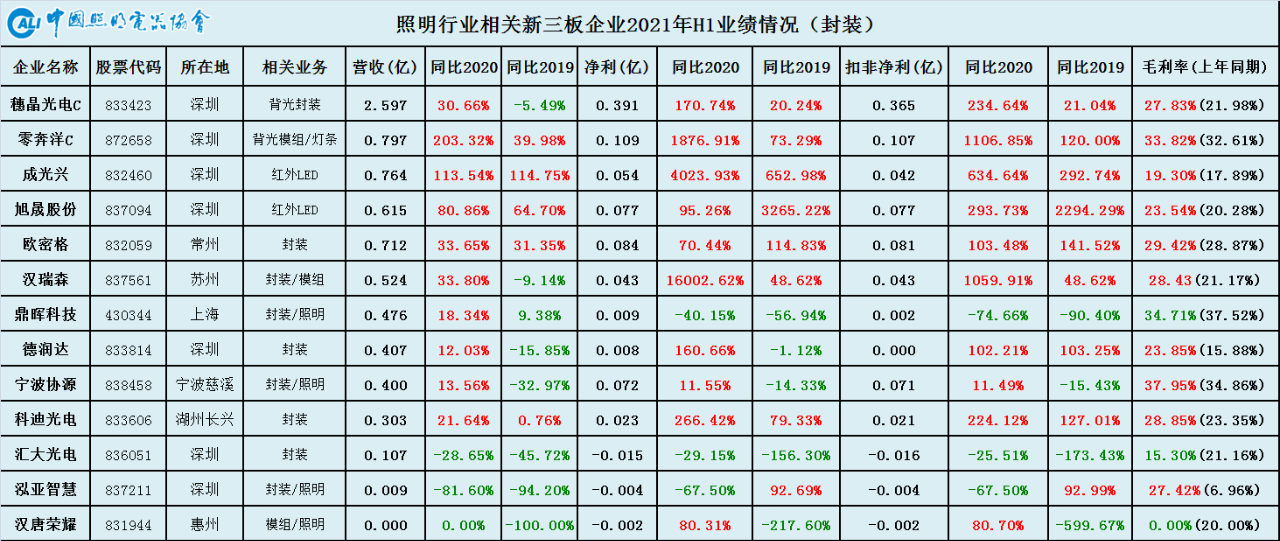
The packaging segment has benefited from strong demand in downstream applications such as lighting, displays, backlighting, and automotive lighting. With increased production capacity utilization and higher product gross margins, the performance of packaging businesses for most manufacturers has generally grown compared to the same period in 2020. However, compared to the same period in 2019, half of the manufacturers have still not returned to pre-pandemic levels.
In this context, packaging companies are continuously advancing into high value-added new businesses. In the general lighting sector, the focus is on high luminous efficacy, high light quality, full spectrum, circadian lighting, and healthy lighting, while reducing mid-to-low-end products. In the special lighting sector, greater attention is paid to high-power applications such as automotive, agriculture, industry, roads, factories and mines, and venues. Additionally, efforts are being made in other niche areas such as infrared, ultraviolet, laser, Mini/Micro LED, and Li-Fi.
5. Supporting Sections
Riding high on success
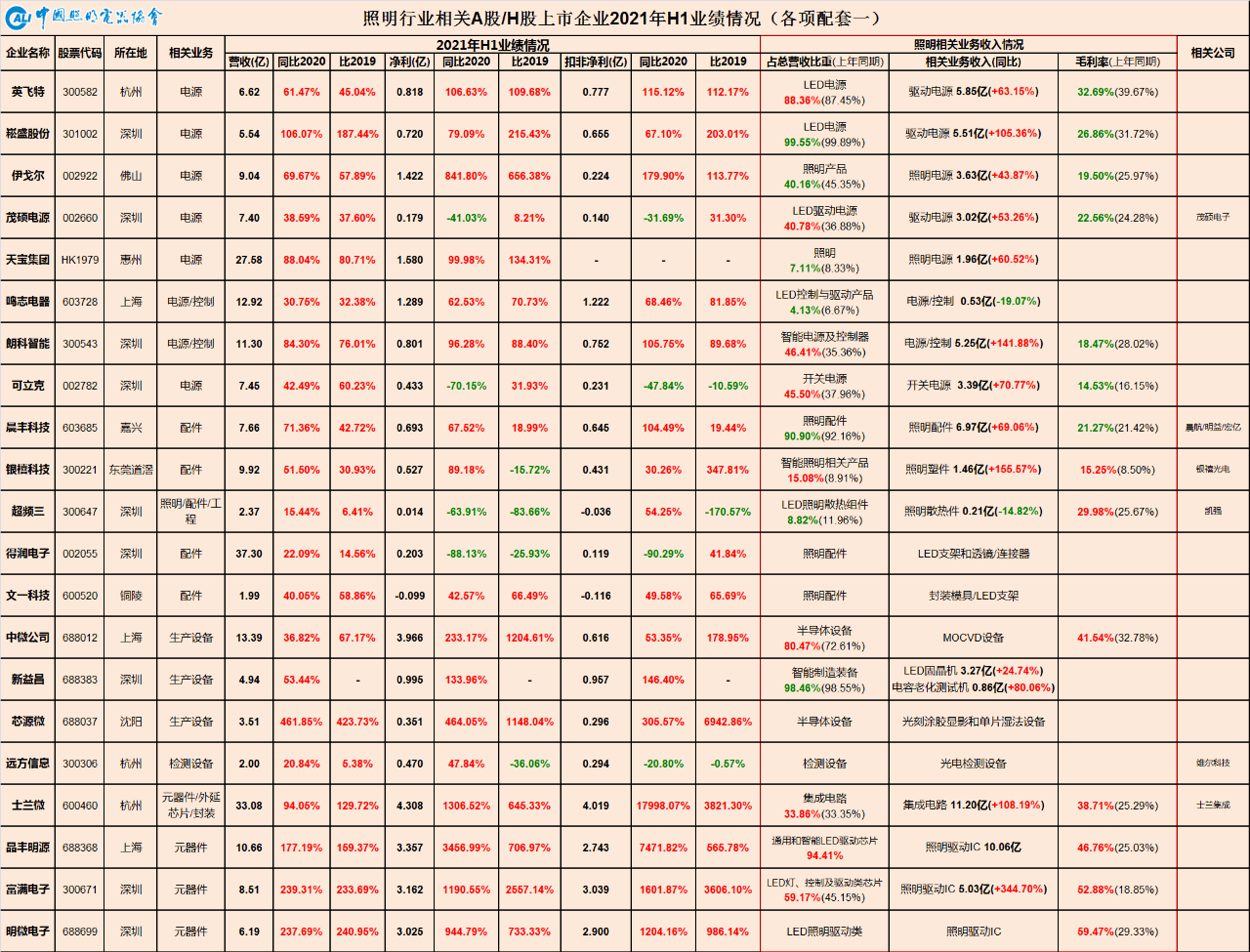
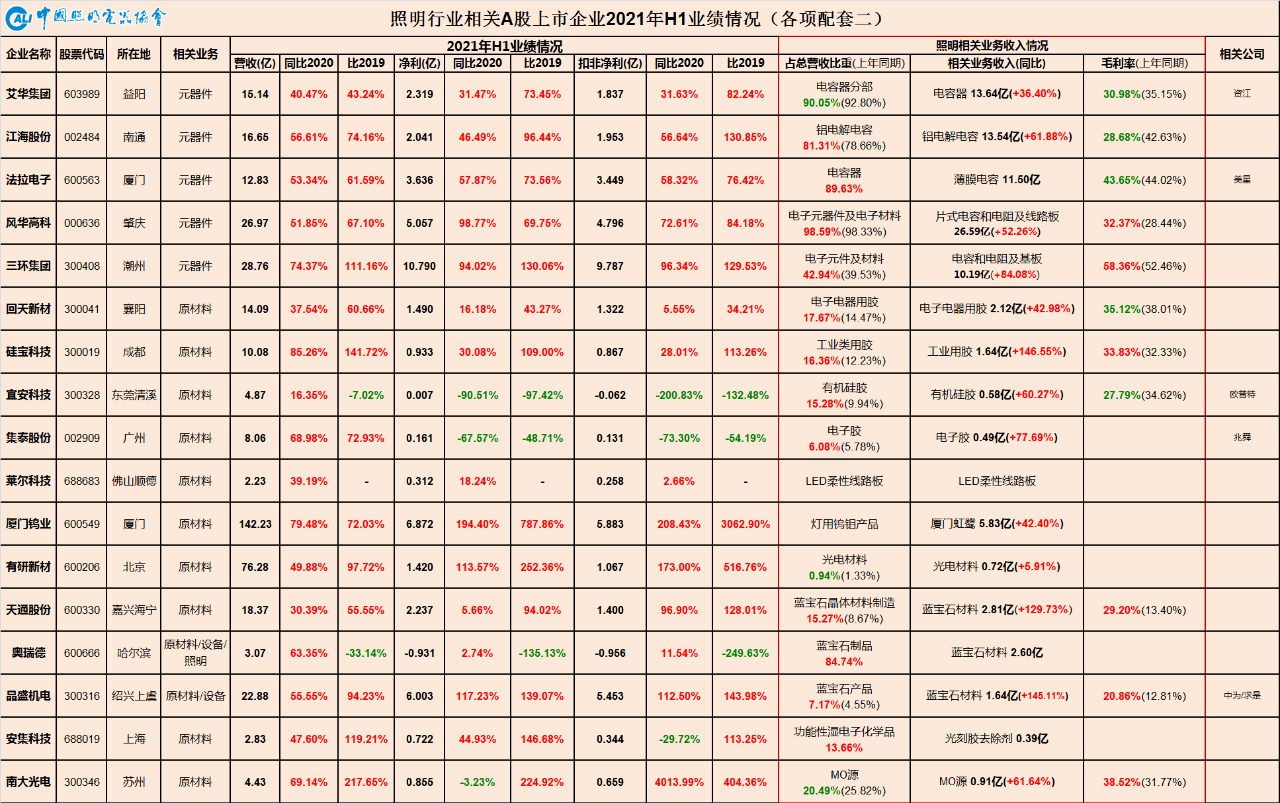
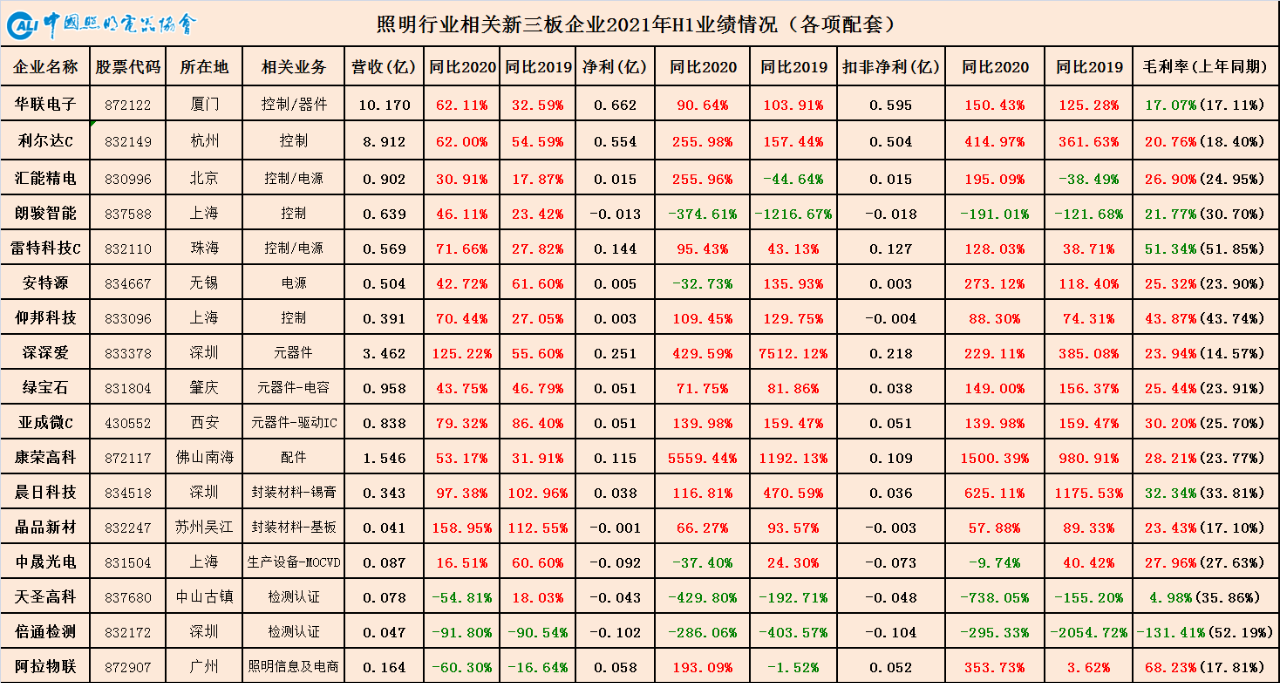
As a deep supply chain industry, the lighting sector's supporting segments cover raw materials, components, power supplies, mechanical accessories, optical components, production and testing equipment, testing and certification, and information services.
Amid the global pandemic, China was the first to contain the outbreak and resume production and work, causing global manufacturing demand to concentrate in China. This led to price increases for nearly all products in the manufacturing supply chain, including IC chips, MCUs, MOS transistors, rectifier bridges, aluminum substrates, PCBs, passive components, plastic parts, and paper products. Among these, IC chips, MCUs, and MOS transistors also faced severe shortages. Coupled with the sustained recovery of domestic and export demand in the first half of 2021, the overall performance of supporting sectors was quite substantial.
It is worth noting the divergence in profit margins between upstream and downstream enterprises. The lighting industry supply chain is long, and the transmission from upstream to downstream has a certain time lag and diminishes step by step. This means that when upstream prices rise, the price transmission becomes weaker further downstream. Therefore, we can see that in the power supply segment, which is more downstream in the supply chain, although revenue growth is considerable, gross profit margins have declined to varying degrees. The overall situation is similar to the general lighting segment, which is even further downstream: revenue rises, but profits do not increase or even decline. In contrast, the raw materials segment, which is more upstream in the supply chain, shows a different picture, with both revenue and profits achieving significant growth.
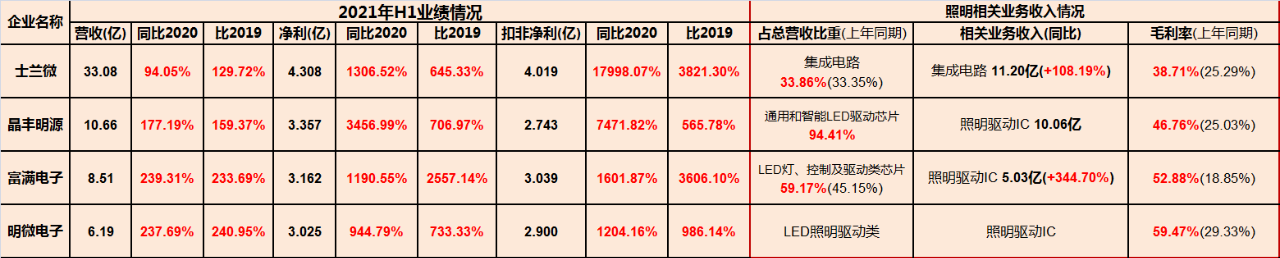
Another factor is the global chip shortage and the acceleration of domestic substitution, which have led to booming performance for IC chip companies. The chip shortage is no longer just an issue for the lighting industry or Chinese manufacturing; it has become a problem plaguing global manufacturing. In this market environment, the driver IC segment continued to be the hottest sector in the first half of 2021, with manufacturers continuing to break historical records. Doubling Revenue has become normal, while unexpected yet logical surges in net profit by tenfold or even dozens of times occurred. Structural supply shortages remain a "happy problem."
Upstream raw material price fluctuations are inherently cyclical events driven by commodities. However, the sudden intervention of the pandemic has amplified their impact, completely disrupting production schedules and decision-making logic, leading to current phased and structural supply-demand imbalances. This market trend serves as a comprehensive test of the lighting supply chain, a process for identifying high-quality suppliers and customers, and an industry reshuffle that separates the genuine from the fake. Each commodity fluctuation effectively raises industry barriers, presenting an opportunity for high-quality enterprises to expand and strengthen. Based on current understanding, the main challenges for high-quality finished product manufacturers are rising costs and extended lead times. Limited orders will gradually concentrate on these high-quality production capacities with strong supply chain control capabilities. High-quality supporting enterprises will also seize this opportunity to optimize customer resources and product structures, further strategically binding with high-quality downstream customers.
The causes of this round of commodity price surges and the global chip shortage are complex, stemming from multiple factors:
Under the stimulus of global loose monetary policy, the surge in international commodity prices—whether driven by raw material cost pass-through or investment demand—does not fully reflect changes in market supply and demand. Instead, it more accurately reflects excess liquidity resulting from excessive money issuance worldwide.
Disrupted supply chains, sudden outbreaks of the pandemic, tariffs and sanctions resulting from China-US trade friction, as well as some environmental protection production restrictions have exacerbated supply disruptions;
Hoarding and reluctance to sell, driven by skyrocketing prices of raw materials and components as well as supply shortages, have naturally triggered market behaviors—both active and passive—along with a mix of genuine and speculative demand. This has further exacerbated price hikes and product shortages.
Demand growth: The pandemic accelerated the digital transformation of demand. In 2020, under the impact of the pandemic, global demand for consumer electronics related to the stay-at-home economy—such as mobile phones, computers, TVs, and small home appliances—initially declined before rebounding. Digital demands for remote work/education/medical audio-video systems were also on the rise. Meanwhile, the new energy vehicle (NEV) manufacturing boom was in full swing, significantly increasing the demand for core chips. These manufacturing demands rapidly concentrated in China within a short period, exacerbating the supply gap.
Production capacity squeeze: Since the lighting industry entered the LED era, the supply chain has transitioned from being exclusive to the electro-vacuum era to becoming general-purpose within the electronics industry. Especially for non-exclusive components shared with automotive and consumer electronics sectors, the lighting industry must compete with other high-margin industries for production capacity.
Anxiety transmission: if downstream players expect further upstream price increases, they may engage in panic buying, place duplicate or multiple orders, or even fabricate orders, causing upstream prices to surge in the short term to levels unsustainable for the entire supply chain. If downstream sentiment remains stable, price transmission will cease once upstream prices reach a point where downstream players can no longer bear them. Therefore, the root cause of the chip shortage lies in expectations, not in production capacity.
In short, under the dual pressure from both upstream and downstream sectors, it is the manufacturing industry's survival space that is being squeezed, ultimately harming the real economy. As the ancients taught, "Flowing water does not compete to be first; it competes to flow endlessly"; Shakespeare also said, "These violent delights have violent ends." Therefore, from a long-term perspective, companies that can still adhere to basic principles of integrity, business logic, and moral底线 amidst the "dazzling array of confusing flowers" will go further.
6. Engineering Sector
Wind and rain fill the sky as I descend the west tower
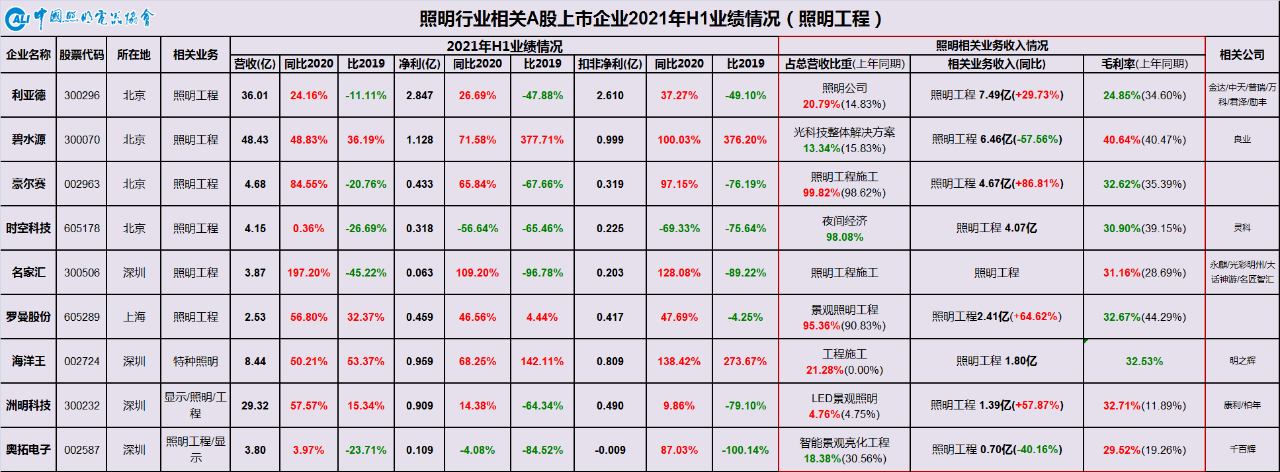
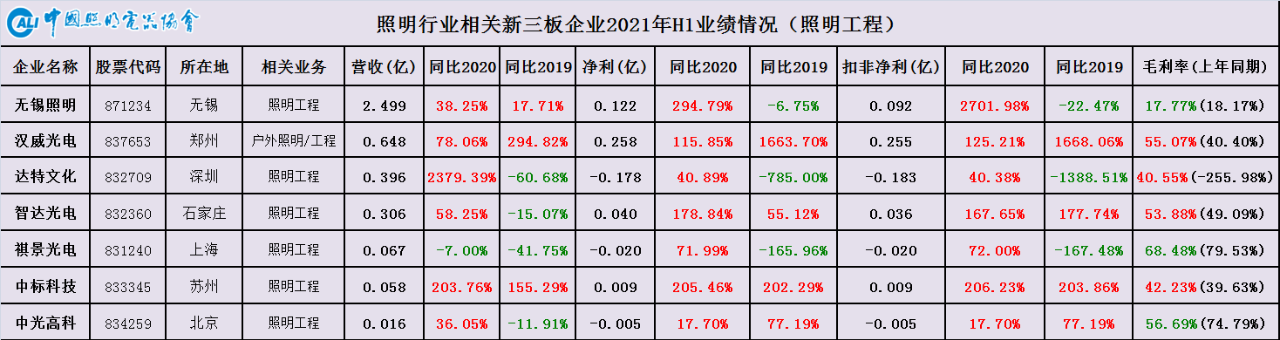
In the first half of 2021, the lighting engineering sector, previously hit by both policy changes and the pandemic, found some respite. With the nationwide epidemic largely contained, issues faced last year—such as stalled project construction and acceptance, and hindered market expansion—were alleviated. Related listed companies made significant efforts in project selection, accounts receivable collection, and business transformation. Various performance indicators rebounded compared to the most difficult period of the previous year, but overall performance has not yet returned to the levels of the same period in 2019. This reflects the profound impact of policies regulating and rectifying the landscape lighting market on the overall market direction. It further promotes urban landscape lighting to align with the city's economic and social development level and cultural characteristics, marking a new stage where landscape lighting has fully returned to rational construction.
In this context, large-scale city-wide lighting projects were scarce in the first half of 2021, while cultural tourism night tours, commercial real estate, and smart city projects became the mainstream, with a significant trend toward project fragmentation. Meanwhile, leading engineering companies continued their transformation in the two directions of cultural tourism night tour projects and smart city construction.
The cultural tourism night tour sector aligns with the national strategy of vigorously promoting the culture and tourism economy to meet people's growing needs for a better life. It also represents an extension of the landscape lighting business. For lighting engineering companies with strong capabilities in engineering design, construction, and services, as well as extensive project experience, transitioning into the cultural tourism night tour sector is relatively easy.
As a comprehensive industry spanning technologies, disciplines, business models, and departments, smart city construction involves multiple industries, has an extremely broad scope, and lacks precedents to follow. All ends of the value chain are in the initial stage of "crossing the river by feeling the stones." For operators such as engineering companies, in addition to leveraging their specialization to secure related project contracts, they must consider extending their business model—transforming from engineering contractors into comprehensive urban service providers to pursue sustainable development.
7. Summary
Based on the performance of listed companies across various segments of the lighting industry in the first half of the year, the situation can be described as "fundamentals are improving, but the road ahead is difficult and long." The entire industry faces rigid increases in costs such as raw materials, labor, land, logistics, and energy on the supply side, as well as difficulties including severe exchange rate fluctuations, China-US trade friction, hindered globalization, risks of supply chain spillover, and uncertainties caused by the ongoing pandemic. These factors have varying degrees of impact on enterprises' production capacity, delivery times, profit margins, and even planning and decision-making. On the demand side, firstly regarding exports, the high growth and substitution effects driven by demand for epidemic prevention and stay-at-home economy goods are not highly sustainable; domestically, market demand recovery under the pandemic shows an unbalanced trend, with slowed infrastructure investment, restricted real estate investment due to regulatory controls, weak manufacturing investment, and a slow recovery in the consumer market.
在全行业增速趋缓,从大数量往高质量发展的趋势背景下。无论是上市企业还是非上市企业,以市场需求这一核心力量为导向,都要进入高质量发展区间。需要重视细分市场的开拓,优化产品结构,进而增加产品附加值;持续投入研发,加大创新力度,以应对和开拓新的需求场景;提升生产自动化水平,从机器换人向智能制造升级,以提升生产效率和产品标准化及稳定性水平;建立高效的供应链体系,提升供应链掌控额能力;重视品牌建设,打造品牌生态;加强企业管理的数字化转型和信息化建设,进而提升管理水平和运营效率;从产品制造商到方案集成商再到系统服务商,未来追求的则是通过精准的照明设计,构建起能够自适应提供健康光环境的智慧化低碳系统。
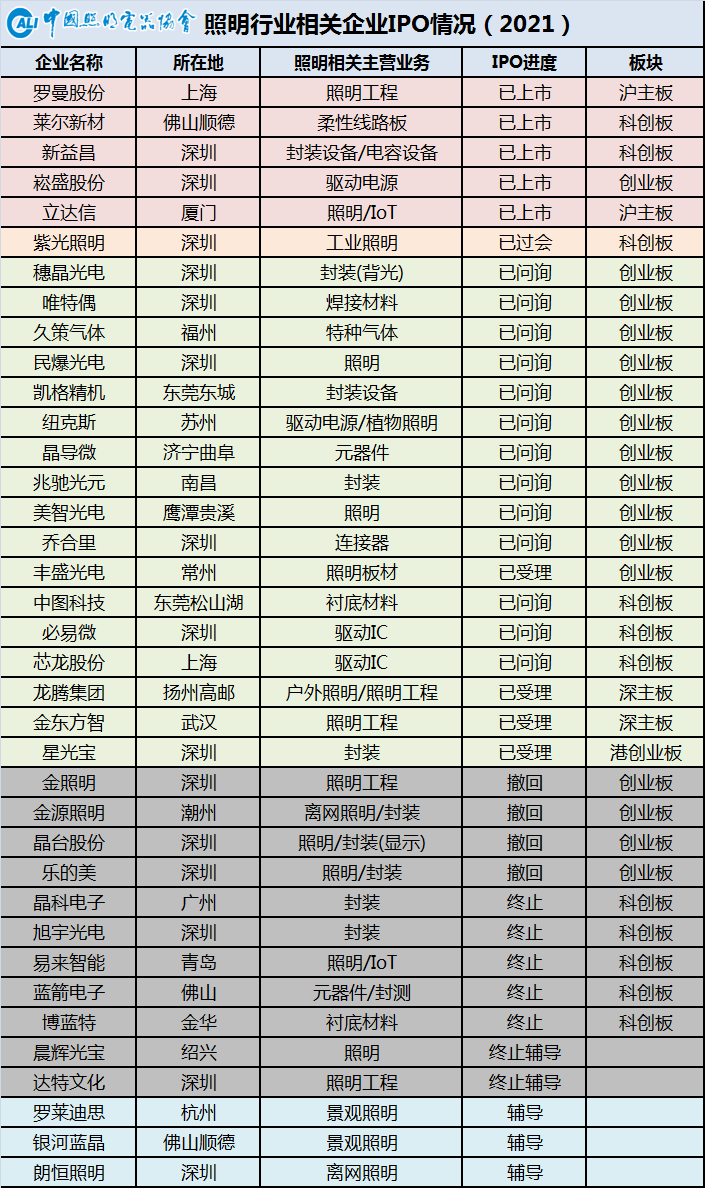
Finally, it is gratifying to see an increasing number of lighting companies entering the capital market. To date, there are over 100 A-share listed companies related to the lighting industry supply chain, with new participants continuously joining. After 30 years of development, China's capital market has matured steadily in improving the multi-tiered capital market system with Chinese characteristics. At present, the core focus is on the comprehensive registration-based IPO system combined with reforms to improve the delisting mechanism. In the future, equity investment in the capital market will return to its essence, and lighting companies with core competitiveness—those with advantages in R&D and innovation in value models—will be more readily accepted by the market. Therefore, lighting companies with solid foundations, capabilities, and willingness should seize opportunities and embrace capital while focusing on their core business.
China Light
The official website of the China Association of Lighting Industry and a full-media platform for the lighting sector. We provide authoritative and timely lighting information while striving to be a growth partner for businesses. From brand promotion and channel expansion to consulting, talent training and participation in standards development, we provide comprehensive professional services to help businesses improve quality and efficiency and jointly advance the high-quality development of the lighting industry.
Business Contacts
仇纯 (Ms.): 158 6155 3579
顾君 (Mr.): 137 7157 5253