
Analysis of Driving Factors, Opportunities, and Challenges in the Development of the Plant Supplemental Lighting Equipment Industry
01 Overview of the Plant Supplemental Lighting Equipment Industry
Plant grow lights are artificial light sources that stimulate plant growth by emitting electromagnetic spectra suitable for photosynthesis. Plant grow lights are generally used in applications lacking natural light or requiring supplemental lighting, providing a spectrum similar to sunlight or one better suited to the needs of the cultivated plants.
As one of the main factors affecting plant growth and development, spectrum, luminous intensity, and photoperiod all influence plant growth and development.
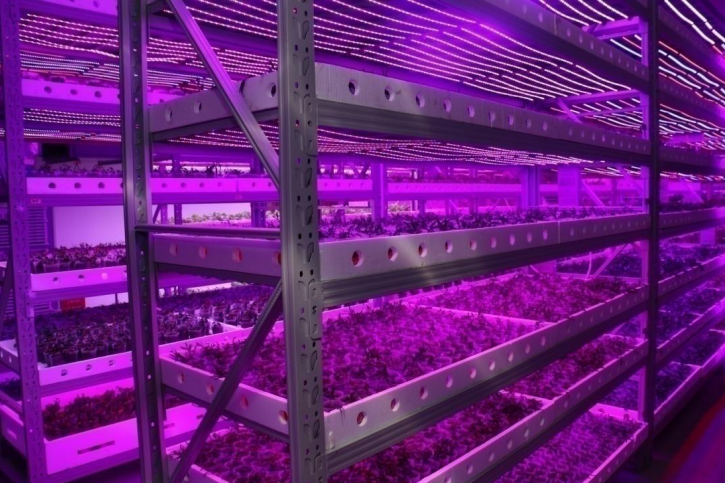
Plant supplemental lighting equipment is commonly used in greenhouses, vertical farming, plant factories, and home gardening. Currently, high-value agricultural products such as vegetables, fruits, and flowers in developed countries are mainly grown in greenhouses, using artificial light sources to regulate the light environment. For example, countries like the Netherlands in Europe have already applied plant supplemental lighting in modern agricultural production, achieving significant economic benefits.
In recent years, driven by rapid technological advancements and government policies, many lighting companies have expanded into horticultural lighting, making the plant supplemental lighting equipment sector one of the fastest-growing segments.
02 Global Market Drivers for Plant Supplemental Lighting Equipment
A. Growing global demand for fruits and vegetables, coupled with a gradual decline in per capita arable land
The population of emerging market countries continues to maintain a strong growth rate, and the world's total population maintains a steady growth trend, which also promotes the continuous rise in market demand for fruit and vegetable agricultural products. At the same time, the improvement in people's living standards has promoted the adoption of healthy and scientific dietary concepts and the improvement of dietary structures. The proportion of consumption of crops such as vegetables and fruits is gradually increasing, thereby promoting the development of the fruit and vegetable industry as well as the plant grow light industry.
Global and Chinese vegetable production has maintained steady growth in recent years, rising from 1.05 billion tons and 530 million tons in 2015 to 1.09 billion tons and 560 million tons in 2019, with compound annual growth rates (CAGR) of 0.9% and 1.2%, respectively. In the future, driven by continued global population growth and improved living standards, global and Chinese fruit and vegetable production and demand will continue to show a stable upward trend. However, global per capita arable land area is on a continuous downward trend, decreasing from 0.188 hectares per person in 2015 to 0.182 hectares per person in 2019, and is projected to decline at a CAGR of -0.6% to 0.177 hectares per person by 2024.
Population growth and the reduction of arable land require higher yields per unit area, thereby strongly driving demand for plant supplemental lighting equipment that accelerates growth and boosts production. Plant supplemental lighting equipment can promote photosynthesis in low-light or lightless environments, effectively accelerating plant growth, shortening the cultivation cycle of fruits and vegetables, improving their quality, yield, and flavor, fostering the development of the fruit and vegetable industry, meeting growing consumer demand, and helping address issues such as food supply and food safety.
B. Growing demand for home gardening
As household incomes rise and living standards improve, home gardening is gradually gaining popularity, with green ecology becoming an integral part of people's lives. In the United States, where there are many gardening enthusiasts, nearly 80% of households grow food or flowers at home, with each household spending an average of over $550 annually on gardening. The proportion of young people under 35 in this group is gradually increasing, exceeding 30%. In addition to planting various plants in their yards, more and more Americans are willing to invest more money in indoor growing equipment. On the other hand, the outbreak of the COVID-19 pandemic in early 2020 also promoted the development of the home gardening market.
Due to the pandemic, people have been spending more time at home and engaging in home activities such as home gardening. Balconies, backyards, and rooftops have become popular places for growing vegetables and green plants. Growing simple vegetables at home not only brings joy and allows you to enjoy the pleasures of rural life, but also helps reduce the risk of infection associated with going out for shopping. For gardening enthusiasts, providing suitable plant grow lights is often necessary to promote better plant growth. This is especially important in indoor growing environments with relatively weak light. LED grow luminaires, characterized by low power consumption, high luminous efficacy, low heat generation, and compact size, have been widely used in home gardening lighting applications. They can be used in household plant table lamps, home plant growing racks, and home vegetable growing machines. With the rise of global home gardening and increased awareness of gardening consumption, the prospects for home gardening lighting applications are promising.
C. Rapid development of modern facility agriculture
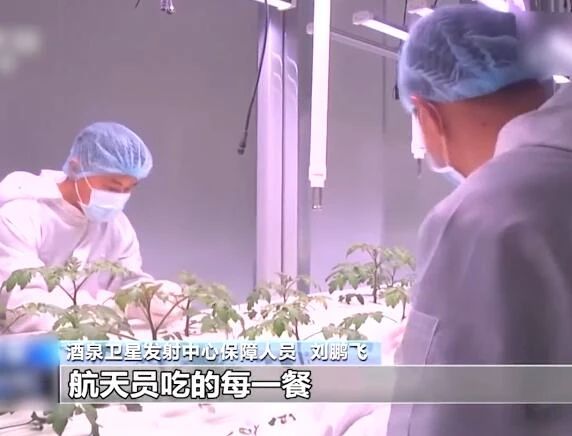
With the rapid development of science and technology, the connotation of facility agriculture is becoming increasingly rich. Various models and concepts such as greenhouses, plant factories, vertical farming, and soilless cultivation are gradually maturing. Facility agriculture features high technological content, intensive management, and high economic efficiency, making it one of the important symbols of modern agriculture. The global area for greenhouse vegetable cultivation increased from 415,000 hectares in 2014 to 497,000 hectares in 2018. In addition, the rapid development of plant factories in recent years has brought new momentum to modern agriculture. Plant factories are considered an important approach to addressing issues such as resource scarcity, insufficient labor force among the new generation, rising food demand, and the abuse of chemical fertilizers and pesticides. They are also a key means to achieve food self-sufficiency during future aerospace engineering exploration, receiving widespread attention from countries around the world.
In modern controlled-environment agriculture systems, the light environment is one of the indispensable physical environmental factors for plant growth and development. Regulating plant morphogenesis through light quality adjustment is a key technology in facility cultivation. When environmental conditions such as carbon dioxide, water, nutrients, temperature, and humidity are fixed, the photosynthetic photon flux density between the light saturation point and the light compensation point of a specific plant directly determines its relative growth rate. With in-depth research on the spectrum, it has been found that light in different wavelength bands has different effects on various growth stages of plants. Supplemental lighting equipment can extend effective illumination time as supplementary lighting, completely replace natural light to promote plant growth in plant factories, and thoroughly solve the problem of dependence on weather during the seedling stage, allowing reasonable scheduling based on seedling delivery deadlines. Through the use of supplemental lighting equipment, the rate of plant photosynthesis and the efficiency of light sources can be better mastered, thereby controlling the speed and quality of plant growth. Therefore, the rapid development of modern controlled-environment agriculture cannot be separated from the support of plant supplemental lighting technology, and the increasingly diverse agricultural planting scenarios and continuously improving planting requirements have also promoted the further development of the plant supplemental lighting industry.
03 Opportunities Facing the Industry
A. Application scenarios for plant supplemental lighting equipment are continuously expanding
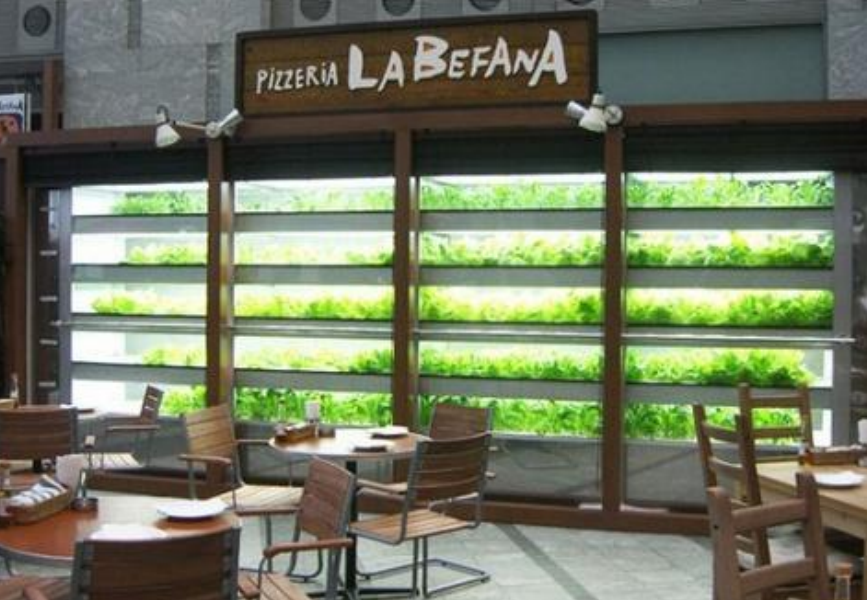
From the perspective of application areas, plant supplemental lighting equipment has currently achieved large-scale application in greenhouse supplemental lighting. Applications in fully artificial light plant factories, home gardening, multi-layer/vertical farming, plant green walls, outdoor field cultivation, and plant tissue culture are still in their early stages. With the rapid development of new fields and the continuous improvement of lighting and supplemental lighting requirements across various sectors, plant supplemental lighting equipment will feature more diverse application methods and scenarios in the future.
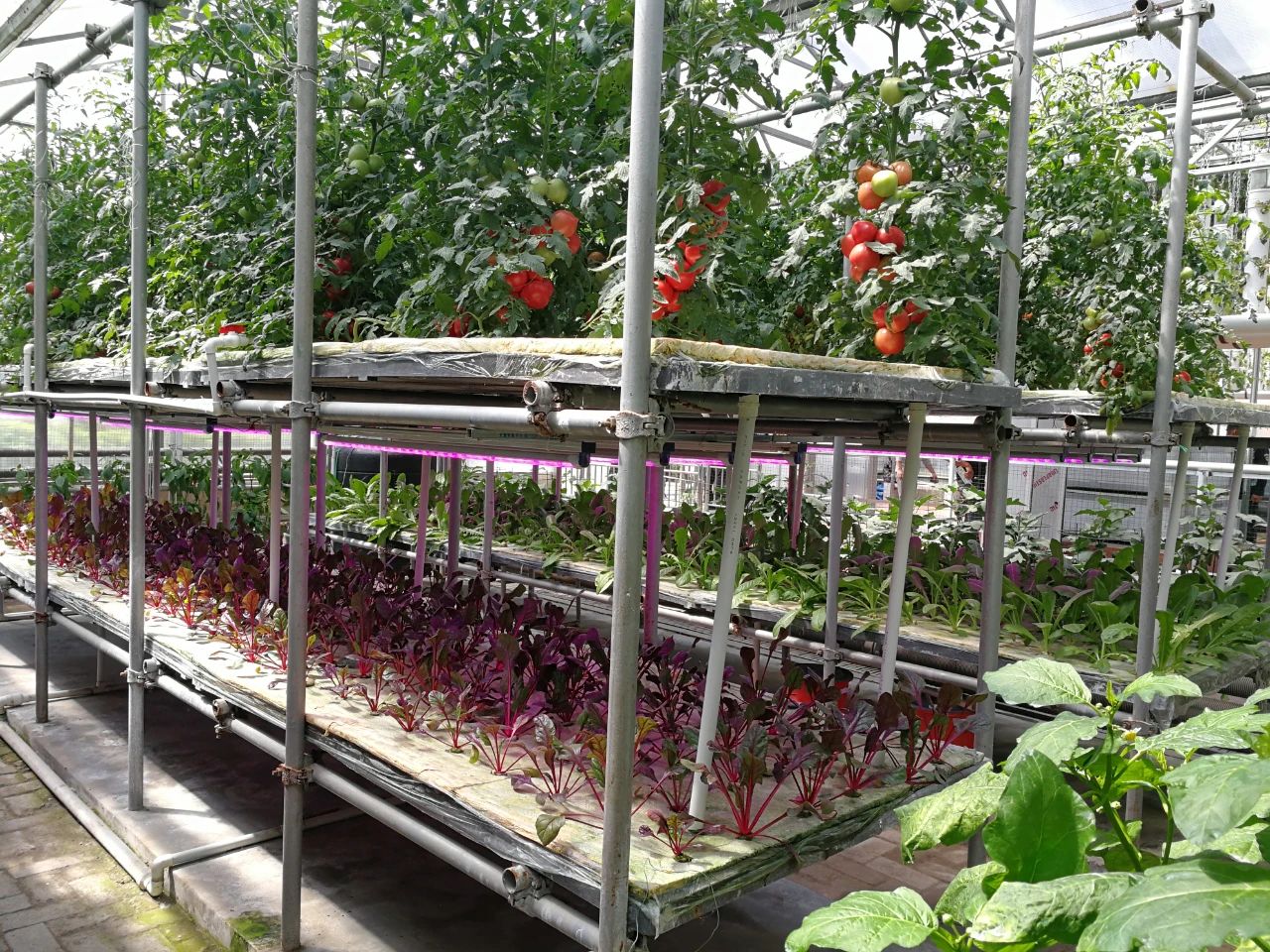
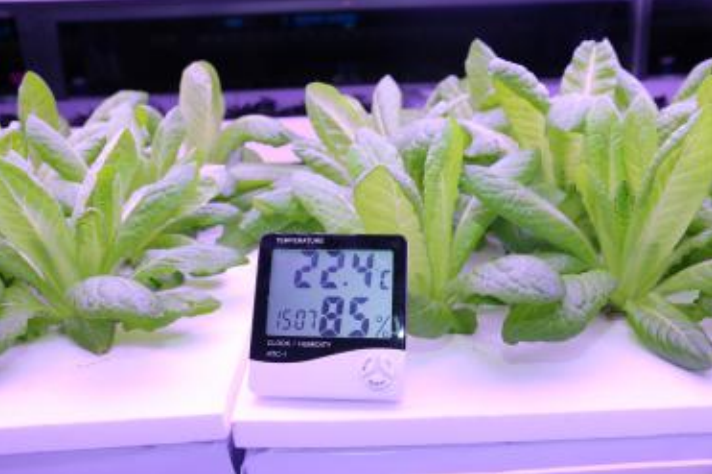
Currently, greenhouses are the most widely applied field for plant supplemental lighting equipment. In greenhouses, high-power, high-heat HID lamps are often used as top lights to provide the main supplemental light source. Nowadays, an increasing number of greenhouses are also equipped with LED lamps, which belong to cold light sources, as inter-plant supplemental lighting luminaires to further accelerate plant growth. Fully artificial-light plant factories are the fastest-growing sector in the application of plant supplemental lighting equipment. Plant factories include various types such as centralized multi-layer and distributed mobile systems. Their horticultural lighting systems mostly adopt linear or flat-panel array luminaire systems, and generally allow intelligent control of the light environment suitable for plant growth.
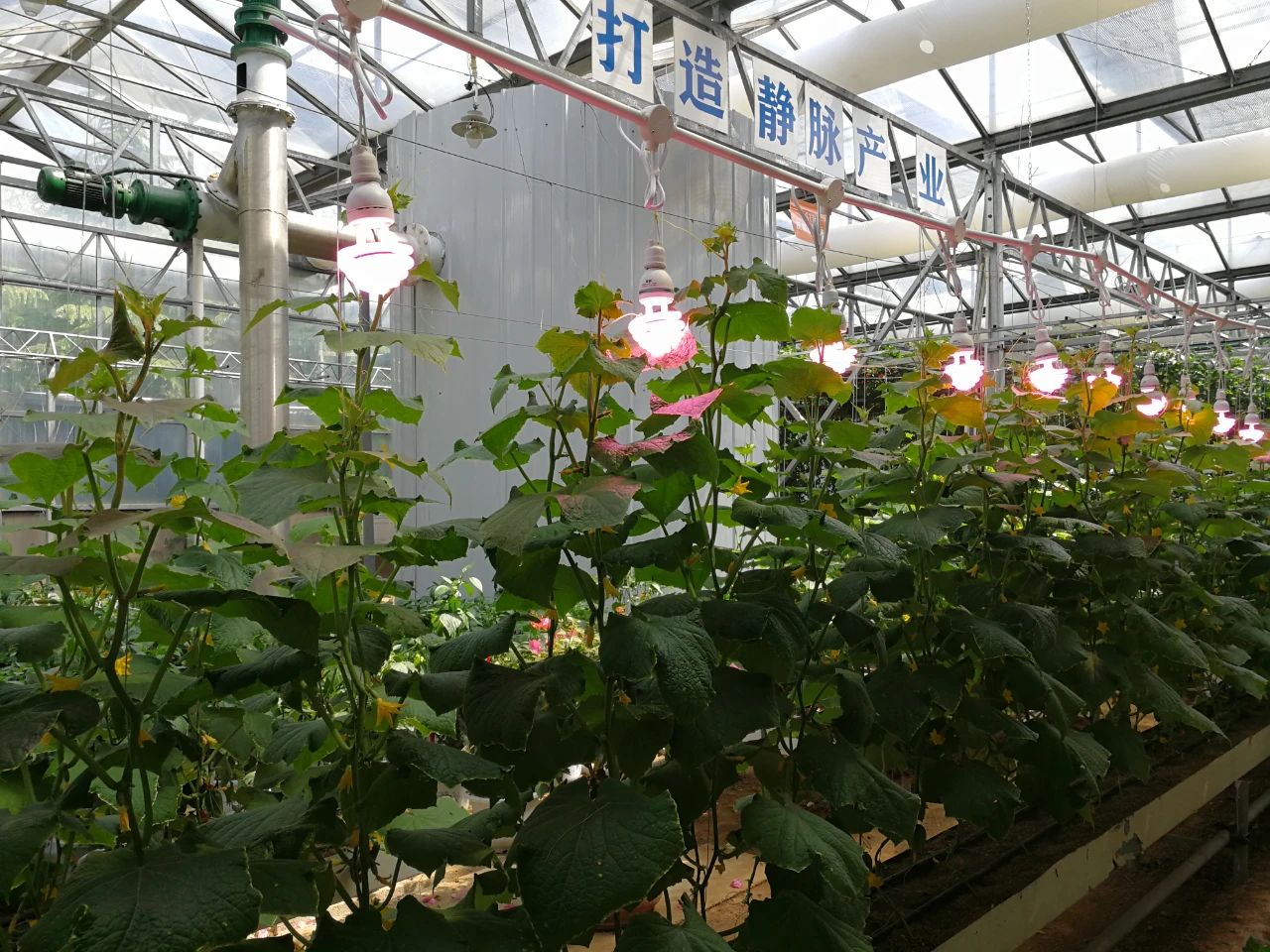
In recent years, plant factory projects have developed rapidly worldwide, especially in Japan, the Netherlands, China, and other countries. As plant factories gradually achieve large-scale commercial application in the future, the application of plant supplemental lighting equipment in this field will further penetrate. Outdoor field planting is also gradually increasing the use of plant grow lights, such as for high-economic-value long-day crops (e.g., dragon fruit). With the gradual decline in the cost of plant supplemental lighting, it is expected that the application of plant supplemental lighting equipment in this field will further penetrate. In addition,立体/vertical planting scenarios need to be equipped with supplemental lighting equipment for multi-layer (especially lower-layer) supplemental lighting when maximizing the use of vertical planting space. With the further promotion and application of立体 planting technology, the demand prospects for plant supplemental lighting equipment are broad.
B. Continuous Development of Plant Supplemental Lighting Technology
In recent years, through the collaborative efforts of industry participants, research institutions, and downstream markets, the technological level of the plant supplemental lighting industry has continued to advance. Through R&D, process innovation, and accumulated experience, plant supplemental lighting enterprises can provide complete turnkey solutions for plant light environments, from spectrum design to finished products. They can precisely combine different light quality sources to form supplemental lighting arrays based on the photosynthetic needs of different plants, offering "tailor-made" customization to meet the needs of various plants in different growth environments, thereby maximizing plant growth and achieving energy saving goals. Dynamically optimizing and adjusting the light environment according to the light recipe requirements from the seedling stage to the harvest stage is also an important trend in future precision agriculture. In terms of increasing yield, cultivation can be carried out in stages and zones combined with light recipes based on plant development characteristics to improve production efficiency and yield at each stage; in terms of improving quality, methods such as nutrient regulation and light regulation can be used to increase the content of nutritional components and other health-promoting functional components.
In the future, as market demand for real-time adjustment of light quality and quantity intensifies, leveraging advances in smart control technology and the widespread adoption of the Internet of Things (IoT) to combine multiple monochromatic spectra with intelligent control systems will become a key trend in plant supplemental lighting. This approach enables timely adjustments to light quality and output based on plant growth status and cultivation needs.
C. Further expansion of application categories for plant supplemental lighting equipment
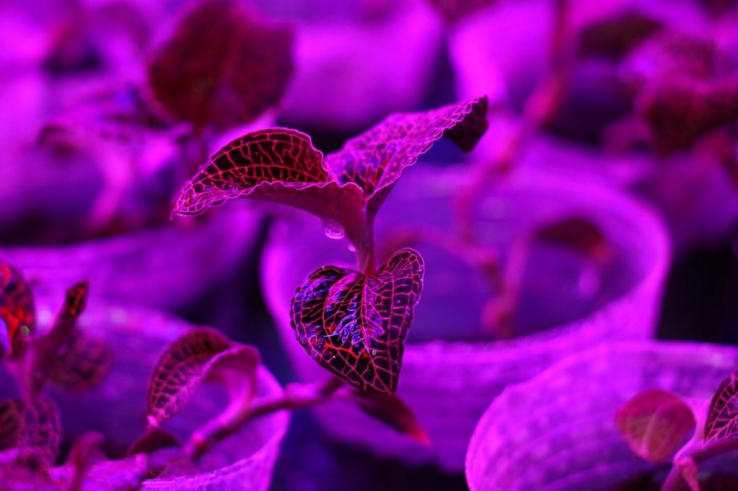
As supplemental lighting technology matures, plant supplemental lighting equipment is increasingly applied to a wider range of biological categories. In addition to vegetables, fruits, flowers, and ornamental plants, which are currently widely used, it is also gradually being used for the cultivation of medicinal plants, mushrooms, and microorganisms, as well as for aquaculture and poultry farming. Medicinal plants belong to the high-end cultivation sector; medicinal materials such as Cordyceps, Anoectochilus roxburghii, and Dendrobium officinale have high economic value, making this an industry with extensive application of plant supplemental lighting and broad development prospects. In addition, the demand for supplemental lighting equipment is growing day by day as mushroom cultivation achieves industrialized production. In indoor factory-style cultivation environments, light stimulation is essential for the formation of most edible mushroom fruiting bodies, and light quality also affects mushroom quality and overall yield. With the industrialization of edible mushroom production, the supplemental lighting market related to edible mushrooms has considerable development prospects.
Currently, supplemental lighting equipment has achieved a certain scale of application in aquaculture and poultry farming, with relatively mature technology. For animal husbandry, supplemental lighting devices with specific wavelengths can be used to promote animal productivity and reduce the use of feed additives and hormones, according to different breeding objectives. In the future, the continuous enrichment of breeding categories and the sustained expansion of the breeding market scale will further drive demand growth in the supplemental lighting industry. In the field of microbial cultivation, supplemental lighting equipment with specific wavelengths that promote the reproduction and proliferation of beneficial microorganisms can be used to achieve high-efficiency, high-density microbial reaction processes. With the deepening of microbial research and the expansion of market size, supplemental lighting equipment will have richer application connotations in the future.
With the deepening of research in optics and botany/zoology, as well as continuous advancements in supplemental lighting technology, using customized light environment control to regulate the growth of more organisms will become an important trend in the supplemental lighting industry. It is expected that supplemental lighting equipment will have broader application prospects and richer technical connotations in the future.
04 Challenges Facing the Industry
A. The industry is in its early development stage, with low market maturity.
Currently, the domestic plant supplemental lighting equipment industry is still in its early stages of development, with low market maturity. Especially in the field of low-power plant supplemental lighting products, the competitive landscape remains unclear. Low-power plant supplemental lighting products have relatively lower requirements for production processes and technical standards. Some smaller-scale manufacturers adopt low-price strategies to increase market share while neglecting product quality standards, which may trigger vicious price competition and hinder the long-term development of related domestic industries.
B. Lack of unified industry standards
The plant supplemental lighting industry is in a period of rapid development, and relatively unified industry standards have not yet been formed. Therefore, manufacturers must design targeted product solutions based on the different product specifications of luminaire manufacturers, resulting in a wide variety of LED driver / power supply and luminaire products on the market, which in turn leads to a certain degree of waste of R&D and production resources. The lack of unified industry standards has become an unfavorable factor affecting industry development.
05 Barriers to Entry for Traditional Luminaire Manufacturers
A. Technical Barriers
Unlike traditional luminaires for indoor lighting, public lighting, and landscape lighting, plant growth lighting equipment requires high photosynthetic photon flux to meet the needs of plant photosynthesis, so its LED driver / power supply generally has higher power. The higher the power of the LED driver / power supply, the greater the difficulty in circuit structure design and thermal structure design. In addition, plant growth lighting equipment is used in environments with large temperature differences, high humidity, high corrosion, lightning surges, electromagnetic interference, and significant grid voltage fluctuations. It needs to meet special lighting requirements such as high stability, high reliability, specialized light distribution, and high photosynthetic photon flux, while also meeting requirements for energy saving, safety, and environmental protection. The design of plant growth luminaires differs significantly from traditional luminaires. Therefore, traditional luminaire manufacturers face certain technical barriers if they wish to enter the plant growth lighting field.
B. Customer Resource Barriers
Currently, the main application markets for plant supplemental lighting are concentrated in developed countries such as Europe and the United States. Downstream customers are mainly large-scale facility agriculture product brand owners, and the business model is primarily ODM. These customers mainly value strengths such as product quality, long-term stable supply capacity, and assistance in product upgrades for downstream customers. Customers generally need to conduct thorough evaluations before determining their suppliers. They will only add or change suppliers if the original supplier encounters major quality issues or fails to meet supply demands in terms of production volume and price. The certification process for suppliers by downstream customers consumes significant time and cost. New entrants find it difficult to break through the commercial reputation and cooperation habits formed over many years. Therefore, traditional luminaire manufacturers often face high barriers to customer resources when attempting to enter the plant supplemental lighting field.
C. Product Differentiation Barriers
Plant supplemental lighting belongs to specialized lighting. Its production and application technologies, product characteristics, application fields, and sales channels differ significantly from traditional lighting. Plant supplemental lighting emphasizes application scenarios; scenarios vary by planting region and plant growth stage. R&D and product teams must have extensive industry experience in plant supplemental lighting and a thorough understanding of the full plant growth cycle to develop products aligned with downstream demand. Traditional luminaire manufacturers have limited understanding of plant supplemental lighting application scenarios and must incur high time and R&D costs to enter this field.