
National Standard Seminar on "Smart City Smart Multi-function Pole System General Requirements" held in Hangzhou on July 9
On July 9, 2021, the National Standard (mandatory / recommended) seminar on "Smart City Smart Multi-function Pole System General Requirements" was held at the headquarters campus of China Electronics Hikvision Group Co., Ltd. in Hangzhou, under the guidance of the National Energy Conservation Center and the Yuhang District Government of Hangzhou, hosted by China Electronics Hikvision Group Co., Ltd., and organized by Zhejiang Yibo High-Tech Co., Ltd.
The conference also received strong support from the China Association of Lighting Industry (CALI), Zhejiang Smart City Promotion Association, Zhejiang Technology Market Promotion Association, Zhejiang Lighting Electrical Appliance Association, Zhejiang Smart Pole Industry Alliance, Zhejiang Intelligent IoT Technology Magazine, Light of China Network, and Wuzhen Street Technology Co., Ltd.
At 9:00 a.m., Ms. Gao Hong, Director of the Energy Conservation Management Division of the National Energy Conservation Center under the National Development and Reform Commission, presided over the "Multi-function Pole Standard Seminar." Drafting units worked together and engaged in lively discussions on the development of the National standard (mandatory / recommended) for "Smart City Smart Multi-function Pole System General Requirements."
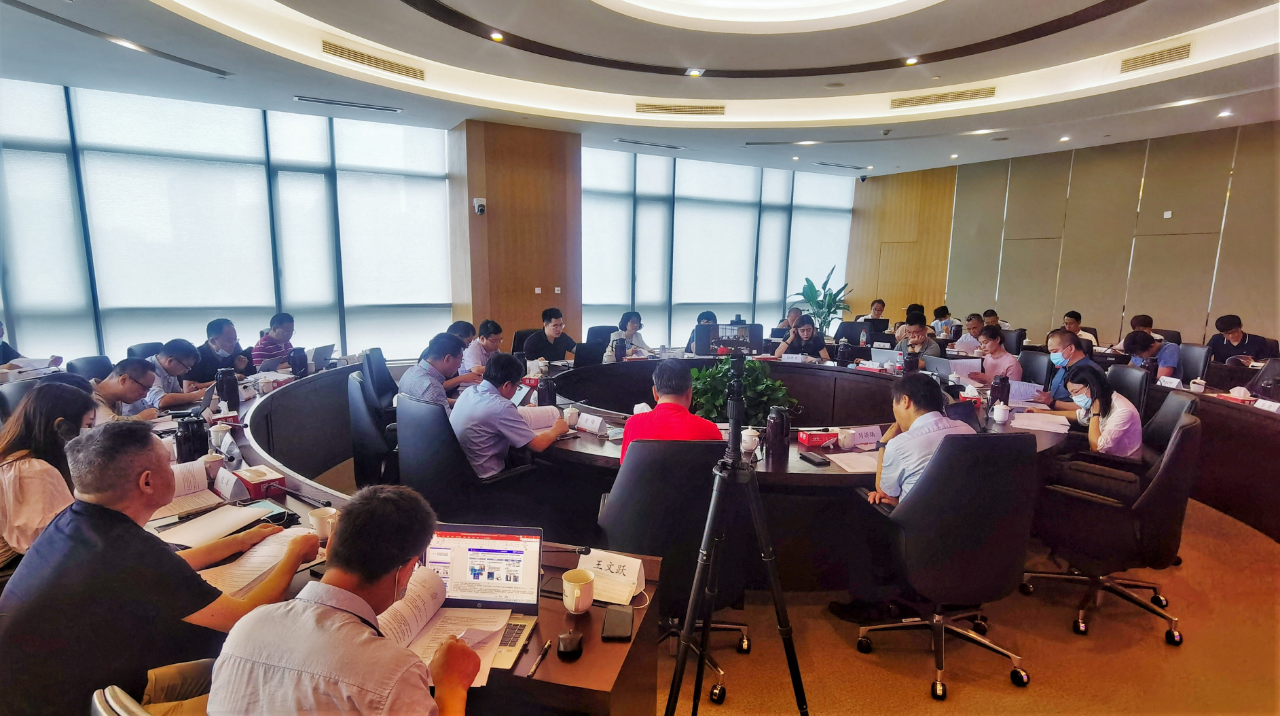
The afternoon session was moderated by Mr. Hong Bing, Editor-in-Chief of China Light Network under the China Association of Lighting Industry (CALI).
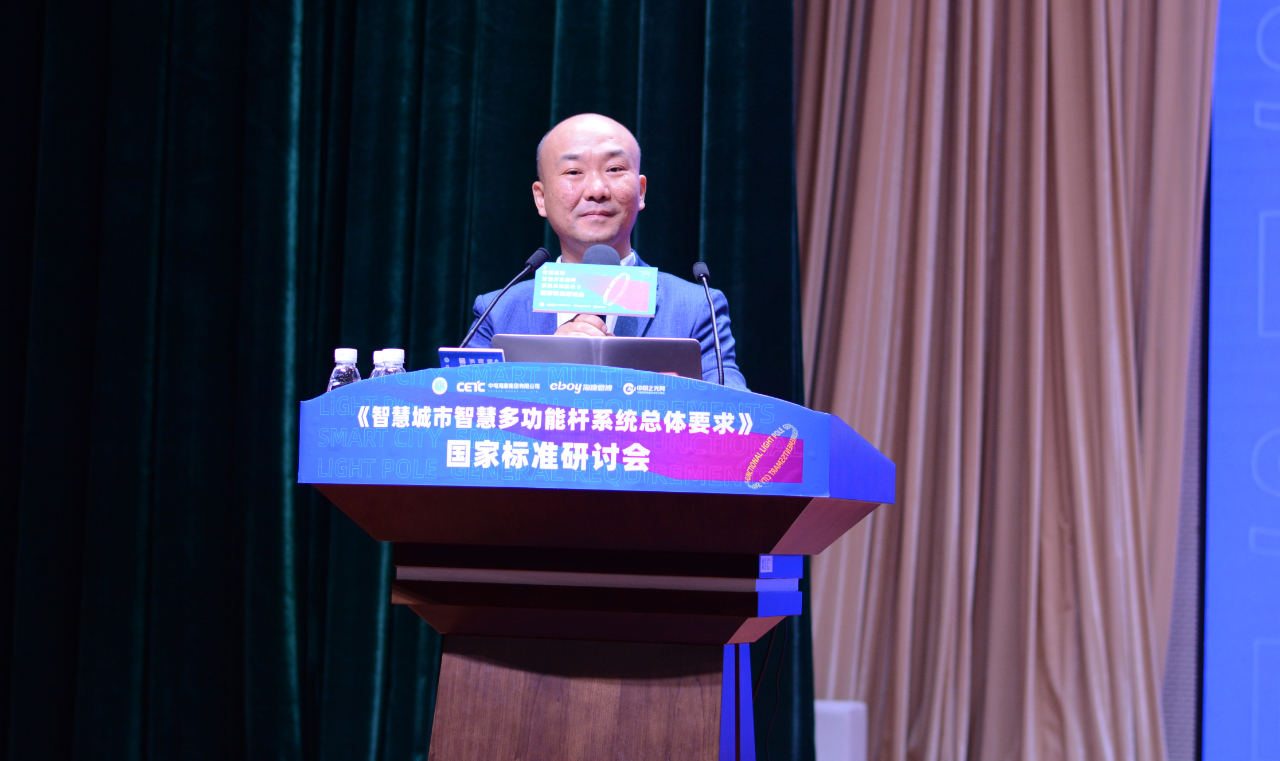
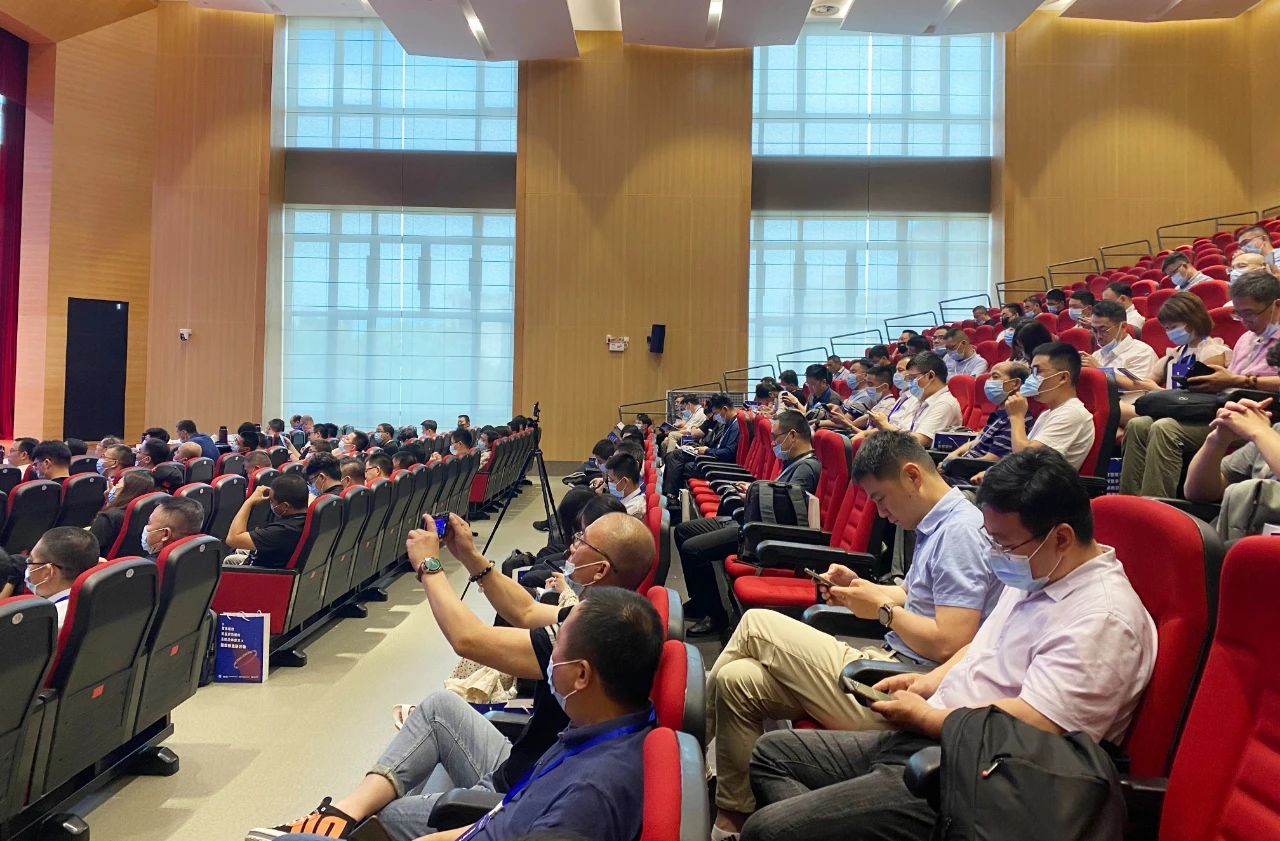
This standards seminar aims to implement General Secretary Xi Jinping's important instructions on "seizing the source of resource utilization, promoting total resource management, scientific allocation, comprehensive conservation, recycling, and comprehensively improving resource utilization efficiency." Industry ecosystem partners, corporate representatives, engineering companies, chamber of commerce representatives, media representatives, and others gathered at this seminar to jointly promote exchanges among the government, industry organizations, and enterprises, further supporting the construction of green, low-carbon smart cities.
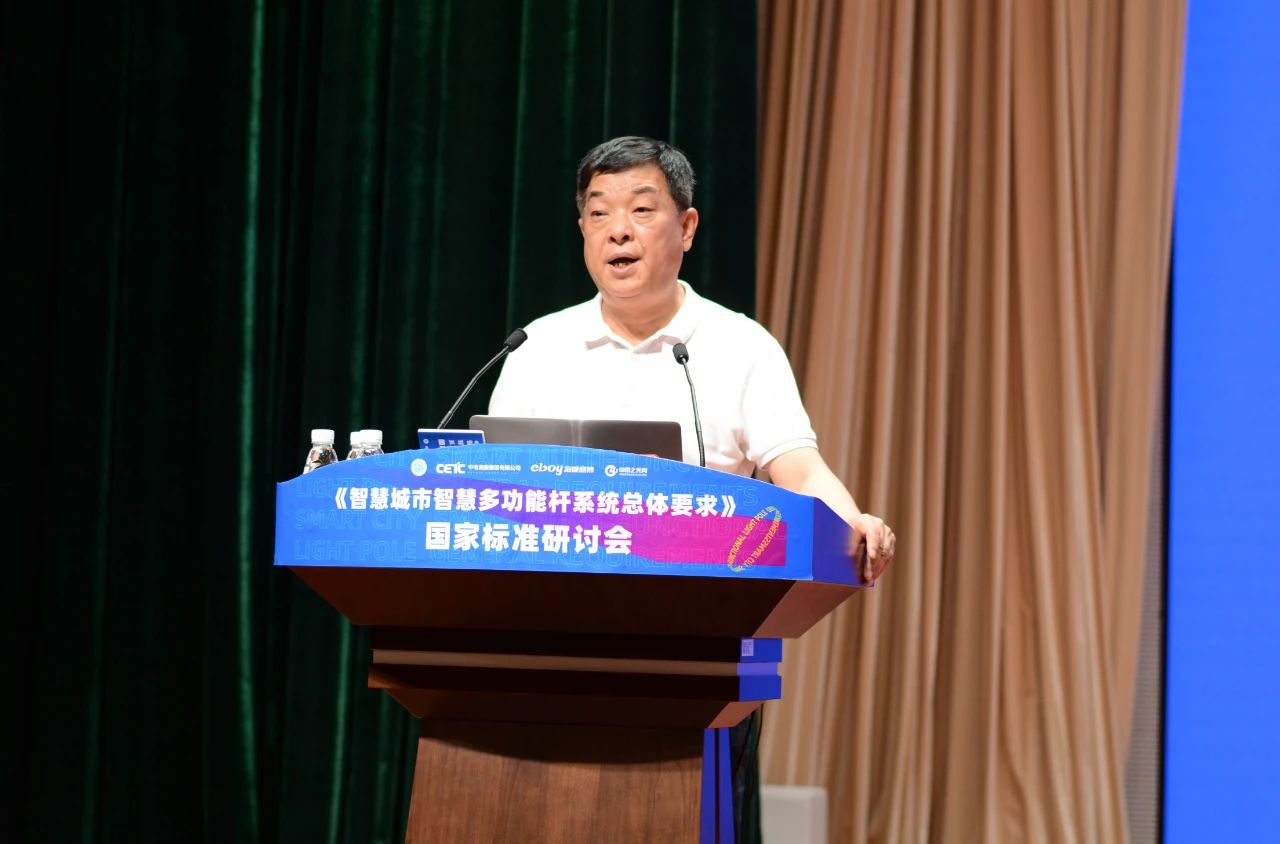
Address by Mr. Li Xing, Deputy Director of the National Energy Conservation Center under the National Development and Reform Commission
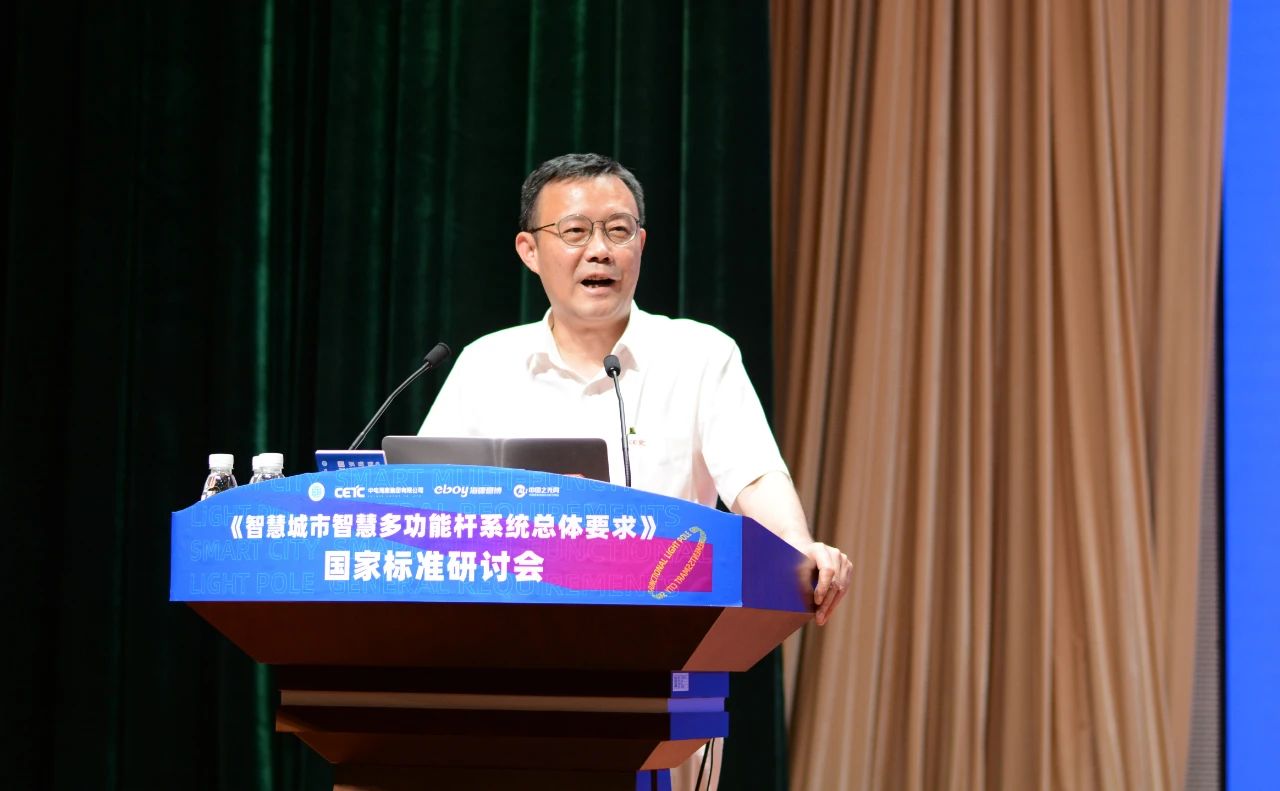
Address by Mr. Cheng Yu, General Manager of CETC Hikvision Group Co., Ltd.
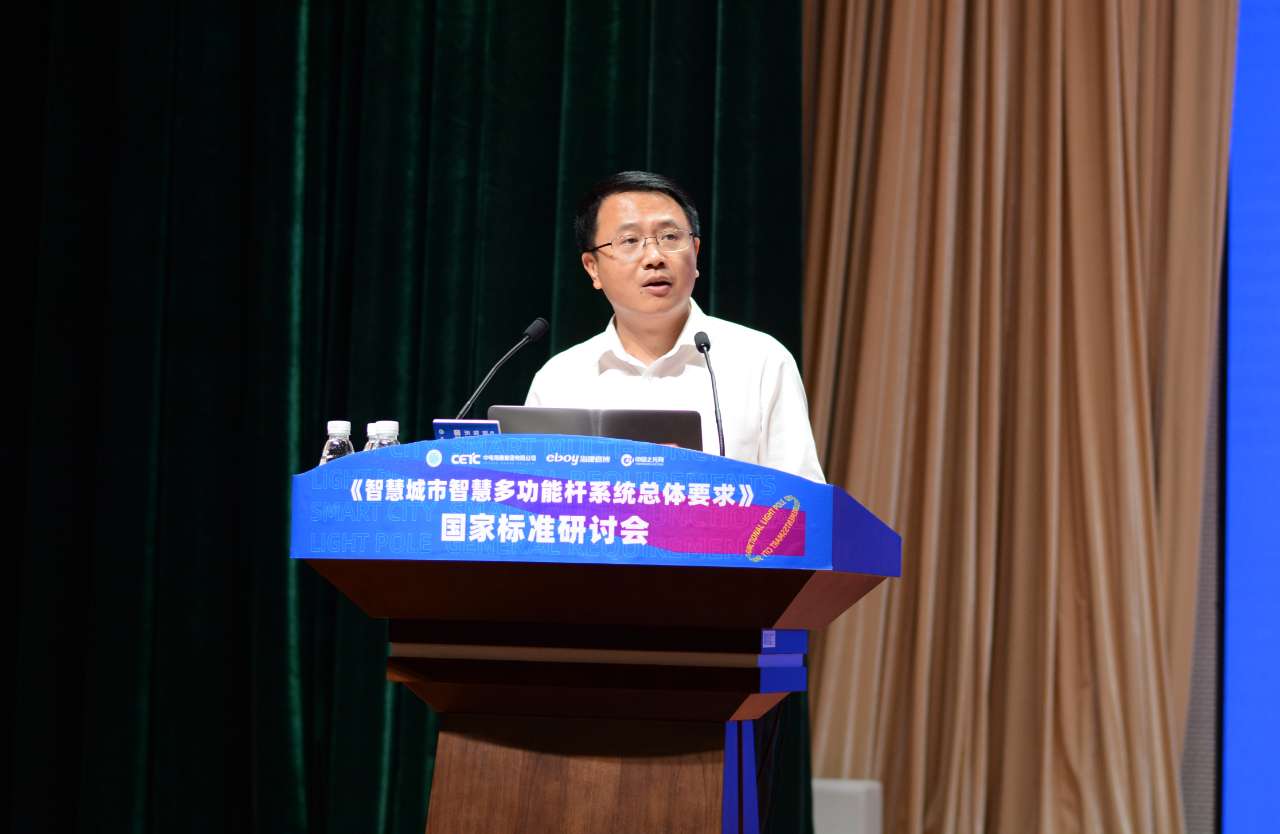
Address by Mr. Cheng Xiaodong, Deputy District Mayor of Yuhang District People's Government, Hangzhou
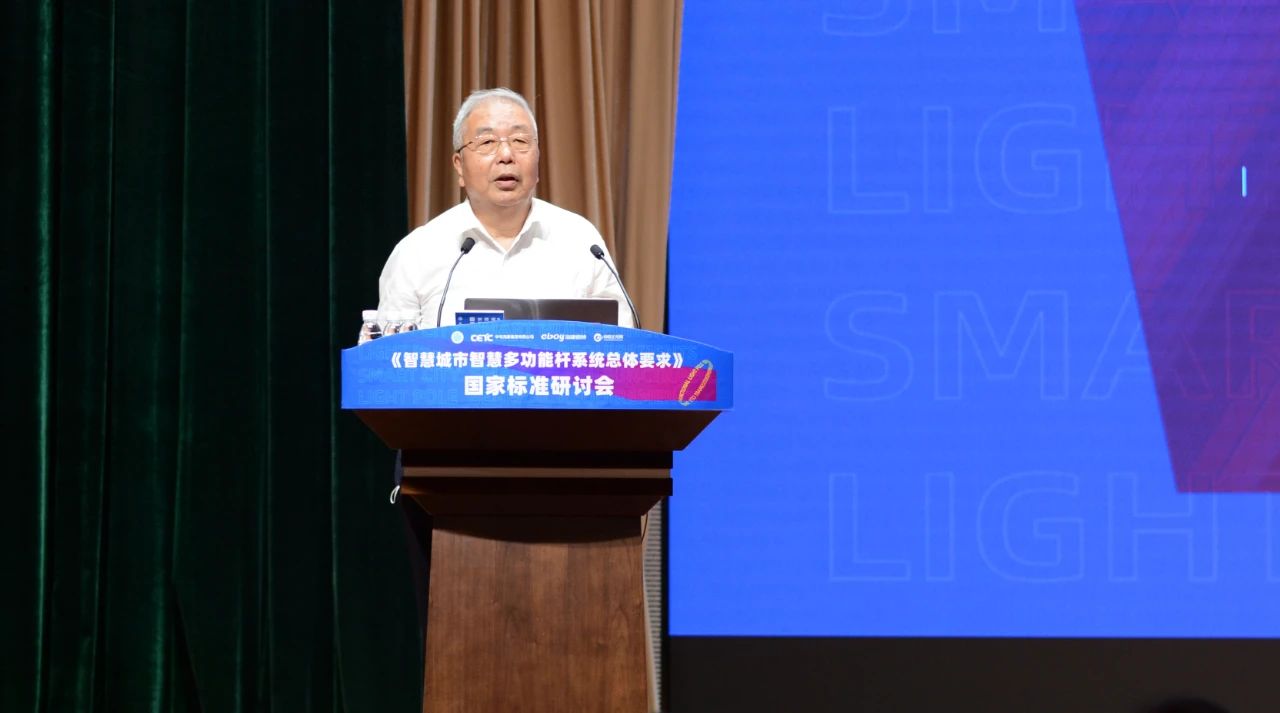
Address by Mr. Chen Yansheng, Chairman of the China Association of Lighting Industry (CALI)
With the rapid development of information and communication technology, cloud computing, and big data, leveraging urban street light systems to build green smart city infrastructure is a cost-effective solution and an important component of smart city construction. Currently, there is no nationwide consensus on the naming and conceptual scope of smart multi-functional poles, nor are there unified national standards for reference regarding the performance of corresponding functional equipment and various system design indicators.
The National Energy Conservation Center previously drafted the National standard (mandatory / recommended) titled "General Requirements for Smart City Intelligent Multi-function Pole Systems" and submitted a project establishment application to the Standardization Administration of China. We hope this seminar will enhance exchanges, offer suggestions, provide rich theoretical guidance for the construction of smart cities in China and the formulation of standards for general requirements of smart multi-function pole systems, bring more targeted and forward-looking inspiration and assistance, thereby effectively improving the overall level of smart city construction and harmonious urban ecological development in China.
Below are the highlights of the reports from this seminar:
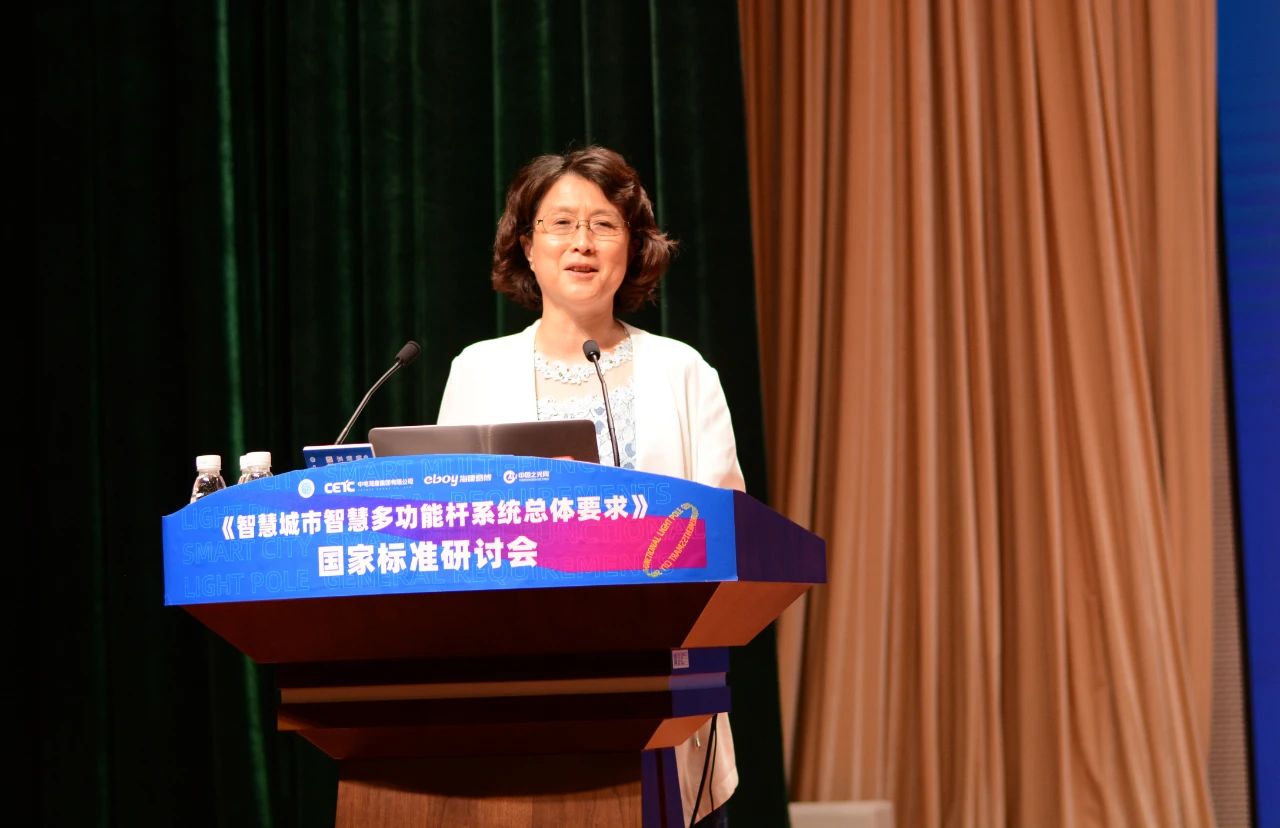
Ms. Gao Hong, Director of the Energy Conservation Management Division at the National Energy Conservation Center of the National Development and Reform Commission, delivered an insightful report. Her presentation was titled "Accelerating the Formulation of National Standards for Smart Multi-functional Poles to Support the Goals of Carbon Peaking and Carbon Neutrality".
The current challenges in formulating the national standard for smart multi-functional poles are: numerous departments and companies are involved, lacking overall coordination; standards vary across different regions and fields, with no unified standard; high costs and significant investment, along with multiple functions, result in costs dozens of times higher than ordinary street light poles; insufficient innovation, failing to break down data barriers and achieve resource sharing; the construction of multi-functional lamp poles is currently mainly based on pilot projects and has not yet achieved scale.
It is recommended to strengthen top-level design and promote coordinated planning; accelerate the issuance of a series of national standards (mandatory / recommended) for multifunctional light poles, clarify the standardization and unification of key interfaces, conduct preliminary research to ensure adaptability to development in the coming years; establish an investment and operation model featuring government-coordinated supervision, collaborative win-win among participants, and shared benefits for the general public; fully leverage the enabling role of information and communication technologies such as 5G, Internet of Things, edge computing, Internet, cloud computing, big data, and artificial intelligence, to bring into play the comprehensive advantages, location advantages, and scale advantages of multifunctional light poles, providing smarter, more convenient, and greener innovative services for cities and residents.
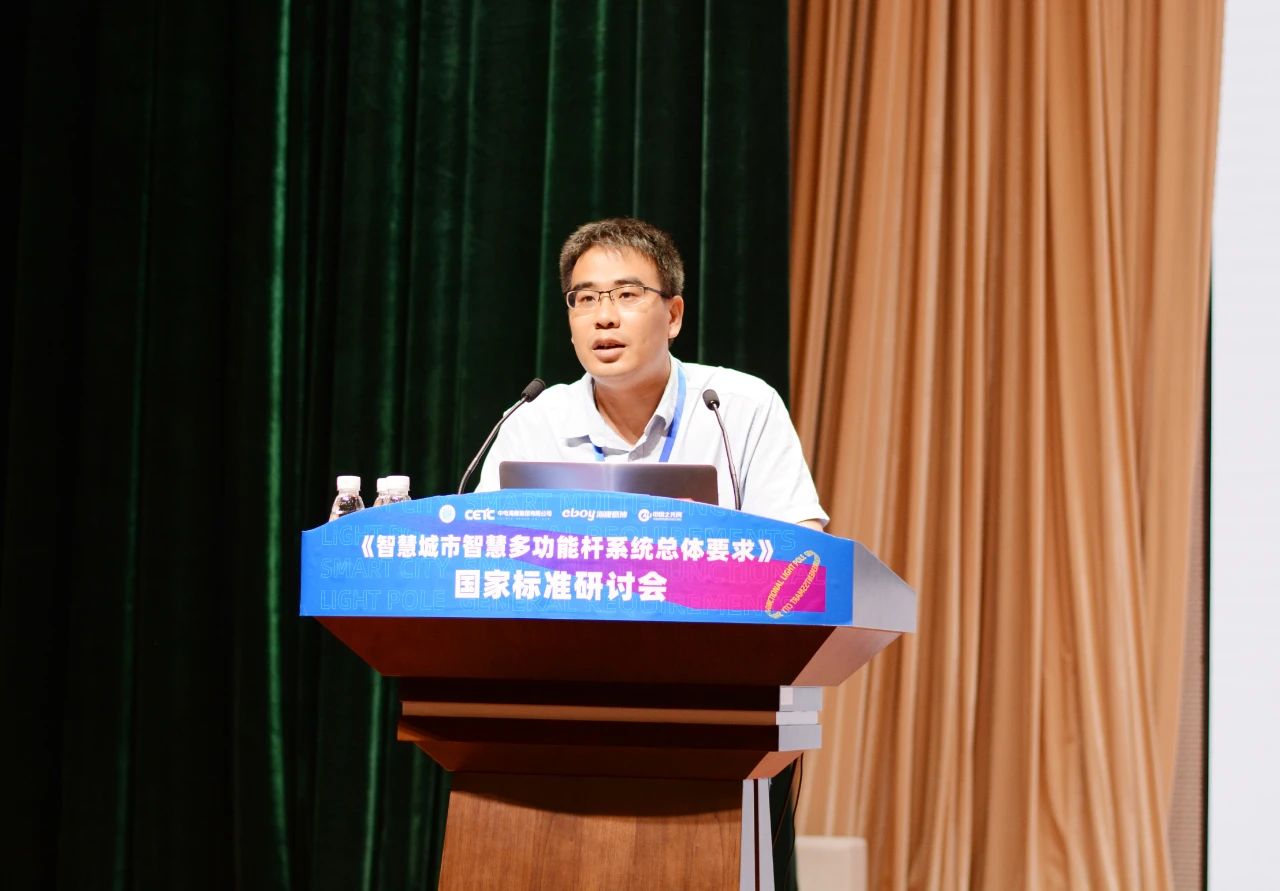
Mr. Wang Wenyue, a technical expert at the China Academy of Information and Communications Technology (CAICT), presented on the topic of "Discussion on the Capabilities and Requirements of Smart Multi-functional Pole Management Platforms for Application Scenarios."
He illustrated the performance requirements of the smart multi-function pole management platform using three typical application scenarios for future overall development as examples:
● A management platform for 5G application scenarios must, on one hand, support a certain level of concurrent access to meet the needs of innovative 5G applications. On the other hand, it must feature a standardized interface library covering mainstream device/business platforms, helping to form a low-cost, easy-to-promote, easy-to-maintain, and interoperable smart pole platform Solution: the interface library can cover most devices, ultimately achieving adaptive plug-and-play for devices; the interface library is easy to port and replicate, reducing smart pole platform costs and enhancing interoperability; it is not tied to a single supplier, thereby solving the O&M challenges of smart poles.
● A management platform suitable for digital twins (analyzed from a holistic smart city perspective) must, on one hand, possess adaptive interfacing capabilities for all general-purpose devices; on the other hand, it must have the ability to parse underlying device asset coding identifiers; furthermore, it must possess digital asset management capabilities, such as enabling data ownership confirmation and circulation traceability based on technologies like blockchain.
● V2X infrastructure requires pole-mounted support, basic power supply, communications, and O&M support. Collaborative construction with smart multifunctional poles is an inevitable trend. The greatest demand of V2X on the management platform lies in the ability to manage roadside computing devices and roadside communication equipment, which translates into requirements for edge computing capabilities, data management, and intelligent capabilities.
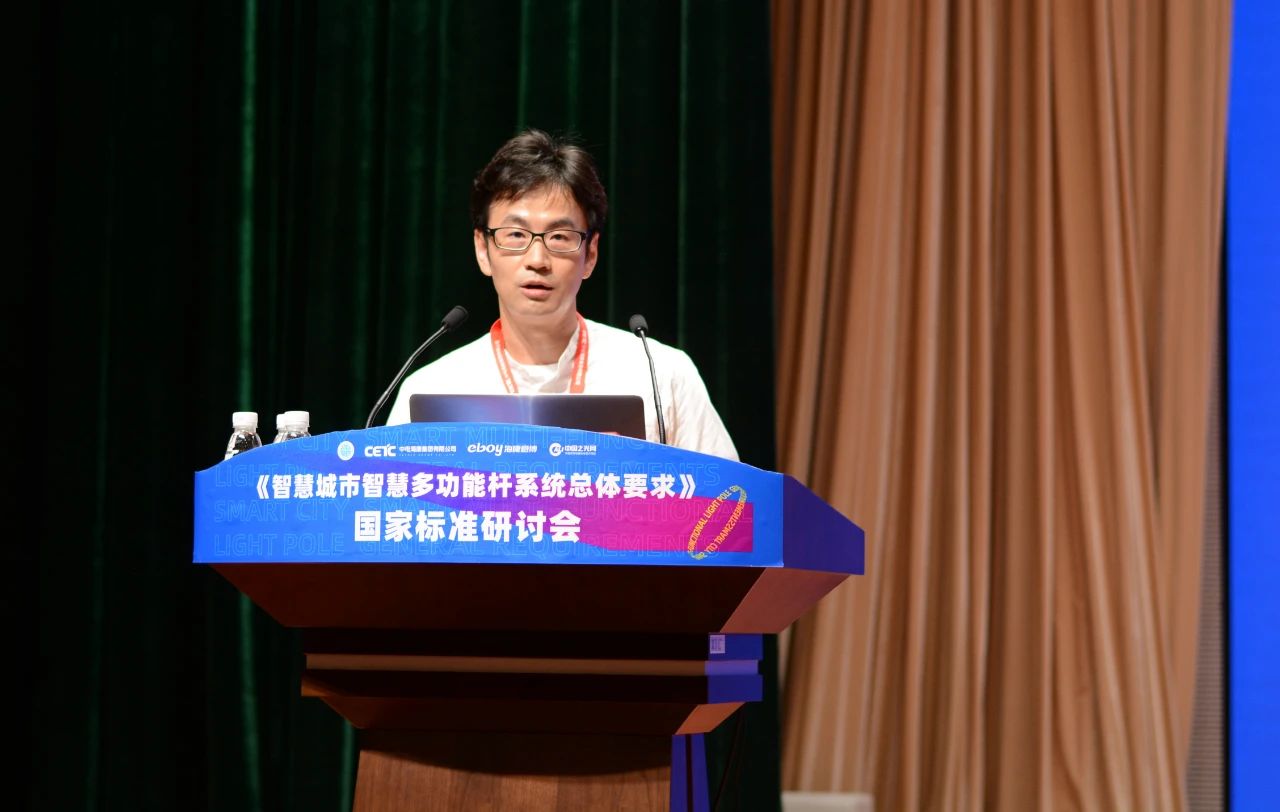
Mr. Li Jin, Senior Solution Expert at Zhejiang Yibo High-Tech Co., Ltd., shared the topic "Smart Streetlights Illuminate the AIoT Intelligent Ecosystem".
There are two main reasons why platform-oriented enterprises will emerge in the smart streetlight industry: first, no single company can provide a full range of smart streetlight products; second, there is no unified interoperability standard protocol. The purpose of building a platform ecosystem is to deploy technical capabilities such as cloud computing, AI, and big data, addressing issues of cross-brand and cross-category interoperability among various IoT devices, cloud integration, and AI-enabled interaction. The formation of a platform ecosystem creates an interconnected environment, reduces communication costs for ecosystem products, and significantly enhances collaborative innovation across the supply chain.
In the 5G + AIoT era, the smart streetlight industry environment is becoming more open. Companies are opening their cloud service data and various interfaces to ecosystem partners. Interconnectivity across full product chains and multiple brands breaks down boundaries between product categories and languages. With strengthened collaborative innovation among multi-ecosystem platforms, massive intelligent product DNA, and connectivity demands, smart streetlights will fully enter a prosperous era of interconnectivity.
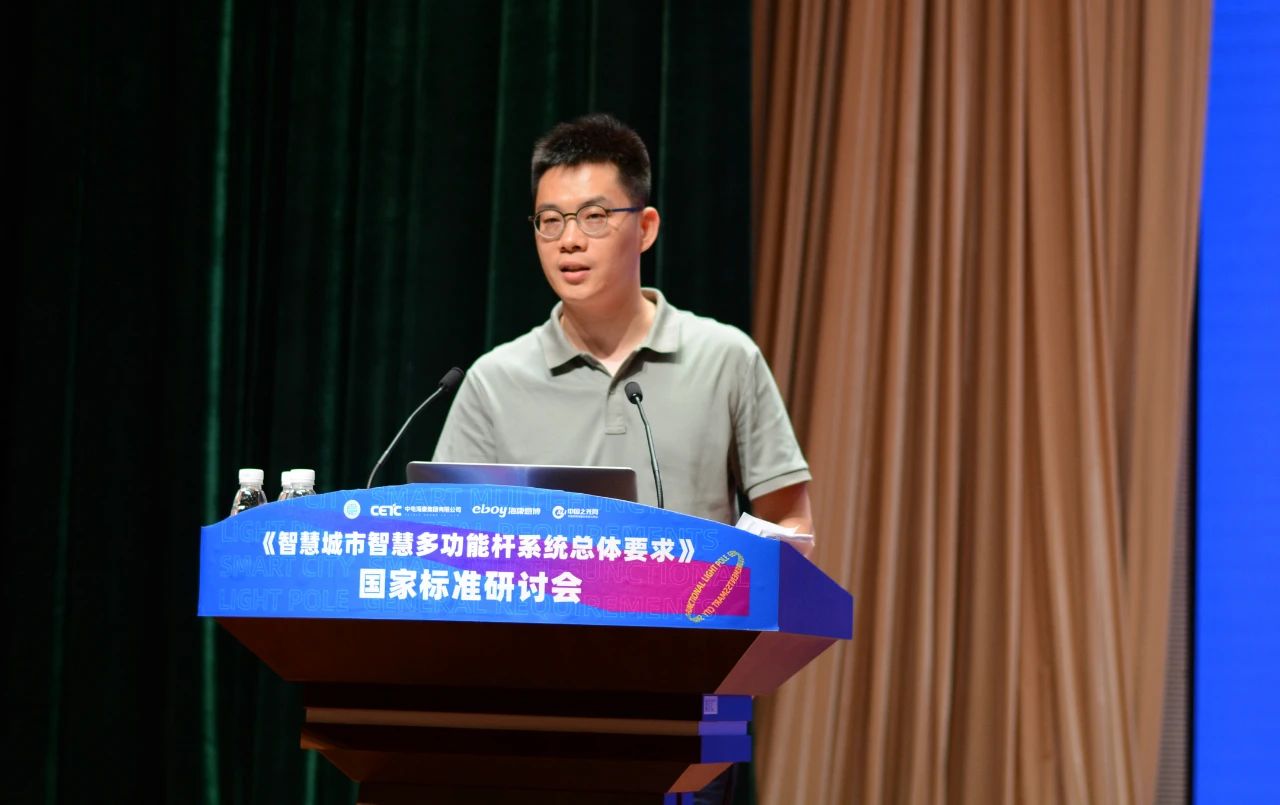
Mr. Yang Tao, Deputy Director of the Chief Engineer's Office at the Nanjing Street Light Management Office, delivered an insightful presentation titled "Empowering Traditional Innovation with Intelligence: Nanjing's Smart City Application Practices."
他在报告中分享了几个南京智慧城市应用实践案例,包括南京建邺区喵喵街的智慧路灯机器人、南京阅江楼街道的占道经营、取证不便等问题的智慧管理办法、南京南站的“插花式”路灯机器人,帮助解决黑车营运取证执法难问题。
The smart streetlight robot can monitor your every move. For example, if a pedestrian jaywalks, the broadcast system will issue a voice alert: "Pedestrians, please do not jaywalk and do not enter the motor vehicle lane." In addition to automatically detecting pedestrians running red lights, it can also capture violations such as illegal parking of motor vehicles and non-motorized vehicles entering motor vehicle lanes, providing timely voice warnings.
It is reported that this is the first nationwide 5G application scenario fully supported by smart poles, with implemented urban comprehensive governance scenarios including traffic accident alerts, pedestrian red-light violation warnings, illegal occupation of motor vehicle lanes alerts, illegal parking in non-designated areas alerts, pedestrian jaywalking warnings, and e-bike helmet-wearing reminders.
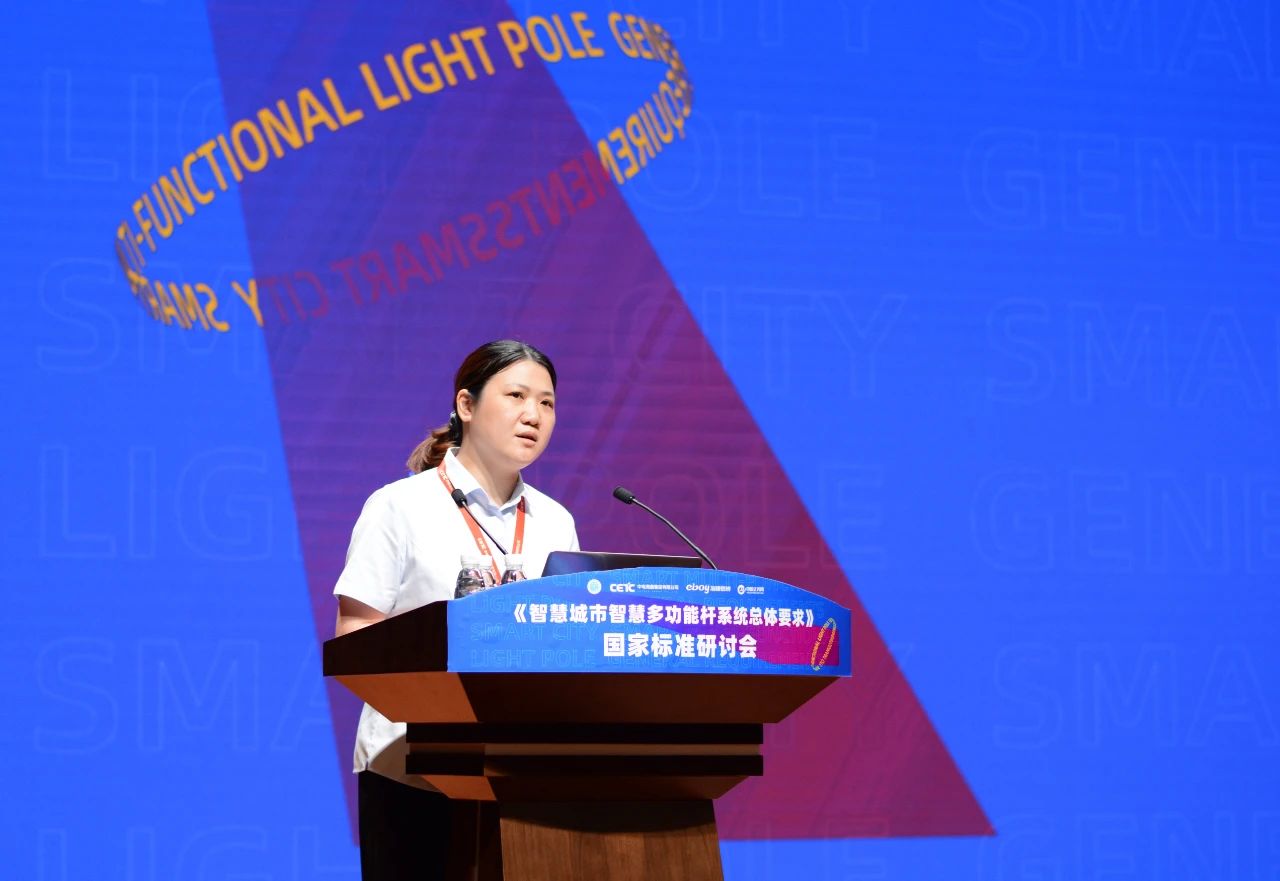
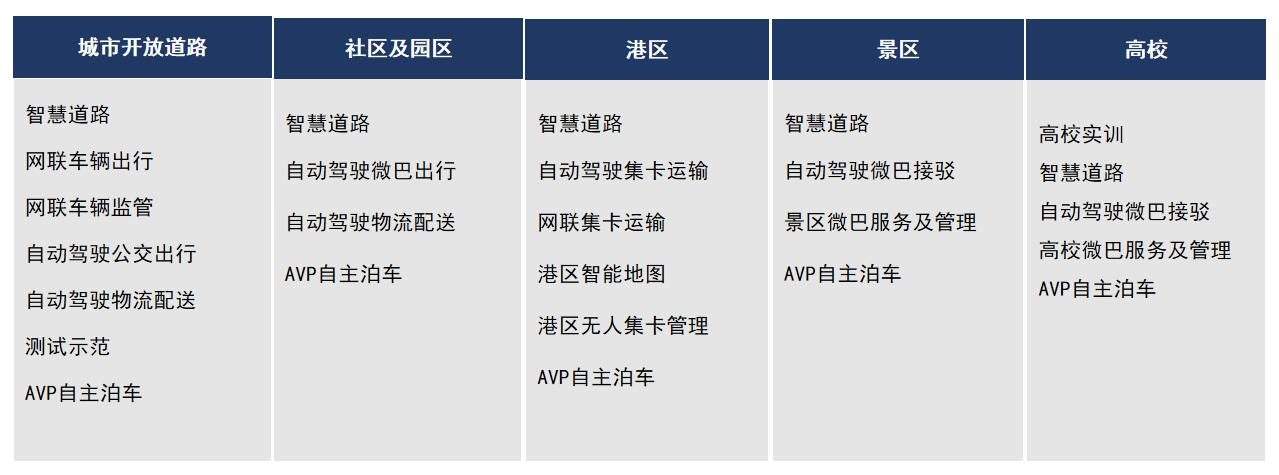
Ms. Xing Jun, Head of the Innovation Transportation Department at Zhejiang Hikvision Intelligent Connected Technology Co., Ltd., delivered an insightful presentation titled "Vehicle-Infrastructure Cooperative Services in Urban Spaces."
Her report vividly showcases ten featured applications of vehicle-road coordination in urban smart transportation: road governance, autonomous driving mobility, autonomous logistics delivery, unmanned mobile services, advanced driver assistance reminders, all-weather safety supervision and coordination, AVP (Automated Valet Parking), university practical training, testing and validation, and ship-shore collaborative intelligent governance and services.
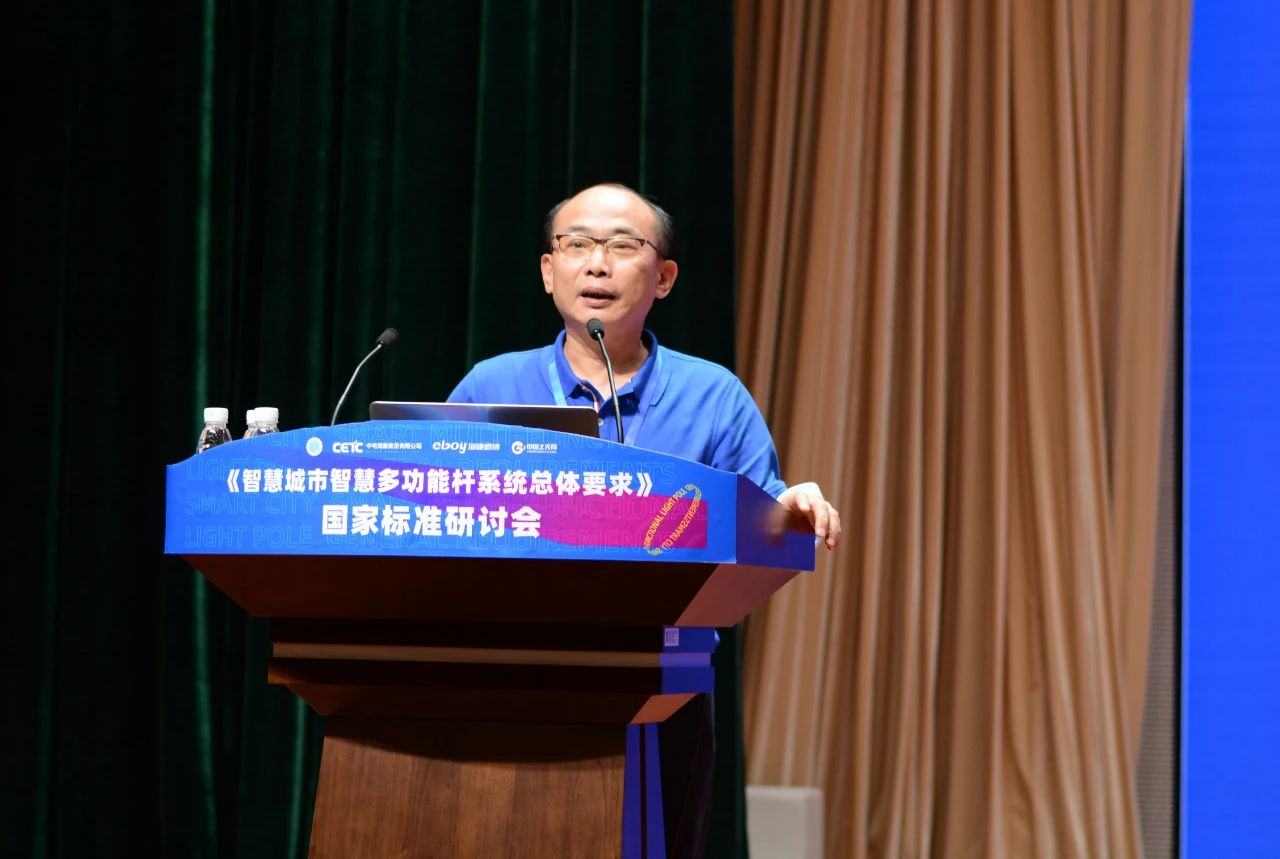
Mr. Guan Rongfu, Vice President of Putian Hongyan IoT Technology Co., Ltd., delivered a report titled "Smart Light Poles Empower Urban Upgrades".
In his report, he briefly outlined the social benefits of smart streetlights: enhancing the city's image; clear data, transparent conditions, and accurate decision-making, leading to better coordination and higher efficiency in urban governance; faster emergency response; a more livable city with greater public satisfaction; more precise and timely dissemination of important information; and laying a solid foundation for future development of the "city brain" and the transition toward a smart city.
As the core entry-point product for smart parks/communities (cities), smart street light poles can help cities manage infrastructure, aggregate, process, and analyze data, and manage information on people, vehicles, and events. They can also provide additional property management services, building services, and security and fire patrol inspection services for parks and communities.
Guan Rongfu used the Linping Cultural and Art Corridor as an example to demonstrate in detail the successful practical application of Hongyan smart poles/platforms.
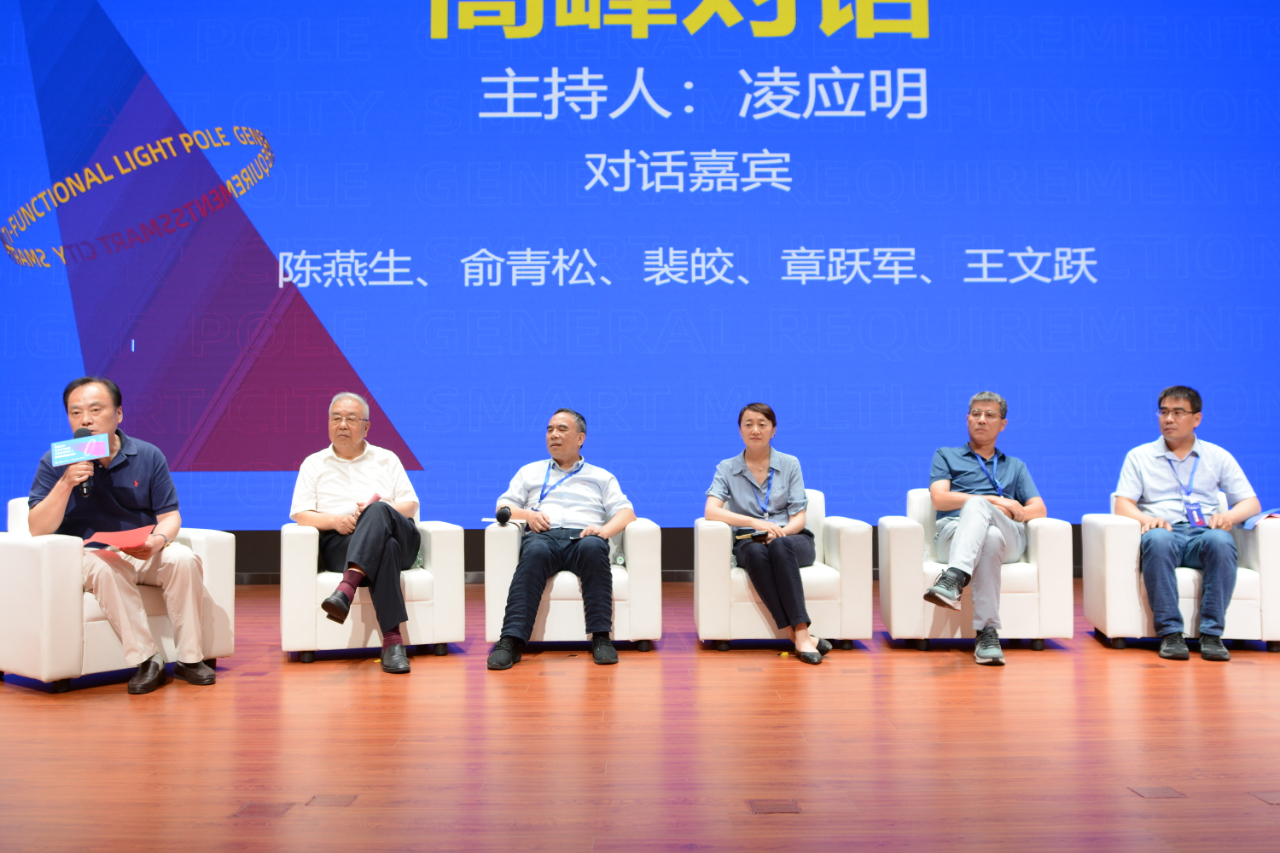
The final session, "Dialogue Across the Industry Supply Chain," was moderated by Mr. Ling Yingming, Chairman of the Zhejiang Lighting Electrical Association. Participating in the dialogue were Mr. Chen Yansheng, Chairman of the China Association of Lighting Industry (CALI); Mr. Yu Qingsong, Deputy Chief Engineer of Zhejiang Yibo High-Tech Co., Ltd.; Ms. Pei Jiao, General Manager of the Industry Expansion Department at Zhejiang Tower; Mr. Zhang Yuejun, Vice Dean of Huaxin Consulting & Design Institute; and Mr. Wang Wenyue, Technical Expert at the China Academy of Information and Communications Technology. Their discussion brought a wealth of intellectual exchange to the audience.
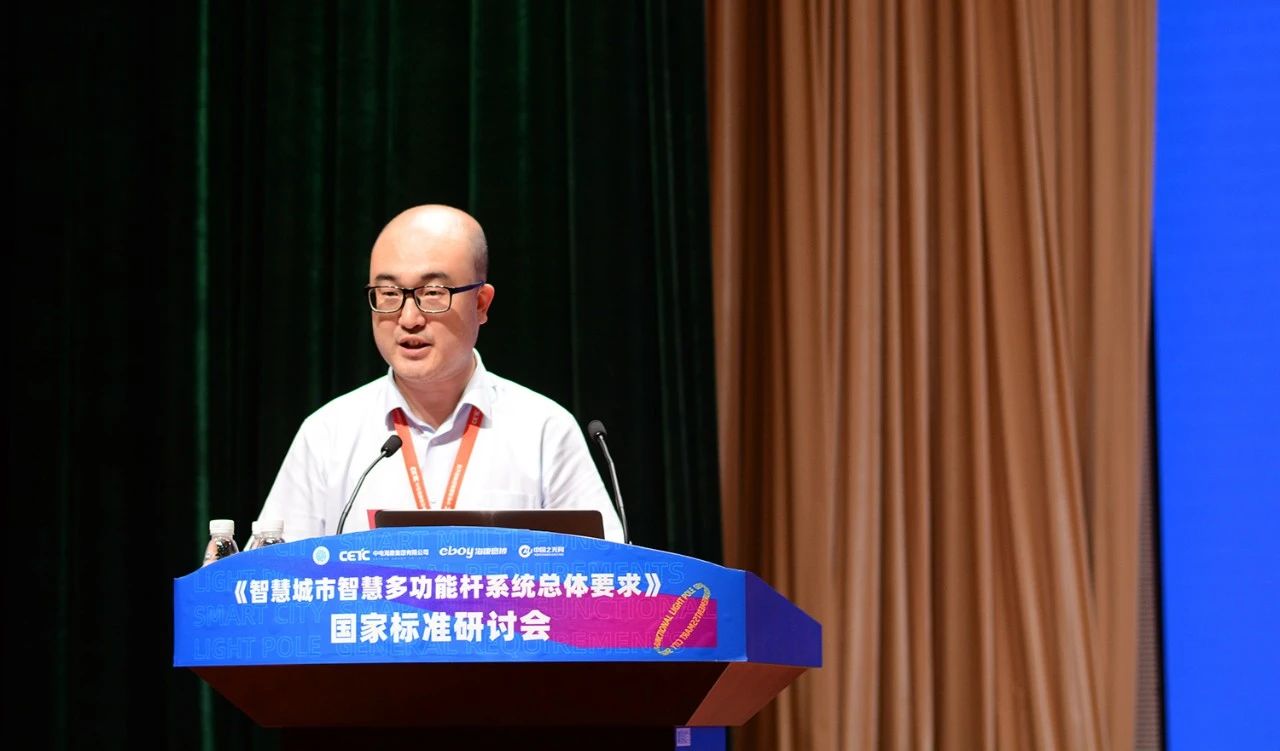
Mr. Li Yan, Deputy General Manager of Zhejiang Yibo High-Tech Co., Ltd., delivered the concluding remarks: The "General Requirements for Smart City Smart Multi-function Pole Systems" is a national standard plan administered by the Standardization Administration of China and managed and implemented by TC28 (National Information Technology Standardization Technical Committee).
As the organizer of this conference, Yibo High-Tech has demonstrated its determination to actively participate in the development of various national standards and promote the standardization of smart city smart multi-functional pole systems. We will continue to invest in and participate in more related activities to actively advance the implementation of the "Smart City - Smart Multi-Functional Pole System General Requirements" standard.
China Light
The official website of the China Association of Lighting Industry and a full-media platform for the lighting sector. We provide authoritative and timely lighting information while striving to be a growth partner for businesses. From brand promotion and channel expansion to consulting, talent training and participation in standards development, we provide comprehensive professional services to help businesses improve quality and efficiency and jointly advance the high-quality development of the lighting industry.
Business Contacts
仇纯 (Ms.): 158 6155 3579
顾君 (Mr.): 137 7157 5253