
Hangzhou releases smart lighting construction achievements; Wuxi implements large-scale urban lighting projects for the first time in nearly a decade
Latest Update on Hangzhou Smart Lighting Construction
On the afternoon of March 30, the Hangzhou Municipal Urban Management Bureau held a press conference on the progress of smart lighting construction, reporting on the overall work carried out since the mobilization and deployment of citywide digital smart lighting construction in 2020, covering four aspects: "smart pole standards and pilots, smart lighting management, eliminating dark spots and enhancing brightness to safeguard public welfare, and smart lighting for the Asian Games".
A batch of 5G smart light poles has gone online
In August 2020, Hangzhou released "Technical Requirements for Multi-functional Smart Poles in Hangzhou (Trial)", which set detailed requirements for pole-mounted facilities such as 5G micro base stations, environmental monitoring, and video surveillance, as well as for the smart pole system, clarifying technical parameters. Hangzhou became the first city in Zhejiang Province and the fourth in China to issue local technical requirements for smart poles.
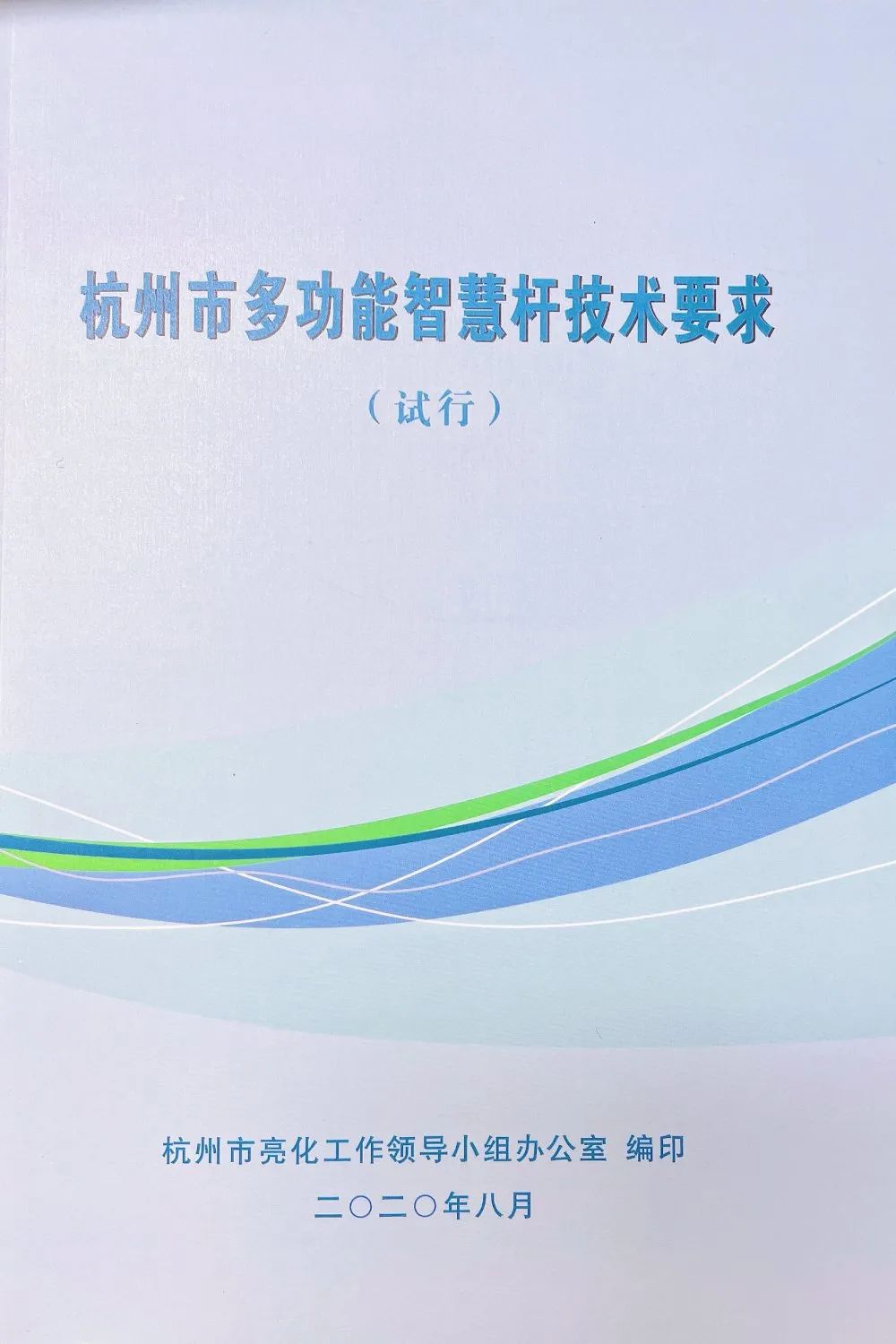
The Hangzhou Urban Management Bureau formed a research team, pooling industry efforts to successfully complete the drafting and submission for review of the Zhejiang Provincial Engineering Construction Standard "Technical Standards for Smart Light Poles". On February 7, 2021, the Department of Housing and Urban-Rural Development of Zhejiang Province issued an announcement approving this technical standard, which came into effect on June 1, 2021. The introduction and implementation of this technical standard filled the gap in smart light pole standards at the provincial level in Zhejiang.
Meanwhile, Hangzhou is actively carrying out pilot projects for smart light poles. For example, on the Jiubao Bridge and Fuxing Bridge, the 5G pilot construction for street lights and the renovation of smart medium-height pole lights on Zhijiang East Road have been completed. In Jianguo South Road, existing street light facilities are being retrofitted by reusing old components. In simple terms, this involves "surgical" modifications to the current street lights, upgrading them into smart light poles that support functions such as 5G base stations, video surveillance, information dissemination, and urban lighting. The greatest advantage of this approach is that it avoids large-scale demolition and reconstruction, thereby supporting smart city development in a low-cost, low-impact manner.
It is reported that Hangzhou will add more than 100 new 5G smart light poles this year.
Uphold the guarantee of people's livelihood and improve lighting quality Leveraging big data analytics from the smart lighting platform, targeted measures were implemented to eliminate darkness and enhance brightness. In particular, despite the adverse impact of the COVID-19 pandemic on construction in 2020, Hangzhou successfully completed brightness enhancements for 70 roads and addressed 329 dark spots and blind areas, replacing 1,812 street light poles and 2,027 lamps, warmly illuminating residents' way home. In addition, the retrofit of 200 smart streetlight switch cabinets and 26 intelligent box-type transformers was completed, enabling 24-hour intelligent monitoring of cabinet operating status, significantly improving the reliability and safety of street light illumination, and providing capacity for future integration of smart sensing data. Controlled by "one switch", building a digital intelligence management system 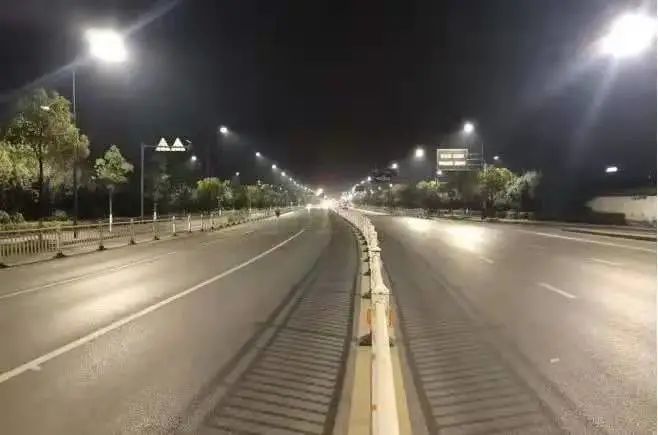
Upgraded and transformed the "One Switch" smart lighting management platform, opened data ports to the City Brain, and built a new approach to lighting management based on data-driven communication, decision-making, management, and innovation. As of the end of December 2020, the smart lighting platform newly connected 1,562 "One Switch" terminals, bringing the cumulative total to 4,725 sets,basically achieving unified control of lighting in the main urban area, road lighting along the border between the main and secondary urban areas, as well as important lighting facilities in the Binjiang section on the south bank of the Qiantang River and the Qiantang New Area section.
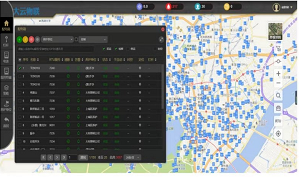
The "One Switch" control platform is a module of the Hangzhou Smart Lighting Management Platform, enabling centralized switching on and off. The platform displays six types of dynamic data for each luminaire, including voltage, current, and energy consumption, as well as four types of static data such as luminaire type, geographic information, and rated power. With 78 map layers, the platform has accumulated over 2 million urban lighting data records. These data have increased the streetlight operational rate to 98% and reduced average fault response time by more than 30%.
Centered on building livable cities with the vision of "beautiful streets everywhere, meticulous details in every place," focuses on lighting assurance for the Asian Games, promoting the integration and coverage of the "single switch" control system in the core Olympic Sports Center area , laying the foundation for future coordinated lighting displays.
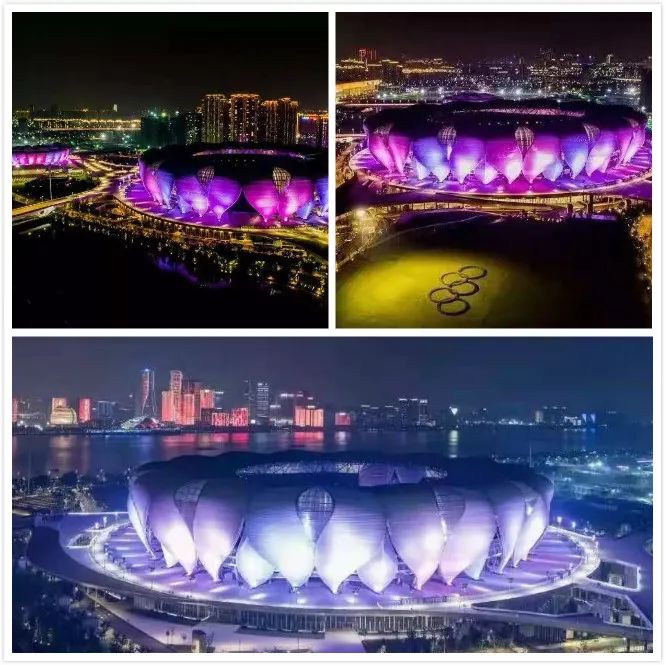
Next, the Municipal Urban Management Bureau will continuously enhance digital reform applications, expand the coverage of the "single switch" initiative, upgrade and transform the smart lighting control system, and actively plan and advance the construction of a nightscape tourism control platform, aiming to achieve unified access and coordinated control of lighting on both banks of the Qiantang River at an early date.
Completed lighting construction for four Asian Games venues
In April 2019, the Hangzhou Municipal Urban Management Bureau completed the "Master Plan for Urban Lighting in Hangzhou Urban Area (Revision)". The Municipal Urban Management Bureau guided various localities in developing lighting zoning plans.
At the same time, based on the positioning of "China's New Era · Hangzhou New Asian Games", we carefully designed the theme "Stars Over Qiantang · Lighting Up the Asian Games", completed the preparation and approval for implementation of "Asian Games Lighting Guidelines". The "Asian Games Lighting Guidelines" proposed the concept of Smart Asian Games. By introducing smart streetlights, the smart lighting system of smart streetlights is integrated with the city's management system, compatible with multiple functions such as traffic, meteorology, environmental monitoring, urban surveillance, alarms, and information release.
Upon approval by the municipal government, Hangzhou issued the "Hangzhou Asian Games Lighting Enhancement Action Plan (2020–2022)". In 2019, lighting enhancements were completed for Hubin Pedestrian Street, Yan'an Road Commercial Avenue, and key points along four elevated highways. In 2020, lighting upgrades were carried out for Hefang Street, China Silk City Pedestrian Street, and other areas, supporting the successful creation of provincial-level high-quality pedestrian streets.
To date, among the 43 venues identified by the Asian Games Organizing Committee that require supporting landscape lighting, lighting construction has been completed for 4 venues, design approvals have been issued for 21 venues and are being implemented in sync with the main structures, while lighting design plans for the remaining 18 venues are being urgently prepared. Guidance is provided to local authorities to enhance landscape lighting around the venues, creating nightscape lighting that harmonizes with the Asian Games.
2021 is the year of digital intelligence breakthrough for Hangzhou. The Municipal Urban Management Bureau will continue to focus on the Asian Games, closely aligning with keywords such as green and smart, deeply advancing the digital construction of smart lighting, continuously improving the quality and efficiency of urban lighting, and providing important support for Hangzhou's high-level creation of "Digital Intelligence Hangzhou · Livable Paradise."
Wuxi implements its first large-scale lighting project in nearly a decade
The sail-shaped light animation at Lihu Light, color-changing lighting on the Jingui Bridge, added illumination along the 4,600-meter Jingdu Interchange, and replacement of all 400 lamp posts on Huanhu Road... According to the Wuxi Municipal Administration and Landscape Bureau, Wuxi is implementing the 2021 comprehensive quality improvement project for urban road landscapes as part of the Beautiful Wuxi initiative.
期间将对城市门户、立交、桥梁、道路景观、交叉口及重要节点实施照明及夜景亮化提升工程,计划于4月底完成首批点位的施工改造,在“五一”之前呈现更加靓丽夜景。
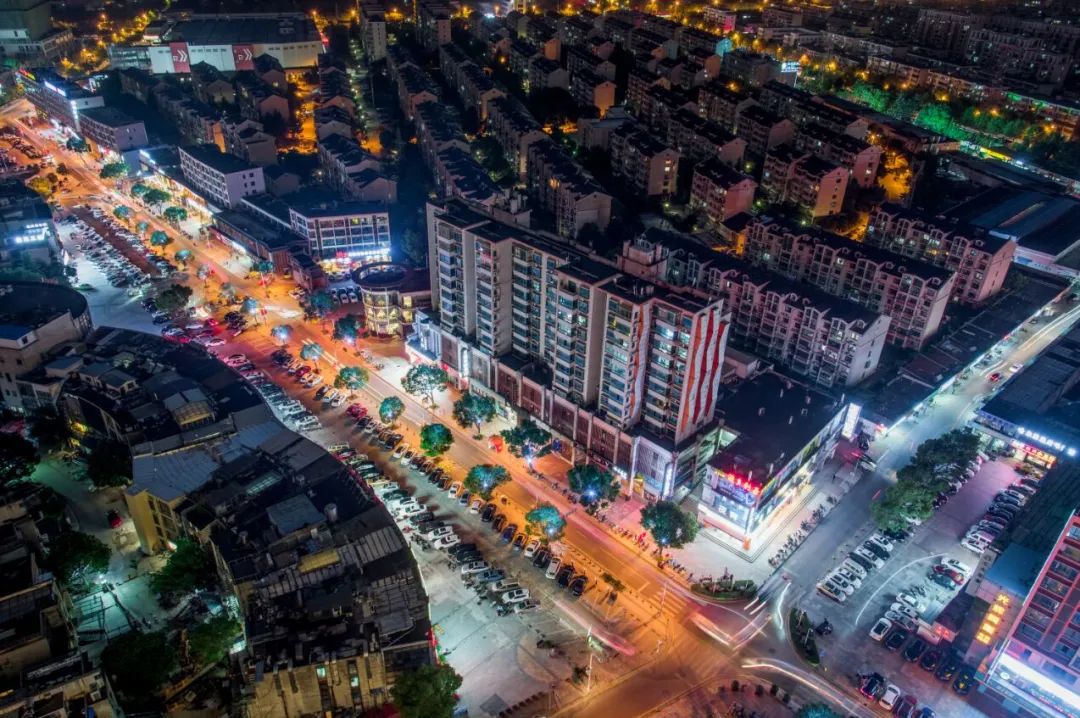
"The last time Wuxi implemented a large-scale nightscape lighting project was in 2012, when lighting upgrades were carried out along the Beijing-Hangzhou Grand Canal and on some buildings in the city center," said Chen Daqing, Director of the Wuxi Lighting Management Office. This lighting project will be the first large-scale, multi-node nightscape enhancement in Wuxi in nearly ten years. In addition to adding "new highlights" to the city's nightscape, it will also conduct comprehensive inspections, repairs, and renovations of lighting facilities on key roads and venues in the urban area.
The Lihu area is a key focus of this lighting project. As a landmark of the Lihu Scenic Area, the "Light of Lihu" has always been a popular spot for citizens and tourists. From the initial single-color white light illumination to the current addition of multi-color spotlights, the nightscape of the Light of Lihu's sails has undergone upgrades, and this time it will use high-tech materials to create "new effects." It is reported that the sails will be covered with fine mesh screens capable of playing animations, complementing the newly added top-down floodlighting on the Lihu Corridor and handrail lighting on the wooden trestle bridge to form the mid-ground of Lihu's nightscape. This will harmonize with the background lighting of Luding Mountain and the shoreline, as well as the foreground green space lighting and landscaping, ensuring there are no "dark zones" in the Lihu Scenic Area at night.
In addition, a number of roads and bridges will undergo lighting upgrades. The lighting on the Jinkui Bridge has been dimming year by year; this project will replace them with color-changing spotlights, emitting cool light in spring and summer, warm light in autumn and winter, and colorful changes during major festivals. A 4,600-meter section of Jingdu Interchange will be illuminated, adding a new "halo" to Wuxi's nightscape. Street light poles on Huanhu Road, Shanshan East Road, Jinyuan Road, Tongjiang Avenue, and other roads will be replaced. Among them, Huanhu Road alone will have all 400 sets of street light poles replaced along the entire route.
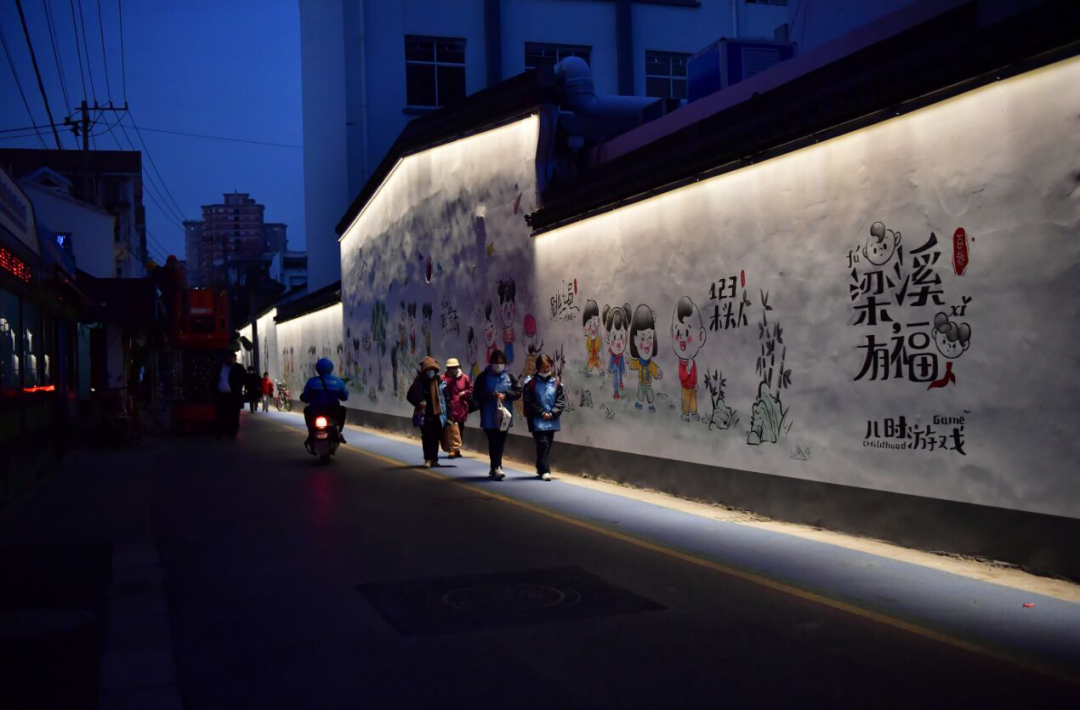
Due to the narrow road, it was not suitable to install street lights in Chongning Lane. The landscape designer hid a row of spotlights under the eaves along the wall, which not only illuminated the small alley but also made the carefully painted murals shine at night.(Source: Wuxi Daily)
"For a long time, the focus of Wuxi's urban lighting was limited to the inner ring. As the city continues to 'grow,' lighting should also expand beyond the second ring road," said Chen Daqing. He believes that nightscape lighting intuitively showcases the city's image, reflects its vitality, and demonstrates local economic strength. It is understood that this lighting project is being carried out in conjunction with the annual Beautiful Wuxi initiative to comprehensively improve the quality of urban road landscapes. Next, Wuxi will combine more urban construction and renewal projects to gradually expand lighting areas and enhance the quality of the nightscape.
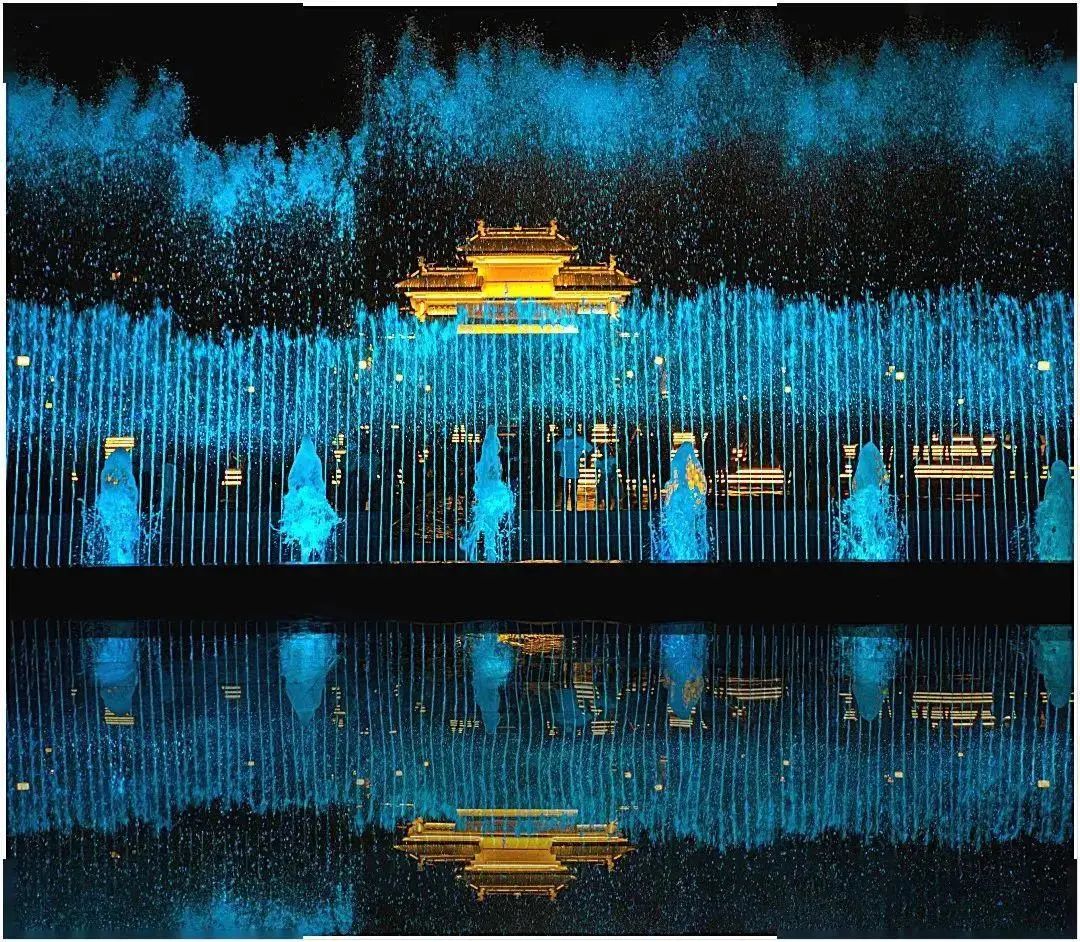
The 3D projection water screen light show at Meili Guzhen, which opened at the end of last year
Create a vibrant nightscape, and Wuxi has a promising future. Experts suggest referencing cities like Hangzhou, Qingdao, and Xiamen by introducing coordinated building illumination. Utilize the facades of adjacent high-rises for lighting upgrades to achieve dynamic overall effects, creating visually stunning nightscapes. For instance, the financial district building cluster is an ideal area for coordinated lighting. In the city center, landmark structures such as the Erquan Square Clock Tower can be paired with popular animated projections to attract crowds to the old town commercial district and boost the "night economy".
Source: Qianjiang Evening News, Hangzhou Urban Management, Wuxi Daily