Analysis of the Minamata Convention and Lighting
What is the Minamata Convention?
What impact does the convention have on the lighting industry?
Last Saturday, Ms. Wang Zhuo, Secretary-General of the China Association of Lighting Industry (CALI), provided a live stream analysis of the Minamata Convention and lighting.

Wang Zhuo
Secretary-General of the China Association of Lighting Industry (CALI)
The Minamata Convention on Mercury—How Did It Come About?
In 2001, UNEP initiated discussions on mercury pollution control;
In 2007, the UNEP Governing Council established a special working group;
In 2009, UNEP decided to develop a legally binding instrument on mercury with global effect;
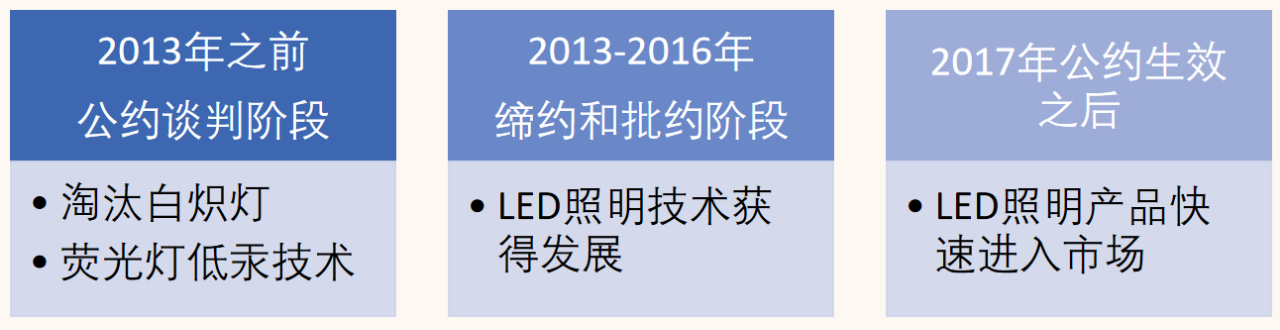
The Minamata Convention on Mercury was agreed upon and opened for signature in January 2013;
China officially signed as one of the first signatory countries in October 2013;
On April 28, 2016, the Standing Committee of the National People's Congress formally ratified the convention;
On August 31, 2016, China deposited the instrument of ratification of the Convention with the United Nations, becoming the 30th contracting party;
On August 16, 2017, the Convention officially entered into force.
What does the Minamata Convention on Mercury say?
Sources and trade of mercury control;
Mercury-added products;
Production processes using mercury or mercury compounds;
Artisanal and small-scale gold mining;
Emissions and releases;
Environmentally sound management of mercury other than mercury waste, contaminated sites…..
Capacity building, health, public information, communication, research, monitoring, implementation plans, effectiveness evaluation, amendments to the Convention.....
Impact on the lighting industry
1. Direct impact
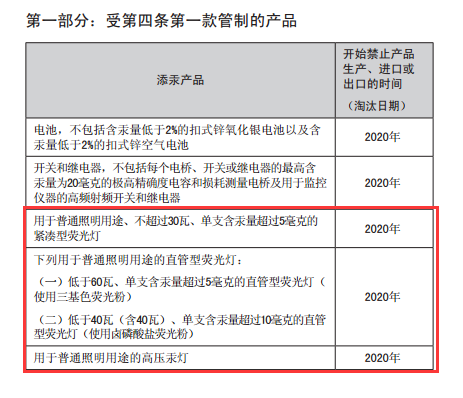
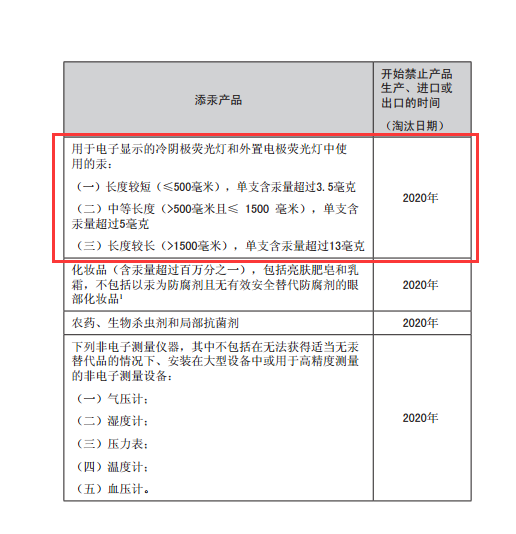
2. Indirect impact
Promoting advancements in lighting technology and market transformation
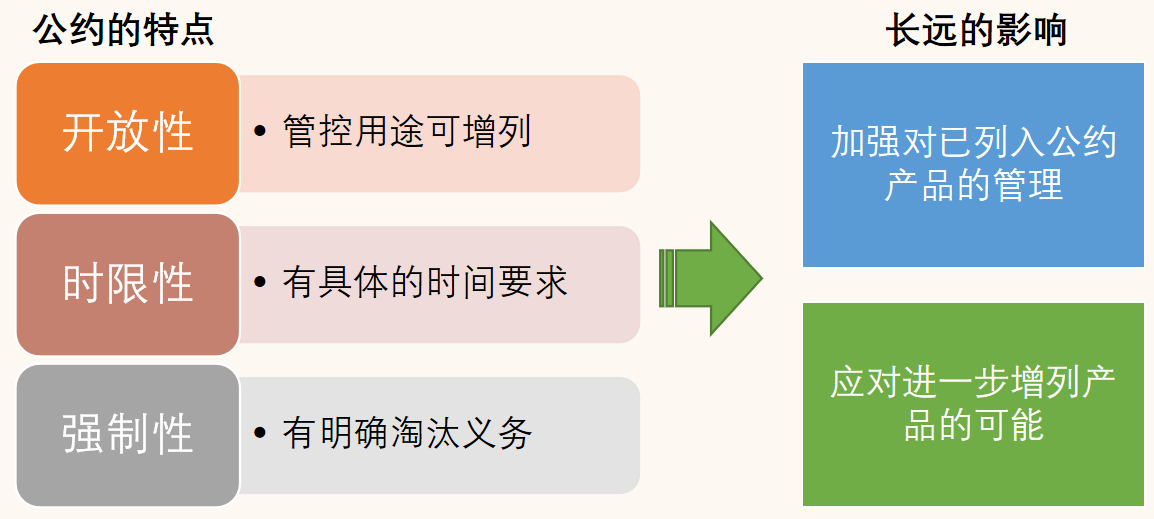
3. Long-term Impact
Overview of Current Mercury Use in the Lighting Industry
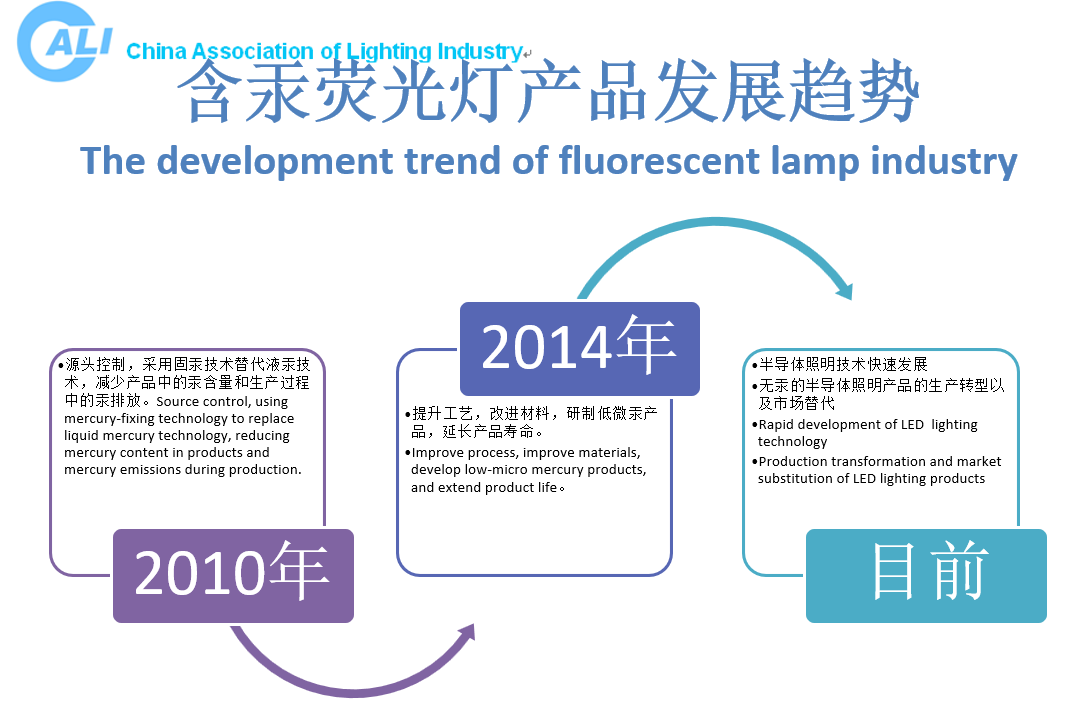
Significant reduction in total mercury use and emissions in the industry;
The mercury injection process for the product has been significantly improved;
Mercury-free alternative products are rapidly maturing.
Next steps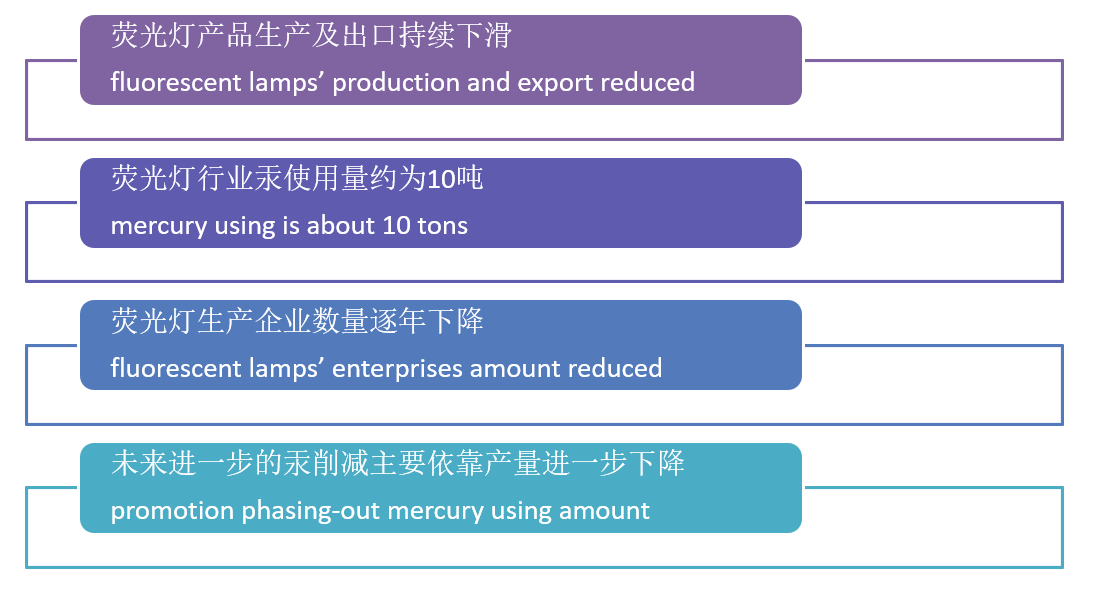
Survey on Mercury Use in Non-Convention-Controlled Products
Further improve the standard
Continue to promote the R&D of alternative technologies/products
Scan/recognize the QR code below, to review the full video analysis