
Visible Light Communication and Smart Lighting and Their Industrialization
01 | Advantages of Visible Light Communication and the Current State of Li-Fi Technology
1. Market and Technical Pain Points
Modern wireless communication, after hundreds of years of research, has brought great convenience to modern life, but still faces some unresolved challenges, such as: restricted zones for underwater wireless communication, severe co-channel electromagnetic interference in complex industrial environments, and the vulnerability of wireless communication to eavesdropping and localization.
2. Application Prospects of Visible Light Communication Technology
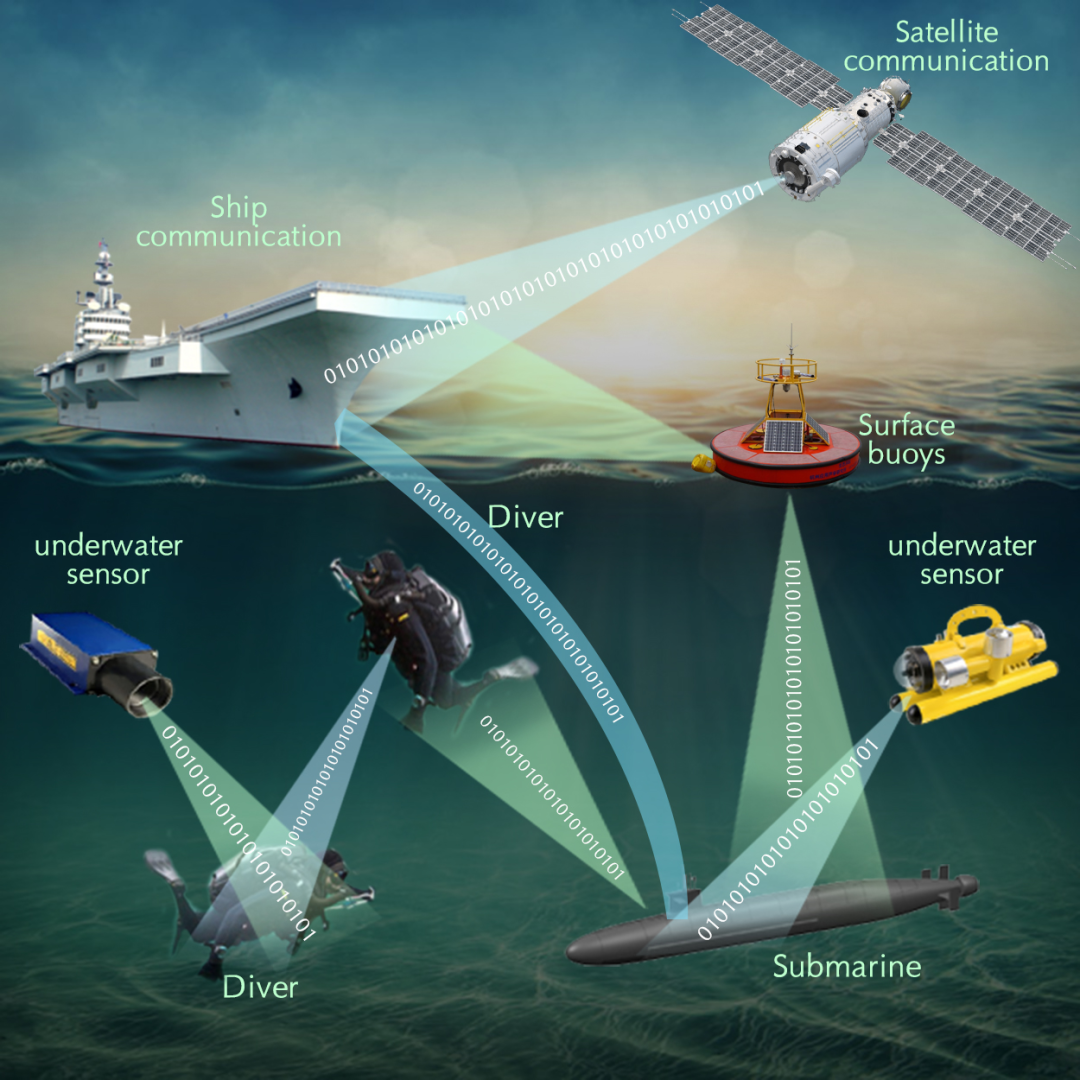
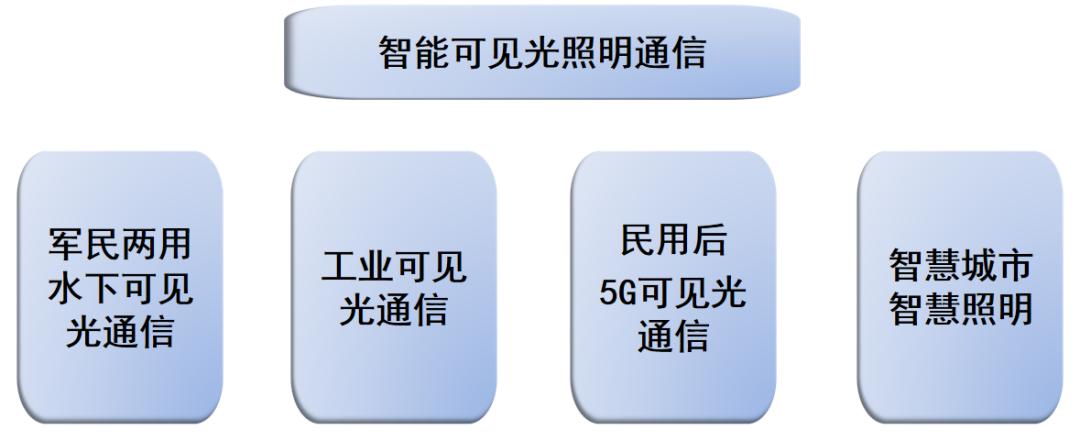
Currently, China's intelligent visible light communication lighting market is in its nascent stage, with continuously growing market demand. In the military sector, there are no domestically developed, controllable, or mature commercial products available to supply the military; both the United States and the United Kingdom have specialized companies operating in this field. The industrial sector is monopolized by Japan's Hokuyo and Germany's Pepperl+Fuchs. In the civilian sector, companies such as Philips and Cree lead industry development. In the realm of smart lighting, China's new infrastructure market is enormous.
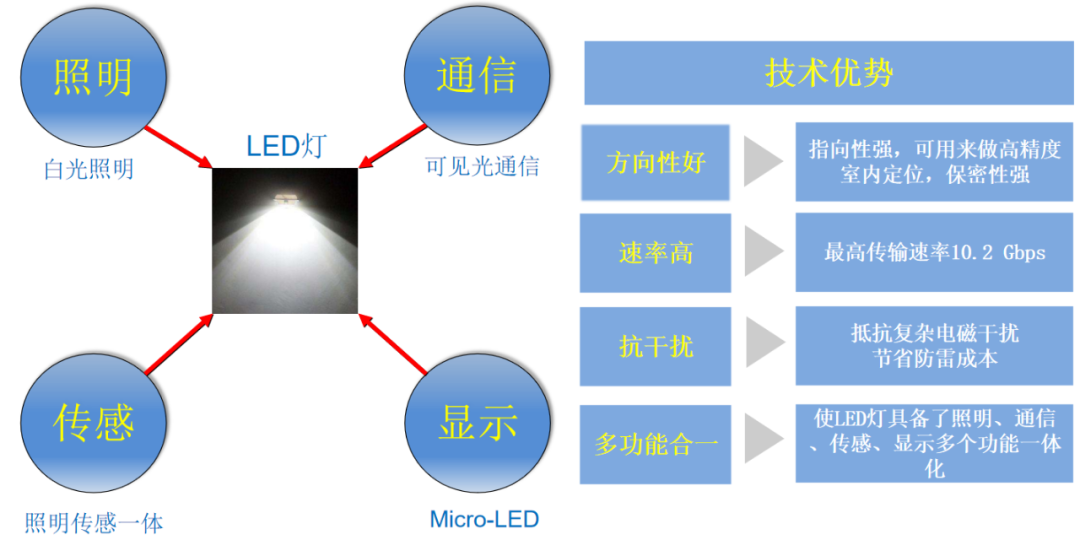
Compared to Wi-Fi, LiFi has significantly reduced anti-interference and penetration capabilities. If the light path between the transmitter and receiver is blocked, data transmission stops immediately, let alone penetrating walls.
Visible light is not suitable for bidirectional information transmission, as it is difficult to transmit return signals. If reverse signals are to be transmitted over the network, each lamp must be connected to a network cable. For signal return, the receiving device must also be equipped with a light bulb, and precise alignment is required; otherwise, the speed will not increase. Therefore, unidirectional transmission is more suitable for Li-Fi, applying visible light technology in scenarios where information return is not required.
Due to the lack of relatively mature chips, the equipment used by researchers in the Fudan Laboratory is as large as two laptops. To miniaturize the equipment, the chips must be shrunk, which requires financial support for chip technology R&D.
02 | Application of Li-Fi in Smart Street Lights
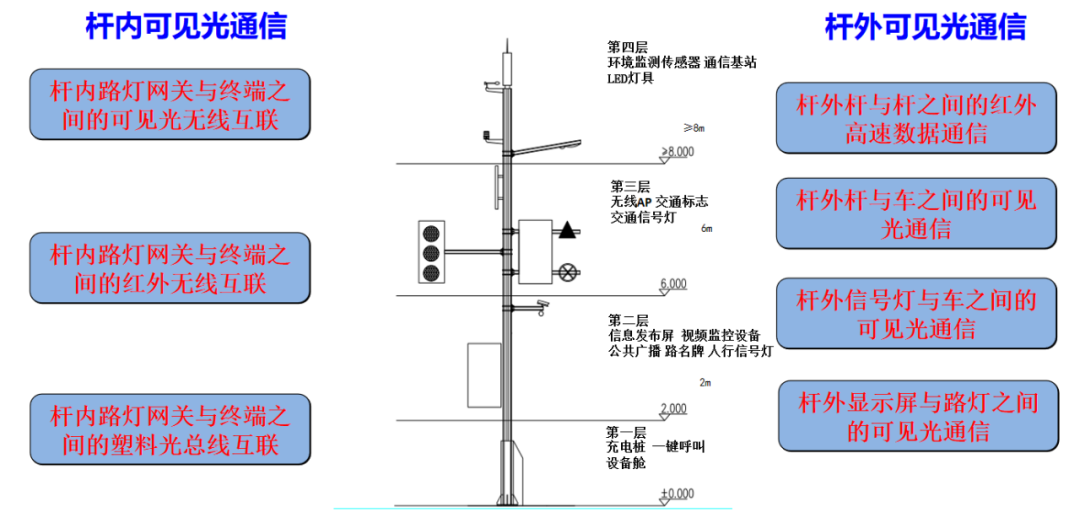
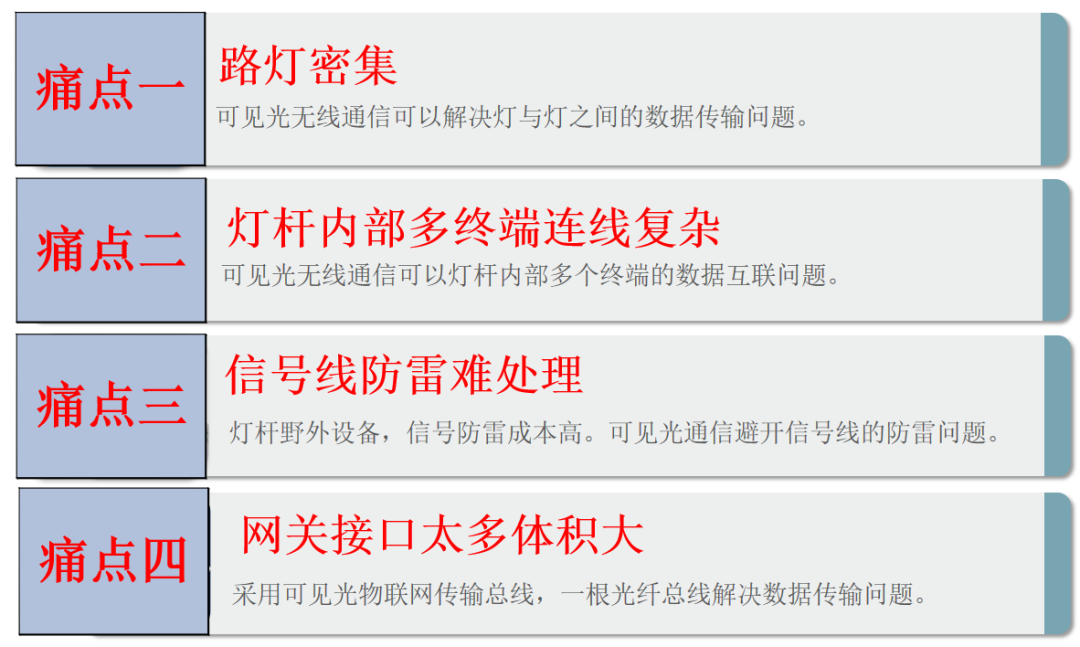
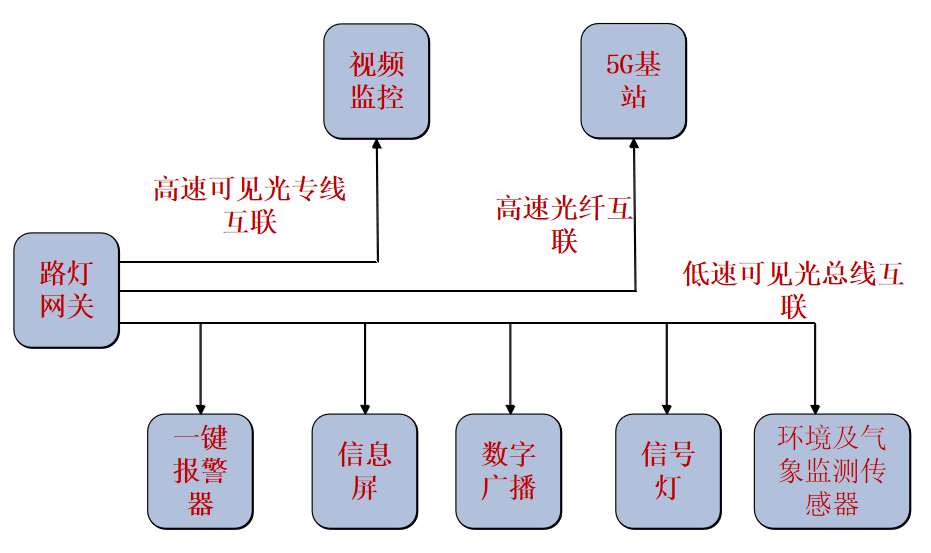
1. Li-Fi addresses pain points in the smart streetlight industry
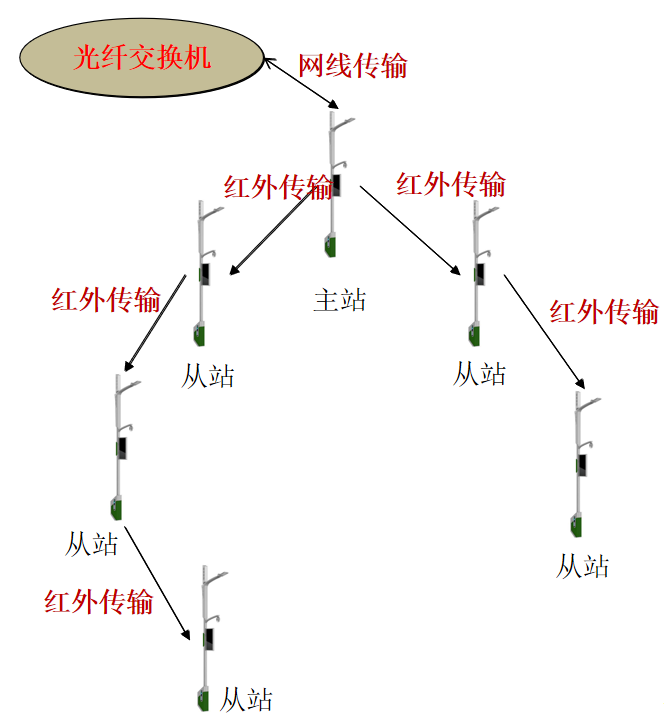
Advantages of Infrared Light Transmission:
Strong directionality, allowing interference to be avoided by controlling the direction; Short transmission distance avoids complex routing and conflicts; All-weather transmission, resistant to rain, snow, fog, etc.
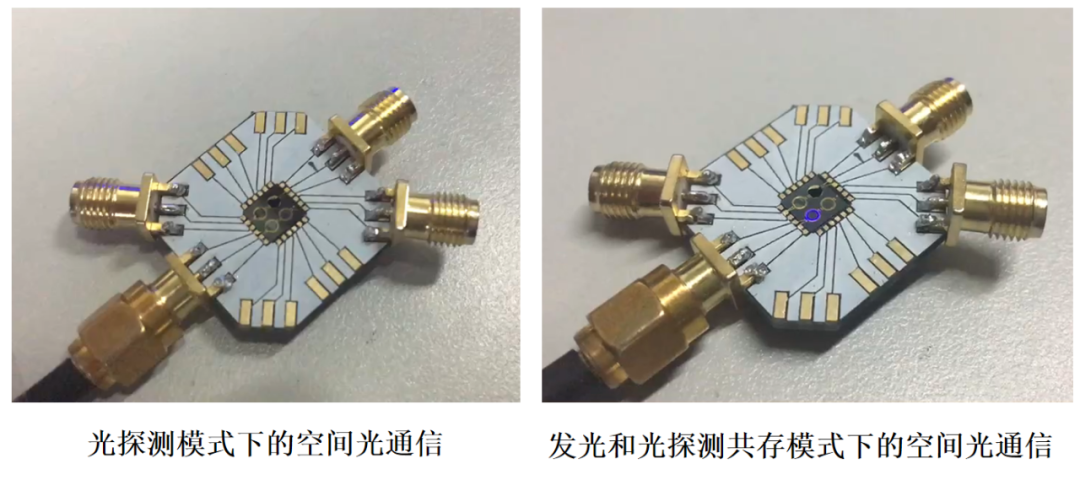
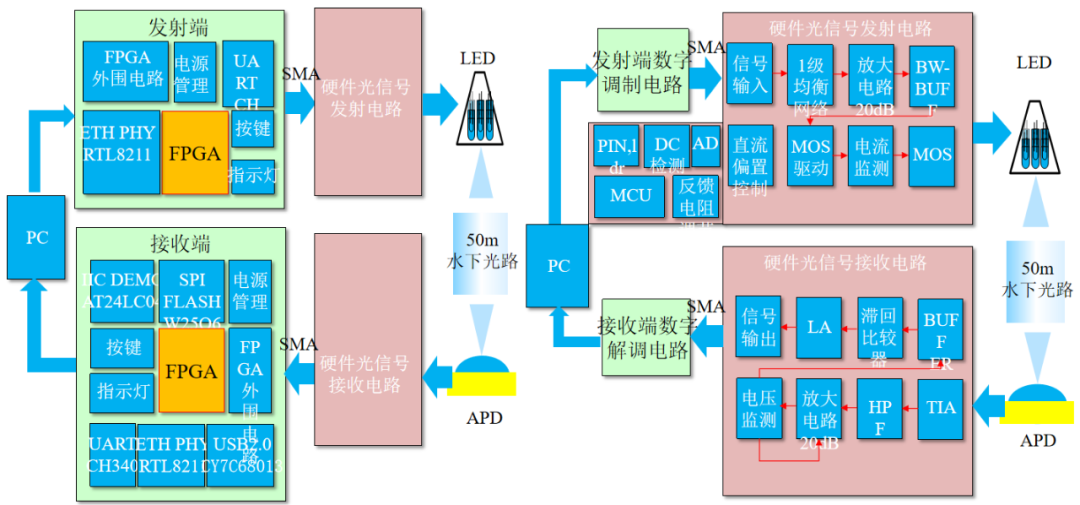
03 | Underwater Li-Fi Terminal and Technology
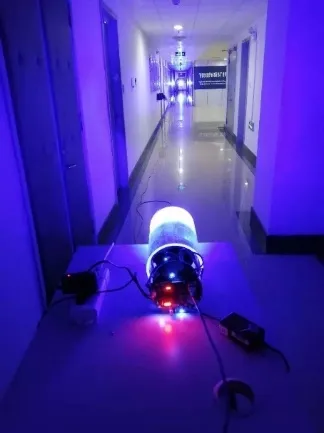
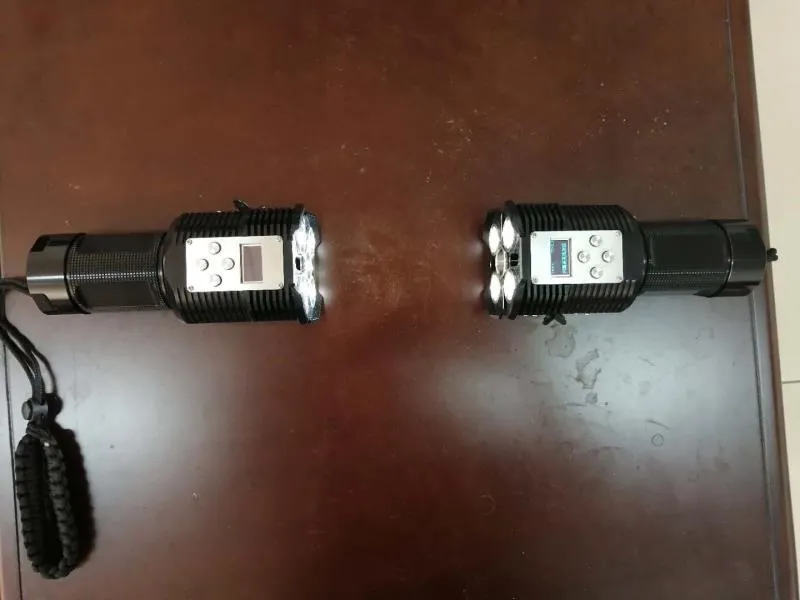
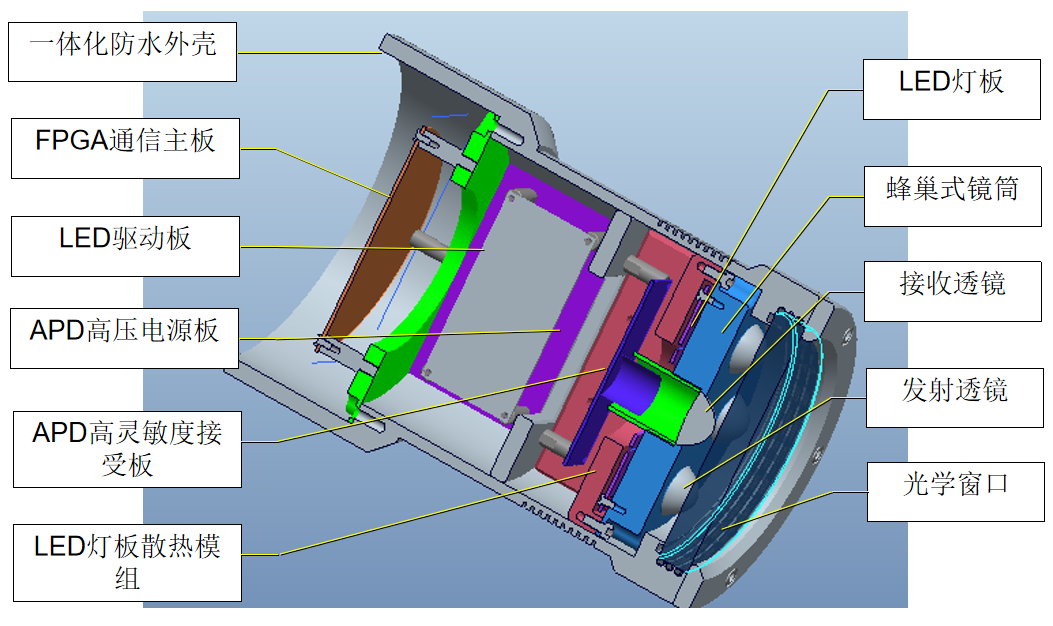
Transmission distance: Over 100 meters underwater, 200 meters in air;
Video, audio, and multi-channel sensor information communication.
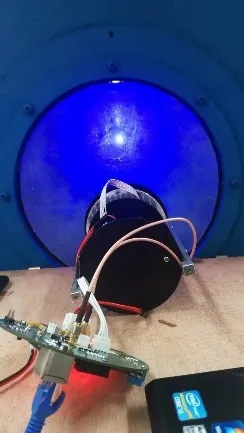
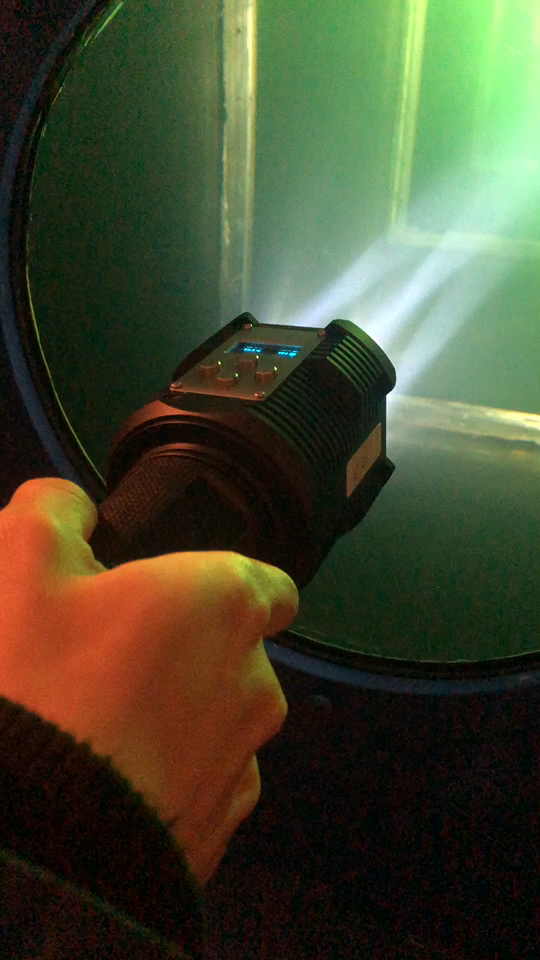
Transmission distance: 50 meters underwater, 100 meters in air;
Provides full-duplex voice communication.
2. Subsea Optical Communication Base Station
Subsea optical communication base station coverage: 200 meters;
Audio-video and multi-channel sensor information communication;
Synchronous deployment of underwater strike capabilities and base stations;
Underwater sensor network data acquisition.

provides communication coverage for underwater operations;
Diving entertainment provides safety assurance;
Underwater scientific research base station, underwater sensor network.
3. Technological Innovation
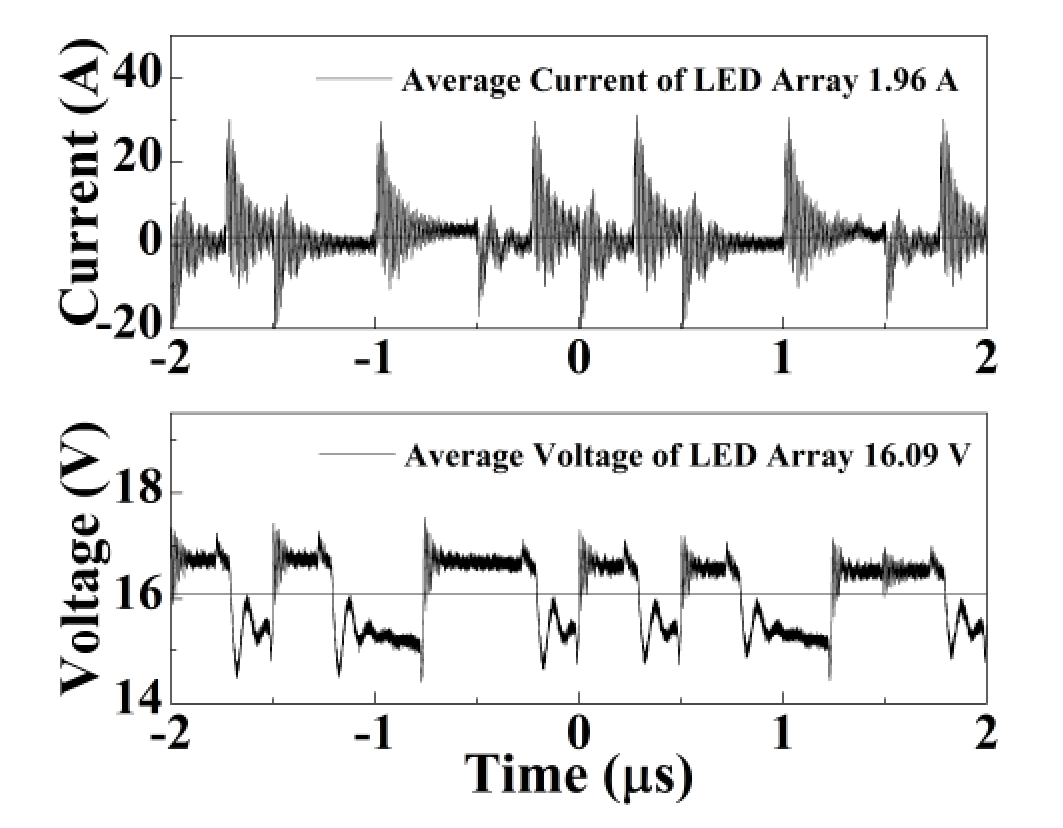
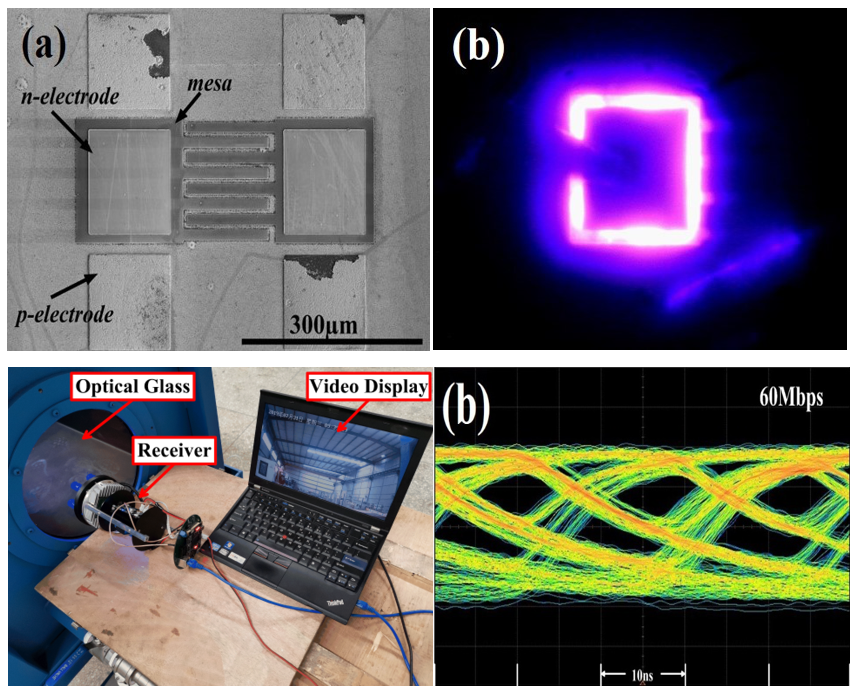
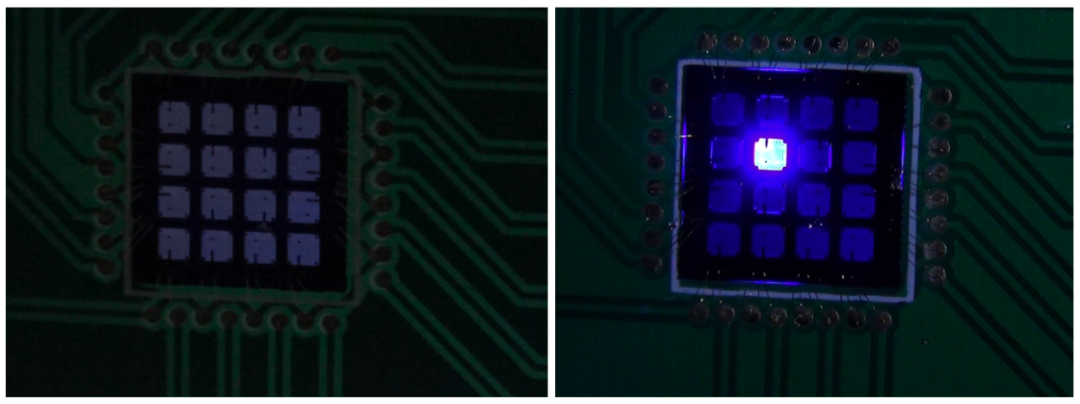
proposes a subwavelength ideal LED model;
has successfully developed a subwavelength vertical structure LED with a thickness of 225nm and an emission wavelength of 411nm;
The new LED structure improves luminous efficacy, reduces junction capacitance, lowers LED heat generation, and extends the LED's 3dB bandwidth;
Underwater visible light communication system, first equipped with this LED to verify 60Mbps high-speed communication in a 10-meter water tank.
04 | Aowei Technology Smart Lighting Solution
Aowei Technology was established in early 2015. The company is located at No. 1 Kechuang Road, Yaohua Street, Qixia District, Nanjing City, Jiangsu Province, in the Jingang Science and Innovation Park. The core technical team comes from a group of outstanding technical backbones such as ZTE Corporation, Huawei Technologies, China Telecom, and HP. Currently, it has formed three R&D directions: hardware R&D and production, embedded software R&D, and IoT cloud platform software R&D. In the field of IoT, it has obtained 18 software copyrights and 1 Patent.
High-Tech Enterprise
ISO9001 Quality Management System
Jiangsu Province Science and Technology SMEs
Member of the China LoRa Application Alliance
Member Unit of China Unicom 5G Application Innovation Alliance
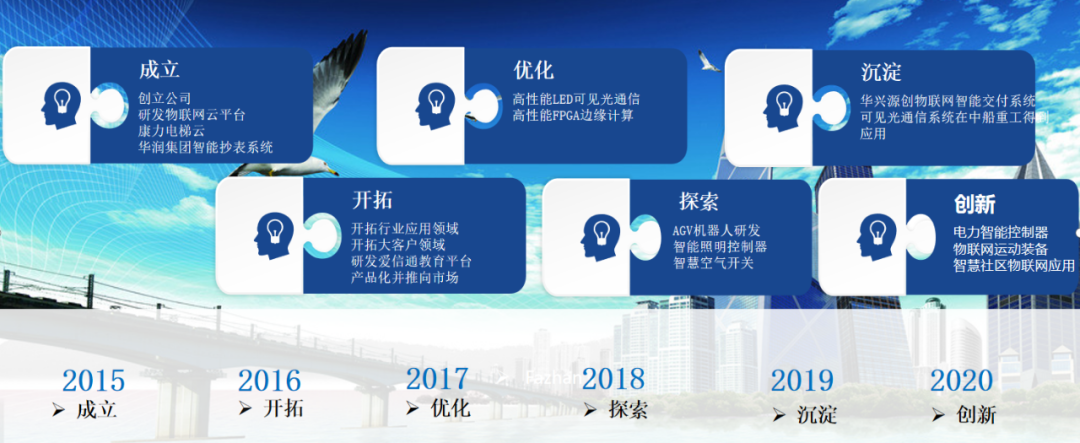
2. Development History
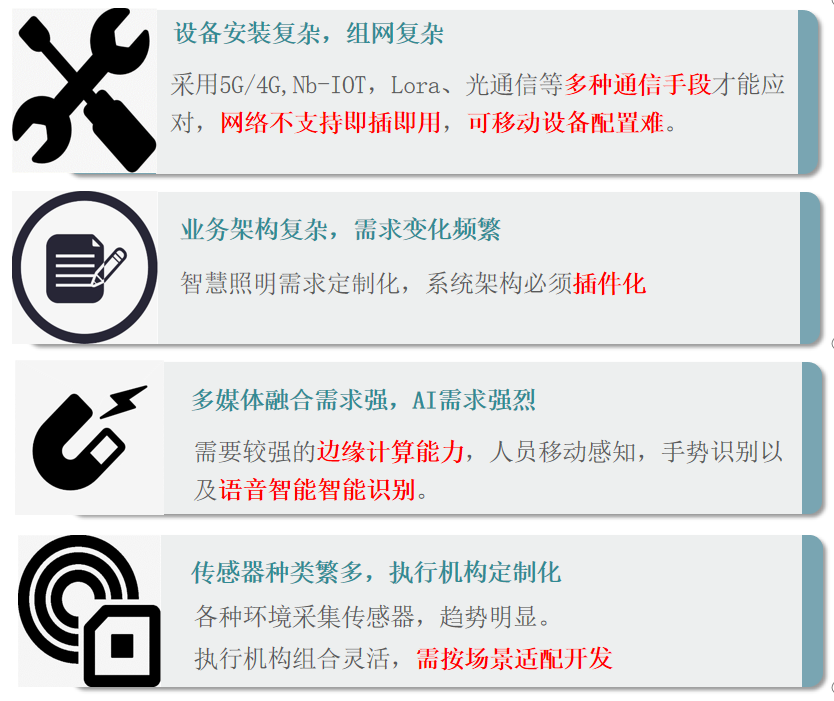
3. Industry Pain Points
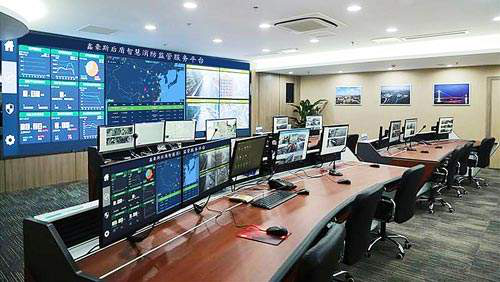
Identifier Resolution Service:

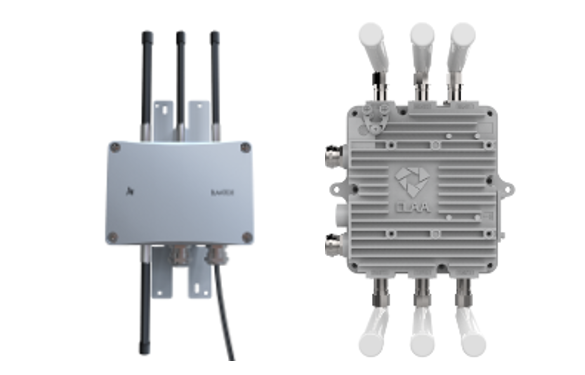
Mini IWG M20 Outdoor IWG B30
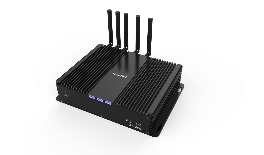
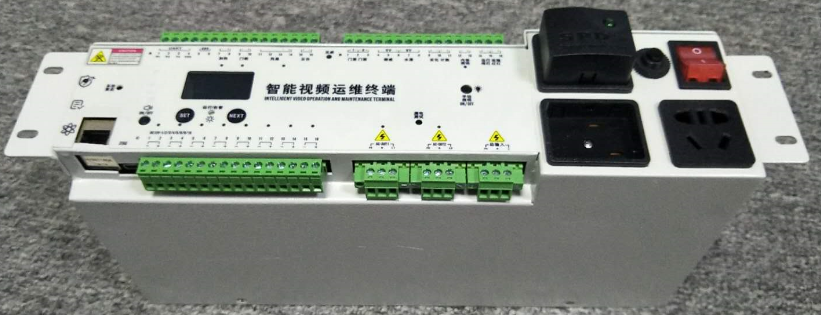
Implements data optimization, real-time response, agile connectivity, and model analysis at IoT edge nodes, advancing digital IoT in the 5G era. Widely applicable across various IoT domains, such as smart grids, smart cities, and smart buildings.
Author

Founder and General Manager of Aowei Technology (Nanjing) Co., Ltd.
Senior Project Manager for Information Systems
Senior Engineer. Graduated with a master's degree from Xidian University in 2005; since 2016, has studied phonon laser theory under the renowned Nobel Laureate Mr. Peter Grunberg, and pursued learning and research in underwater Li-Fi technology under Professor Wang Yongjin of Nanjing University of Posts and Telecommunications. Obtained a Ph.D. in Communication and Information Systems from Nanjing University of Posts and Telecommunications in December 2019. Founded Aowei Technology (Nanjing) Co., Ltd. in 2019, and has organized the R&D and delivery of multiple products, including Kangli Elevator Cloud, China Resources Gas IoT meter reading project, Huaxing Yuanchuang Agile Intelligent Manufacturing System, Luxshare Precision Kanban System, smart industrial controller products, forehead thermometers, and EMS physiotherapy devices. Previously worked at the ZTE Nanjing R&D Center.