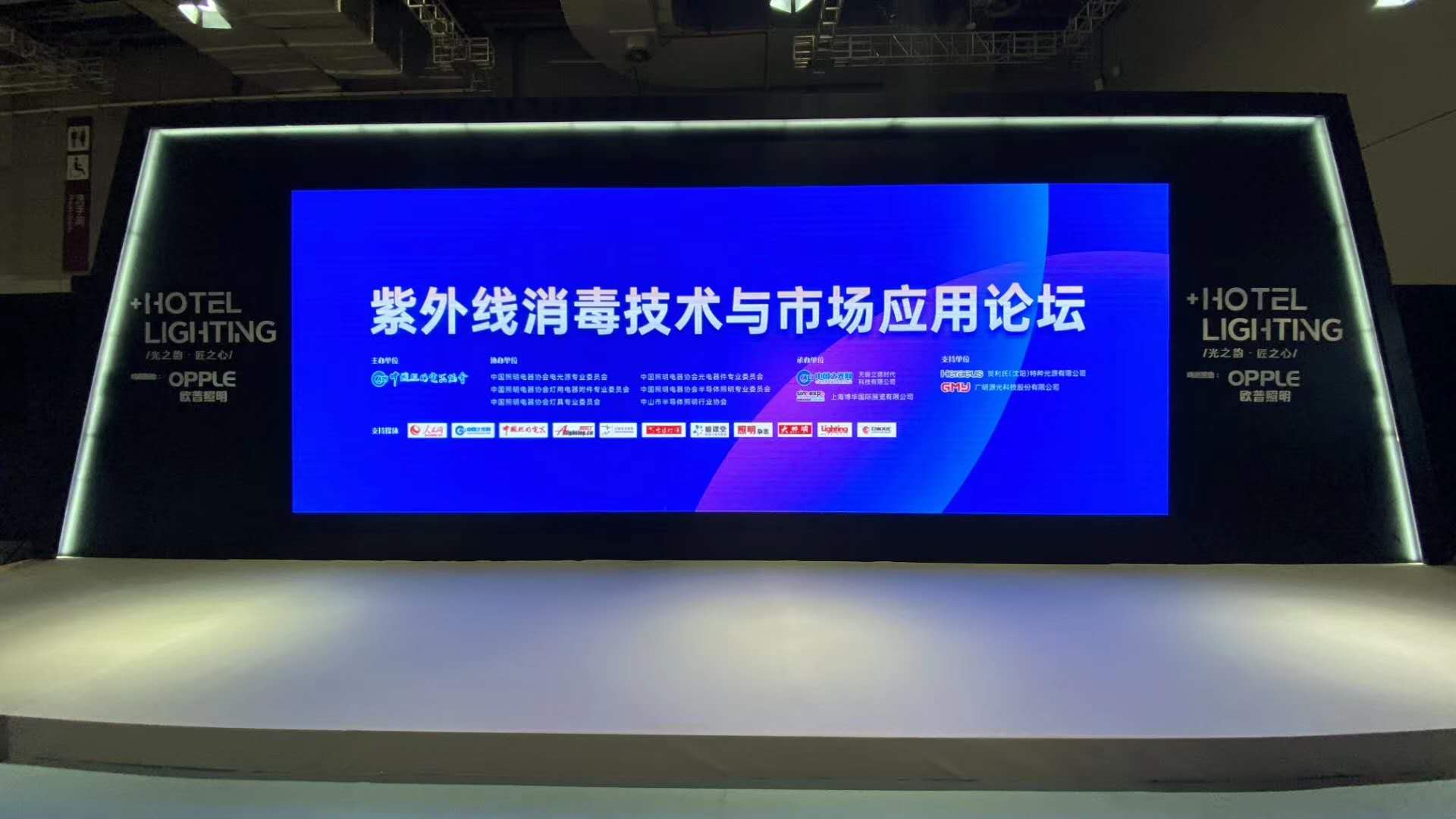
"UV Disinfection Technology and Market Application Forum" successfully held in Shanghai
On August 12, the "UV Disinfection Technology and Market Application Forum" was successfully held at the National Exhibition and Convention Center in Shanghai. Organized by the China Association of Lighting Industry (CALI) and co-organized by Light of China Network and Shanghai Bohua International Exhibition Co., Ltd., the forum brought together over 100 leaders from lighting associations, experts in lighting and UV sterilization, and representatives of UV sterilization lighting product manufacturers during the Shanghai International Commercial and Engineering Lighting Exhibition. Participants shared insights on UV LED technology, applications, and standards, and jointly analyzed the current opportunities and challenges in UV disinfection technology.
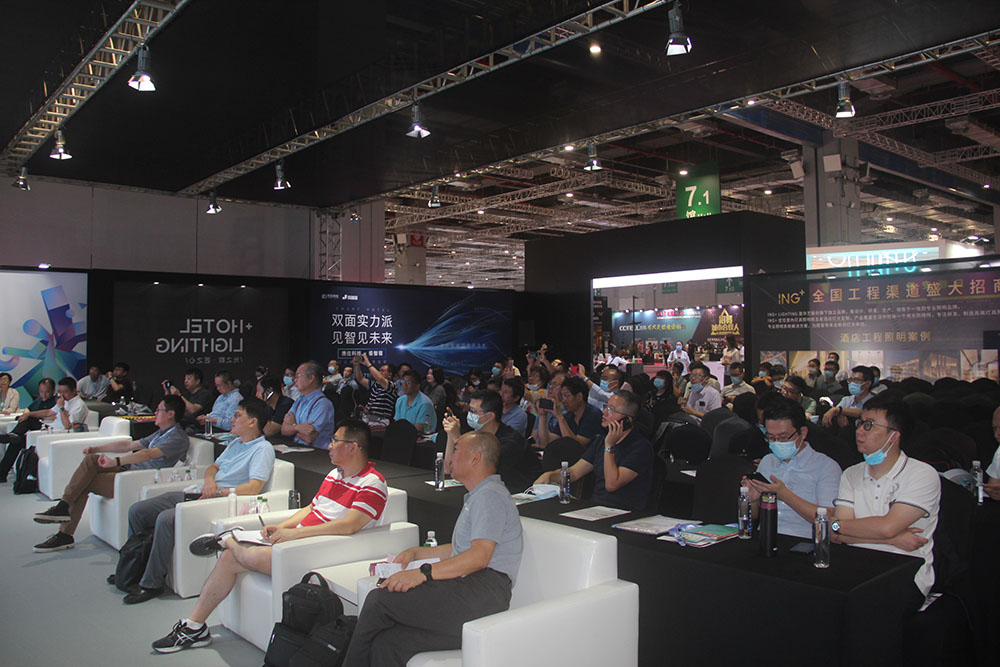
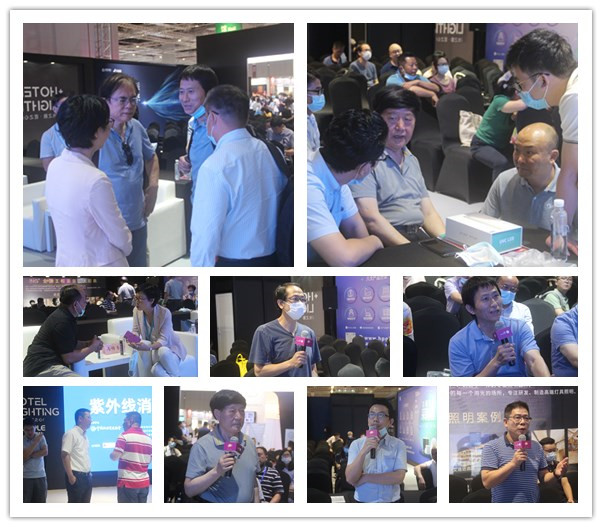
Forum Site
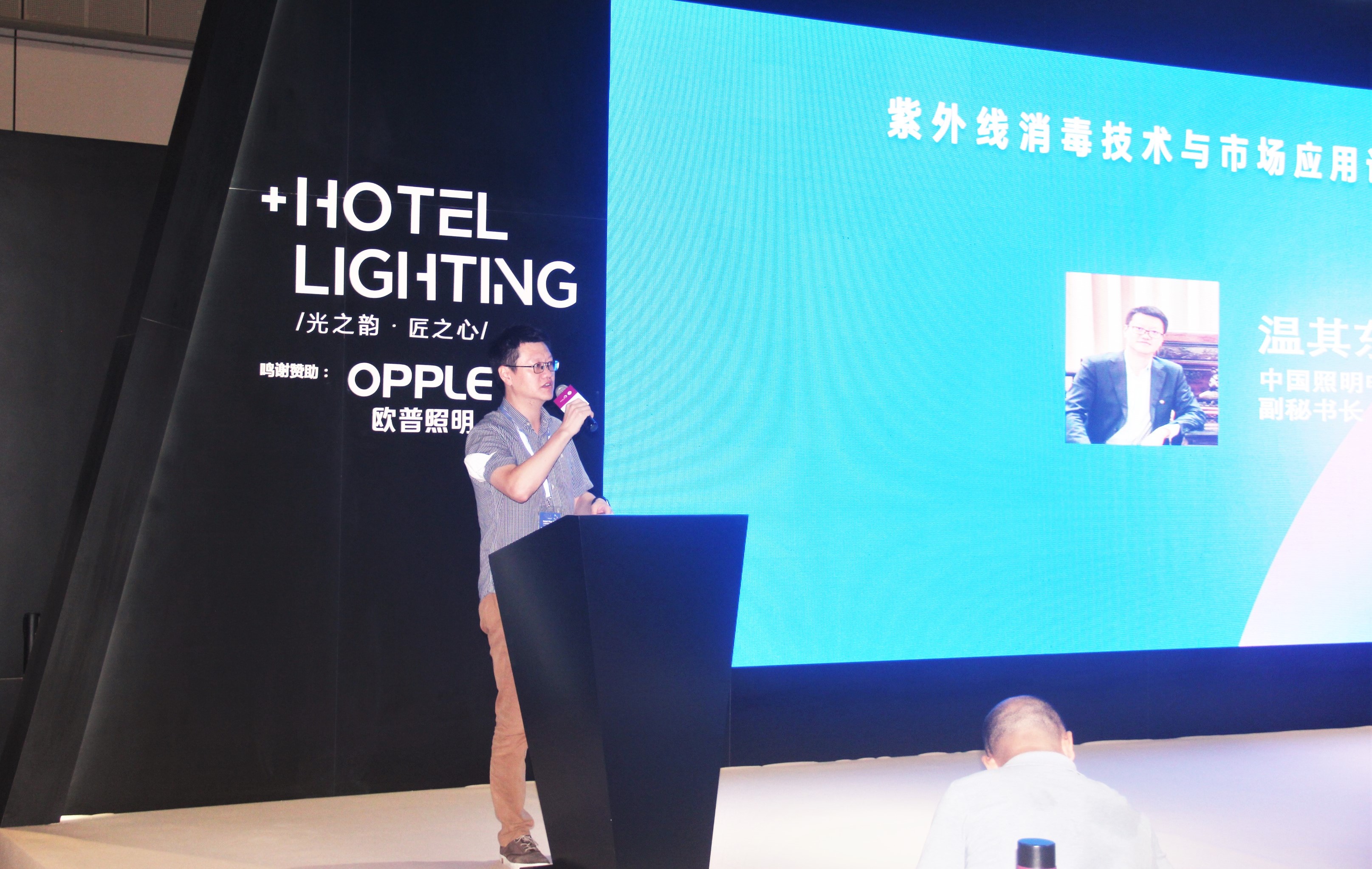
Wen Qidong, Deputy Secretary-General of the China Association of Lighting Industry (CALI), attended the forum and delivered a speech.
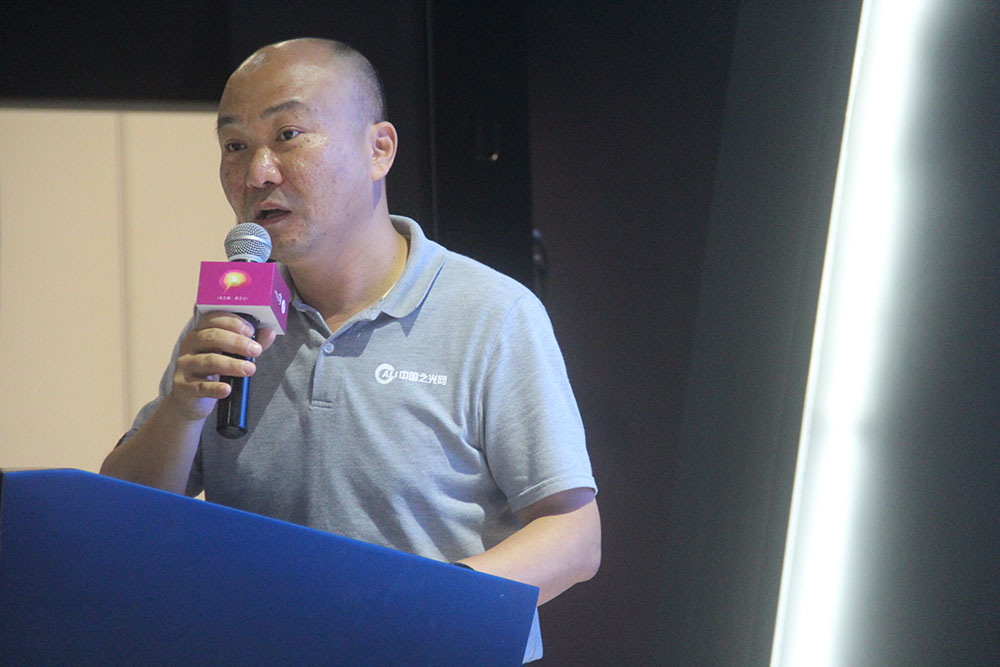
The forum was moderated by Hong Bing, General Manager of China Light Network.
Professor Zhang Shanduan, Deputy Director of the Institute of Electric Light Sources at Fudan University, delivered the first keynote presentation titled "UV Sterilization: Light Source Selection and Safe Application." Professor Zhang first introduced various types of UV light sources—low-pressure mercury lamps, medium-pressure mercury lamps, pulsed xenon lamps, excimer lamps, and UV LED—covering their working principles, main characteristics, and application possibilities. Regarding UV LED, he mentioned in his sharing that studies have found that 222nm UVC radiation does not harm skin and eyes, as 222nm deep ultraviolet light is absorbed by proteins in the outer layer of the skin and almost completely absorbed by the cornea. In addition, UV disinfection products vary in design, offering multiple sterilization methods, such as direct sterilization using low-pressure mercury lamps, UVA-LED photocatalysis for air purification, and UV sterilization robots. Of course, safe application must be prioritized when using UV disinfection products.
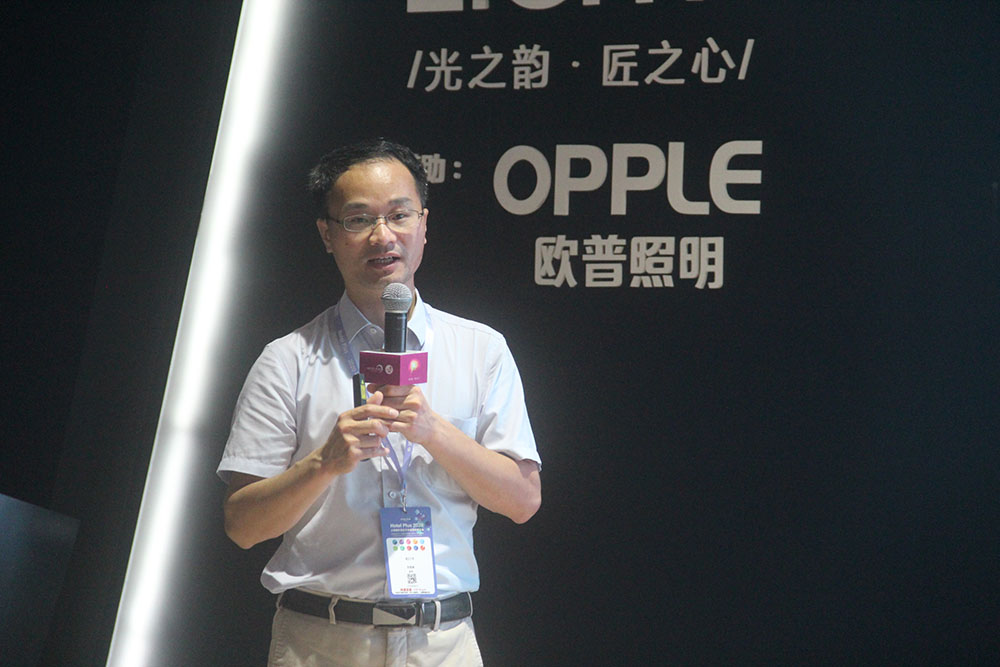
Professor Zhang Shanduan, Deputy Director of the Institute of Electric Light Sources at Fudan University
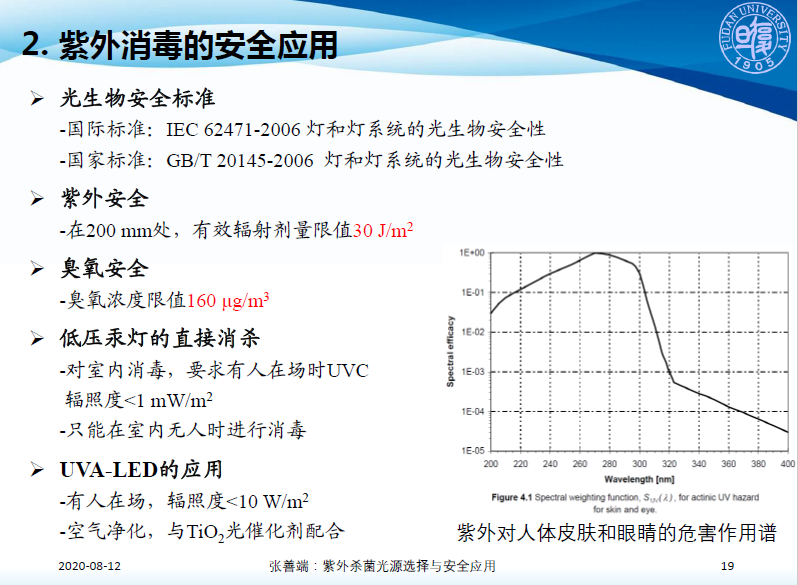
Click "UV Germicidal Irradiation: Light Source Selection and Safe Application" to download Professor Zhang Shanduan's presentation PPT
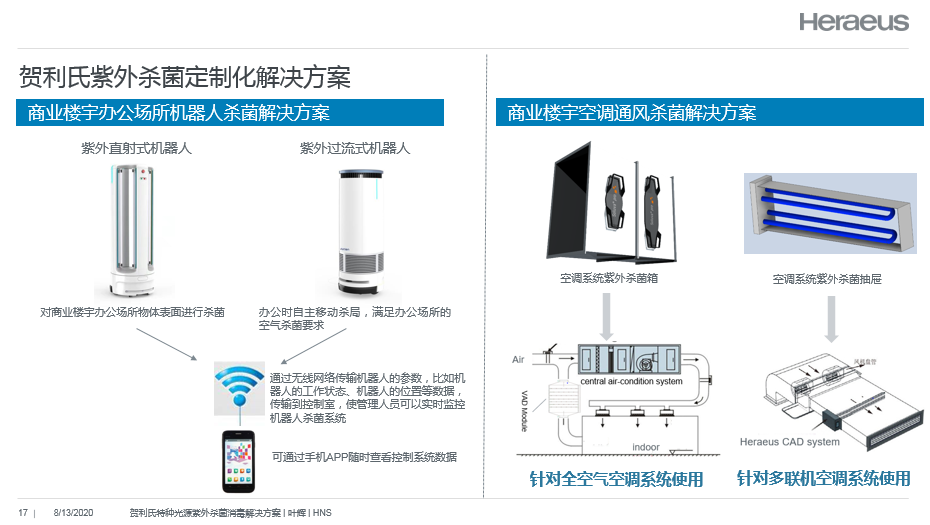
Heraeus Noblelight, part of the Heraeus Group in Germany, has become one of the global leaders in technology and market for UV light sources, primarily due to its outstanding products and solutions. Ye Hui, General Manager of Heraeus Noblelight Greater China, believes that UV air sterilization is one of the most effective sterilization methods. The hallmark of Heraeus UV systems is the use of large-scale particle simulation technology to enhance UV system efficiency, thereby ensuring highly efficient UV application. Mr. Ye also introduced the company's UV product portfolio, including UV germicidal lamps, flow-through and direct-irradiation disinfection robots, UV mask sterilizers, and UV germicidal drawers for HVAC systems, along with multiple customized UV sterilization solutions widely applicable for disinfection in various spaces.
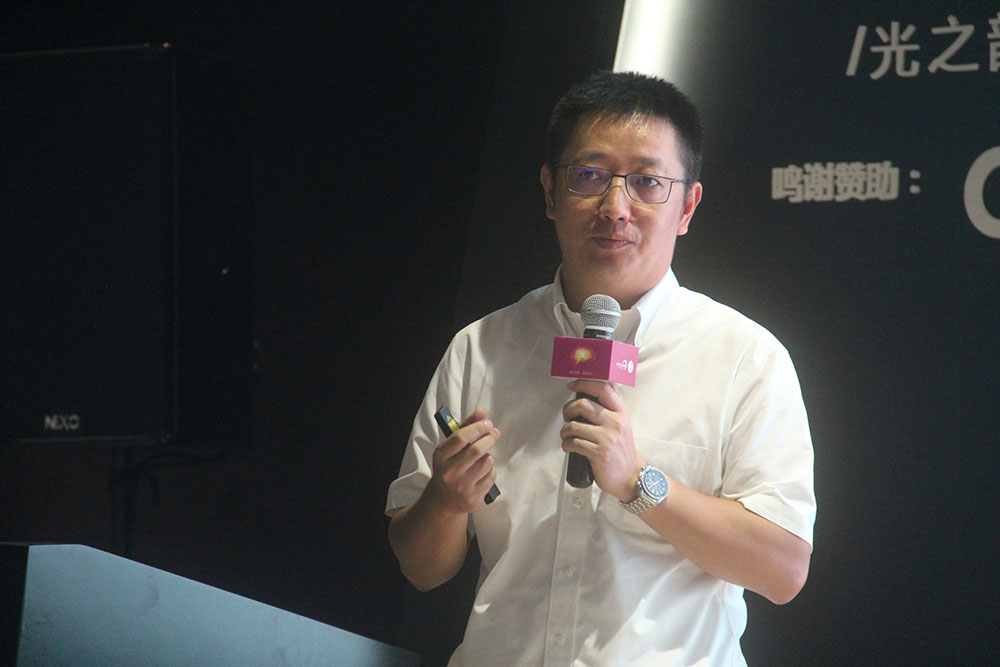
Ye Hui, General Manager of Heraeus Noblelight Greater China
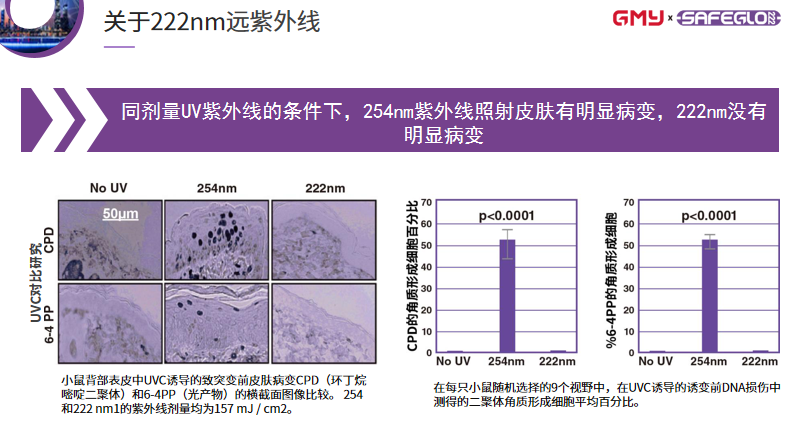
Feng Jinxiang, Vice President of Guangmingyuan Light Technology Co., Ltd., shared the topic "Application of 222nm Far-UVC in Public Disinfection". According to her, after the outbreak of the novel coronavirus pneumonia epidemic, Columbia University in the United States and Kobe University in Japan respectively researched and proved that UVC radiation with a wavelength of 222nm can inactivate pathogens without causing adverse effects on the skin and eyes. Under the same UV dose conditions, 222nm has a stronger sterilization effect compared to 254nm. However, there are still some controversies surrounding 222nm UVC light. Ms. Feng expressed her expectation for more detailed research results on 222nm deep UV to emerge. It is reported that Guangmingyuan (GMY) has focused on light technology applications for 22 years. SAFEGLO is GMY's sub-brand in the field of public disinfection, with products including UV germicidal lamps and xenon germicidal lamps.
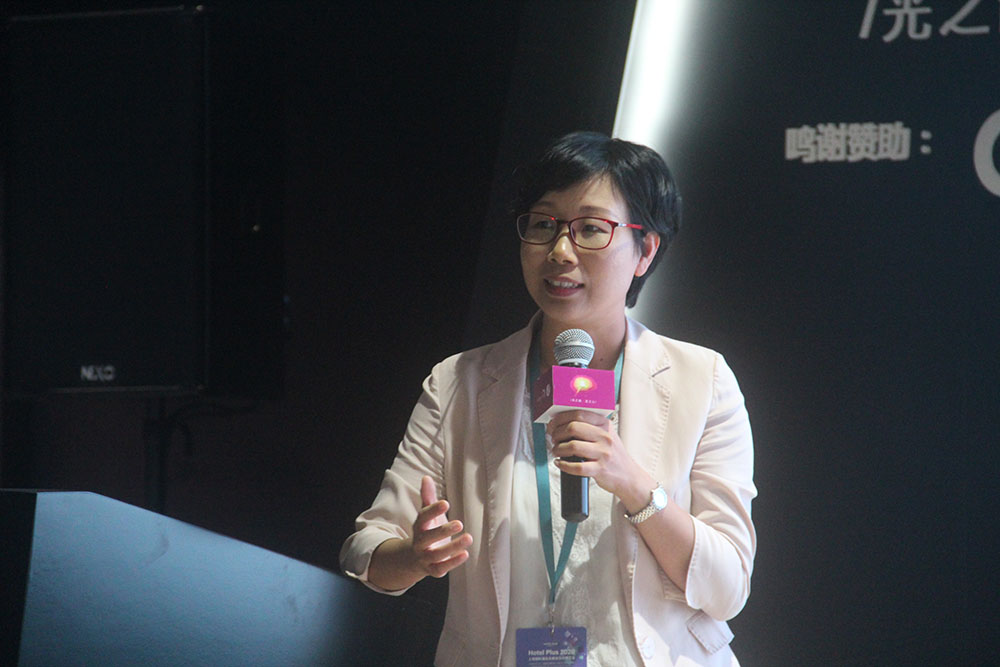
Feng Jinxiang, Vice President of Guangmingyuan Lighting Technology Co., Ltd.
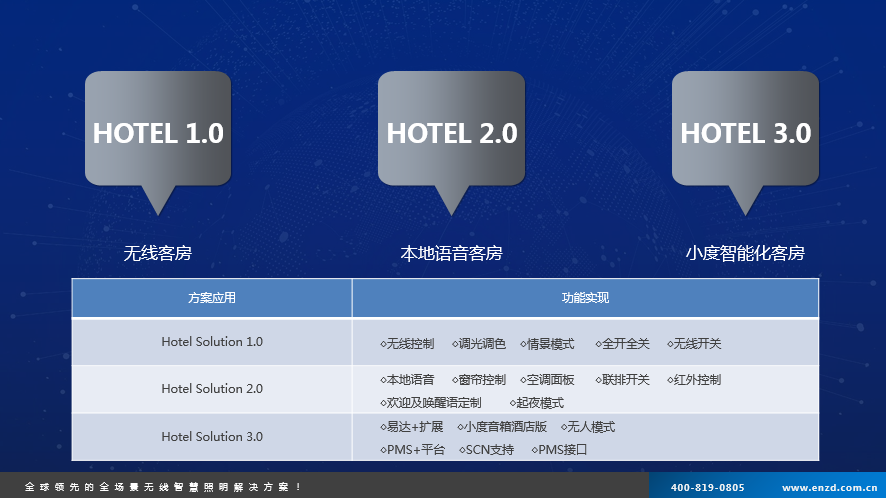
As pandemic control has entered a normalized phase, how can hotels make smarter choices for smart transformation? Zhang Jianxin, Founder and CEO of EN-Zhida, believes that wireless technology can address this issue. He recommends considering three factors when choosing wireless solutions: First, the wireless communication protocol must have undergone extensive accumulation of time and validation; it also needs to go through multiple iterations across various modules to deliver more stable products; and there should be a substantial number of customer case studies. The EN-Wave communication protocol is precisely such a protocol. During its formulation and development, EN-Zhida fully considered the requirements of lighting control systems for easy installation, ease of use, easy maintenance, and high reliability. Based on EN-Wave, EN-Zhida has launched various hotel Solutions to meet the diverse needs of hotel customers. Additionally, the new wireless lighting Solution based on EN-WAVE can be well integrated with UV disinfection Solutions.
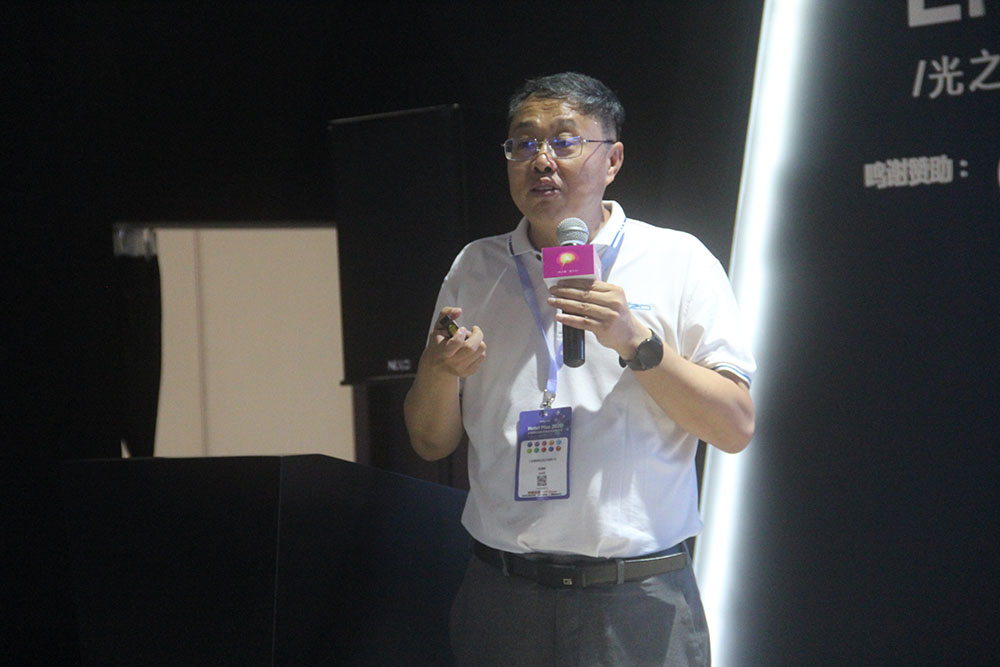
Zhang Jianxin, Founder and CEO of Yineng Zhida
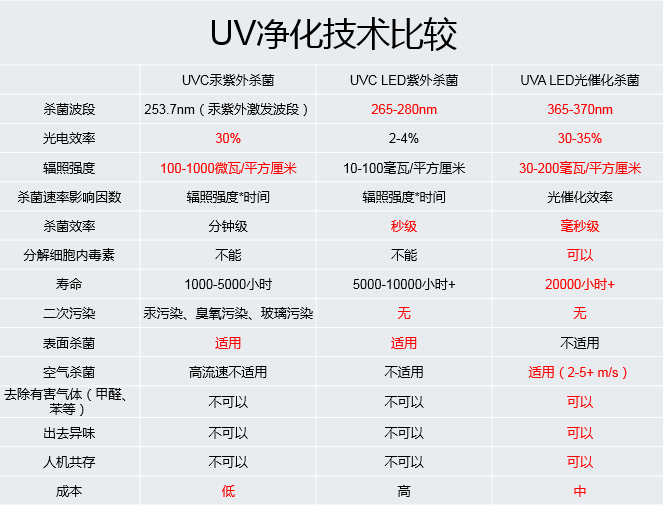
Tang Wenjun, Senior Application Engineer at the Foshan Research Institute of the Suzhou Institute of Nano-Tech and Nano-Bionics, Chinese Academy of Sciences, shared insights on "The Market and Applications of Photocatalysts." Photocatalysts are a general term for photosensitive semiconductor materials with photocatalytic functions, represented by nano-scale titanium dioxide. When coated on substrate surfaces and activated by ultraviolet and visible light, they produce strong catalytic degradation effects: effectively degrading toxic and harmful gases in the air; effectively killing various bacteria and decomposing and neutralizing toxins released by bacteria or fungi; while also offering functions such as formaldehyde removal, deodorization, anti-fouling, and air purification. According to Mr. Tang, the efficacy of photocatalyst products and technologies has been verified through experiments and practical applications. The scope of application includes not only broad fields such as antibacterial treatment, mold prevention, atmospheric purification, and water treatment, but also allows for the installation of photocatalyst sterilization products in refrigerators, air conditioners, and air purifiers. As a safe and effective antibacterial technology that does not use harmful chemicals, photocatalyst technology is expected to see greater development against the backdrop of its global expansion in addressing viral infections and indoor pollution.
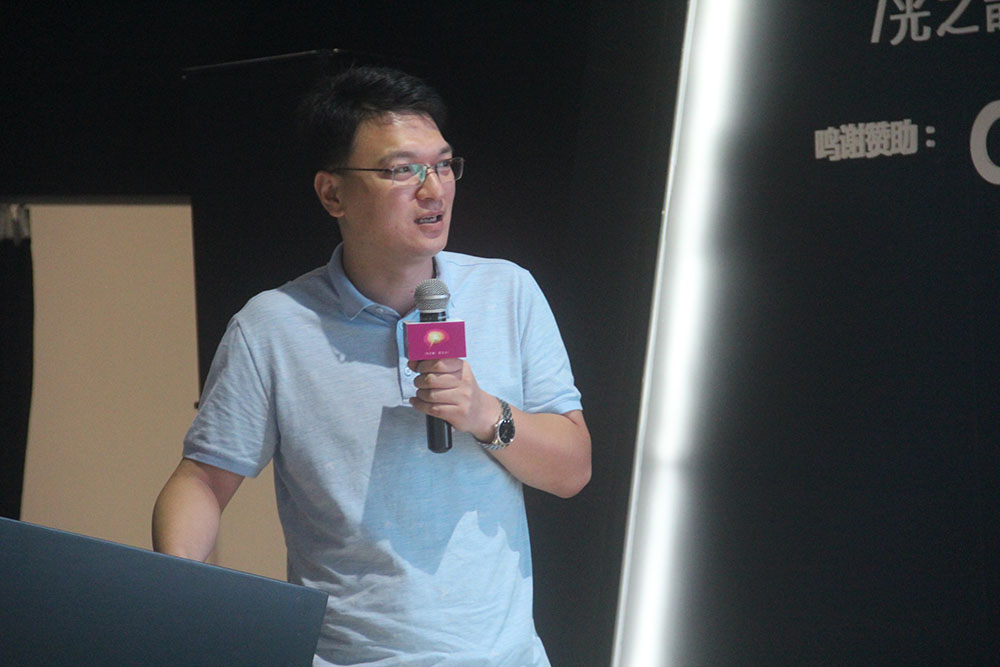
Tang Wenjun, Senior Application Engineer at the Foshan Research Institute of Suzhou Institute of Nano-Tech and Nano-Bionics, Chinese Academy of Sciences
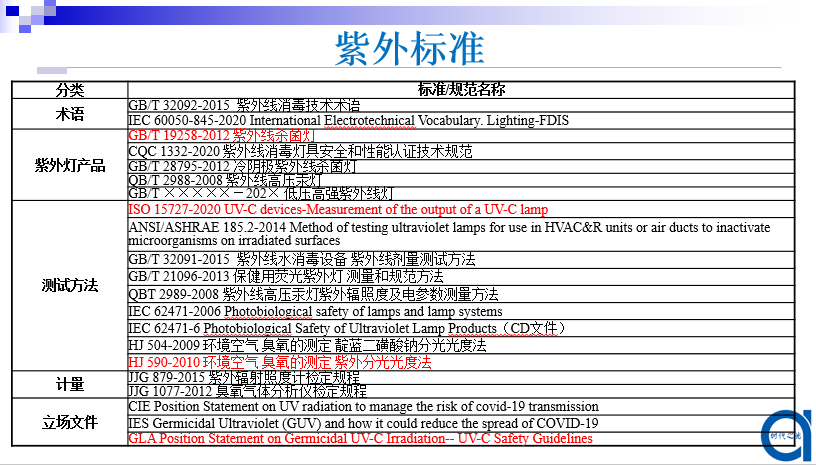
Zhuang Xiaobo, Deputy Director of the Quality and Technology Department and Senior Engineer at Shanghai Shidai Zhiguang Lighting Appliance Testing Co., Ltd., delivered a keynote speech on "Excimer UV Light Source Testing and Outlook for UV Luminaire Standards." An excimer is a diatomic molecule in an excited state. Gas discharge generated by noble gases or mixtures of noble gases and halogens can excite excimers, producing incoherent radiation with wavelengths from near-ultraviolet (400 nm) to vacuum ultraviolet (100 nm), covering a wavelength range of 126–354 nm. To determine the luminous efficacy of excimer UV light sources, it is necessary to measure parameters such as the radiant flux of the light source. Dr. Zhuang provided a detailed introduction to the test methods for the radiant flux of excimer UV light sources, as well as ozone testing methods. Furthermore, he shared insights into standards related to UV luminaires.
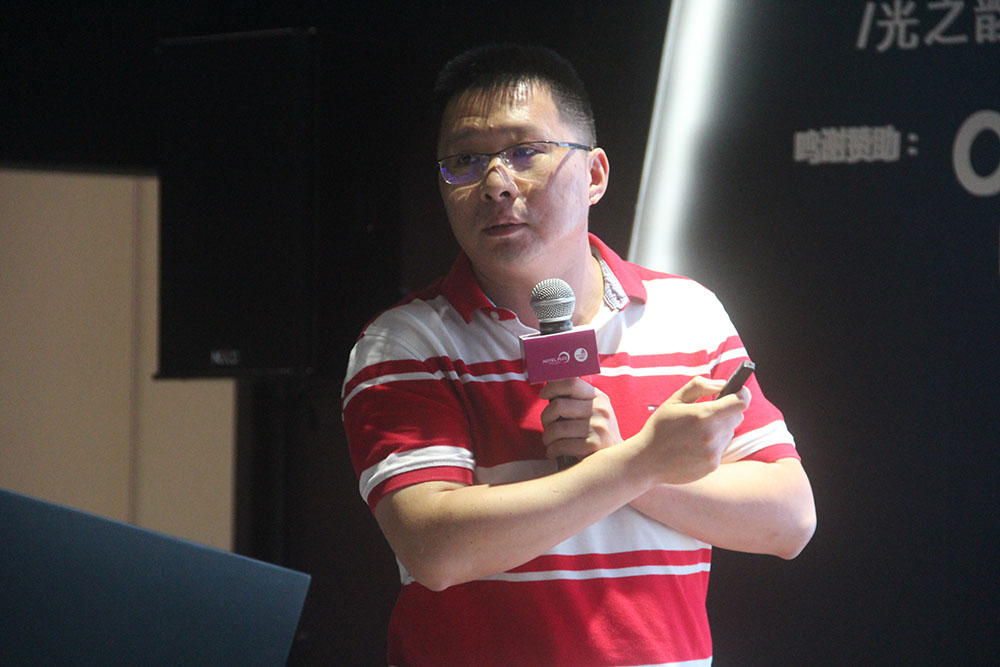
Zhuang Xiaobo, Deputy Director of the Quality and Technology Department and Senior Engineer at Shanghai Shidai Zhiguang Lighting Electrical Testing Co., Ltd.
Following the keynote introduction, the keynote speaker and the audience engaged in a lively discussion on the hot topics and challenges of deep UV LED. The exchange continued for an hour after the Forum ended, demonstrating the industry's strong interest in UV sterilization and disinfection technology.
Hong Bing, General Manager of China Light Network, stated in his closing remarks that the Forum was rich in content and full of practical insights, and its successful convening under current circumstances was no small feat. The sudden outbreak of the COVID-19 pandemic in 2020 made more people realize the importance of having tools capable of safely inactivating viruses during transmission. Public awareness of health, sterilization, and disinfection has significantly improved, leading to a notable increase in demand and attention for deep UV LEDs that can inactivate viruses on solid surfaces, in water, and in the air. It is hoped that through this offline Forum exchange, attendees will gain inspiration or solve problems, take pragmatic steps, better promote the healthy growth of the ultraviolet field, and work together to create a healthy and safe living environment for humanity.