
Jiangsu Offers 200 Million Yuan in Cash Incentives for Culture, Sports, and Tourism | New Policy Analysis
Introduction
To further unlock the potential of service consumption, the Jiangsu Provincial Department of Finance, in collaboration with the Publicity Department of the CPC Jiangsu Provincial Committee, the Provincial Public Security Department, the Provincial Department of Culture and Tourism, and the Provincial Sports Bureau, has jointly issued the “Several Policy Measures to Further Promote the Integration of Culture, Sports, and Tourism and Boost Consumption” (Su Cai Jiao [2026] No. 27). The new policy pools approximately RMB 200 million in provincial special funds, leveraging visitor traffic to drive incremental consumption through tiered subsidies, thereby invigorating emerging sectors such as performing arts, cultural heritage, sports events, nighttime tourism, and integrated cultural-tourism ventures, and fostering deep integration among culture, sports, and tourism industries, injecting strong policy momentum into the high-quality development of Jiangsu’s cultural and tourism sector.
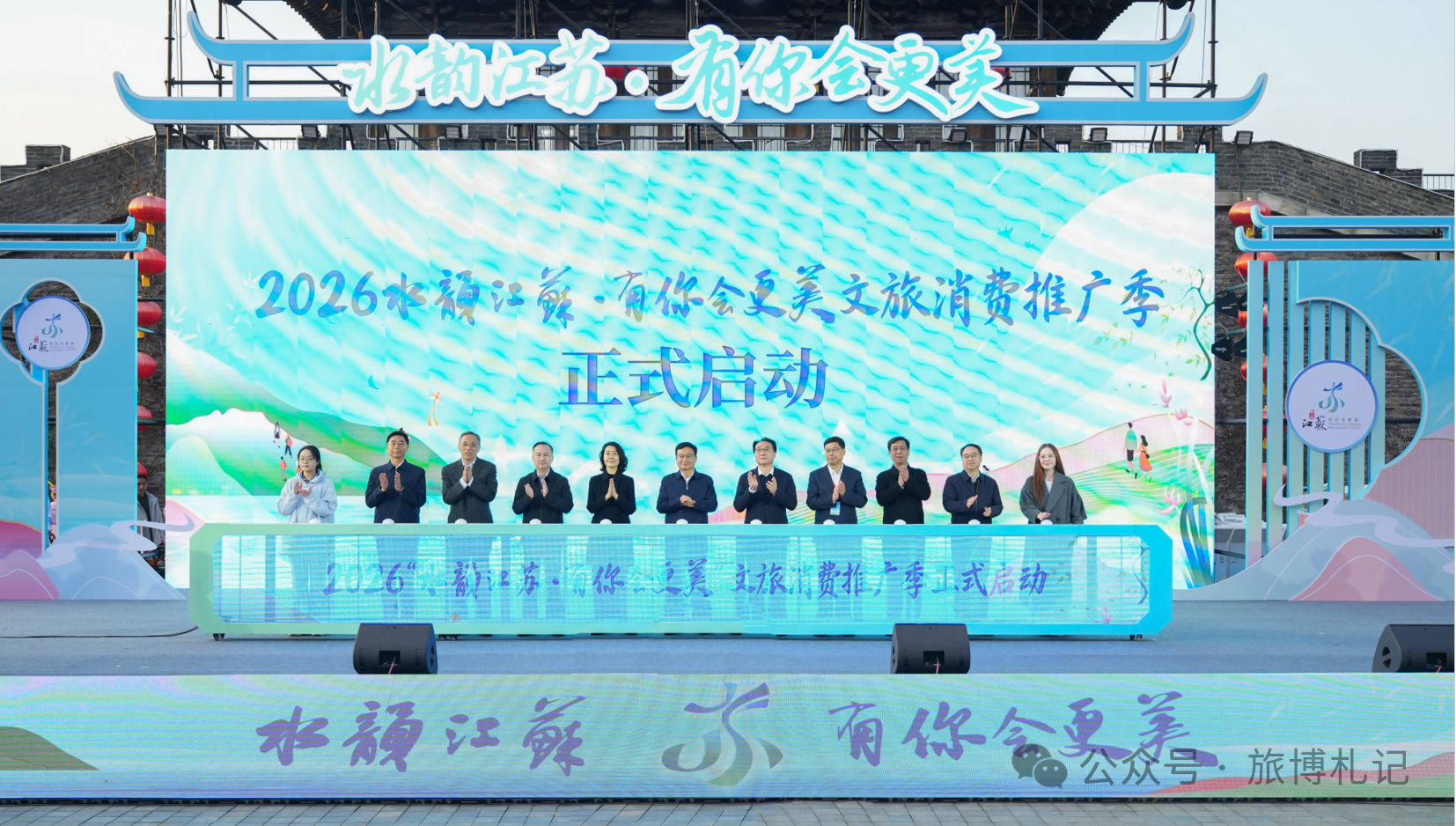
Jiangsu boasts a robust cultural and tourism market, yet it faces pressing challenges, including insufficient high‑level supply, the need to further cultivate new business models, and the imperative to accelerate the recovery of inbound tourism. Departing from the conventional approach of issuing consumer vouchers, this new policy shifts its focus to rewarding supply‑side operators, using actual visitor numbers and ticket sales as key evaluation criteria, transforming foot traffic into tangible increases in industry‑wide consumption. Eligible applicants are not restricted by their place of registration within the province; applications are submitted online via the “Su Xin You” platform, with funds disbursed directly after batch‑wise review and public announcement, ensuring swift access to support.
I. Core Subsidy Guidelines
Category
Project
Subsidy Standard
Key Caps & Conditions
🎤 Performing Arts
Concerts
20,000–50,000 attendees: RMB 100,000 | 50,000–100,000 attendees: RMB 400,000 | 100,000–150,000 attendees: RMB 800,000 | Over 150,000 attendees: RMB 1,000,000
Annual cumulative cap: RMB 3,000,000
Music Festivals
30,000–60,000 attendees: RMB 100,000 | 60,000–100,000 attendees: RMB 400,000 | 100,000–150,000 attendees: RMB 800,000 | Over 150,000 attendees: RMB 1,000,000
Annual cumulative cap: RMB 3,000,000
Imported or Original Productions
For single venues with ≥100,000 tickets sold: RMB 500,000
With a ticket sell‑through rate ≥75%: Annual cap of RMB 1,000,000
🏛 Cultural Heritage
Temporary Special Exhibitions
50,000–80,000 visitors: RMB 150,000 | 80,000–150,000 visitors: RMB 400,000 | Over 150,000 visitors: RMB 600,000
Annual cumulative cap: RMB 1,500,000
🏃 Sports Events
International Competitions
4–6 participating countries/regions: RMB 500,000 | 7–10 participating countries/regions: RMB 800,000 | 11 or more: RMB 1,000,000
Subject to inclusion on the official event roster, with a maximum of RMB 1,000,000 per event
Commercially Ticketed Events
10,000–20,000 attendees: RMB 500,000 | 20,000–30,000 attendees: RMB 800,000 | Over 30,000 attendees: RMB 1,000,000
Maximum of RMB 1,000,000 per event
Running Races
20,000–30,000 participants: RMB 500,000 | Over 30,000 participants: RMB 800,000
For out-of-province participants exceeding 60%, an additional 20% bonus applies
Mass Youth Races
RMB 200,000–500,000
Subject to inclusion on the approved list
🌍 Inbound Tourism
Travel Agencies Hosting Overnight Foreign Visitors
Starting from the second night: RMB 40 per person; from the third night onward: RMB 50 per person
Eligibility begins at ≥5,000 overnight stays, with an annual cap of RMB 2,000,000
Hotels Accommodating Foreign Guests
RMB 30 per guest
For hotels hosting ≥500 foreign guests annually, the top 20 receiving the largest increase will receive an additional RMB 50,000
OTA Promotion for Inbound Travelers
Calculated based on bookings, with a maximum of RMB 500,000
Foreign Exhibition Promotion
Up to RMB 100,000 per event, with an annual cap of RMB 300,000
✨ Emerging Business Models
Educational Travel Agencies
Top 20 agencies nationwide in total person‑days spent: RMB 300,000 each
Specialized Educational Tours
Multi‑day tour packages promoted by OTAs
Calculated based on bookings, with a maximum of RMB 500,000
AI, Immersive Experiences, Low‑Altitude Flights, Water‑Based Activities, etc.
First launches within the province: RMB 100,000; national premieres: RMB 500,000
Annual cap of RMB 300,000 per entity
Nighttime Economy & Integrated Markets
Calculated based on actual attendance
Evening themed events in designated clusters
Note:
1. All rewards are granted solely on the basis of verified ticket sales and on‑site attendance data; paper‑based activities are not eligible;
2. Applicants are not restricted by their place of registration within the province; funds are disbursed directly upon successful public announcement;
3. The policy is valid from June 2026 to December 31, 2027.
II. Key Highlights of the Policy
1. Breaking Down Registration Barriers: Equal Access for All Market Players
The new policy removes restrictions on the place of registration for businesses, allowing out‑of‑province enterprises that launch eligible projects in Jiangsu to apply for subsidies as well; the policy’s implementation period has been extended to two years, encouraging long‑term investment by private capital in Jiangsu’s culture, sports, and tourism markets while stabilizing industry expectations. Funds are disbursed directly and swiftly after public approval, easing financial pressures on businesses.
2. Performance‑Driven Approach: Rewards Based Solely on Verified Sales and Attendance
Avoiding blanket subsidies, concerts, exhibitions, and sporting events all use verified ticket sales and actual attendance figures as the basis for awards; paper‑based activities and artificially inflated visitor counts will not qualify for funding.
3. Balancing Inbound Tourism with Local Innovation
The policy significantly strengthens support for inbound tourism, providing targeted subsidies and rewards for hosting overnight foreign visitors and promoting overseas initiatives by local businesses, thus addressing gaps in the inbound tourism sector. At the same time, it supports high‑quality cultural‑tourism routes and educational travel products, encouraging synergies between “events + tourism” and “performances + sightseeing,” aiming to leverage a single ticket to stimulate consumption across multiple sectors.
4. Expanding New Business Models: Emphasizing Nighttime Economy and Scenario Innovation
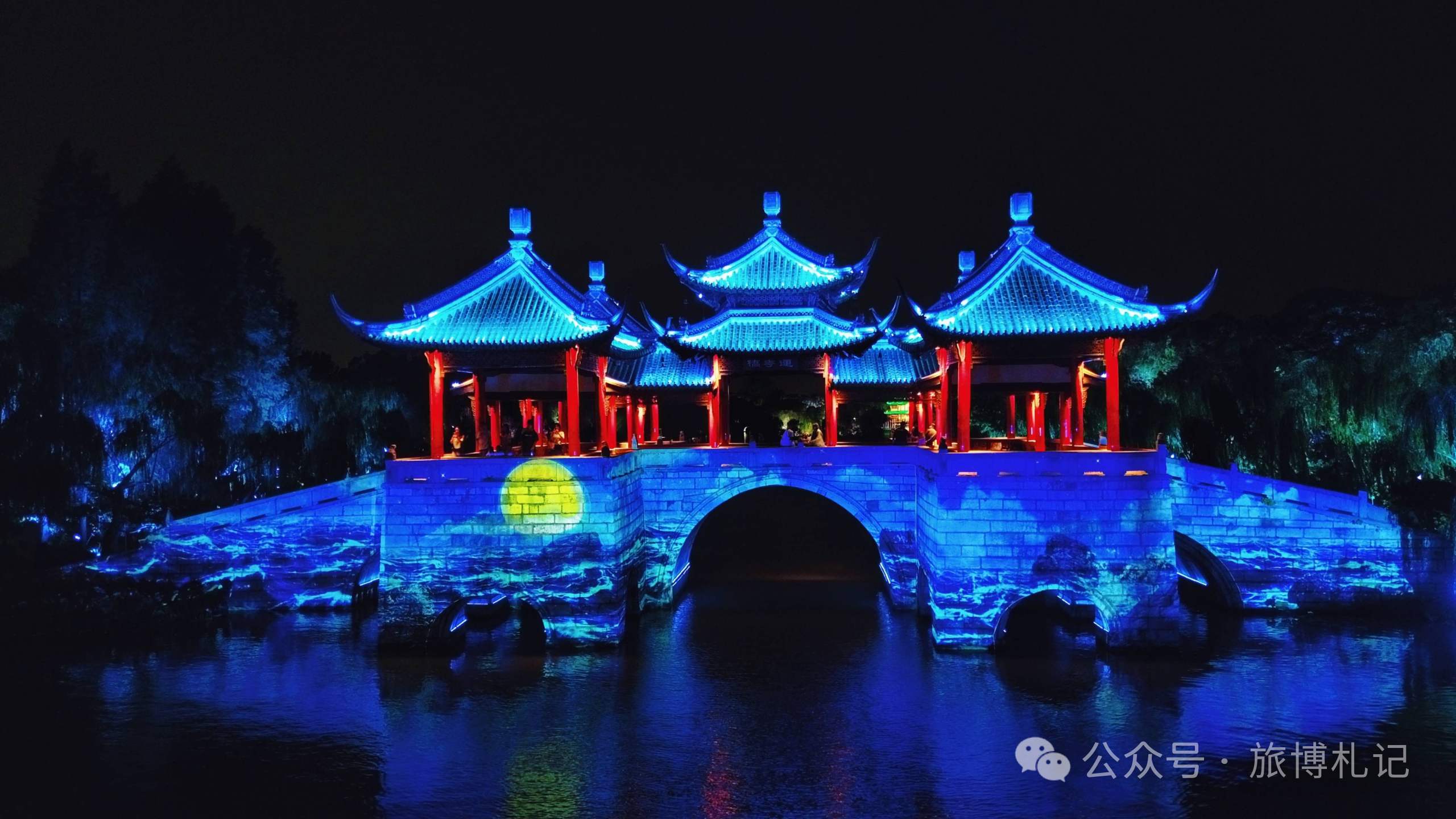
Including AI‑powered cultural experiences, digital entertainment, educational tours, low‑altitude flights, water‑based adventures, intangible cultural heritage‑related creative products, and live‑streamed cultural events within the scope of support; supporting the creation of nighttime cultural‑tourism clusters to build distinctive “night economy” brands, while encouraging the development of commercial‑cultural‑sports‑entertainment marketplaces and themed districts—aligning with current needs for neighborhood revitalization and enhanced nighttime tourism offerings.
III. Implications for Local Projects and Cultural‑Tourism Institutions
For local cultural investment firms, scenic areas, district management entities, and planning/design agencies, this policy sends a clear message: projects should no longer be judged solely on grandiose blueprints, but rather on real visitor flows, actual conversion into consumption, and the effectiveness of diversified business model linkages.
● When developing new themed districts or upgrading nighttime tourism offerings, proactively coordinate with concerts, small music festivals, temporary cultural exhibitions, and sports events to create integrated programs, using event‑driven visitor traffic to boost district operations and secure policy subsidies;
● During product planning, strengthen alignment with policy priorities such as educational travel, inbound tourism, and nighttime consumption, incorporating eligibility requirements into early-stage planning to ensure seamless coordination between strategy and policy;
● Don’t confine yourself to traditional cultural‑tourism products; actively explore digital cultural offerings and immersive new formats to broaden revenue streams and expand opportunities for policy application.
IV. Industry Reflection: Policy Benefits Are Not Equivalent to Project Gains
While policies provide external support, they cannot obscure the fundamental logic underlying each project. By rewarding based on actual attendance, the new policy ensures that fake visitor counts and paper‑based activities will not qualify for subsidies. This serves as another reminder to the industry: during the initial planning phase, conduct thorough audience analysis and assess the consumption base to avoid prioritizing events over operational sustainability, treating policy subsidies as an incremental benefit rather than a lifeline for the project itself.
(Sources: Jiangsu Provincial Department of Culture and Tourism, Jiangsu Provincial Sports Bureau)
Author / Qian Zongming
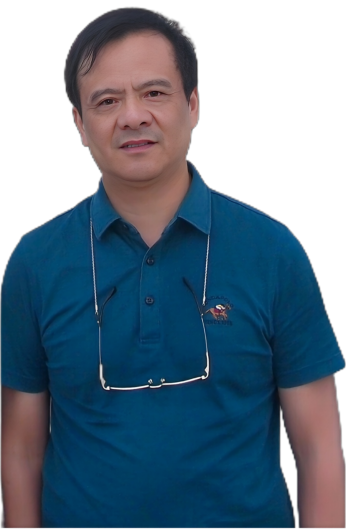
Director of the Digital and Nighttime Economy Research Center at the Jiangsu Innovation Economy Research Base, Secretary-General of the Jiangsu Lighting Society, and expert on nighttime cultural‑tourism economics at the Jiangsu Provincial Department of Culture and Tourism, with extensive experience in MBA teaching and research on lighting economics and nighttime tourism theory.
This article originally appeared on the “Lübo Zhaji” WeChat account.
China Light
The official website of the China Association of Lighting Industry and a full-media platform for the lighting sector. We provide authoritative and timely lighting information while striving to be a growth partner for businesses. From brand promotion and channel expansion to consulting, talent training and participation in standards development, we provide comprehensive professional services to help businesses improve quality and efficiency and jointly advance the high-quality development of the lighting industry.
Business Contacts
仇纯 (Ms.): 158 6155 3579
顾君 (Mr.): 137 7157 5253