
A series of intensive efforts to revise and update national lighting standards are underway.
Currently, the lighting industry is transitioning from traditional functional lighting to smart, ecosystem‑based lighting, with applications expanding across sectors such as education, healthcare, and artificial intelligence. However, issues of homogeneous competition and low‑quality, low‑price products remain prominent. Putting standardization at the forefront and using high standards to drive high quality has become a widely shared consensus for breaking the cycle of “involution” in the lighting sector.
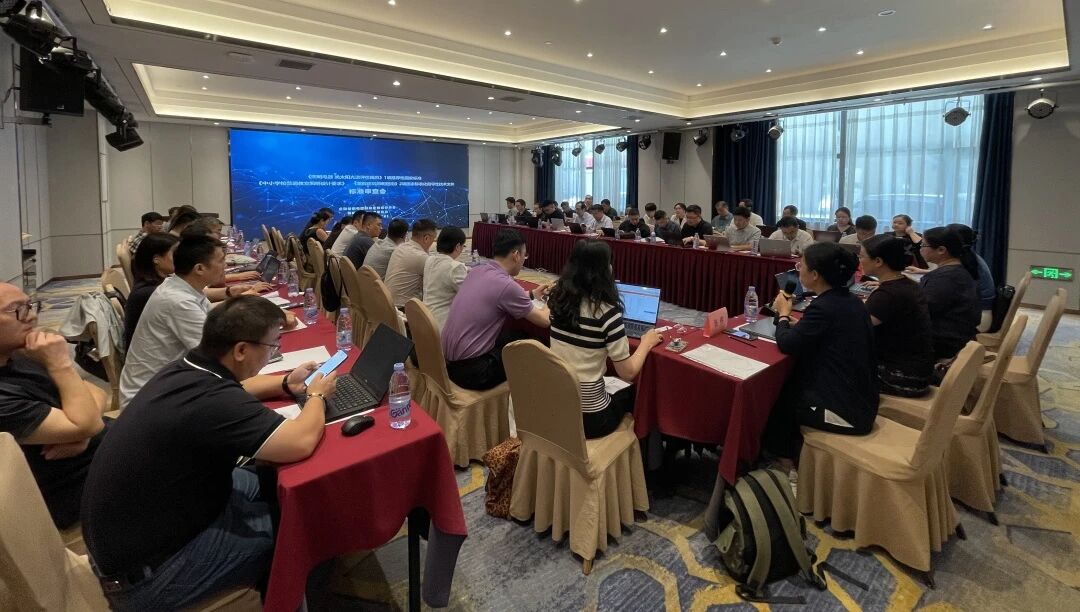
Standardization efforts in the lighting industry are accelerating toward greater segmentation, specialization, and cross‑industry integration. The health‑lighting sector has taken the lead in achieving breakthroughs. At meetings of relevant sub‑technical committees under the National Technical Committee for Lighting Appliance Standardization, three national standards—“Evaluation Specification for Sunlight‑Like Spectral Characteristics of Lighting Appliances,” “Design Requirements for General Classroom Lighting in Primary and Secondary Schools,” and “Guidelines for Hospital Building Lighting”—have successfully passed rigorous review and will soon proceed to approval. Wang Zhuo, Chairperson of the Basic Standards Sub‑Committee, noted that as technology advances and market dynamics evolve, demand for standards is becoming increasingly diverse, granular, and cross‑sectoral. Meanwhile, relevant authorities are strengthening oversight of standardization work, tightening the cycles for drafting and revising standards, and ensuring that committee activities adapt promptly to meet industry needs. These three standards will provide more scientifically sound benchmarks for evaluating lighting in critical settings such as education and healthcare. The drafting teams will incorporate expert recommendations to finalize the draft submissions as quickly as possible, thereby supporting the standardized development of health‑focused lighting.
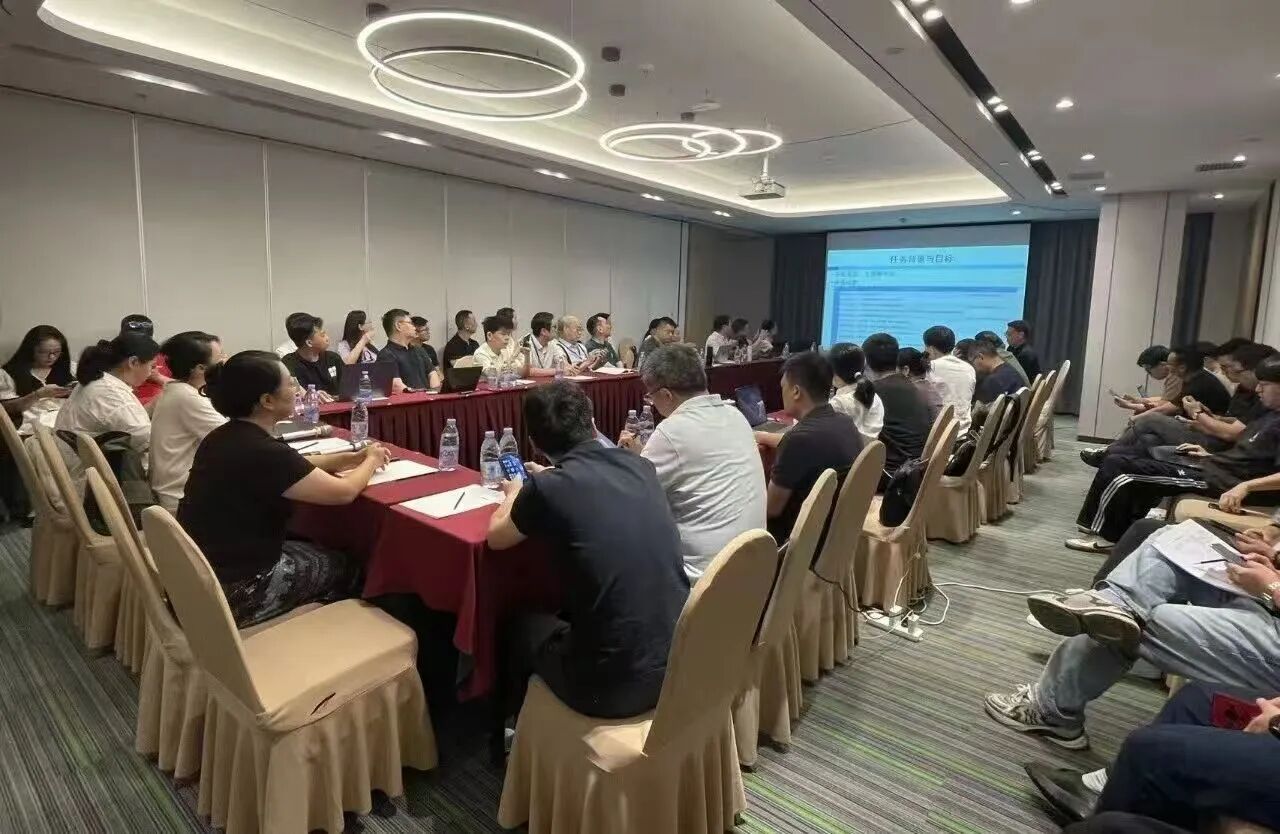
In step with market trends and the move toward intelligent solutions, industry experts have convened discussions on two newly proposed national standards: “Performance Specifications for Fixed‑Type General‑Purpose LED Luminaires” and “Performance Specifications for LED Light Strips.” They have also initiated deliberations on establishing a new standard for “General Technical Requirements for Offline Chinese Voice Control Functions in Indoor Lighting Appliances.” Furthermore, at the seminar on “New Trends in High‑Quality Development of Reading and Writing Task Lamps” and during a special session dedicated to drafting the “White Paper on China’s Health‑Lighting Industry Development,” experts emphasized that “health” is the result of systemic effects rather than a property of individual products. The white paper will adopt a framework encompassing visual, non‑visual, and emotional well‑being, leveraging iterative revisions and high‑quality case studies to guide the industry’s shift from equipment‑centric standards toward system‑level health outcomes, thus avoiding forced packaging of conventional lighting products.
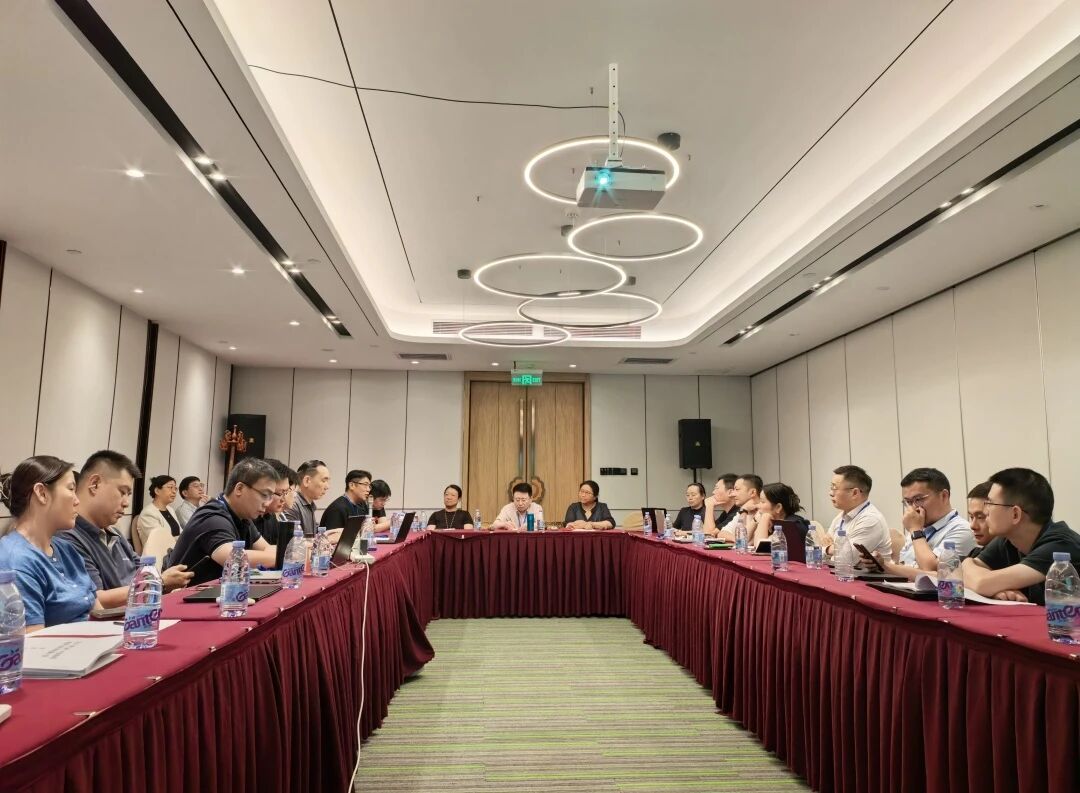
Wang Xuhua, Vice President of the China Lighting Fixture Association, stated that the association will continue to actively gather feedback from enterprises and advance practical initiatives such as maturity assessments of quality management systems, helping companies strengthen their foundational quality capabilities.
Source: Consumer Daily